

Manage Kids’ Travel Illnesses | Expert Tips & Help
Are you planning a family vacation with your little ones? Traveling with children can be exciting and fulfilling, but it’s essential to take precautions to prevent travel-related illnesses in kids. Tips for dealing with travel-related illnesses in children can help you keep your children healthy and happy during your trip.
Common travel illnesses in children include motion sickness, stomach bugs, colds, and flu, among others. Fortunately, there are many measures you can take to minimize the risk of these ailments and manage them if they occur.
Follow child-friendly travel health advice to ensure your kids’ well-being during travel. Discover essential tips for keeping kids healthy during travel and preventing infections in children while on the go. From vaccinations and immunizations to packing a travel health kit for kids, we’ve got you covered.
Understanding Travel-Related Illnesses in Children
Traveling with children can be a fun and exciting experience, but it’s important to be aware of the potential illnesses they may encounter. Common travel illnesses in children include:
- Traveler’s diarrhea
- Malaria
- Tuberculosis
- Yellow fever
- Dengue fever
Preventing infections in children while traveling should be a top priority. To keep your child safe and healthy, take necessary precautions such as:
- Washing hands frequently with soap and water
- Drinking bottled water or using a water purification system
- Eating only well-cooked food and avoiding raw or undercooked meat and seafood
- Getting the necessary vaccinations and immunizations
- Avoiding insect bites by wearing long-sleeved clothes and using insect repellent
It’s important to note that some vaccinations and immunizations may require multiple doses over a period of time, so plan ahead and visit your healthcare provider well in advance of your trip.

“Being aware of the potential infections that your child may encounter while traveling and taking the necessary precautions can help prevent them from getting sick and ensure a safe and healthy trip.”
Preparing for Travel with Children
Traveling with children can be a wonderful experience, but it requires some extra preparation to keep them healthy and happy during the journey. Follow these essential tips to ensure a smooth travel experience:
- Pack healthy snacks: Bring along nutritious snacks like fresh fruit, trail mix, and granola bars to keep your children fueled throughout the trip.
- Dress appropriately: Dress your kids in comfortable clothing and layers appropriate for the climate of your destination. Don’t forget sunscreen and hats for sun protection.
- Stay hydrated: Encourage your children to drink plenty of water before and during the journey to prevent dehydration. Bring a refillable water bottle for each child.
- Get enough rest: Before your trip, make sure your children get adequate sleep to prepare for the journey. During long trips, encourage napping or resting to prevent exhaustion.
- Create a travel health kit: Pack a travel health kit with remedies for travel-related illnesses like motion sickness and headaches. Don’t forget medications and first aid supplies.
By taking these steps, you can ensure a healthy and enjoyable journey with your children. Keep in mind that preparation is key to preventing travel-related illnesses in children.
Vaccinations and Immunizations for Travel
One essential step in preventing travel-related illnesses in children is to get the necessary vaccinations and immunizations before your trip. Follow this child-friendly travel health advice to ensure your little ones are protected against travel-related diseases.
Consult with your pediatrician at least a month before your trip to identify the recommended vaccinations and to allow time for the vaccines to take effect. Common required vaccines for travel include:
| Vaccine | What it Prevents |
|---|---|
| Measles, Mumps, and Rubella (MMR) | Measles, Mumps, and Rubella |
| Polio | Polio |
| Tetanus, Diphtheria, and Pertussis | Tetanus, Diphtheria, and Pertussis (Whooping Cough) |
| Hepatitis A | Hepatitis A virus (transmitted through contaminated food and water) |
| Hepatitis B | Hepatitis B virus (transmitted through blood and bodily fluids) |
| Varicella (Chickenpox) | Chickenpox |
| Yellow Fever | Yellow Fever virus (transmitted through mosquito bites) |
Other vaccinations may be recommended based on your travel destination and your child’s age and health history. It’s also a good idea to ensure your child’s routine immunizations are up-to-date.
Remember to bring your child’s vaccination records with you on your trip. In case of an emergency, it’s important for healthcare providers to know which vaccinations your child has received and when.
Packing a Travel Health Kit for Kids
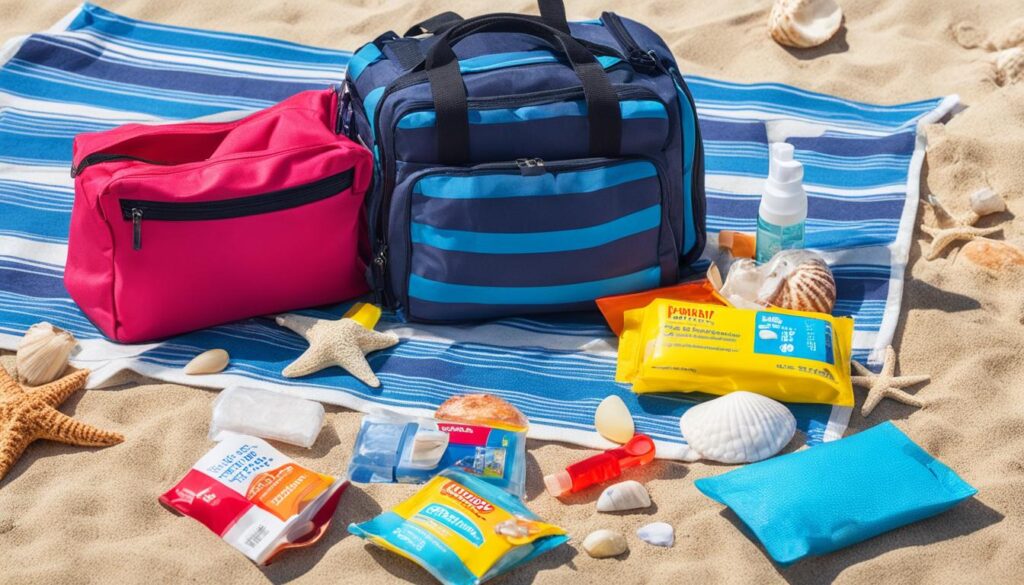
When traveling with children, it’s essential to be prepared for any health-related emergencies that may arise. Packing a travel health kit for your kids is an effective way to address travel-related illnesses and injuries. Here are some remedies and essential items to include in your kit.
Remedies for Travel-Related Illnesses
Travel-related illnesses such as motion sickness can dampen your trip. Ensure your travel health kit has the remedies to alleviate any symptoms your kids may experience. Some remedies include:
- Anti-motion sickness medication: to alleviate motion sickness symptoms.
- Fever and pain medication: such as acetaminophen or ibuprofen to reduce fever, pain.
- Antihistamines: to relieve allergies or allergic reactions.
- Oral rehydration solution: to prevent dehydration during vomiting or diarrhea.
Essential Items to Include
Besides remedies, here are some essential travel health items to pack in your kit:
- Hand sanitizer: to maintain proper hygiene and prevent the spread of germs.
- Insect repellent: to protect your children from insect bites and infections.
- Adhesive bandages: for minor injuries or cuts.
- Sunscreen and sun hats: to protect your children from the harmful effects of UV rays.
- Thermometer: to monitor your kid’s temperature.
- Medical information: such as allergies and prescriptions in case of emergency.
Travel Health Kit Essentials
| Remedies for Travel-Related Illnesses | Essential Items to Include |
|---|---|
| Anti-motion sickness medication | Hand sanitizer |
| Fever and pain medication | Insect repellent |
| Antihistamines | Adhesive bandages |
| Oral rehydration solution | Sunscreen and sun hats |
| Thermometer | |
| Medical information |
By packing a comprehensive travel health kit for your kids, you can ensure their health and well-being while embarking on family adventures. Remember, prevention is better than cure, and proper planning and preparation can help prevent travel-related illnesses in children.
Managing Travel Sickness in Kids
Traveling with kids can be an exciting experience, but it can also be challenging. One of the most common issues that parents face when traveling with children is managing travel sickness. Motion sickness can occur in the car, on a plane, or on a boat, and it can be a real challenge for parents to deal with. However, there are ways to manage travel sickness in kids to ensure a comfortable journey while preventing other travel-related illnesses.
What is travel sickness?
Travel sickness, also known as motion sickness, is a condition that occurs when there is a conflict between the visual cues that the brain receives, and the information that the body’s balance mechanisms are sending. This conflict leads to the symptoms of travel sickness, which can include nausea, dizziness, and fatigue.
How to manage travel sickness in kids?
If your child experiences travel sickness, there are several things that you can do to manage the symptoms:
- Encourage your child to look straight ahead
- Avoid reading while in motion
- Provide fresh air and good ventilation
- Avoid strong odors and spicy or greasy foods
- Take breaks and get some fresh air regularly
Additionally, certain remedies can help alleviate the symptoms of travel sickness. Ginger is a natural remedy that can be used to help ease nausea. You can give your child ginger tea or ginger supplements before traveling. Over-the-counter medications such as antihistamines or dimenhydrinate can also be effective in managing travel sickness.
Consult your pediatrician before giving any medication to your child. They can recommend the best treatment for your child’s individual needs, taking into account any pre-existing medical conditions and medications your child may be taking.
By following these tips, you can help manage travel sickness in kids, ensuring a comfortable journey for everyone involved.

Hygiene Practices and Good Habits
When traveling with children, it’s essential to implement proper hygiene practices and good habits to prevent infections and stay healthy. Here are some tips to help keep your kids healthy during your travels:
- Wash hands frequently with soap and water, especially before eating and after using the bathroom. If soap and water are not available, use hand sanitizer with at least 60% alcohol content.
- Avoid touching your face, especially your mouth, nose, and eyes, to minimize the risk of infection.
- Bring disinfectant wipes or sprays to clean surfaces that your children may touch, such as airplane trays, armrests, and hotel room remote controls and light switches.
- Encourage your kids to cough and sneeze into a tissue or their elbow to prevent the spread of germs.
- Teach your children good oral hygiene, such as brushing and flossing their teeth regularly and avoiding sharing toothbrushes or utensils with others.
Stay Clean with Basic Toiletries
Bringing basic toiletries will help you maintain proper hygiene while traveling. Here are a few items that you should pack:
- Toothbrush and toothpaste
- Travel-sized soap and shampoo
- Disposable or reusable face masks
- Hand sanitizer with at least 60% alcohol content
Remember, staying healthy while traveling starts with proper hygiene practices and good habits.
Dealing with Jet Lag and Fatigue
Traveling across time zones can cause jet lag and fatigue in children, affecting their health and wellbeing. However, you can minimize the impact of these travel-related illnesses by following some essential tips:
- Adjust your child’s sleep schedule a few days before your trip to match the destination’s time zone.
- Ensure your child gets some rest on the flight by providing a comfortable sleeping area. You can carry a neck pillow, eye mask, and earplugs to make it easier.
- Encourage your child to drink plenty of water and other non-caffeinated beverages to stay hydrated.
- Try to schedule your activities according to your child’s sleep patterns and limit their exposure to bright light during the night to regulate their internal clock.
By following these essential tips, you can prevent jet lag and fatigue while keeping your child’s health in check during travel. Remember to prioritize your child’s comfort and wellbeing to guarantee an enjoyable family trip.
Safe Food and Water Practices
While traveling with children, it’s crucial to take necessary precautions to prevent foodborne illnesses. Follow these essential tips to ensure the food and water your children consume are safe and hygienic:
- Avoid tap water: When traveling to a foreign country, avoid drinking tap water as it may contain harmful viruses and bacteria. Only drink bottled water with unbroken seals, or water that has been purified or boiled for at least one minute before consumption.
- Wash hands properly: Encourage your children to wash their hands frequently with soap and water or use an alcohol-based hand sanitizer before and after meals.
- Choose restaurants and food stalls wisely: Check the cleanliness of the places you want to eat at before ordering food. Avoid street food or uncooked food items as they may harbor bacteria.
- Wash fruits and vegetables: Rinse fruits and vegetables with bottled water or purified water before eating them.
- Keep food properly: Use airtight containers and the refrigerator, if possible, to keep food items fresh. Discard any leftover food that has been kept at room temperature for more than two hours.
Frequent food and water safety checks can go a long way in maintaining your child’s health and well-being while traveling.
Sun Safety and Protection
When traveling with children, it’s important to protect them from the harmful effects of the sun. According to the American Academy of Dermatology, just one blistering sunburn during childhood can double a person’s risk of developing skin cancer later in life.
Follow these essential tips for keeping your kids healthy during travel and staying healthy while traveling with children:
- Apply sunscreen with an SPF of at least 30 to your child’s skin, and reapply every two hours or after swimming or sweating.
- Dress your child in light-colored, lightweight clothing that covers the arms and legs.
- Give your child a wide-brimmed hat to wear, which will protect their face, neck, and ears.
- Find shade when possible, such as under a tree, umbrella, or canopy.
With proper sun safety and protection, you can ensure that your children enjoy the outdoors while minimizing the risk of sunburn and skin damage.
Seeking Medical Help and Insurance Coverage
It’s important to familiarize yourself with the medical resources available and understand your insurance coverage when traveling with children. Mishaps can happen, and it’s always better to be prepared.
Research ahead of time and find out what medical facilities are available at your destination. Check if your insurance covers medical emergencies abroad or if you need additional coverage.
Make sure to pack all necessary medications and vaccines for your children. Keep their medical information and emergency contacts, including your insurance information, in one place for easy access.
If your child gets sick while traveling, don’t hesitate to seek medical help. Find the nearest medical facility and consult with a local doctor. If you have any doubts or concerns, contact your insurance provider for guidance.
“Don’t take chances when it comes to your child’s health. Make sure you are prepared for any medical emergencies that may arise while traveling.”
Conclusion
Traveling with children can be challenging, but it also presents an opportunity for families to bond and create memories. However, it’s important to prioritize your children’s health and well-being while on the go. By following the expert tips and advice shared in this article, you can effectively manage and prevent travel-related illnesses in children. Remember to pack a travel health kit, follow proper hygiene practices, seek medical help when needed, and ensure your children are up-to-date on recommended vaccinations and immunizations. With these essential tips for keeping your kids healthy during travel, you can enjoy unforgettable family adventures without worrying about travel-related illnesses. Safe travels!


