

Navigating Local Customs and Traditions
When traveling or interacting with individuals from different cultures, it is essential to have a deep understanding of local customs and traditions. By developing cultural awareness and embracing cultural diversity, you can navigate different cultures with ease and appreciate the richness of cultural traditions. In this article, we will explore the significance of understanding local customs and traditions and provide practical tips for promoting cross-cultural understanding. So, let’s dive in and discover how we can enhance our cultural experiences and forge stronger global connections.
The Importance of Cultural Understanding
Understanding local customs and traditions is crucial in today’s interconnected world. By deepening your cultural awareness, you can navigate different cultures with cultural sensitivity and respect.
Cultural sensitivity is the ability to appreciate and understand diverse cultural perspectives.
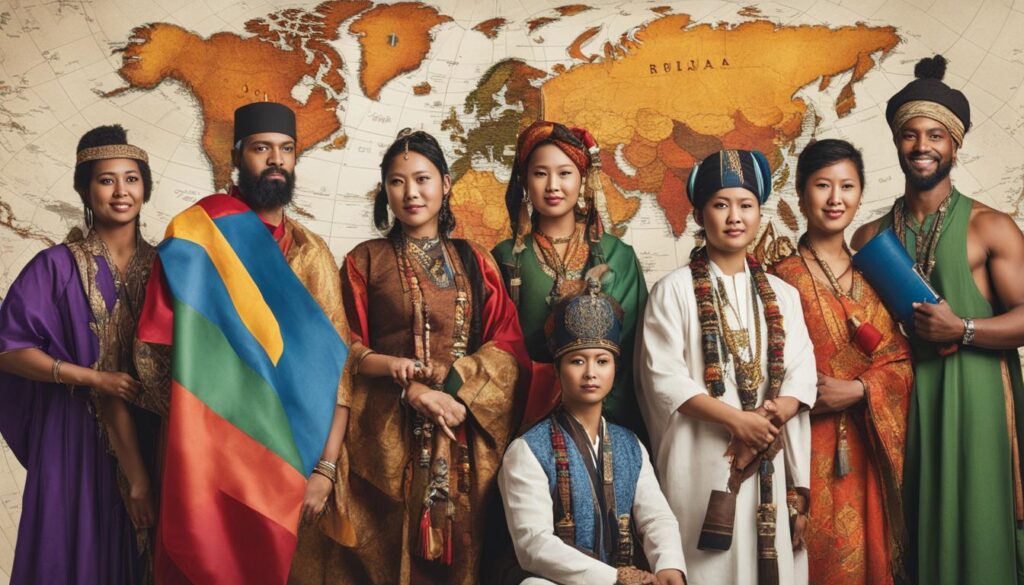
- Learn about local customs and traditions before visiting a new country
- Respect cultural practices and norms
- Be open-minded and avoid judgment
- Develop interpersonal skills such as active listening and empathy
The Benefits of Cultural Understanding
By understanding local customs and traditions, you can:
- Build trust and establish meaningful connections with individuals from different cultures
- Appreciate the uniqueness of different cultures and gain new perspectives
- Facilitate communication and avoid misunderstandings
- Integrate into local communities more easily
Cultural Awareness in the Workplace
In today’s global marketplace, cultural awareness is essential for building successful business relationships. By demonstrating cultural sensitivity and respect, you can foster collaboration and communication across different cultures.
“Cultural competency is a skill set that will soon be as important in the workplace as digital competency.” – Forbes
The Significance of Cultural Norms
When traveling to new destinations or interacting with individuals from different cultures, it is crucial to be aware of cultural norms, which refer to the unwritten rules and expectations that govern behavior within a society. By understanding and respecting these norms, you can avoid cultural misunderstandings and establish meaningful connections.
Cultural traditions, which encompass practices, beliefs, and history, shape the cultural norms of a society. These norms vary from culture to culture and can significantly influence how locals interact with one another and with visitors from other cultures.
For instance, in Japan, punctuality is highly valued and considered a sign of respect. Arriving late, even by a minute, could be viewed as a sign of disrespect. In contrast, in Spain, dinner is often served later in the evening, and it is customary to show up 15 to 30 minutes late to a social gathering.
By respecting cultural norms, you can demonstrate your cultural sensitivity, which can lead to more positive and harmonious interactions. It also allows for a deeper appreciation of the local culture and its history.
When traveling to new destinations, take the time to research the cultural practices and traditions of the locals. You can consult travel guides, online forums, or seek advice from locals. Additionally, observe the behavior of the locals and take cues from them to avoid unintentional cultural mistakes.
The Role of Cultural Norms in Business
Cultural awareness is especially crucial in the business world, where cultural norms can significantly impact business negotiations and transactions. For example, in China, building trust and establishing relationships before conducting business is essential. In contrast, in America, business is often conducted quickly and without extensive relationship-building before the transaction.
Therefore, understanding the cultural norms of a society can help in establishing successful business relationships and accomplishing business deals.
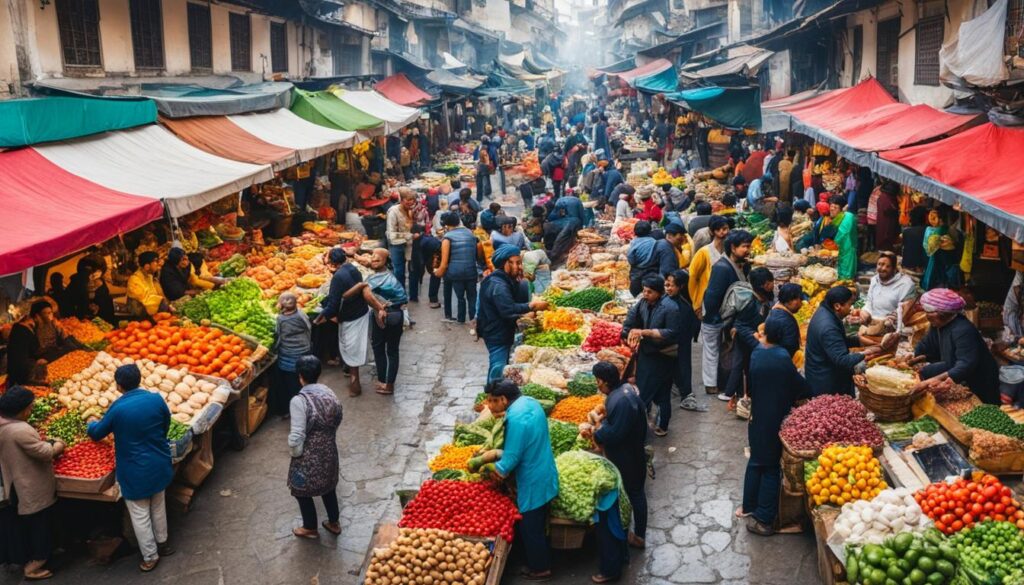
“By respecting cultural norms, you can demonstrate your cultural sensitivity, which can lead to more positive and harmonious interactions.”
The Role of Cultural Traditions
Cultural practices and traditions are the backbone of any society, providing insight into a community’s values and beliefs. They are often deeply ingrained in history and passed down through generations, showcasing the evolution of a society over time. By understanding and participating in these traditions, we can gain a deeper appreciation for the local culture and its people.
Partaking in cultural traditions can enhance your travel experience and enrich your understanding of the local customs and practices. Whether it is sharing a traditional meal or attending a cultural performance, these experiences allow you to immerse yourself in the local culture and connect with the community.

However, it is important to be respectful and mindful of cultural traditions. Some practices may be considered sacred or private, and it is crucial to seek permission before participating in them. Additionally, it is important to avoid cultural appropriation and ensure that you are not disrespecting or trivializing a culture’s traditions and practices.
By embracing and respecting cultural traditions, we can forge stronger connections with people from different backgrounds and gain a deeper appreciation for the diversity and richness of our world’s cultures.
Exploring Local Etiquette
When traveling or interacting with individuals from different cultures, it’s important to familiarize yourself with local etiquette. Local etiquette varies from one culture to another and shows respect to the locals. By understanding and respecting these practices, you can integrate into the community more harmoniously and make a positive impression with locals.
In some cultures, it’s customary to remove your shoes before entering a home or certain establishments. In other cultures, it’s customary to greet people with a bow or a handshake. Understanding and respecting these cultural practices will show respect and help you navigate different cultures with ease.
For instance, in some countries, it’s customary to not tip in restaurants, while in others, it’s expected. Showing a lack of respect for local customs and traditions can create awkward situations and make you seem rude or unprofessional. Therefore, awareness of local customs and traditions is critical for smooth interactions, establishing trust, and showing reverence when communicating with people from different cultures.
Embracing Cultural Diversity
Cultural diversity is what makes our global society unique and fascinating. It provides us with opportunities to learn about different customs and traditions and gain a better understanding of the world we live in.
Embracing cultural diversity involves respecting and celebrating differences, rather than judging or excluding them. By acknowledging and appreciating cultural diversity, we can develop a deeper sense of cultural awareness and cross-cultural understanding.
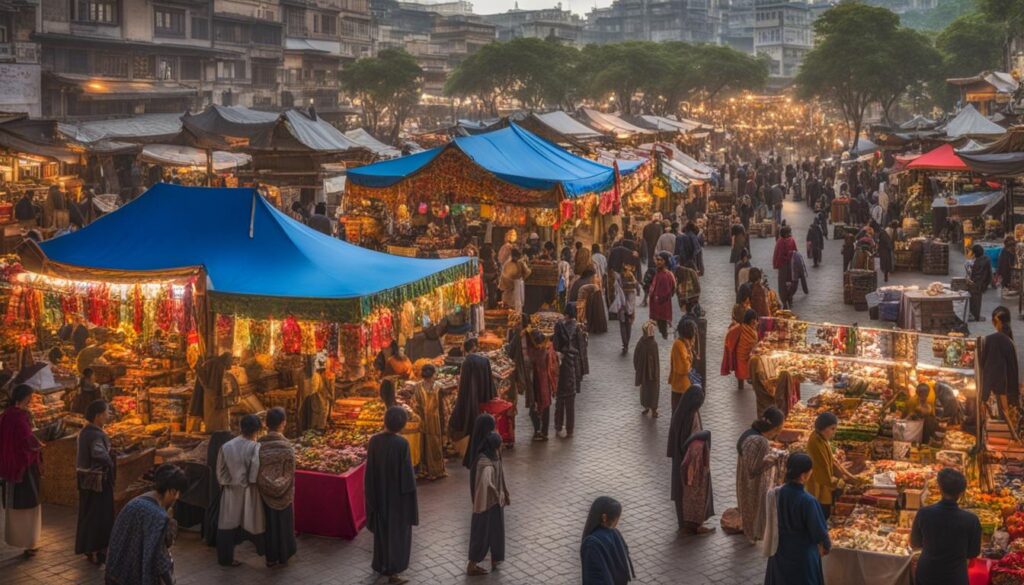
Expanding Your Cultural Horizon
One way to embrace cultural diversity is by seeking out experiences that expose you to different cultures. This could involve attending cultural events, trying international cuisine, or traveling to a new destination. By stepping out of your comfort zone, you can expand your cultural horizons and gain a new perspective on the world around you.
Celebrating Differences
Another way to embrace cultural diversity is by celebrating differences and similarities. By recognizing that every culture has something unique and valuable to offer, we can promote a more inclusive and equitable society. This involves putting aside our biases and prejudices and embracing different points of view with an open mind.
“Differences of race, ethnicity, religion or culture should not divide us, but rather enrich our humanity.”
Cultivating Cultural Awareness
Finally, embracing cultural diversity involves cultivating cultural awareness. This means taking the time to understand and appreciate the different customs and traditions of others. It also involves recognizing and addressing any cultural stereotypes or biases that we may hold.
Cultural awareness is a key component of cross-cultural understanding and can help us navigate social situations with respect and sensitivity.
Bridging Cultural Differences
As you explore different cultures, it’s important to remember that cultural differences can sometimes create barriers. However, rather than letting these differences divide us, developing cross-cultural understanding can help bridge these gaps. By acknowledging and respecting the other culture’s beliefs and practices, you can foster meaningful connections across cultures.
One key to bridging cultural differences is to approach interactions with an open mind and a willingness to learn. This can help you better understand and appreciate local customs and traditions, even if they seem unfamiliar or different from your own.
“In a world that is growing ever smaller and more interconnected, the ability to bridge cultural differences and build meaningful relationships is more important than ever before.”
Here are a few tips for bridging cultural differences:
- Take the time to learn about the culture’s traditions and customs through books, websites, or by talking to locals
- Respect cultural differences, even if you don’t understand them
- Be aware of nonverbal cues, such as body language or eye contact, which may vary across cultures
- Ask questions when you don’t understand or feel unsure about a situation
- Recognize that cultural differences can sometimes lead to misunderstandings, but approach these situations with curiosity and an eagerness to learn
Bridging cultural differences is an important step towards developing cross-cultural understanding. By embracing and respecting cultural diversity, you can build stronger connections and gain a new perspective on the world around us.
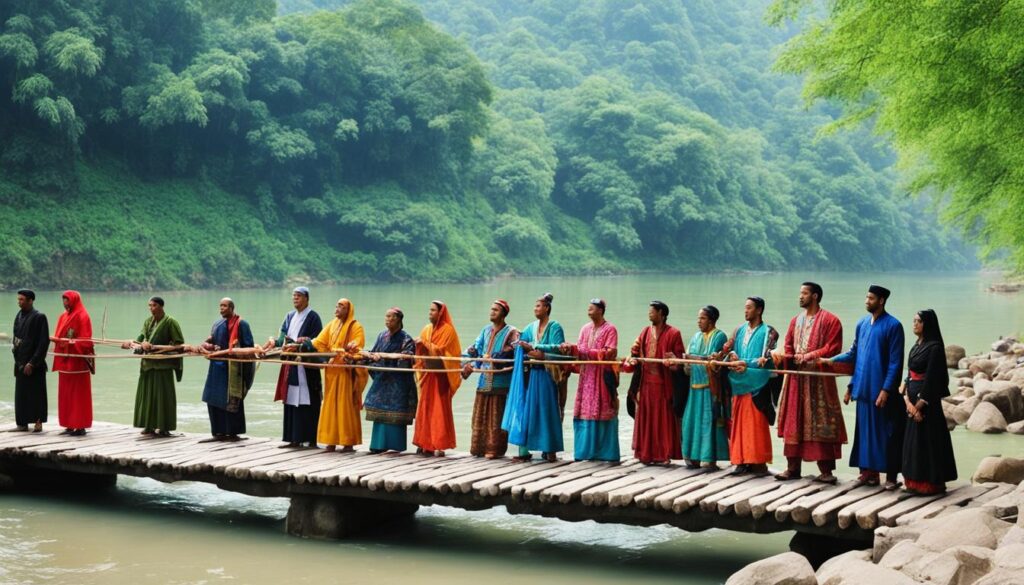
Enhancing Cultural Awareness
Understanding local customs and traditions is an essential step towards cultural awareness and sensitivity. By acknowledging that cultural diversity exists and recognizing the differences it brings, you can navigate and adapt to unfamiliar situations with ease and respect.
Cultural Sensitivity and Awareness
Developing cultural awareness is an ongoing process that involves learning about the customs, practices, and values of different cultural groups. It encompasses being open-minded, non-judgmental, and respectful towards different cultures. In contrast, cultural sensitivity is the ability to perceive and understand the nuances of different cultures and respond appropriately, avoiding any misunderstanding or offense.
Embrace Differences
Embracing cultural differences is essential in establishing intercultural relationships and fostering mutual understanding. Engage with locals and participate in their cultural events, traditions, and practices. This can help you gain a fresh perspective and appreciate the value of cultural diversity.
“Cultural differences should not separate us from each other, but rather cultural diversity brings a collective strength that can benefit all of humanity.” – Robert Alan
Expand Your Knowledge
Educate yourself about different cultures by reading books, watching documentaries or movies, taking cultural classes, or even learning a new language. By expanding your knowledge about different cultures, you increase your cultural sensitivity and enhance your ability to understand and appreciate cultural differences.
Practice Cultural Etiquette
Local etiquette may be different from your own culture, so it’s essential to practice cultural etiquette accordingly. Observe and learn the customs and traditional norms of the locals and show respect for their traditions. Use appropriate titles, gestures, and attitudes when interacting with locals.
Be Adaptable
Being adaptable is critical in adapting to new and unfamiliar situations. Be open to new experiences and learn new ways of doing things. Understanding and respecting cultural differences and being adaptable to different situations can help you navigate cross-cultural interactions with ease and grace.
By enhancing your cultural awareness, you can develop a better understanding of different cultures, appreciate cultural diversity, and navigate unfamiliar situations with respect and adaptability.
Tips for Understanding Local Customs and Traditions
When traveling or interacting with individuals from different cultures, it’s essential to understand and respect local customs and traditions. Doing so not only enhances your cultural awareness and sensitivity but also fosters stronger global connections. Here are some practical tips for navigating cultural differences:
- Research before you go: Take the time to learn about the customs and cultural practices of the destination you’re visiting. This will help you understand and appreciate the local culture and avoid cultural faux pas.
- Observe and mimic: When in doubt, observe how the locals behave and mimic their actions. This will help you blend in and show respect for their customs and traditions.
- Be mindful of nonverbal cues: Nonverbal cues, such as gestures and facial expressions, can vary drastically between cultures. Be aware of your body language and strive to understand the nonverbal cues of those around you.
- Ask for guidance: Don’t be afraid to ask locals or tour guides for guidance when navigating unfamiliar customs and traditions.
- Show respect: Demonstrating respect for local customs and traditions can go a long way in building meaningful connections. Be open-minded and willing to learn from the local culture.
Use these tips to enhance your understanding of local customs and traditions. By doing so, you’ll be better equipped to navigate cultural differences and build stronger global connections.
Example of Local Customs and Traditions
To illustrate how customs and traditions can vary between cultures, here is an example:
| Country | Custom or Tradition |
|---|---|
| Japan | Bowing is the customary greeting in Japan, with the depth and length of the bow depending on the social status of the person being greeted. |
| India | In India, it’s customary to remove your shoes before entering someone’s home or a place of worship as a sign of respect. |
| United States | Handshakes are a common form of greeting in the United States, with a firm grip and eye contact being seen as signs of confidence and trustworthiness. |
Remember, cultural awareness and sensitivity are essential components of navigating cultural differences. Keep an open mind and a willingness to learn and adapt, and you’ll be well on your way to building meaningful connections across cultures.
Promoting Global Connections
Understanding local customs and traditions is not only important for experiencing diverse cultures, but it also promotes cross-cultural understanding and fosters stronger global connections. By being open-minded and embracing cultural diversity, you can create meaningful relationships and establish mutual respect among different cultures.
Traveling and interacting with people from different parts of the world allows you to expand your cultural awareness and gain insights into local customs and traditions. By respecting and learning about these practices, you can avoid cultural misunderstandings and enhance your travel experiences.
Cultural diversity is a cornerstone of a global society. Embracing different cultures and customs can help create a more inclusive and interconnected world, where cultural differences are celebrated and appreciated.
Understanding local customs and traditions enhances cultural awareness and promotes cross-cultural understanding, thereby strengthening global connections and establishing mutual respect among different cultures.
Conclusion
In conclusion, understanding local customs and traditions is essential for promoting cultural diversity and awareness. By respecting and appreciating the cultural practices of others, you can create stronger global connections and foster mutual understanding. Remember, cultural differences should be celebrated, not judged.
By embracing different customs and traditions, you can gain a deeper understanding of the world around you and navigate different cultures with ease. Developing cultural awareness and sensitivity can also help you avoid unintended cultural misunderstandings and establish meaningful connections with people from diverse backgrounds.
So, next time you travel or interact with individuals from different cultures, remember to approach them with an open mind and a willingness to learn and appreciate their customs and traditions. By doing so, you can promote cultural diversity, enhance global connections, and create a more inclusive and interconnected world.


