Machu Picchu Altitude Tips: Preparing for Your Visit
Planning your trip to Machu Picchu? You might wonder about the best tips for the high altitude. At 7,972 feet, it’s important to prepare for the elevation. This helps avoid altitude sickness and ensures a great visit.
Expert advice can help you navigate the high altitude safely. Being well-prepared is key to enjoying Machu Picchu. Knowing how altitude affects your body is crucial for a successful trip.
Understanding Machu Picchu’s Elevation
Before you visit Machu Picchu, it’s key to know its elevation and how it might affect you. It sits at 7,972 feet (2,430 meters) above sea level. This is a big climb, and acclimatization is important to avoid altitude sickness. Remember, Machu Picchu is lower than Cusco, the starting city, which is at 11,152 feet (3,399 meters).
To acclimate to high altitude, spending a few days in Cusco or the Sacred Valley helps. This is because altitude sickness symptoms can be uncomfortable. These include headaches, dizziness, nausea, shortness of breath, and fatigue. By acclimatizing, you can lessen these symptoms and enjoy Machu Picchu more.
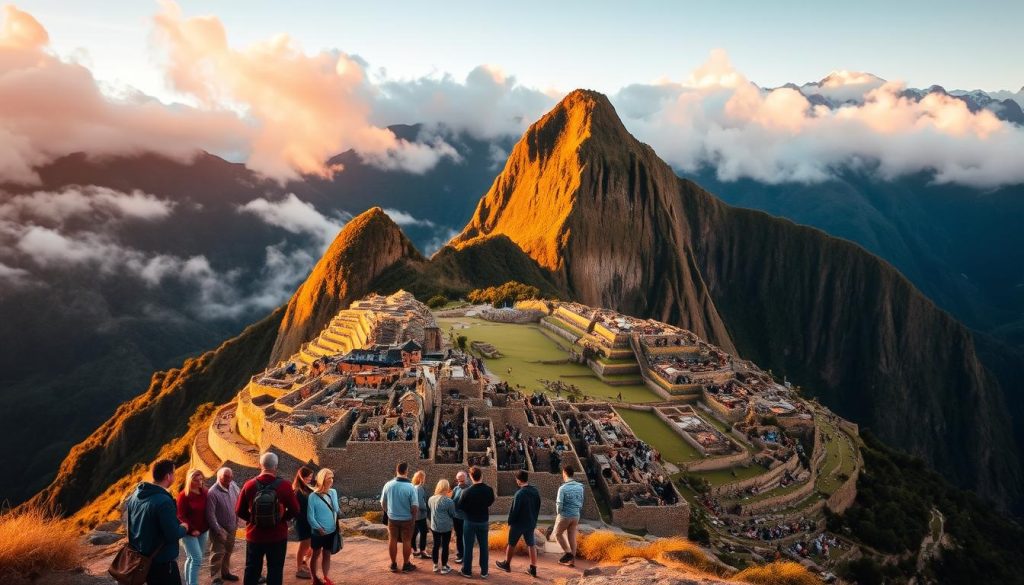
- Machu Picchu’s elevation: 7,972 feet (2,430 meters) above sea level
- Cusco’s elevation: 11,152 feet (3,399 meters) above sea level
- Recommended acclimatization time: 1-2 days in Cusco or the Sacred Valley
Knowing Machu Picchu’s elevation and acclimatizing ensures a safe and fun visit. You’ll get the most out of your Machu Picchu elevation advice.
Essential Machu Picchu Altitude Tips for First-Time Visitors
When you’re planning your trip to Machu Picchu, it’s important to know about Machu Picchu altitude sickness prevention. This site is at 2,430 meters (7,970 feet) high. It can be tough on your body. Here are some Best practices for visiting Machu Picchu to keep you safe and happy.
Getting used to the high altitude slowly is key. Start by spending a few days in places like Cusco, which is over 3,400 meters (11,152 feet) high. This helps your body adjust to the thinner air. It can prevent headaches, nausea, and shortness of breath.
Drinking lots of water is also crucial. Dehydration can make altitude sickness worse. Talk to a doctor about taking altitude sickness medication before you go. These steps help you enjoy Machu Picchu’s stunning views and rich culture without worrying about altitude sickness.
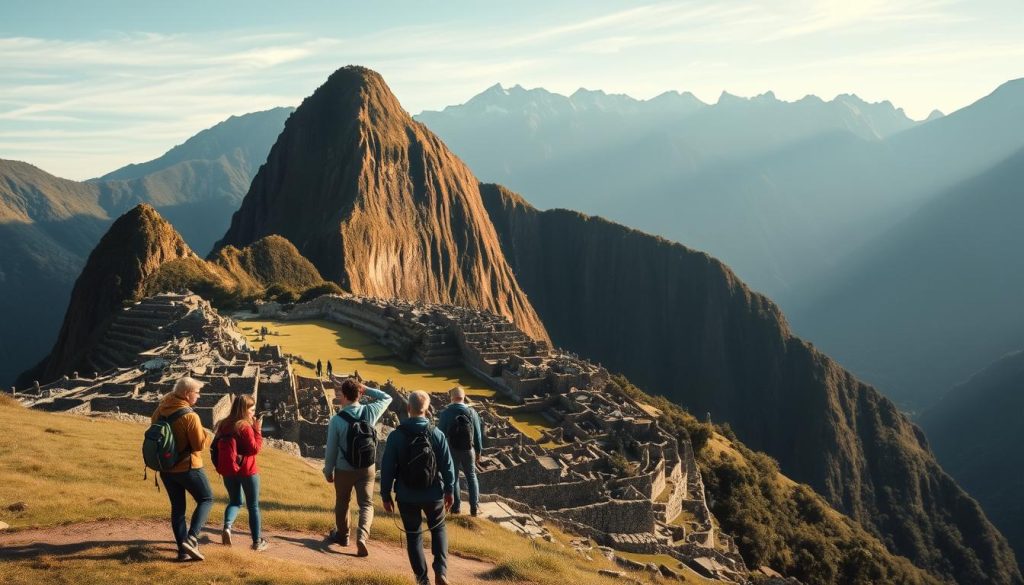
- Take regular breaks to rest and rehydrate
- Avoid strenuous activities, at least in the first few days
- Respect local culture and environmental guidelines to preserve the site for future generations
By following theseBest practices for visiting Machu Picchuand focusing onMachu Picchu altitude sickness prevention, you’ll have a memorable and safe trip to this amazing place.
Pre-Trip Physical Preparation
Getting ready for Machu Picchu means thinking about the trek’s physical challenges. You’ll need to boost your heart health and stamina. Altitude adjustment tips for Machu Picchu are key to getting used to the high altitude and avoiding sickness.
Start with regular cardio like jogging or cycling to get fit. Try to exercise 3-4 times a week, covering 5 km-10 km (3-6 miles) each time. Also, do leg exercises like lunges and squats to build trek strength.
Don’t forget to practice long hikes in your training. Aim for hikes of 10 km (6 miles) in rough terrain at least twice before you go. This will prepare you for the Inca Trail’s tough paths. With these Machu Picchu travel altitude tips, you’ll be ready for your adventure and can enjoy the stunning views and history of Machu Picchu.
- Start training at least 3-6 months prior to your trip
- Incorporate cardiovascular exercises, such as jogging or cycling, into your routine
- Include leg strength training exercises to build stamina
- Complete at least two long-distance practice hikes before your trip
Medical Considerations and Precautions
Planning a trip to Machu Picchu means thinking about health at high altitudes. Machu Picchu altitude sickness prevention is key, for those with health issues. Talk to your doctor before you go to discuss health risks and what to do.
To avoid altitude sickness, spend a day in Cusco or the Sacred Valley before Machu Picchu. Drink lots of water, but avoid fizzy drinks, alcohol, and caffeine. 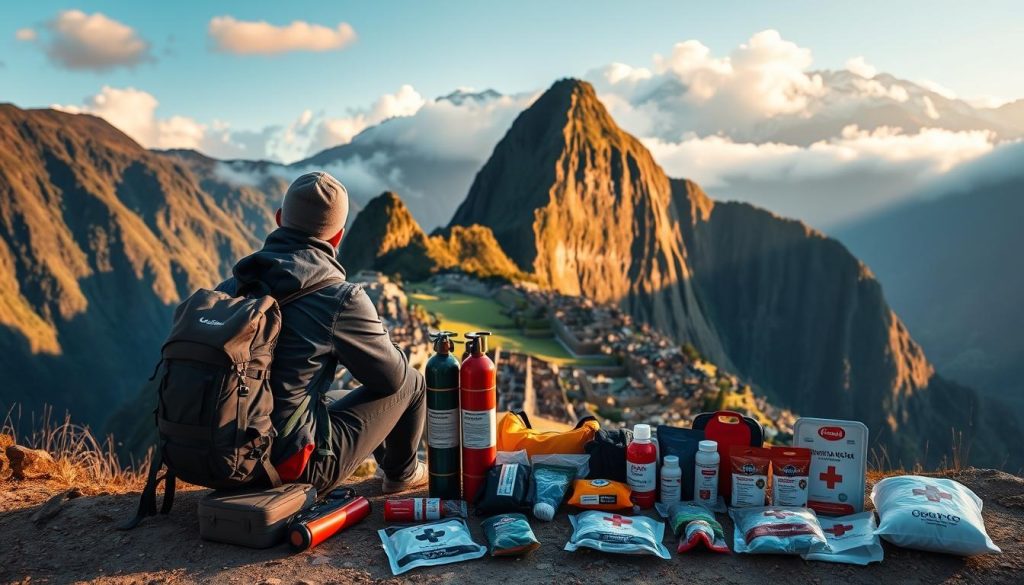
For altitude sickness remedies for Machu Picchu, consider over-the-counter meds or natural options like coca leaf tea. But, always check with your doctor first, even for simple remedies.
Here are some tips for Machu Picchu altitude sickness prevention:
- Take a rest day when you arrive at high altitude.
- Drink lots of water to stay hydrated.
- Avoid big meals and hard activities.
- Think about using remedies like acetazolamide or coca leaf tea.
By taking the right medical steps and using altitude sickness remedies for Machu Picchu, you can have a safe and fun trip.
Acclimatization Strategy in Cusco
Traveling to high-altitude places like Machu Picchu requires understanding how to acclimate to high altitude. Cusco, at 3399m (11,151 ft), is perfect for acclimatizing before Machu Picchu. Spending a few days in Cusco helps your body adjust, lowering the risk of altitude sickness.
To acclimatize well, aim for 2 to 3 days in Cusco before Machu Picchu. You can do light activities like exploring, visiting markets, and trying local food. Drinking lots of water and eating carbs is also key.
Some great activities in Cusco include:
* Visiting the Plaza de Armas
* Exploring the Sacsayhuamán fortress
* Taking a cooking class to learn about traditional Peruvian cuisine
* Going on a gentle hike to nearby ruins
By following these tips, you’ll be ready for Machu Picchu. You can enjoy the views without worrying about altitude sickness. Always put your health first when traveling to high-altitude places.
What to Pack for High Altitude Comfort
When you’re getting ready for Machu Picchu, think about the high altitude. Pack warm clothes, hydration packs, and sun protection. Remember the Machu Picchu travel altitude tips and Altitude adjustment tips for Machu Picchu to enjoy your trip.
Staying hydrated is crucial at high altitudes. Drink more than you think you’ll need. Also, bring two pairs of hiking socks to keep your feet dry. And, don’t forget thermal nightwear for the cold nights.
Here are some must-haves for your trip:
- Warm and layered clothing
- Hydration pack or water bottle with a minimum capacity of 2 liters
- Sun protection, including lip balm with SPF 15 or higher
- Comfortable and sturdy hiking boots from reputable brands like Scarpa or Salomon
- Lightweight trekking poles to reduce impact on knees and joints
Check the luggage limits for Peru Rail and Inca Rail. Daypacks can’t weigh more than 8 kilos. Dimensions are 62 linear inches for Peru Rail and 46 linear inches for Inca Rail. Pack smart and leave room for souvenirs.
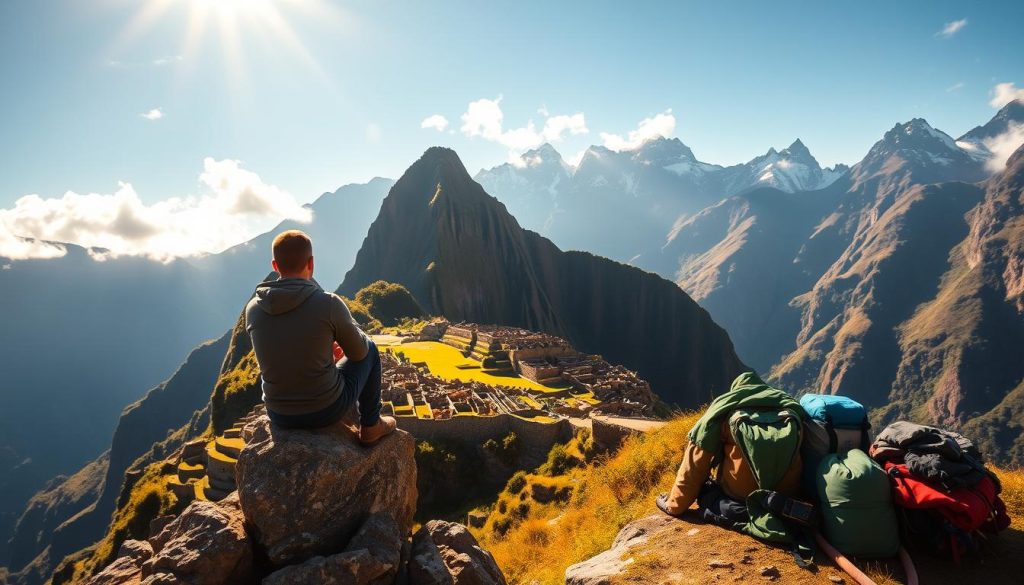
By using these Machu Picchu travel altitude tips and Altitude adjustment tips for Machu Picchu, you’ll be ready for your adventure. Enjoy the stunning views and history of Machu Picchu.
Natural Remedies and Medications for Altitude Management
Traveling to high places like Machu Picchu can pose risks of altitude sickness. To lessen these risks, there are natural remedies and medications available. For altitude sickness remedies for Machu Picchu, traditional coca leaf products are worth trying. They have been used for centuries to ease symptoms.
For Machu Picchu altitude sickness prevention, over-the-counter options like ibuprofen and acetazolamide (Diamox) are popular. Always talk to a doctor before taking any medication, even if you’re healthy.
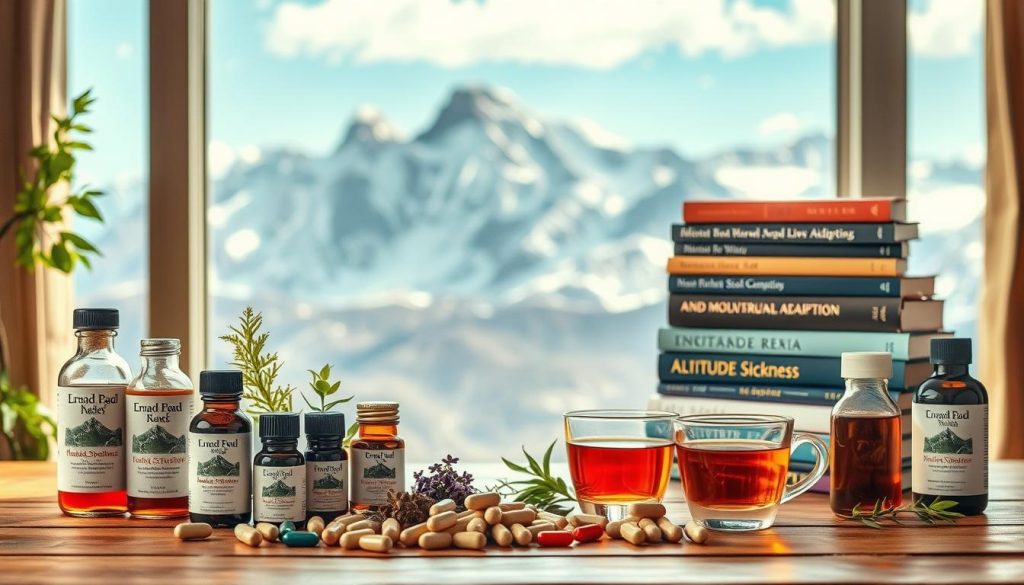
- Drinking plenty of water to stay hydrated
- Consuming garlic supplements to improve blood flow
- Drinking beet juice to enhance oxygen delivery
By using these natural remedies and medications, you can lower your risk of altitude sickness. This ensures a safe and fun trip to Machu Picchu.
Best Times to Visit for Optimal Weather and Breathing Conditions
Planning your trip to Machu Picchu? Knowing the best time to visit is key. The dry season, from April to October, is ideal. Daytime temperatures are pleasant, ranging from 17 to 19°C. This time is best because the wet season can make hiking tough.
For a great visit, consider the peak tourist season, June to August. Daytime temperatures are around 17 to 19°C, with little rain. But, nights can get chilly, below 10°C. Remember to pack warm clothes and drink plenty of water to fight altitude sickness.
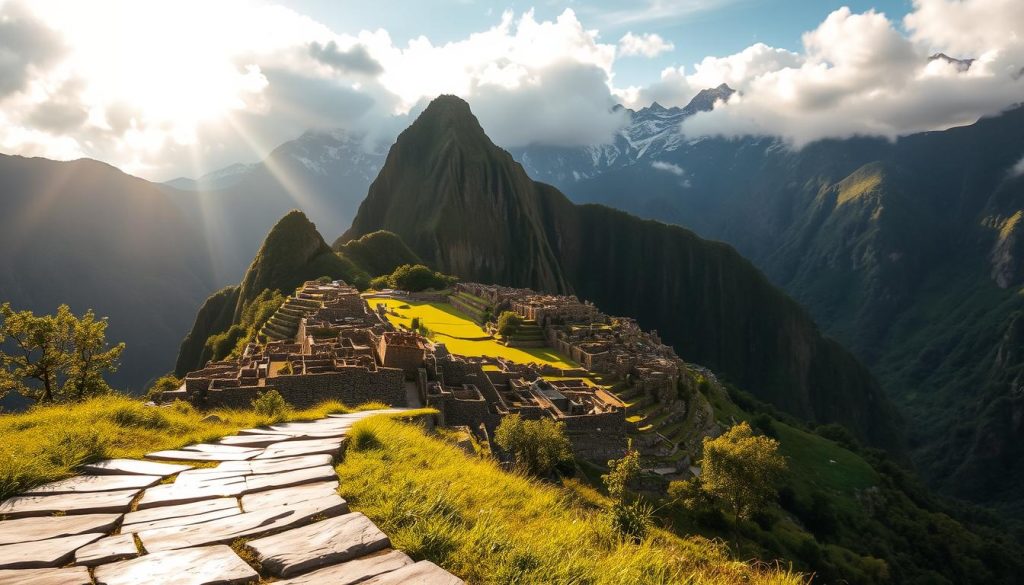
- Avoid visiting during the wet season (November to March) if possible, as the rain can make the trails more challenging.
- Plan your trip during the dry season (April to October) for better weather and breathing conditions.
- Be prepared for cooler nighttime temperatures, specially between June and August.
By following these Machu Picchu travel altitude tips and choosing the right time, you’ll have a safe and fun trip. You’ll also be following Best practices for visiting Machu Picchu.
On-Site Altitude Management Strategies
When you get to Machu Picchu, managing the altitude is key to avoid sickness. Follow some important Machu Picchu altitude tips. Take breaks to rest and drink water often, as high altitude can make you dehydrated and tired. Remember, thirst can be hard to notice at high altitudes.
To how to acclimate to high altitude, listen to your body. Take breaks when you need to. This helps prevent altitude sickness and makes your visit safe and fun. Also, try coca tea, a local remedy for altitude sickness.
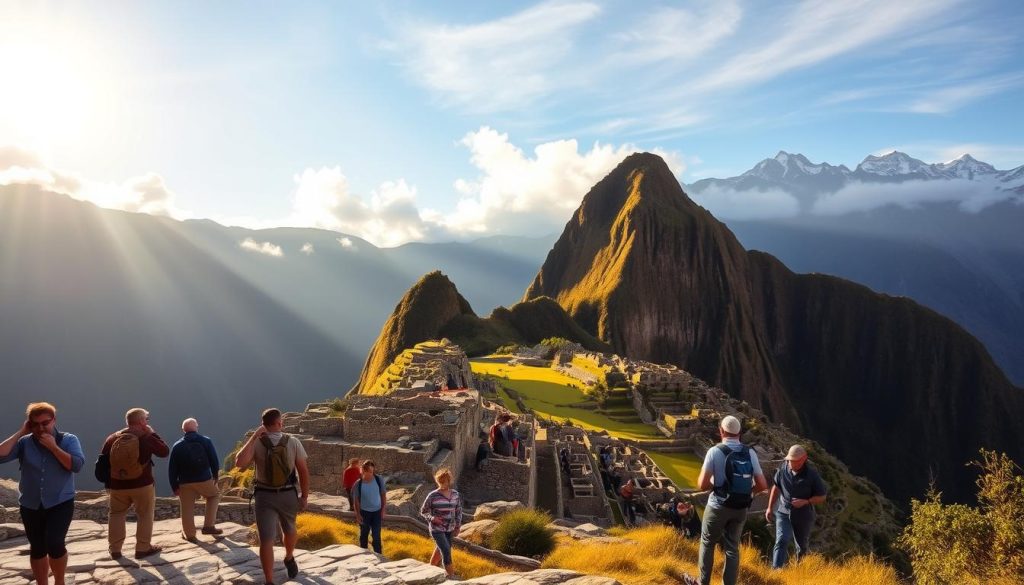
More Machu Picchu altitude tips include eating light, frequent meals to avoid stomach issues. Also, avoid hard activities that can worsen altitude sickness. By doing these things, you can lower the risk of altitude sickness and enjoy your Machu Picchu visit.
Here are some more tips to remember:
- Stay hydrated by drinking plenty of water throughout the day
- Take regular breaks to rest and rehydrate
- Listen to your body and take rest stops when needed
- Avoid strenuous activities that can exacerbate altitude sickness
Emergency Resources and Medical Facilities
Visiting Machu Picchu means knowing about emergency resources and medical facilities. Altitude sickness remedies are key, and knowing where to find help is crucial. The closest medical facility is a small clinic in Aguas Calientes, which is not equipped for serious medical emergencies.
For severe altitude sickness, getting proper medical care is vital. Preventing altitude sickness at Machu Picchu is essential. Some hotels in the Andes offer supplemental oxygen, but it’s rare in remote areas. Drinking coca tea is a traditional remedy for altitude sickness and is widely available in high elevation areas.
Language barriers can be a challenge in medical situations, with some healthcare professionals speaking basic English. In an emergency, having a plan is crucial, including comprehensive travel protection. Many travelers think traditional travel insurance covers emergency evacuations, but it might not.

Companies like Global Rescue offer immediate assistance for medical emergencies, unlike traditional travel insurance. When planning your Machu Picchu trip, research and invest in a reliable emergency evacuation plan. This will give you peace of mind and ensure you’re prepared for emergencies.
Conclusion: Making Your Machu Picchu Experience Memorable and Safe
As you get ready to visit Machu Picchu, keep in mind a few key tips. With the right knowledge and safety focus, your trip will be unforgettable. Understanding the elevation and acclimating well will help you enjoy every moment.
Take care of your health before and during your trip. Train beforehand, pack wisely, and watch how your body reacts to the high altitude. Stay hydrated, eat light, and listen to your body. This way, you’ll enjoy the stunning views and rich history of Machu Picchu.
With good preparation and a sense of adventure, your Machu Picchu visit will be amazing. Be brave, listen to your body, and let the site’s magic take you in. Happy travels!