
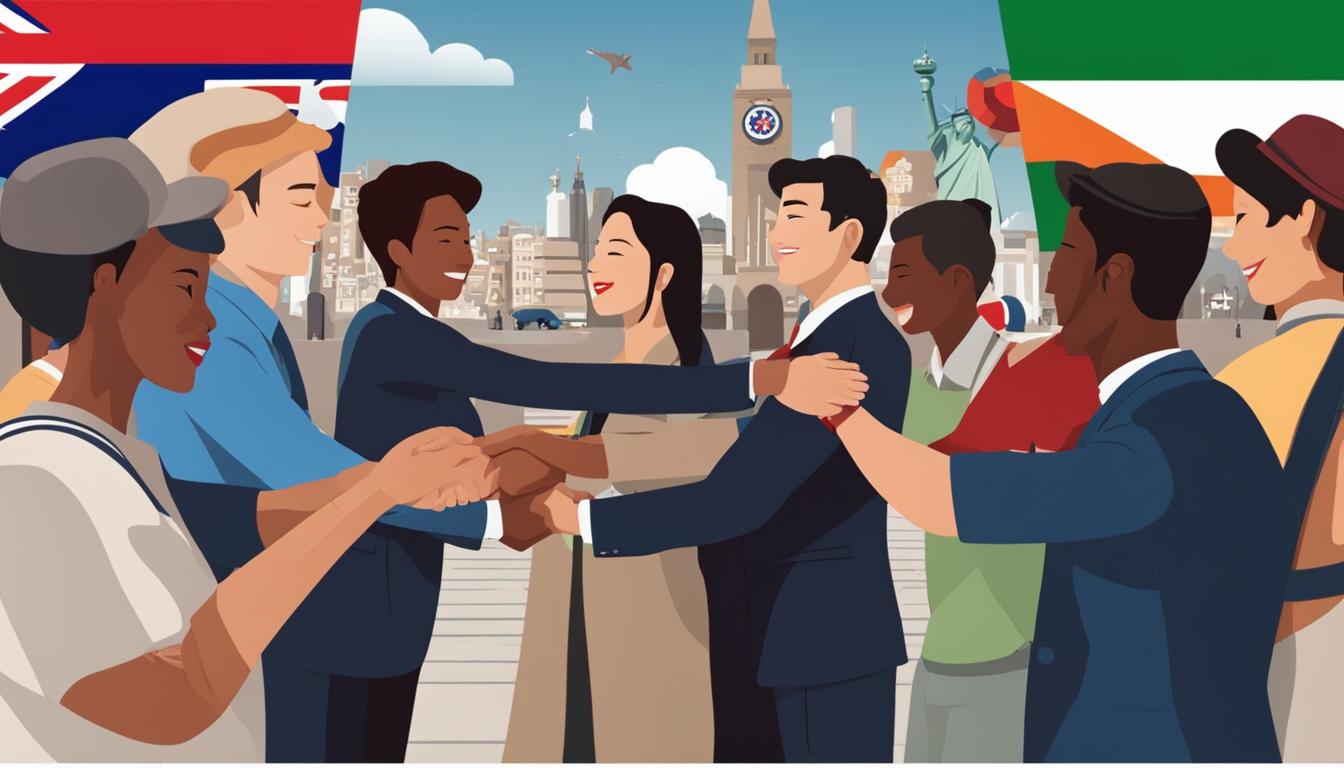
Global Greetings Guide: Polite Gestures Abroad
When traveling abroad or interacting with people from different countries, it’s important to understand and practice proper etiquette for polite gestures and greetings. Cultural customs vary across the globe, and being aware of these customs shows cultural sensitivity and respect. In this global greetings guide, you will discover international greetings, cultural customs, and the importance of understanding and respecting different countries’ traditions. What are some polite gestures and greetings to use in different countries? Let’s explore together.
The Importance of Cultural Norms
When it comes to greetings and gestures, understanding and respecting cultural norms is vital. Each country has its own set of customs and expectations – by being aware of these, you can show respect and avoid potential misunderstandings.
Proper etiquette varies from region to region – what might be considered polite in one country could be regarded as rude in another. For example, in some cultures, it is customary to bow instead of shaking hands. In others, it is polite to greet someone with a hug or kiss on the cheek.
To avoid unintentionally offending someone, it’s essential to familiarize yourself with different cultural customs and to practice respectful gestures that align with those norms. This includes using the appropriate forms of address, making eye contact, and respecting personal space.

Cultural sensitivity is key when navigating cross-cultural communication. By acknowledging and respecting cultural norms, you can create a more comfortable and welcoming environment for all parties involved.
Examples of Cultural Norms
| Country | Cultural Norms |
|---|---|
| Japan | Bow instead of shaking hands, don’t show the soles of your feet, use honorific titles when addressing someone |
| France | Air kisses on each cheek, use formal titles like ‘Monsieur’ or ‘Madame’ |
| India | Place palms together at chest and bow, use honorific titles like ‘ji’ or ‘madam’ |
By taking the time to learn about and respect cultural norms, you can communicate with people from around the world in a way that is considerate and respectful.
Greetings in Asian Countries
When it comes to greetings in Asian countries, showing respect is of utmost importance. Cultural customs can vary based on factors such as age, social status, and the level of formality. Here are some polite greeting customs in three major Asian countries:
| Country | Greeting |
|---|---|
| Japan | Bow slightly with hands at your sides, or give a slight nod of the head. Use honorific titles such as “san” when addressing someone. |
| China | Formally greet someone with a handshake, and address them by their formal title such as “Mr.” or “Ms.” Use the family name first when addressing someone. |
| India | With palms pressed together in front of you, say “Namaste” while slightly bowing your head. Address someone with “ji” or “sir/madam.” |
It’s important to note that these are just a few examples of the wide variety of greeting customs across Asia. By taking the time to understand and respect these cultural customs, you can ensure respectful encounters and foster positive relationships.

Etiquette Tip:
When greeting someone of higher social status in Asia, it’s appropriate to show deference by bowing lower, using a more formal greeting, or waiting for them to initiate the greeting.
Greetings in European Countries
Europe is a continent with a rich mosaic of cultures, and each country has its own unique set of greeting customs. Being aware of these customs is crucial in ensuring that you communicate with respect and sensitivity.
In Spain, a warm embrace is a typical greeting for close friends and family, while a handshake is more common in business settings. In France, air kisses on both cheeks are common, and the number of kisses varies by region. In Germany, a firm handshake is the norm, while in Italy, a light embrace and a kiss on each cheek is common. In the United Kingdom, a handshake is the expected greeting, but a hug between close friends or family is also acceptable.
It’s also important to note that many European countries place a high value on courteous behavior and proper etiquette. Always greet people politely, and use “please” and “thank you” when appropriate.

European Greetings by Country
| Country | Typical Greeting |
|---|---|
| Spain | Warm embrace or handshake |
| France | Air kisses on both cheeks |
| Germany | Firm handshake |
| Italy | Light embrace and a kiss on each cheek |
| United Kingdom | Handshake or hug (between close friends or family) |
Remember, each European country has its unique cultural customs, so it’s essential to be respectful, practice proper etiquette and use polite gestures that are appropriate for the situation.
Greetings in Middle Eastern Countries
Middle Eastern countries have a rich and diverse culture that heavily influences their greetings. Proper etiquette and respectful gestures are crucial when interacting with people from these countries. Understanding their customs and traditions is essential for building connections and showing respect.
In the Middle East, handshaking is the most common form of greeting. It is a sign of respect that shows you acknowledge the other person’s presence. However, it is important to note that men should only shake hands with other men, and women should only shake hands with other women. If you are unsure, let the other person initiate the handshake.
In some Middle Eastern countries, such as Saudi Arabia, the traditional greeting is a nose-to-nose kiss called the “Bedouin Kiss.” This is a sign of respect and is often used when greeting elders or people of higher social status. Similarly, in some Arab countries, such as Lebanon and Egypt, a cheek-to-cheek kiss is common, but it is only done between members of the same sex.
When greeting someone from the opposite sex, it is important to be respectful and mindful of local customs. In many Middle Eastern countries, physical contact between men and women in public is not acceptable. Instead, it is best to greet with a smile, a nod, or a simple “hello.”
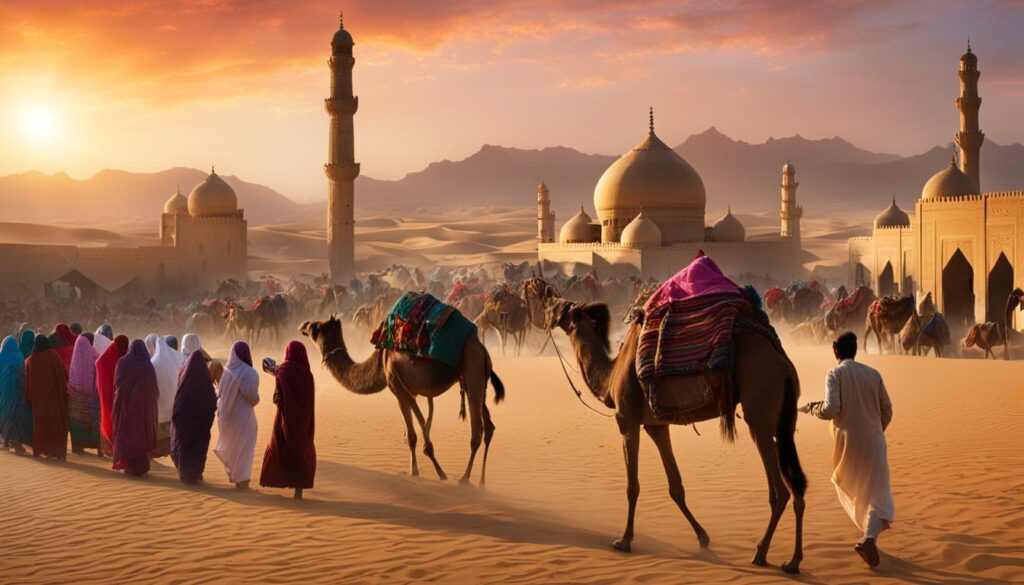
Overall, when it comes to greeting customs in Middle Eastern countries, the key is to be aware of local traditions and customs. Showing respect through proper etiquette and respectful gestures will go a long way in building positive relationships with people from these rich and diverse cultures.
Greetings in African Countries
African countries have a rich and diverse set of cultural practices and traditions when it comes to greetings. The way people greet each other in Africa varies from region to region and tribe to tribe, and it is important to show respect for each culture’s unique customs.
Respectful Gestures and Greeting Customs
One of the most common greetings in Africa is the handshake, which is typically accompanied by a smile and direct eye contact. However, the Maasai tribe in Kenya and Tanzania have a unique greeting where they touch each other’s foreheads and noses.
In some African cultures, hugging is a common way to greet loved ones and close friends. For example, in Zimbabwe, women often hug and kiss each other on the cheek when greeting. In many African countries, it is customary to greet older people first as a sign of respect.
Another unique African greeting is the Wolof greeting, which is used in Senegal. It involves three parts: the initial greeting, asking about the other person’s family, and a farewell. In South Africa, a traditional greeting involves saying “Sawubona” which means “I see you” and involves a direct look into the person’s eyes.
Cultural Customs in African Countries
African customs and traditions are essential to daily life on the continent and heavily influence the way people interact with each other. In many African cultures, respect for elders and community is paramount.
In West African cultures, giving gifts or money to show appreciation and respect is common. In Ethiopia, coffee is a significant part of the culture and is often used as a way to welcome guests into a home. Hospitality plays a crucial role in many African customs, with elaborate greetings and meals often prepared for guests.
Greetings in Specific African Countries
| Country | Greeting |
|---|---|
| Nigeria | A common greeting is “sannu,” which means “hello.” It is often accompanied by a handshake and direct eye contact. |
| South Africa | As mentioned earlier, the traditional greeting is “Sawubona,” which means “I see you.” It is typically accompanied by a handshake or hug. |
| Kenya | The Maasai tribe has a unique greeting where they touch each other’s foreheads and noses. A traditional handshake is also a common greeting in Kenya. |
Understanding and respecting cultural customs and traditions can greatly enhance your interactions when traveling in African countries. By practicing respectful gestures and greeting customs, you can show appreciation for the richness and diversity of African cultures.

Greetings in North and South American Countries
When it comes to greetings, North and South American countries have their own unique customs and practices. In the United States, a firm handshake is a common way of greeting someone, especially in business settings. However, it’s not uncommon to see friends and family members greet each other with a hug or a kiss on the cheek.
In Brazil, on the other hand, a warm hug or a kiss on both cheeks is the usual way of greeting someone. This is a reflection of the country’s vibrant and friendly culture, where physical touch is an important way of showing affection.
Other countries in North and South America have their own unique greeting customs. In Canada, a polite handshake is common, while in Mexico, a handshake or a hug is often accompanied by a pat on the back. In Argentina, it’s common to give a slight nod of the head when greeting someone, while in Chile, a light hug or a handshake is the norm.
It’s important to be mindful of cultural customs and respectful gestures when traveling or interacting with people from different countries. By practicing proper etiquette, you can navigate cross-cultural communication with sensitivity and respect.
Greetings in North and South America
| Country | Greeting Customs |
|---|---|
| United States | Firm handshake, hug or kiss on the cheek depending on the situation |
| Brazil | Warm hug, kiss on both cheeks |
| Canada | Polite handshake |
| Mexico | Handshake, hug, pat on the back |
| Argentina | Slight nod of the head |
| Chile | Light hug or handshake |
As you can see, different cultures have their own unique customs and practices when it comes to greetings. By taking the time to learn and understand these customs, you can show respect and build meaningful connections across cultural boundaries.
Greetings in Oceanian Countries
Oceanian countries have their unique set of cultural customs and greeting traditions. Respectful gestures are essential to show cultural sensitivity during your interactions. Understanding the correct greeting customs can create a positive impression with individuals from these countries, including Australia, New Zealand, and Fiji.
In Australia, handshakes are the appropriate greeting for formal settings. For informal settings, Australian’s use a simple and casual greeting, such as “G’day”. In New Zealand, the Māori tradition of pressing noses – the hongi – is a common greeting. A firm handshake is also appreciated. In Fiji, the traditional greeting is “Bula!”, accompanied by a smile and a nod. The right hand is extended following this.
It’s important to note that it takes time to develop relationships in Oceanian countries, so start your interactions with polite gestures to show respect and get to know the individuals with whom you are communicating.
Cross-cultural Communication Tips
When interacting with people from different cultures, it’s important to consider their customs and communication style. Here are some tips for practicing cross-cultural communication with sensitivity:
- Be open-minded: Keep an open mind when interacting with people from different cultures. Understand that there may be differences in communication style and customs that are normal for them.
- Respect cultural differences: Show respect for cultural differences by seeking to understand and be aware of customs related to communication and greeting styles.
- Use appropriate greetings: Use appropriate greetings when meeting people from different cultures. For example, in Japan, a bow is a traditional greeting, while a handshake is common in the United States.
- Practice active listening: Actively listen to what the other person is saying, and pay attention to non-verbal cues. This can help you better understand their perspective.
- Avoid assumptions: Avoid making assumptions about a person based on their culture. Each person is unique, and it’s important to treat them as an individual.
- Ask questions: If you’re unsure about a cultural custom or etiquette, don’t be afraid to ask. This shows respect and a willingness to learn.
- Be patient: Be patient and understanding when communicating with people from different cultures. Recognize that it may take time to build a rapport and establish effective communication.
Example Scenario:
You’re in a business meeting with a client from Japan. As you greet them, you remember to bow as a gesture of respect. Throughout the meeting, you actively listen to their ideas and ask questions to better understand their perspective. Your cultural sensitivity and open-mindedness help to build a strong relationship with the client.
Conclusion
In conclusion, with the increasing globalization of the world, it is important to be aware of cultural customs and practice proper etiquette when interacting with people from different countries. By doing so, you can demonstrate cultural sensitivity and avoid potential misunderstandings.
Polite gestures and greetings are crucial for building connections and fostering understanding across cultures. International greetings vary widely based on factors such as the country, age, social status, and level of formality.
To ensure successful cross-cultural communication, it is essential to practice global etiquette. This includes being respectful of cultural norms and traditions, using appropriate greetings, and communicating effectively.
With these tips in mind, you can navigate cross-cultural encounters with ease, fostering positive relationships and mutual understanding. Remember to always approach interactions with an open mind and a willingness to learn and adapt.


