Fes Tanneries: Ethical Tours or Avoid Altogether?
Planning a trip to Morocco? You might wonder: Is visiting the ancient tanneries in Fes a responsible travel choice? These tanneries are a big cultural landmark. But, there are worries about the ethics of visiting these leather-making sites.
Concerns about labor practices and environmental impact have sparked debate among travelers and locals. You might be thinking: Can visiting the tanneries support responsible travel? Or should you skip them?
Thinking about your choices? It’s key to know the tanneries’ cultural importance and the problems they face. Learning about the controversy helps you decide wisely about your visit.
The Historical Significance of Fes Tanneries
The tanneries of Fes have a history over 1000 years old. They show the city’s skill and are a big part of its culture. These tanneries have shaped Fes’s history and are key to its cultural heritage.
Origins and Cultural Heritage
The Fes tanneries, like the famous Chouara Tannery, have been vital in Morocco’s leather making for ages. They started when Fes was a big trade center. The tanneries quickly became a big part of the local economy.
The Chouara Tannery’s 1000-Year Legacy
The Chouara Tannery is one of the oldest in Fes, with a history over 1000 years. It has kept working since it started, showing the city’s rich culture. The tanning methods used here have been passed down through generations, keeping traditional techniques alive.
Role in Morocco’s Leather Crafting Tradition
The Fes tanneries, like the Chouara Tannery, are important in Morocco’s leather making tradition. The leather made here is used in many things, from luxury items to traditional crafts. Their work helps the local economy and keeps traditional skills alive.
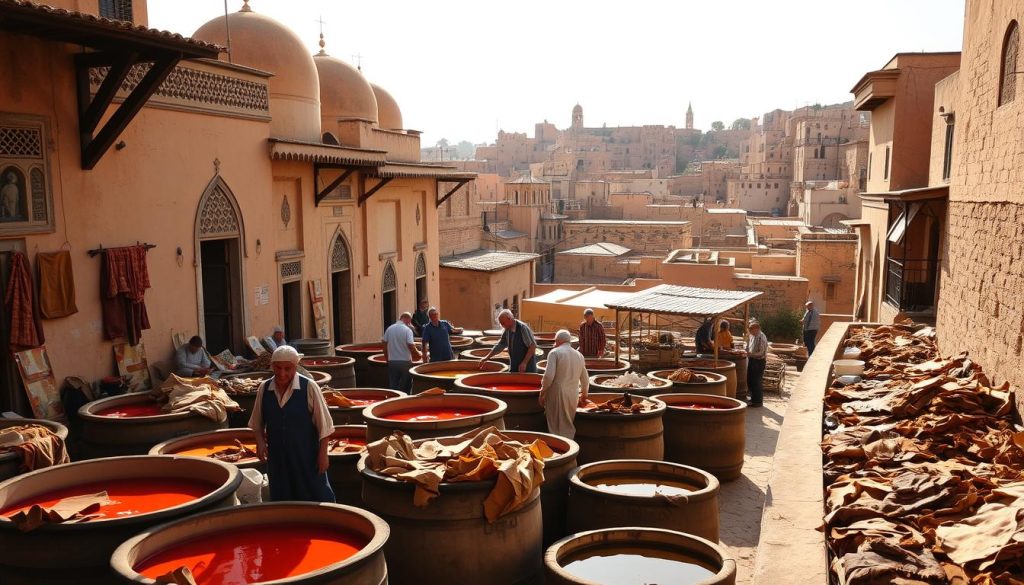
The tanneries are not just important for the economy; they are also a cultural treasure. They draw visitors from all over who want to see the traditional tanning and learn about their history.
Understanding the Controversy: Fes Tanneries Ethical Concerns
Exploring Fes’s historic medina, you’ll find a complex issue at the tanneries. It mixes cultural heritage with ethical worries. The debate around Fes tanneries touches on working conditions, labor practices, environmental effects, and the tourist experience.
Working Conditions and Labor Practices
The tanneries in Fes have tough working conditions. Workers face harmful chemicals and hard tasks. They often lack proper safety gear, risking their health.
Many see the labor practices as exploitative. Workers get low pay and work long hours. This raises big concerns about fairness.
Environmental Impact of Tanning Processes
The tanning methods in Fes tanneries harm the environment. Chemicals like lime and chromium pollute water and soil. Without good waste management, this pollution gets worse, threatening local ecosystems.
Tourist Experience and Common Complaints
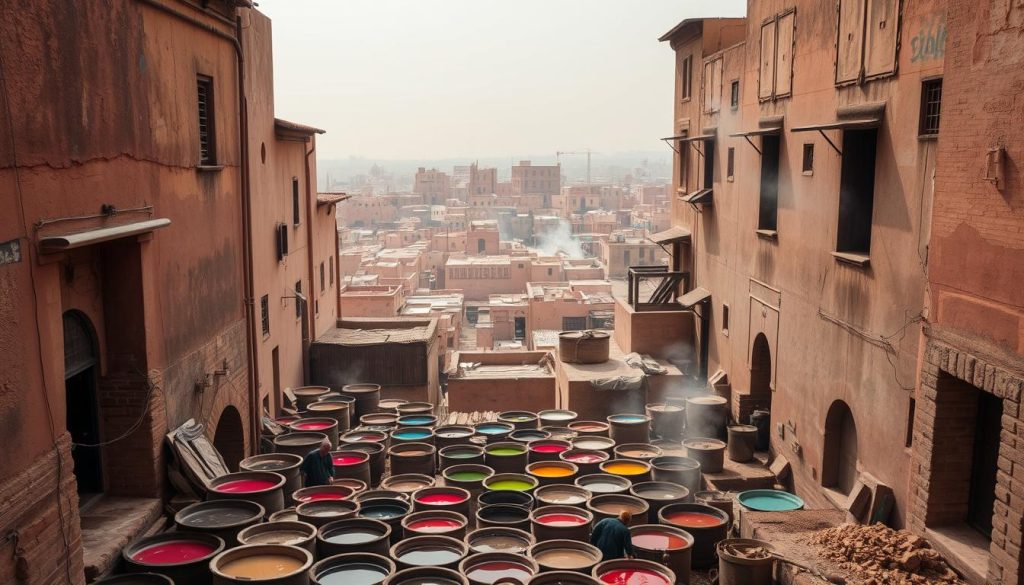
Visitors to the Fes tanneries often feel uneasy. They’re upset by the laborers’ harsh conditions and the lack of environmental rules. They complain about the strong smells and pollution.
Some worry about supporting an industry with questionable labor practices. This makes their visit less enjoyable.
| Concerns | Description | Impact |
|---|---|---|
| Working Conditions | Harsh labor conditions, lack of protective gear | Health and safety risks for workers |
| Environmental Impact | Chemical usage, waste management issues | Water and soil pollution |
| Tourist Experience | Exposure to harsh conditions, pollution | Negative impact on tourist satisfaction |
The Tourist Experience at Fes Tanneries
You’re about to explore one of Fes’s most iconic spots: the tanneries. This journey promises a unique experience that will stay with you.
What to Expect During a Visit
Visiting the Fes tanneries is like stepping into a world of colors and smells. The tanneries buzz with activity. Here, skilled workers craft leather the old way.
Navigating the Sensory Experience
The tanneries offer a sensory overload. You’ll see vibrant colors and smell strong smells. A guided tour is best to fully experience it.
Viewing Platforms and Photography Opportunities
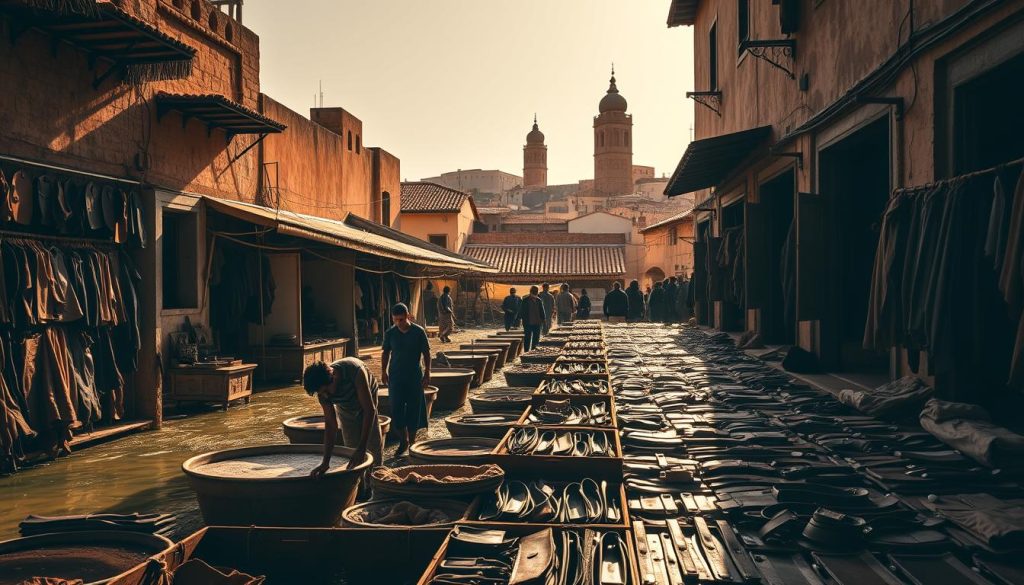
There are viewing platforms to watch the tanning process. These spots are safe and let you see the workers up close. Photography is encouraged, capturing the beauty of this ancient craft.
| Aspect | Description | Tips |
|---|---|---|
| Sensory Experience | Vibrant colors and strong odors | Bring a scarf to cover your nose |
| Viewing Platforms | Safe vantage points to observe laborers | Take your time to observe the processes |
| Photography | Capture the traditional craft | Be respectful when taking photos of laborers |
Environmental Impact of Traditional Tanning Methods
The environmental footprint of traditional tanning in Fes tanneries is a big concern. These methods, though they keep cultural heritage alive, harm the environment a lot.
Chemical Usage and Waste Management
In Fes, tanneries mix natural stuff with modern chemicals. This mix is key for tanning but can be bad for the planet if not handled right.
Pigeon Droppings and Natural Substances
Pigeon droppings, or “pigeon guano,” are used because they’re rich in nitrogen. This helps fix dyes and treat hides. But, using a lot of it can harm the environment.
Modern Chemical Additives and Their Effects
Modern tanning also uses chemicals to make leather better and last longer. But, these chemicals can hurt the environment if not thrown away right.
| Substance Used | Environmental Impact |
|---|---|
| Pigeon Droppings | High nitrogen content can lead to water pollution if not managed properly. |
| Modern Chemical Additives | Can be toxic and contribute to soil and water pollution if disposal is not regulated. |
| Natural Dyes | Generally safer, but large-scale use can still affect local ecosystems. |
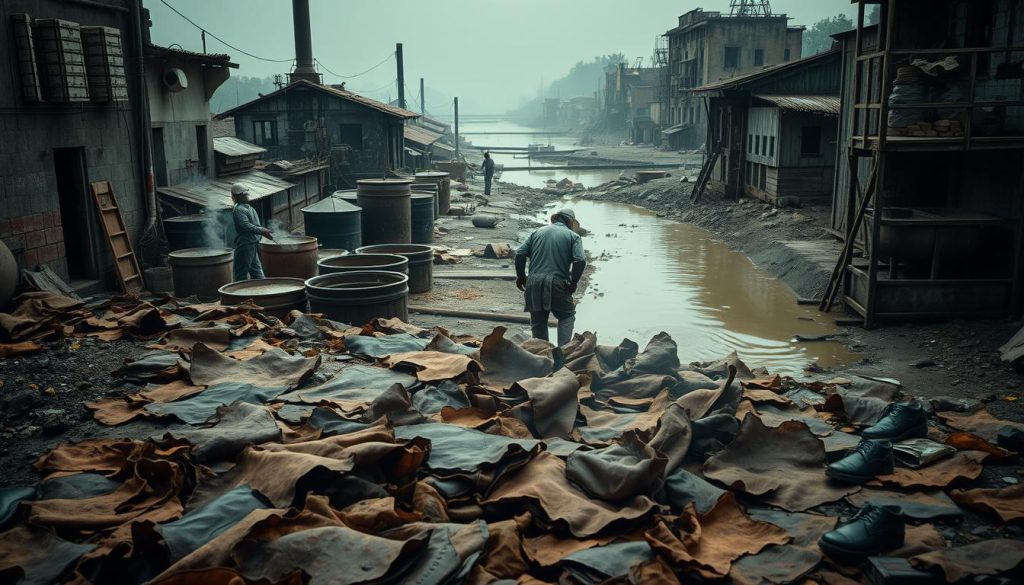
The table shows how substances in traditional tanning can harm the environment. Tannery owners need to use green practices to lessen these problems.
Worker Conditions and Labor Rights
It’s important to understand the labor practices in Fes tanneries. This helps us see if visiting these places is ethical. The working conditions and labor rights of tannery workers are key concerns.
Daily Life of Tannery Workers
The daily life of tannery workers in Fes is tough. They work long hours for little pay. Many families have worked in tanneries for generations.
Working Hours and Compensation
Workers often work more than 8 hours a day. They get little rest. Their pay is low, making it hard to support their families.
Generational Employment Patterns
Many tannery workers come from families that have worked there for years. This tradition is deep but also raises concerns about labor practices.
To better understand the working conditions, let’s examine the data in the following table:
| Aspect | Typical Conditions | Impact on Workers |
|---|---|---|
| Working Hours | 8-12 hours/day | Physical strain, limited rest |
| Compensation | Low wages | Difficulty supporting families |
| Employment Patterns | Generational employment | Perpetuation of labor practices |
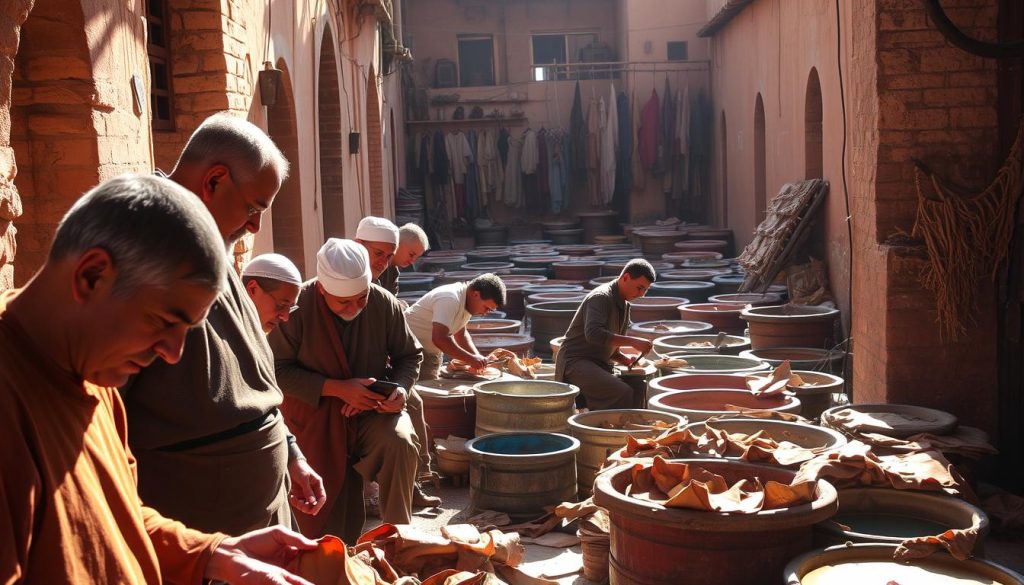
The conditions faced by tannery workers are complex. They need a thorough solution to tackle these challenges.
The Economic Importance of Tanneries to Fes
Fes tanneries play a huge role in the local economy. They are not just old landmarks but also a key industry. This industry helps many people make a living.
Contribution to Local Economy
The tanneries in Fes are a big help to the local economy. They offer jobs and bring in money in different ways.
Direct Employment and Supporting Industries
Many workers are employed directly in the tanneries. They also help other industries like leather goods and local crafts. Plus, they support tourism services.
Tourism Revenue Generation
Tourism is a big money-maker for the local economy. Visitors come to see the tanneries’ history and culture. This brings in more money through tours and local businesses.
| Economic Impact | Direct Employment | Tourism Revenue |
|---|---|---|
| Significant contributor | Numerous workers | Substantial revenue |
| Supports local industries | Leather goods manufacturing | Guided tours and local businesses |
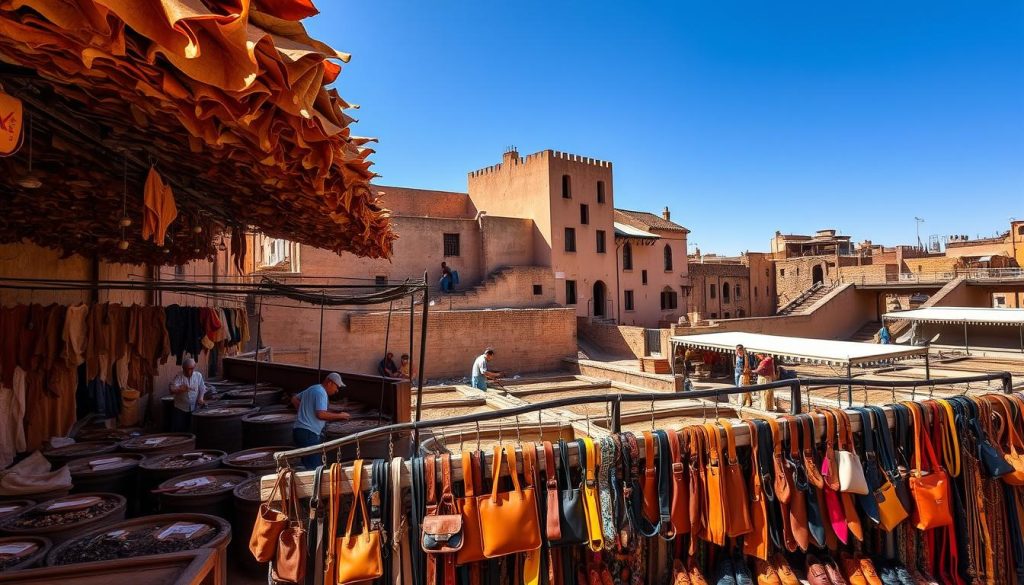
In conclusion, the tanneries in Fes are vital to the local economy. They provide jobs and bring in money from tourism and supporting industries. As a visitor, knowing how important the tanneries are can make your visit even more meaningful.
Fes Tanneries: Ethical Tours or Avoid Altogether?
Thinking about visiting Fes tanneries? You might wonder if it’s ethical. The debate on this topic is ongoing, with good points on both sides.
The Case for Ethical Visitation
Some say visiting Fes tanneries is a way to support local industries and learn about culture. You can see how local artisans use traditional methods.
Supporting Traditional Craftsmanship
Going to Fes tanneries lets you see and support traditional craftsmanship. This helps keep cultural heritage alive and boosts the local economy.
Encouraging Positive Change Through Engagement
Your visit can also encourage positive change by connecting tourists with local workers. This can lead to better working conditions and practices.
Whether to visit Fes tanneries is up to you. It’s about your values and what you want to support. By choosing wisely, you help make tourism more ethical and sustainable.
How to Visit Fes Tanneries Responsibly
Visiting Fes Tanneries responsibly means more than just showing up. It requires research and planning. Your choices can greatly affect the local community and environment.
Researching Ethical Tour Operators
Choosing ethical tour operators is key. They should follow fair practices and respect the local community. Look into their labor rights, environmental efforts, and community involvement.
Vetting Companies with Fair Practices
When picking tour operators, focus on fair labor practices and environmental sustainability. Ensure they pay fair wages and provide safe work environments.
As
“The future of tourism depends on the quality of the experiences we create and the impacts we have.”
This quote highlights the need for ethical tour operators.
Questions to Ask Before Booking
Before booking, ask about their environmental impact and labor practices. Questions like “What steps do you take to reduce your environmental footprint?” or “How do you ensure fair labor among your staff and partners?” are important.
- Look for certifications or affiliations with ethical tourism groups.
- Read reviews and testimonials to understand their reputation.
- Ask directly about their labor rights and environmental policies.
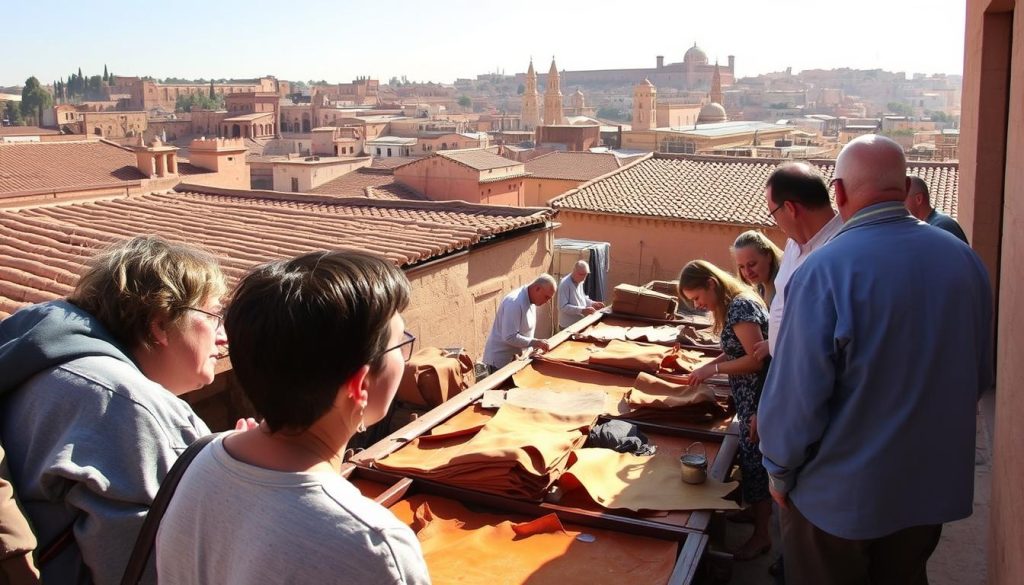
By following these steps, your visit to Fes Tanneries will be memorable and responsible.
Alternative Ethical Experiences in Fes
Fes offers many ways to connect with the local community. You can explore more than just the tanneries. There’s a lot to see and do in this city.
Cultural Workshops and Artisan Visits
Join cultural workshops and meet local artisans. You’ll learn about traditional crafts and support the local economy. It’s a great way to dive into the local culture.
Leather Crafting Demonstrations
Watch skilled artisans at work in leather crafting demonstrations. You’ll see how beautiful leather goods are made. It’s a unique experience.
Sustainable Craft Cooperatives
Visit sustainable craft cooperatives to see local artisans at work. These places focus on eco-friendly practices. It’s a chance to see local talent.
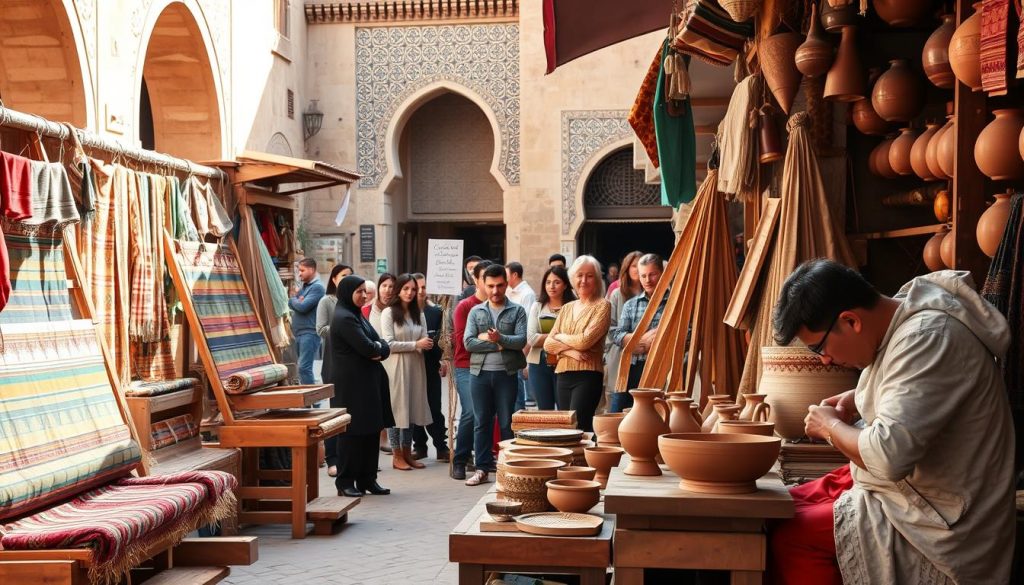
These experiences offer a real and responsible way to travel in Fes. You’ll support local communities and help keep traditional crafts alive.
Voices from the Ground: Perspectives on Tannery Tourism
The local artisans and tannery workers share their views on tourism in Fes. Their stories help us understand the complex sides of tannery tourism.
Local Artisans and Workers’ Views
Workers’ views on tannery tourism are mixed. Some see the economic benefits, while others worry about its effects on their lives.
Interviews with Tannery Employees
Tannery employees have shared their personal stories. They talk about the challenges and how tourism has changed their lives. Some see new job chances, but others face the hard work.
Shop Owners’ Perspectives on Tourism
Shop owners in the tannery district have their own views on tourism. They see both the good and the bad sides. Some worry about the environment, but others find ways to succeed.
Making an Informed Decision as a Responsible Traveler
Deciding to visit the Fes tanneries means thinking deeply about your travel values and ethics. As a responsible traveler, you must consider the cultural importance of the tanneries and the ethical issues in the industry.
Evaluating Your Personal Ethics and Priorities
To make a good choice, you need to know what you value in travel. This means thinking about what’s important to you and what you’re okay with giving up.
Defining Your Travel Values
Your travel values are what guide your choices. They might include supporting local communities, reducing environmental harm, or respecting local customs. By knowing your values, you can choose options that match your personal ethics.
Balancing Cultural Experience with Ethical Concerns
Visiting the Fes tanneries can be a rich cultural experience. But, it also brings up ethical questions. You must weigh your desire to learn about culture against your worries about labor and the environment.
| Considerations | Cultural Experience | Ethical Concerns |
|---|---|---|
| Labor Practices | Opportunity to learn about traditional craftsmanship | Concerns about worker welfare and labor rights |
| Environmental Impact | Understanding traditional tanning methods | Worries about pollution and waste management |
By carefully thinking about your ethics and priorities, you can make a choice that fits your values.
Conclusion
Thinking about visiting Fes tanneries? You face a tough choice that mixes history, culture, and ethics. The tanneries are a special place, showing off Moroccan skills. But, there are worries about how workers are treated and the environment.
Knowing the debate helps you decide what’s right for you. You might pick tours that treat workers fairly or find other cultural spots in Fes. This could be workshops or visits to artisans.
Traveling responsibly means thinking about how your actions affect others. When planning your Fes trip, think about the tanneries’ impact. Your choice, to go or not, helps shape the talk about Fes tanneries and ethical tours.