Responsible Tourism Practices to Consider When Visiting
Have you ever thought about how your travel choices affect a community? Responsible tourism gives you a chance to make a difference. As you plan your next trip, ask yourself: Are there any responsible tourism practices to consider when visiting?
This question is more than just a thought. It’s a call to embrace sustainable travel that respects local cultures and environments. It’s about leaving a positive mark on the places you visit.
In today’s world, travelers are more focused on sustainable travel. A 2017 Expedia survey showed a shift from just experiencing cultures to caring about our ecological footprint. This article will show you how to travel responsibly. It will help you enjoy your journey while also helping the world around you.
Understanding Responsible Tourism
Responsible tourism means choosing travel that helps local communities and protects their culture and environment. It’s more than just visiting places; it’s about making choices that reduce harm. With tourism adding about 10% to global GDP before COVID-19, knowing about responsible tourism is key.
Definition of Responsible Tourism
Responsible tourism focuses on ethical travel. It aims to lessen tourism’s bad effects, like too many people and damage to nature. To practice responsible tourism, you should:
- Support locally owned and operated businesses
- Engage with local communities
- Respect local customs and ecosystems
- Reduce single-use plastic
These actions make your travels more meaningful and help communities.
Importance of Sustainable Travel
Sustainable travel is very important. Social media like Instagram makes people want to see the world. They look for real and meaningful experiences.
Supporting local economies and caring for the environment are key. Sustainable travel uses resources wisely, helps the poor, and makes places better for everyone.
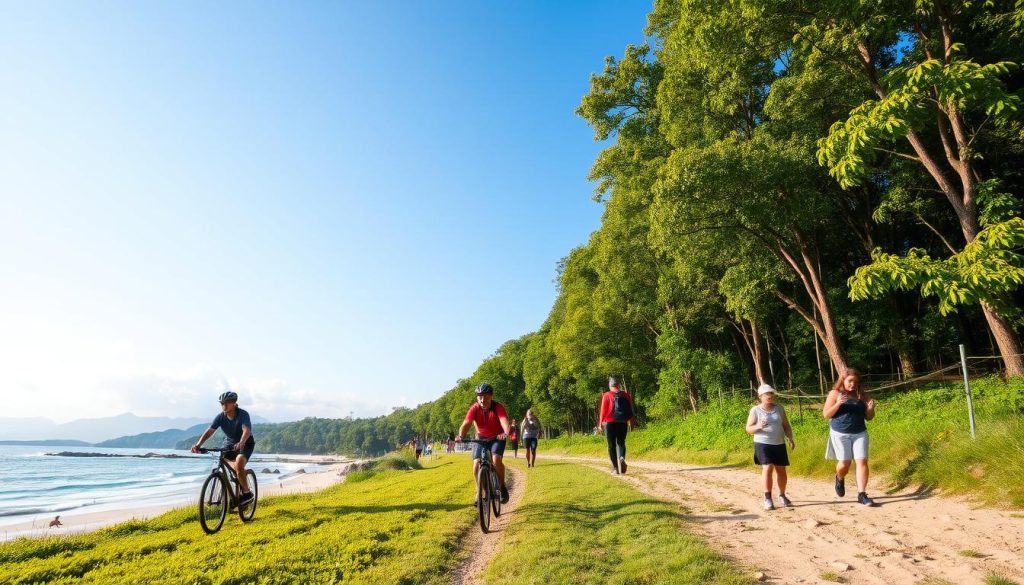
The Cape Town Declaration says responsible tourism cuts down harm and boosts local economies. By choosing ethical options, you help keep places beautiful for others to see.
Are there any responsible tourism practices to consider when visiting?
Responsible tourism can make your trip better and help local communities and the environment. By supporting local businesses and being careful with your actions, you help make travel more sustainable.
Impact on Local Communities
Every purchase you make while traveling can help or hurt the local economy. Choosing to eat at family-owned restaurants or buy local crafts supports the community. Talking to local artisans and guides helps keep cultural traditions alive.
Remember, tourism can harm both communities and the environment. So, your choices are very important.
Protecting the Environment
Tourism is a big contributor to global carbon emissions, about 8%. Choosing sustainable travel options, like carbon offset programs, can help reduce your impact. Staying in green hotels that recycle and monitor waste shows you care about the planet.
Look for places that teach guests about being responsible tourists. This helps everyone understand the need to use less and follow environmental rules.
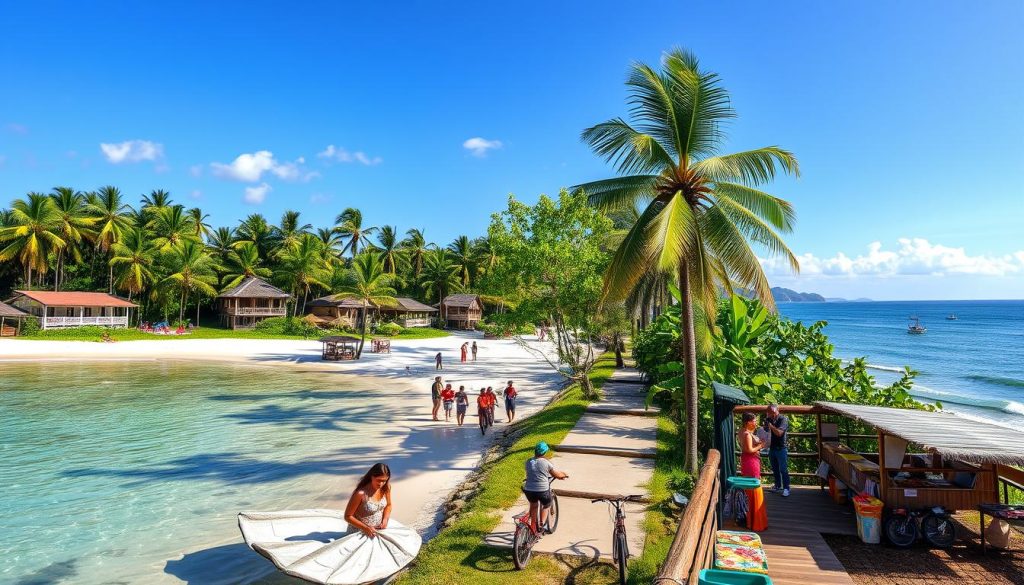
| Responsible Practices | Benefits |
|---|---|
| Supporting Local Businesses | Boosts the local economy and preserves culture |
| Opting for Eco-Friendly Accommodations | Reduces resource consumption and carbon emissions |
| Choosing Sustainable Activities | Avoids harm to wildlife and local communities |
| Minimizing Plastic Use | Decreases waste and protects marine life |
| Using Public Transport or Biking | Reduces carbon footprint and enhances local exploration |
Research Before You Go
Doing your homework before traveling is key for a respectful and green trip. Knowing your destination’s unique traits makes your stay better and avoids confusion.
Learning About Local Customs
Getting to know local customs helps you connect with locals. A quick Google search can teach you about dress codes and social norms. Showing respect by following these customs lets you enjoy the culture fully.
Understanding Environmental Laws
Every place has laws to protect its nature. Knowing these laws is important for eco-friendly travel. By following these rules, you help keep the environment safe. Research helps you learn how to interact with nature responsibly, like where to throw trash and how to protect wildlife.

Choosing Sustainable Accommodation
Finding the right place to stay can greatly influence your travel experience. Choosing sustainable accommodation is key to reducing your environmental impact. It also helps you connect with the local community.
This choice lets you enjoy unique experiences that support responsible tourism. It’s a win-win for both you and the planet.
Look for Eco-Friendly Certifications
When looking for a place to stay, look for eco-friendly certifications. Labels like EarthCheck, Travelife, Green Key, and the EU “Ecolabel” show a commitment to sustainability. These certifications mean the property uses renewable energy, reduces waste, and saves water.
By choosing sustainable accommodation, you lower your carbon footprint. You also support businesses that care about the environment.
Supporting Local Economies
Staying in locally owned places helps the local economy. Lodgings that work with local farms or artisans offer a deeper cultural experience. They help keep traditional practices alive.
These places also give you a taste of local cuisine. You’ll get to try dishes made with fresh, local ingredients. This enriches your travel experience and supports the community.

Conscious Transportation Options
When you plan your travel, think about the transport you choose. Different ways to travel can help reduce your carbon footprint. Making smart travel choices not only makes your trip better but also helps the planet.
Minimizing Your Carbon Footprint
Traveling can add to carbon emissions from tourism. Choosing low-carbon transport is key. Air travel, for example, increases emissions, even on short trips.
Trains and buses are better choices. They cut down your environmental impact. Biking is great too, letting you see local sights while getting exercise.
Utilizing Public Transport and Biking
Public transport is a green way to see places and learn about local culture. Many cities have systems that make it easy to get around. Biking is also encouraged in some areas, with bike lanes and sharing programs.
Staying in places that support green practices helps too. They offer water refill stations and encourage using reusable items. This makes your trip more eco-friendly.

| Transportation Method | Carbon Emissions (per passenger mile) | Benefits |
|---|---|---|
| Train | 0.19 lbs | Low emissions, scenic views |
| Bus | 0.11 lbs | Cost-effective, less congestion |
| Bicycle | 0.0 lbs | Healthy, promotes local interaction |
| Car (fuel-efficient) | 0.40 lbs | Convenient for groups, flexibility |
| Airplane | 0.45 lbs | Fast travel, long distances |
Supporting Local Economies
Responsible tourism means helping the communities you visit. By buying local crafts and eating at local places, you help the economy. This also lets you connect with the culture in a real way.
Buying Local Crafts and Products
Buying local crafts helps artisans and small businesses. It supports cultural exchange and keeps traditional skills alive. This choice also helps your destination stay unique and reduces mass production’s impact.
It creates jobs and helps communities grow. Supporting local crafts is a big help.
Dining at Local Restaurants
Eating at local restaurants lets you taste authentic food and help the community. These places often use ingredients from nearby farms. This supports local farmers and the community’s food system.
Many cafes and bars need tourism dollars to stay open. Choosing to eat local is crucial for them. Enjoying meals at local spots gives you a true taste of the culture and boosts the economy.
Responsible Use of Resources
Travelers can make a big difference by using resources wisely. By saving water and energy, we help the planet and local communities. Small changes in our daily lives can have big effects.
Conserving Water and Energy
As a traveler, you can reduce your impact on the environment. Saving water and energy is key, where resources are scarce. Simple steps like shorter showers and turning off lights help a lot.
Unplugging electronics when not in use also makes a difference. These actions help you use resources responsibly.
Reducing Your Waste Impact
Reducing waste is crucial for responsible travel. Choose items with less packaging and use reusable items like water bottles and bags. Properly disposing of waste, including recycling, also helps.
By doing these things, you support local economies and protect the environment. This makes your travel more sustainable.
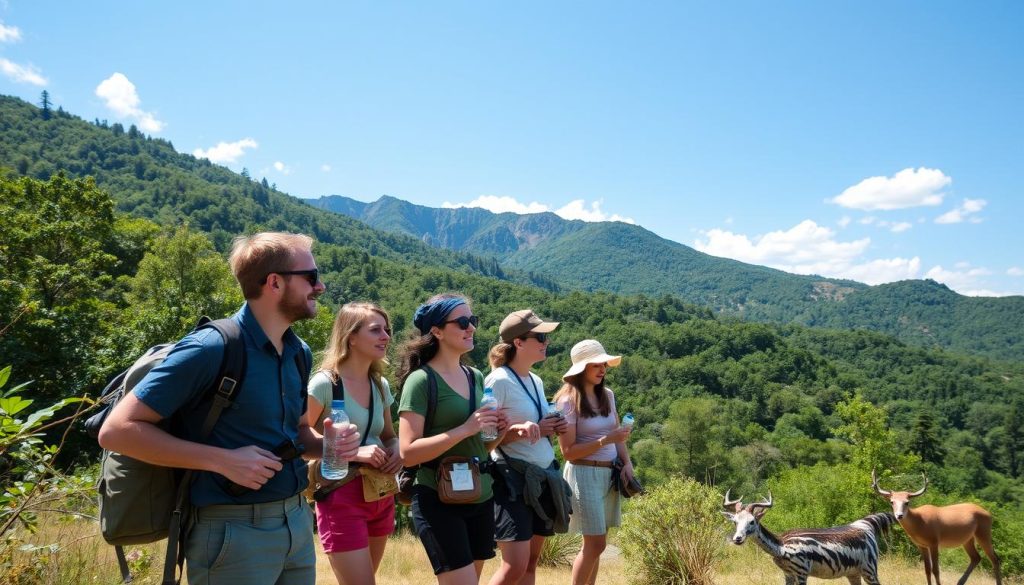
| Action | Benefit |
|---|---|
| Shorter showers | Reduces water consumption |
| Turning off lights | Saves energy |
| Using reusable products | Minimizes waste generation |
| Recycling | Decreases landfill contributions |
By adopting these habits, your travel becomes more meaningful. It also supports a sustainable tourism approach.
Waste Reduction Strategies
It’s crucial to tackle plastic waste for sustainable tourism. By reducing waste, tourists can lessen their environmental impact. Simple steps, like using less single-use plastics, can make a big difference.
Coping with Plastic Waste
Plastic waste in oceans is set to triple by 2040. Tourists in the Mediterranean are responsible for about 40% of this waste. Taking action can cut plastic waste by over 80%. Here are some effective ways to do so:
- Bring your own reusable water bottles
- Use tote bags for shopping instead of plastic bags
- Refuse small shampoo bottles from hotels
- Choose locally purified water in recyclable glass bottles
Knowing how to recycle locally is key. Countries like Singapore, Italy, and the Netherlands have great recycling systems. Being aware of these can make your travels greener.
Using Reusable Products
Choosing reusable products is vital for reducing waste. It helps cut down on plastic waste during and after your trips. Here are some tips:
- Invest in a good reusable water bottle
- Use cloth or mesh bags for groceries
- Carry a reusable cutlery set for eating on the move
- Use plastic-free travel kits
Adopting these habits supports your commitment to sustainability. It also encourages local communities to do the same. For example, Boracay Island has started eco-friendly policies to help its environment.
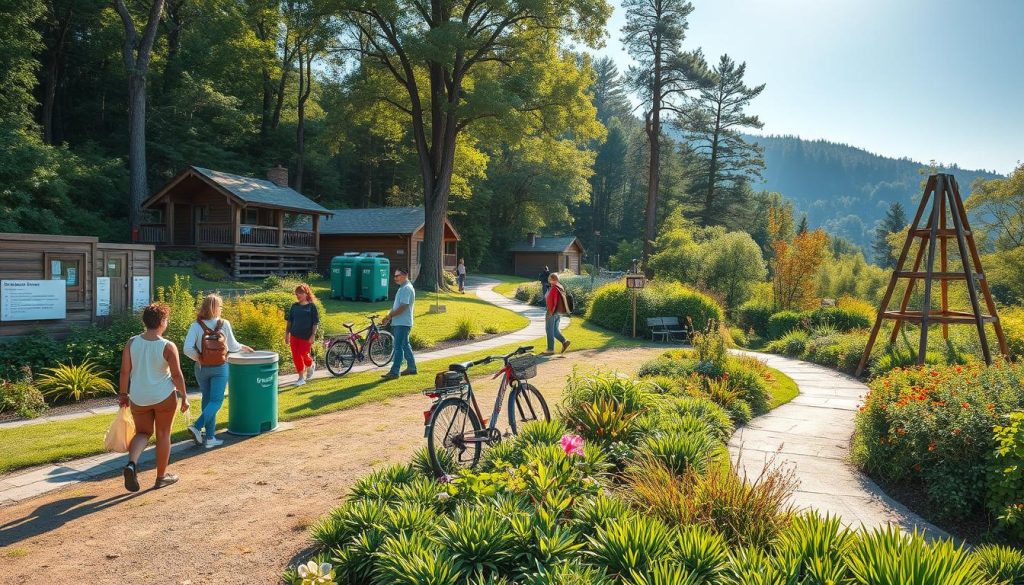
| Action | Impact |
|---|---|
| Use of reusable products | Reduces reliance on single-use plastics |
| Local recycling awareness | Enhances effective waste management |
| Opt for eco-friendly accommodations | Supports sustainable practices |
| Participate in cleanup events | Directly improves the local environment |
By adopting these strategies, you help ensure a sustainable future for tourism. Your actions can make a big difference in the ecosystems you visit. Together, we can fight plastic waste.
Engaging in Sustainable Activities
Traveling sustainably makes your trip better and helps the planet and local people. Choosing tours that are good for the environment and culture supports important causes. It makes your adventure more rewarding.
Choosing Ethical Tours and Experiences
When you plan your trip, picking ethical tours is key. Look for operators that care about the planet and local traditions. They offer chances to see wildlife, learn about cultures, and help protect nature.
Participating in craft workshops is a great way to dive into local culture. It also helps talented artisans.
Here are some perks of sustainable travel:
- It helps create jobs and protect wildlife in local areas.
- It lets you connect with locals, learning about their lives.
- It lowers your carbon footprint by supporting green practices.
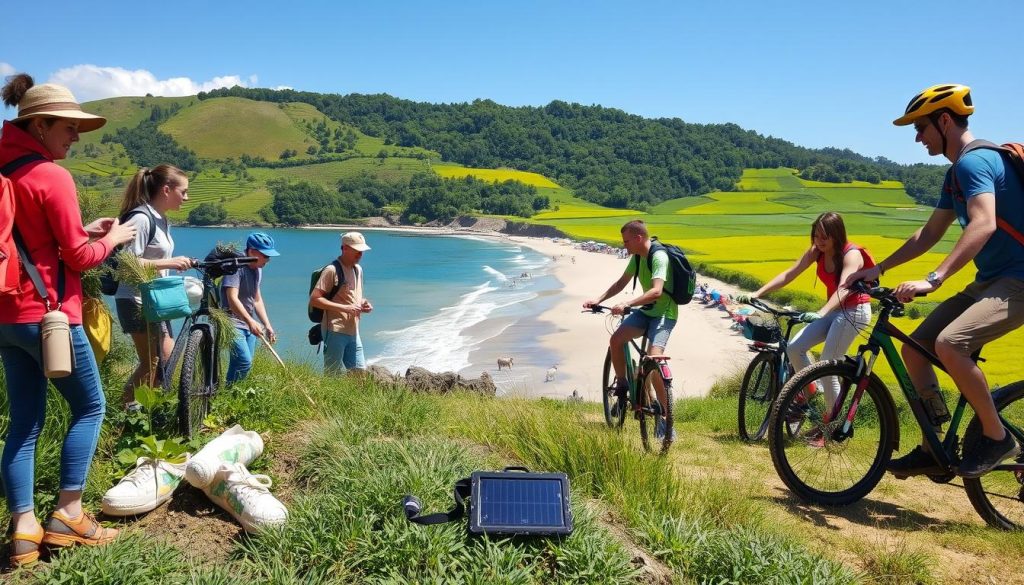
Choosing tours that respect culture and the environment shows you care. It makes your trip better and helps make a difference in the places you visit.
Continuous Education and Awareness
Learning more about tourism helps make travel better. By always learning about being green, you grow your knowledge. You also get to share what you’ve learned with others.
This sharing helps make good habits common among travelers. It’s key for everyone to know how to travel right.
As travel changes, so must we. Places are now focusing on being kind to the planet. They want to keep the environment safe while still offering great experiences.
By keeping up with these changes, you help spread the word. You show others why saving the planet is important.
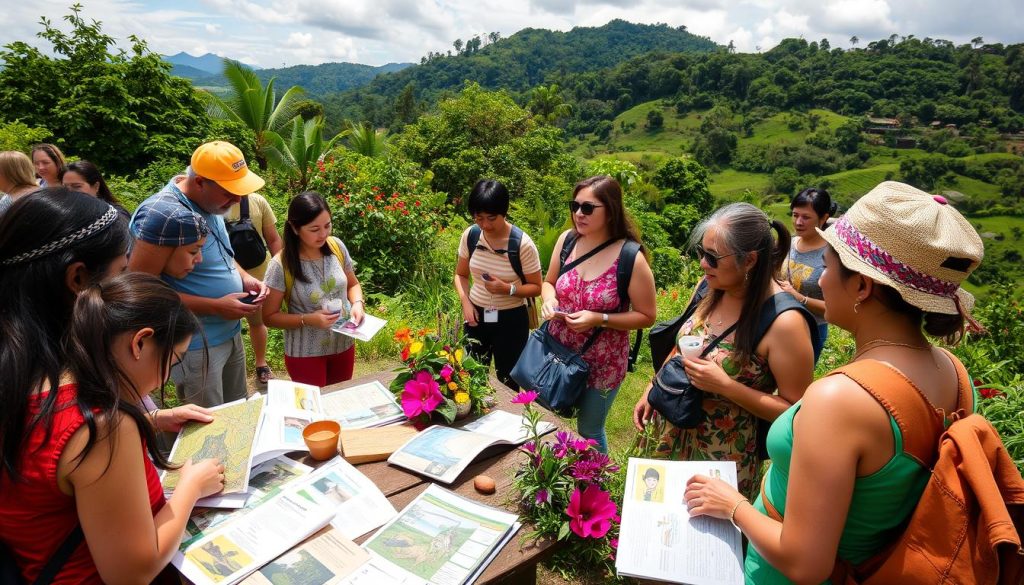
There are many ways to learn about being green. For example, tour operators give you tips before you go. They teach you how to travel in a way that’s good for the planet.
Learning can be fun too. Things like games or stories make it exciting. This way, you become a champion for the environment.
Travelers can also help by sharing their experiences. By giving feedback, you help others learn. This makes everyone more aware and responsible.
This effort leads to big changes in the travel world. It’s all about working together for a better future.
Conclusion
Embracing responsible tourism is key to saving communities, cultures, and environments worldwide. By planning your trips wisely and choosing ethically, you help keep places beautiful and diverse. This approach makes your travels better and protects the places you see.
Sustainable tourism also plays a big role. It aims to lessen harm to the environment and boost local economies. By staying in green hotels and respecting local ways, you support local businesses and jobs. This helps communities thrive for years to come.
Learning and staying informed are crucial for sustainable tourism. When you understand how your travel affects places, you help make a difference. More people choosing green travel means we can make a big positive change. Together, we can ensure tourism enriches our lives and preserves our world.