

Exploring Turks and Caicos Historical Sites
Have you ever wondered what secrets lie beneath the azure waters and sun-kissed sands of the Turks and Caicos Islands? Many travelers visit these shores for relaxation. But, hidden in the landscape are stories from a rich history.
This article invites you to explore the Turks and Caicos historical sites. They tell the tale of a bygone era, from salt production to plantation life.
The islands have many historical landmarks in Turks and Caicos, each with its own significance. You’ll learn how once-thriving communities emerged around industries like salt and cotton. These industries shaped the islands’ culture and architecture.
Journey with us as we dive into the stories these historical sites preserve. They will enhance your understanding of this enchanting destination.
Introduction to Turks and Caicos History
The history of Turks and Caicos spans about 1,000 years. It starts with the first people arriving on these beautiful islands. The Lucayan Tainos, the original inhabitants, lived off the sea and farmed the land.
European explorers arrived in the 15th century. This changed the islands forever, starting a new chapter in their history.
The Turks and Caicos have eight big islands and many small ones. Only eight islands are home to people. Grand Turk and Salt Cay are part of the Turks Islands. Providenciales, North Caicos, and South Caicos are in the Caicos Islands.
The islands’ shape has greatly influenced their history. Their unique geography has played a big role.
The salt industry was crucial for over 300 years. It helped the islands grow from the 16th century to the mid-20th century. As you learn more about Turks and Caicos, you’ll see how the economy changed.
The 19th century was tough, with the cotton industry failing. The islands then tried new things like sisal and guano mining.
In the late 20th century, the economy needed a new direction. Tourism started growing in the 1980s. Resorts and a new airport in Providenciales helped attract visitors.
Importance of Historical Sites in Turks and Caicos
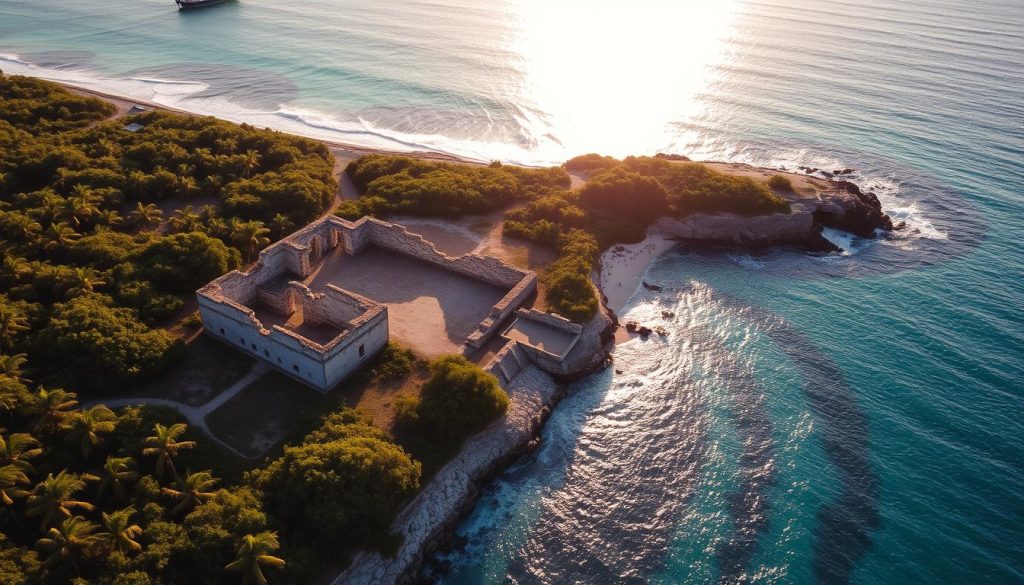
Historical sites in Turks and Caicos connect you to the islands’ rich past. They remind us of the Taino, Lucayan, and colonial influences. These sites offer insights into the island’s evolution and cultural heritage.
Visiting Turks and Caicos cultural heritage sites deepens your understanding of local history. The salt industry’s remnants show the challenges faced by early settlers. Over 1000 shipwrecks also reveal the risks and resilience of early mariners.
Joining Turks and Caicos historical tours enhances your appreciation. Places like Cockburn Town and Wade’s Green Plantation offer unique views. Each visit supports efforts to preserve these cultural treasures for the future.
Travelers who explore local history help the community’s economy. Sites like the Grand Turk Lighthouse and the Turks and Caicos National Museum captivate visitors. They highlight the importance of preserving the islands’ heritage.
The Grand Turk Lighthouse
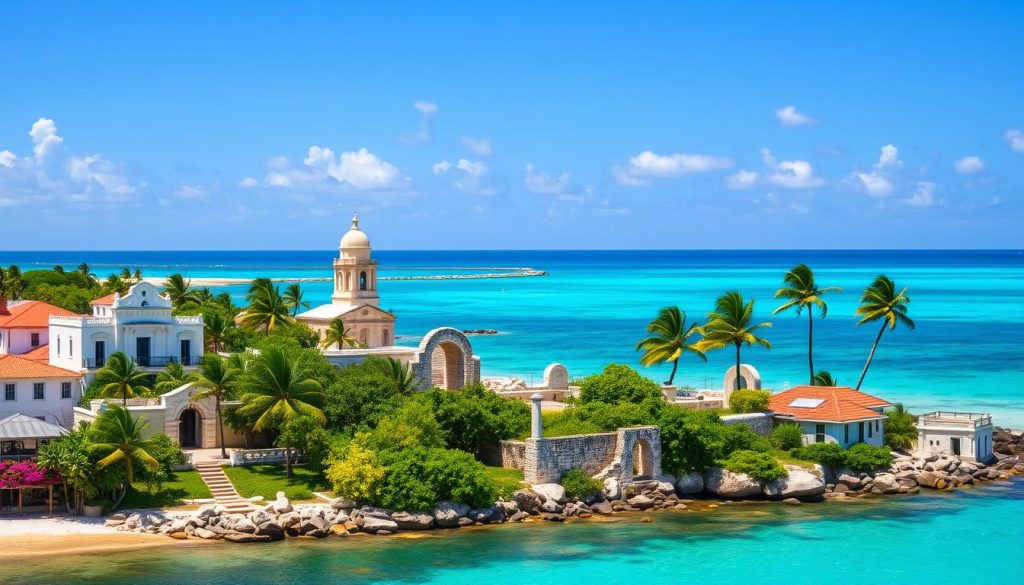
The Grand Turk Lighthouse was built in 1852. It’s the only lighthouse in the Turks and Caicos Islands. Standing at 60 feet tall, it’s 108 feet above sea level. This landmark has helped guide ships for over a century.
Originally, its light could be seen for up to 15 miles. This helped sailors navigate through dangerous waters. In 1971, the lighthouse was updated to use electricity. Now, it’s a popular spot for visitors, even though it’s not used for navigation anymore.
Visitors can enter the lighthouse grounds for just $3. This fee can be used at the snack and gift shop in the old lightkeeper’s home. The shop offers a variety of items.
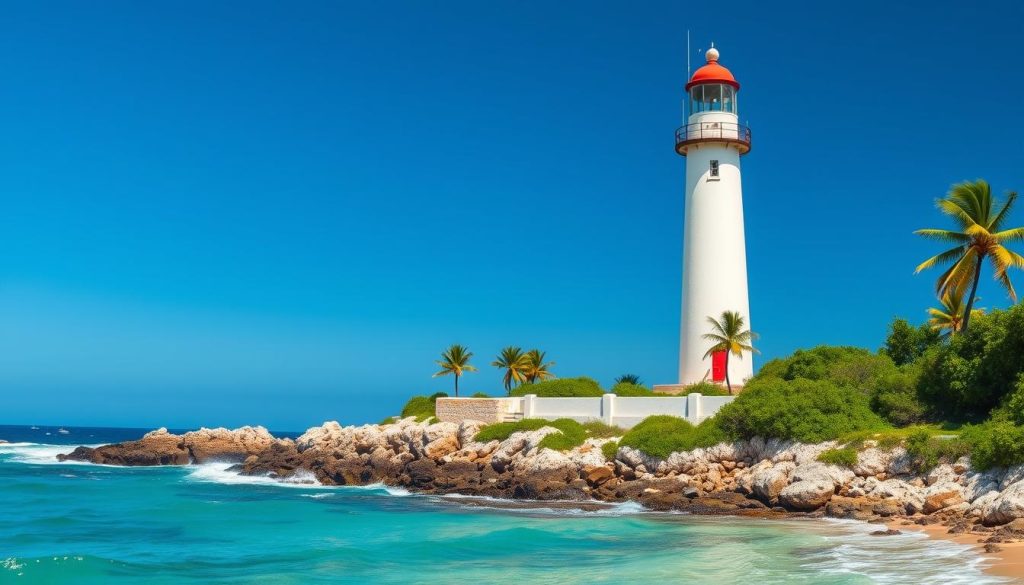
Getting to the Grand Turk Lighthouse is easy. You can take a taxi, rent a car, or join an island tour. Families love it here because of the bird-watching and a hidden beach. But, remember, climbing the lighthouse or cliffs is not allowed. Also, don’t leave graffiti or trash to protect this historic site.
The Grand Turk Lighthouse is a treasure of history and beauty. It shows the maritime past of the Turks and Caicos Islands. Whether you’re into history or just love exploring, this lighthouse is a must-see.
Cheshire Hall Plantations
Cheshire Hall Plantation is a key part of the history of cotton plantations in the late 1700s and mid-1800s. It was once the biggest plantation in Providenciales, covering about 5,000 acres. This place reminds us of the cotton industry’s big role, where half of Bahamian Archipelago’s cotton came from in 1791.
Learning about Cheshire Hall Plantation gives us a special view of the Turks and Caicos Islands’ culture and economy.
Overview of Cotton Plantations
At its peak, Cheshire Hall Plantation had hundreds of slaves. This shows the hard realities of plantation life. The old buildings and paths tell stories of struggle and strength.
This site is very important among the best historical sites in Turks and Caicos. It helps us understand a time that greatly influenced the islands’ society and economy.
Visitor Experience and Tours
Visiting Cheshire Hall Plantation is a rewarding experience. You can join guided tours to see the beautiful paths kept by the Turks and Caicos National Trust. Tours are from 8:30 to 11:30 in the morning and from 2:30 to 4:00 in the afternoon.
Admission is just $15, which includes a 30-minute tour. Kids under three get in free. The reception area, open weekdays from 8:30 AM to 4:30 PM, has more info for visitors.
Exploring Grand Turk Salinas
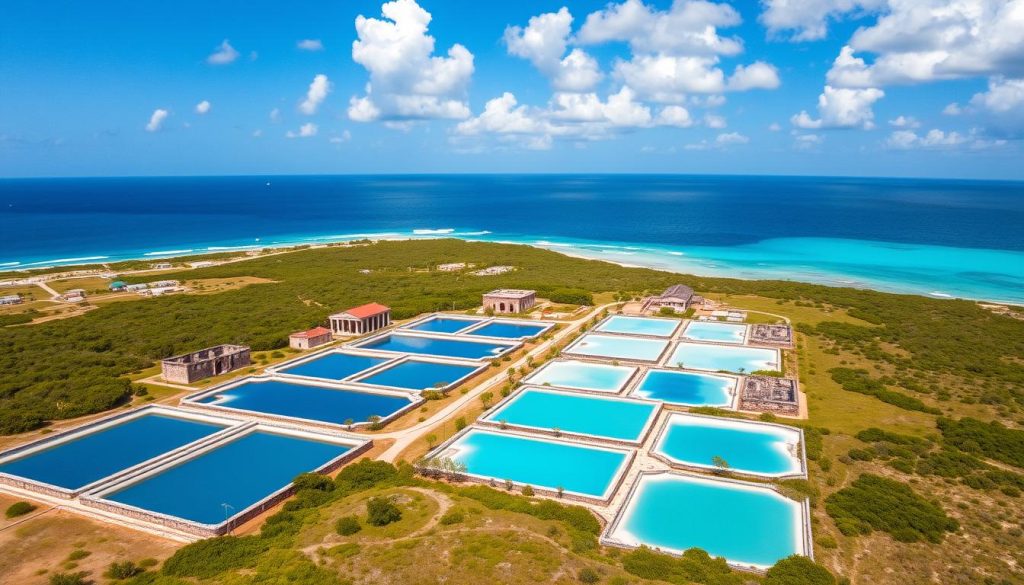
The Grand Turk Salinas were once key in the sea salt industry, known as “white gold.” They have a long history, starting in the 1600s. Back then, Colonial British Bermudians found ways to make salt efficiently.
This place was important for its economy and as a historical site. It shows the past of the Turks and Caicos Islands.
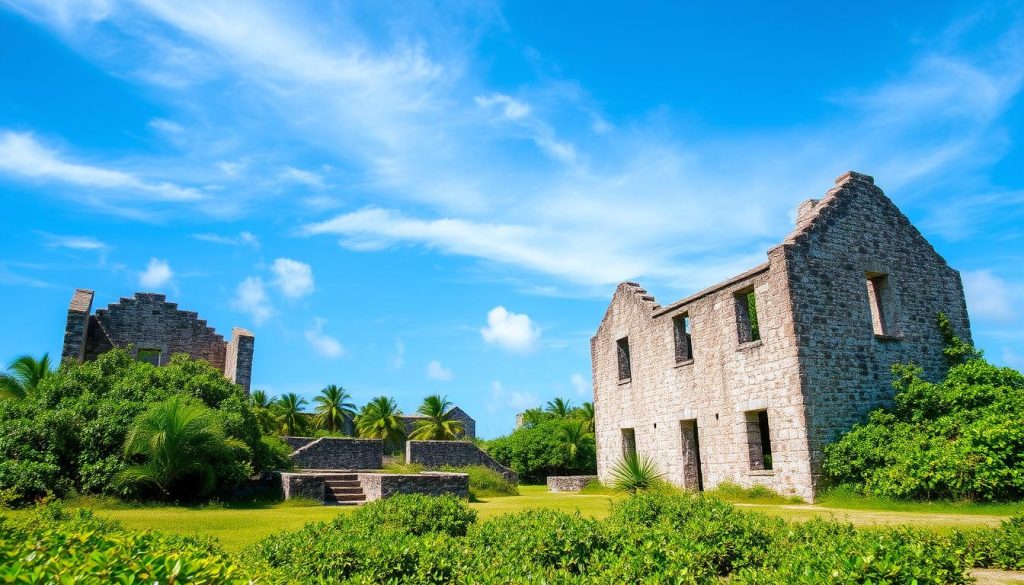
Visiting these sites, you’ll see old salt pan walls and windmill pumps. These show the advanced tech used in salt making. Salt production continued until the mid-1900s, showing its lasting value.
Now, you can see the old salt ponds near Cockburn Town and Hawkes Nest. They remind us of the salt’s role in the local economy. Millions of bushels were exported, helping many English-speaking settlements.
Today, Grand Turk is known for more than just its history. It’s a hub for ocean activities like diving, snorkeling, and whale watching. The Grand Turk Lighthouse, built in 1852, is a symbol of the island’s maritime past.
Turks and Caicos Historical Sites
The Turks and Caicos Islands have a rich history. This is seen in many historical sites across the area. These sites include old cotton plantations, the salt industry, and shipwrecks. They give us a peek into the islands’ past.
Each site shows how the culture and history of the archipelago have evolved. Visiting these landmarks helps us appreciate the local heritage more.
Key Features of Historical Landmarks
Many historical landmarks in Turks and Caicos are notable. Here are some key features:
- Architectural Significance: Places like Cheshire Hall show us colonial architecture from the late 1700s to the mid-1800s.
- Archaeological Importance: Sites like Sapodilla Bay Hill Rock Carvings, from the mid-1700s, show how sailors and local cultures interacted.
- Natural Heritage: The Conch Bar Caves in Middle Caicos are one of the Caribbean’s largest cave systems. They show both geological wonders and human history.
- Maritime History: Over 1,000 shipwrecks are thought to be in the waters around the islands. This highlights the dangers sailors faced.
Preservation Efforts
Keeping these historical sites in Turks and Caicos safe is crucial. Local groups like the Turks and Caicos National Trust are key to this effort. They work on:
- Maintenance of Historical Structures: Restoration projects keep places like Her Majesty’s Prison and the Grand Turk Lighthouse in good shape.
- Public Engagement: Fees for places like Cheshire Hall and Sapodilla Bay help fund preservation and educational programs.
- Community Involvement: Volunteers from the local community help with conservation. They spread the word about protecting the islands’ heritage.
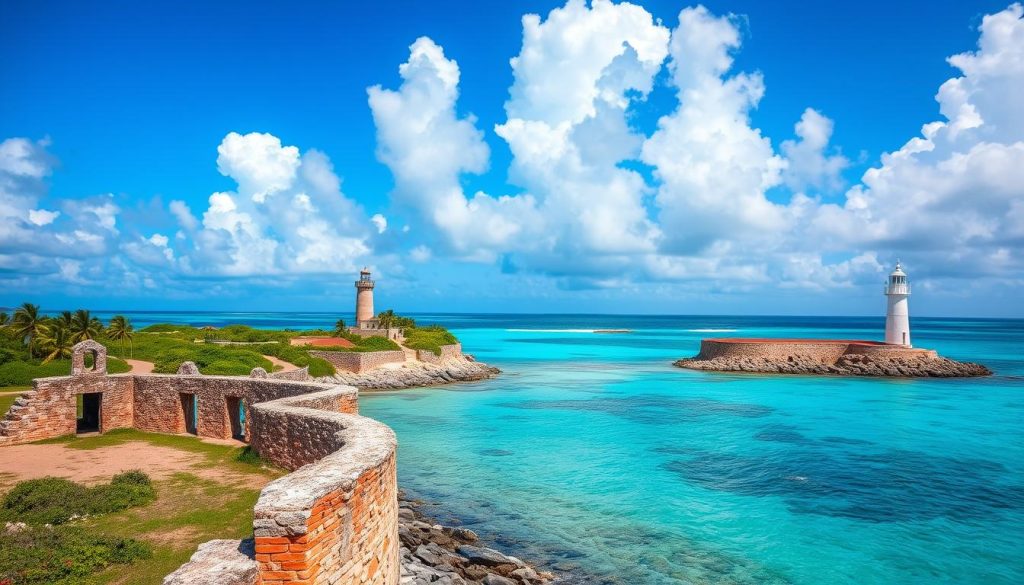
These efforts mean future generations can enjoy and learn from the history of Turks and Caicos. It’s important to keep these sites preserved for the cultural wealth of the islands.
National Museum and Heritage Site
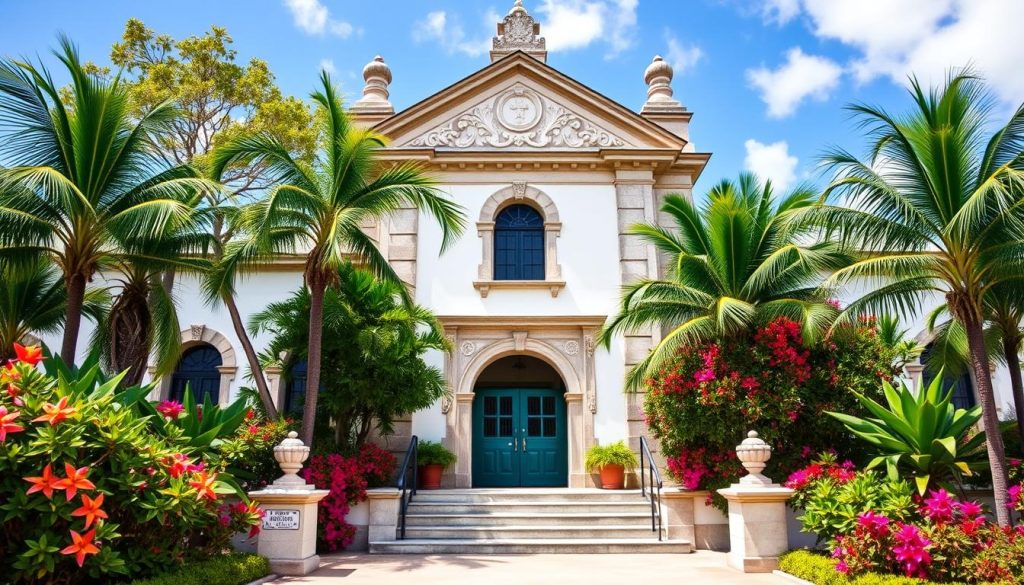
The National Museum Turks and Caicos is a key place for keeping the islands’ history alive. It opened in 1991 in Guinep House, one of Grand Turk’s oldest buildings. The museum is a big part of the cultural scene, with interactive exhibits and important artifacts.
Visitors can learn about the Molasses Reef Wreck, the oldest European shipwreck found in the western hemisphere. It’s a big part of the museum’s collection.
Exhibits and Artifacts
The museum has many exhibits that show the history of Turks and Caicos. You can see:
- A replica of a home from the late 1800s to early 1900s
- Old ships’ anchors and a 1700s cannon
- Art about the indigenous Lucayan culture, including a ceremonial seat for the cacique
- Items from the Molasses Reef wreck, like a swivel gun
The museum also has community events, educational programs, and guided tours. These help connect the past with the present. It costs $5 for adults to get in, and kids under 12 are free. You’ll likely spend about 30 minutes to an hour here.
The museum is open from 9:00 AM to 1:00 PM, matching cruise ship times. There are talks about opening a branch in Grace Bay. This would make it easier for people to visit. Look out for special events like ‘Evening with the Experts,’ where local and visiting historians give talks.
The museum is a non-profit, independent from the government. It depends on donations and community support to keep going. This way, the history of the Turks and Caicos Islands will be saved for the future.
Rock Carvings at Sapodilla Hill
The Sapodilla Hill rock carvings offer a glimpse into the maritime history of the Turks and Caicos Islands. They date back to the mid-1700s to the 1800s. These inscriptions show the feelings of sailors and travelers who visited the area.
A short visit of about 15–20 minutes lets you dive into this unique part of local heritage.
At the summit of Sapodilla Hill, you’ll find engravings of names, dates, and symbols. You’ll also see pictures of houses and boats. These carvings are some of the most important historic sites in Turks and Caicos.
Preserving these inscriptions has been tough, with issues like vandalism and theft. In 2010, a project removed some engravings for safekeeping. The Turks & Caicos National Museum works hard to protect these artifacts.
They’ve taken steps like photographing and mapping important inscriptions. You can even see casts of these carvings at the Providenciales International Airport. This helps spread awareness among visitors.
When visiting the Sapodilla Hill rock carvings, follow the rules to keep yourself safe and the site preserved. There are warnings about hazards like coral sumac trees and falling risks. It’s important not to remove artifacts or engage in activities like rock balancing or graffiti.
Exploring these historic inscriptions deepens your understanding of local history. It also helps protect this remarkable site for future generations.
Haulover Plantation and Its Significance
Haulover Plantation is a key part of the Turks and Caicos Islands’ history. It was started on April 23, 1791, and covered 504 acres. This place shows what life was like during the plantation era, after the American Revolution.
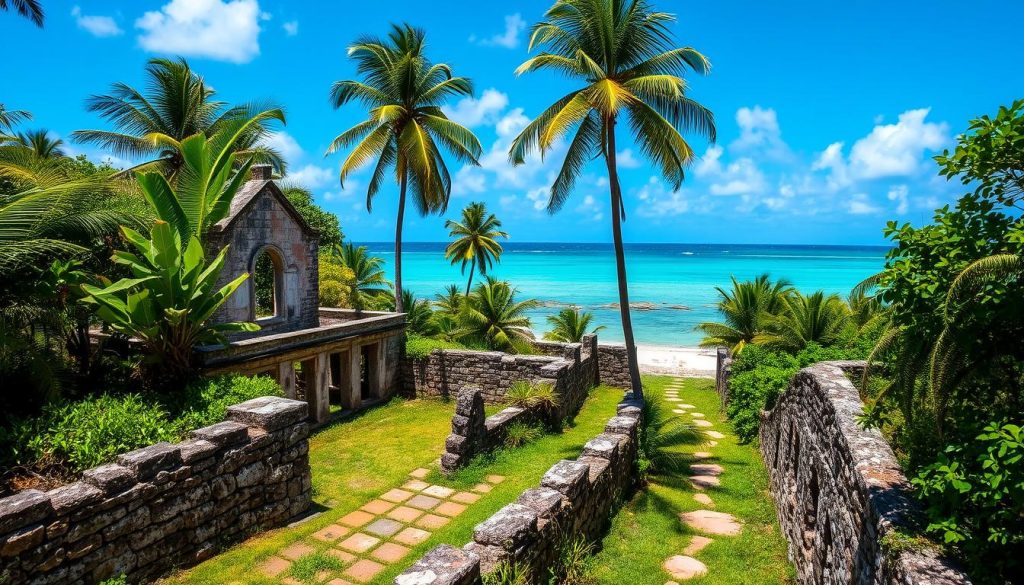
To get to Haulover Plantation, you’ll need to walk a 1,500-foot path through greenery. A strong 4×4 vehicle is best for the bumpy roads. The ruins tell the story of the cotton industry that once thrived here.
In the mid-1800s, cotton farming faced big problems like boll weevil attacks and soil loss. The Caribbean Taíno people introduced sea island cotton, which was key to early farming. Today, Haulover Plantation is a major historical site in Turks and Caicos, teaching us about the past.
When you visit, watch out for coral sumac trees. They’re poisonous and can cause bad rashes. Walking through this place, think about the hard work of those who came before us and the stories these grounds hold.
| Feature | Description |
|---|---|
| Founding Date | April 23, 1791 |
| Original Size | 504 acres (204 hectares) |
| Visitor Access | 1,500-foot walking path through bushy vegetation |
| Transport Recommendations | 4×4 vehicle suggested due to rough roads |
| Historical Context | Reflects agriculture during the plantation era and Loyalist migration |
| Plantation Decline | Boll weevil infestations and soil depletion ended the cotton industry boom |
Day Trips to Historical Attractions
Exploring Turks and Caicos’ rich history is exciting. Plan day trips to historical sites to dive into the islands’ stories. You’ll find must-visit spots in North and Middle Caicos, Salt Cay, and South Caicos.
Must-Visit Sites in North and Middle Caicos
North and Middle Caicos are peaceful and full of history. Wade’s Green Plantation is a key stop, showing off a 19th-century cotton plantation. The area’s green landscapes add to the charm as you learn about its farming past.
Conch Bar Caves is another highlight. It played a big role in the bat guano mining of the late 1800s. Visiting these caves lets you see the islands’ natural beauty and geological wonders.
Exploring Salt Cay and South Caicos
Salt Cay and South Caicos are all about the salt industry. You can see the old salt ponds and learn how locals worked there. The buildings show British Bermudian Colonial style, telling the area’s history.
Getting to these places is easy with regular ferry services to North Caicos. For more adventures, take boat cruises or guided tours. They let you see the islands’ hidden spots and enjoy the natural beauty.
| Destination | Historical Significance | Activities |
|---|---|---|
| North Caicos | Wade’s Green Plantation – cotton production | Plantation tours, wildlife watching |
| Middle Caicos | Conch Bar Caves – bat guano mining | Cave exploration, kayaking |
| Salt Cay | Salt industry remnants | Historical site tours, photography |
| South Caicos | Salt ponds and colonial architecture | Walking tours, cultural experiences |
Conclusion
Exploring Turks and Caicos historical attractions reveals a rich history. The Grand Turk Lighthouse, built in 1852, guides sailors. The Turks & Caicos National Museum showcases the salt industry with artifacts and postcards.
Each site tells a unique story about the islands’ past. These landmarks connect us to the culture and heritage of the region.
Adding these sites to your travel plan is rewarding. You can visit Cheshire Hall Plantation or see rock carvings at Sapodilla Hill. Local guides offer insights, linking history to the beautiful landscapes.
Discovering the islands’ history is more than visiting a tropical paradise. It’s connecting with a legacy that shaped lives before us. Use local resources and consider guided tours for a deeper experience. These moments foster a deeper love for the islands.





