Explore the Wonders: Why Should You Visit Dhaka
Are you ready to uncover a city often overshadowed by its chaotic reputation? Why should you visit Dhaka, the bustling capital of Bangladesh? This vibrant metropolis, described by many as a gritty mess with heavy pollution and overcrowding, may initially seem daunting. Yet, beyond the surface lies a treasure trove of cultural experiences waiting to be discovered.
From the aromatic spices of street food stalls to the historical nuances of ancient landmarks, Dhaka is brimming with unique must-see places and top attractions. These will leave you captivated and yearning for more.
As one of the least touristy countries globally, Bangladesh offers an authentic glimpse into South Asian life, unfazed by the typical tourist trail. Imagine yourself exploring the chaotic charm of Babu Bazaar, savoring spicy Bengali cuisine, or navigating the intricate river systems from Sadarghat Port.
The juxtaposition of historical monuments like Lalbagh Fort against bustling markets paints a fascinating picture. This challenges the conventional travel narrative. Step into this chaotic yet intriguing world, where each corner presents a new adventure waiting to unfold.
Introduction to Dhaka: A City of Contrasts
As you step into Dhaka city, you’re hit with the mix of old and new. This bustling metropolis is home to about 19 million people, making it one of the world’s largest cities. The cultural richness is seen in its buildings, where ancient mosques like the Mosque of Binat Bibi stand next to modern skyscrapers. This shows the city’s unique blend of old and new.
Exploring the crowded streets, you feel the city’s fast-paced life. The busy traffic and lively street scenes show the city’s energy. At first, the noise might be a lot, but the people’s warmth and friendliness make you want to learn more. They love to share their traditions and stories, showing you the heart of Dhaka.
Dhaka is not often visited by tourists, offering a chance to find hidden treasures. The city’s culture, with mostly Muslims (87%) and a smaller Hindu community (13%), gives a glimpse into daily life and spiritual practices. The tropical monsoon climate means hot summers and rainy seasons from June to August. Visiting during cooler months can make your trip better.
The Buzzing Capital of Bangladesh
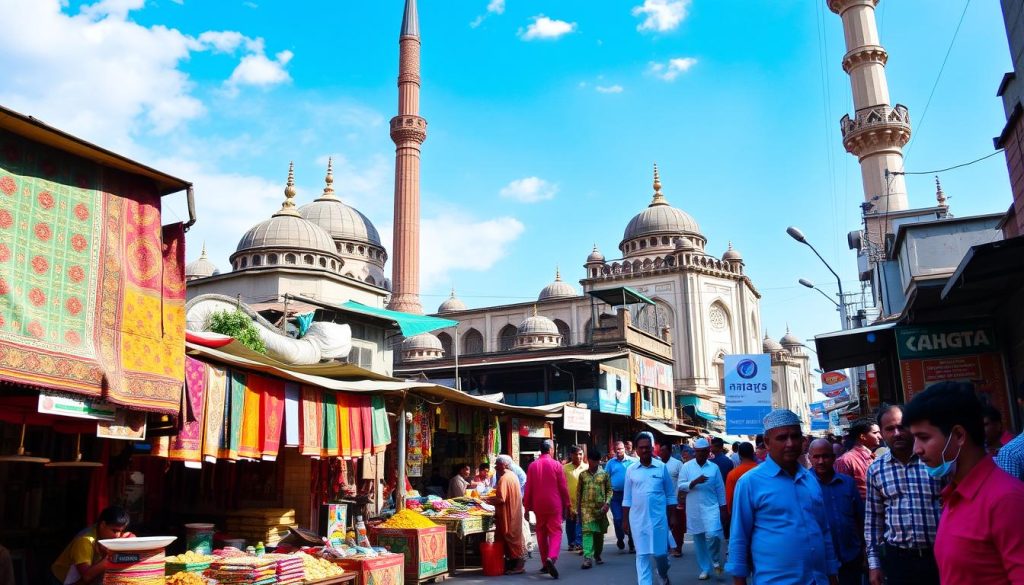
Dhaka is a symbol of dynamic urban life, with a rich cultural tapestry and rapid growth. It has over 21 million residents, making it one of the fastest-growing cities worldwide. The city’s atmosphere is full of energy, attracting both locals and visitors.
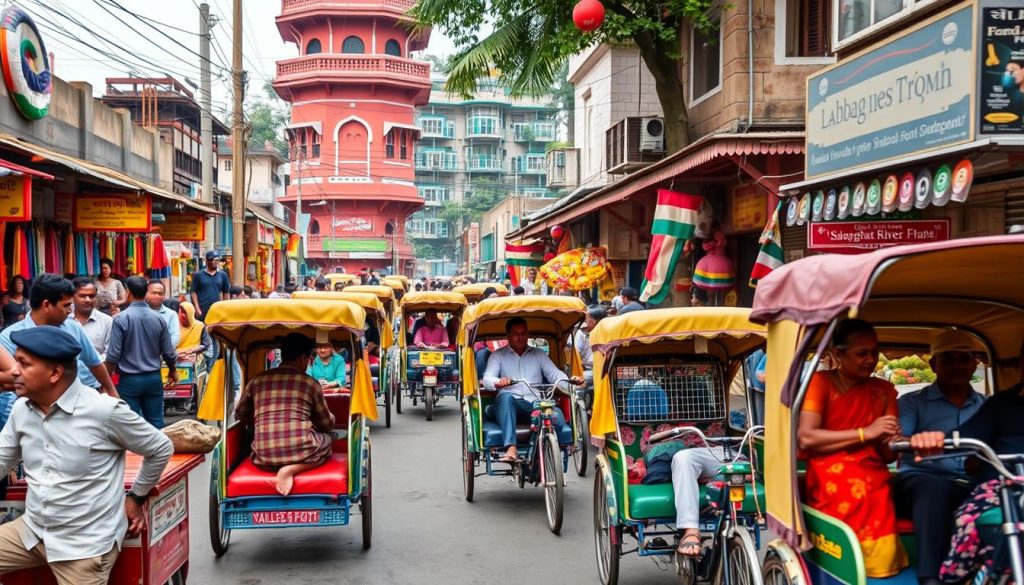
Street vendors offer a variety of snacks, while rickshaws and pedestrians add to the excitement. The city is filled with sounds—shouts, laughter, and the hum of daily life.
Meet Russell, a 25-year-old worker who can earn up to 1,000 taka (around $12) in a day. His story shows Dhaka’s diverse economy and the many opportunities it offers. The city has an impressive one million rickshaws, a key part of its identity.
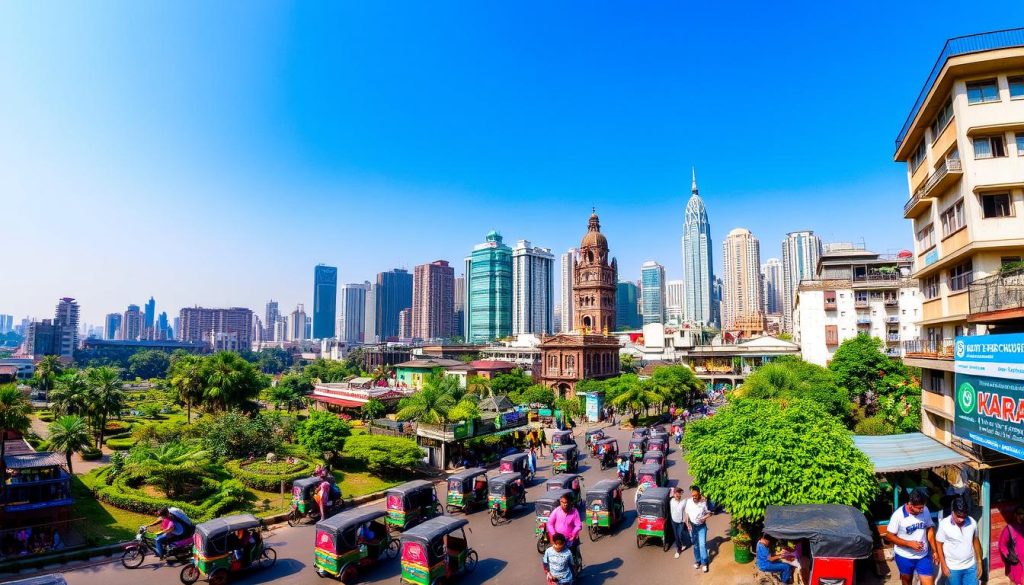
Staying at Hotel 71 gives you a glimpse into Dhaka’s history. It was built in 1971, marking Bangladesh’s independence. This hotel is in Old Dhaka, where past and present blend, offering a unique view of the city’s growth.
Dhaka’s density is about 44,500 people per square kilometer, making it feel overwhelming at first. But the city’s energy encourages you to dive into its busy streets. The annual population growth rate of 3% shows the city’s ongoing challenges and opportunities.
Dhaka’s energy can inspire anyone to explore its many layers. Each neighborhood tells stories of resilience, hope, and progress. Let Dhaka’s buzz guide your exploration.
Why Should You Visit Dhaka? Discover Its Rich Culture
Visiting Dhaka is a chance to dive into a world where history and tradition meet. You’ll see historical sites and local traditions that show the city’s rich culture. These experiences will stay with you long after you leave.
Exploring Cultural Experiences in Dhaka
The city’s buildings tell stories of its past. Places like Lalbagh Fort and the Star Mosque show off Mughal artistry. The Star Mosque, with its 18th-century mosaics, is a marvel of creativity.
Lalbagh Fort, from the 17th century, is a masterpiece of Mughal design. Its detailed structures and gardens are a sight to behold.
The city’s markets and street food are also key to its culture. Walking through the streets, you can try ‘Fuska’ and ‘Chotpoti’. These dishes not only taste great but also give a peek into Dhaka’s daily life.
Festivals and Local Traditions
Dhaka’s culture really comes alive during festivals. Events like Pohela Boishakh and Durga Puja unite people. They feature music, dance, and traditional shows.
These festivals are more than celebrations. They show the city’s unity and diversity. You’ll see colorful parades and artistic decorations that highlight the city’s traditions.
During these times, you can enjoy traditional music and dance. These performances showcase Bangladesh’s cultural heritage. Religious ceremonies also play a big role, with colorful processions and ancient rituals.
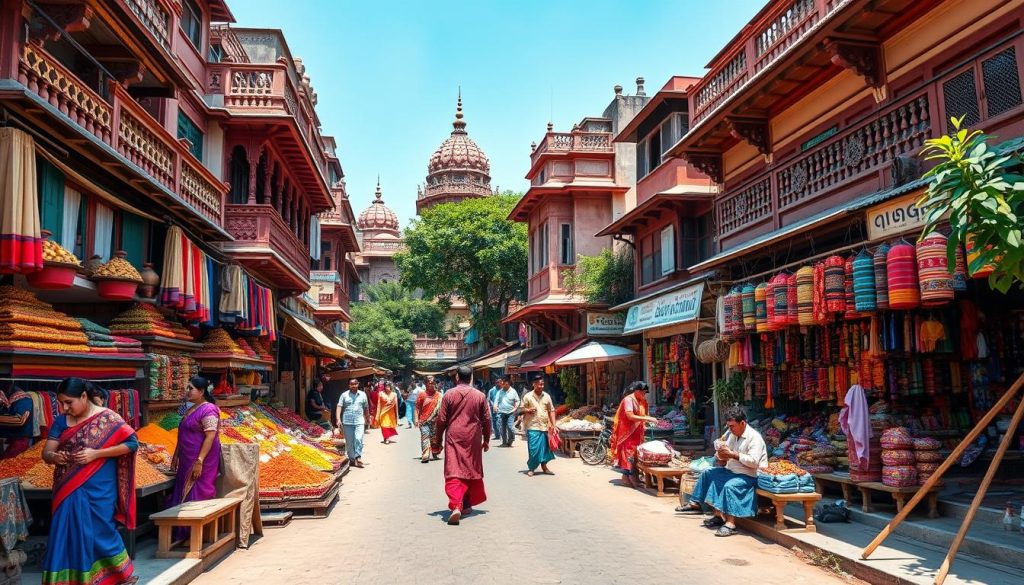
The Buriganga River offers a peaceful escape. This area is steeped in history and culture. It’s a place to relax and learn about Dhaka’s past.
| Festival | Date | Significance |
|---|---|---|
| Pohela Boishakh | April 14 | Bengali New Year, symbolizing renewal and cultural pride. |
| Durga Puja | September/October | Celebration of the goddess Durga, reflecting the spiritual and cultural richness. |
| Ekushey Book Fair | February | Celebrating Bangla language and literature; a major cultural event. |
Top Attractions in Dhaka That You Can’t Miss
Exploring Dhaka reveals a mix of old and new. You’ll see historical sites and modern buildings that show the city’s heart. These spots attract visitors from everywhere.
Historical Landmarks
Dhaka’s past comes alive in its landmarks. The city boasts many sites that tell its story:
- Lalbagh Fort: A 17th-century fort with Mughal architecture and history.
- Liberation War Museum: Honors the 1971 fight for freedom, offering a deep look into Bangladesh’s past.
- Dhakeshwari Temple: A 500-year-old Hindu temple that’s also a key part of Dhaka’s buildings.
- Armenian Church of the Holy Resurrection: Built in 1781, it’s a calm spot in the city’s hustle.
- Khan Mohammad Mridha Mosque: Shows Persian style, with detailed designs and workmanship.
Modern Marvels
Dhaka’s growth is seen in its modern sights, like:
- National Assembly Building: A Louis I Kahn design, it’s a modern marvel and a symbol of pride.
- Gulshan Area: A modern area with fancy shops and eateries, showing the city’s business side.
- Dhaka Shipyard: By the Buriganga River, it highlights Dhaka’s maritime role.

These attractions show Dhaka’s growth from old to new. They tell a story of history and modern life. Visitors see how the city’s past and present meet, making it a unique place.
| Attraction | Type | Year Established |
|---|---|---|
| Lalbagh Fort | Historical Landmark | Late 1600s |
| Liberation War Museum | Historical Landmark | 1996 |
| Dhakeshwari Temple | Historical Landmark | 15th Century |
| Armenian Church of the Holy Resurrection | Historical Landmark | 1781 |
| National Assembly Building | Modern Marvel | 1982 |
Things to Do in Dhaka: A Guide for Adventure Seekers
Dhaka is full of exciting activities for those who love adventure. You can try local food tours to discover the city’s flavors and lively streets. Street markets are a must-see, with their bright colors and unique smells.
Exploring the Streets: Food Tours and Street Markets
Food tours in Dhaka are a thrilling way to see the city. You’ll taste dishes like biryani and pitha while walking the streets. Street markets offer a wide range of foods and crafts, letting you dive into local life.
These markets are a treat for your senses. You’ll smell amazing smells and see many interesting products. It’s a great way to explore and learn about Dhaka.
Adventure Activities: From River Cruises to Urban Exploration
Dhaka has many adventure activities for you. Take a river cruise on the Buriganga River to see the city from a different view. You can also explore hidden parts of the city to see how locals live.
These activities are not just fun. They also help you understand Dhaka’s culture better. You’ll see the city in a new light.
| Activity | Description | Cost |
|---|---|---|
| Food Tours | Experience local street food and culinary delights | Approximately $10 |
| River Cruises | A scenic ride on the Buriganga River | Approximately $15 |
| Urban Exploration | Wander through neighborhoods to experience local culture | Free |
| Street Markets | Shop for local crafts and enjoy traditional snacks | Variable |
Best Time to Visit Dhaka: When to Plan Your Trip
The best time to visit Dhaka is from October to March. During these months, the weather is cool and dry. This makes it perfect for exploring the city.
Planning your trip for these months is great if you love outdoor activities and sightseeing. You’ll have a better experience.
Avoid the monsoon season from June to September. Heavy rains can make the city hard to navigate. In the cooler months, you can enjoy walks in markets and visits to landmarks.
Getting to Dhaka is easy with flights to Hazrat Shahjalal International Airport (DAC). Airlines like British Airways and Qatar Airways offer many routes. If you’re coming from nearby, the Maitree Express from Kolkata is fast, taking under 11 hours.
There are many places to stay in Dhaka, from luxury hotels like Radisson Blu to more affordable options. Neighborhoods like Old Dhaka and Gulshan offer unique experiences. Your stay will be interesting.
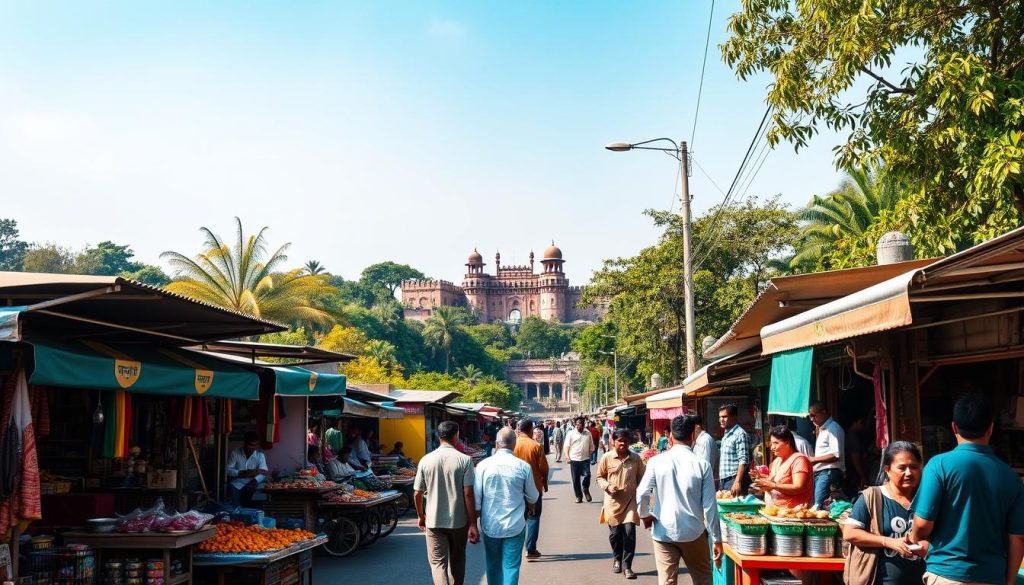
Cultural Experiences in Dhaka: Embrace the Local Flavor
Dhaka’s culture is a rich tapestry of local flavors and traditions. Cooking classes in Dhaka let you dive into the city’s culinary heart. These classes are often in local homes, offering a cozy setting to learn from those who have passed down traditions for generations.
Participating in Traditional Cooking Classes
In these classes, you’ll make dishes like hilsa fish curry and panta bhat. These dishes show the creativity of Bangladeshi food. You’ll get to know local families and their cooking methods, creating a real connection.
Before cooking, you might pick fresh ingredients from markets. This adds to your experience of Dhaka’s food culture.

After cooking, you’ll enjoy the meal with your hosts. This makes your experience more than just cooking. It’s about sharing stories and learning about Bangladeshi heritage.
| Dish | Main Ingredients | Description |
|---|---|---|
| Hilsa Fish Curry | Hilsa fish, mustard oil, green chilies | A flavorful fish curry that represents the quintessential Bengali palate. |
| Panta Bhat | Fermented rice, onion, green chilies | A traditional dish enjoyed specially during Bengali New Year celebrations. |
| Biriyani | Marinated meat, rice, aromatic spices | A hearty and fragrant rice dish that’s a staple in Dhaka’s culinary scene. |
| Fuchka | crispy shell, spiced potatoes, tamarind water | Known as a popular street snack, these are flavorful and packed with taste. |
Trying these cultural experiences and cooking traditional Bangladeshi dishes will give you unforgettable memories. It’s a great way to appreciate Dhaka’s vibrant life. Whether you love food or just want to explore, these classes are a rewarding adventure.
Hidden Gems in Dhaka: Off the Beaten Path
As you explore Dhaka, don’t just stick to the usual spots. Look for hidden gems that show you the real local life. These places offer a peek into the city’s culture and history, away from the tourist crowds.
Shankhari Bazar is a hidden treasure. It’s an old alley market filled with handicrafts and traditional goods. Here, you can meet local artisans and find unique souvenirs. Also, check out Old Dhaka for its stunning architecture and rich history. The narrow streets and lively atmosphere make it perfect for exploring.
For a peaceful break, visit Dhanmondi Lake. It’s a calm oasis in the city. Enjoy the views and take a leisurely walk, feeling the local vibe.
These special places let you see Dhaka in a new light. By exploring these hidden gems, you’ll get to know the city’s culture better. It makes your trip even more memorable.
Visiting Dhaka on a Budget: Smart Tips for Savvy Travelers
Traveling can be rewarding, even when you’re on a tight budget. Dhaka, a vibrant city, offers many affordable options. You can enjoy its culture and lively atmosphere without spending too much. Find affordable places to stay and eat, and make the most of your trip.
Affordable Places to Stay and Eat
Dhaka has affordable accommodation for those watching their spending. Look for budget hotels and guesthouses in central areas. Here are some suggestions:
- Guesthouses start at Tk1,500 per night
- Budget hotels cost between Tk2,000 and Tk3,000 per night
- Local eateries offer meals for $1–$2
Eating at local spots saves money and lets you try authentic Bangladeshi food. It makes your trip even more special.
Transportation Tips for Budget Travelers
Using local transport makes visiting Dhaka more enjoyable and affordable. Here are some transport tips:
- CNG auto-rickshaws are quick and cheap.
- Buses are a low-cost option with many routes.
- The Mitali Express is good for longer trips, with AC chair seats starting at Tk2,705.
Booking transport in advance helps. It makes your trip smoother. Always carry cash, as not all places accept credit cards.
Dhaka Travel Tips: Essential Information for Visitors
To enjoy Dhaka fully, knowing some key travel tips is crucial. Start by learning about the local customs and currency, the Bangladeshi Taka. For every US dollar, you get about 85 Bangladeshi Taka. Knowing basic Bengali phrases can make your interactions with locals more meaningful.
Staying safe is important. Always drink bottled water to avoid stomach problems, even with street food. Dhaka’s street food is amazing, but knowing your dietary limits is wise.
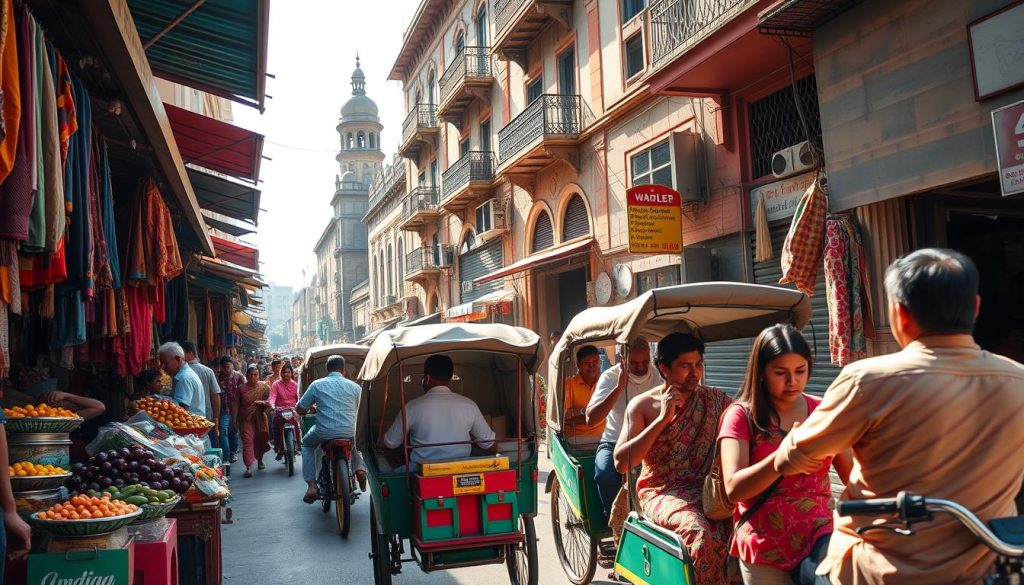
Getting around Dhaka can be fun. Rickshaws and auto-rickshaws offer a unique way to see the city. Or, use modern apps like Uber or Pathao for a more comfortable ride.
The weather in Dhaka is subtropical, with a monsoon climate. The best time to visit is from November to February. This way, you can enjoy outdoor spots without the heat.
Dhaka is home to over 20 million people, making it bustling with culture. Instead of just visiting landmarks, dive into the local lifestyle. Must-see spots include Lalbagh Fort, Ahsan Manzil, and Sadarghat River Port.
| Category | Details |
|---|---|
| Currency | Bangladeshi Taka (BDT) |
| Exchange Rate | ~85 BDT per US dollar |
| Language | Bengali (Widely spoken: English) |
| Transportation Options | Rickshaws, auto-rickshaws, Uber, Pathao |
| Best Visit Period | November to February |
| Local Dishes | Street food, traditional Bengali cuisine |
With these tips, you’re ready to explore Dhaka. You’ll enjoy its charm and discover the local culture with ease.
Must-See Places in Dhaka: A Quick Overview
Planning your Dhaka trip? Focus on the top spots to make your visit unforgettable. Each place offers a glimpse into Dhaka’s culture, history, and diversity. They are key stops for any traveler.
A Checklist for Your Dhaka Itinerary
Here are some attractions you shouldn’t miss:
- Lalbagh Fort – A historic fort showcasing Mughal architecture.
- National Museum – Home to a comprehensive collection of artifacts, reflecting Bangladesh’s rich heritage.
- Sadarghat Riverfront – A lively spot along the Buriganga River, bustling with activity and traditional boats.
- Bait Ur Rouf Mosque – Noteworthy for its stunning design, this mosque earned the Aga Khan Award for Architecture.
- Curzon Hall – A historical building with beautiful Indo-Saracenic architecture and educational significance.
- Liberation War Museum – Devoted to the events of the Bangladesh Liberation War in 1971.
Visiting these spots will give you a true taste of Dhaka. Make a detailed plan to see the main attractions. But also leave time for surprises as you explore and dive into the local culture.
Conclusion
Visiting Dhaka is a mix of old history and new life, perfect for those who love adventure. It might be hot and the roads can be rough, but the culture is worth seeing. Getting to know the locals makes your trip special, unlike other places.
When you plan to visit Dhaka, get ready for amazing sights. You’ll see the National Parliament House and the Sundarbans’ calm beauty. The way of life here is different from what you might be used to, making your trip even more interesting.
A trip to Dhaka is more than just seeing sights. It’s about connecting with a culture that has grown strong despite challenges. You’ll remember your time here and understand Bangladesh better. Dhaka offers adventures and cultural experiences that will stay with you forever.