Discover Attractions in Dhaka: Top Sights & Tours
Have you ever wondered what secrets lie hidden in Dhaka’s busy streets? Discover Attractions in Dhaka that reveal its rich history and vibrant culture. The city is a mix of old and new, offering sights for every curious traveler.
From the National Parliament House’s grand architecture to Baldha Gardens’ peaceful beauty, Dhaka has much to see. Its colorful bazaars and lively streets make Dhaka tourism an exciting journey. You’ll find the best Dhaka attractions ready to be discovered.
This article will show you places to visit in Dhaka that highlight its history and culture. As you explore, each landmark will lead you to an unforgettable journey. Whether you’re looking for Dhaka sightseeing or wanting to learn about the city’s heritage, Dhaka will amaze you.
Exploring the Historical Depth of Dhaka
Dhaka is a city full of stories, where every corner has a tale to tell. It was once a key part of the Mughal Empire. Now, it blends its old sites with today’s life. Walking around, you’ll see many historical landmarks, like forts and temples, each with its own story.
The city’s charm comes from its mix of old and new buildings. You’ll see colonial designs and busy markets. Places like Ahsan Manzil and Lalbagh Fort show how Dhaka has changed over time.
Seeing the city’s buildings shows its strength and ability to change. The details in each building are amazing. They make you want to learn more about the city’s history.
For those who want to know Dhaka’s culture, exploring its history is key. You’ll see how time, culture, and community come together. The city’s landmarks tell many stories.
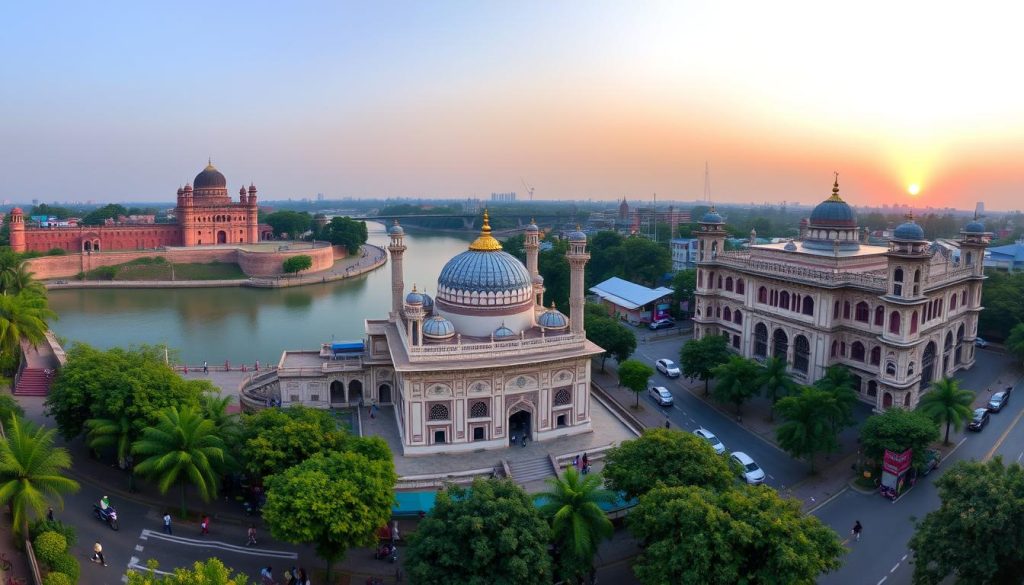
Walking through Old Dhaka or looking at ancient buildings, you’ll see Dhaka’s rich history. Every step you take reveals more about this city.
Lalbagh Fort: A Mughal Marvel
Lalbagh Fort is a key example of Mughal architecture in Dhaka, attracting many visitors. Built in 1678, it was started by Prince Muhammad Azam Shah but never finished. It shows the Mughal empire’s style and local architectural touches.
The fort boasts impressive buildings, like the famous mosque. It measures 20.34 m × 10.21 m inside and 16.36 m × 6.15 m. The Diwan-i-Aam is even bigger, at 32.47 m × 8.18 m. A large water tank, 71.63 m on each side, adds to its charm.
Thanks to The Ambassadors Fund for Cultural Preservation, the fort has been restored. Excavations have uncovered hidden parts, giving visitors a better understanding. Don’t miss the tomb of Pari Bibi and the Lalbagh Fort Museum.
The fort is a symbol of unfinished dreams but also a place to connect with history. Visit from Tuesday to Saturday, during open hours. Getting there is easy, with parking from 20-50 BDT and public transport for 20-150 BDT.
What can you see in Dhaka?
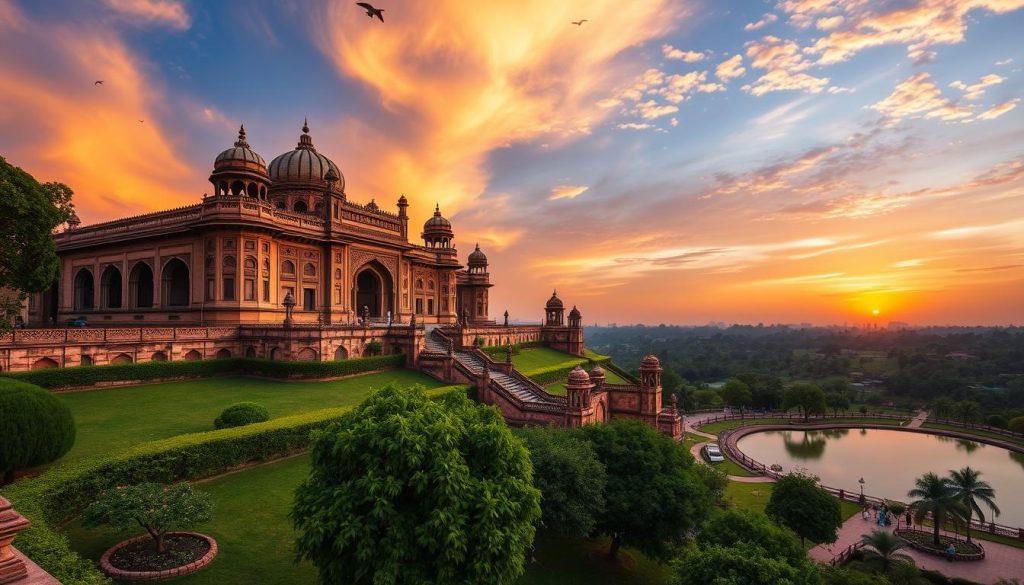
Dhaka, the capital of Bangladesh, is full of attractions. It shows the rich history and vibrant culture of the area. Visitors looking for what can you see in Dhaka will find a mix of old landmarks and lively cultural scenes. The city invites you to explore and discover fascinating stories and sights.
Top Historical Landmarks
Ahsan Manzil is a key landmark in Dhaka with its beautiful pink facade. It gives a peek into the life of Nawab Abdul Gani. Built in 1872, it’s a significant historical site, despite facing damage.
Lalbagh Fort is another must-see. It takes you back to the seventeenth century. Here, you can see Mughal architecture and learn about the area’s history.
Other spots worth visiting include:
- Khan Mohammad Mridha Mosque: Built in 1706, it has stunning minarets and a colorful design.
- Star Mosque: From the mid-eighteenth century, it shows off Mughal architectural beauty.
- Armenian Church of the Holy Resurrection: From 1791, it shows the Armenian community’s impact in Dhaka.
Vibrant Cultural Scenes
Dhaka’s cultural experiences are as captivating as its history. Festivals, art, and street markets fill the city with life. Kawran Bazar is a bustling market, known for its early morning activity.
Exploring local traditions is a must. You can:
- Visit the Liberation War Museum to learn about Bangladesh’s fight for freedom.
- See Sadarghat River Port, where thousands travel daily, showing the city’s energy.
- Check out Bait Ur Rouf Mosque, a modern marvel that honors cultural heritage.
Unveiling the Beauty of Ahsan Manzil
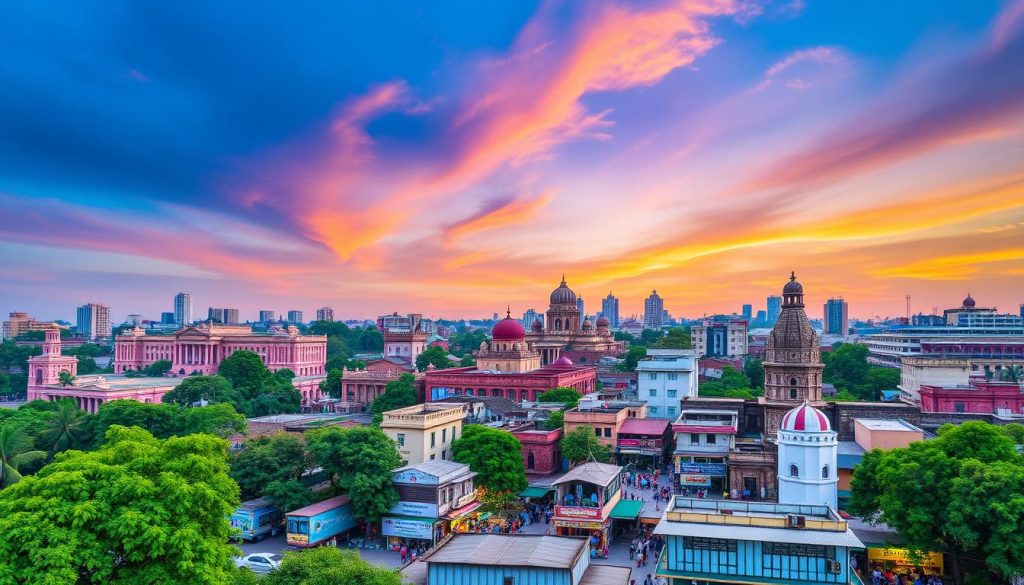
Ahsan Manzil, also known as the Pink Palace, is a stunning example of Dhaka architecture. Built in 1859, it was the home of the Nawabs of Dhaka. Its pink facade and Indo-Saracenic design make it a standout Dhaka historical site.
Inside, you’ll see 31 rooms, each filled with paintings, chandeliers, and antique furniture. The museum has artifacts from the Nawabi era. These include photos, textiles, and the Nawab family’s personal items.
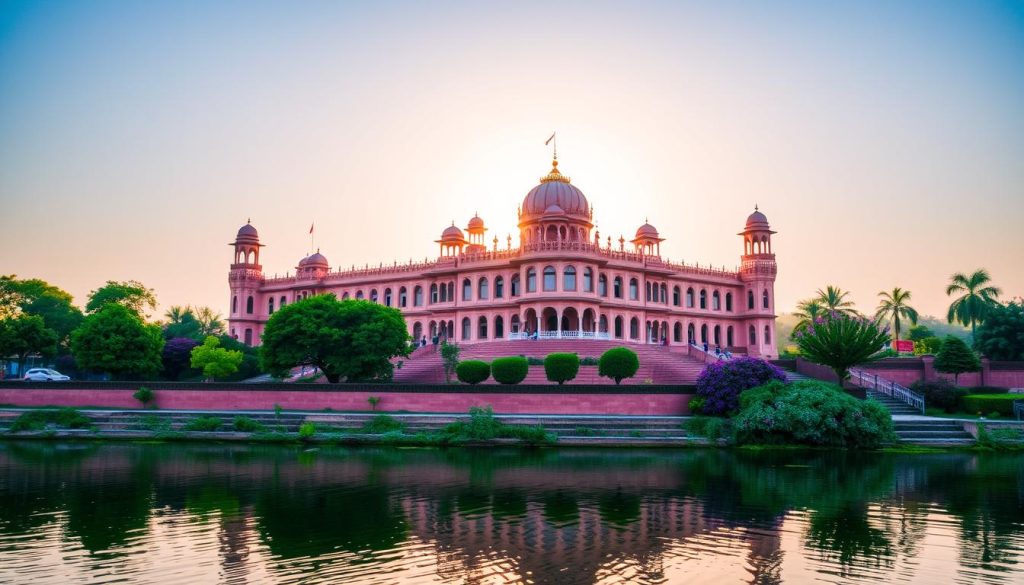
The restoration of Ahsan Manzil was a big project. The Bangladesh government got a US$60 million loan from the World Bank. A team of architects and artisans worked hard to keep its original look.
Ahsan Manzil is more than just a building. It’s a cultural center that hosts events and exhibitions. It’s open daily from 10:30 am to 4:30 pm, except Thursdays. Tickets cost BDT 40 for adults and BDT 20 for kids.
For those interested in Dhaka historical sites, Ahsan Manzil is a must-see. Its beauty and the peaceful Buriganga River make it unforgettable.
The Spiritual Essence of Dhakeshwari Temple
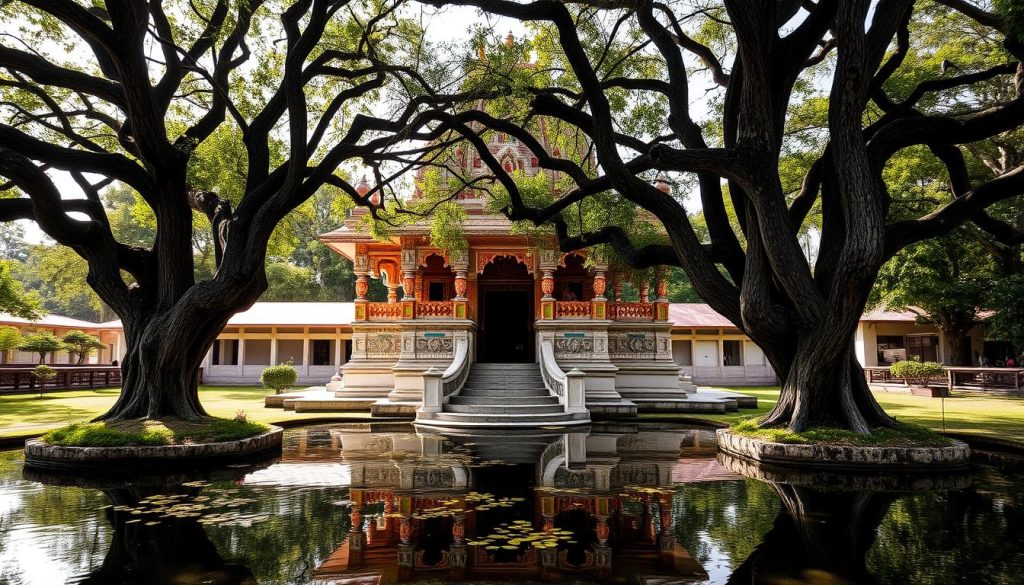
The Dhakeshwari Temple is the heart of Hindu culture in Dhaka. It invites visitors to experience its ancient spiritual vibe. This temple is more than a religious site; it’s a symbol of strength and unity.
Its rich history and stunning architecture make it a key part of Hindu heritage in Bangladesh. It stands as a testament to the enduring faith of the Hindu community.
Architectural Highlights
The Dhakeshwari Temple’s architecture is a mix of Bengali and Mughal styles. This blend is seen in its detailed terracotta decorations and tall spires. The temple was first built in the 12th century by Ballal Sen.
Over time, it has been renovated several times. The current structure is about two hundred years old, built by the East India Company’s agent. Its designs tell a story of history and beauty.
Significance in Hindu Culture
The Dhakeshwari Temple is the main Hindu temple in Bangladesh. It draws thousands during big festivals like Durga Puja. Devotees come to honor the goddess and celebrate.
The temple is not just for worship. It’s also a hub for community events and cultural shows. Events like the Bijaya Sammelani cultural program add to the local culture. They show the temple’s importance beyond its spiritual role.
Sadarghat River Port: The Lifeblood of Dhaka
The Sadarghat River Port is a huge and lively river port. It’s located on the Buriganga River. It’s a key spot for river activities in Dhaka, helping thousands of people and goods every day.
About 200 large and small boats travel in and out of the port. This makes it a major spot for around 30,000 people daily.
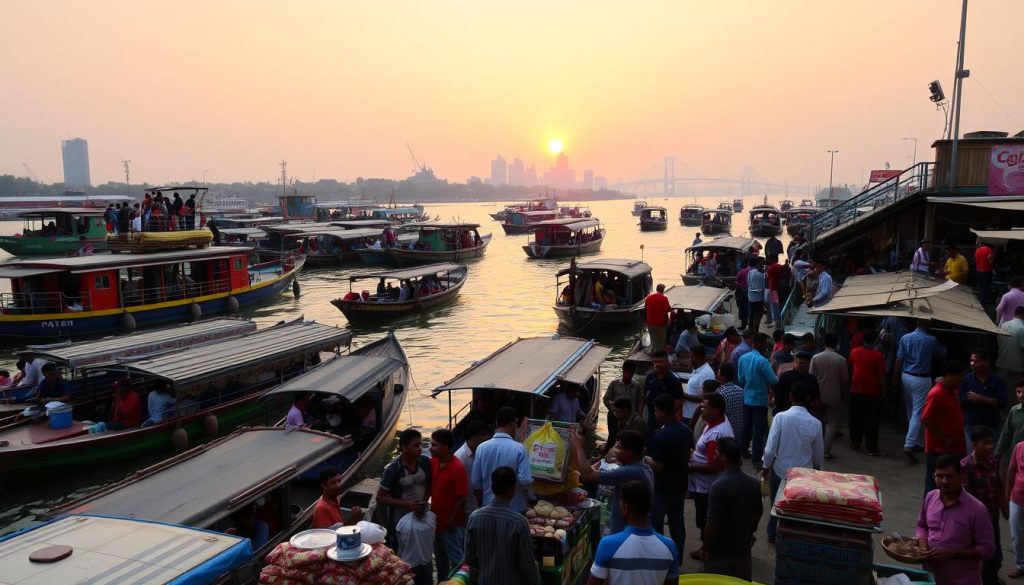
Water transport from Sadarghat goes to places like Barishal, Khulna, and Chandpur. A new route to Chittagong is also being planned. This shows the port’s big role in Dhaka’s river culture and connections.
The port is open every day, with a small entry fee of 5 TK. This lets visitors see the exciting atmosphere of this place.
In the early morning and evening, Sadarghat River Station is very busy. You can rent small wooden boats for an hour to see the Buriganga River. It’s full of traders, commuters, and visitors.
The sight of goods being loaded and unloaded is amazing. It shows how lively this river port is.
Sadarghat has been Dhaka’s main port for centuries. Market stalls along the terminal sell all sorts of goods. This place is not just a transportation hub but also a center for culture and trade.
Architectural Splendor of the National Parliament House
The National Parliament House in Dhaka, Bangladesh, is a masterpiece by architect Louis Kahn. It was finished in 1982 and is a top example of modern architecture in Dhaka. Its design, with big gardens and water, makes it even more beautiful.
When you get close to the National Parliament House, you see how big it is. It covers about 200 acres, making it one of the biggest parliament buildings globally. It shows Bangladesh’s identity and democratic values, marking a key moment in the country’s history after it gained independence in 1971.
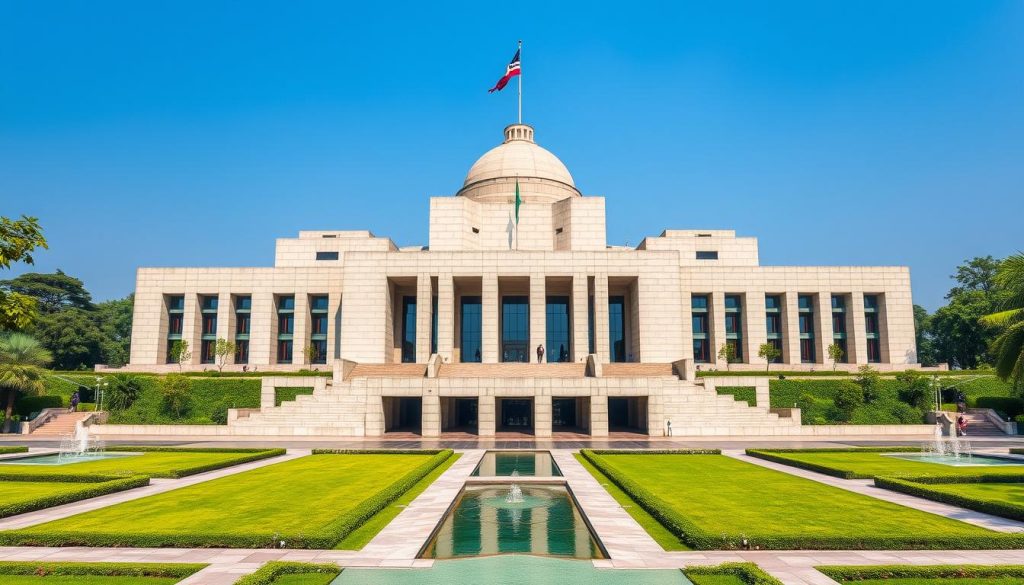
Louis Kahn’s design focuses on natural light, seen in the building’s pools and courtyards. These features catch and spread sunlight, adding depth and life to the space. The use of travertine stone also helps by reflecting sunlight and cutting down on the need for artificial light during the day. The design also includes smart openings for natural ventilation, keeping the building cool and comfortable.
The National Parliament House is now a UNESCO World Heritage Site, showing its cultural and architectural value. It attracts visitors from all over who want to see how natural light and design come together. Efforts are being made to keep Louis Kahn’s vision alive for future generations, making sure this place continues to inspire and teach.
Cultural Insights at the Liberation War Museum
The Liberation War Museum is key to understanding Bangladesh’s fight for freedom in 1971. Opened in 1996, it dives deep into the history of Bangladesh through its exhibits. These exhibits show harrowing artifacts and stories from victims’ families, letting visitors connect with the war’s personal side.
The museum focuses on Dhaka’s cultural heritage. Its galleries aim to make the victims’ stories real. This way, visitors feel the impact of each martyr’s life. They see things like burnt wood from destroyed homes and a soldier’s radio, making history feel real.
The museum offers many ways to learn:
- Guided Historical Tours that explore the Bangladesh Liberation War.
- Documentary Screenings with footage from the fight for freedom.
- Educational Workshops for students to learn about the war.
- The Martyrs’ Memorial Tour to honor those who fought for freedom.
- Freedom Struggle Art Exhibitions with art from that time.
- A Children’s Interactive Exhibit to teach history through stories.
The museum held its 8th International Conference on genocide denial and justice. This event shows the museum’s role in global talks on the history of Bangladesh. It also helps teach future generations about Bangladesh independence.
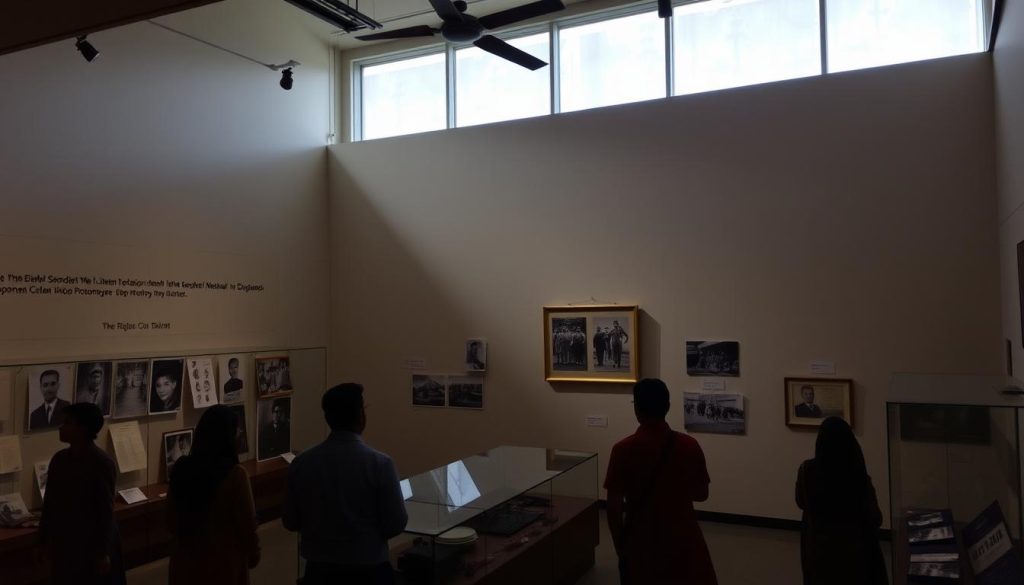
The Liberation War Museum honors the bravery of the Bangladeshi people. By visiting, you help keep the nation’s story alive.
Shopping and Dining at Karwan Bazar
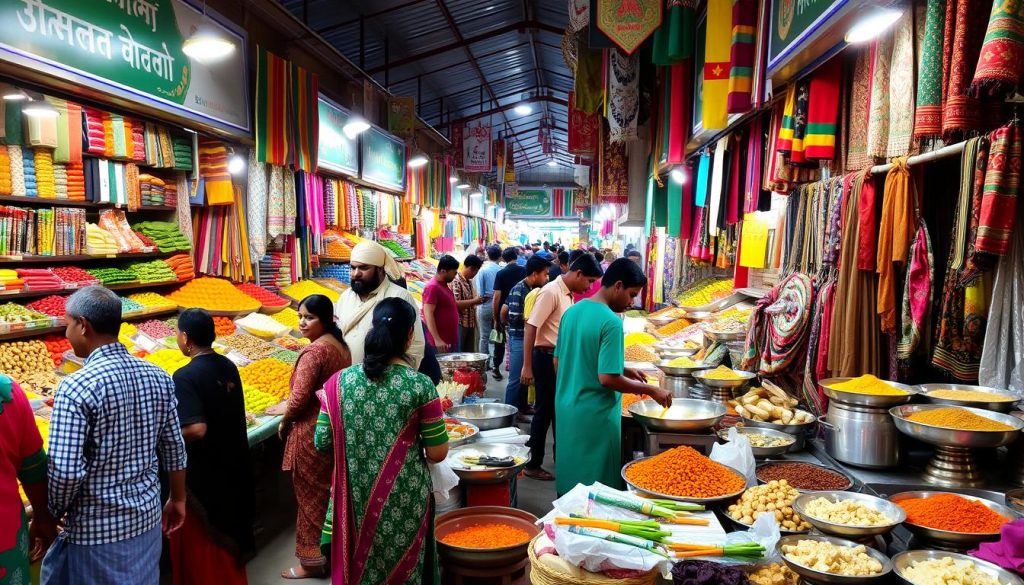
Karwan Bazar is a key spot for shopping in Dhaka, attracting both locals and visitors. It’s a lively market where you can find everything from fresh produce to unique Bangladeshi items. Known as one of the biggest wholesale markets, it’s a paradise for food lovers, offering a wide range of local food in Dhaka.
Local Cuisine Highlights
The food at Karwan Bazar showcases the rich tastes of Bangladesh. You’ll find stalls with fresh fruits, veggies, and traditional snacks. Try dishes like:
- Biriyani – A fragrant rice dish with meat and spices.
- Pitha – Traditional rice cakes available in various forms.
- Samosas – Spicy pastry filled with potatoes, peas, or meat.
These dishes are a big part of the local food in Dhaka scene. They let you taste real flavors while you shop.
Bargaining Tips for Shoppers
Bargaining is key when exploring the Dhaka market experience. Here are some tips to help you:
- Research Prices: Know typical prices before you start negotiating.
- Be Polite: Being respectful can lead to better deals.
- Start Low: Start with a lower price than you’re willing to pay.
- Don’t Show Too Much Interest: Keep a neutral face to strengthen your bargaining.
Shopping at Karwan Bazar is more than just buying things. It’s a chance to dive into the local culture and spirit. This market is a lively place where community and commerce meet.
Conclusion
Dhaka is a city full of history, culture, and modern life. It’s a place where you can see the old and the new side by side. From the stunning Lalbagh Fort to the lively local markets, there’s always something new to discover.
Exploring Dhaka means making memories in a city that shows the true spirit of Bangladesh. The city’s people are warm and welcoming, making your trip special. This guide has shown you the key places, like the Dhakeshwari Temple and Ahsan Manzil, each with its own story.
Visiting Dhaka is a chance to learn about different cultures. You can walk through the busy streets or find old treasures. Let Dhaka’s charm win your heart as you explore its daily life and traditions.