
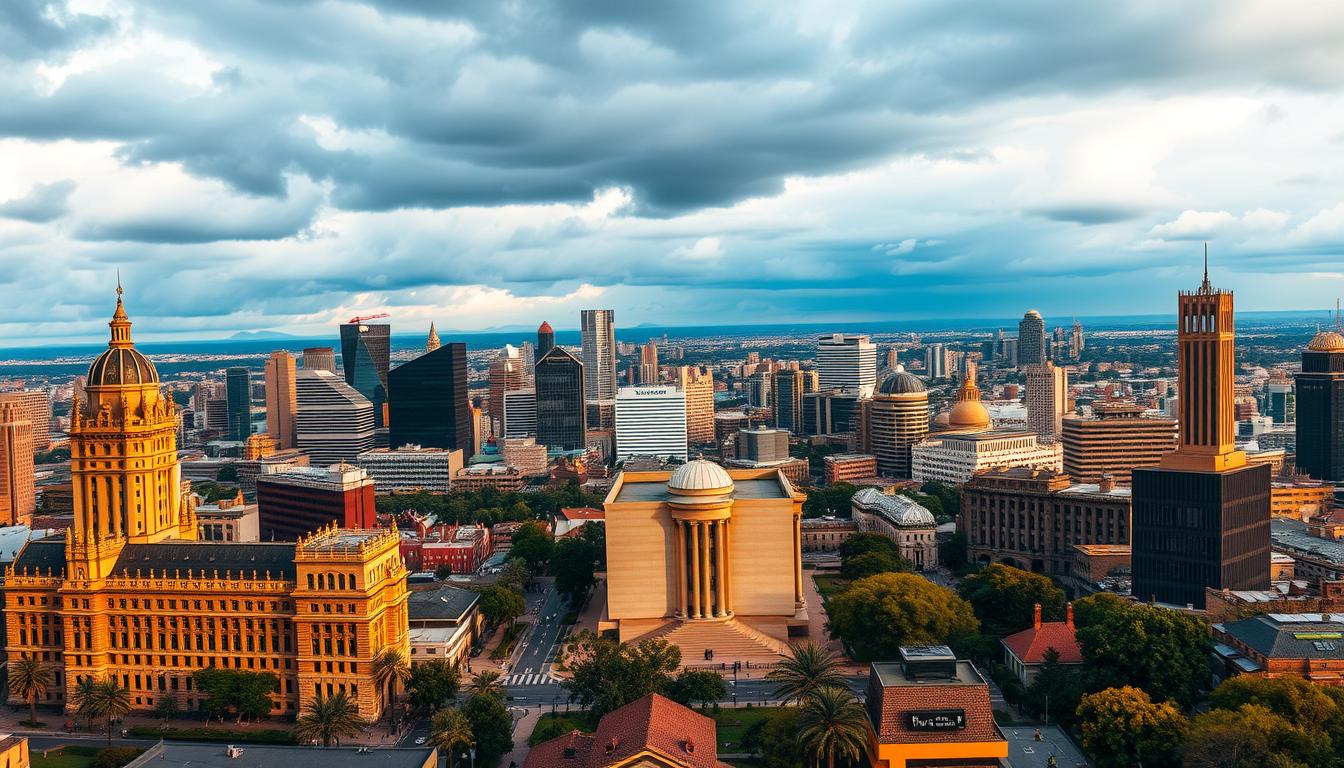
Explore the Top Historical Sites in Johannesburg
What secrets lie hidden in the city’s past, waiting to be uncovered? As you explore Johannesburg’s rich history, you’ll find a mix of cultural heritage and key events.
The city started as a gold rush town and played a big role in fighting apartheid. The historical sites show the city’s complex past. Visiting these places helps you understand the city’s importance and the events that changed it.
When you visit the top historical sites in this lively city, you’ll learn about the stories and experiences that have shaped Johannesburg. It’s a city where many cultures come together.
The Rich Historical Tapestry of Johannesburg
Exploring Johannesburg, you’ll find a city rich in history and heritage. Its complex past has made it the lively city we see today.
From Gold Rush to Modern Metropolis
Johannesburg’s story started with the gold rush. It turned a small mining town into a bustling city. The gold rush era brought people from all over, making the city culturally diverse.

Understanding Johannesburg’s Historical Significance
Johannesburg’s importance goes beyond the gold rush. Its role in the apartheid era and its path to becoming a modern city are key. Visiting historical landmarks and heritage sites helps you understand the city’s history and its people.
These sites offer a deeper look into Johannesburg’s complex history and its lasting impact.
The Apartheid Museum: Confronting South Africa’s Past
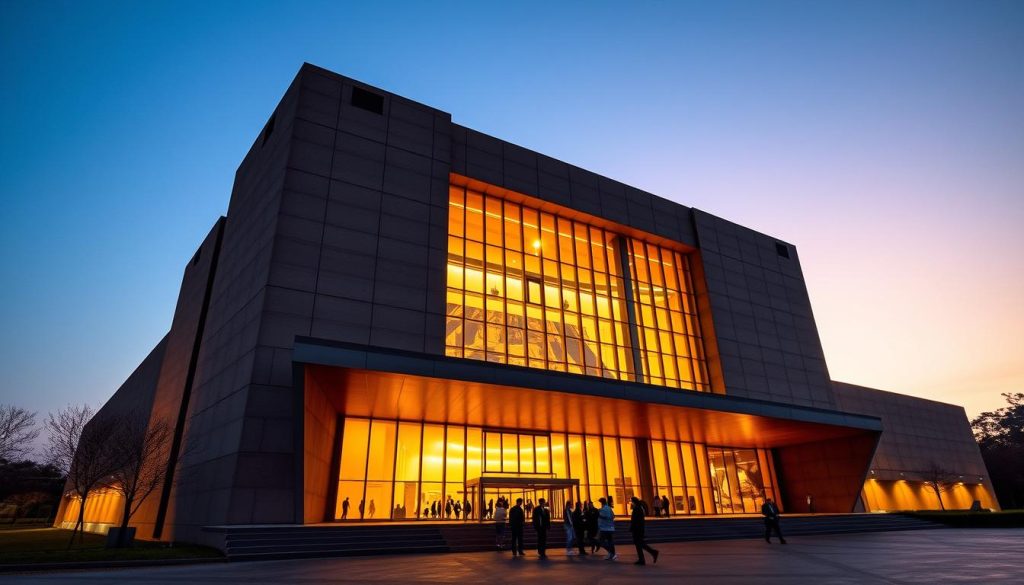
When you enter the Apartheid Museum, you face the hard truths of South Africa’s history. This museum is a deep dive into the country’s past, focusing on the apartheid era. It’s a key historical site in Johannesburg, offering a powerful and thought-provoking visit.
Exhibits and Powerful Displays
The museum’s exhibits aim to teach visitors about apartheid’s history. You’ll see many artifacts, photos, and personal stories. These tell the tales of struggle and victory from that time.
One exhibit stands out: the segregation entrance. Here, visitors are split into lines based on “race,” mirroring the humiliation of apartheid.
There are also exhibits on important figures and events, like Nelson Mandela and the 1956 Treason Trial. These help you understand the complex history and apartheid’s effects on South Africa.
| Exhibit | Description |
|---|---|
| Segregation Entrance | A powerful exhibit that simulates the segregation experienced during apartheid. |
| Nelson Mandela Exhibit | A tribute to Nelson Mandela, featuring his personal belongings and stories. |
| 1956 Treason Trial Exhibit | An exhibit detailing the 1956 Treason Trial and its significance. |
Visitor Experience and Practical Information
Visiting the Apartheid Museum is a deeply moving experience. Plan to spend at least 2-3 hours to fully absorb the exhibits. The museum is open daily from 9 AM to 5 PM. Guided tours are available for a deeper dive into the exhibits.
For practical details like accessibility and amenities, check the museum’s website. It’s best to visit the official website for the latest information before your trip.
Constitution Hill: From Prison to Constitutional Court
Constitution Hill is a place of deep history in South Africa. It has changed from a symbol of oppression to a symbol of justice and equality. It’s one of the top historical sites in Johannesburg, giving a unique look into the country’s past and its path to democracy.
The Old Fort, Women’s Jail, and Number Four
Constitution Hill’s past as a prison is a big part of its story. The Old Fort, Women’s Jail, and Number Four show the hard times and unfair treatment of prisoners under apartheid. Number Four was known for holding male prisoners, including Nelson Mandela.
- The Old Fort was built in 1899 to house prisoners, including those who defied apartheid laws.
- The Women’s Jail is a poignant reminder of the suffering endured by women prisoners.
- Number Four is now a museum, offering guided tours that recount the stories of its former inmates.
The Constitutional Court and Its Symbolic Architecture
The Constitutional Court, now part of Constitution Hill, marks South Africa’s move towards democracy. Its symbolic architecture shows the country’s history and its dedication to human rights. The building’s design, with natural light and African motifs, shows the nation’s dream for a fair and equal society.
Liliesleaf Farm: Headquarters of Liberation
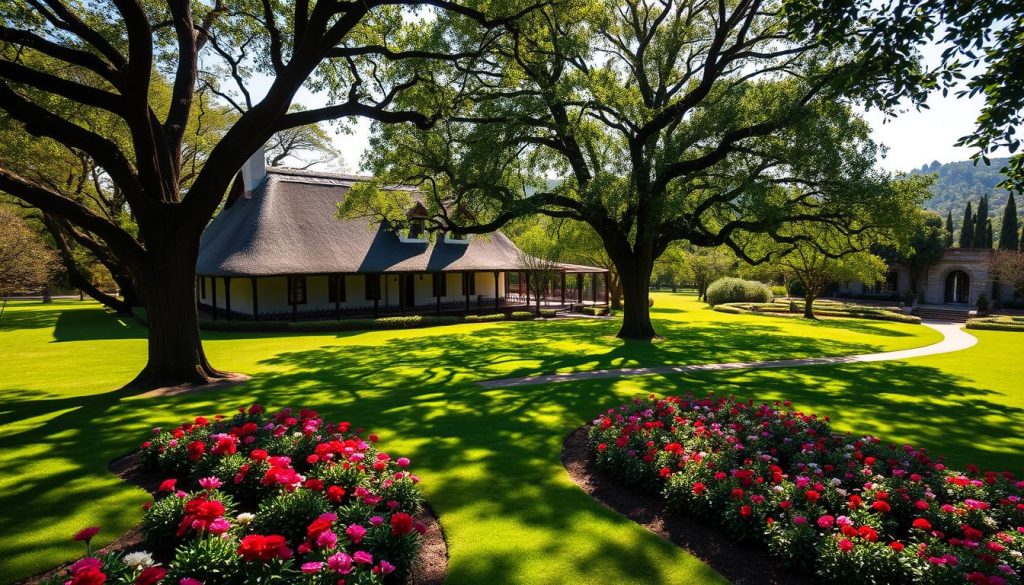
When you visit Liliesleaf Farm, you enter a key part of South African history. It was a secret spot for those fighting against apartheid. It’s a place you must see to understand Johannesburg’s role in the fight for freedom.
The Rivonia Trial and Anti-Apartheid Movement
Liliesleaf Farm was a secret spot for anti-apartheid activists. Nelson Mandela, Walter Sisulu, and others from the African National Congress (ANC) met here. They planned their fight against apartheid.
The farm’s role is closely tied to the Rivonia Trial. This trial was a major moment in South African history. Leaders of the ANC were tried for treason.
The trial brought international attention to apartheid’s wrongs. As “the farm became a symbol of resistance”, it played a big part in ending apartheid.
Museum Exhibits and Historical Significance
Now, Liliesleaf Farm is a museum. It shows visitors its rich history. The museum has exhibits on the farm’s past, like secret meetings and plans for armed struggle.
Visitors can see where activists met and where meals were cooked. It’s a chance to explore the farm’s important areas.
“Liliesleaf Farm is a powerful reminder of the sacrifices made by those who fought against apartheid. It stands as a testament to the bravery and resilience of the human spirit.”
Liliesleaf Farm is a must-visit historical site in Johannesburg. It gives a deep look into the city’s part in the anti-apartheid movement.
Johannesburg Historical Sites: Hector Pieterson Memorial and Museum
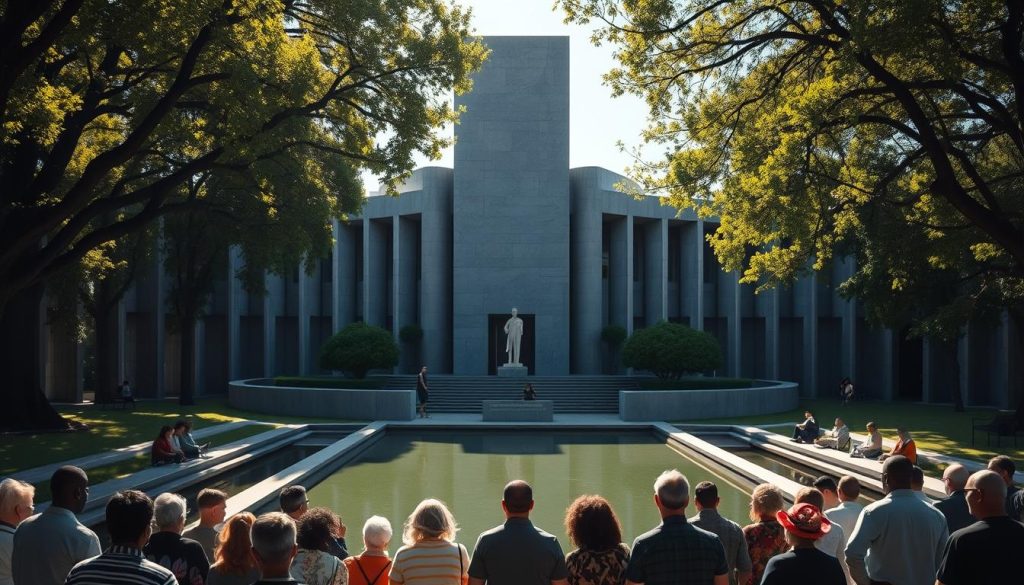
Walking through the Hector Pieterson Memorial and Museum, you dive into a key moment in South Africa’s fight against apartheid. This place honors Hector Pieterson, a young boy whose death in 1976 sparked a movement against apartheid.
The Soweto Uprising of 1976
The Soweto Uprising was a key moment in South African history. On June 16, 1976, thousands of students marched to protest Afrikaans being forced in schools. The peaceful protest turned violent when police fired on the students, causing chaos and loss of life. The event galvanized international opposition to apartheid, highlighting the South African government’s brutal policies.
Exploring the Museum and Its Impact Today
Today, the Hector Pieterson Memorial and Museum is a powerful educational tool. It helps visitors understand the Soweto Uprising and its aftermath. The museum’s exhibits include personal stories, photographs, and artifacts that make history come alive. The impact of the uprising is still felt today, with the museum playing a key role in South Africa’s healing.
| Exhibit | Description |
|---|---|
| Personal Stories | Accounts from survivors and families of victims |
| Photographic Archives | Rare photographs documenting the uprising |
| Artifacts | Objects used during the protests, including clothing and banners |
The Origins Centre: Tracing Human History
The Origins Centre in Johannesburg is a key spot for those curious about human origins. It offers a deep dive into the city’s rich history. Here, you’ll learn about human history and our journey in South Africa.
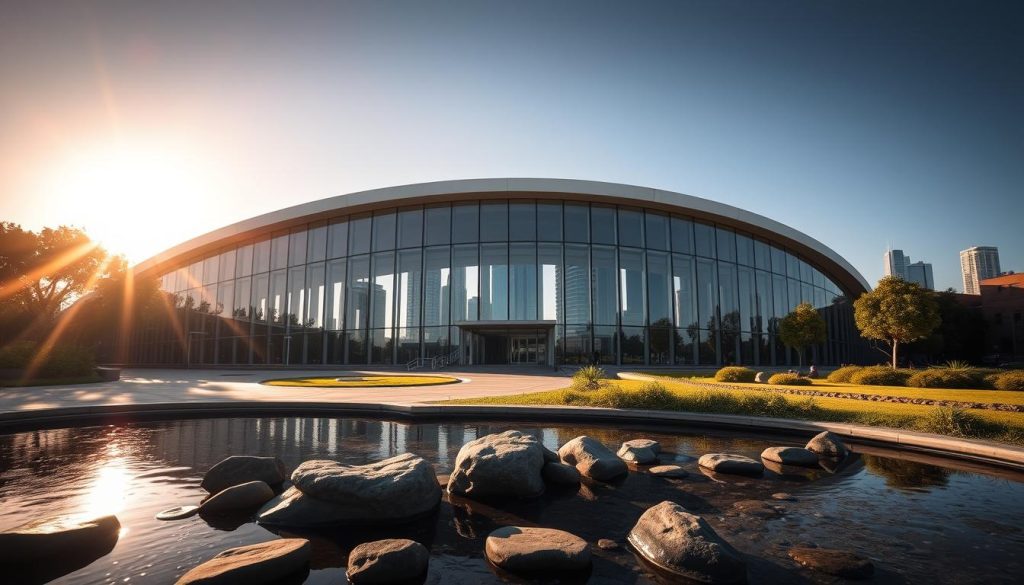
This centre gives a detailed view of ancient cultures and rock art in South Africa. It’s more than a museum; it’s a time-traveling adventure.
Rock Art and Ancient African Cultures
The Origins Centre is famous for its rock art and artifacts. These artworks show the lives and cultures of ancient Africans. They reveal the spiritual, social, and cultural ways of our ancestors.
Its exhibits also explore early human history and migrations. This gives a clear picture of human evolution.
Interactive Exhibits and Educational Experiences
The Origins Centre is known for its interactive exhibits. These include hands-on activities and multimedia displays. They make learning about history fun and engaging.
The centre also has educational programs and workshops. It’s perfect for families, schools, and history lovers. By joining these activities, you’ll understand the area’s historical importance and its link to today’s world.
Gold Reef City: Johannesburg’s Mining Heritage
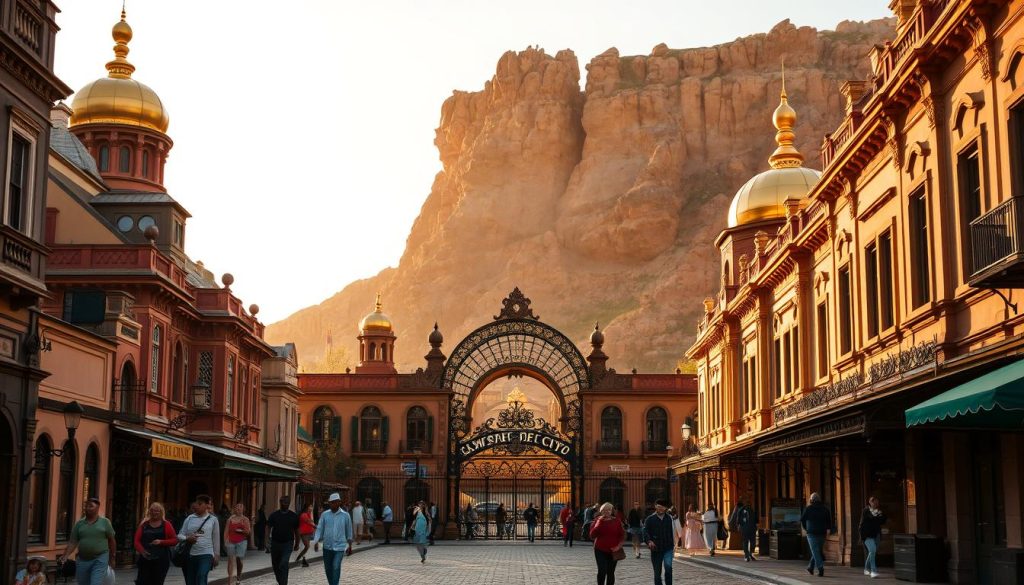
When you enter Gold Reef City, you feel like you’ve traveled back in time. This theme park sits on top of an old gold mine in South Africa. It shows off Johannesburg’s mining history with its exhibits, mine tours, and fun activities for families.
Underground Mine Tours and Gold Rush History
The underground mine tour at Gold Reef City is a thrilling experience. You’ll go down into a real gold mine. It’s a chance to see what miners did during the gold rush and learn about the city’s mining past.
Historical Exhibits and Family-Friendly Activities
Gold Reef City is more than just mining history. It’s also a place where families can have fun. There are exhibits with artifacts from the gold rush era. Plus, there are amusement park rides, a Victorian street, and even a haunted house. It’s a unique mix of learning and fun.
Mandela House Museum in Soweto
When you enter the Mandela House Museum, you step into Nelson Mandela’s former home. This place is more than a house; it’s a symbol of his fight against apartheid. It shows Mandela’s lasting impact on South Africa.
Nelson’s Life in House 8115
Nelson Mandela lived in House 8115, Vilakazi Street, Soweto, with his family from 1946 to 1962. This time was key in shaping his views and fueling his fight against apartheid. The museum keeps the home as it was during Mandela’s time, giving a glimpse into his life and the anti-apartheid struggle.
Key Highlights of Mandela’s Life:
- Lived with his first wife, Winnie Madikizela-Mandela
- Played a significant role in the African National Congress
- Arrested in 1962, marking the beginning of his long journey through various prisons
Artifacts and Exhibitions at the Museum
The Mandela House Museum is filled with artifacts and exhibitions that tell Mandela’s story and Soweto’s history. Visitors can see Mandela’s personal belongings, photos, and documents. These show his journey from Soweto to the presidency.
The museum’s collection includes:
- Personal items belonging to Nelson Mandela and his family
- Historical photographs capturing significant moments in Mandela’s life
- Documents related to the anti-apartheid movement and Mandela’s legal battles
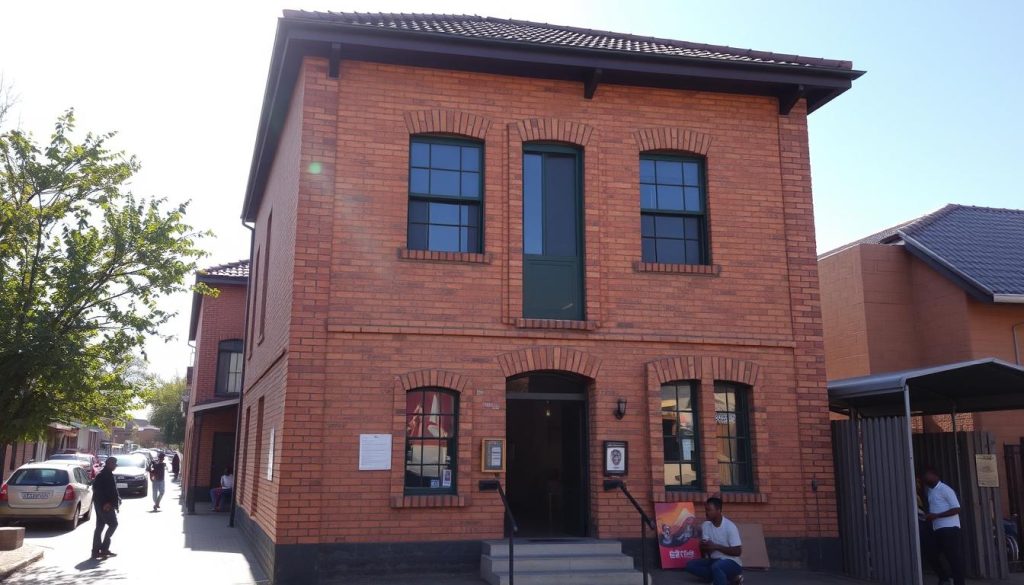
Visiting the Mandela House Museum is a powerful experience. It lets you connect with Mandela’s history and South Africa’s fight for freedom. As you explore, you’re not just seeing artifacts; you’re walking through Mandela’s life story. He became a symbol of resistance and hope.
The Market Theatre and Newtown Cultural Precinct
Exploring Johannesburg’s vibrant culture leads you to The Market Theatre. It’s a place where art meets resistance. Located in the Newtown Cultural Precinct, it’s a key part of Johannesburg’s cultural scene.
Anti-Apartheid Artistic Resistance
During apartheid, The Market Theatre was a powerful voice. It hosted performances that challenged the system. Today, you can still see this history through exhibits and shows.
The theatre played a big role in fighting apartheid. Artists used it to speak out against injustice. This makes The Market Theatre a significant historical site.
Contemporary Cultural Significance
Today, The Market Theatre is still a cultural hotspot. It hosts a wide range of events, from theatre to music. The Newtown Cultural Precinct around it is also worth visiting, with its galleries, restaurants, and shops.
| Event Type | Frequency | Description |
|---|---|---|
| Theatre Productions | Weekly | Dramatic performances that often focus on social issues. |
| Music Concerts | Monthly | Live music events featuring local and international artists. |
| Art Exhibitions | Bi-Monthly | Visual art exhibitions showcasing local talent. |
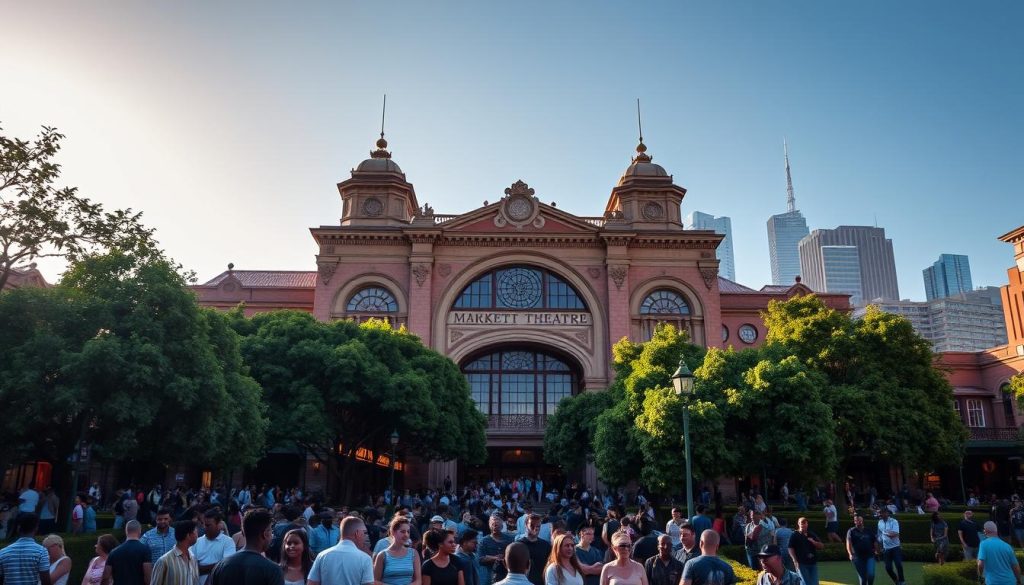
Plan your visit to The Market Theatre and Newtown Cultural Precinct for a memorable experience. Catch an event or exhibition to make your visit even more special.
Planning Your Historical Tour of Johannesburg
To get the most out of your trip to Johannesburg’s historical sites, plan well. The city’s rich history is complex. Good planning will help you see its many attractions.
Best Times to Visit and Weather Considerations
Johannesburg has a subtropical highveld climate. It has mild winters and warm summers. The best time to visit is from May to September. The weather is then perfect for sightseeing.
Transportation Options and Getting Around
Getting around Johannesburg is easy with many options. You can take metered taxis, ride-hailing services, or public transport like buses and trains. For a personal touch, rent a car or book a guided tour.
Safety Tips and Cultural Etiquette for American Visitors
Stay safe and respectful when visiting Johannesburg. Be cautious in crowded places and keep valuables safe. Respect local culture and traditions when meeting people.
| Transportation Mode | Cost | Convenience Level |
|---|---|---|
| Metered Taxis | Moderate | High |
| Ride-hailing Services | Moderate | High |
| Public Transportation | Low | Medium |
| Guided Tours | High | Very High |
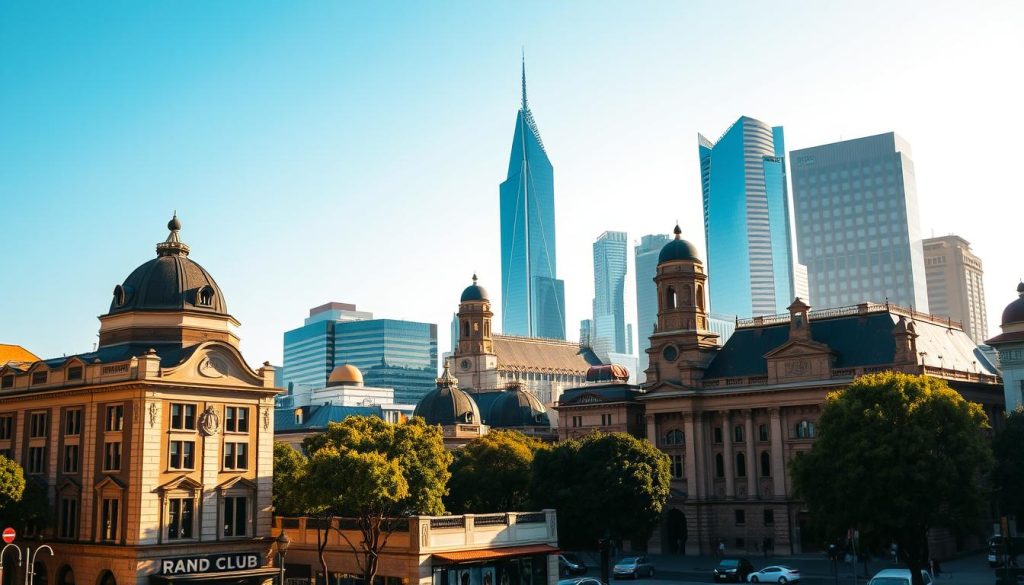
By thinking about these points and planning, you’ll have a safe and rewarding time exploring Johannesburg’s history.
Conclusion: Embracing Johannesburg’s Complex History
As you finish exploring Johannesburg’s historical sites, you see the city’s rich and complex past. It started as a gold rush town and played a key role in fighting apartheid. The best sites give a unique look into the city’s history.
Visiting these sites helps you understand Johannesburg’s importance as a cultural and historical spot. Places like the Apartheid Museum, Constitution Hill, and Mandela House Museum show the city’s past struggles and its growth. They highlight Johannesburg’s journey to becoming the lively city it is today.
When planning your trip to Johannesburg, make sure to visit these historical sites. Seeing the best of Johannesburg’s history will give you a deep understanding of the city and its people. It will make your visit both meaningful and enriching.





