

Your Guide: Trekking and Hiking in the Himalayas & Western Ghats
Embark on a journey of a lifetime as you explore the natural wonders of the Himalayas and the Western Ghats mountain range, while engaging in exhilarating outdoor activities. Trekking and hiking in the Himalayas or Western Ghats mountain range are popular adventure travel choices that offer the perfect opportunity to connect with nature. The breathtaking landscapes and varied terrain are perfect for outdoor activities such as trekking, hiking, and nature trails.
Whether you are looking for a challenging high-altitude trek, or a leisurely stroll through picturesque valleys, there are plenty of different treks and hikes to choose from. And, with our comprehensive guide, planning your adventure has never been easier. So, get ready to pack your bags and explore the best trekking and hiking trails these regions have to offer.
Planning Your Trekking and Hiking Adventure
Embarking on a trekking tour or hiking expedition requires careful planning to ensure a safe and enjoyable journey. When planning your adventure, consider signing up for guided hiking trips or trekking tours. These options can provide valuable expertise and support, saving you time and hassle while giving you more opportunities to explore nature trails in the Himalayas and Western Ghats.
Choosing the right trail is crucial when planning your trip. Factors such as difficulty level and length of the trail should be considered and tailored to your fitness level and experience. Additionally, it’s essential to check the weather and terrain conditions to prepare accordingly and make necessary adjustments to your itinerary.
When organizing your gear, make sure to pack items appropriate for the altitude and climate you’ll be trekking or hiking in. Here’s a checklist of essential gear you should bring:
| Gear | Description |
|---|---|
| Backpack | A sturdy backpack with good support and multiple compartments. |
| Sleeping bag and pad | A sleeping bag and pad that’s appropriate for the temperature range of your trekking destination. |
| Hiking boots | Sturdy hiking boots with excellent traction, ankle support, and waterproofing. |
| Clothing | Layered clothing for changing weather conditions, including waterproof and windproof outerwear, thermal base layers, and hiking pants. |
| Food and water | High-energy snacks, electrolyte powder, and a hydration pack or water bottles. |
| Navigation tools | A map and compass, GPS, or a mobile app with offline maps is handy for navigation along the trekking route. |
| First aid kit | A well-equipped first aid kit with essential medications, sunscreen, and insect repellent. |
| Headlamp or flashlight | A reliable light source is necessary for nighttime or early morning trekking. |
| Emergency whistle | A whistle that can be heard from a distance in case of an emergency. |
Another critical consideration is finding experienced guides to lead your trekking or hiking expedition. Experienced guides can provide valuable insights into the geography, culture, and wildlife of the region, as well as navigational support and emergency assistance.
Finally, research and choose from some of the most popular nature trails when trekking or hiking in the Himalayas and the Western Ghats. Some popular Himalayan trekking routes include the Everest Base Camp Trek, Annapurna Circuit Trek, and Ladakh Trek. In the Western Ghats, popular trails include the Chembra Peak Trek, Tadiandamol Trek, and Kumara Parvatha Trek.
We hope this planning guide has been helpful to you in preparing for your upcoming trek or hike. Remember, careful planning is essential to ensure a safe and enjoyable journey.

Exploring the Himalayas: An Adventurer’s Paradise
When it comes to mountain trekking and Himalayan trekking, the Himalayas offer an experience like no other. With peaks over 8,000 meters high and varied topography, there are countless trekking options available. From challenging high-altitude treks to easier, picturesque valley routes, the Himalayas cater to all skill levels. You can choose a trek based on your fitness level or the level of adventure you’re after.
The Himalayas offer treks with unique experiences. The Everest Base Camp trek is the most challenging and popular trek offered. The trek starts from Lukla, taking you up to the base camp of Mount Everest, providing you with breathtaking views of the Himalayas throughout the journey. Another iconic trek that the Himalayas offer is the Annapurna Circuit. The trek offers a mix of landscapes, vistas, and treks through lush green forests, gorges, and traditional villages like Manang and Pisang.
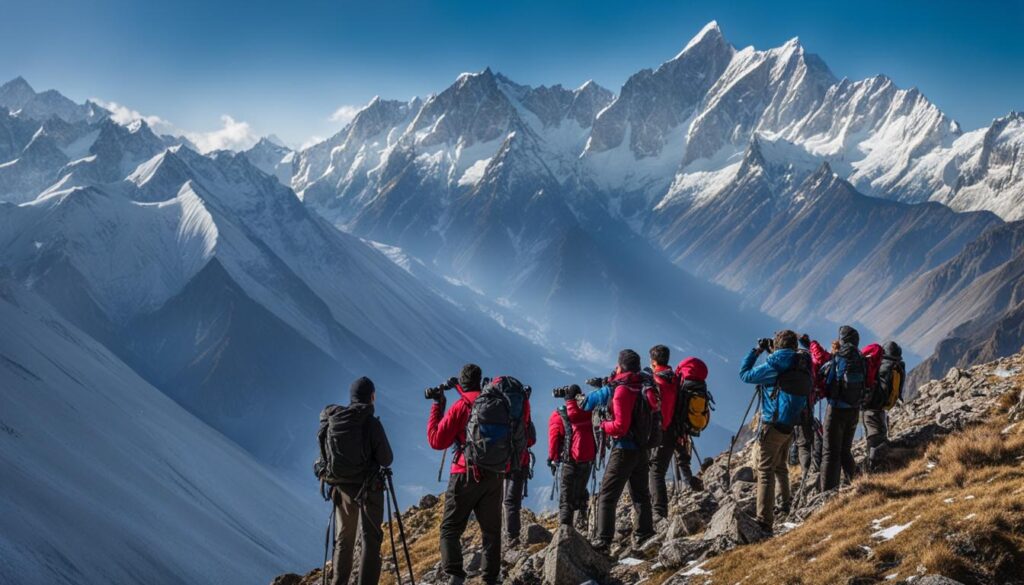
When trekking in the Himalayas, it is always beneficial to know insider tips to get the best out of your experience. It is important to plan your trip according to the season, weather, and trail conditions. It is essential to bring gear appropriate to the weather and the terrain, like warm clothing and sturdy shoes. It is crucial to stay hydrated and fuel your body with nutritious food throughout the trek.
The Western Ghats: A Natural Wonderland for Hikers
As you journey through the Western Ghats mountain range on a trekking adventure, you’ll be rewarded with stunning scenery and vibrant biodiversity. This region, often referred to as the “Great Escarpment of India,” is a hiker’s paradise with its lush forests, cascading waterfalls, and expansive grasslands.
One of the best trails to experience the beauty of the Western Ghats is the Kodachadri trek, which takes you through dense jungles, shimmering streams, and a breathtaking sunset point. If you’re looking for a more challenging trek, Mullayanagiri Peak is the highest peak in the Western Ghats and provides a thrilling but rewarding hike with panoramic views of the surrounding hills and forests.
The best time to visit the Western Ghats is from September to May, when the climate is pleasant and the views are crystal clear. During this time, you’ll have the opportunity to explore a vast network of trails and witness a range of flora and fauna up close.

The Uniqueness of the Western Ghats
The Western Ghats are a UNESCO World Heritage Site due to their rich natural and cultural significance. The region is home to over 5,000 species of flowering plants, 139 mammal species, and 508 bird species. In addition to its stunning natural beauty, the Western Ghats are also a hub of cultural diversity and house several distinctive communities with distinct customs and traditions.
“The Western Ghats are a nature lover’s dream come true. The diversity of landscapes, flora, and fauna is unmatched, and the sense of serenity on the trails is simply unparalleled.” – John, experienced trekker
The Best Treks in the Western Ghats
| Trek Name | Trek Duration | Trek Difficulty Level |
|---|---|---|
| Kodachadri Trek | 2 days | Easy to Moderate |
| Mullayanagiri Peak Trek | 2 days | Moderate to Difficult |
| Chembra Peak Trek | 2 days | Moderate to Difficult |
| Kalsubai Peak Trek | 2 days | Moderate to Difficult |
These treks showcase the diverse terrain of the region and offer a range of experiences for hikers of all skill levels. Whether you seek a leisurely hike or a challenging climb, the Western Ghats have it all.
Essential Trekking Gear and Equipment
Embarking on an outdoor adventure such as trekking or hiking requires the right gear and equipment. To ensure you have a safe and comfortable journey, here are some essential items you should pack:
| Item | Description |
|---|---|
| Sturdy hiking boots | A quality pair of hiking boots with good ankle support and a sturdy sole to tackle rough terrain. |
| Weather-appropriate clothing | Check the weather forecast and pack clothing that will keep you warm, dry, and protected from the elements. Layers are key to adjusting to different temperatures and weather conditions. |
| Backpack | A backpack that fits comfortably and has enough space to carry necessary gear and snacks for the day. |
| Navigational tools | A map, compass, and/or GPS device to help you navigate the trails. |
| Water and food | Carry enough water (at least two liters/day) and pack high-energy snacks to keep you fueled throughout your trekking or hiking adventure. |
| First aid kit | A basic first aid kit with bandages, disinfectant, and any necessary prescription medications. |
| Sun protection | Sunscreen, sunglasses, and a hat to shield your skin and eyes from harmful UV rays. |
Remember that packing light is essential, and you should only bring what you need to avoid weighing yourself down. Check your gear before you leave and make sure it’s in good condition. Avoid carrying too many unnecessary items just because they ‘might come in handy.’ With the right gear and equipment, you’ll be well-prepared to tackle the trails on your trekking tour, hiking expedition, or guided hiking trip.
Safety Tips for Trekking and Hiking
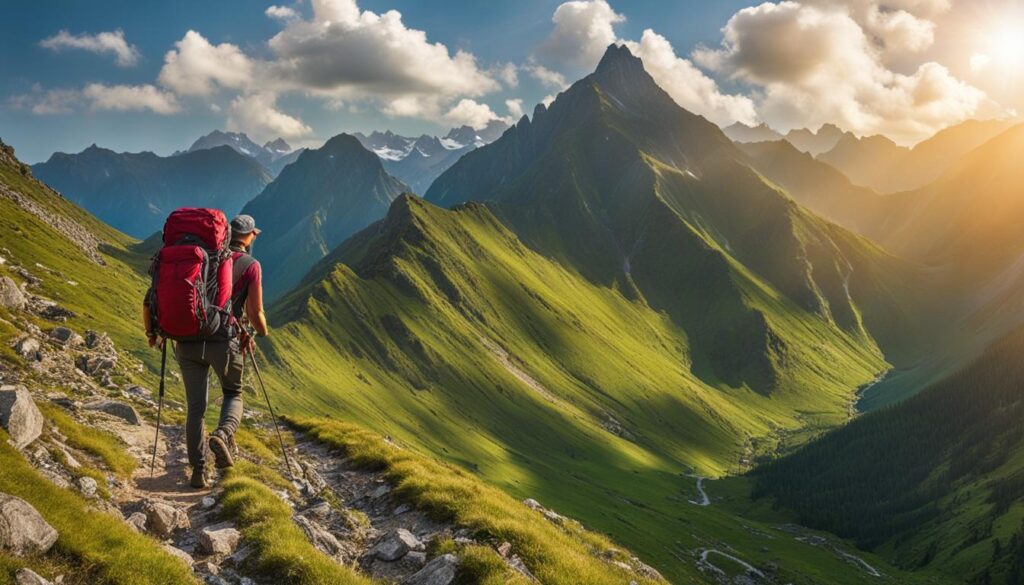
When it comes to outdoor activities such as trekking or hiking, safety should always be a top priority. It’s essential to be prepared and cautious to ensure a safe and enjoyable adventure travel experience. The following are some essential safety tips to keep in mind:
- Plan ahead: Before your guided hiking trip, research your destination and carefully plan your route. Make sure you know the trail and its level of difficulty and check the weather forecast.
- Get the right gear: Invest in high-quality gear and equipment, including hiking boots, waterproof clothing, and a first aid kit. Proper gear and clothing can keep you warm, dry, and protected from the elements.
- Stay hydrated: Bring plenty of water and snacks to keep your body hydrated and energized. Avoid alcohol and caffeine, which can dehydrate you and make it more difficult to hike.
- Know your limits: Don’t push yourself too hard or take unnecessary risks. Take breaks when needed, and if you feel unwell, tell your guide or hiking partner immediately.
- Follow park rules and regulations: Be respectful of the environment and follow park rules and regulations. Avoid littering and disturbing wildlife. Stay on designated trails to protect the surrounding flora and fauna.
- Be aware of high altitude risks: If you’re embarking on a high-altitude trek, be aware of the risks associated with high altitude sickness. Take time to acclimate and listen to your body.
- Inform others of your plans: Let someone know your hiking plans, including which trail you plan to take, your expected return time, and who to contact in case of an emergency.
Trekking Safety Stats in the US and Canada
The US and Canada have vast wilderness areas with hiking trails ranging from easy to challenging. According to National Parks Service data, hiking is one of the top three activities in US national parks, with over 47 million recreational visits recorded in 2019. However, hiking-related injuries and fatalities do occur. From 2007-2013, 45 deaths were reported in the US national parks due to hiking-related incidents, with falls as the leading cause. In Canada, over 1,600 search and rescue missions were conducted in 2019, with hiking being the most common activity associated with these missions.
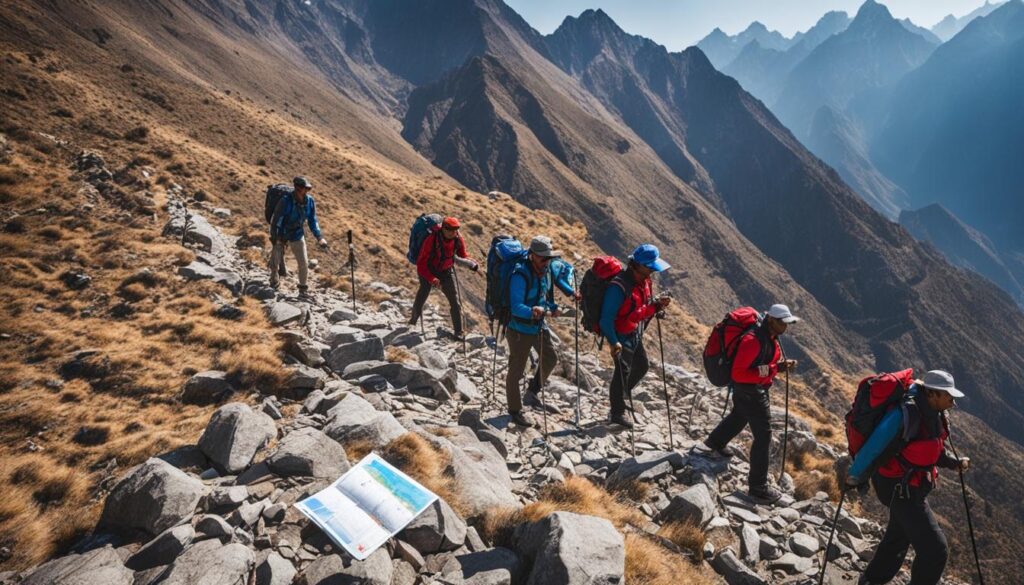
Remember, the wilderness can be unpredictable, and conditions can change quickly. Use common sense and practice caution to ensure a safe and unforgettable adventure travel experience.
Food and Accommodation on the Trails
When trekking or hiking, a proper diet and accommodation can be crucial to keep your energy levels up and to ensure a comfortable journey. Luckily, there are a variety of options available.
If you’re embarking on a organized trekking tour or guided hiking trip, your tour operator will typically provide you with meals and accommodation. Depending on the tour, expect to either enjoy freshly-prepared meals at designated rest stops or stay in local lodges or guest houses.
On the other hand, if you prefer to experience the outdoors in a more independent way, camping is a popular option. With a wide range of camping equipment available on the market, camping has become a convenient and comfortable solution for those booking their own trekking tours or guided hiking trips. There are designated camping sites available along the trails with facilities like restrooms, cooking areas, and showers.
For those who want a more authentic experience, the local homestays or guesthouses offer a glimpse into the local cultures and lifestyle. Many hikes offer stays at these local establishments where travelers can immerse themselves in the local community and culture.
When deciding on a trek or hike, it’s important to research the options available for food and accommodation. It’s always good to be prepared, so ensure you know the meal plan and availability of accommodation beforehand.
Cultural Experiences and Local Communities
When trekking and hiking through the Himalayas or Western Ghats, adventure travel doesn’t just mean breathtaking views and challenging trails. You’ll have the chance to immerse yourself in local culture and traditions that are unique to these regions. As you explore these stunning landscapes, you’ll encounter traditional mountain villages and spiritual pilgrimage sites, providing a glimpse into the rich cultural heritage of these areas.
Interacting with local communities is a great opportunity to learn about their lifestyle and customs. You can participate in traditional activities like milking cows or farming, or you may be invited to join in a local festival or gathering to experience their traditional dances, music, and food.
Visiting the monasteries and temples of the Himalayas, or the ancient forts and temples of the Western Ghats, provides insights into the history and spirituality of these areas. The cultural and architectural diversity you encounter while trekking or hiking in these regions is unparalleled and adds unique flavors to any adventure.
Make sure you respect the local culture, customs, and traditions. Your guides will be able to provide you with valuable information about local etiquette and help you navigate any language barriers.
Examples of Cultural Experiences and Local Communities
| Destination | Cultural Experience |
|---|---|
| Himalayas | Visit to the Thiksey Monastery in Ladakh, where you can see priceless artifacts that over 500 years old |
| Western Ghats | Cultural tour of Hampi, the ancient capital of Vijaynagara Empire, that provides insights into South India’s rich history and culture |
| Himalayas | Participate in a local farming activity in the Himalayan village of Naggar |
| Western Ghats | Attend an evening folk dance performance by a local troupe in a village near Munnar |
Overall, the cultural experiences and local communities that you will encounter while trekking and hiking in the Himalayas or Western Ghats are truly unique. Don’t miss out on the opportunity to get an up-close look at the fantastic history, religion, traditions, and daily lives of the people who live in these regions.
Wildlife Encounters and Conservation Efforts
The Himalayas and the Western Ghats are a treasure trove of natural wonders, home to an incredible variety of wildlife and plant species. As you trek or hike through these breathtaking mountain ranges, you’ll encounter some of the world’s most remarkable and elusive animals, including snow leopards, Himalayan bears, and Indian elephants.
However, as with any excursion in the great outdoors, responsible travel is crucial to preserving these fragile ecosystems. Conservation efforts are ongoing in both the Himalayas and the Western Ghats, aimed at protecting endangered species and preserving the natural habitats that support them.
By choosing to trek or hike with responsible, sustainable tour operators, you can help contribute to these conservation efforts. You’ll also have the opportunity to learn about the conservation initiatives underway and gain insights into how you can make a positive impact during your adventure.
Protecting Endangered Species
Several endangered species call the Himalayas and the Western Ghats home. The snow leopard, a symbol of the Himalayas, is a highly endangered species with only around 3,500 left in the wild. The Western Ghats are also home to several threatened species, including the Nilgiri tahrs, lion-tailed macaques, and Malabar giant squirrels.
Conservation initiatives in these regions aim to protect these endangered animals and promote sustainable tourism practices. By keeping to designated trails and respecting local wildlife, you can help to ensure the survival of these incredible animals for future generations.
Nature Trails and Habitat Preservation
The Himalayas and the Western Ghats are also known for their unique biodiversity, with a rich variety of flora and fauna found nowhere else in the world. These pristine habitats are under threat from deforestation, overgrazing, and other human activities.
Conservation efforts in these regions focus on habitat preservation and restoration, including reforestation programs and the establishment of protected areas. By staying on designated nature trails and supporting sustainable tourism practices, you can help to ensure the preservation of these natural habitats.
| Wildlife Species | Found in | Status |
|---|---|---|
| Snow Leopard | Himalayas | Endangered |
| Nilgiri tahr | Western Ghats | Endangered |
| Lion-tailed macaque | Western Ghats | Endangered |
| Malabar giant squirrel | Western Ghats | Near Threatened |
Inspiring Stories and Trekking Tales
Embarking on a trekking or hiking adventure in the Himalayas or Western Ghats is a journey of a lifetime. The gorgeous landscapes, the spiritual aura of the mountains, and the warmth of the local communities leave an everlasting impact on travelers. Here are some inspiring stories and trekking tales, which will take you on a journey of emotions and motivation.
“When we reached the summit of Stok Kangri, I couldn’t believe my eyes. The view was breathtaking, and I felt like I was on top of the world. It was one of the toughest treks I have ever done, but the sense of accomplishment was beyond words.” – Jessica, experienced trekker from Seattle.
Adventure travel is all about pushing your limits, and the Himalayas provide an ideal platform for it. The story of Jessica climbing Stok Kangri is just one example of the immense satisfaction and joy that adventure sports bring.
“While trekking in the Western Ghats, I stumbled upon a tea plantation hidden away from the world. The sight of lush green tea gardens, mist-clad hills, and the nicotine-rich aroma of tea leaves was surreal. It felt like I had discovered a hidden gem.” – Andrew, travel blogger from London.
The Western Ghats are full of surprises, and Andrew’s story depicts how the mountains reveal their magic slowly and steadily. The range is a nature lover’s paradise, with hidden natural wonders waiting to be explored.
Such inspiring stories and trekking tales are endless, and each adventure is unique in its way. Whether it’s the thrill of a high-altitude trek or the blissfulness of a nature walk, adventure travel offers something for everyone. What’s your trekking tale?
Conclusion
Congratulations on making it to the end of your guide to trekking and hiking in the Himalayas and the Western Ghats! By now, you should have a good understanding of the best trekking and hiking trails in these beautiful mountain ranges and the necessary preparations you’ll need to make for a safe and comfortable journey.
Remember to plan your trekking tour or hiking expedition carefully, and always prioritize your safety. Pack the essential trekking gear and equipment we discussed earlier, and stay informed about weather conditions and potential risks along the trails.
While trekking and hiking in the Himalayas or the Western Ghats, you’ll have the opportunity to immerse yourself in local culture, appreciate the remarkable biodiversity of these mountain ranges, and create unforgettable memories that will last a lifetime.
Whether you’re an experienced trekker or a beginner hiker, the Himalayas and the Western Ghats offer something for everyone. So, what are you waiting for? Plan your adventure today and get ready to embark on a journey of a lifetime.





