Explore the Indigenous Communities & Cultural Experiences in Santa Marta
Thinking about visiting Santa Marta? You might wonder about the secrets of the Sierra Nevada de Santa Marta. For centuries, indigenous communities have thrived here, showing the rich cultural experiences of Santa Marta. You can learn about the Kogui, Wiwa, Arhuaco, and Kankuamo peoples.
These communities have developed unique ways to live in harmony with nature. Their knowledge and practices are a testament to their resilience in the Sierra Nevada de Santa Marta.
The Sierra Nevada de Santa Marta spans 21,158 square kilometers. It’s known for its beauty and spiritual significance. It’s a place where the world’s balance is maintained, making it perfect for exploring indigenous communities and cultural experiences.
The indigenous communities have kept their traditions alive. They play a crucial role in protecting the Sierra Nevada’s biodiversity and cultural heritage. This highlights the need to preserve their heritage in the Sierra Nevada de Santa Marta.
Understanding Santa Marta’s Indigenous Communities and Cultural Experiences
Santa Marta is home to four indigenous groups, like the Wiwas and Koguis. They live in harmony with nature and have deep spiritual beliefs. The Sierra Nevada de Santa Marta National Park surrounds them, covering over 300,000 hectares.
This park is sacred to many indigenous groups. It’s also a great place for birdwatching, with over 160 bird species.
Exploring the area lets you learn about the Kogui tribe and their traditions. You’ll also discover the Arhuaco traditions that have been kept alive for generations. The Tayrona National Park is a highlight, with its beautiful white sand beaches and clear waters.
Santa Marta is perfect for those wanting to dive into indigenous cultures and experiences. Its rich heritage and stunning landscapes make it a unique destination.
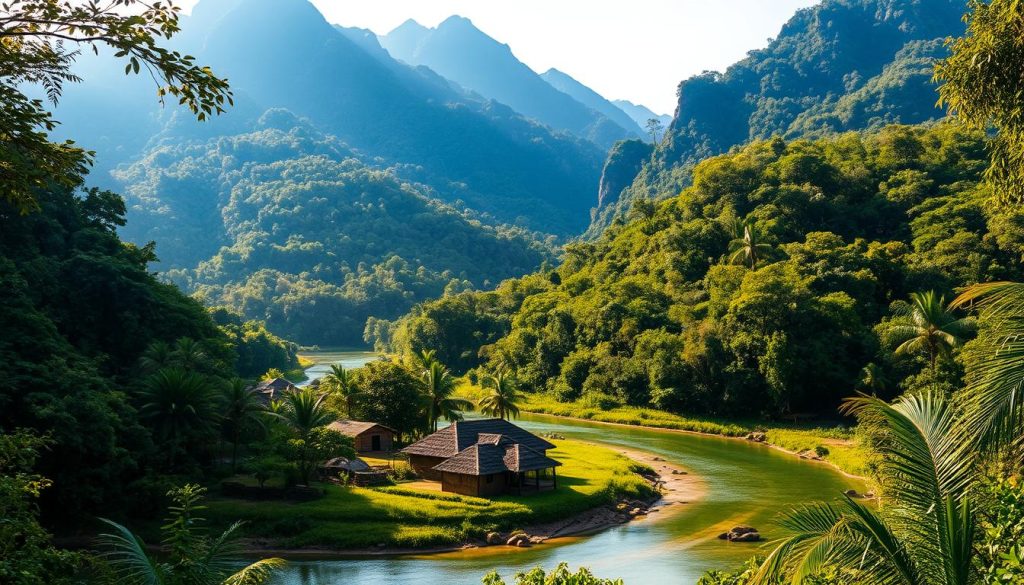
The area offers many activities, like guided tours and traditional craft workshops. Visiting sacred sites is also an option. These experiences help you understand the indigenous communities and their cultures.
Whether you’re into history, nature, or culture, Santa Marta has something for everyone. It’s a place that leaves a lasting impression on travelers.
The Sacred World of the Kogui Tribe
The Kogui tribe is known for its deep spiritual connection and traditional ways. They live in the Sierra, practicing agriculture that keeps the ecosystem balanced. They see the Sierra Nevada as a spiritual map, filled with sacred sites connected by “the black line.”
Exploring the Kogui tribe’s world shows the value of their traditions. They believe the Sierra Nevada is sacred, where they hold ceremonies and rituals. This spiritual bond is key to their life and helps keep nature in balance.
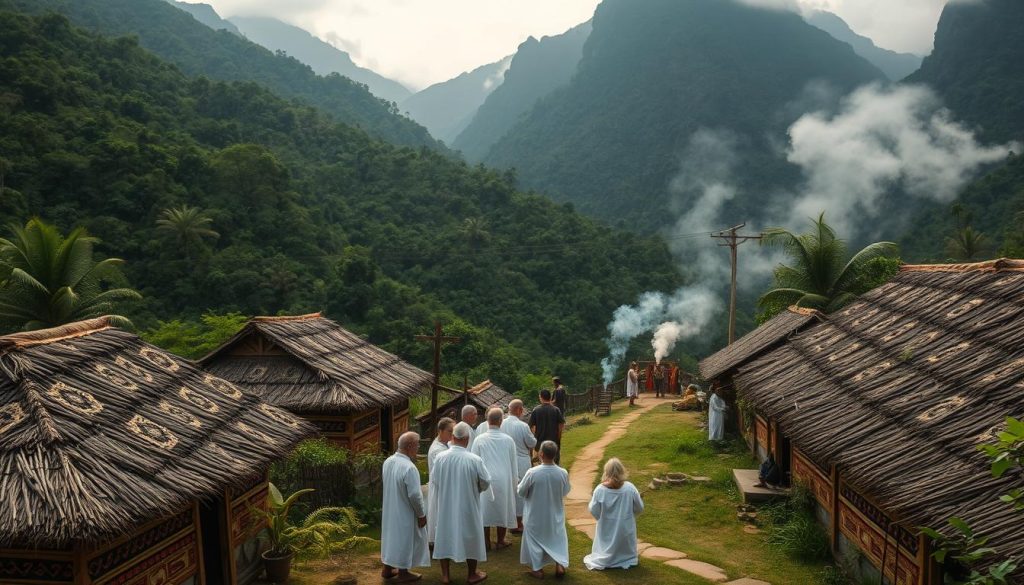
The Kogui tribe’s traditions also help them economically. For instance, their coffee program helps growers improve their income. This shows how they balance tradition with economic growth.
Some key aspects of the Kogui tribe’s spiritual connection and traditions include:
- They believe in the universe’s interconnectedness, seeing earth, water, air, and all life as sacred.
- “Mamos,” or spiritual leaders, play a crucial role in keeping nature balanced through rituals.
- Their farming practices preserve the ecosystem and support biodiversity.
Understanding the Kogui tribe’s spiritual bond and traditions helps us value indigenous cultures and nature. Their way of life shows how humans can live in harmony with the environment. It’s vital to support their efforts to keep their traditions alive and protect their lands.
Arhuaco People: Keepers of Ancient Wisdom
The Arhuaco people have a rich cultural heritage. Arhuaco traditions are key in their daily life. They live in harmony with nature, believing in ecological balance through spiritual practices.
Their social structure is unique. Mamos, spiritual leaders, are raised in seclusion. This helps them connect deeply with the land. It’s crucial for keeping their culture alive for future generations.
Some key aspects of Arhuaco daily life and social structure include:
- Living in harmony with nature
- Maintaining ecological balance through spiritual practices
- Preserving cultural heritage through traditional practices and beliefs
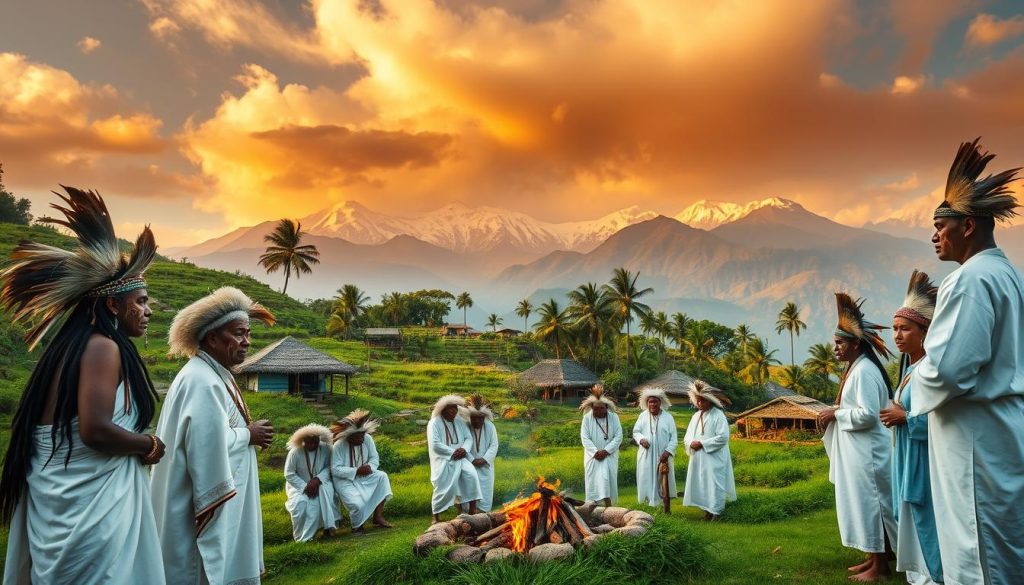
The Arhuacos work hard to keep their culture and traditions alive. This is important for the natural resources they depend on. By understanding their social structure and daily life, we see the value of preserving indigenous cultures and the environment.
Discovering the Wayuu Culture
The Wayuu people have a rich cultural heritage. They have their own language, music, and crafts. These hold great cultural significance. Their traditional practices, like the “Encierro” rite of passage for Wayuu girls, are key to their identity.
This rite of passage can last a year, but modern practices vary. It can last from a few days to several months.
The Wayuu community follows a matrilineal system. Inheritance and clan membership pass through the mother. Women handle money and trade, while men often avoid markets for safety reasons.
The Yonna dance, with four distinct types, is a vital part of Wayuu traditions.
Some notable aspects of Wayuu culture include:
- The mochila, a significant cultural craft, is traditionally woven during the encierro. It represents a young woman’s life journey.
- The color red has multiple meanings in Wayuu culture. It represents blood, maternal bonds, and the earth.
- Dreams play a big role in Wayuu culture. They influence daily life and decisions.
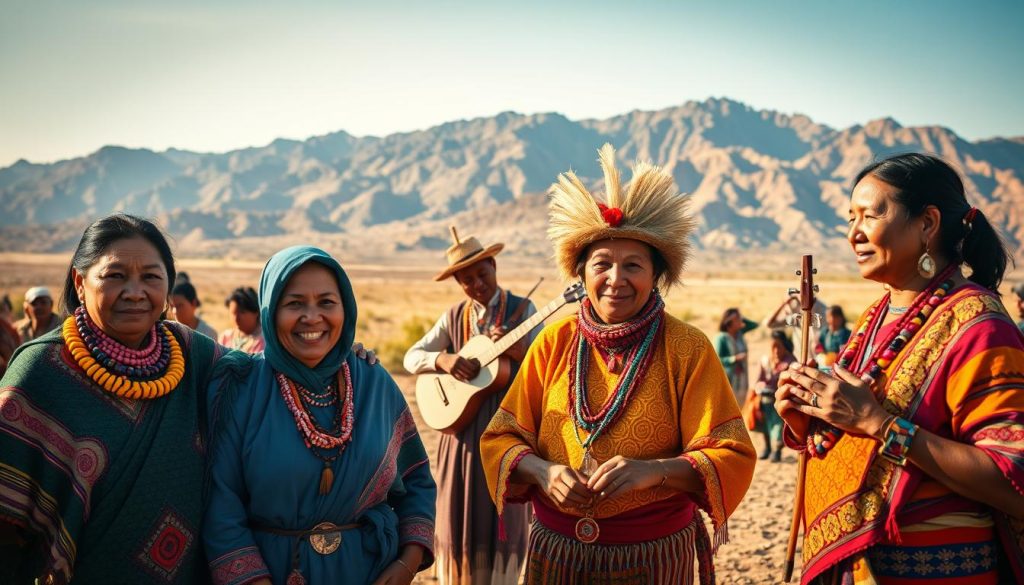
The Wayuu people are known for their trading skills. They are good market sellers, with women handling economic transactions. Exploring Wayuu culture helps us understand their cultural significance and traditional practices.
Cultural Immersion Experiences in Tayrona National Park
Exploring Tayrona National Park lets you connect with the local culture through cultural immersion tours. These tours are a chance to learn from the indigenous communities. You’ll understand their traditions and see why saving the environment is key.
With guided tours, you’ll find the park’s best spots. You’ll see beautiful hiking trails and beaches like Cabo San Juan.
In Tayrona National Park, you can join traditional craft workshops. Here, you’ll learn the indigenous people’s skills and techniques. You can also visit sacred sites, like the Tayku village, and share cultural experiences with the locals.
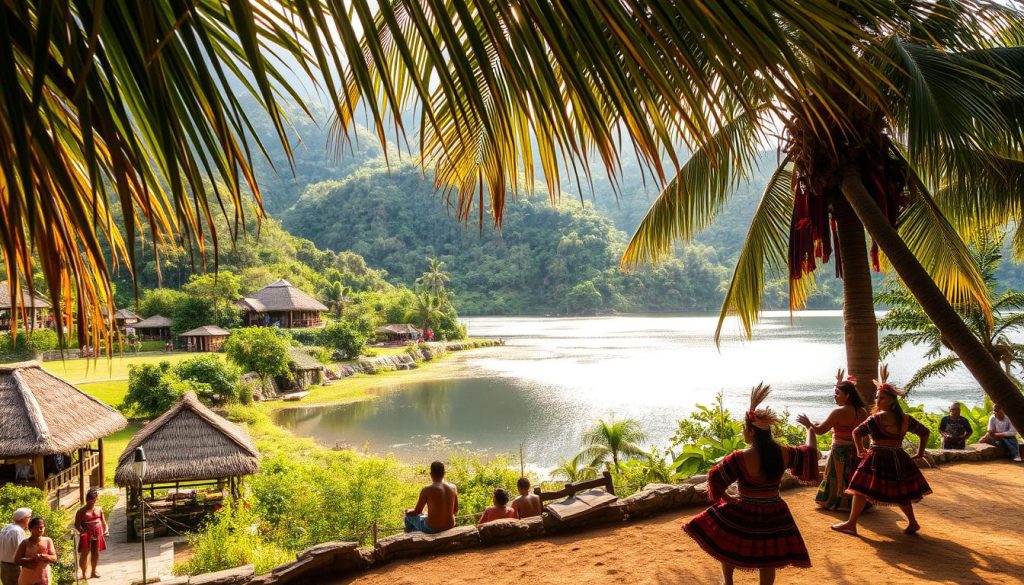
Some top cultural immersion experiences in Tayrona National Park include:
- Private car transportation and bilingual guides
- Opportunities to participate in ancient rituals and traditional crafts
- Visits to scenic beaches and sacred sites
- Cultural sensitivity and respect for the indigenous community
Choosing cultural immersion tours in Tayrona National Park supports sustainable tourism. It also helps with environmental conservation. Plus, you’ll get a unique and enriching experience.
Traditional Arts and Crafts of Santa Marta’s Indigenous Peoples
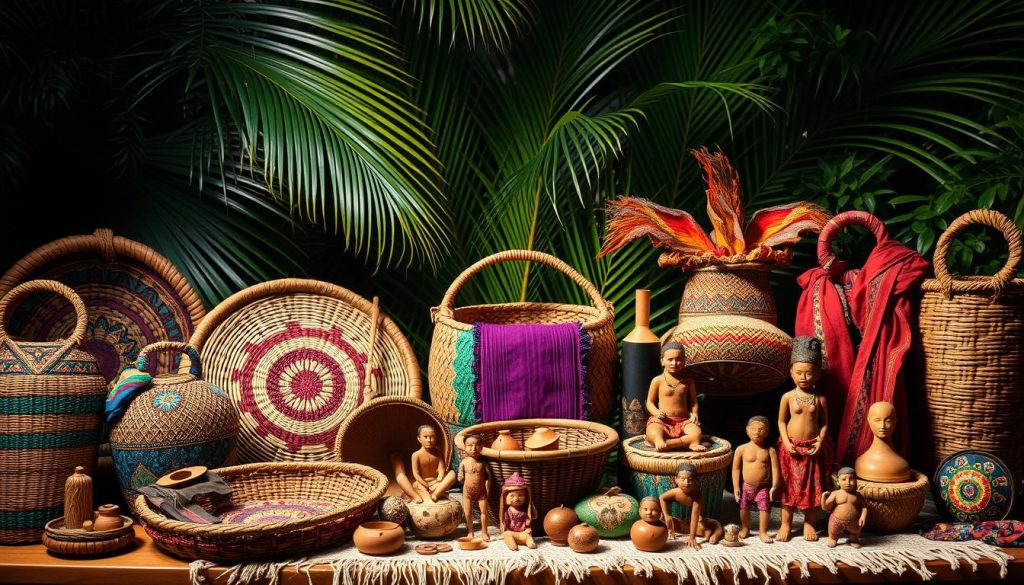
The indigenous peoples of Santa Marta have a rich tradition of traditional arts and crafts. They make textiles, pottery, and woodcarvings. These items are not just beautiful but also carry stories of their history and beliefs.
Some of the notable traditional arts and crafts of Santa Marta’s indigenous peoples include:
- Textiles: The indigenous peoples of Santa Marta are known for their vibrant and colorful textiles, which are made using traditional techniques and materials.
- Pottery: The pottery made by the indigenous peoples of Santa Marta is not only functional but also decorative, with intricate designs and patterns.
- Woodcarvings: The woodcarvings made by the indigenous peoples of Santa Marta are highly prized for their beauty and craftsmanship.
These traditional arts and crafts are a big part of the cultural significance of Santa Marta’s indigenous peoples. They are highly valued by the communities. By supporting these traditional arts and crafts, visitors can help preserve the cultural significance of the region and promote the traditional arts and crafts of the indigenous peoples.
Sacred Ceremonies and Spiritual Practices
The indigenous communities of Santa Marta have a rich spiritual tradition. They include sacred ceremonies and spiritual practices. These are key parts of their daily lives, helping to heal, balance, and bring harmony to the community.
They use traditional healing methods like medicinal plants, rituals, and ceremonies. These methods help purify and balance the body and mind. They are passed down through generations, keeping their cultural heritage alive.
Visitors can join in these sacred ceremonies and spiritual practices. But, they must respect the indigenous culture. This means learning about the ceremonies’ significance and following rules, like dressing modestly and not taking photos during the ceremony.
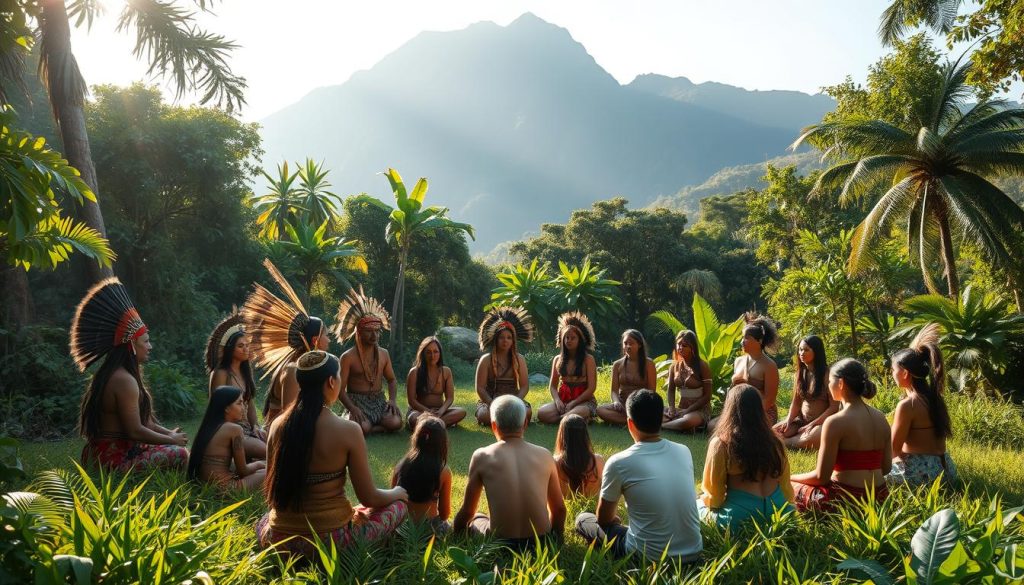
By taking part in these spiritual practices and traditional healing methods, visitors can understand the indigenous culture better. They can also experience the beauty and richness of their sacred ceremonies.
Indigenous Cuisine and Food Traditions
Exploring Santa Marta reveals a rich indigenous cuisine that shows the area’s cultural heritage. Traditional dishes and cooking methods highlight the region’s history and cultural mix. The food traditions are deeply rooted in the community, with many dishes passed down through generations.
The cultural significance of indigenous cuisine is clear in its use of local ingredients and traditional cooking. For instance, green bananas are a key ingredient, brought by African communities. Tropical fruits like soursop, mango, and papaya are used in desserts and fruit juices.
Popular dishes in Santa Marta include the arepa de huevo, a nearly 200-year-old tradition. There’s also a seafood casserole with over 7 marine species. The region is famous for its high-quality coffee, known for its unique flavor and aroma.
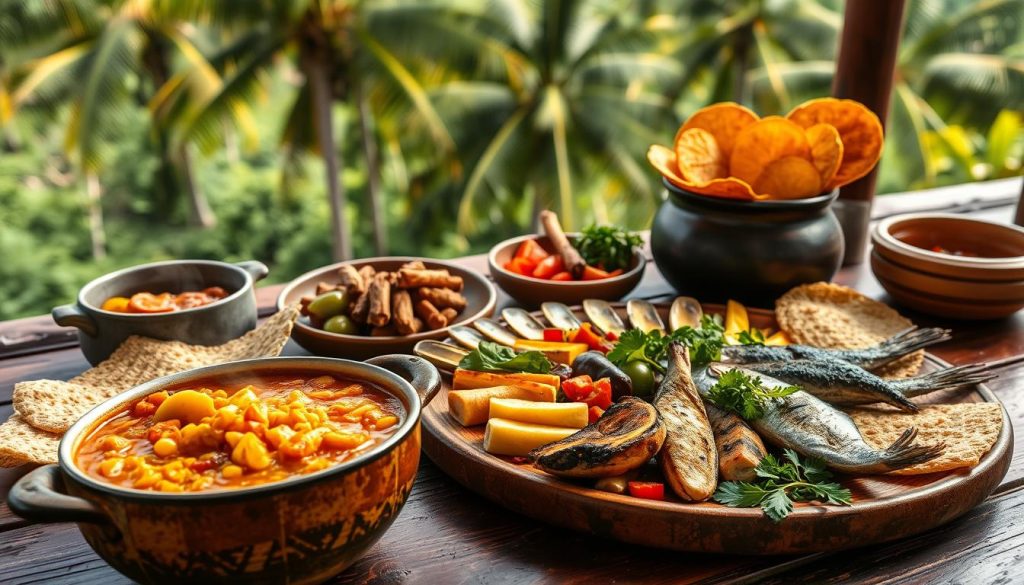
To truly taste Santa Marta’s flavors, consider a guided tour with traditional lunch and cultural activities. You can visit Kogi ceremonial sites and watch Arhuaco weaving. This will help you understand the indigenous cuisine and food traditions better, along with the cultural significance of the region’s culinary practices.
Responsible Cultural Tourism Guidelines
Exploring Santa Marta’s indigenous communities is a special experience. It’s important to practice responsible cultural tourism. This means being mindful of cultural etiquette, respecting photography rules, and supporting local communities. Doing so will give you a real experience and help preserve their traditions.
When you meet indigenous communities, knowing cultural etiquette is key. This includes respecting sacred places, asking before taking photos, and not being too loud. You can also help by buying local crafts, trying their food, and joining tours that support responsible tourism.
Embracing Cultural Sensitivity
Being culturally sensitive is crucial when visiting indigenous communities. It means respecting their customs, traditions, and beliefs. This way, you can truly connect with their culture and have a deeper experience. Responsible cultural tourism is more than just visiting; it’s about being a respectful guest and helping the local economy.
Supporting Local Communities
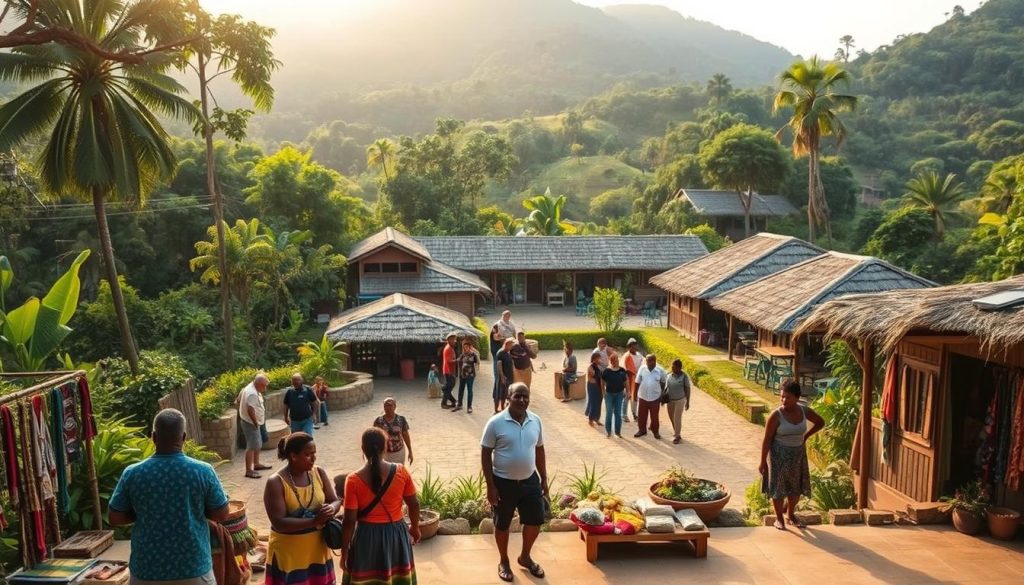
Supporting local communities is a big part of responsible cultural tourism. You can do this by shopping at local stores, buying traditional crafts, and joining community-based tours. This helps keep their culture alive and supports sustainable tourism. Always follow photography protocols and respect their privacy.
By choosing responsible cultural tourism, you’ll have a more genuine and meaningful visit. Always respect cultural etiquette and support local communities. This way, you’ll be a responsible cultural tourist and help preserve Santa Marta’s rich heritage.
Preservation Efforts and Sustainable Tourism
When planning a trip to Santa Marta, it’s key to know about preservation efforts and sustainable tourism. The Colombian Ministry of Commerce, Industry and Tourism is putting about $650 million into sustainable tourism. They aim to boost the local economy and protect the environment.
The city boasts two national natural parks: Sierra Nevada and Tayrona. These parks are vital for environmental protection. Yet, the area has lost over 80% of its forests in 30 years. In 2022, a plan was made to grow the national park by nearly 20% in 2023.
Projects like the Buritaca Valley Conservation Corridor are underway. They aim to link the Lost City Conservation Area with Sierra Nevada de Santa Marta National Park. Also, over 80 indigenous eco-guards are being trained for long-range patrols with advanced systems.
These preservation efforts are vital for the area’s environmental protection and the well-being of indigenous communities. As a visitor, you can help by supporting local businesses and caring for the environment. This way, you’ll aid in preserving the cultural heritage and traditional practices of indigenous communities. You’ll also help protect the environment for generations to come.
Planning Your Cultural Experience
Getting ready for your cultural adventure in Santa Marta is key. It makes sure you have a meaningful and respectful time. You also help the local economy and protect the environment. Colombia, with its 87 native tribes, is a great place to dive into different cultures.
Think about when to go and what to bring. The dry season, from December to March, is perfect for hiking. Wear comfy clothes and sturdy shoes. Also, respect the traditions of the places you visit.
Choosing the right tour operators is vital. Look for ones that work with local tribes and support green tourism. Wiwa Tours, for example, offers tours and treks. They also help keep indigenous cultures and nature alive.
Some important things to think about include:
- Researching the best times to visit and the activities you want to do
- Choosing a reputable tour operator that supports local communities
- Packing appropriate clothing and gear for your activities
- Being respectful of cultural and spiritual practices
By planning well, you can have a trip that’s both memorable and beneficial. You’ll make a positive difference and learn a lot about Santa Marta’s rich culture.
Conclusion: Embracing and Respecting Indigenous Heritage
The indigenous heritage of Santa Marta is a treasure that needs our respect and care. The indigenous communities like the Kogui, Arhuaco, and Wayuu have kept their cultural significance alive for centuries. They have preserved ancient traditions and wisdom in the region’s beautiful nature.
By exploring these indigenous heritage experiences, you can learn and appreciate the spiritual bond these communities have with the land. You can support local economies and help protect this important part of Colombia’s culture through activities like guided tours and traditional craft workshops.
When planning your visit, follow responsible tourism practices. This means reducing your environmental impact and respecting the privacy and traditions of the indigenous people. With thoughtful actions, you can help keep these sacred places alive for future generations.