
Explore the Best Johannesburg Nature Reserves
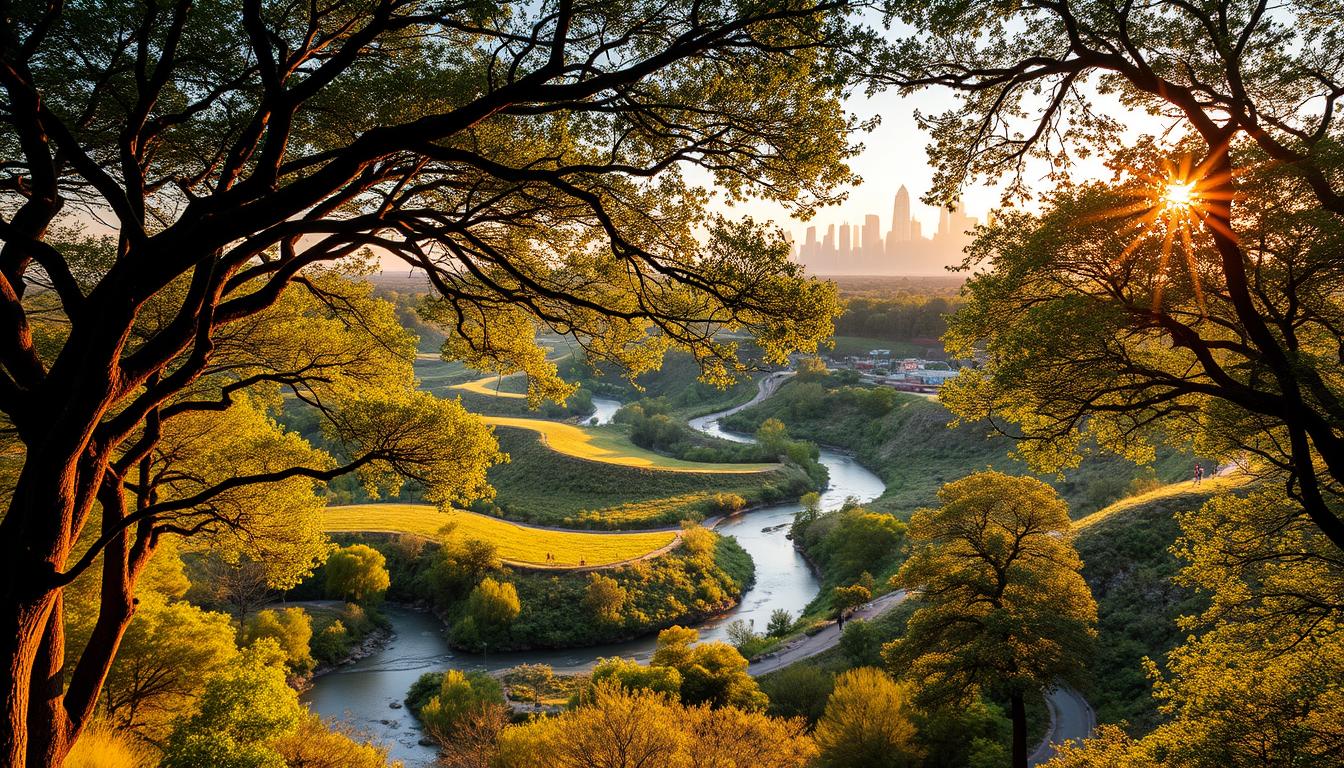
Can a busy city also be a haven for wildlife lovers? You’re about to find out how Johannesburg’s green spaces mix city life with nature.
Johannesburg is surprisingly green, with over 10 million trees. It’s a city full of eco-tourism destinations. As you explore, you’ll see the variety of ecosystems and learn about conservation.
When you visit the top Johannesburg nature reserves, you’ll see wildlife in a stunning setting. Get ready to explore this lively city’s hidden spots.
The Natural Oases Within South Africa’s Largest City
In Johannesburg, a big city, you can find peaceful spots away from the hustle and bustle. These green areas show the city’s dedication to nature and are home to many animals.
The Contrast Between Urban Johannesburg and Its Green Spaces
Johannesburg’s city life and its natural spots are quite different. The city buzzes with culture and business, but its nature reserves offer calm. You can walk for hours in some, seeing eagles, antelope, and more.

The Ecological Importance of Johannesburg’s Natural Areas
These green spots in Johannesburg are key for the city’s health. They support many animals and plants, including birds and small mammals. They help keep the area’s natural beauty alive for everyone to enjoy.
Visiting these nature reserves lets you see Johannesburg’s amazing wildlife. Whether you love nature or just need a break, these spots are worth seeing.
The Best Johannesburg Nature Reserves at a Glance
The top nature reserves in Johannesburg mix wildlife, conservation, and beauty. These spots are safe havens for local animals. They also let people enjoy the outdoors.
The Diversity of Ecosystems in and Around Johannesburg
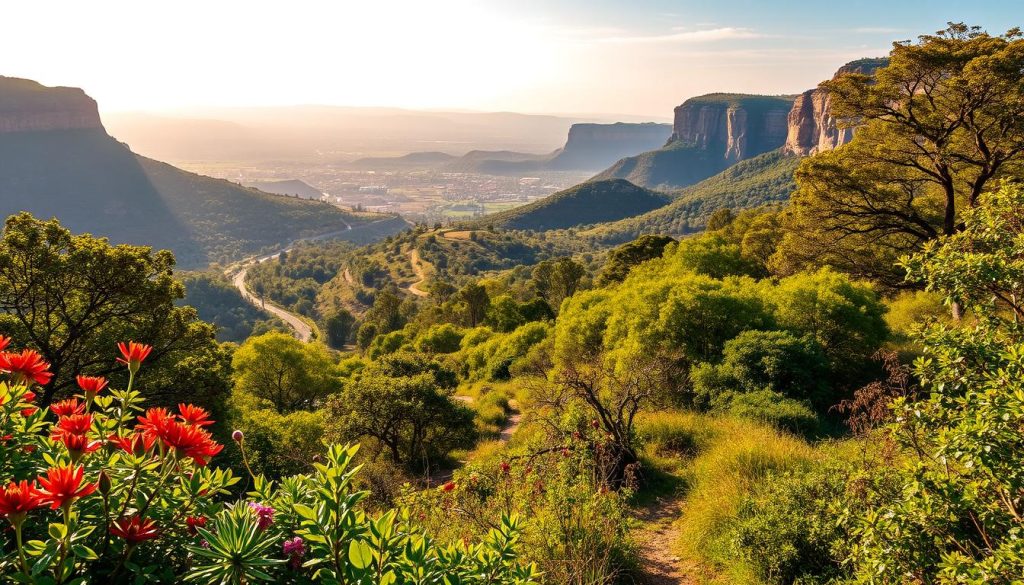
Johannesburg’s nature reserves have different ecosystems. For example, the Klipriviersberg Nature Reserve is the city’s biggest. It spans 700 hectares with grasslands and rocky areas.
Conservation Status and Management
The health of Johannesburg’s nature reserves varies. Some face problems like habitat loss and invasive species. But, there are plans to protect the wildlife and their homes.
Accessibility for International Visitors
It’s easy for visitors from abroad to explore Johannesburg’s nature reserves. Many offer tours and have places to eat and rest. Here’s what you can look forward to:
| Nature Reserve | Size (hectares) | Guided Tours |
|---|---|---|
| Klipriviersberg | 700 | Yes |
| Walter Sisulu National Botanical Garden | 300 | Yes |
| Melville Koppies | 200 | Yes |
Visiting these reserves lets you see Johannesburg’s natural beauty. Whether you love animals, want to help protect them, or just enjoy nature, there’s something for you.
Walter Sisulu National Botanical Garden
The Walter Sisulu National Botanical Garden is a treasure in Johannesburg. It’s perfect for those who love nature and want to see the city’s natural side. The garden is a paradise for plant lovers and a home for many animals.
Unique Features and Landscape
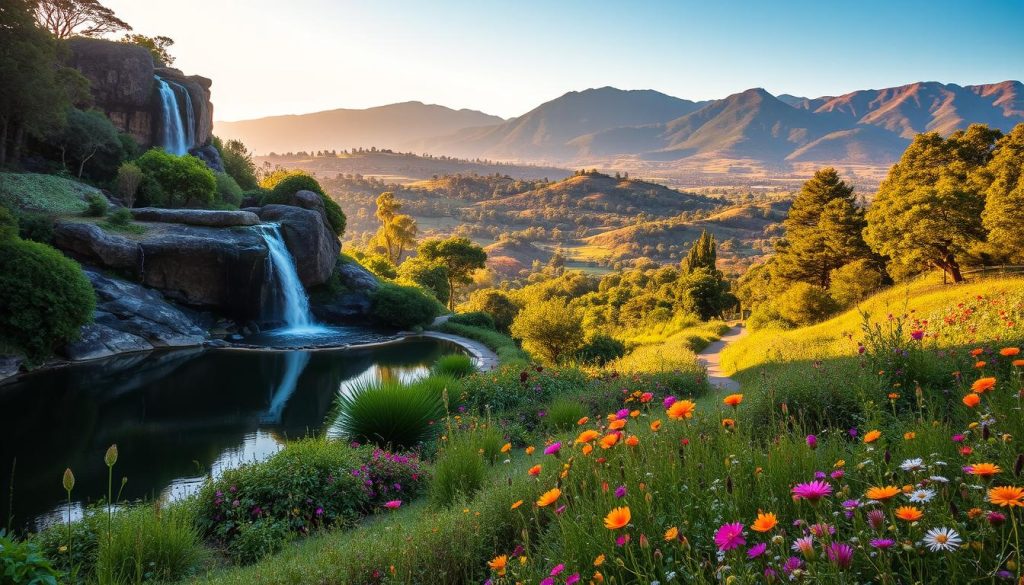
The garden is full of different plants and animals, against a stunning landscape. The Witpoortjie waterfall is a highlight. It’s beautiful and helps a family of Verreaux’s eagles thrive.
The Famous Breeding Pair of Verreaux’s Eagles
The garden is famous for its Verreaux’s eagles. These rare birds can be seen in their natural home. It’s an exciting experience for wildlife lovers.
Visitor Facilities and Trails
The garden has great trails for visitors. There’s a 2-hour trail along the Roodekrans Ridge. It lets you see the garden’s beauty and learn about its history.
| Trail Name | Duration | Features |
|---|---|---|
| Roodekrans Ridge Trail | 2 hours | Geological formations, diverse flora |
| Witpoortjie Waterfall Trail | 1 hour | Scenic views, Verreaux’s eagles habitat |
Whether you love nature, birds, or just need a break, the Walter Sisulu National Botanical Garden is special. It offers a unique and enriching experience.
Klipriviersberg Nature Reserve
The Klipriviersberg Nature Reserve covers 680 hectares in southern Johannesburg. It’s a peaceful escape from city life. As South Africa’s largest proclaimed nature reserve within a city, it combines natural beauty with historical importance.
South Africa’s Largest Proclaimed Nature Reserve Within a City
The reserve spans about 680 hectares. It’s a key conservation area and a biodiversity hotspot. It’s perfect for nature lovers, with a wide range of plants and animals.
Hiking Trails and Viewpoints
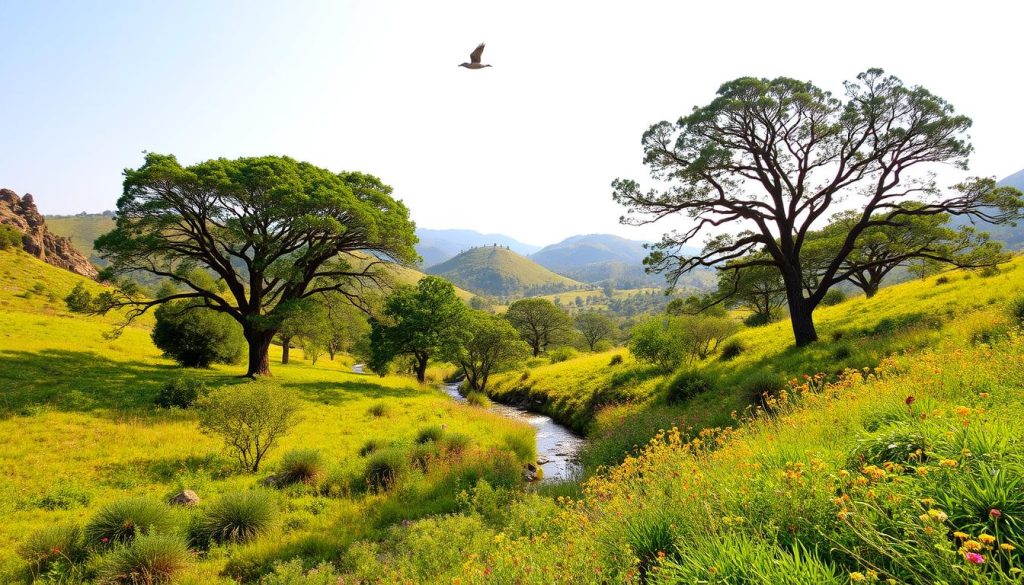
The reserve has many hiking trails for all fitness levels. These trails offer stunning views of the landscape. While hiking, you can see wildlife and enjoy the calm surroundings.
Historical Significance and Archaeological Sites
The reserve is also rich in history, with archaeological sites. These sites reveal the area’s past. Visitors can explore and learn about the cultural heritage.
The Klipriviersberg Nature Reserve is ideal for those interested in nature, history, or a quiet retreat. It’s a top spot among Johannesburg’s best nature reserves. Its mix of natural and historical attractions makes it a memorable visit.
Melville Koppies Nature Reserve
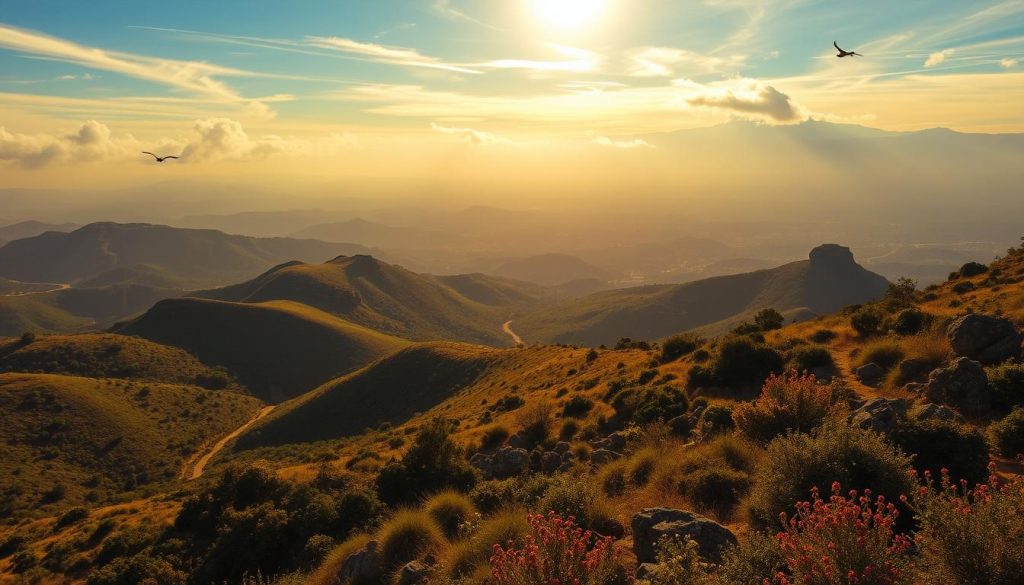
Melville Koppies Nature Reserve is just 5km from Johannesburg’s city center. It’s a peaceful place to escape the city. This reserve shows off the area’s rich history and natural beauty.
Geological and Archaeological Importance
Melville Koppies is famous for its unique rocks and ancient sites. These sites tell us about the lives of early people. The reserve’s koppies are beautiful and hold deep cultural and historical value.
Key Archaeological Findings:
- Evidence of early Stone Age tools
- Rock art and engravings
- Remnants of ancient settlements
Indigenous Plant Life
The reserve has many rare plants due to urban growth. You can see different plants like grasslands and rocky areas. These areas support a wide variety of plants.
Some of the notable plant species include:
| Plant Species | Description |
|---|---|
| Grass Species | Diverse range of grasses native to the region |
| Succulents | Various succulent species adapted to the local climate |
Guided Tours and Educational Programs
Melville Koppies offers guided tours and educational programs. These help visitors learn about the reserve’s natural and cultural history. They also teach the importance of conservation.
“Guided tours at Melville Koppies provide a unique opportunity to explore the reserve’s hidden gems and learn about its rich history and biodiversity.” – Reserve Guide
Visiting Melville Koppies Nature Reserve helps conservation. It supports the preservation of Johannesburg’s natural heritage.
Rietfontein Nature Reserve
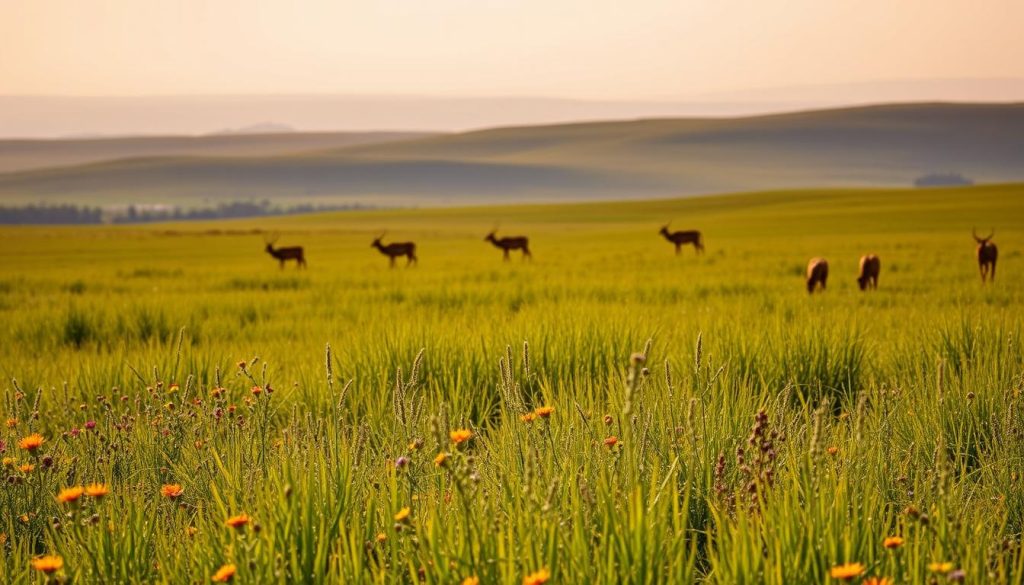
Rietfontein is a top nature reserve in Johannesburg, full of biodiversity and beauty. It covers 25 hectares and is a favorite spot for birds and birdwatchers. It offers a calm break from the city’s busy life.
Grassland Ecosystem and Wetlands
The reserve has lush grasslands and wetlands, making it a special place for plants and animals. Its varied landscape supports many plant species, mostly native to the area.
Bird Watching Opportunities
Rietfontein is famous for its bird watching. Its wetlands and grasslands draw many bird species. Bird lovers can see a variety of birds, from waterbirds to raptors.
Conservation Efforts and Rehabilitation
The reserve is dedicated to conservation and rehab. It works hard to protect and fix its natural habitats. This includes fighting invasive species and fixing damaged areas.
| Feature | Description | Benefit |
|---|---|---|
| Grassland Ecosystem | Diverse landscape with indigenous flora | Supports a wide range of wildlife |
| Bird Watching | Variety of bird species | Attracts bird enthusiasts and nature lovers |
| Conservation Efforts | Protection and restoration of habitats | Ensures long-term sustainability of ecosystems |
Visiting Rietfontein Nature Reserve is a wonderful way to see Johannesburg’s wildlife sanctuaries and conservation areas. It’s perfect for both seasoned naturalists and those seeking a peaceful spot.
Wildlife Encounters in Johannesburg’s Green Spaces
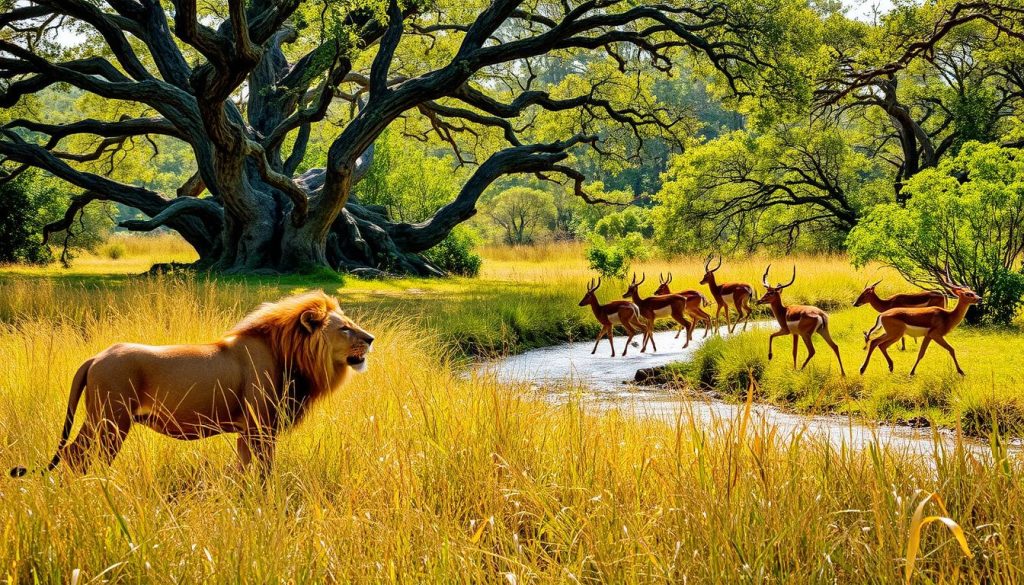
Johannesburg’s green spaces are full of wildlife, offering exciting encounters. The city’s nature reserves are home to many animals. You can see zebra, red hartebeest, genets, and Cape clawless otter.
Common and Rare Animal Species
While exploring these reserves, you’ll see many animals. Some common ones are:
- Zebra
- Red hartebeest
- Genets
- Cape clawless otter
These animals add to the rich biodiversity in Johannesburg nature reserves.
Bird Watching Hotspots
Johannesburg’s nature reserves are great for bird watching. They attract many bird species. This makes them perfect for bird lovers.
“The city’s nature reserves offer a haven for bird watchers, with numerous species to spot.”
Best Times for Wildlife Viewing
The best times to see wildlife are early morning and late afternoon. This is when they are most active.
Photography Tips for Wildlife Spotting
Here are some tips for wildlife photography:
| Tip | Description |
|---|---|
| Use a telephoto lens | To capture images from a distance without disturbing the animals. |
| Be patient | Wait for the right moment to take the perfect shot. |
| Respect wildlife | Maintain a safe distance and avoid disrupting their natural behavior. |
By following these tips, you can have a great time exploring nature in Johannesburg.
Day Trips to Nature Reserves Near Johannesburg
Looking for a quick getaway from Johannesburg? Several nature reserves are just a few hours away. They offer a variety of activities and stunning landscapes, perfect for a day trip.
The Lion & Safari Park
The Lion & Safari Park is a top choice for wildlife enthusiasts. You can drive through the park or join a guided tour. See lions, giraffes, and more up close.
Cradle of Humankind World Heritage Site
The Cradle of Humankind is more than a nature reserve. It’s a site of great historical importance. Explore the Sterkfontein Caves and the Maropeng Visitor Centre to learn about human evolution.
Suikerbosrand Nature Reserve
Suikerbosrand Nature Reserve is perfect for outdoor lovers. It has hiking trails, picnic spots, and beautiful views. Discover the diverse flora and fauna of the area.
Dinokeng Game Reserve
Dinokeng Game Reserve is famous for its Big Five game viewing. Take a guided safari to see lions, elephants, and other wildlife in their natural home.
| Nature Reserve | Key Activities | Distance from Johannesburg |
|---|---|---|
| The Lion & Safari Park | Lion and giraffe viewing, guided tours | 60 km, approximately 1 hour |
| Cradle of Humankind | Exploring Sterkfontein Caves, Maropeng Visitor Centre | 50 km, approximately 1 hour |
| Suikerbosrand Nature Reserve | Hiking, picnicking, wildlife viewing | 70 km, approximately 1.5 hours |
| Dinokeng Game Reserve | Guided safaris, Big Five game viewing | 120 km, approximately 2.5 hours |
Practical Information for Visiting Johannesburg Nature Reserves
Visiting Johannesburg’s nature reserves can be a great experience. Here are some tips to make your visit smooth and fun. Knowing the best times to go, understanding costs, and staying safe are key.
Best Seasons and Weather Considerations
The reserves are open all year, but the dry season is best. This is from May to September. During this time, animals are more visible at waterholes.
Entrance Fees and Opening Hours
Fees for entry vary by reserve. Hours start early, usually in the morning. Always check the reserve’s website for the latest info.
Safety Tips and Regulations
It’s wise to be careful in nature reserves. But, the risk of mugging is low. Just stay on paths and open areas.
Transportation Options and Guided Tours
Guided tours are a great way to see the area. Some reserves let you drive through in your car. Always follow the rules and signs.
Conclusion: Embracing Johannesburg’s Natural Heritage
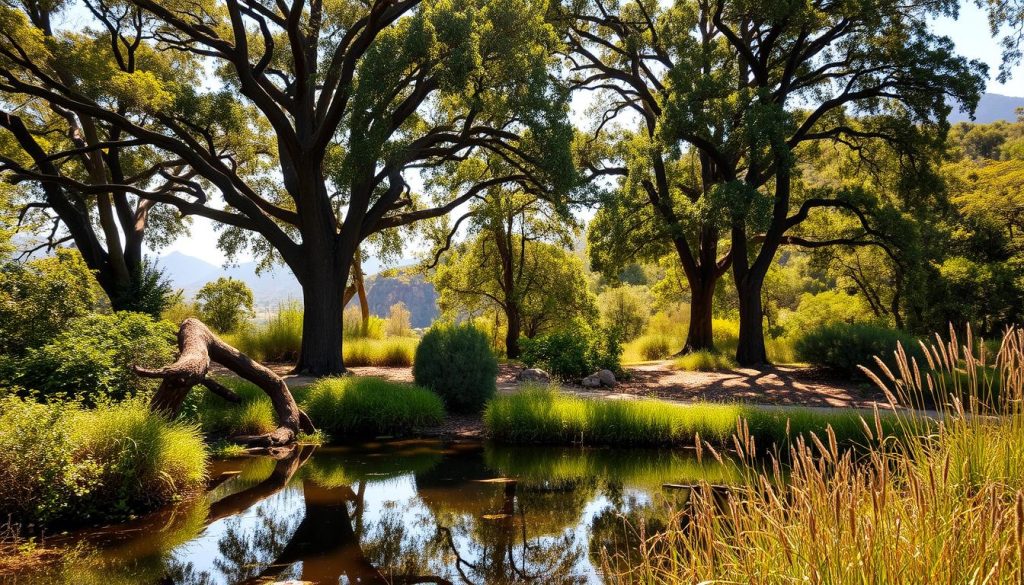
Exploring Johannesburg’s nature reserves reveals peaceful spots for relaxation and fun. These places are perfect for picnics and walks. They offer a mix of nature and activities, ideal for those who love the outdoors.
The nature reserves in Johannesburg are more than just green spaces. They play a key role in keeping the city’s biodiversity alive. By visiting, you help support conservation and keep the area’s beauty intact.
Whether you live here or are just visiting, Johannesburg’s natural beauty is something to see. Places like the Walter Sisulu National Botanical Garden and the Klipriviersberg Nature Reserve show the city’s ecological value. Each spot offers a unique view of the city’s natural side.
Step into Johannesburg’s outdoors and enjoy the calm and beauty of its nature reserves. It’s a chance to connect with nature and make memories in these amazing places.





