Explore Sur Dhow Boat Building Workshops
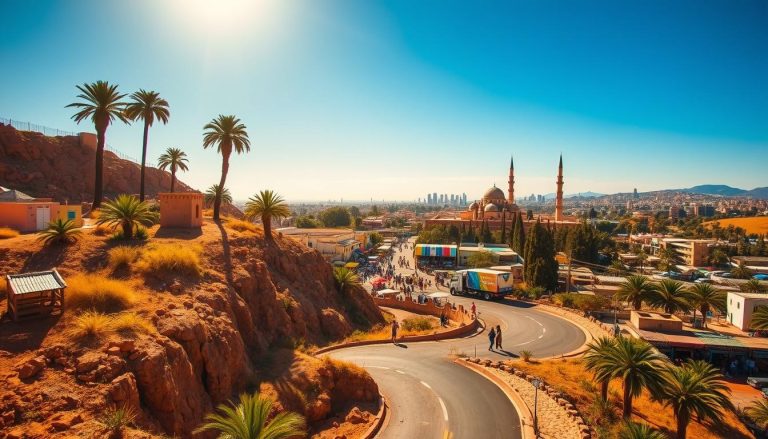
Have you ever wondered how old maritime traditions still live on today? Sur, a city on the Gulf of Oman, is a shining example. It’s famous for its Sur dhow boat building workshops. Here, you can dive into the ancient art of wooden boat making.
Artisans use old methods to build beautiful dhows. You’ll see how each dhow is made from strong teak or acacia logs. There are about 60 different types of dhows, from small to large ships. Each one is a masterpiece of craftsmanship.
At these workshops, you can see how dhows are built by hand. It takes 3 to 6 months, depending on the size. The last dhow yard in Oman is in Sur. It’s a chance to see how these amazing boats are made, piece by piece.
As you explore, you’ll learn about the dhows’ role in trade history. You’ll also see how they’ve shaped Oman’s maritime culture.
The Historical Significance of Dhow Building in Sur
The maritime history of Sur is closely tied to dhows. These boats have been around since the sixth century. They connected the Arabian Peninsula with East Africa. Learning about origins of dhow construction shows how this craft shaped the region’s culture and economy.
Origins of Dhow Construction
The origins of dhow construction in Sur show a long maritime tradition. Shipbuilding in Oman started with vessels for trade across the Arabian Sea. By the sixth century, Sur became a key hub for dhow building.
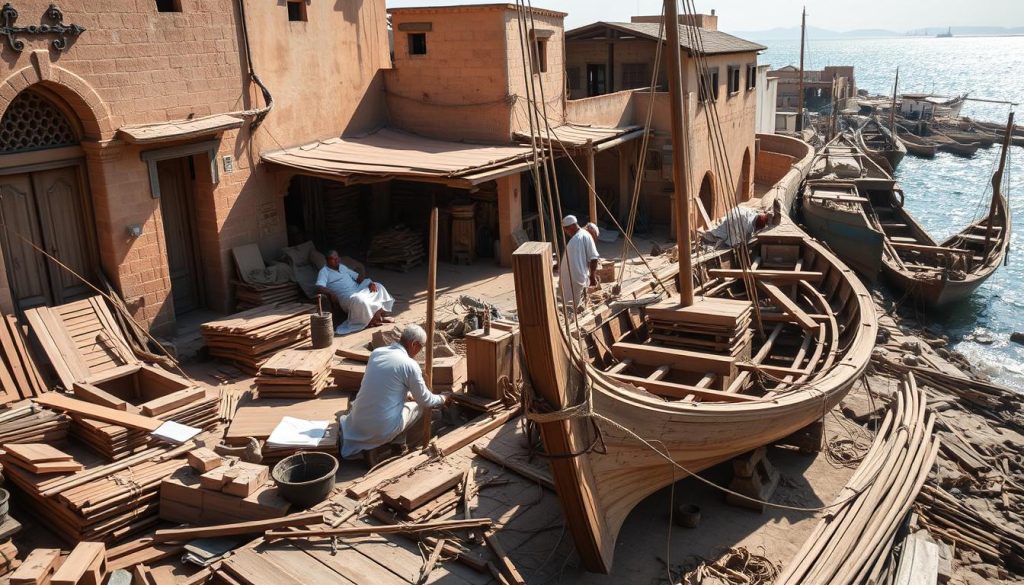
Today, only one workshop in Sur still builds dhows. It has been operational since 1730. This workshop is a reminder of Sur’s rich craft heritage.
Sur’s Role in Trade and Navigation
Sur was crucial in trade and navigation history. It was known for dhow building and maritime trade. Dhows carried goods like spices and ivory to India and China.
Even though Sur’s trade has declined since the Suez Canal, its importance remains. Now, the last dhow workshop mainly serves tourism. It shows a move from old trade routes to new demands, while keeping the craft alive.
| Aspect | Historical Context | Current Status |
|---|---|---|
| Dhow Workshops in Oman | Over ten operational | Only one remains in Sur |
| Time of Operation | Founded in 1730 | Open daily, 7:00 AM – 5:30 PM |
| Production Capacity | Multiple boats annually | Approximately two boats per year |
| Purpose of Dhows | Facilitated trade | Primarily for tourism |
| Cultural Heritage | Integral to Oman’s maritime legacy | Efforts to sustain traditional practices |
Understanding the Craft: Traditional Boat Construction Techniques
Exploring traditional boat construction shows the deep heritage of dhow building. This craft uses special materials in dhow building and techniques passed down through generations. Each boat is made to last and look beautiful.
Materials Used in Dhow Building
Many materials are key in building traditional boats. Teak wood is often used because it lasts a long time. Coconut palm wood is also popular for its strength and flexibility.
Craftsmen carefully pick the wood to handle the Arabian Sea’s waves. Here’s a quick look at the main materials:
| Material | Characteristics |
|---|---|
| Teak Wood | Durable and resistant to water damage |
| Coconut Palm Wood | Strong and flexible, suitable for various boat components |
| Ghaff Wood | Local availability and excellent buoyancy |
Cultural Significance of Traditional Tools
The significance of boat building tools goes beyond their use. Tools like adzes and chisels are symbols of the art. They connect us to Oman’s maritime history.
The tools show the skills passed down through generations. Omani culture shines in the designs on the boats. These designs show the artisans’ love for their craft and heritage.
Sur Dhow Boat Building Workshops
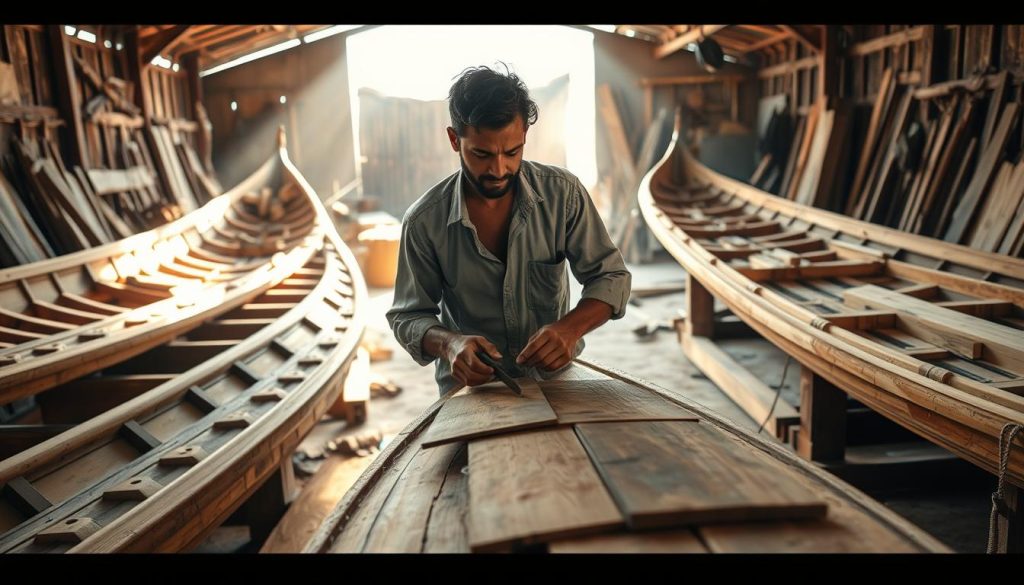
Visiting the Sur dhow boat building workshops is a deep dive into Oman’s rich maritime history. Here, you get to see the traditional craft of dhow construction up close. You’ll learn the detailed methods and materials used in these timeless ships.
Hands-on Experiences for Visitors
The workshops in Sur are for everyone, from beginners to experts. You’ll discover the many dhow designs, over 60, each with its own name and purpose. You’ll get to shape wood, learn about joints, and help make small models. This hands-on learning deepens your respect for the skill in making these iconic ships.
Learning from Master Shipbuilders
Working with master shipbuilders in Sur is a special experience. They share their knowledge and skills, passed down through generations. You’ll see their techniques and get guidance as you help build. This unique experience gives you a deep look into Oman’s maritime legacy.
The Dhow Yard Experience: Observation and Engagement
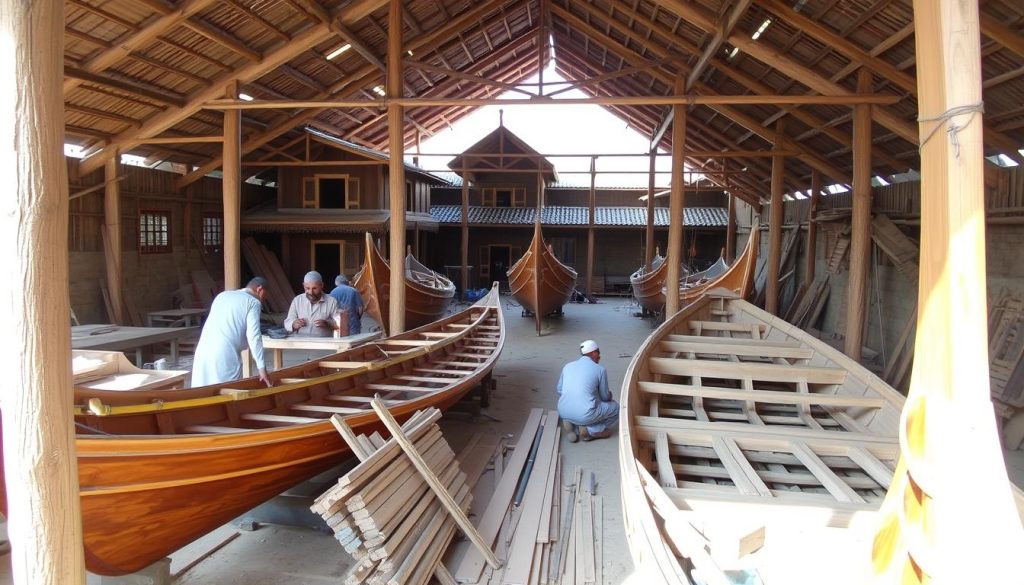
The dhow yard experience lets you see the detailed work in traditional dhow boat building. You get to watch skilled artisans use old techniques passed down through generations. By joining guided tours in Sur, you learn about this amazing maritime tradition.
Guided Tours of the Dhow Yards
On guided tours in Sur, you’ll see the lively dhows being built. Guides will tell you about the materials and methods used, highlighting Sur’s role in maritime history. You’ll see different parts of the construction, from starting with wood to adding the final touches.
Interactive Demonstrations of Construction Techniques
The interactive dhow building demos make your visit more hands-on. You can try activities like shaping wood and learning jointing techniques. Working with master craftsmen deepens your respect for this traditional craft and connects you to Oman’s maritime heritage.
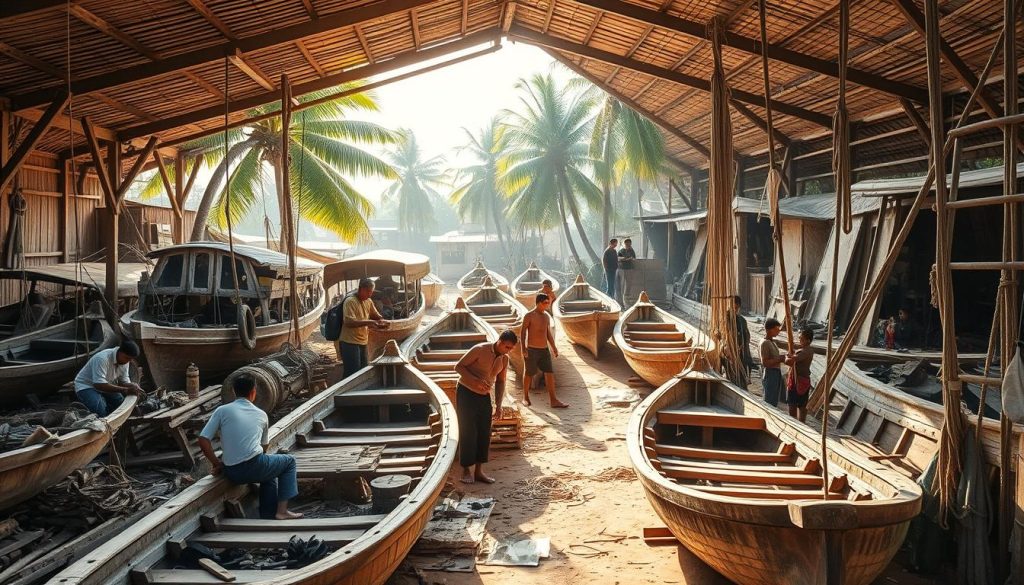
Artisanal Boat Building: Preserving an Important Craft
The art of building boats is more than a job; it’s a tradition cherished for centuries. In Sur, Oman, this craft thrives as artisans keep alive techniques from their ancestors. These skilled workers are key in keeping the ancient art of dhow building alive today.
Mastery Passed Down Through Generations
The shipbuilding tradition in Sur has a history of over 500 years. The Al-Erimy family has been building ships for over 300 years. They show the commitment and skill needed to keep this craft true to its roots.
Building a small ship takes six to eight months. Larger ones can take a year or more. This shows the care and detail that goes into each boat.
The Importance of Skilled Labor in Dhow Creation
About 80% of ship building is done by hand. Small machines help with the rest. Artisans now meet the needs of many, from local fishermen to tourists.
As Sur attracts more visitors, its shipyards become a key part of its history. They connect the past with today’s world.

Traditional vs. Modern Methods in Dhow Construction
Dhow construction has changed a lot over time. This change comes from new technologies and different market needs. The debate between traditional and modern dhow building is interesting for both artisans and boat lovers. New tech can make building faster but might lose the old craftsmanship that’s so important.
Integration of New Technologies
New tech is changing how dhows are built. Tools like CAD systems and laser-cutting are now used. They help make designs better and build faster. But, many still stick to old ways because they value the cultural and skillful aspects.
Challenges Faced by Traditional Builders
Traditional builders face big challenges as things modernize. Fewer people want dhows because newer boats are more popular. This makes it hard for them to keep their skills alive. They must find a way to keep their traditions while also using new tech to stay in business.
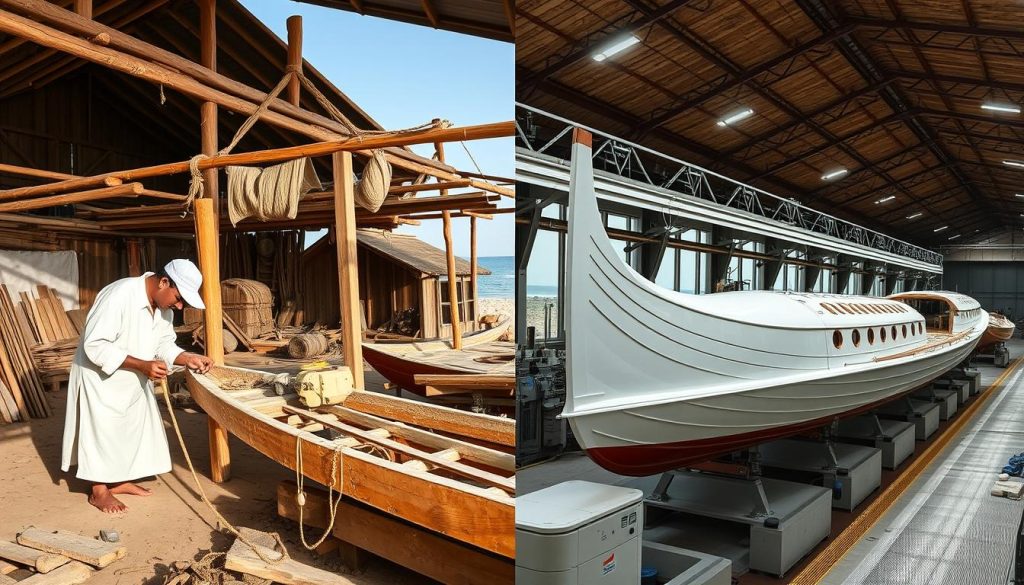
| Aspect | Traditional Dhow Construction | Modern Dhow Construction |
|---|---|---|
| Materials | Wood, natural fibers | Composite materials, engineered wood |
| Tools | Hand tools, traditional equipment | Power tools, laser cutters |
| Production Time | Longer, labor-intensive | Shorter, mechanized |
| Design | Classic, culturally significant | Innovative, customizable |
| Market Demand | Stable but declining | Growing for modern vessels |
The debate between old and new dhow building shows we need a mix of both. We must keep the skills and knowledge alive. This way, dhows can stay a big part of Oman’s sea history.
Unique Workshops and Classes on Dhow Carpentry
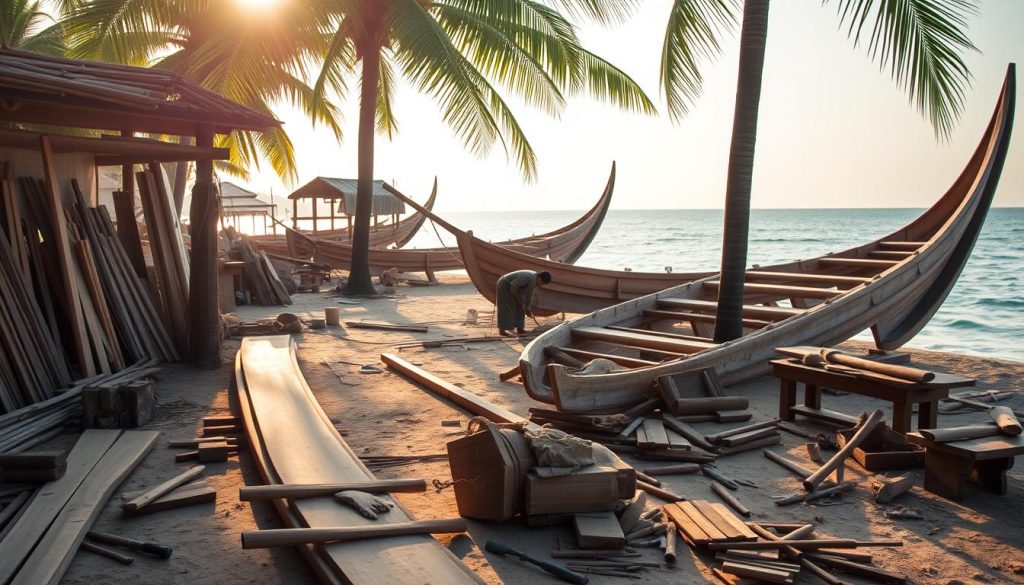
Joining dhow carpentry classes is a great way to learn about traditional boat building. These workshops are perfect for both hobbyists and serious learners. They offer a deep dive into this ancient craft.
Overview of Available Boat Building Classes
In Sur, the classes focus on old-school techniques and skills in wooden boat building. You’ll learn everything from picking the right wood to mastering joints. Key aspects of these classes include:
- Hands-on learning with skilled craftsmen
- Access to materials like teak and cedar
- Courses for all skill levels
- Learning about the cultural importance of Omani dhows
Skills Acquired in Hands-on Boat Building Sessions
You’ll gain skills in wooden boat building and learn more than just how to build. You’ll develop skills such as:
- Understanding traditional dhow construction methods
- Learning to use classic tools
- Creating a model dhow as a keepsake
- Appreciating dhows in Oman’s maritime history
| Course Element | Description | Duration |
|---|---|---|
| Introduction to Dhow Carpentry | Overview of tools and materials used in the craft | 1 Day |
| Intermediate Boat Building | Hands-on construction of a small dhow model | 1 Week |
| Advanced Techniques | A deep dive into complex design and joinery | 2 Weeks |
| Cultural Workshops | Exploration of the history and cultural relevance of dhows | Half Day |
Celebrating Oman’s Maritime Heritage
Oman’s maritime heritage is a key part of its identity. It’s shown through the cultural legacy of dhows. These traditional boats symbolize adventure and exploration.
They remind us of Oman’s long history at sea. This history has shaped trade and cultural exchange in the region for centuries. The craftsmanship of dhows shows the artistry and connection to Oman’s coastal communities.
The Cultural Legacy of Dhows
Understanding the cultural legacy of dhows is key to knowing Oman’s maritime power. These iconic ships have long been part of trade routes. They connected Oman with nations across the Indian Ocean, enriching its culture.
Institutions, museums, and exhibitions are working to preserve this heritage. They ensure the legacy of these vessels is shared with future generations and visitors worldwide.
Impact on Local Economy and Tourism
The economic impact of dhow tourism is huge. As interest in Oman’s maritime heritage grows, workshops and exhibitions play a big role. They help revitalize local economies, create jobs, and attract tourists.
Visitors come to see the craftsmanship of dhows. This boosts local businesses and helps people appreciate Oman’s traditions. It shows how heritage and modernity can work together today.