Explore Samaná’s Authentic Fishing Villages and Cultural Attractions
Thinking about visiting the Dominican Republic? You might wonder about Samaná’s secrets. This area has a rich history, dating back to the Taíno people, who were here before Columbus arrived in 1492. The name “Taíno” means “men of the good,” and their traditions still live on in El Valle.
El Valle is a small fishing community known for its tight-knit structure. Here, you can see traditional fishing techniques. It’s a place where the community holds onto its indigenous roots.
Exploring Samaná’s cultural attractions is a journey into its heart. It’s a place where preserving cultural heritage is key. With its natural beauty, like Samaná Bay, and delicious food, like Mofongo and Sancocho, it’s perfect for those wanting to dive deep into culture.
Visiting Samaná’s traditional fishing villages lets you see how locals live. You’ll see their connection to their indigenous heritage. It’s a chance to witness the Taíno identity thriving through cultural practices.
The Cultural Heritage of Samaná Peninsula
The Samaná Peninsula is a treasure trove of Dominican Republic cultural heritage. It has a rich history that spans centuries. As you explore, you’ll see the influence of the Taino people, European colonizers, and African slaves.
The peninsula’s culture is still alive today. Samaná traditional fishing communities keep their traditions alive. You can visit local villages to see artisans at work and buy their handicrafts at markets.
Historical Background of the Region
The Samaná Peninsula has a complex and fascinating history. Various cultures have shaped the region. From the Taino people’s ancient settlements to the colonial era’s architecture, it’s a living museum of Dominican Republic cultural heritage.
Influence of Different Cultures
The peninsula’s architecture, music, and art show the influence of different cultures. You can see African, European, and indigenous Taino influences in local handicrafts, cuisine, and festivals.
Modern Day Cultural Significance
Today, the Samaná Peninsula’s cultural heritage is key to its identity and attracts tourists. By experiencing the local culture, you’ll understand the region’s history and people. This helps preserve Samaná traditional fishing communities and their way of life.
| Cultural Attraction | Description |
|---|---|
| Los Haitises National Park | A protected area of lush tropical forests and mangrove swamps |
| El Limón Waterfall | A 120-foot waterfall surrounded by lush vegetation |
| Samaná Bay | A picturesque bay with a rich marine life and opportunities for whale watching |
Understanding Traditional Fishing Villages and Cultural Experiences in Samaná
Exploring the Samaná Peninsula reveals authentic Samaná cultural experiences. These experiences highlight the area’s rich heritage. The local fishing villages are a big part of this, with Samaná local fishing traditions being key to the community’s life and economy.
Visiting traditional fishing villages in Samaná lets you see the daily life of fishermen. You’ll learn about their fishing methods and practices. This helps you understand the value of Samaná local fishing traditions and how they shape the region’s culture.
Traditional fishing villages in Samaná offer many interesting aspects:
- Traditional fishing methods and practices
- Community-based tourism initiatives
- Local cuisine and culinary traditions
- Cultural festivals and celebrations
By diving into these authentic Samaná cultural experiences, you’ll develop a deep respect for the region’s history and traditions. It’s important to respect the local community and support sustainable tourism. This helps the environment and the local economy.
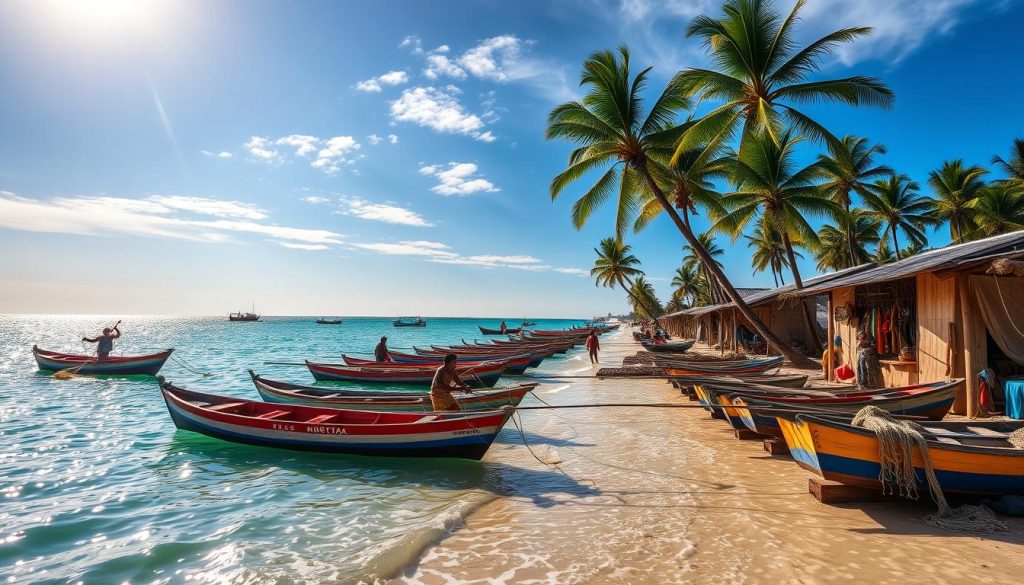
Exploring traditional fishing villages and cultural experiences in Samaná is a unique and enriching journey. It creates lasting memories of this incredible region.
| Aspect | Description |
|---|---|
| Traditional Fishing Methods | Local fishermen use traditional techniques and practices to catch a variety of fish and seafood. |
| Community-Based Tourism | Initiatives that support the local community and promote sustainable tourism practices. |
| Local Cuisine | Traditional dishes and culinary traditions that reflect the region’s cultural heritage. |
Las Galeras: A Pristine Fishing Community
Las Galeras is a beautiful fishing village in the Samaná province. It shows the beauty of traditional fishing villages and cultural experiences. The area has white sands and clear waters, perfect for eco-friendly tourism.
Daily life in Las Galeras revolves around fishing. Local fishermen provide fresh seafood to the community. Visitors can join in by trying local fishing methods and learning to prepare seafood. The village also has cultural attractions that highlight the sea’s importance.
Daily Life in Las Galeras
The village of Las Galeras is a tight-knit community. People live in harmony with nature. They are involved in eco-friendly projects like sustainable fishing and marine conservation. Visitors can help out and learn about protecting the area’s beauty.
Local Fishing Techniques
Local fishermen in Las Galeras use traditional methods like line and net fishing. They catch fish, lobster, and crab. Visitors can learn these techniques and go on fishing trips to catch their own seafood.
Where to Experience Authentic Village Life
Visitors can stay in local places like guesthouses and eco-lodges. These offer a peek into daily life. They also provide chances to join in local activities, like fishing and cooking.
- Fishing trips with local fishermen
- Seafood preparation and cooking classes
- Marine conservation efforts and sustainable fishing practices
- Visiting local markets and shops to purchase handmade products
| Activity | Description |
|---|---|
| Fishing Trips | Experience the thrill of catching your own seafood with local fishermen |
| Seafood Preparation | Learn how to prepare and cook fresh seafood with local chefs |
| Marine Conservation | Participate in marine conservation efforts and learn about sustainable fishing practices |
Los Pescadores: Heart of Maritime Traditions
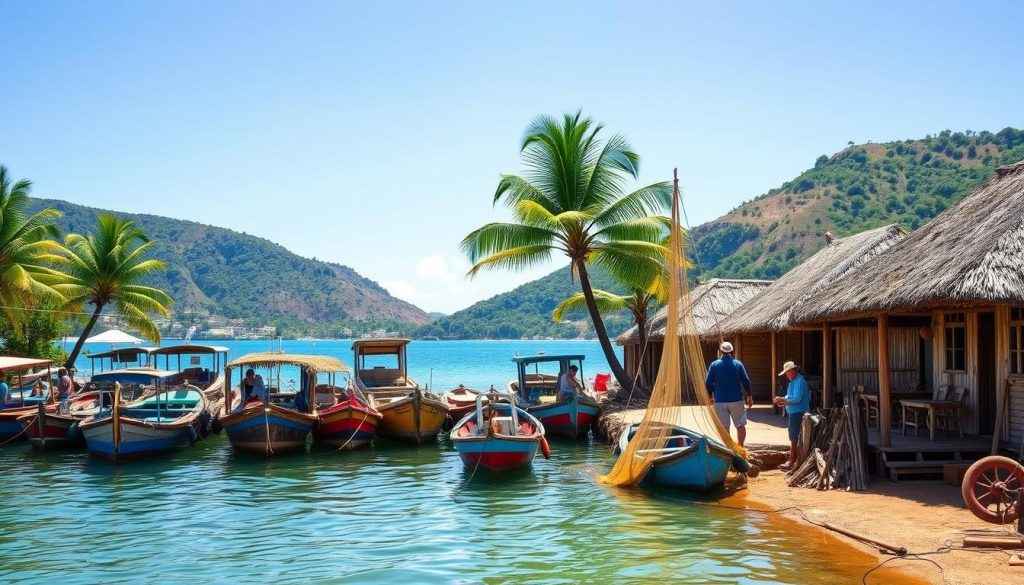
Exploring Samaná’s traditional fishing communities leads you to Los Pescadores. This town is in the Samaná Peninsula’s heart. It’s a place where you can truly Experience traditional Samaná lifestyle. Los Pescadores is known for its rich maritime history and natural beauty.
The town is alive with a fishing community. You can see fishermen unloading their catch at the market. Boat tours let you see the waters and life of the fishermen up close. Don’t miss trying the local seafood, like fresh lobster or grilled fish, at a local restaurant.
- Boat tours and fishing expeditions with local fishermen
- Shopping for local crafts and souvenirs
- Enjoying the vibrant nightlife with live music and dancing
The town’s calm beach and warm weather are perfect for relaxing and taking photos. Los Pescadores offers a mix of traditional fishing culture and modern comforts. It’s a top spot for anyone wanting to Experience traditional Samaná lifestyle.
Immersive Cultural Activities and Workshops
Exploring Samaná lets you dive into authentic Samaná cultural experiences. You can join immersive cultural activities and workshops. These experiences help you understand the local culture and way of life.
Some activities you can try include:
- Traditional cooking classes, where you can learn to prepare local dishes using fresh ingredients and traditional techniques.
- Artisanal craft demonstrations, where you can see local artisans at work and learn about their crafts.
- Music and dance experiences, where you can learn to dance the merengue or watch a traditional Dominican dance performance.
These activities support Samaná sustainable travel. They promote cultural exchange and help local communities. By joining, you’ll have a unique experience and help preserve Samaná’s culture.
With a focus on authentic Samaná cultural experiences and Samaná sustainable travel, your trip will be memorable. Whether you’re into cooking, crafts, or music and dance, Samaná has something for everyone.
| Activity | Duration | Price |
|---|---|---|
| Traditional cooking class | 3 hours | €50 |
| Artisanal craft demonstration | 2 hours | €30 |
| Music and dance experience | 4 hours | €70 |
Sustainable Tourism Practices in Samaná’s Villages
Exploring Samaná’s villages means thinking about how your visit affects the local environment and people. Eco-friendly tourism in Samaná is growing, and it’s a smart choice. By picking Samaná sustainable travel, you help keep the area beautiful and support the local economy.
Here are some ways to be a sustainable tourist in Samaná:
- Supporting local businesses and communities
- Reducing your carbon footprint by using eco-friendly transportation
- Respecting the local environment and wildlife
By doing these things, your trip to Samaná can be fun and also good for the planet. The local community is working hard to protect the environment and support tourism that helps them. Your help can make a big difference.
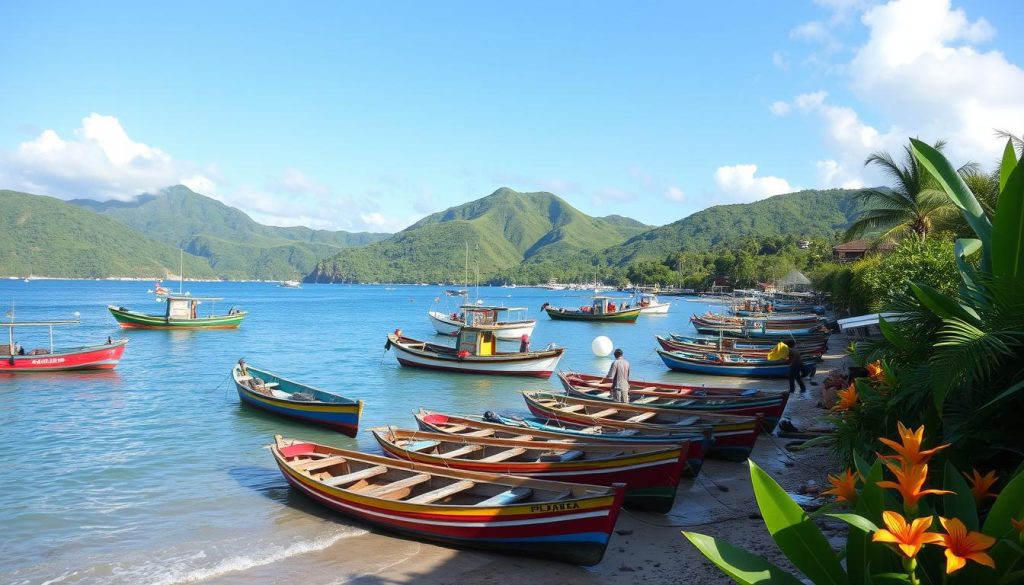
Every little bit helps, and choosing eco-friendly tourism in Samaná means you’re helping to keep this beautiful place safe for the future.
| Initiative | Impact |
|---|---|
| Community-based tourism | Supports local economy and promotes cultural exchange |
| Environmental conservation | Preserves natural beauty and protects wildlife |
| Eco-friendly transportation | Reduces carbon footprint and promotes sustainable travel |
Local Gastronomy and Culinary Traditions
When you visit Traditional fishing villages and cultural experiences in Samaná, you’ll find many local dishes. These dishes show the area’s rich food history. Fresh seafood is a big part of these dishes because of Samaná local fishing traditions.
Try La Bandera, a traditional Dominican meal with rice, beans, and meat. Or, enjoy Sancocho, a hearty stew with various meats and veggies. Don’t miss Mofongo, mashed plantains, or Chivo Guisado, a goat stew special to the Samaná Peninsula.
Here are some other local culinary highlights:
- Locrio de Pescado, a rice dish with fish
- Empanadas, a popular street food
- Morir Soñando, a refreshing drink of orange juice and milk
- Pastelitos, filled with tropical fruits
Exploring local markets is also a great way to experience Samaná’s food culture. You can try fresh produce and seafood. Samaná is a haven for food enthusiasts with its rich history and fresh ingredients.
| Local Dish | Description |
|---|---|
| La Bandera | A traditional Dominican meal consisting of rice, beans, and meat |
| Sancocho | A hearty stew made with a variety of meats and vegetables |
| Mofongo | A dish made from mashed plantains |
Cultural Festivals and Celebrations
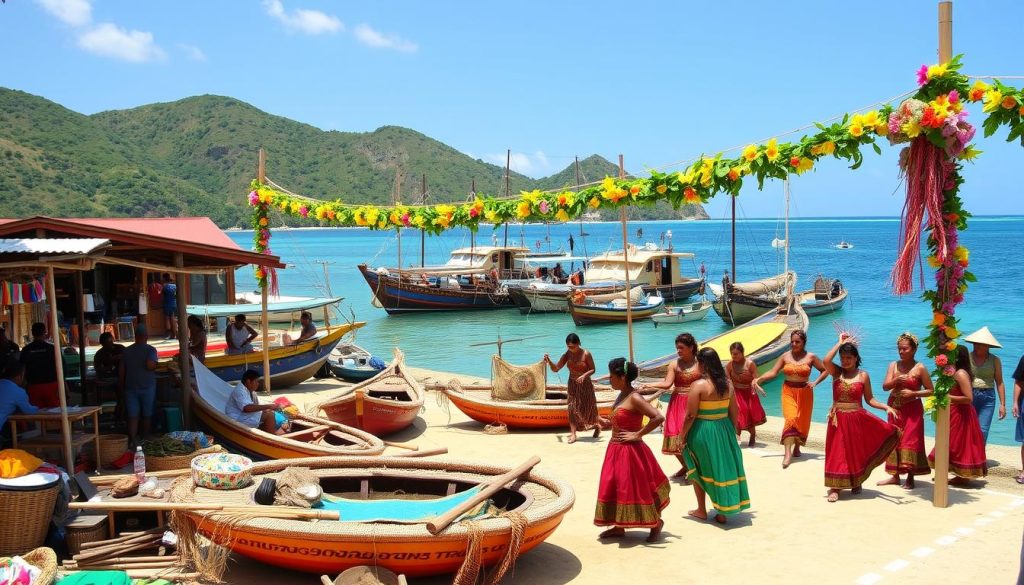
Exploring the traditional Samaná lifestyle reveals a vibrant cultural scene. This is shaped by its many festivals and celebrations. You’ll find authentic Samaná cultural experiences in this beautiful peninsula.
The annual events calendar is packed with exciting festivities. These include religious and maritime celebrations. Notable events include the Pueblo de Samaná Festival and the Festival de Merengue.
Here are some cultural festivals and celebrations you can look forward to:
- Annual Carnival celebration in February, which attracts over 1 million attendees nationwide
- Pueblo de Samaná Festival, which contributes to a 15% increase in tourism during the festival month
- Festival de Merengue, which sees attendance of around 500,000 people each year
These festivals offer a chance to experience authentic Samaná cultural experiences. They also boost the local economy. Cultural festivals contribute about 8% to the tourism sector’s GDP in the Dominican Republic.
| Festival | Attendance | Month |
|---|---|---|
| Annual Carnival | 1 million | February |
| Pueblo de Samaná Festival | 15% increase in tourism | Varies |
| Festival de Merengue | 500,000 | Varies |
Best Times to Visit Fishing Villages
When planning your Samaná sustainable travel, it’s key to pick the right time to visit fishing villages. The Samaná Peninsula’s weather is perfect all year, with temperatures between 77°F and 88°F (25°C to 31°C). This makes it a top spot for tourists.
To see the real Samaná local fishing traditions, go during the peak whale watching season. This is from late December to April. It’s a great time to see humpback whales in their natural home.
Here are some tips for planning your trip:
- Seasonal considerations: The hurricane season is from June to November, with the most activity in August to October.
- Festival dates: The best time for whale migration to Samana Bay is late December to April, with the peak in January and February.
- Weather patterns: The Samana Peninsula gets about 100 inches (254 cm) of rain each year. Most of this falls from May to November.
By thinking about these points, you can plan your visit to Samaná’s fishing villages. You’ll get to see the unique culture and traditions of the area.
| Month | Average Temperature (°F) | Average Rainfall (in) |
|---|---|---|
| December | 78 | 4 |
| January | 79 | 3 |
| February | 80 | 2 |
Transportation and Accessibility Guide
Planning your trip to Samaná means thinking about how you’ll get there. The Samaná Peninsula is about 2.5 hours from Santo Domingo by car. It’s also about 4 hours from Punta Cana. You can explore places like Las Galeras and Los Pescadores for a real experience.
Getting around is easy with public transport or renting a car. Limón Waterfall is close by, perfect for a walk or horseback ride. The trip there is about one hour. Playa Cosón is another spot, stretching over 6 kilometers.
For those into Samaná’s culture, there’s a lot to see:
* Los Haitises National Park is huge, covering 360 square kilometers
* Cayo Levantado is just a short boat ride from Samaná Port
* Whale watching in Samaná Bay is amazing from mid-January to mid-March
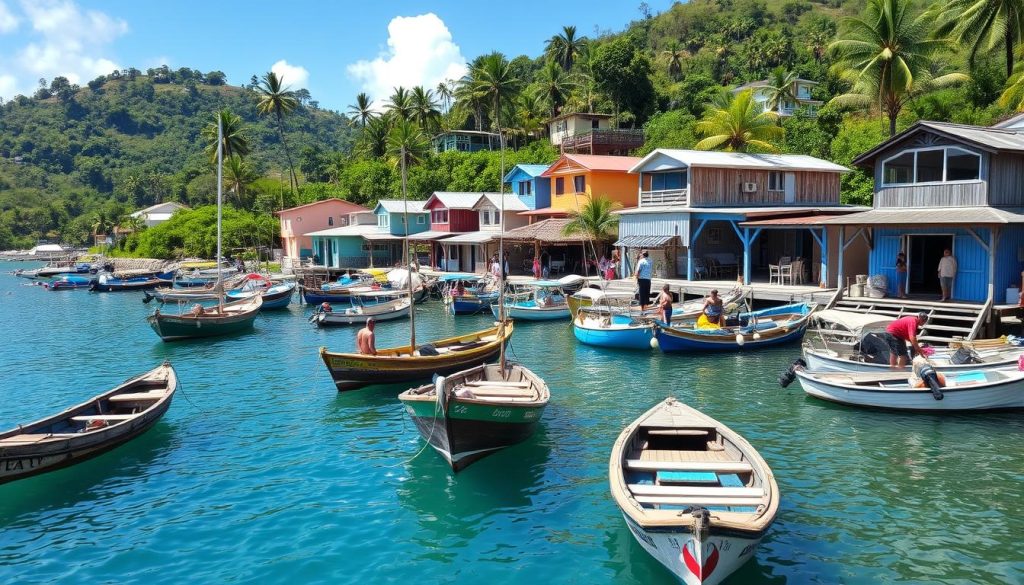
Make sure to plan your visit for the best times. Samaná’s culture and nature make it perfect for exploring.
| Attraction | Location | Distance/Time |
|---|---|---|
| Limón Waterfall | Samaná Peninsula | 2.4 km, 1 hour |
| Los Haitises National Park | Samaná Peninsula | 360 km² |
| Cayo Levantado | Port of Samaná | less than 10 minutes by boat |
Respectful Tourism Guidelines
When you start your journey to Samaná, remember that it’s not just about nature. It’s also about respecting the local culture and community. Be mindful of their customs and traditions. These are deeply rooted in the region’s history and heritage.
To be a responsible tourist, follow these guidelines:
Cultural Etiquette
- Learn basic Spanish phrases like greetings and thanks. It shows respect for their language and culture.
- Respect local customs, like when visiting churches or cultural events. These are key parts of Samaná’s culture.
Photography Guidelines
Always ask for permission before taking photos of locals or their property. This supports Eco-friendly tourism in Samaná.
Communication Tips
Good communication is crucial for a respectful trip. Don’t hesitate to ask questions or seek clarification. Being open to learning about their way of life is important for Authentic Samaná cultural experiences.
Conclusion: Embracing Samaná’s Living Heritage
Exploring Samaná’s traditional fishing villages and cultural experiences reveals the area’s true charm. Samaná cultural tourism lets you dive into the local way of life. You’ll find rich history, vibrant culture, and stunning natural beauty.
Samaná is full of experiences waiting for you. From its beautiful villages to its stunning coastline, there’s much to see. By embracing Samaná’s heritage, you’ll make memories and help protect its culture and environment.
Some of the highlights of Samaná’s cultural experiences include:
- Traditional cooking classes, where you can learn the secrets of local cuisine
- Artisanal craft demonstrations, showcasing the region’s rich craftsmanship
- Music and dance experiences, allowing you to immerse yourself in the local rhythms and traditions
As you explore Samaná cultural tourism, you’ll see how traditional fishing villages and cultural experiences are connected. Supporting local communities and respecting their customs helps preserve Samaná’s heritage.
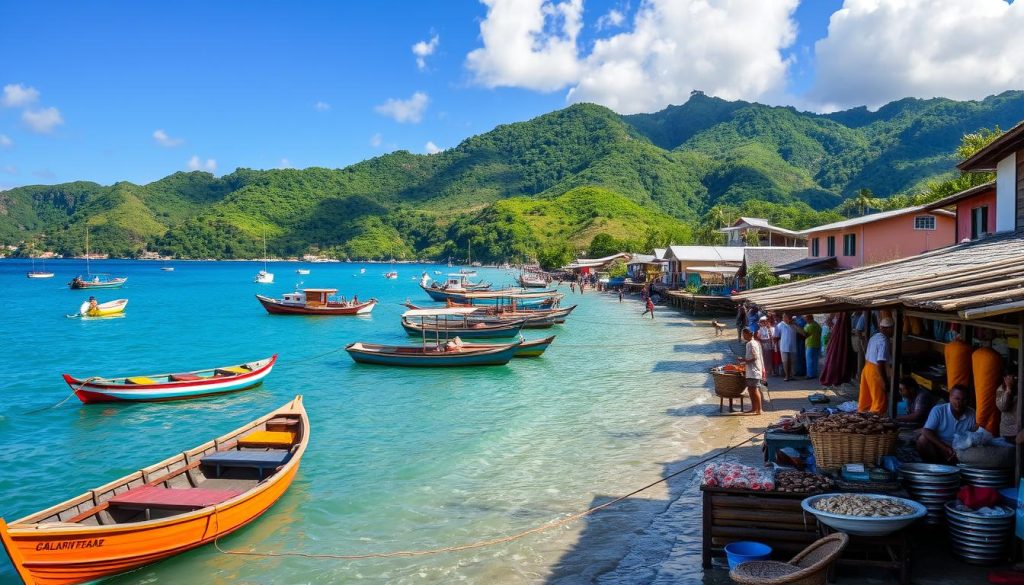
So why not start a journey to discover Samaná’s authentic culture? With its mix of traditional fishing villages and cultural experiences, Samaná is ideal for those seeking a deep and memorable experience.
Explore Samaná’s Authentic Fishing Villages and Cultural Attractions: Your Complete Guide
Thinking about visiting the Dominican Republic? You might wonder what makes Samaná stand out. It’s not just the 20 miles of beaches or the all-inclusive resorts. What makes Samaná’s fishing villages and cultural spots truly unforgettable? How can you join in on Samaná’s cultural tourism?
Samaná is a unique mix of traditional fishing villages and cultural spots. You can see the beauty of places like Playa Rincón and dive into the local culture. It’s a chance to experience the real charm of this hidden gem.
Exploring Samaná’s fishing villages and cultural attractions reveals its rich history and heritage. You’ll learn about the heart of Samaná’s cultural tourism. It’s all about the traditional fishing villages and cultural experiences that make Samaná special.
The Cultural Heritage of Samaná Peninsula
The Samaná Peninsula in the Dominican Republic is rich in culture. It has a long history and has been influenced by many cultures. This is seen in its traditional fishing communities, like the Samaná traditional fishing communities.
Historical Background of the Region
The Samaná Peninsula has a complex history. It was first home to the Taíno people. Then, European colonizers arrived, bringing their own ways of life.
Influence of Different Cultures
The culture of the Samaná Peninsula is a mix of indigenous, African, and European traditions. The traditional fishing communities, like the Samaná traditional fishing communities, keep their old customs alive.
Modern Day Cultural Significance
Today, the Samaná Peninsula’s culture is a big part of its identity. It draws tourists who want to see the local way of life. They can visit fishing villages, join cultural festivals, and try local food.
Some key cultural spots in the Samaná Peninsula include:
- Traditional fishing villages, such as Las Galeras and Los Pescadores
- Cultural festivals, such as the Samaná Festival
- Local cuisine, such as fresh seafood and traditional dishes like sancocho

| Cultural Attraction | Description |
|---|---|
| Las Galeras | A traditional fishing village with a rich cultural heritage |
| Los Pescadores | A fishing community with a strong sense of tradition and culture |
| Samaná Festival | A cultural festival celebrating the region’s music, dance, and cuisine |
Understanding Traditional Fishing Villages and Cultural Experiences in Samaná
Exploring the Samaná peninsula reveals traditional fishing villages with authentic Samaná cultural experiences. These villages keep alive Samaná local fishing traditions passed down through generations. You’ll learn about the daily lives of fishermen, their techniques, and how fishing shapes the local economy and culture.
El Valle is a fishing village with about 120 people. It sticks to Taíno-inspired methods like hook and line, basket traps, and weirs. The fishing practices here still reflect the Taíno diet and the types of fish caught.
Activities in Samaná’s fishing villages include:
- Strolling along the beach and observing local wildlife
- Swimming in crystal-clear waters and exploring coastal caves and rock formations
- Visiting a traditional fishing village and learning about the local fishing techniques
By taking part in these activities, you’ll understand the authentic Samaná cultural experiences and Samaná local fishing traditions better. Always respect the local culture and environment. Support community-based tourism to help keep the traditional way of life in Samaná’s fishing villages alive.
Las Galeras: A Pristine Fishing Community
Las Galeras is on the eastern tip of the Samaná Peninsula in the Dominican Republic. It’s a beautiful fishing community with traditional fishing villages and cultural experiences in Samaná. The area is famous for its stunning beaches, like Playa Rincón, which is among the Caribbean’s best.
Las Galeras is a gem for eco-friendly tourism in Samaná. It focuses on sustainable tourism, like community-led tours and wildlife watching. Visitors can enjoy whale-watching, hiking, and fishing while helping local conservation.
Here are some ways to truly experience Las Galeras:
- Visit the local market to try traditional Dominican food
- Join in on community tourism projects, like beach cleanups and wildlife tours
- Support local artisans by buying handmade crafts, like woven items and carved wood
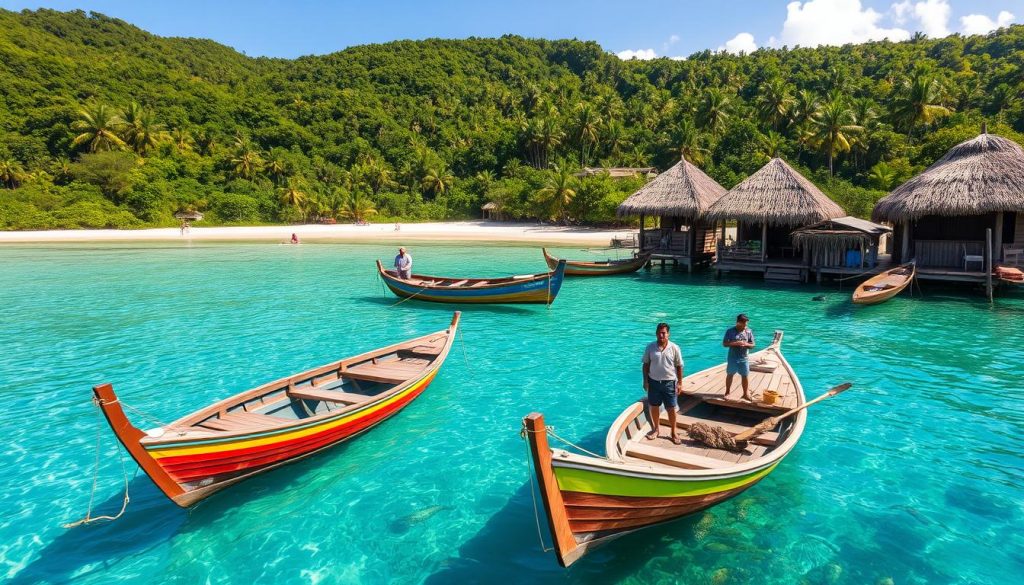
By visiting Las Galeras and choosing eco-friendly tourism in Samaná, you help protect the area’s beauty and culture. You’ll also get to see the unique charm of this fishing community.
| Activity | Description |
|---|---|
| Whale-watching | Seasonal tours to see humpback whales that migrate here to breed and nurse their young |
| Hiking | Guided hikes through the lush rainforests and mangroves of Los Haitises National Park |
| Fishing | Responsible fishing tours to support local conservation and see traditional fishing methods |
Los Pescadores: Heart of Maritime Traditions
Exploring Samaná’s traditional fishing communities, you’ll find the heart of maritime traditions in Los Pescadores. This place is all about fishing, which is key to the area’s economy and culture. You’ll get to see what daily life is like for fishermen and their families.
The community’s rich maritime heritage shows in its daily life. You can immerse yourself in the local culture by going on fishing trips, visiting the market, or just watching the fishermen at work.
Here are some ways to Experience traditional Samaná lifestyle in Los Pescadores:
- Visit the local fishing pier to see the day’s catch
- Go on a fishing trip with local fishermen
- Try traditional seafood dishes at a local restaurant
By visiting Los Pescadores, you’ll get to see the real Samaná traditional fishing communities. You’ll learn a lot about the region’s maritime traditions.
| Activity | Description |
|---|---|
| Fishing Trips | Join local fishermen on a fishing trip to experience the daily catch |
| Local Market | Visit the local market to see the fresh seafood and traditional products |
| Seafood Cuisine | Try traditional seafood dishes at a local restaurant |
Immersive Cultural Activities and Workshops
Exploring Samaná’s fishing villages and cultural spots reveals a world of activities. You can try traditional cooking, see artisans at work, and enjoy music and dance. There’s something for everyone to enjoy.
Traditional cooking classes are a great way to dive into Authentic Samaná cultural experiences. You’ll learn to make local dishes with fresh ingredients and old techniques. You can also join in on artisanal craft demonstrations and make your own souvenirs.
Samaná sustainable travel is key to the region’s culture. By supporting local communities and eco-friendly tourism, you help keep the area beautiful for the future.
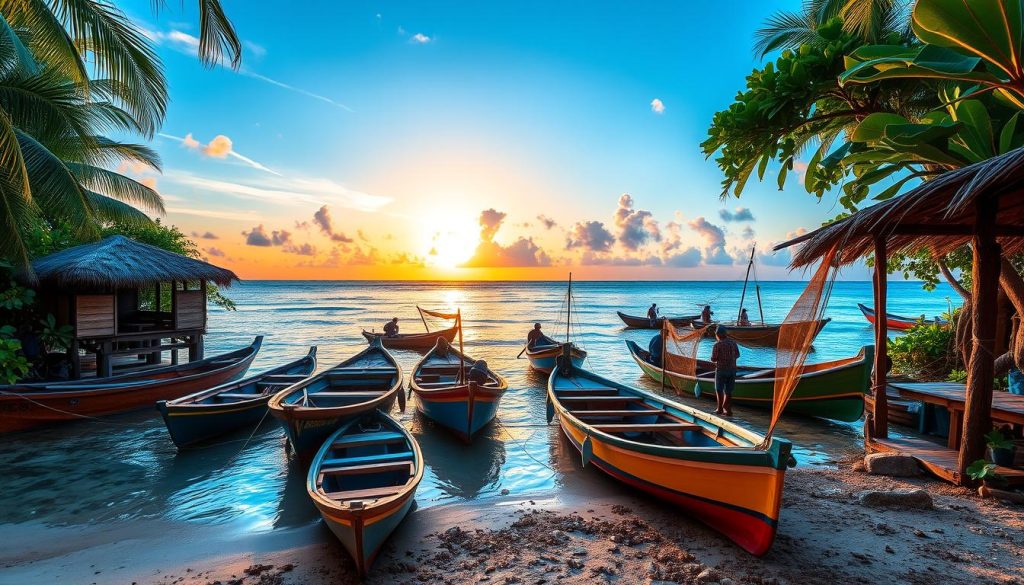
Here are some immersive cultural activities and workshops you can try in Samaná:
- Traditional cooking classes
- Artisanal craft demonstrations
- Music and dance experiences
- Workshops on sustainable tourism practices
| Activity | Description |
|---|---|
| Traditional Cooking Classes | Learn to prepare local dishes using fresh ingredients and time-honored techniques |
| Artisanal Craft Demonstrations | Learn about the region’s traditional crafts and create your own handmade souvenirs |
| Music and Dance Experiences | Participate in traditional music and dance workshops and learn about the region’s cultural heritage |
Sustainable Tourism Practices in Samaná’s Villages
When you visit Samaná’s villages, think about how your trip affects the local environment and people. Eco-friendly tourism in Samaná helps keep the area beautiful and supports the local economy. By choosing sustainable travel options, you help protect the ecosystem and cultural heritage of Samaná.
Community-Based Tourism Initiatives
Community-based tourism lets you see Samaná’s real culture and help local economies. You can meet locals, learn about their traditions, and help them financially. Some examples in Samaná include:
- Homestays with local families
- Traditional cooking classes
- Guided tours of local villages and natural attractions
Environmental Conservation Efforts
Protecting the environment is key to sustainable tourism in Samaná. The area has many plants and animals, and we must keep them safe for the future. Ways to help include:
Using less plastic, recycling, and throwing away waste properly. These actions help keep Samaná beautiful and support its green tourism efforts.
| Initiative | Benefits |
|---|---|
| Community-based tourism | Supports local economies, preserves cultural heritage |
| Environmental conservation | Protects natural resources, promotes sustainable tourism |
Local Gastronomy and Culinary Traditions
Exploring the traditional fishing villages in Samaná reveals a unique food scene. The Samaná local fishing traditions deeply impact the local food. Many dishes feature fresh fish and seafood.
The area’s food is a mix of flavors and ingredients. This shows the cultural diversity of Samaná. Try dishes like sancocho (a hearty stew) or arroz con mariscos (seafood rice) to experience local traditions.
Some key local ingredients include:
- Fresh fish and seafood
- Coconuts and coconut milk
- Local spices and herbs
- Tropical fruits
In Samaná, you’ll find traditional cooking methods like grilling and stewing. The local food is not just tasty but also shows the area’s rich culture. By trying the local food, you learn more about the traditional fishing villages and cultural experiences in Samaná.
| Dish | Ingredients | Cooking Method |
|---|---|---|
| Sancocho | Fish, seafood, vegetables, and spices | Stewing |
| Arroz con mariscos | Seafood, rice, and spices | Grilling and stewing |
Cultural Festivals and Celebrations
Exploring Samaná’s culture lets you dive into its rich history and traditions. Attending local festivals and celebrations is a great way to experience this. It’s a chance to see the Authentic Samaná cultural experiences up close.
The First Annual Cultural Festival, Marisco Ripiao, is a highlight. It celebrates the 128th anniversary of Sánchez, a fishing town. The event includes cultural talks, a Victorian house walk, and a photo exhibition. You’ll also enjoy folklore music and dance.
Annual Events Calendar
The Samaná events calendar is packed with festivals and celebrations. Here are some of the top ones:
- Marisco Ripiao festival
- Victorian house route walk
- Photo exhibition on the history of Sánchez
- Folklore music and dance presentations
Religious Festivities
Religious events are a big part of Samaná’s culture. Many festivals and celebrations happen throughout the year.
Maritime Celebrations
Sánchez has a strong maritime history. It was once a key port and rail center. This heritage is celebrated in the region’s maritime events.
By joining these festivals and celebrations, you’ll truly experience Samaná’s culture. You’ll gain a deeper understanding of its traditions and cultural experiences.
| Festival | Date | Location |
|---|---|---|
| Marisco Ripiao | June 21, 2014 | Sánchez |
| Victorian house route walk | June 21, 2014 | Sánchez |
Best Times to Visit Fishing Villages
When planning your trip to Samaná, think about the best times to visit the fishing villages. Samaná sustainable travel means respecting the local environment and culture. Visit during the high season, from December to April, for pleasant weather and fewer rains.
For a glimpse into Samaná local fishing traditions, the peak season is mid-January to March. This is when thousands of humpback whales come to Samaná Bay for breeding. It’s a great time to see the local fishing ways and the lively culture.
Here are some things to think about when planning your visit:
- Seasonal considerations: The high season is from December to April, while the low season is from May to November.
- Festival dates: The region hosts various festivals throughout the year, including the Whale Festival in March.
- Weather patterns: The region experiences a tropical climate, with average temperatures around 80°F (27°C) during the high season.
By considering these factors, you can plan your trip to Samaná and see the best of the fishing villages and local culture. Always remember to practice Samaná sustainable travel and respect the local environment and traditions.
| Season | Month | Weather | Events |
|---|---|---|---|
| High Season | December to April | Pleasant | Whale Festival |
| Low Season | May to November | Rainfall events | Fewer tourists |
Transportation and Accessibility Guide
Planning your trip to Samaná means thinking about how you’ll get there. The Dominican Republic has 8 airports, making travel across the island quick. For Samaná cultural tourism, flying into a nearby airport and then taking a taxi or renting a car is a good option.
To see the Traditional fishing villages and cultural experiences in Samaná, buses or driving to nearby towns works well. The roads to remote towns can be tough, but many are being paved. This makes getting to these areas easier.
Here are some ways to get around:
- Taxi: readily available at airports and towns
- Car rental: available at airports and towns
- Bus: a more affordable option, but may take longer
Boat tours are also an option to see the islands and marine life. Many tours offer Samaná cultural tourism packages. These include transportation, food, and activities.
With the right guide, exploring Traditional fishing villages and cultural experiences in Samaná is easy. You can enjoy everything the region has to offer.
| Transportation Option | Cost | Duration |
|---|---|---|
| Taxi | $20-$50 | 30 minutes-1 hour |
| Car rental | $40-$100 per day | varies |
| Bus | $10-$30 | 1-2 hours |
Respectful Tourism Guidelines
When you visit Samaná, it’s key to respect the local culture and environment. To truly experience Samaná, you should honor the community and its customs. This means being mindful of your surroundings, dressing modestly, and not littering.
It’s also important to support eco-friendly tourism in Samaná. This helps keep the area beautiful. You can do this by choosing tours that care for the environment, using less plastic, and respecting wildlife.
Cultural Etiquette
- Learn a few basic phrases in Spanish, such as “gracias” (thank you) and “por favor” (please)
- Respect local customs and traditions, specially when visiting churches or attending cultural events
- Remove your shoes when entering homes or sacred spaces
Photography Guidelines
Always ask for permission before taking photos of people or private property. Be careful not to take pictures in sensitive areas, like military zones or protected wildlife habitats.
Communication Tips
Don’t hesitate to ask for help or clarification. Locals are usually friendly and happy to assist. Learning some basic Spanish can also help you communicate better.
| Duration of Stay | Tourist Tax |
|---|---|
| Up to 3 months | 3,500 RD$ (approximately 58 USD) |
| Up to 9 months | 5,600 RD$ (approximately 93 USD) |
| Up to 12 months | 7,000 RD$ (approximately 116 USD) |
Conclusion: Embracing Samaná’s Living Heritage
Your trip through Samaná’s authentic fishing villages and cultural spots has ended. This area offers a deep dive into tradition. You’ve seen the daily life in Las Galeras and the old maritime customs of Los Pescadores.
The cultural mix of this Dominican Peninsula is rich and diverse. It welcomes visitors to join in and learn. You might have tried traditional cooking, seen craft demonstrations, or danced to local tunes.
By supporting sustainable tourism, you help keep Samaná’s traditions alive. As you leave, remember the traditional fishing villages and cultural experiences that make this place unique. Your visit has not only enriched your journey but also helped preserve Samaná’s heritage.