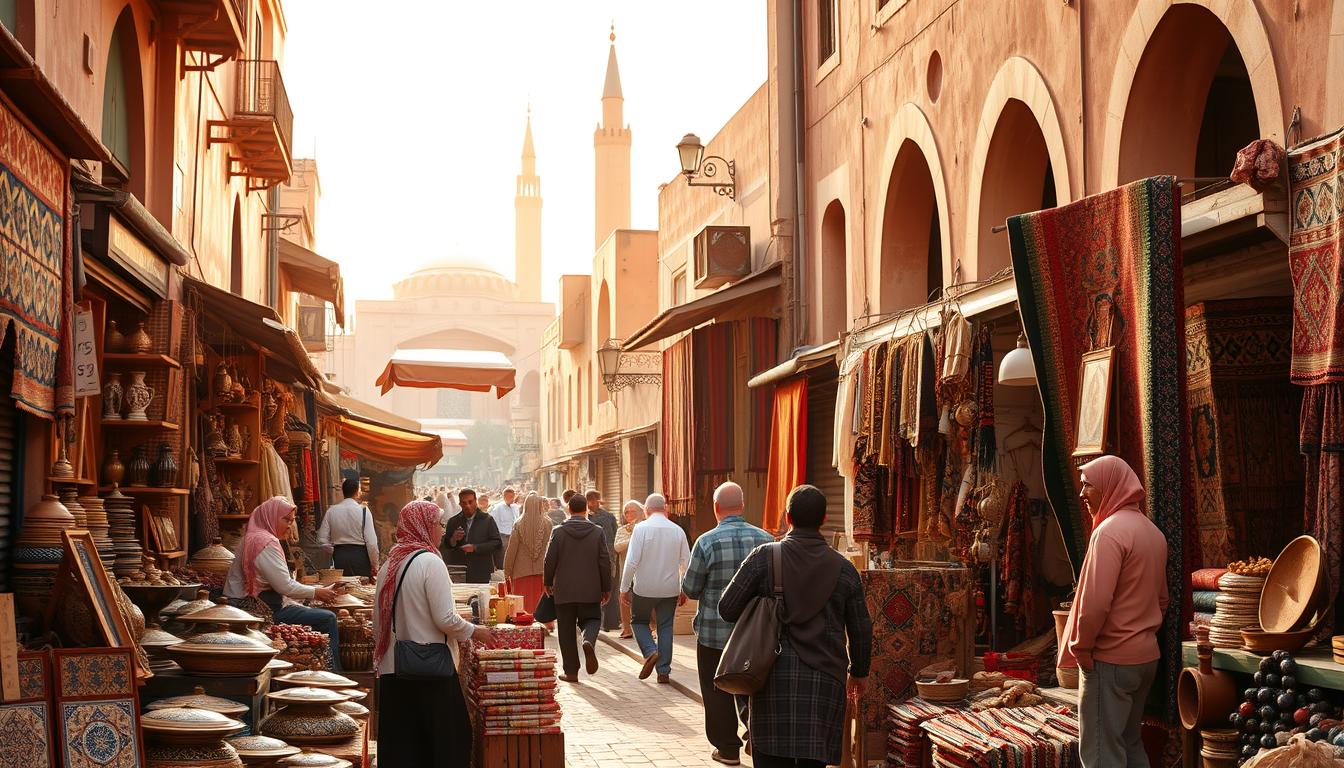
Explore Rabat’s Rich Moroccan Craft Traditions
Ever thought about diving into Morocco’s lively cultural scene? Walking through Rabat, the capital, you’re hit with the sights, sounds, and smells of traditional craftsmanship.
Get up close with Moroccan crafts like pottery, textiles, metalwork, and wood. Rabat lets you meet local artisans and learn the stories of their craft.
Exploring Rabat, you’ll see how these cultural traditions define the city’s spirit.
The Cultural Significance of Moroccan Craftsmanship in Rabat
Exploring Moroccan crafts in Rabat lets you dive into the heart of Moroccan culture. This city is rich in history and art. Moroccan craftsmanship is a big part of the country’s culture, and Rabat is key in keeping these traditions alive.
Rabat’s Place in Morocco’s Artistic Heritage
Rabat’s art scene is a mix of different cultures. This makes it a special place. The city’s crafts show the influence of Arab, Berber, and Mediterranean traditions.
Royal Patronage of Traditional Arts
The Moroccan monarchy supports traditional arts. They help artisans and craftspeople. This support keeps traditional crafts alive.
Unique Regional Influences in Rabat’s Crafts
Rabat’s crafts have special touches from different regions. You’ll see:
- Intricate tile work, known as Zellige
- Exquisite woodwork, often featuring cedar wood carvings
- Vibrant textiles, including carpets and embroidery
These crafts show the city’s rich culture and help its economy. By taking traditional Moroccan art classes and craft workshops in Rabat, you learn about their cultural value.
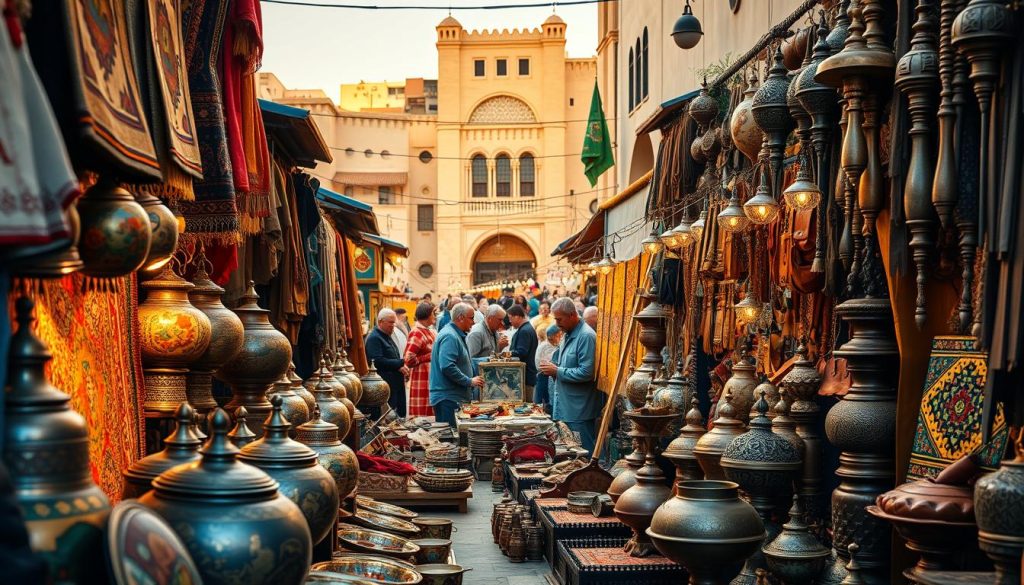
These experiences let you see the skill and creativity in traditional crafts. Many are passed down through generations.
Learning Traditional Moroccan Crafts in Rabat: An Overview
Rabat is a great place to learn about traditional Moroccan crafts. The city’s rich culture is seen in its many artisan communities. Here, you can learn traditional crafts Rabat is known for. You can try your hand at pottery, textiles, metalwork, and woodworking.
Popular Craft Traditions Available to Learn
In Rabat, you can explore many traditional Moroccan crafts. Some favorites include:
- Pottery and ceramics
- Textile weaving and embroidery
- Metalwork and jewelry making
- Woodworking and marquetry
Short-Term Workshops vs. Extended Courses
Rabat’s workshops fit different schedules and interests. You can choose from short-term or extended courses. Short-term workshops are great for a quick taste of a craft. Extended courses offer deeper learning.
Seasonal Craft Offerings
Some workshops have seasonal classes. These focus on techniques or projects for the current season. It’s a way to see local craft traditions in action.
What to Expect from Craft Learning Experiences
When you join hands-on craft experiences Rabat, you get a full introduction to Moroccan crafts. Workshops start with a history lesson on the craft’s importance.
| Workshop Aspect | Description |
|---|---|
| Typical Workshop Structure | Workshops start with a craft history lesson. Then, you get to practice under expert guidance. |
| Materials and Tools Provided | Most workshops give you all the materials and tools you need. This lets you focus on learning and practicing. |
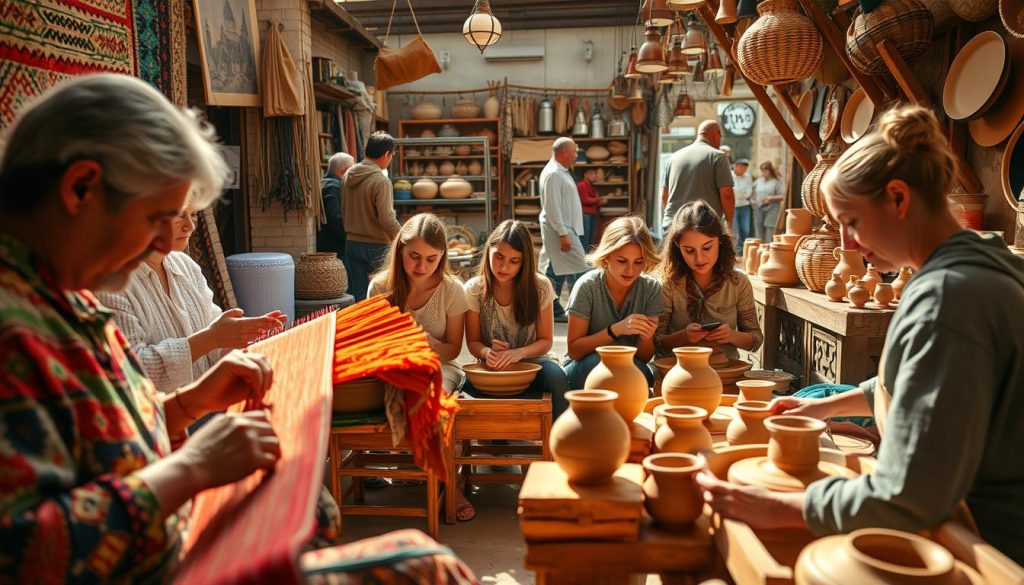
The Art of Moroccan Pottery and Ceramics
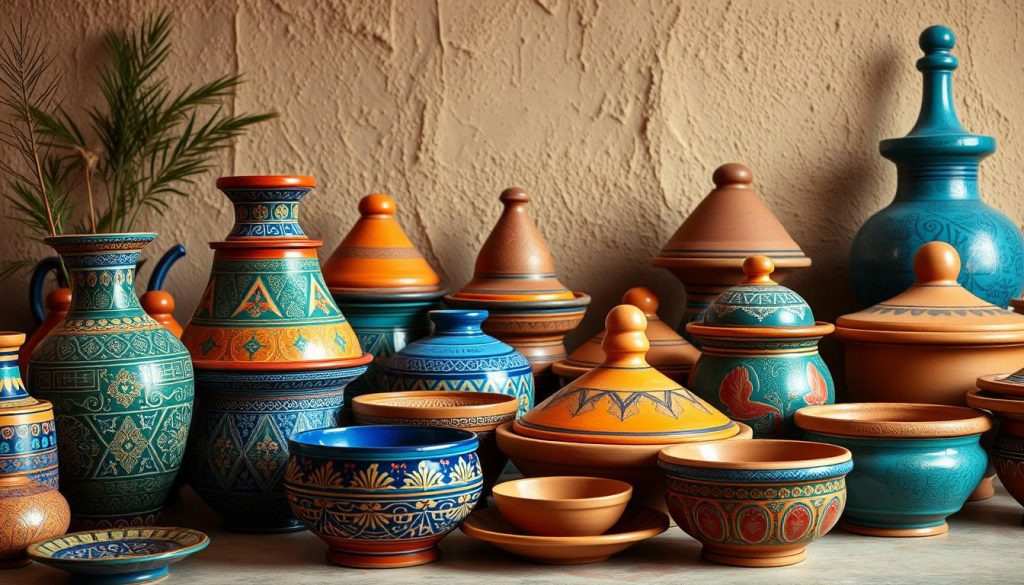
Rabat’s artisans keep Moroccan pottery alive, making stunning pieces. These reflect the country’s rich culture. Moroccan pottery is known for its bright colors and geometric patterns. This shows the skill and craftsmanship of local artisans.
Traditional Techniques and Designs
Moroccan pottery stands out for its unique techniques and designs. These have been passed down for generations. Artisans in Rabat still use these traditional methods.
Clay Preparation and Wheel Throwing
The journey starts with clay preparation. Artisans pick and process the raw material carefully. Then, they shape the clay into forms using the wheel throwing technique.
Glazing and Firing Methods
After shaping, the piece is glazed with natural materials. This creates the signature colors and textures. The final step is firing in a kiln. This process subjects the piece to high temperatures to achieve the perfect finish.
Where to Learn Pottery Making in Rabat
If you want to learn Moroccan pottery, Rabat has many options. You can choose from:
Studios Offering One-Day Experiences
For a quick start, try a one-day workshop. Here, you can learn the basics and make your own piece.
Immersive Multi-Day Pottery Courses
For a deeper dive, go for a multi-day course. It lets you improve your skills and understand Moroccan pottery techniques better.
Mastering the Intricate World of Moroccan Textiles
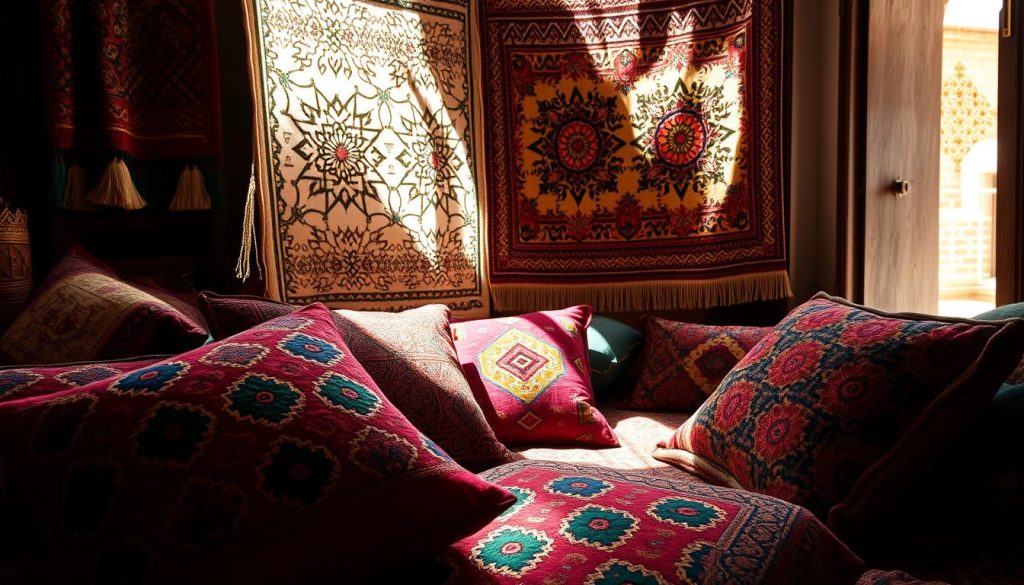
Rabat is a great place to learn about Moroccan textiles. You can explore carpet weaving, embroidery, and textile arts. These textiles are famous for their detailed patterns and bright colors. They show Morocco’s rich cultural history.
Carpet Weaving Workshops
Carpet weaving is a traditional craft in Morocco. It involves making complex designs on a loom. In Rabat, you can join carpet weaving workshops. There, you’ll learn about Berber patterns and their meanings.
Understanding Berber Symbols and Patterns
Berber symbols and patterns are key in Moroccan textiles. They carry deep cultural and traditional meanings. You’ll learn about these symbols and their role in carpet weaving.
Hands-on Loom Techniques
In these workshops, you’ll practice loom techniques. You’ll learn to make intricate designs. This hands-on experience will help you appreciate Moroccan textile craftsmanship.
Embroidery and Textile Arts Classes
Rabat also offers classes in embroidery and textile arts. You’ll learn to create stunning embroidery pieces. You’ll discover various techniques used in Moroccan textile arts.
Regional Embroidery Styles
Moroccan embroidery has different regional styles. Each style has its own patterns and techniques. You’ll learn to make intricate embroidery pieces in these styles.
Fabric Dyeing Workshops
Fabric dyeing is crucial in Moroccan textile arts. It uses natural dyes for vibrant colors. In these workshops, you’ll learn to dye fabric and create unique textiles.
Leather Crafting: From Traditional Tanneries to Modern Workshops
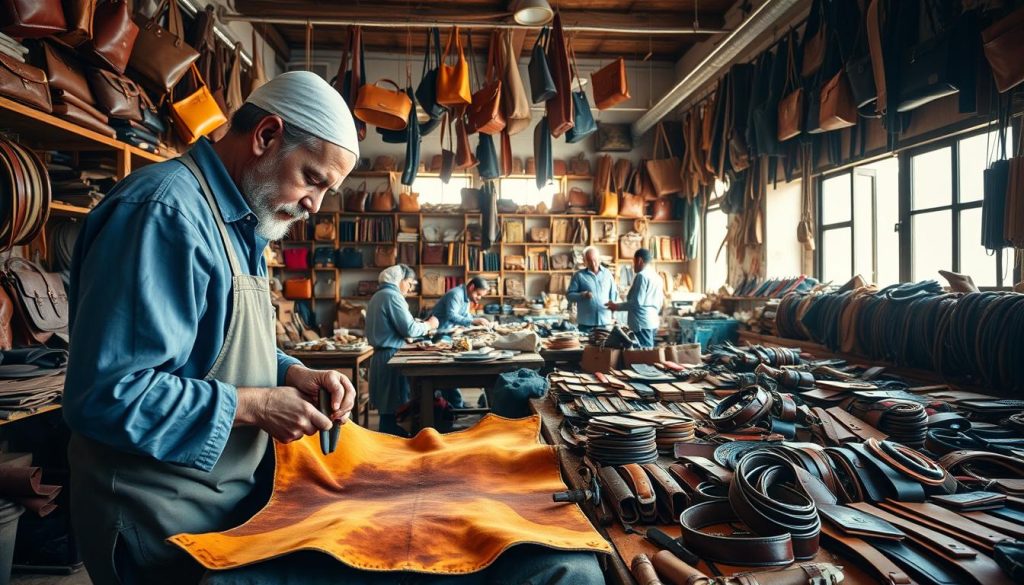
The ancient art of leather crafting is alive in Rabat’s tanneries and workshops. You can see raw hides turned into beautiful leather goods. This is done through traditional and modern methods.
The Ancient Art of Moroccan Leatherwork
Moroccan leatherwork is famous for its quality. Rabat’s tanneries still use old methods. They prepare raw hides and finish the leather goods.
From Raw Hide to Finished Product
The journey starts with picking and preparing raw hides. Then, the leather is tanned and treated. This makes it have the right texture and color.
Traditional Tools and Techniques
Artisans use old tools and techniques to make leather goods. These methods give each piece its unique character.
Hands-on Leather Crafting Experiences in Rabat
In modern workshops, you can make your own leather goods. You’ll learn different techniques.
Creating Personal Leather Goods
You can make items like bags, wallets, and accessories. Skilled artisans will guide you.
Tooling and Decorative Techniques
Learn to add unique designs to your leather. These skills let you make your leather goods special.
| Workshop Type | Duration | Cost |
|---|---|---|
| Traditional Leatherwork | 2 hours | $50 |
| Modern Leather Crafting | 3 hours | $75 |
Woodworking and Marquetry: Preserving Ancestral Skills
Rabat is a great place to learn traditional woodworking and marquetry. Skilled artisans teach these skills, passed down through generations. You can learn them yourself.
Cedar Wood Carving Traditions
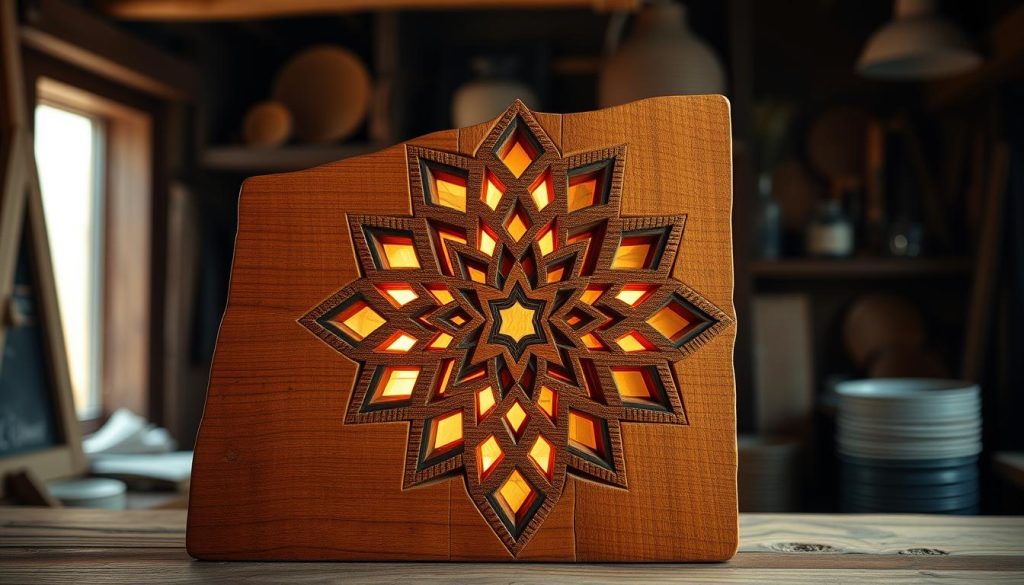
Cedar wood is key in Moroccan woodworking. It’s strong and smells great. Carvers make detailed designs, often with geometric shapes.
Geometric Pattern Design
Geometric patterns are a big part of Moroccan crafts. Cedar wood carving shows this with precise designs. These designs show the country’s rich culture.
Traditional Carving Tools
Artisans in Rabat use old tools to make cedar wood pieces. These tools have been around for a long time. Learning to use them is part of the craft.
Artisan Workshops Offering Woodcraft Lessons
Many workshops in Rabat teach woodcraft. They welcome all skill levels. Whether you’re new or experienced, you’ll find a workshop that fits you.
Beginner-Friendly Projects
There are projects for beginners. They teach basic techniques. They help you start your woodworking journey.
Advanced Marquetry Courses
For those who know more, there are advanced marquetry courses. They cover complex techniques and designs. You can improve your skills here.
By joining these workshops, you learn traditional crafts. You also help keep Rabat’s culture alive. Whether you want to learn or just appreciate Moroccan crafts, Rabat has something for you.
Metalwork and Jewelry Making in the Capital
Rabat is famous for its beautiful metalwork and jewelry making. These crafts show off the best of Moroccan skills. Visitors can dive into the world of silver filigree and traditional jewelry, learning by doing.
Silver Filigree and Traditional Jewelry Techniques
Moroccan artisans are experts at silver filigree. They twist and shape silver wire into detailed designs. Each piece shows the artisan’s skill and creativity.
Metal Hammering and Shaping
Metal hammering and shaping are key in metalwork. Artisans use these methods to make different shapes and designs. They can go from simple to complex patterns.
Engraving and Decorative Methods
Engraving is important in metalwork. It lets artisans add detailed designs and patterns. This makes the piece more beautiful and personal.
Metalworking Classes for Visitors
Visitors in Rabat can take metalworking classes. They learn to make Moroccan-inspired jewelry. This is a chance to work with local artisans and learn their techniques.
Creating Moroccan-Inspired Jewelry
In these classes, you’ll learn to make jewelry using Moroccan methods. You’ll pick materials and design your piece. Experienced artisans will guide you.
Working with Local Artisans
Working with local artisans gives you a deeper understanding of the craft. You can ask questions, learn from their experiences, and make your own jewelry.
| Technique | Description | Skill Level |
|---|---|---|
| Silver Filigree | Delicate twisting and shaping of silver wire | Advanced |
| Metal Hammering | Shaping metal into various forms | Intermediate |
| Engraving | Adding detailed designs and patterns | Beginner |
Zellige Mosaic Making: Learning Morocco’s Iconic Tile Art
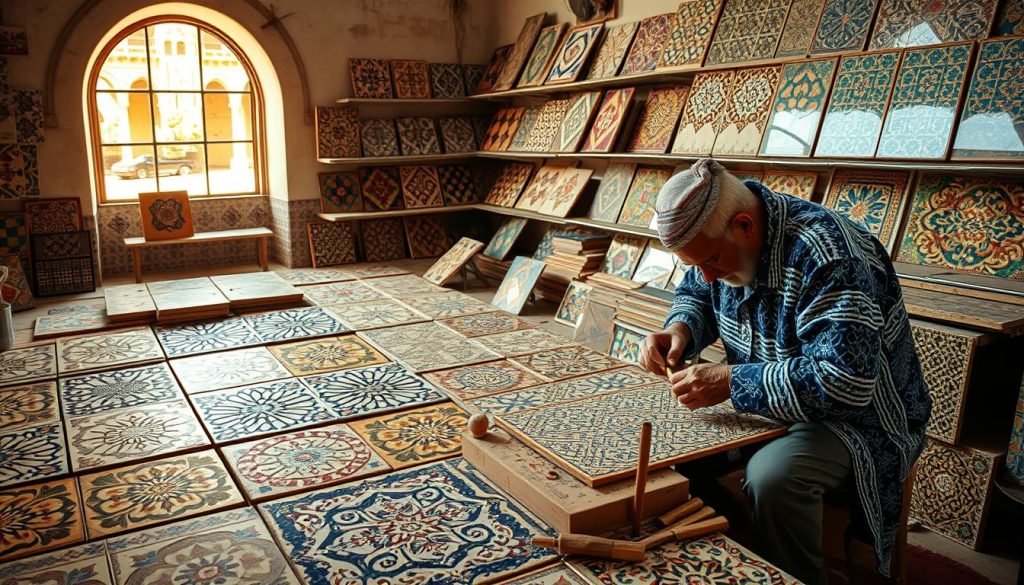
Rabat is a great place to learn about Zellige mosaic making. This art combines math and creativity. It uses small, glazed tiles to make beautiful geometric patterns.
This ancient craft is stunning and deeply rooted in Moroccan culture and history.
The Mathematics and Artistry Behind Zellige
Making Zellige mosaics is a mix of math and art. The patterns are based on complex designs. They need a good grasp of geometry and how things fit together.
Geometric Pattern Design Principles
Zellige mosaics use Islamic geometric patterns. These patterns are all about symmetry and repetition. They look great and have deep meanings.
Color Symbolism in Moroccan Mosaics
Colors in Zellige mosaics have special meanings. Blue stands for spirituality, and green means prosperity. Knowing these meanings adds depth to the art.
Hands-on Workshops for Creating Moroccan Mosaics
In Rabat, you can join workshops to learn Zellige mosaic making. These workshops cover everything from cutting tiles to making your mosaic.
Tile Cutting Techniques
Tile cutting is key in Zellige making. Artisans use special tools to shape the tiles. You’ll learn the importance of precision and patience in this step.
Assembling Your Own Mosaic Piece
Once the tiles are cut, you’ll learn to put them together. You’ll apply the patterns and colors you’ve learned. This brings your mosaic to life.
Best Craft Workshops and Cultural Centers in Rabat
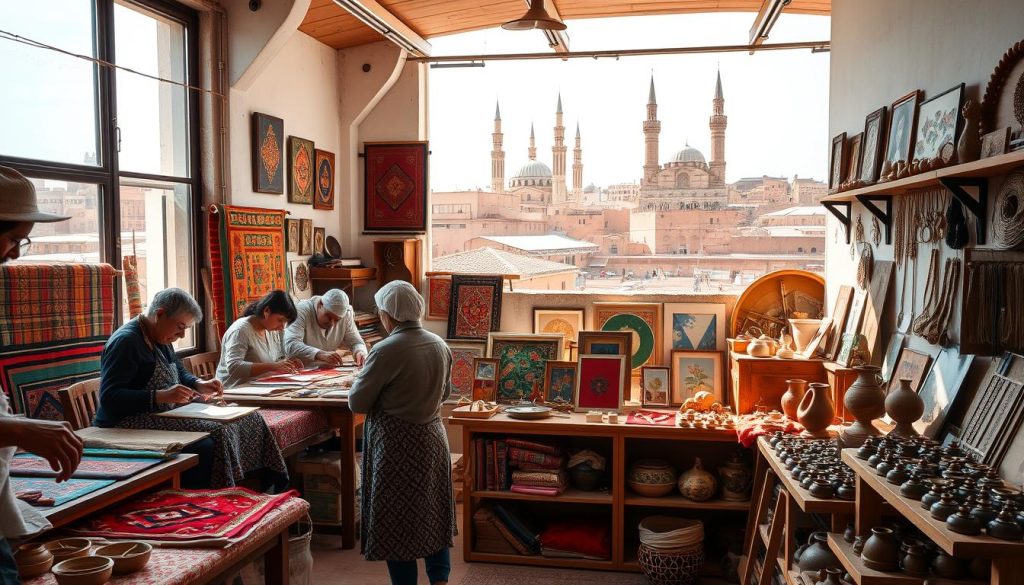
Rabat is a treasure trove for Moroccan crafts. You can find many workshops and cultural centers here. They offer craft classes in Rabat for all levels and interests.
Established Artisan Schools and Centers
Rabat boasts of its artisan schools and centers. They keep Moroccan craftsmanship alive. Two standout places are:
The National Institute of Fine Arts
The National Institute of Fine Arts is a top school. It teaches traditional Moroccan crafts like woodworking, pottery, and textiles.
Oudayas Craft Complex
The Oudayas Craft Complex is another key spot. Here, you can dive into Moroccan cultural experiences Rabat. It offers workshops on traditional crafts, showing Morocco’s rich artisanal heritage.
Independent Studios Offering Craft Classes
Rabat also has independent studios. They offer unique craft learning experiences. Some examples are:
Artist-Led Boutique Workshops
Artist-led boutique workshops are small and personal. You learn specific crafts from skilled artisans. They focus on areas like jewelry making or zellige mosaic art.
Women’s Cooperatives and Learning Centers
Women’s cooperatives and learning centers are vital in Rabat. They support female artisans and keep traditional crafts alive. You can learn about Moroccan textiles, embroidery, and more in their classes and workshops.
Visiting these workshops and centers lets you appreciate Moroccan craftsmanship. You’ll leave with unique skills and memories. Rabat’s rich culture makes it perfect for Moroccan cultural experiences Rabat.
Cultural Immersion Through Moroccan Craft Experiences
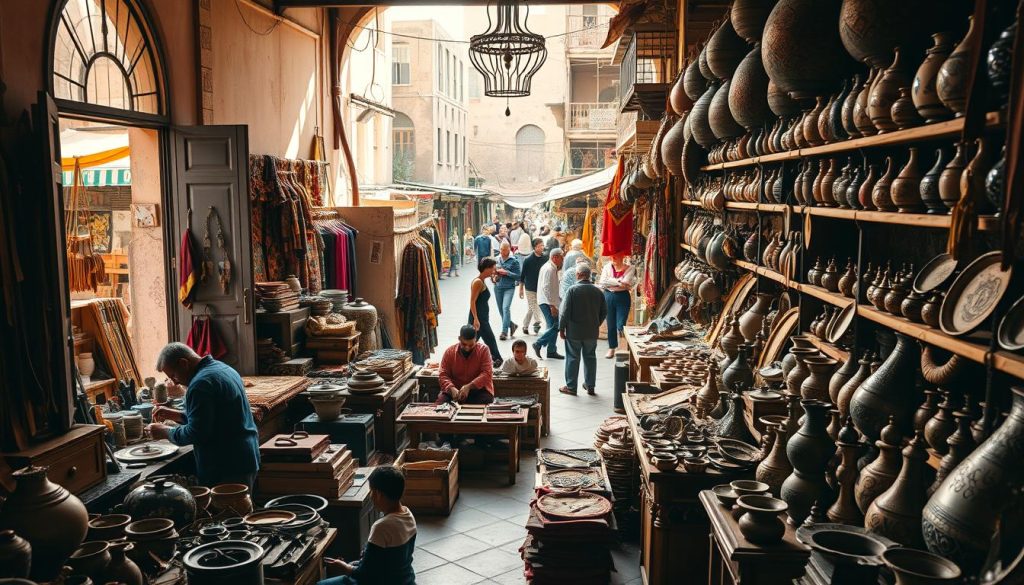
Learning traditional Moroccan crafts lets you join a rich cultural world. It’s filled with history and community. You get to meet local artisans, learn their skills, and hear their stories.
Connecting with Local Artisan Communities
Learning crafts in Rabat means meeting local artisans. These meetings are rewarding. They let you see the crafts up close and learn about the artisans’ lives.
Shared Meals and Tea Ceremonies
Moroccan artisan workshops often include meals and tea ceremonies. These events build community and break down barriers. They let visitors and locals share and learn from each other.
Language Exchange During Workshops
Workshops are great for language practice. Visitors can learn Arabic or French, and locals can practice English. This makes learning fun and interactive.
The Social Significance of Craft Learning
Learning a craft is more than just a new skill. It’s about understanding the culture it’s part of. By joining Moroccan artisan workshops, you help keep cultural heritage alive and support local economies.
Supporting Sustainable Craft Economies
Supporting local crafts helps the economy of artisan communities. Buying from local artisans keeps money in the community. This supports sustainable growth.
Preserving Intangible Cultural Heritage
Craft learning is key to saving cultural heritage. By learning traditional techniques, you help keep cultural practices alive. These practices have been passed down for generations.
These experiences give you a new respect for Moroccan crafts. You also become part of Rabat’s cultural story.
Planning Your Craft Learning Experience in Rabat
To get the most out of your craft learning in Rabat, plan carefully. Think about when you’ll visit, your budget, and the language of the workshops you want to join.
Seasonal Considerations and Booking Information
The time you visit Rabat can change your experience. Peak tourist season is from March to October. This is when workshops are most in demand.
Peak vs. Off-Season Availability
During peak season, workshops fill up fast. So, book early. Off-season might be cheaper and more flexible.
Advance Reservation Requirements
Many workshops need you to book ahead, more so in peak season. Check their policy before you arrive in Rabat.
Pricing and What’s Included in Workshops
Prices for workshops in Rabat vary a lot. This depends on the craft, how long it lasts, and what materials you get.
Budget-Friendly Options
If you’re watching your budget, look for shorter workshops or those with shared materials. Some might give discounts for longer stays.
Premium Craft Experiences
For a fancy experience, some workshops offer classes with top materials or personal instruction.
Language Considerations and Accessibility
Many locals in Rabat speak some English. But, workshops might use Arabic or French.
English-Speaking Workshops
Some workshops are for English speakers. Look for these if you don’t speak Arabic or French.
Workshops for Different Skill Levels
Most workshops are open to all skill levels. Check the description or ask the provider to confirm.
Conclusion: Embracing Rabat’s Living Craft Heritage
Rabat’s craft heritage is alive and vibrant, showing off Morocco’s rich traditions. By working with local artisans and taking part in workshops, you learn to appreciate the skill in Moroccan crafts. This experience deepens your understanding of Rabat’s cultural scene.
Learning traditional crafts in Rabat is an immersive journey. It lets you connect with the city’s heritage in a personal way. You can try your hand at pottery, textiles, or metalwork, learning the stories and techniques behind these crafts.
Exploring Rabat, you see its craft heritage is about more than just the past. It’s also about the future. By supporting local artisans and learning about their crafts, you help keep these traditions alive.