Explore Must-See Attractions in Punakha Dzongkhag
Have you ever wondered about the hidden wonders in Bhutan’s most beautiful valleys? Punakha Dzongkhag, in western Bhutan, is known for its stunning views and rich culture. It was once the capital and is full of history.
This area has many attractions that show its special charm. What are the must-see spots in Punakha Dzongkhag? In this article, we’ll explore the amazing sites and experiences that make it a top choice for adventurers and culture lovers.
Introduction to Punakha Dzongkhag
Punakha Dzongkhag is a key part of Bhutan’s history and culture. It was the capital from 1637 to 1907. Today, it’s a favorite spot for travelers, thanks to its easy reach from Thimphu.
The area has a mild climate and fertile land. This makes it perfect for growing rice.
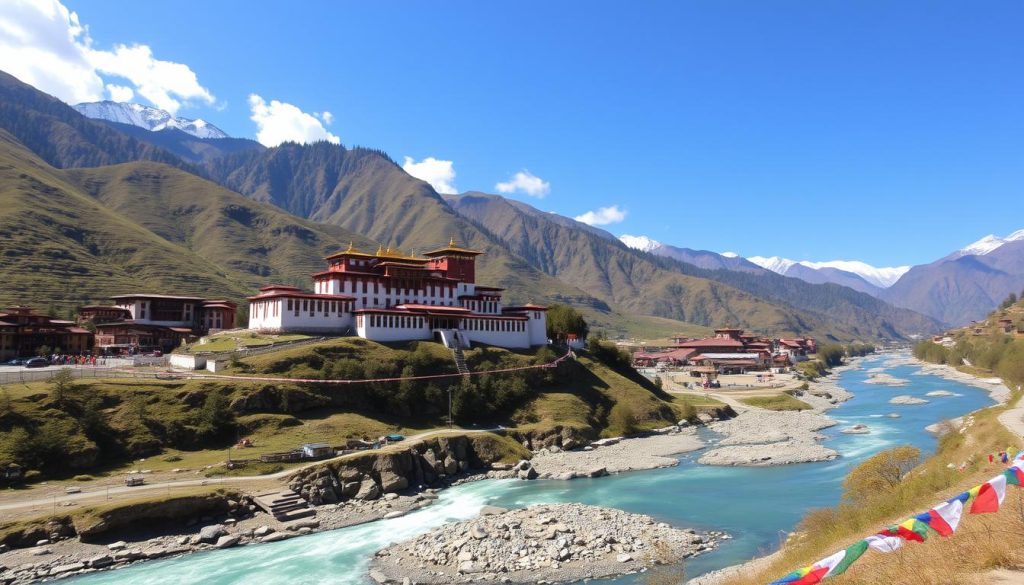
The valley sits at about 1,200 meters high. It’s known for stunning views, thanks to the Mo Chhu and Pho Chhu rivers. Visitors can enjoy the Punakha Dzong and lively festivals.
The Punakha Drubchen festival dates back to the 17th century. It celebrates Bhutan’s culture and victory over Tibet. The Punakha Tshechu, started in 2005, honors Buddhism and Zhabdrung Rimpoche’s efforts.
This mix of tradition and history attracts those wanting to dive into Punakha’s culture and beauty.
Punakha Dzong: The Crown Jewel
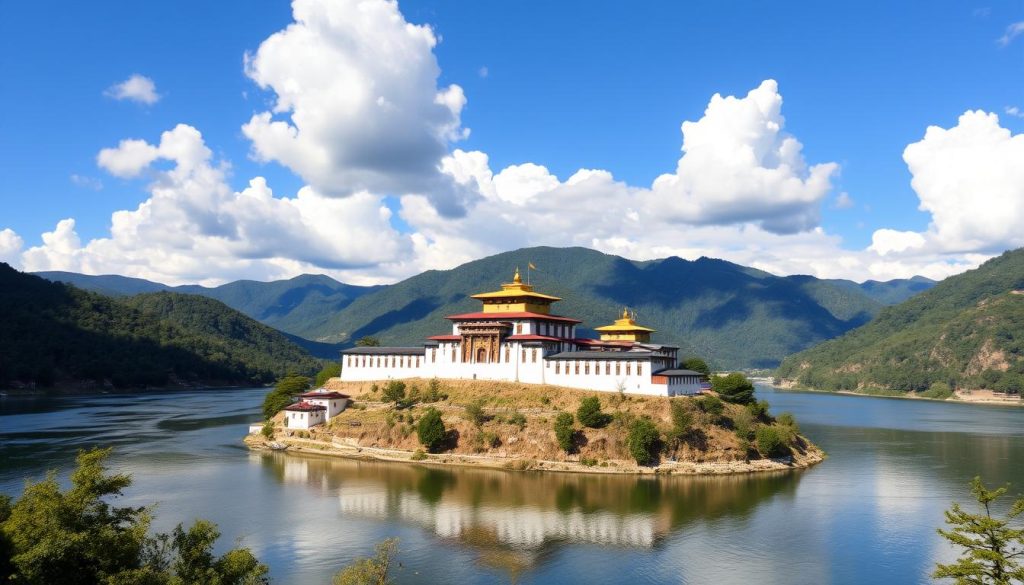
Punakha Dzong is a symbol of Bhutan’s rich history and architectural skill. It is the second-oldest and second-largest dzong in the country. This place is key to Bhutan’s culture and religion.
It hosts important events, like the coronation of kings. This makes it a standout landmark in Punakha Dzongkhag.
Historical Significance of Punakha Dzong
Built in 1637, Punakha Dzong was the heart of Bhutan’s government. It is a sacred site for many. Visitors come to explore Bhutan’s spiritual past.
The dzong has seen many historical moments. It played a big role in the Wangchuck dynasty’s rise. Its location at the rivers’ confluence shows the country’s unity.
Architectural Marvels of the Dzong
Punakha Dzong’s design is a masterpiece. It features detailed woodwork and carvings. The grand design shows off Bhutanese architecture.
Inside, there are many courtyards and temples. The colors and craftsmanship make it stunning. Springtime makes it even more beautiful with blooming flowers.
| Attributes | Details |
|---|---|
| Year of Completion | 1637 |
| Significance | Administrative center and religious site |
| Key Events | Coronation of kings |
| Location | Confluence of Pho Chhu and Mo Chhu rivers |
| Architectural Features | Intricate woodwork, ornate carvings, Bhutanese style |
What are the must-see attractions in Punakha Dzongkhag?
Punakha Dzongkhag is a treasure trove of attractions. It showcases the rich heritage and natural beauty of the region. Travelers can explore its cultural history and enjoy unique experiences. Here, you’ll find the top attractions that make Punakha special.
Top Attractions that Define Punakha’s Heritage
Many landmarks in Punakha Dzongkhag highlight the area’s vibrant culture and history:
- Punakha Dzong: The largest dzong in Bhutan, built in 1637. It symbolizes the unity of the country and is an architectural marvel.
- Chimi Lhakhang: A 14th-century monastery famous for its phallus symbols and the legend of Buddhist monk Drukpa Kunley.
- Khamsum Yulley Namgyal Chorten: Built in 2004, this temple promotes peace and harmony. It was commissioned by the Queen Mother.
- Dochula Pass: At 3100 meters, it offers panoramic views and 108 chortens. It also hosts a vibrant annual festival.
- Sangchhen Dorji Lhuendrup Lhakhang: A serene site with a towering statue of Avalokiteshvara. It offers stunning views of the surrounding valleys.
Unique Experiences Awaiting You
Punakha Dzongkhag offers more than cultural sites. It provides thrilling adventures and relaxing surroundings:
- Rafting in Mo Chhu: Navigate approximately 15 rapids of class 2-4 along a scenic 16-kilometer course.
- Hiking in Jigme Dorji National Park: Discover diverse biodiversity and enjoy therapeutic hot springs at Koma Tsachu.
- Exploring Limbhukha Village: Engage with local traditions during the peaceful Serda festival.
- Punakha Suspension Bridge: Walk across one of the longest suspension bridges in Bhutan, roughly 520 feet long.
- Vineyard Tours in Ritsha: Experience unique rice-growing techniques and enjoy beautiful architecture during harvest seasons.
Chimi Lhakhang: The Temple of Fertility
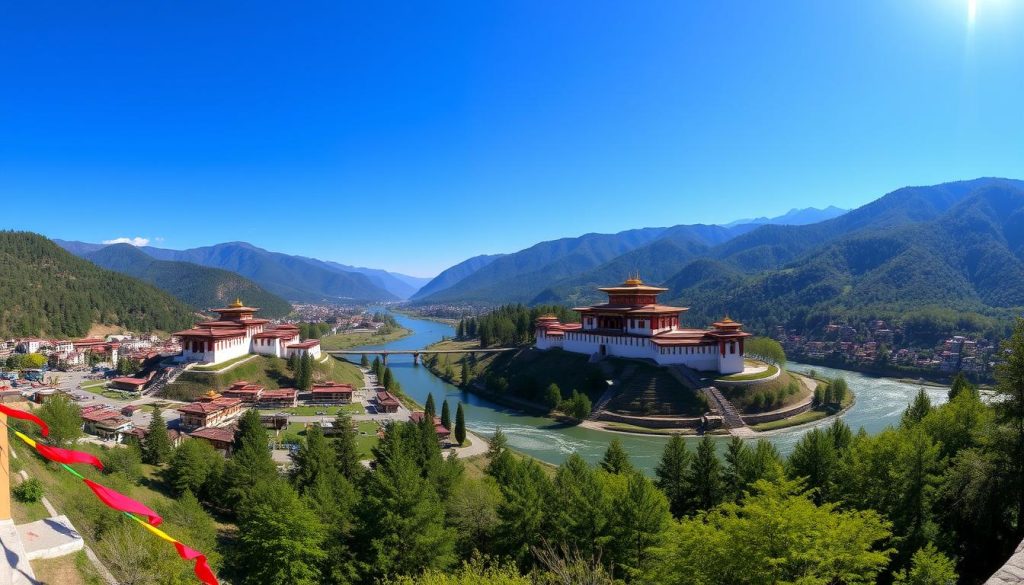
Chimi Lhakhang is in the beautiful Yuwakha village. It’s known as the Temple of Fertility, a key site in Punakha Dzongkhag. Built in 1499 by Ngawang Chogyal, the 14th Drukpa hierarch, it’s a major pilgrimage spot. Many visit Chimi Lhakhang to get fertility blessings, making it a top temple in Bhutan.
The journey starts with a walk through green paddy fields. This walk sets a peaceful mood. At the temple, women hoping to have a child get a special blessing. A Lama uses a 10-inch wooden phallus with silver to tap their head, symbolizing fertility.
Many travelers, mainly from the US and Europe, have found success in conception after visiting. This has made Chimi Lhakhang a place of hope for couples. The temple is famous for fertility blessings and shows the deep cultural beliefs of the area. These beliefs are reflected in the phallus paintings in local homes.
In spring and autumn, the temple is filled with life. The path can get slippery after rain, so be careful. Chimi Lhakhang is a mix of reverence, unique rituals, and cultural practices. It truly shows the heart of Bhutanese spirituality.
Rafting and Kayaking on the Mo Chhu River
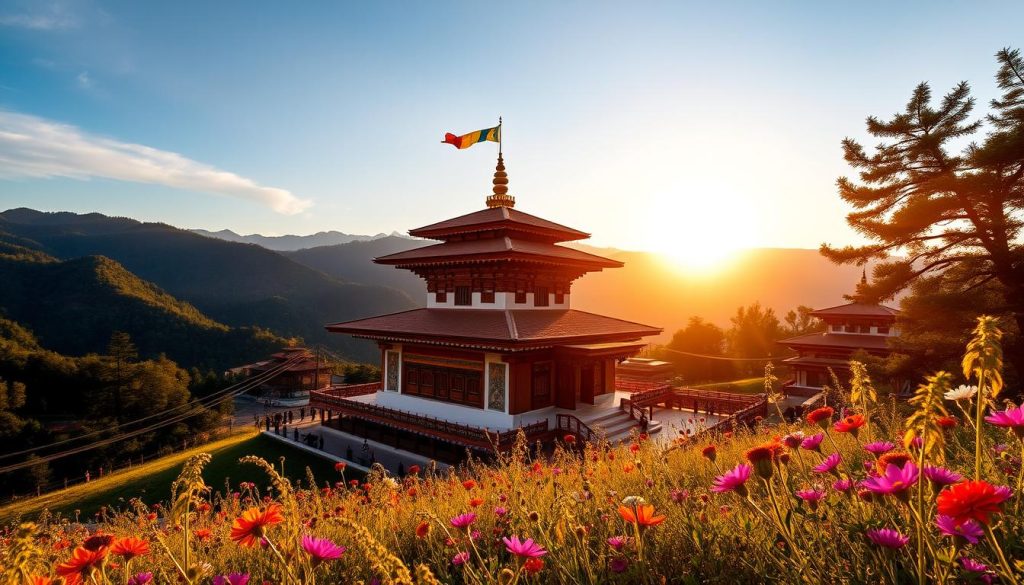
Punakha Dzongkhag is a thrill for adventure seekers with its rafting and kayaking on the Mo Chhu River. The river is surrounded by beautiful landscapes, making it a top adventure in Punakha Dzongkhag. The best time for these activities is spring and summer, when the water is perfect for a memorable journey.
Adventure Activities You Can’t Miss
Rafting and kayaking on the Mo Chhu offer a unique way to see Punakha Dzongkhag’s beauty. You’ll feel the rush of white waters and enjoy stunning views of hills and valleys. Here are some key points:
- Variety of river grades for all skill levels.
- Scenic views that make every paddle special.
- Experienced guides who keep you safe and enhance your fun.
Safety Tips for Water Sports
Water sports are exciting, but safety comes first. Here are important tips to keep in mind:
- Always wear a life jacket while on the water.
- Have experienced guides to ensure safe navigation.
- Be mindful of weather and river conditions.
- Be prepared with the right gear and clothes.
- Listen to your guides’ instructions carefully.
Punakha Suspension Bridge: A Scenic Walk
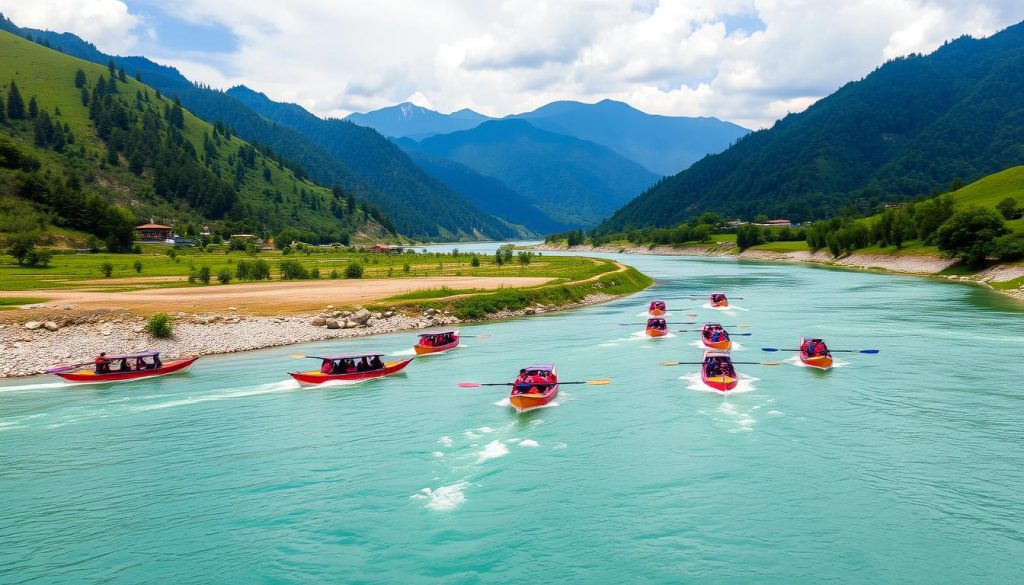
The Punakha Suspension Bridge is a famous spot in Bhutan, known for its length and beautiful views. It stretches from 160 to 180 meters over the Mo Chhu River. Standing about 60 meters above the river, it offers a stunning view of the valley and mountains.
It was built in the 17th century by Thangthong Gyalpo. The bridge connects villages to the Palace of the Wangchuk Kings. Walking on it takes about 15 minutes, perfect for photos and enjoying nature.
To get to the Punakha Suspension Bridge, drive from Thimphu, a 2-hour trip via Dochula road. Or, it’s about 110 kilometers from Paro through Thimphu. A 0.5 km walk from the car park brings you to the bridge. It’s a favorite spot for over 20 tourists every day.
- Best Visiting Time: Early morning for cool weather and fewer crowds
- Nearby Attraction: Khamsum Yulley Namgyal Chorten, a temple dedicated to the Kingdom’s well-being
- Visiting Fee: INR 300 for entry to Punakha Dzong
- Visiting Hours: 8:30 AM to 5:00 PM during summers, 11:00 AM to 5:00 PM in winters
Experience the Punakha Suspension Bridge, a mix of history and natural beauty. It’s a key part of exploring Punakha Dzongkhag attractions.
Khamsum Yulley Namgyal Chorten: A Spiritual Journey
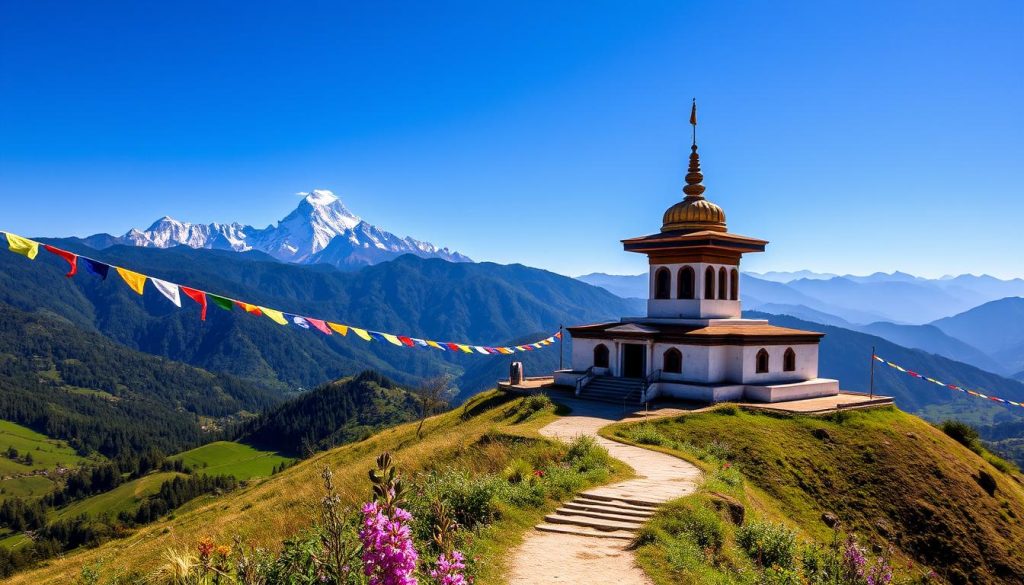
In Punakha, the Khamsum Yulley Namgyal Chorten is a standout symbol of spiritual commitment. This stunning Buddhist shrine sits on a hill, offering amazing views. These views make it a key cultural site in Punakha Dzongkhag.
The path to *Khamsum Yulley Namgyal Chorten* is a 45-minute hike. You’ll walk through green fields and dense forests. It’s a peaceful journey that lets you enjoy the beauty around you.
The Significance of the Chorten
The Khamsum Yulley Namgyal Chorten promotes peace and well-being. It invites visitors to think about their spiritual journeys. The design is detailed, with bright colors and statues that tell stories from Buddhist teachings.
Inside, you’ll find art that shows important events and teachings of Buddhism. Figures like Vajrapani and Milarepa are shown in their own unique ways. This makes the site a must-see in Punakha Dzongkhag.
Explore the Villages: A Glimpse into Bhutanese Life
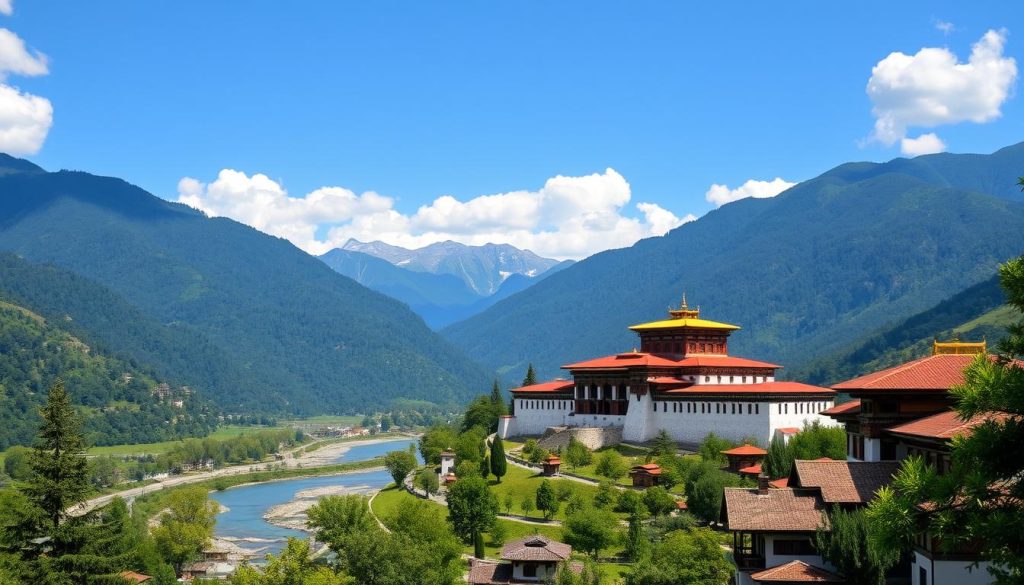
Punakha Dzongkhag is more than just history and views. It’s a place where you can see traditional farming and meet the friendly Bhutanese people. Visiting the villages here lets you see how locals live and their customs. Don’t miss out on Punakha Dzongkhag sightseeing to see the villages’ unique charm.
Popular Villages to Visit in Punakha
There are many villages in Punakha Dzongkhag that you can visit. They let you dive into local culture, talk to farmers, and see traditional Bhutanese homes. Some top spots include:
- Ritsha Village: It’s famous for its beautiful terraced fields. This village shows how important farming is to the community’s life.
- Talo Village: Known for its traditional buildings and stunning views, Talo is a great place to meet local artisans and learn about their crafts.
- Chorten Nku Village: Here, you can see traditional homes and experience local traditions. The village is peaceful and beautiful.
Visiting these villages makes your trip to Punakha Dzongkhag even more special. It helps you understand and appreciate the Bhutanese way of life.
Dochula Pass: A Breathtaking Viewpoint
Dochula Pass is a stunning viewpoint between Thimphu and Punakha, at 3,100 meters high. It’s famous for its 108 memorial chortens, or Druk Wangyal Chortens, in three layers. The first layer has 45, the second 36, and the top has 27 chortens.
This setup creates a peaceful and beautiful scene, great for reflection and photos.
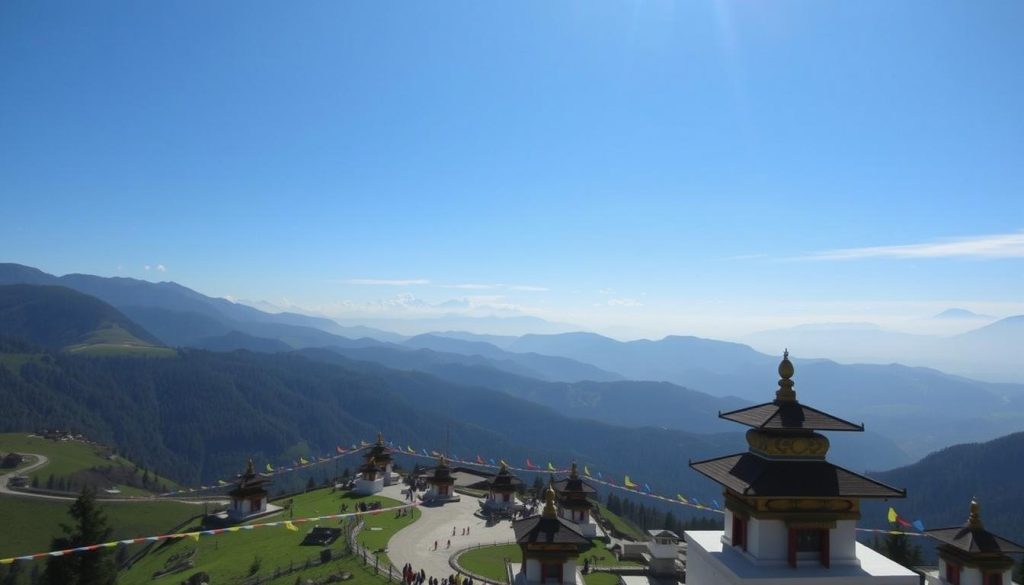
On clear days, the views of the Himalayas are amazing. You can see Bhutan’s highest peak, Gangkar Puensum, at 7,158 meters. It’s a must-see for those visiting Punakha Dzongkhag, best from October to February.
“The tranquility of Dochula Pass offers a moment of peace and awe, presenting the best of Bhutan’s natural beauty.”
Don’t miss the Druk Wangyal Lhakhang, a monastery built in 2008. It has detailed paintings of Bhutan’s history. The Dochula Druk Wangyel Tshechu festival, on December 13, honors a key victory and adds to the cultural richness.
Dochula Pass is a peaceful stop on the Thimphu to Punakha route. It’s a mix of natural beauty and cultural significance, making it a key spot in Punakha Dzongkhag.
| Feature | Description |
|---|---|
| Altitude | 3,100 meters |
| Number of Chortens | 108 (45 + 36 + 27) |
| Best Viewing Months | October to February |
| Main Peak Visible | Gangkar Puensum (7,158 meters) |
| Notable Event | Dochula Druk Wangyel Tshechu on December 13 |
| Monastery | Druk Wangyal Lhakhang |
Sangchhen Dorji Lhuendrup Lhakhang: A Hidden Gem
The Sangchhen Dorji Lhuendrup Lhakhang sits on a hilltop, offering a glimpse into Bhutan’s spirituality. It’s a key Punakha Dzongkhag attraction that highlights the area’s cultural richness. Inside, you’ll find a vast collection of sculptures and sacred relics, perfect for contemplation and prayer.
When you reach the monastery, you’ll be greeted by stunning views. The calm here is a welcome escape from Punakha’s busy spots. Many visitors say it deepens their understanding of Bhutan’s culture and faith.
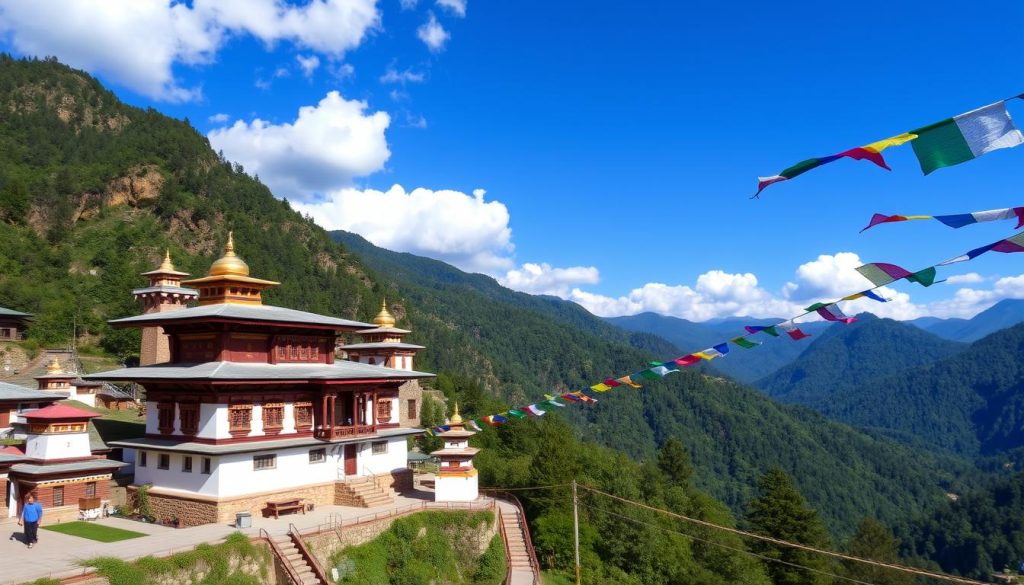
If you’re looking for a quiet spot or a chance to explore Bhutan’s spiritual side, this place is ideal. Visiting the Sangchhen Dorji Lhuendrup Lhakhang makes your trip to Punakha Dzongkhag truly special.
Conclusion
Punakha Dzongkhag is a true gem in Bhutan, full of cultural and natural wonders. You might wonder what to see in Punakha Dzongkhag? This enchanting region has iconic sites like Punakha Dzong, built in 1637. It’s a must-see for over 70% of visitors.
Adventure lovers will adore white-water rafting on the Mo Chhu River. Many tour operators offer exciting experiences. About 40% of tourists enjoy these activities, taking in the valley’s stunning views.
For those seeking spirituality, Chimi Lhakhang is a must-visit. It’s famous for fertility blessings since 1499. It attracts many visitors.
Exploring Punakha’s traditions, festivals, and beauty is an adventure. You’ll find a mix of adventure and spirituality. The Punakha Drubchen festival shows Bhutan’s rich history. Spending five days here lets you truly experience Punakha Dzongkhag tourism.