
Explore Muscat’s Historical Sites – A Guide
Ever wondered what secrets Muscat’s ancient walls and structures keep? As you wander through Muscat’s historical sites, you’ll find a rich mix of Oman’s past and present. This guide will take you on a journey through Muscat’s heritage and innovation.
From impressive forts to cultural landmarks, each site tells a piece of Oman’s story. The best time to see Muscat is from October to April. The cooler weather makes it perfect for outdoor explorations.
By visiting these sites, you’ll learn about Oman’s traditions and changes. It’s a great way to understand this fascinating capital.
Introduction to Muscat’s Rich Heritage
Muscat’s heritage is a mix of history and culture. It shows the strong spirit of the Omani people. The city reflects many influences from different civilizations, thanks to its location on ancient trade routes.
Exploring Muscat’s history, you’ll see how each time period has shaped the city. From the first settlements to today, each era has left its mark.
The city’s architecture is a key part of its cultural heritage. Places like the Sultan Qaboos Grand Mosque are amazing. It can hold up to 20,000 people and is known for its stunning chandelier, the second-largest in the world.
The Mutrah Souq is another highlight. It’s a lively marketplace open from 9 am to 1 pm and 4 pm to 10 pm. Here, you can see local life and buy spices, textiles, and crafts. The alleys are filled with the sounds of merchants, showing Muscat’s trading past.
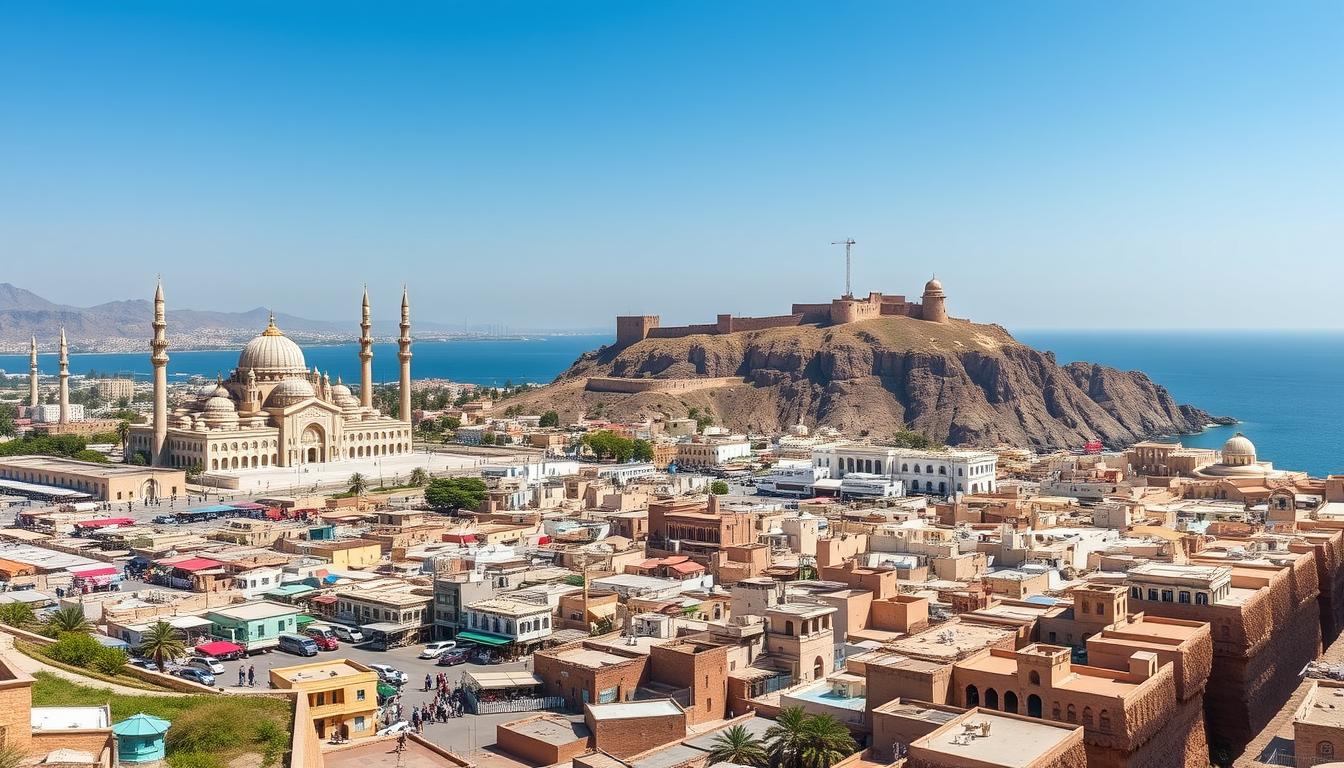
The Al Jalali and Al Mirani forts are also important. Built in the 16th century, they stand tall in Old Muscat. They give insights into the city’s defense and offer beautiful views. Each site has its own story, adding to your understanding of Muscat’s heritage.
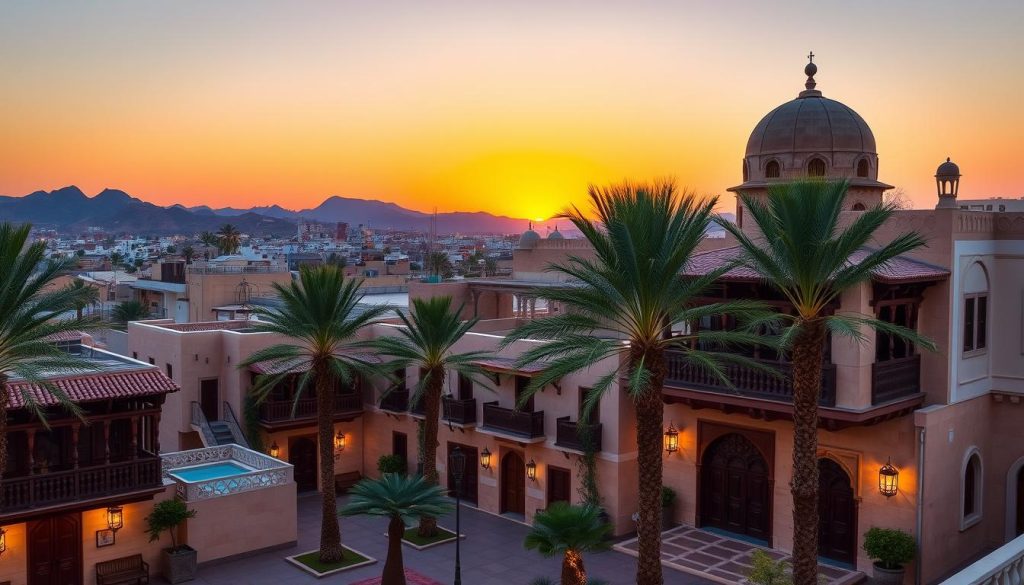
Muscat’s growth goes beyond its buildings. The city also has modern wonders like the Royal Opera House. Here, you can see a mix of tradition and innovation in performances. As you explore Muscat’s history, you’ll see how the past and present are connected. This will give you a deep appreciation for this incredible city.
Why Visit Muscat: A Blend of Old and New
Muscat is a unique place where old and new meet. It has ancient treasures and modern comforts. You can see the stunning Sultan Qaboos Grand Mosque, with its massive Persian carpet.
Walking through souqs and markets, you can taste fresh seafood. The lively atmosphere is perfect for exploring and relaxing. Muscat has something for everyone.
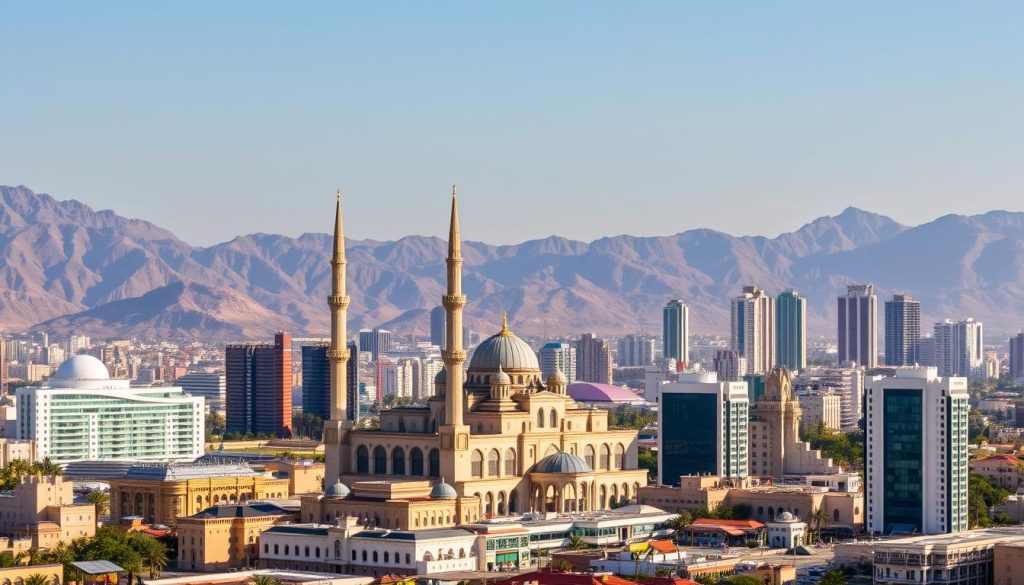
Outdoor lovers can enjoy dolphin watching or hiking in the Al Hajar Mountains. Watching the sunset by the Corniche is magical. Muscat’s mix of old and new makes it unforgettable.
The Mutrah Corniche is great for photos. Nearby, the Mutrah Fort tells stories of Oman’s past. Muscat offers a mix of history and fun, leaving visitors with wonderful memories.
Historical Sites in Muscat
The historical sites in Muscat offer a peek into Oman’s rich culture and architecture. Each site has its own story, letting you dive into Oman’s past. The Al Jalali and Al Mirani Forts are highlights, with their strong walls and military history.
Al Jalali and Al Mirani Forts
Built in the 16th century by the Portuguese, these forts were key defenses against invaders. They show off impressive military design and offer stunning views of Muscat and the Gulf. These forts are a big part of Omani history and defense.
Al Alam Palace
Al Alam Palace is the ceremonial home of Sultan Haitham bin Tariq. It blends traditional Islamic architecture with modern style. The palace’s bright colors and detailed designs stand out against the desert and sea. It shows Oman’s dedication to its heritage in the face of modern changes.
National Museum of Oman
The National Museum of Oman is key to understanding Omani identity and history. It displays artifacts from prehistoric times to today. Exhibits highlight Oman’s maritime history, crafts, and trade routes that shaped its past. It’s a top spot for anyone wanting to learn about Oman’s heritage.
Must-See Muscat Landmarks
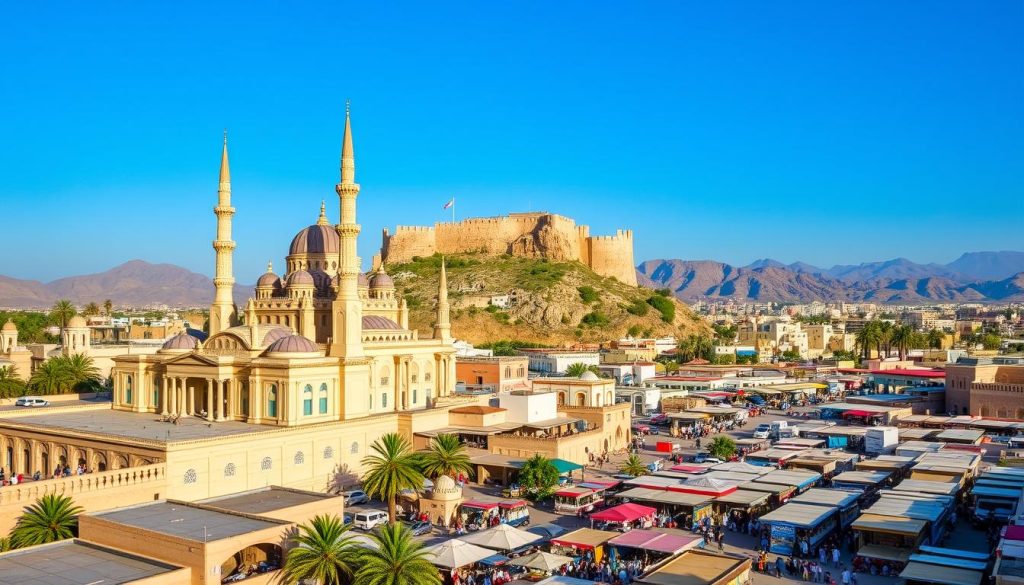
Exploring Muscat’s architectural wonders and cultural richness is a unique journey. The city’s historical attractions offer a glimpse into Oman’s past and present. Highlights include the Sultan Qaboos Grand Mosque and the Royal Opera House Muscat, showcasing the city’s spirit.
Sultan Qaboos Grand Mosque
The Sultan Qaboos Grand Mosque is a symbol of modern Islamic architecture and cultural pride. It was opened to honor Sultan Qaboos’ 30th year in power. Over 500,000 visitors come each year to see its beauty.
The mosque can hold up to 20,000 people. It features the world’s second-largest handwoven carpet and a stunning chandelier. It’s not just a place of worship but also a cultural site in Muscat, showing Oman’s artistry and heritage.
Royal Opera House Muscat
The Royal Opera House Muscat opened in 2011. It hosts various performances, from operas to local concerts. It’s a center for cultural exchange, attracting visitors worldwide.
Enjoying performances here lets you experience Oman’s artistic side. The Royal Opera House is a key attraction in Muscat, highlighting the city’s cultural importance.
Exploring Muscat Historical Attractions
As you explore Muscat, you’ll find places that are truly special. These spots reveal the heart of the city, showing you Oman’s deep history.
Mutrah Souq: The Heart of Omani Culture
Visiting Mutrah Souq is like going back in time. It’s one of the oldest markets in the Middle East. Here, you can see local crafts, spices, and perfumes.
It’s a place full of sights and smells. You can buy unique items like frankincense and silver jewelry. These make great souvenirs of your trip.
Old Muscat’s Traditional Architecture
The beauty of Old Muscat architecture shows the city’s rich history. You’ll see buildings with detailed designs and colorful tiles. Each one has its own story, showing Oman’s artistic growth.
Walking through these streets, you’ll appreciate Oman’s heritage more. You’ll see the skill that has shaped its buildings.
Best Historical Sites in Muscat for Tourists
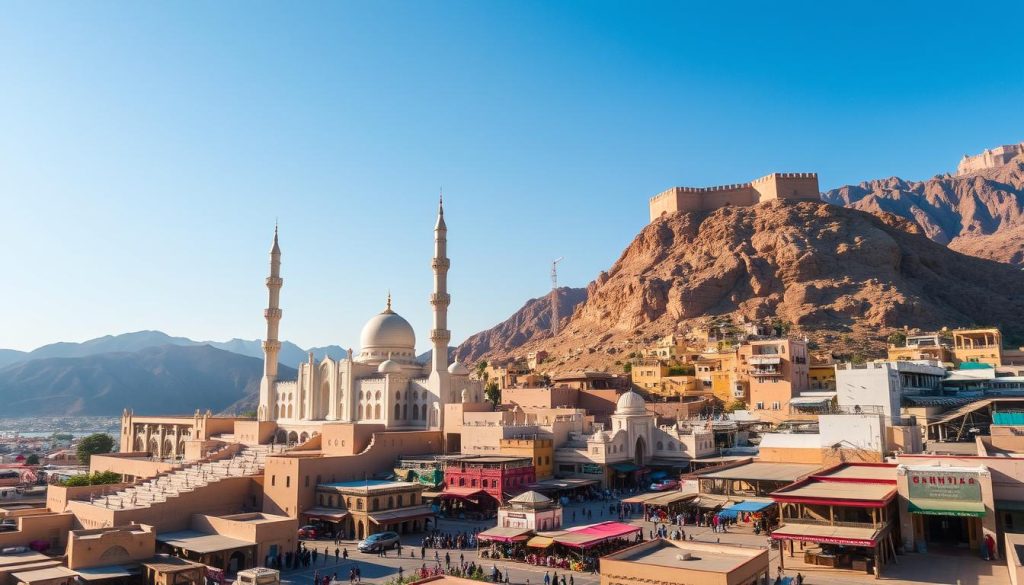
Muscat is a treasure trove for history buffs. It boasts cultural landmarks that show its rich heritage. Al Jalali Fort and Al Alam Palace are top examples of historical excellence. They highlight the architectural and military significance that have shaped Oman over the years.
Visiting these sites offers a deep dive into the past. It’s a chance for tourists to connect with history.
Al Jalali Fort’s Defense History
Al Jalali Fort is a key part of Muscat’s military history. It played a crucial role during the Ottoman conflicts. Today, it’s a museum with exhibitions that shed light on its past.
Walking through its halls, you can imagine its strategic role in defending the city. It’s a must-see for those interested in Oman’s defense history.
Architectural Wonders of Al Alam Palace
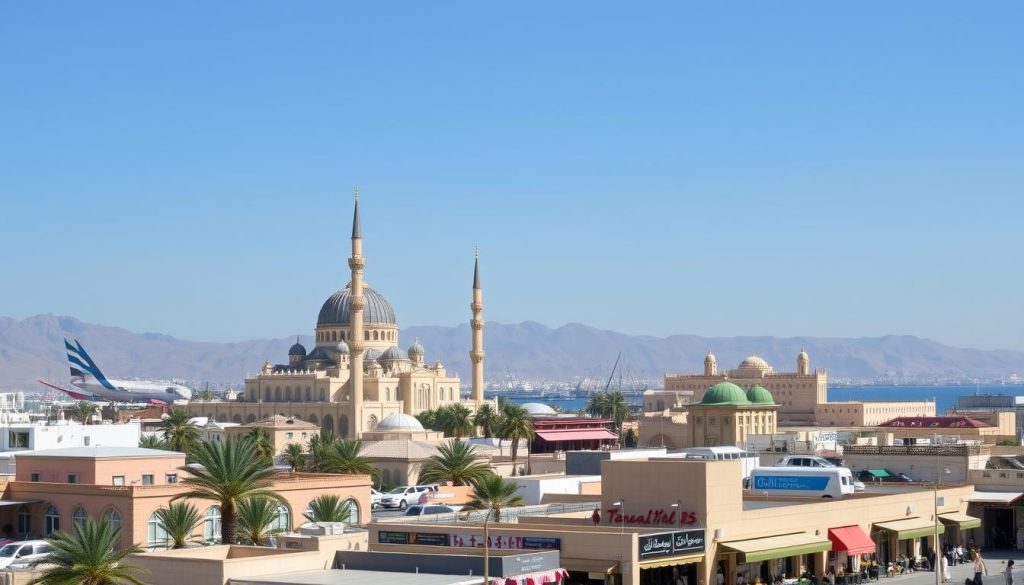
Al Alam Palace is a stunning architectural wonder. Its striking façade and grandeur leave a lasting impression. Rebuilt in 1972, it serves as a royal residence and a backdrop for ceremonies.
The palace showcases Islamic architecture and is a key part of Muscat’s identity. It’s a top tourist attraction, offering a blend of beauty and cultural significance.
| Historical Site | Significance | Year Established |
|---|---|---|
| Al Jalali Fort | Military Defense | 16th Century |
| Al Alam Palace | Royal Residence | 1972 |
| Bahla Fort | UNESCO World Heritage | 1987 |
| Nizwa Fort | Largest in Oman | 17th Century |
| Jabreen Castle | Learning Center | 1675 |
Planning Your Muscat Tourism Experience
When you start planning your Muscat tourism, the first step is to book your stay. Look for hotels like the Sheraton Oman in Mutrah and the Intercontinental Hotel in Qurum. They are close to major attractions.
The best time to visit Muscat is from October to April. The weather is perfect for exploring outdoors. Don’t miss the tours that cover the city’s history and modern sights.
Make sure to visit the Sultan Qaboos Grand Mosque. It’s open daily (except Fridays) from 8 am to 11 am. You can enter for free, but women must follow a dress code.
For those on a budget, public transport is a good choice. The bus number 4 from Mutrah to the Oman National Museum costs 200 baisa (about $0.50). It takes about an hour. Taxis are also an option, but prices can vary.
Your Muscat travel guide should suggest activities like dolphin watching and snorkeling. Try Bait Al Luban for authentic Omani food or Kargeen Caffe for a cozy vibe. Don’t miss the views at Al Naseem Terrace.
To make your trip better, compare flight prices on platforms like CheapOair. Booking with OmanAir can save you money. Also, consider getting travel insurance from World Nomads for a worry-free trip.
Tips for an Engaging Muscat Sightseeing Tour
Starting your journey to Muscat is an exciting adventure. It’s filled with rich history and beautiful landscapes. To enjoy your time in Muscat, mix practical tips with cultural insights. Knowing the best times to visit and what to wear can make your trip better.
Optimal Times to Visit
The best time to visit Muscat is between November and March. The weather is mild and perfect for outdoor adventures. Muscat stretches over 70km along the coast, with neighborhoods that feel like small cities.
There are four main areas to explore: Mutrah, Al-Bustan, Ruwi, and Al-Qurum. Each offers unique experiences, from local markets to stunning coastal views.
What to Wear While Exploring
Remember to dress modestly when visiting cultural and religious sites. This respects local customs. Wear breathable layers for Muscat’s changing temperatures.
Don’t forget to pack:
- Light clothing for warm weather
- Sun protection like hats and sunglasses
- Comfortable shoes for walking
- Travel adapters for your devices
- Water bottle to stay hydrated
- Modest clothes for cultural sites
- Travel insurance for peace of mind
Knowing these tips prepares you for a great visit. Explore places like Mutrah Souq and Al-Bab Al Kabir to make your trip unforgettable.
How to Experience Muscat Travel Guide Effectively
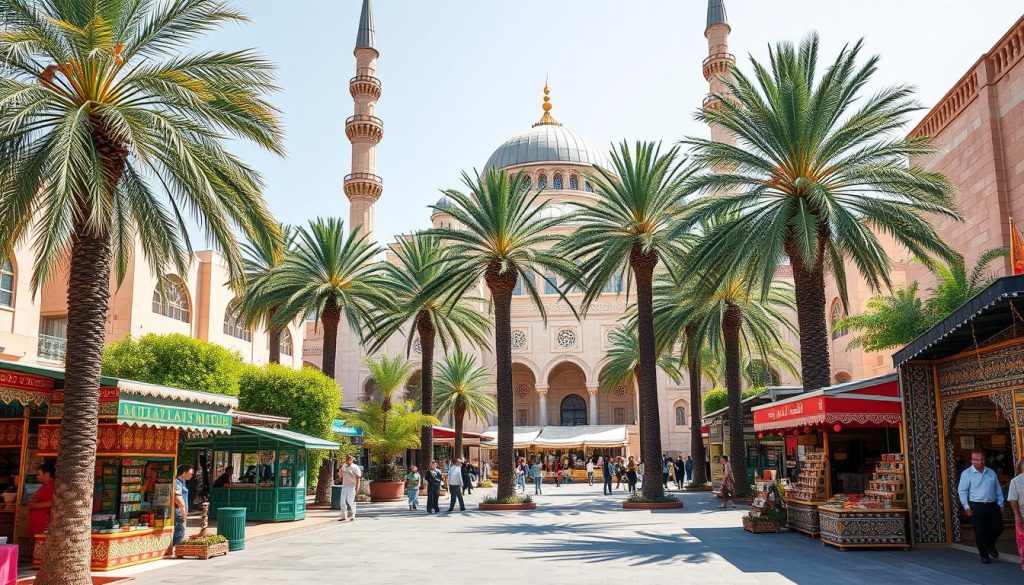
To fully enjoy Muscat, dive into the local culture. This will make your visit richer and help you understand Omani life better. Guided tours are great for learning from locals about Muscat’s history and traditions.
Trying local foods is another way to experience Oman’s flavors. Cultural performances also give a peek into the country’s lively heritage.
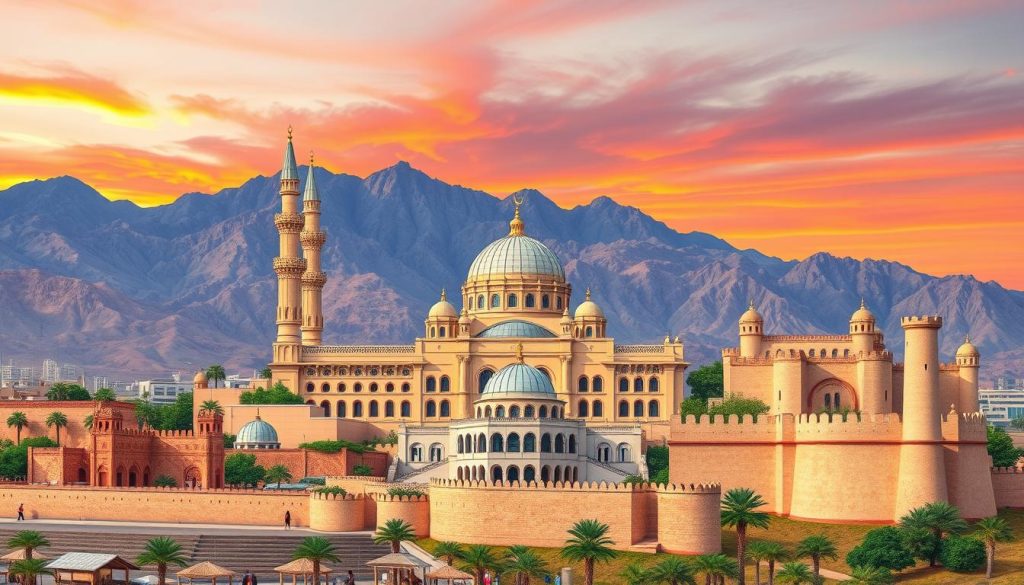
For a better trip, follow tips for traveling in Muscat. Stay for at least five nights to really get to know the place. The Sultan Qaboos Grand Mosque is a must-see, open Sunday to Thursday mornings.
Dining out can be expensive, so plan your meals. A two-hour drive to Wadi Shab canyon is worth it. Rent a car with SatNav to explore easily.
Wadi Shab costs just 1 Omani rial for a boat ride. The Bimmah Sinkhole and Dimaniyat Islands offer stunning views. Snorkeling costs around £50, and camping trips are unforgettable.
Plan your trip well to see Muscat’s highlights. The twin fortresses, Muttrah’s historic district, and Qurum’s natural spots are just a few attractions. Muscat’s souqs and mosques add to the memorable journey.
Exploring Muscat History Beyond The Sites
Learning about Omani history is more than just visiting old sites. Muscat’s heritage comes alive through stories of the community, traditions, and everyday life. By diving into these tales, you get a special look at Muscat’s cultural heart.
Through stories, festivals, and exhibits, visitors can really feel the spirit of this lively city. It’s a way to see beyond the surface and understand what makes Muscat unique.
Cultural Insights through Historical Exploration
To truly get Muscat, try these experiences that dive into its heritage:
- Local Festivals: Join in on celebrations that show off traditional music, dance, and food. It’s a real taste of Omani life.
- Storytelling Sessions: Talk to locals who share stories of the past. It’s a great way to learn about history and its importance.
- Cultural Exhibitions: Check out museums or galleries with events on Omani crafts, art, and history. They offer deep insights into the culture.
By exploring these ways, you get a full picture of Muscat. You see how its history and landmarks are part of today’s life. It’s a journey into Oman’s soul, making your visit even more meaningful.
| Experience | Description | Benefits |
|---|---|---|
| Local Festivals | Community gatherings celebrating Omani traditions. | Connection with locals, understanding cultural nuances. |
| Storytelling Sessions | Engagement with historical narratives from residents. | Deeper insight into Omani history, enriched experiences. |
| Cultural Exhibitions | Art and artifact displays highlighting Omani heritage. | Visual connection to history, appreciation for artistry. |
Conclusion
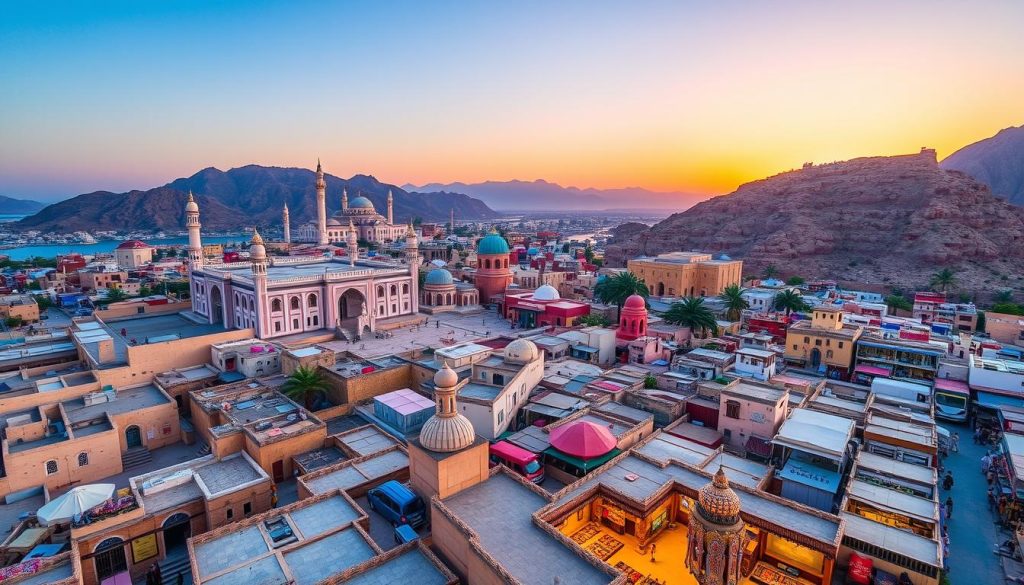
Your journey through Muscat’s historical sites has deepened your understanding of Oman’s rich culture. Walking through ancient forts like Al Jalali and Al Mirani, you saw the city’s enduring beauty. The mix of the Royal Opera House with Old Muscat’s traditional buildings shows the city’s blend of old and new.
Every landmark and museum you see tells a part of Oman’s long history. The National Museum, founded in 1978, and the Bahlā Fort, a World Heritage site, show the country’s mix of tradition and innovation. Each visit leaves you with unforgettable memories.
Standing by the Arabian Sea, with Muscat’s beautiful coast in sight, take a moment to think about what you’ve learned. Muscat’s unique blend of history and future makes it a fascinating place for anyone wanting to explore Oman’s charm.





