Explore Athabascan Culture in Denali Park
Ever wondered how the Athabascan culture has grown and thrived in Denali National Park’s stunning landscapes? This article invites you on a journey through the rich life, traditions, and values of the Indigenous peoples here. You’ll learn about the deep bond between the land and its people, who have lived here for thousands of years.
As you explore Athabascan culture in Denali National Park, get ready to see how ancient practices still live on today. You’ll gain insights into how these traditions are kept alive and connect with modern life.
Introduction to Athabascan Culture
Athabascan culture is a deep dive into the life and traditions of Indigenous peoples in Alaska. It shows a strong bond with the land and nature, built over thousands of years. The Athabascans have developed a detailed knowledge of their environment. They understand the plants and animals crucial to their survival.
At the heart of Athabascan culture are spiritual beliefs and practices. These beliefs connect them to the natural world. Through stories and legends, they share values like respect for nature and living in harmony with it. These stories also help keep their community and cultural identity strong.
Living off the land is key to Alaska Native culture, especially for the Athabascans. They use fishing, hunting, and gathering to survive. Their way of life matches the natural environment’s cycles, showing their adaptability and strength. These activities are essential to their culture and help keep their traditions alive.
The Indigenous Peoples of Denali National Park
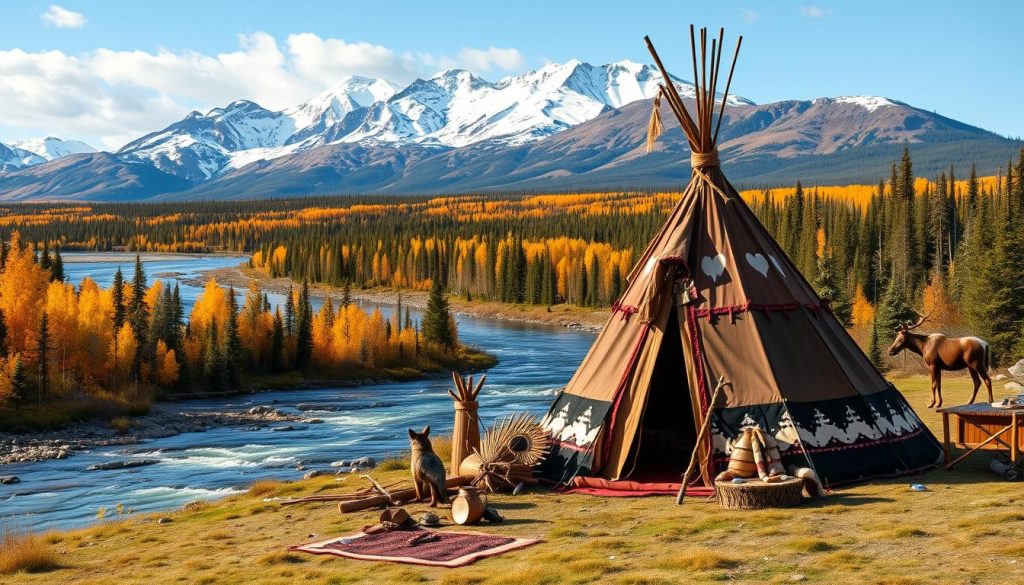
The Denali National Park area is a vibrant mix of cultures. It’s shaped by the Athabascan tribes. These tribes have a deep connection with the land and its resources.
Overview of Athabascan Tribes
In the Denali region, five main Athabascan tribes live: Ahtna, Dena’ina, Koyukon, Upper Kuskokwim, and Tanana. Each tribe has its own unique practices and traditions. They reflect their environments.
The diversity among the Athabascan tribes is clear. They have different languages and ways of living. Their oral histories are key to keeping their identities alive.
History and Traditions
The resilience of these tribes is a big part of Alaska Native history. They’ve adapted over the years to new challenges. Their oral traditions are full of stories that show their bond with the land.
These stories are important for their culture. By exploring Denali, visitors can see how the Athabascan tribes have kept their traditions alive. They’ve passed down their knowledge and values through generations.
Living Off the Land: Subsistence Practices
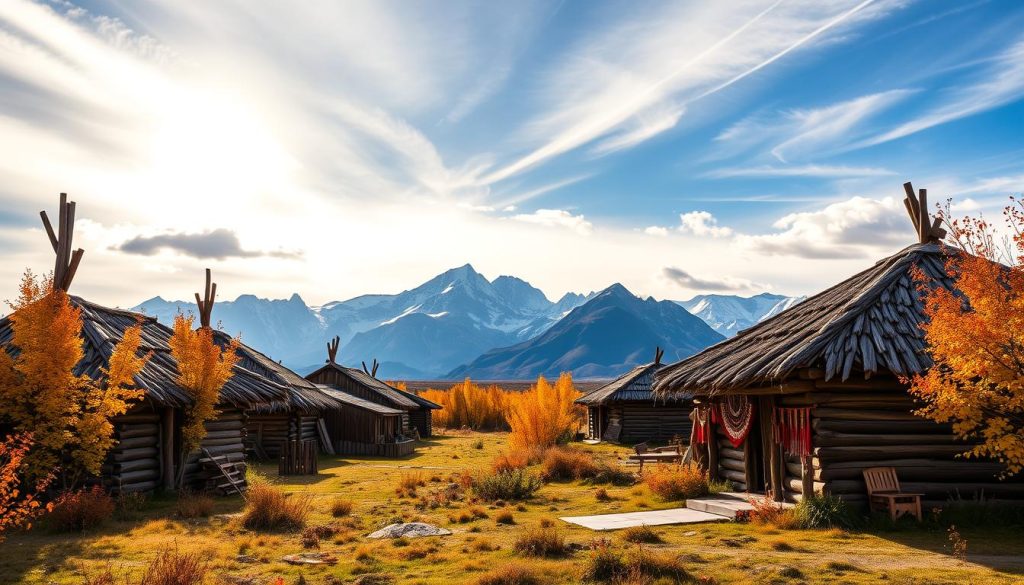
The Athabascan people have lived in the Denali National Park area for centuries. They rely on nature to support their communities. This way of life shows their deep connection with the land through subsistence practices. They know how to fish, hunt, and gather, thanks to their ancestors.
Fishing, Hunting, and Gathering
Fishing, hunting, and gathering are key to Athabascan life. Rivers full of salmon and forests full of moose help them survive. They fish in the summer and hunt in the winter to feed their families. Gathering berries and plants adds to their diet, keeping them close to nature.
- Fishing for salmon in rivers
- Hunting moose and caribou in the forests
- Collecting berries like blueberries and cranberries
- Using plants for medicinal purposes
Importance of Seasonal Movements
Seasonal movements are vital for the Athabascans. They move to follow animals and plants at different times of the year. This knowledge helps them use resources wisely, keeping the land healthy for the future.
| Season | Activities | Resources Harvested |
|---|---|---|
| Spring | Fish for salmon | Salmon, various water plants |
| Summer | Gather berries and plants | Berries, roots, herbs |
| Fall | Hunt caribou and moose | Meat, hides, bones |
| Winter | Ice fishing and hunting | Fish, game |
Traditional Lifeways in the Denali Region
The Athabascan people have a deep bond with the land and live sustainably. Their communities are built on family values, where everyone’s role is crucial. This setup helps everyone work together, making them strong against environmental changes.
Athabascan culture uses local resources like fishing, hunting, and gathering. These activities are more than just for survival; they connect people to their past and the earth. Working together in these tasks builds a strong community bond.
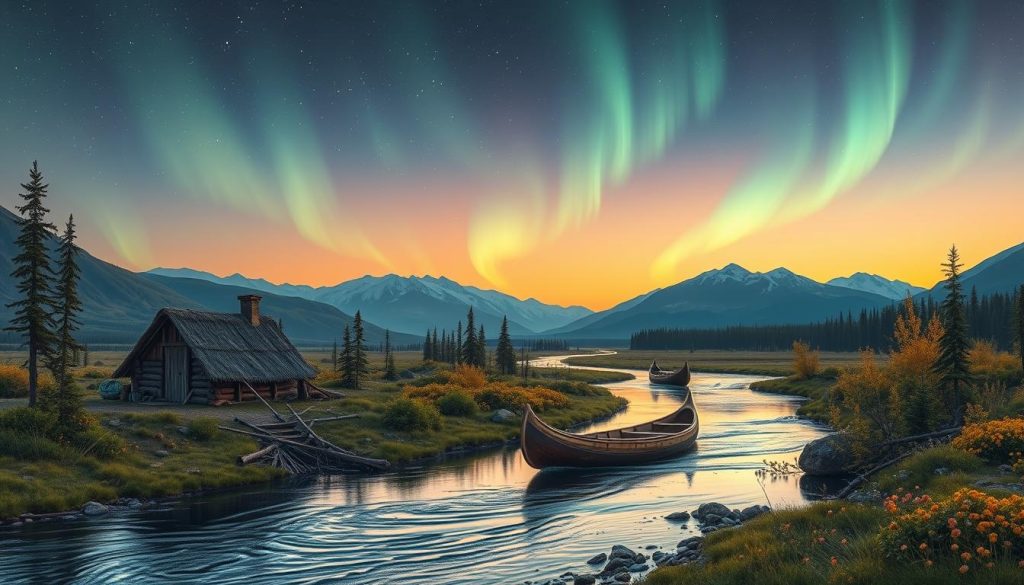
Seasonal movements are key to their traditional way of life. The Athabascan people move to find resources at the right times. This shows their deep knowledge of nature and their effort to protect it.
- Communal living fosters resilience.
- Family structures promote participation in subsistence practices.
- Sustainable resource use connects individuals to their cultural heritage.
These practices show the lasting strength of Athabascan culture. It’s built on community, living sustainably, and respecting the land. Learning about their traditional ways gives us a peek into a culture that’s still alive and thriving in the Denali region.
Learning about Athabascan culture in Denali National Park
Denali National Park is a great place to learn about Athabascan culture. It offers educational programs that teach visitors about the traditions and way of life of the Athabascan people. These programs help you understand how the past still affects today.
Educational Programs and Cultural Experiences
There are many educational programs that make learning fun and interactive. You can join:
- Workshops that explore traditional crafts and skills
- Guided tours led by knowledgeable cultural interpreters
- Interactive sessions that involve story-sharing and practices
These activities help you connect with Athabascan culture. They make your visit more meaningful and teach you to respect indigenous traditions.
Connecting with Alaska Native Histories
Storytelling is key at Denali for connecting with the past. Oral traditions help keep the knowledge of past generations alive. You might find:
- Storytelling events showcasing stories from families
- Workshops that highlight the value of oral histories
- Discussions on how these stories influence today’s life
By taking part in these cultural activities, you help keep Alaska Native culture alive. This ensures the heritage of the Athabascan people continues to flourish.
Cultural Heritage and Language Preservation
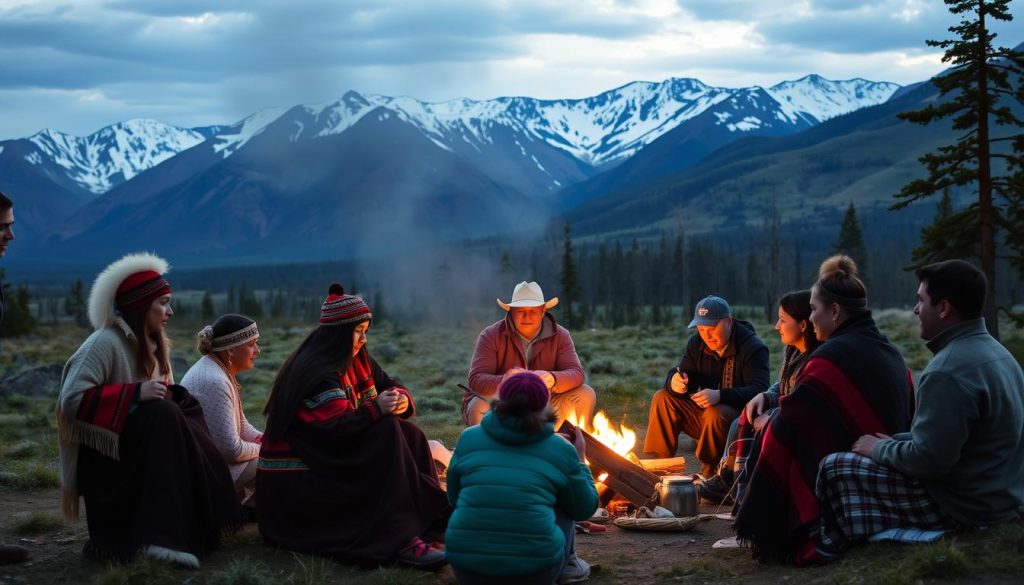
The rich tapestry of Cultural heritage in Denali is deeply tied to Athabascan place names across the land. These names highlight important spots and show the deep bond between the land and its Indigenous people. Learning about these terms helps us see the values and history of Alaska Native culture.
Athabascan Place Names and Map Significance
There are over 1,650 Athabascan place names in the Denali region. Each name tells a story or describes the natural world. This naming system helps with navigation, honors ancestors, and shares Indigenous knowledge of the land. It’s key to understanding the deep connection Alaska Native culture has with Denali.
Efforts to Revitalize Language
Language preservation is crucial for keeping Athabascan languages alive. Schools and communities have programs to teach the language to young people. These efforts keep the cultural stories and identities of the Athabascan people strong and current. Language is vital; it holds the cultural heritage of Denali, passing down important knowledge and a sense of belonging.
Modern-Day Athabascan Communities
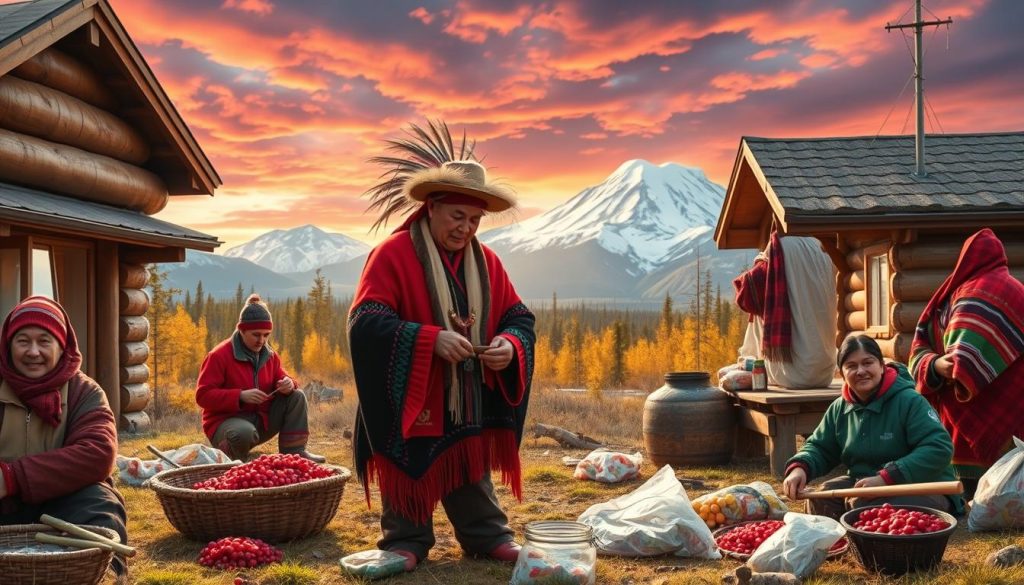
Communities like Nikolai and Lake Minchumina show how Athabascan peoples keep their traditional ways alive. They still rely on hunting, fishing, and gathering. These activities are key to their diet and keep their culture strong.
Current Subsistence Practices in Nikolai and Lake Minchumina
Traditional ways are still important in these areas. Families hunt caribou, fish for salmon, and gather berries. They teach these skills to the young, keeping their culture alive.
This connection to the land helps families and communities. It’s vital for their food and their cultural identity.
Challenges Faced by Contemporary Communities
Today, these communities face many challenges. Changes in the environment, less resources, and economic issues are big problems. Climate change affects where animals live, making it harder to hunt and fish.
More development and environmental changes also threaten their way of life. It’s important to find ways to overcome these issues. This will help keep their traditions and culture safe.
The Role of Cultural Ambassadors
Cultural ambassadors connect the deep traditions of the Athabascan culture with the wider community. They work hard to keep Indigenous culture in Alaska alive. People like Howard Luke show this by sharing stories and knowledge that capture the Athabascan spirit.
Impact of Figures like Howard Luke
Howard Luke is a key figure in keeping Athabascan culture alive. He does more than just save traditions; he helps people understand and value them. Through outreach programs, he teaches about traditional ways and the power of stories to share wisdom and culture.
His work has motivated many to dive into and enjoy the rich Indigenous culture of Alaska.
Sharing Knowledge Through Elders’ Stories
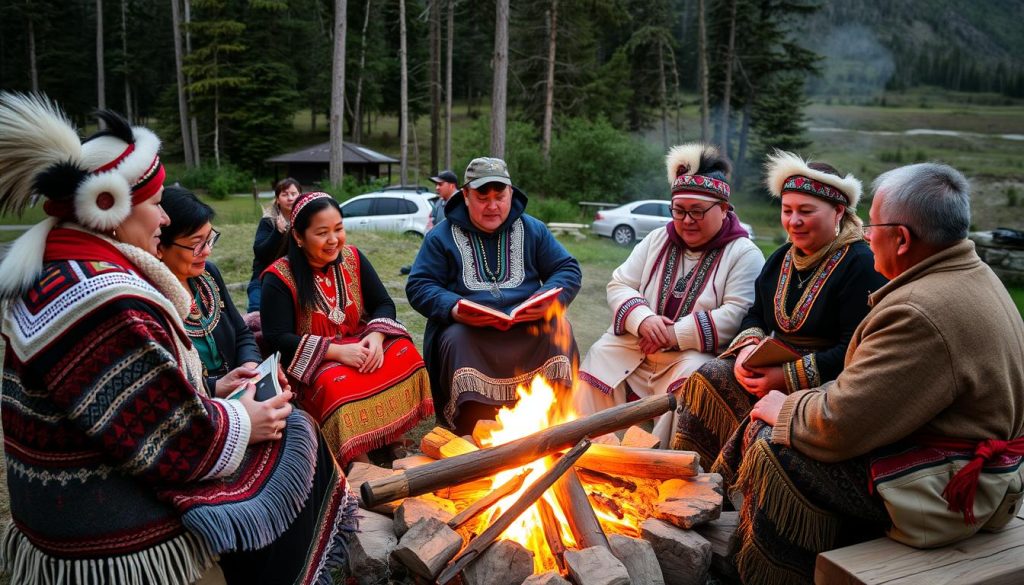
Elders are crucial in sharing Athabascan culture. Their stories are full of experiences, values, and history important for the next generations. Storytelling is a way to teach life lessons that keep cultural identity strong and community ties close.
This way, Elders’ stories keep history alive and make it a living part of our lives. They help us feel connected to our heritage.
Athabascan Arts and Crafts
Athabascan arts show a rich heritage that blends old skills with new ideas. These arts are more than just pretty things. They tell stories of the Athabascan people’s history and identity.
Traditional Craftsmanship and Contemporary Art
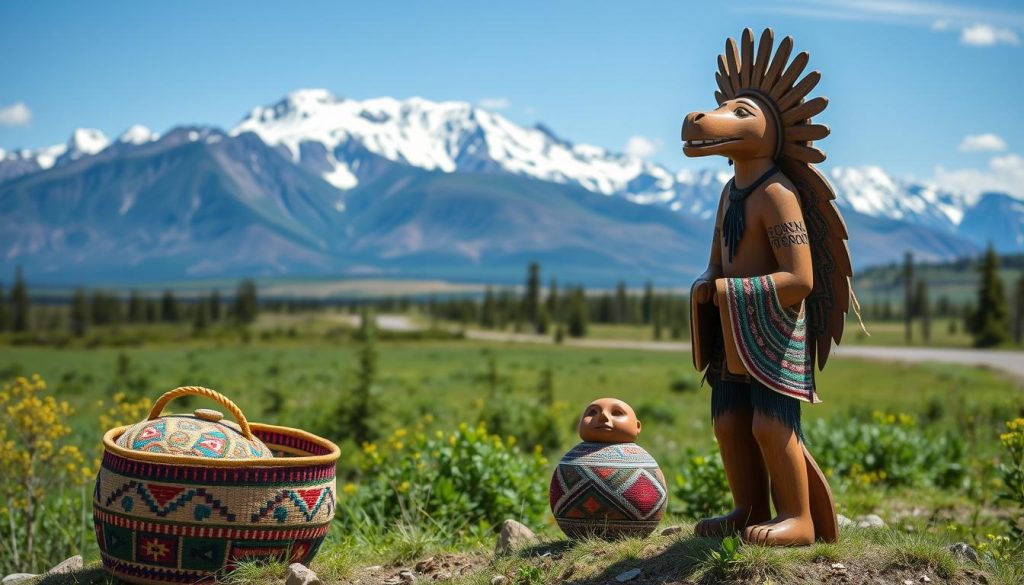
Traditional Athabascan crafts include beaded moose hide slippers, carved sculptures, and woven baskets. Each item has a story, linking the maker to their roots. Modern artists add new themes while keeping the old traditions alive.
Festivals Celebrating Athabascan Culture
Festivals are key to celebrating Athabascan culture and its arts. The Athabascan Fiddlers Festival and the Festival of Native Arts bring music, dance, crafts, and stories together. These events build community and spread cultural knowledge, showing the importance of Athabascan arts.
The Spiritual Connection of Athabascans with Denali
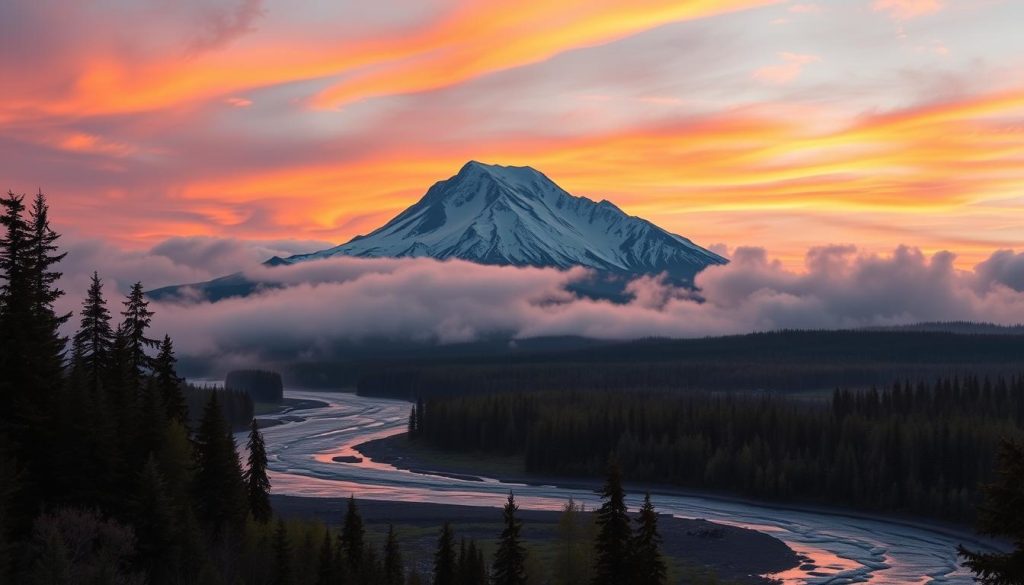
The Athabascans have a deep spiritual bond with the area around Denali Mountain. This mountain is a key part of their culture. It’s more than just a mountain; it’s a symbol of who they are. Through stories, rituals, and traditions, they show their strong connection to this sacred place.
Legends and Stories Embedded in the Landscape
For generations, Athabascans have shared stories about Denali Mountain’s origins and its importance. These tales talk about powerful spirits and mythical creatures. They teach important lessons about living in harmony with nature.
Significance of Denali Mountain in Athabascan Culture
Denali Mountain is a symbol of strength and resilience for the Athabascans. It’s not just a mountain; it’s a spiritual being that shapes their lives. It’s present in their celebrations and stories, giving them deeper meaning.
| Elements | Importance |
|---|---|
| Denali Mountain | Centerpiece of spiritual life and identity |
| Athabascan Legends | Communicate moral lessons and cultural values |
| Cultural Rituals | Reinforce community bonds and respect for the land |
| Storytelling Tradition | Preserve history and spirituality |
Tourism and Cultural Respect in Denali
Tourism in Denali National Park is growing, making it key to respect culture. By choosing responsible tourism, visitors learn more about Athabascan heritage and support local communities. This way, they connect deeply with the land and its people.
Engaging in Responsible Tourism
Responsible tourism means making choices that respect Indigenous cultures. Here’s how you can do it:
- Learn about the customs and traditions of the Athabascan peoples before visiting.
- Support local businesses and artisans to help the community thrive.
- Join guided tours led by Native guides who share real stories and knowledge.
Visitor Etiquette and Cultural Sensitivity
Knowing how to act is key for respectful visits in Alaska Native communities. Here are some tips for cultural sensitivity:
- Always ask before taking photos of people or sacred places.
- Listen well and talk with respect and openness.
- Don’t assume you know about cultural practices; be curious and humble.
By following these tips, you help create a respectful space. This celebrates the rich culture of the Athabascan people. It makes your visit and others’ visits better in Denali National Park.
Resources for Learning More
If you want to learn more about Alaska Native history and the Athabascan people, there are many resources for learning out there. These resources give you a peek into their traditions, practices, and the special environment of Denali National Park.
Books, Documentaries, and Research Articles
Books and documentaries are great for deepening your knowledge of Athabascan culture. Here are some suggestions:
- Looking for Alaska: The Unwritten History of Alaska Native Culture – This book tells an engaging story of Alaska Native history.
- The People of Denali National Park – A documentary that highlights the lifestyle, beliefs, and stories of the tribes in and around Denali.
- Athabascan Legends – A collection of stories that show the values and traditions of the Athabascan people.
Links to Local Organizations and Parks
Connecting with local organizations can make your learning experience richer and help with cultural preservation. Here’s a table with key local organizations focused on this:
| Organization Name | Focus Area | Contact Information |
|---|---|---|
| Alaska Native Heritage Center | Cultural education and preservation | (907) 330-8000 |
| Denali National Park Visitor Center | Education about the park and its indigenous cultures | (907) 683-9532 |
| Cook Inlet Tribal Council | Support for Alaska Native families | (907) 793-3600 |
Conclusion
Reflecting on your Denali National Park journey shows how vital it is to explore Athabascan culture. This heritage, from the Indigenous peoples of Alaska, teaches us about nature and community. It gives us deep insights into the history of this amazing place.
Keeping the Athabascan culture alive honors the past and enriches today and tomorrow. By connecting with the community and trying out their traditions, your visit becomes more meaningful. It shows respect for how these people have lived for generations in Alaska’s wild beauty.
By embracing Athabascan traditions, you help us understand more about American history and culture. Start this journey with an open heart and mind. Let the wisdom of the Athabascan people guide you as you explore Denali National Park. Your actions in honoring these traditions will create lasting connections and help keep this valuable culture alive.