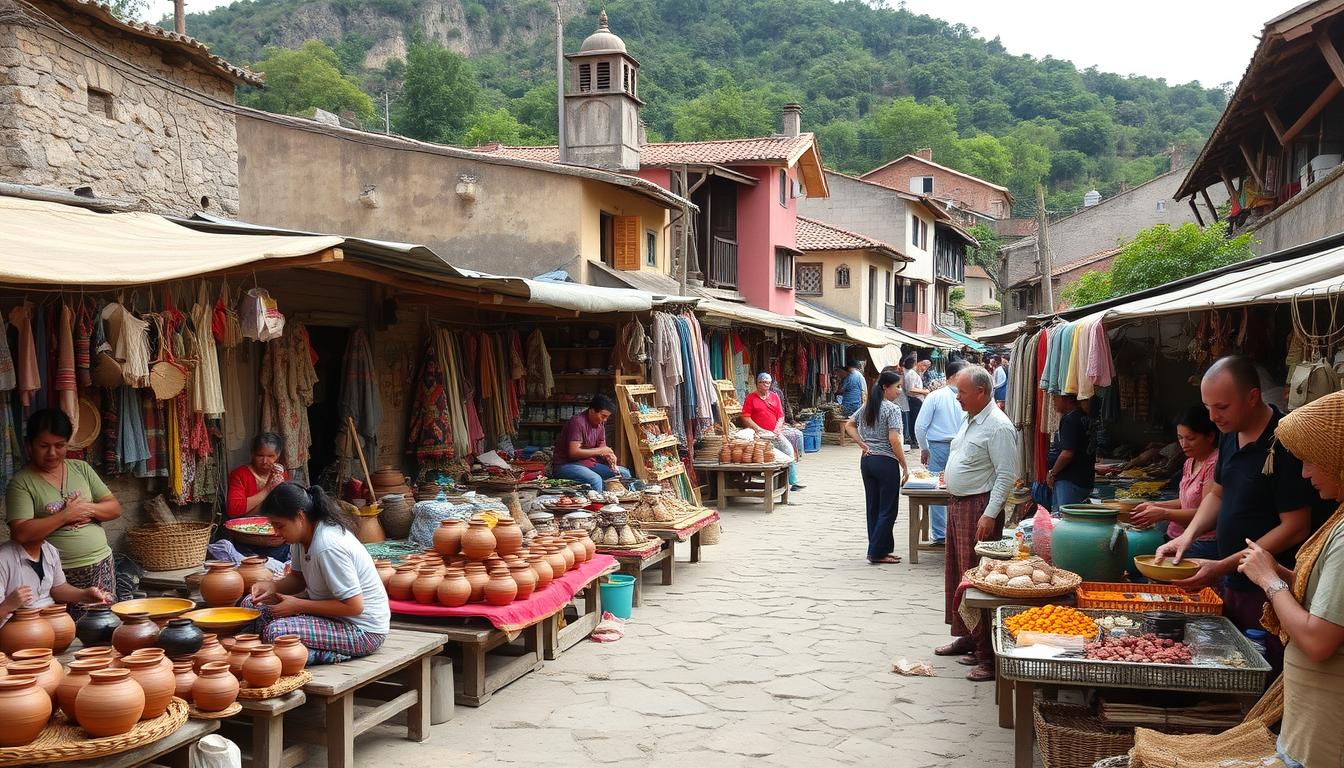
Explore Local Artisan Life Authentically
Ever thought about what makes a trip truly special? Many travelers visit famous spots, but the real charm often lies in local artisans and their crafts. This shows the true heart of a culture, taking you off the beaten path into the world of artisan life.
Going beyond just seeing sights, local artisan life is about diving into the community. It’s about supporting local economies and learning about the traditions that shape a place. By joining artisanal tours and meeting local craftspeople, you create lasting memories and help local communities thrive.
In this article, you’ll learn how cultural tours and workshops give you a deep look into village life. Are you ready to see the world through the skilled hands of local artisans and make your travels unforgettable?
The Importance of Authentic Experiences in Travel
Today’s travelers want authentic experiences that show the real local culture, not just tourist spots. A 2023 report by booking.com found that 75% of people want to dive deep into the places they visit. This shows a big move towards travel immersion, where you really get to know a place.
Neighborhood tourism is becoming more popular as people explore hidden areas. A report by Phocuswright and Arival said 42% of travelers want to see places off the beaten path. For millennials and Gen-X, this number jumps to 50%. This shows a big interest in cultural exchange experiences that let you connect with locals.
Culinary experiences are also on the rise, with 70% of Virtuoso advisors seeing more food-focused trips. Also, 87% of these advisors say authenticity is key for travelers interested in food. People want to try local dishes that really show the culture of a place.
Hotels and tour operators are now offering activities that show off local customs and traditions. You can try cooking classes or visit art exhibitions. These experiences not only make your trip better but also help local artists and businesses. The American Express 2023 Global Travel Trends report shows more travelers want to make a positive impact on the places they visit.
Choosing authentic experiences changes how we travel. It’s about making personal connections, diving into the culture, and being sustainable. This way, we make travel better for everyone.

Understanding Local Artisan Culture
Local artisan culture is a rich mix of traditions that bring life to communities. These artisans, keepers of cultural heritage, share their identities through crafts like pottery, weaving, woodwork, and metalwork. Travelers can connect with a place’s heart and soul by engaging with artisan culture.
Artisans start learning their craft early, often from family or elders. This learning process deepens their appreciation for traditional craftsmanship. The techniques and stories behind these crafts tell of a community’s daily life and history.
Artisan culture is more than just crafts. It’s about celebrations, festivals, and rituals that unite communities. These events invite travelers to dive into the customs that make local life vibrant.
Yet, artisan culture faces many challenges. Economic issues and lack of infrastructure make it hard for artisans to reach markets and use new technology. NGOs and governments help with skills training and financial support. Cultural tourism is also helping by boosting income and preserving traditions.

Exploring local artisan culture gives a deep look into a region’s cultural heritage. Travelers who engage with these communities help preserve traditions. By supporting local artisans, you help keep these skills alive for future generations.
| Statistic | Value |
|---|---|
| Tours each year | 80+ |
| Passengers each year | 300 |
| Artisans Supported | 300 |
| Donations to Partner Communities | $3,500,000 |
| Traditional Crafts | Pottery, Weaving, Woodwork, Metalwork |
Hands-On Craft Workshops: Engage with Tradition
Travelers can dive into traditional crafts through hands-on workshops. These sessions are a chance to learn from local artisans and connect with their culture. You’ll get to see how crafts are made and join the artisan community.
Learning Directly from Local Artisans
Learning from artisans lets you see the craft’s secrets and its cultural value. In Florence, you can learn leathercraft, including embossing and dyeing. In Kyoto, artisans teach kimono-making, focusing on dyeing and weaving silk.
Creating Your Own Artisanal Crafts
Workshops let you make your own crafts, taking a piece of the culture home. In Oaxaca, you can weave with natural dyes. In San Bartolo Coyotepec, you can make ceramics with bright glazes. It’s a way to remember your trip.

In Fez, Morocco, you can learn to weave carpets on traditional looms. Kerala’s workshops show you spice farming and coir weaving. Ban Chan Pottery Village in Luang Prabang lets you make pottery, learning from generations past.
| Location | Craft Type | Key Features |
|---|---|---|
| Florence, Italy | Leathercraft | Leather embossing, stitching, and dyeing techniques |
| Kyoto, Japan | Kimono Making | Dyeing, weaving, and meticulous sewing of silk fabrics |
| Oaxaca, Mexico | Zapotec Weaving | Textiles dyed with natural pigments |
| Fez, Morocco | Carpet Weaving | Hand-weaving on traditional looms using natural fibers |
| Kerala, India | Coir Weaving | Traditional crafts vital for local communities |
| Ban Chan, Laos | Pottery Making | Traditional techniques and decoration inspired by local culture |
Authentic Experiences with Local Artisans and Village Life
Visiting authentic village life lets you dive into the rich culture and traditions of local communities. A trip to Mukuni Village, about 30 km from your lodge, is a chance to connect with local artisans and their crafts. With only eight guests, this tour offers a personal touch and deeper connections.
The village life tour lasts three hours, focusing on cultural immersion and real interactions. Elias, your guide, will share insights on poverty, unemployment, health, religion, education, and more. You’ll see traditional customs, rituals, and daily life that show the community’s heart.
There’s also a chance to learn about sustainable practices, traditional farming, and natural medicine. The locals’ warmth and hospitality make lasting friendships. It’s a unique experience that turns visitors into friends.
Your safety is a top priority, ensuring a special experience that meets your interests. A two-hour visit to Mukuni Village lets you dive into Zambian culture and support local artisans. This enriching visit costs just $60.

| Tour Detail | Information |
|---|---|
| Duration | 3 hours |
| Distance from Lodge | 30 km |
| Maximum Guests | 8 |
| Tour Guide | Elias |
| Focus Areas | Poverty, Unemployment, Health, Religion, Education, Social-Economic Conditions |
| Type of Experience | Authentic, Unfiltered, Away from Commercialized Areas |
| Cost | $60 |
Exploring Cultural Immersion Tours
Cultural immersion tours are becoming more popular. They let travelers experience local cultures in a real way. This is different from just visiting tourist spots.
More people want to connect with the places they visit. This shift is changing how we travel.
Why Choose Cultural Immersion?
Going on cultural immersion tours lets you experience local traditions up close. A big 70% of travelers want real cultural experiences. They prefer staying in homes and joining local activities.
Over 60% of tourists enjoy activities like cooking classes. They want to be part of the community. Around 50% of them also want to join local festivals.
Popular Destinations for Cultural Tours
Indonesia is a top choice for cultural tours. Places like Ubud are becoming more popular. There, 30% more visitors choose cultural tours over beach trips.
In villages like Penglipuran and Tenganan, more than 40% of tourists dive into local life. This shows the appeal of real experiences over just seeing sights.
In Bali, 65% of visitors stay in homestays. This lets them live like locals. Local artisans in Ubud and Tenganan also benefit from these tours. Many tourists try traditional foods, showing the importance of cultural immersion.
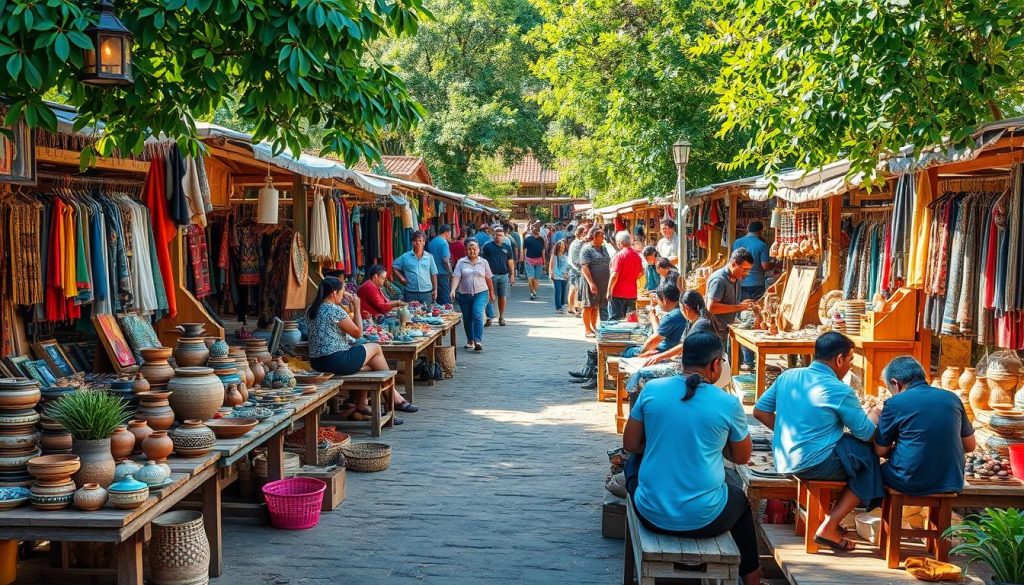
Embracing Traditional Village Activities
Traveling and taking part in traditional village activities can be very rewarding. It helps you understand and appreciate local cultures more. By joining local festivals, you see the heart of a community’s heritage come alive.
These events show the importance of local customs in daily life. They give you a glimpse into the artisan’s world.
Participating in Local Festivals
Local festivals are great for experiencing a village’s festive vibe. They feature cultural performances and traditional crafts. This creates a lively scene with music, dance, and food.
You can try folk dancing or cooking classes that show the region’s heritage. The Village Tours 2025 schedule includes these events. It lets you connect with local communities and see their traditions up close.
Daily Routines in Artisan Villages
To really get to know a village, you need to see their daily life. Watching artisans at work, like pottery making or wood carving, is enlightening. It shows the village’s identity.
In places like Mong Sen in Sapa district, Vietnam, rice growing and artisan work are key. By joining these activities, you support these vital practices. You also learn a lot about the community’s life.

The Economic Impact of Artisan Craftsmanship
Artisan craftsmanship boosts the local economy by supporting sustainable tourism. In cities like Philadelphia, the impact is clear. The craft and maker sector connects tourists with local artisans, making the economy stronger.

Supporting the artisan economy is key. Local governments and nonprofits help by creating policies for craft production and tourism. The CraftNOW initiative is a great example. It lets visitors see the real life of local artisans and the city’s rich history.
- Artisans help create jobs, which is crucial in rural areas where crafts are a main income source.
- Crafts use hands and natural materials, making them sustainable.
- More tourists want to see traditional crafts, helping keep cultural heritage alive.
- Investments in rural areas have brought in more money and stopped people from leaving.
The benefits of artisan craftsmanship go beyond money. They also help communities stay strong and keep culture alive. In 2018, over 30% of the EU’s people lived in rural areas. Crafts are vital for these places. They help local economies and give people better jobs, ensuring a future that’s sustainable.
| Year | Population in Rural Areas | GDP Contribution |
|---|---|---|
| 2018 | 30% | 75% of EU average |
| 2020 | 43.84% | N/A |
In cities like Philadelphia, the craft and maker sectors are key to a strong local economy. By linking artisan skills with sustainable tourism, communities grow. This growth respects cultural heritage and brings in income. It shows how important artisan craftsmanship is for both local and global economies.
Meeting Local Artisans: Stories Behind the Crafts
Connecting with local artisans gives you a deep look into their cultural heritage. Each handcrafted item tells a unique story. These stories show the challenges and triumphs of preserving old techniques.
Bagh Print from Madhya Pradesh is known for its hand-printed woodblock designs. These designs use natural dyes. Meeting the artisans lets you see the passion in every piece.
Cheriyal Miniature Scroll Paintings are a reminder of an art form being kept alive. Artisans like Shri. Vaikuntam are dedicated to preserving this art. Their stories show a strong commitment to their culture.
Engaging with artisans also shows the importance of sustainability. They use natural materials, showing respect for their craft and the environment. Supporting them helps local economies and boosts community pride.
Discovering artisan stories makes your travel more meaningful. Each interaction deepens your appreciation for diverse cultures. The soul of a region is often in the stories of its artisans.
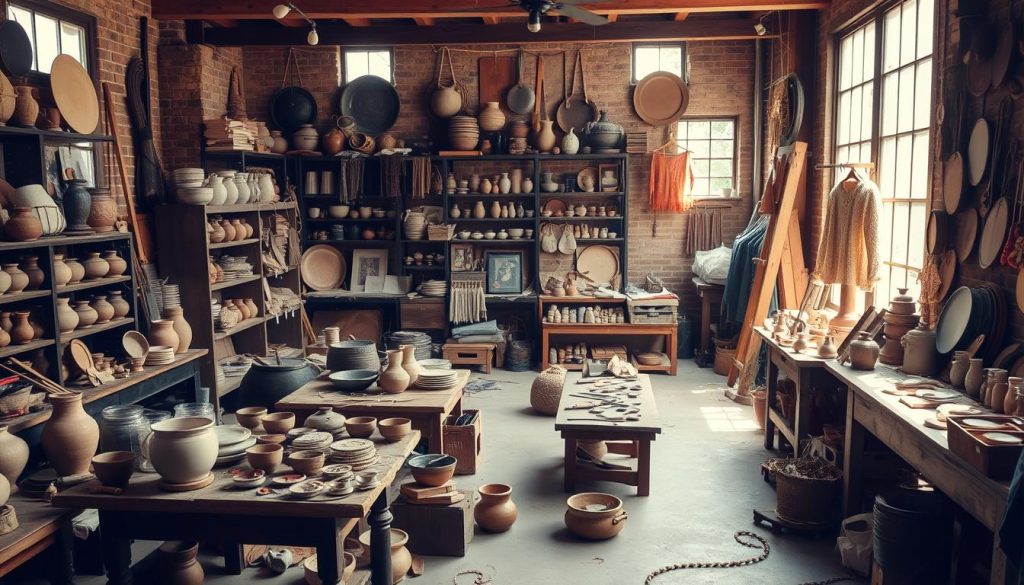
Artisanal Village Tours: A Unique Perspective
Artisanal village tours let you dive deep into local culture. You get to see unique villages and their crafts. You learn about the artisans’ stories and struggles.
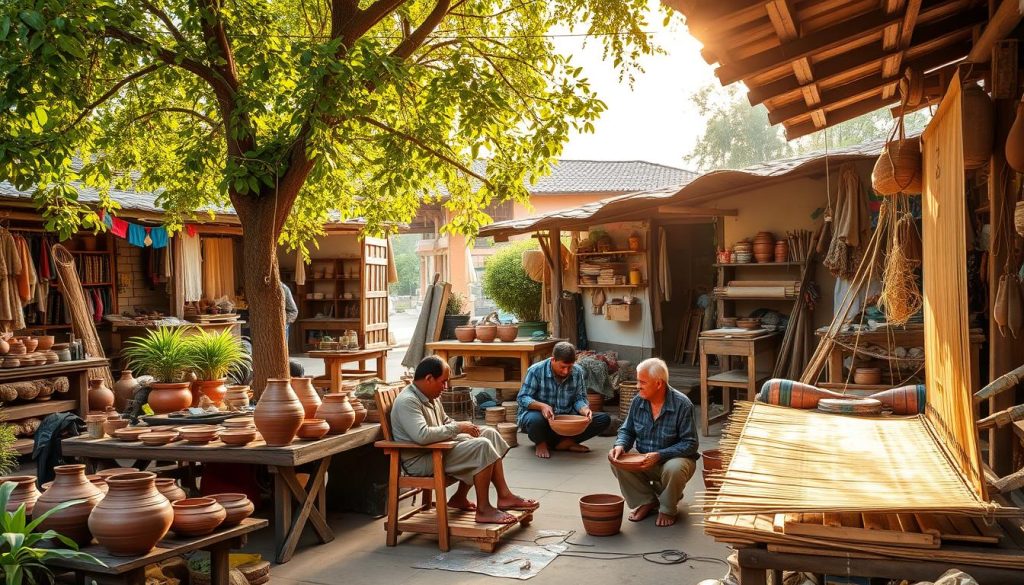
The Artisan Village at Falmouth opened in April 2024. It’s the first in the Caribbean. It showcases small and medium tourism enterprises’ work. It celebrates Falmouth’s history as a sugar port.
Visitors can see Jamaican products like cosmetics and fashion. It’s near the Falmouth cruise pier. This makes it easy for tourists to visit. You can talk to artisans and learn about their crafts.
Guests love these tours. They say it’s a deep dive into culture. More artisan villages are coming in the Caribbean. This means more chances to explore local crafts and culture.
| Feature | Details |
|---|---|
| Opening Date | April 2024 |
| Location | Gate 5, Port of Falmouth |
| Hours of Operation | Tuesday to Sunday, 10 am – 6 pm |
| Product Offerings | Cosmetics, Fashion, Décor, Cuisine |
| Cultural Insights | Stories of Artisans, Community Traditions |
| Future Plans | Four more artisan villages planned in the Caribbean |
Visiting artisanal villages connects you with the community. You see the artistry of local traditions. Each visit offers a deeper look into the crafts and the artisans’ stories.
Conclusion
Think about your travels and how they’ve changed you. Seeking out real experiences with local artisans is key. It’s not just about making memories; it’s about helping communities thrive.
Artisanal crafts connect you to traditions that have lasted for ages. They make your trip better and help the artisans too.
Village tourism lets you try homestays, farm stays, and workshops. These activities enrich your culture and support local economies. They help keep traditions alive, from music to food.
Meeting local artisans lets you see their work and the stories behind it. It makes your trip richer than any souvenir could.
Choosing village tourism gives you a deeper look at places and people. It builds respect and understanding between cultures. Next time you travel, think about how your choices can help both you and the locals.