

Experience Ari Atoll Manta Ray Encounters Up Close
Ever wondered what it’s like to swim with ocean giants? Ari Atoll in the Maldives offers a chance to do just that. It’s a journey into a world of wonder. Here, you can see the largest number of manta rays anywhere.
Visitors flock to the Maldives every year for these unforgettable moments. Whether you’re swimming with them or watching from afar, it’s a unique experience. It connects you with nature in a way you’ve never felt before.
Introduction to Manta Rays in the Maldives
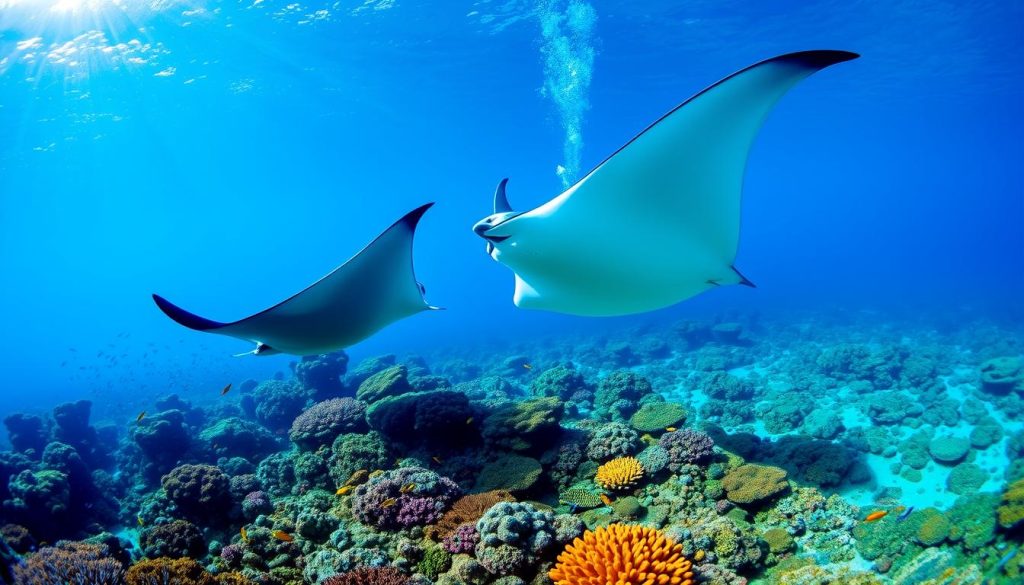
Manta rays are amazing creatures found in the Maldives’ warm waters. They are part of the Mobulidae family and can grow up to seven meters wide. Their smooth movements make them a joy to watch during manta ray encounters.
Manta rays eat plankton, playing a key role in the ocean’s ecosystem. They travel long distances to find food. The Maldives’ marine protected areas offer a safe place for them, making it a top spot to see manta rays. Places like Hanifaru Bay and South Ari Atoll are known for their large manta ray gatherings, mainly from May to November.
Manta rays are not dangerous to humans, making encounters safe and unforgettable. JOALI Maldives promotes their protection through eco-friendly actions. They reduce plastic use and choose seafood from responsible sources.
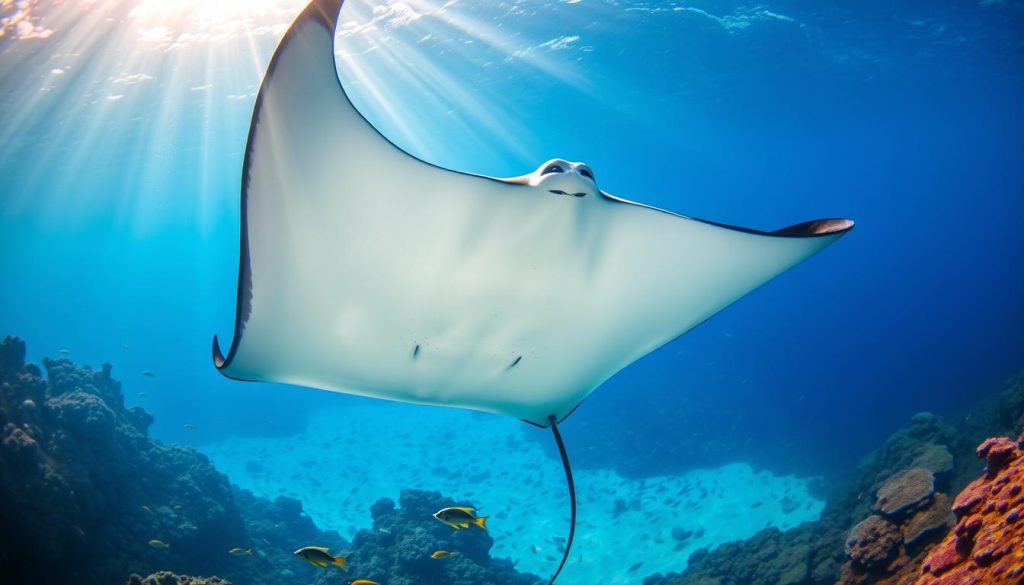
The Maldives, with its 26 atolls, is perfect for swimming with manta rays. The best time to see them is from May to November. Places like Maaya Thila are great for spotting them. Supporting local conservation helps manta rays live in their natural home for years to come.
What Are Manta Rays?
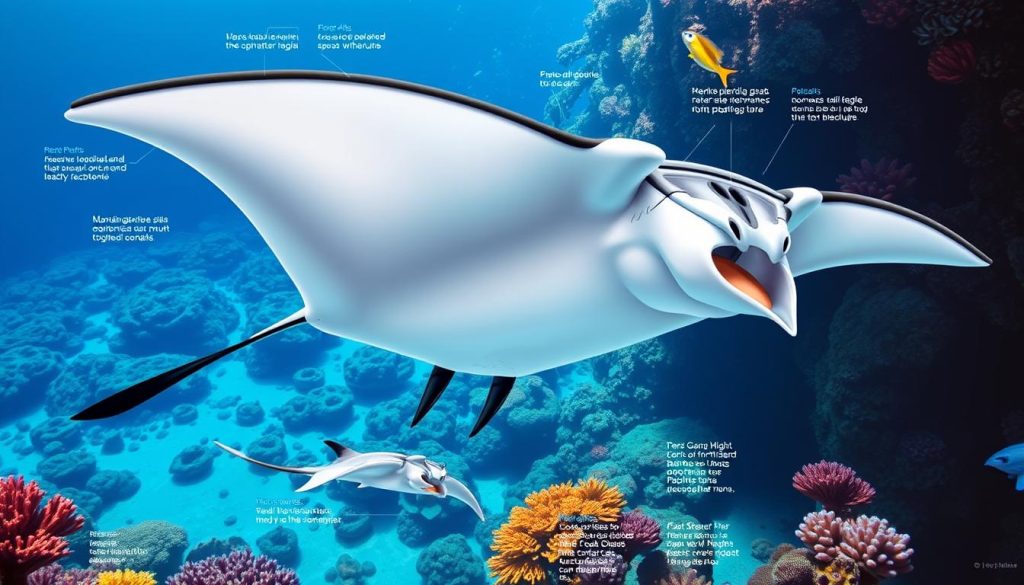
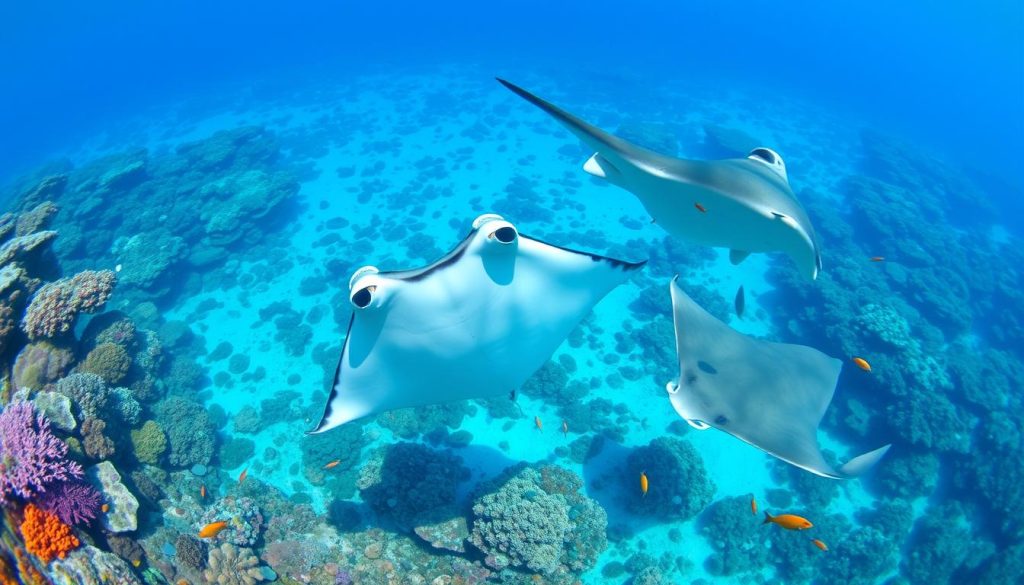
Manta rays, known scientifically as Mobula, are large marine animals found in oceans around the world. The oceanic manta ray, with a wingspan of up to 6 meters, is common in the Maldives’ waters. They have unique features like triangular pectoral fins and large mouths. They also filter feed on plankton and small fish.
Their manta ray biology makes them vital to the marine ecosystem. This is due to their ability to filter feed and their role in the food chain.
Manta rays are known for their social behavior. They gather at cleaning stations where smaller fish remove parasites. This shows a remarkable aspect of their ecology. They also breach, or leap out of the water, which is a sight to behold.
Their lifespan in the Maldives is between 20 to 30 years, with some reaching 38 years. Their presence in Maldivian waters stresses the need for marine conservation. Places like Hanifaru Bay in Baa Atoll are key spots for manta rays, attracting them during the southwest monsoon.
Efforts to protect areas like the Baa Atoll Biosphere Reserve help these creatures thrive. This ensures they continue to live in their natural habitat.
Ari Atoll Manta Ray Encounters
The Ari Atoll marine habitat is a vibrant ecosystem. It’s essential for the diverse marine life, including the enchanting manta rays. This area is known for being one of the best places for manta encounters.
Snorkelers and divers can observe these magnificent creatures in their natural environment. The area is rich in resources like plankton and thriving coral reefs. This draws manta rays, making it an ideal location for underwater exploration.
Exploring the Marine Habitat
Within the Ari Atoll marine habitat, various factors contribute to the flourishing underwater life. The combination of nutrient-rich waters and stunning coral formations creates an inviting space for numerous marine species. This diversity not only attracts manta rays but also various other marine animals.
This richness in life enriches the snorkeling and diving experiences. It makes the underwater world more vibrant and engaging.
Understanding Manta Ray Behavior
Manta ray behavior adds depth to your encounters. These gentle giants are characterized by their curious nature. They often tolerate close interactions with divers and snorkelers.
Their unique display during dives, at cleaning stations, showcases their social interactions and preferences. Learning about manta ray behavior enhances your experience. It allows for more meaningful and respectful interactions with these remarkable creatures.
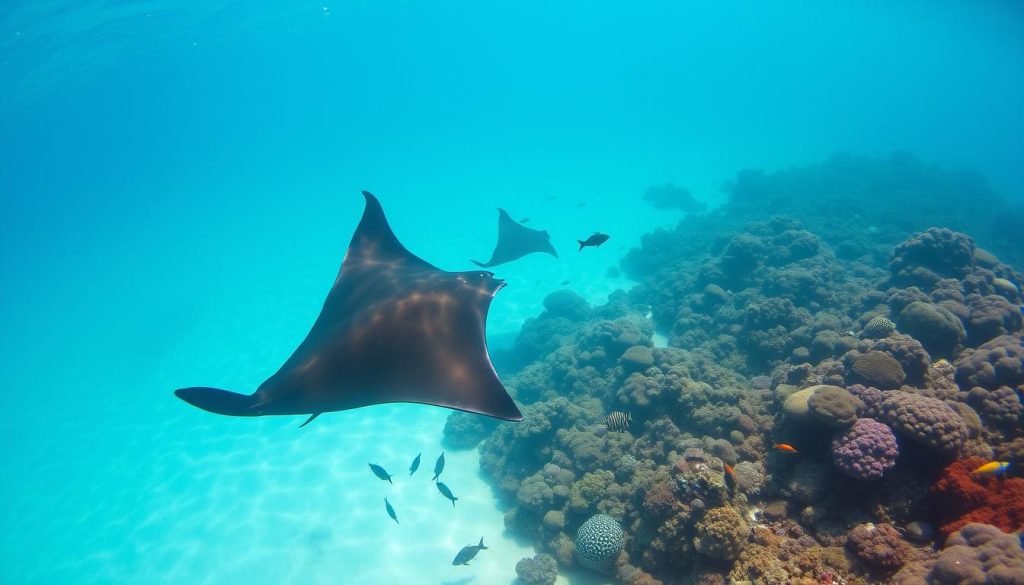
As you explore the underwater world of the Ari Atoll marine habitat, understanding manta ray behavior is key. It can significantly enhance your diving or snorkeling adventure. Witness their graceful movements and understand their habits.
This fosters a deeper connection with these incredible marine animals.
Best Times for Manta Ray Watching in Ari Atoll
Knowing the best times to see manta rays in Ari Atoll can make your trip better. These amazing creatures follow plankton, which affects where they are seen. The northeast monsoon, from December to April, is the best time to see them. During this time, they often appear on the western side of the atoll, making for great views.
When the wet season comes, from May to November, things change. Visibility can drop, and manta rays might be harder to find. You’ll need to look harder to see them.
A summary of seasonal manta ray encounters in the Ari Atoll includes:
- Peak Season: December to April, mainly on the western side.
- Wet Season: May to November, with changing visibility and distribution.
Visiting during the best times can really up your chances of seeing these beautiful creatures. It promises an unforgettable experience with nature’s grace.
Top Manta Ray Diving Spots in Ari Atoll
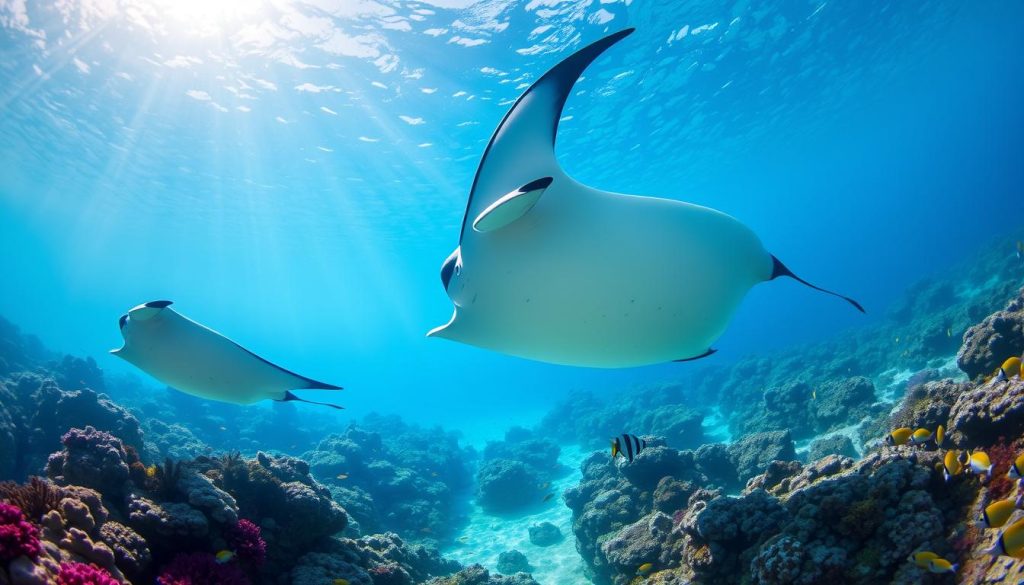
Ari Atoll is a top spot for manta ray diving, drawing divers from everywhere. Rangali Madivaru and Fesdhoo Lagoon are two key sites known for their unique underwater adventures.
Rangali Madivaru
The Rangali Madivaru dive site is famous for its rich marine life and frequent manta ray sightings. The site’s nutrient-rich currents make it a perfect spot for reef manta rays to feed. You’ll see cleaning stations where mantas let tiny wrasse remove parasites.
It’s one of the best places to see mantas up close. Divers get to watch these gentle giants in their natural habitat.
Fesdhoo Lagoon
Fesdhoo Lagoon is known for its exciting night dives. When divers light up the water, plankton appears, drawing mantas in. This shows how mantas feed in the dark.
Night dives here are thrilling. They also offer a chance to snorkel with mantas under the moonlight, a rare experience.
| Location | Type | Best For | Unique Features |
|---|---|---|---|
| Rangali Madivaru | Dive Site | Manta Ray Encounters | Multiple cleaning stations, nutrient-rich currents |
| Fesdhoo Lagoon | Night Dive | Feeding Behavior Observation | Plankton attraction through lights, night-time snorkeling |
Snorkeling with Manta Rays in Ari Atoll
Snorkeling with manta rays in Ari Atoll is an amazing way to connect with nature. Many people love floating next to these incredible creatures. They watch as the manta rays move gracefully through the water.
The calm waters and vibrant marine life make it perfect for seeing manta rays up close. A visit to Ari Atoll is sure to give you unforgettable moments. Imagine being surrounded by the peaceful sea and seeing a manta ray glide by.
For the best time to see manta rays, visit from February to April. This is when the conditions are best for spotting them. Snorkeling with manta rays in Ari Atoll during this time will make your experience even more special.
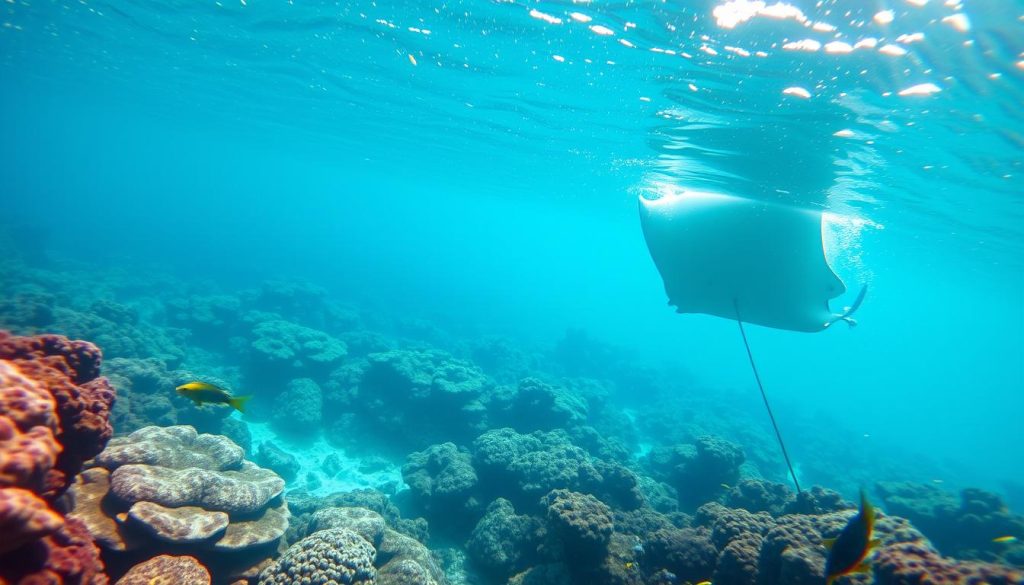
Whether you’re an experienced snorkeler or new to it, swimming with manta rays is unforgettable. Dive into the wonders of Ari Atoll and experience the magic of manta ray snorkeling like never before.
Conservation Efforts for Manta Rays
In the Maldives, saving manta rays and their homes is key. Many groups work hard to protect these areas. They aim to stop harm from things like pollution and climate change. They also want to make sure diving is done in a way that’s good for the environment.
Protected Marine Areas
Protected areas are essential for manta rays in the Maldives. Places like Hanifaru Bay are safe for them. Rules help keep these areas safe and full of life for manta rays.
Responsible Diving Practices
Good diving habits help protect the Maldives’ seas. It’s important to stay at least 3 meters away from manta rays. This lets them swim freely without being disturbed.
- Stay close to the bottom to avoid harming the sea floor.
- Don’t splash or move suddenly to avoid scaring manta rays.
- Keep your buoyancy steady to protect coral reefs.
Following these rules helps protect manta rays in the Maldives. It’s a big part of their survival.
| Conservation Efforts | Description |
|---|---|
| Protected Marine Areas | Safeguard habitats from harmful activities, fostering healthy ecosystems for manta rays. |
| Marine Conservation Programs | Support and conduct research to enhance understanding and protection of manta populations. |
| Responsible Diving Initiatives | Encourage eco-friendly practices to minimize environmental impact during encounters. |
Guidelines for Safe Manta Ray Encounters
To have safe manta ray encounters, it’s key to follow guidelines for interacting with manta rays. Keep a respectful distance of about three to four meters. This helps avoid disturbing their natural behavior. Manta rays, with fins up to 4.5 meters for reef and 7 meters for oceanic, need a safe space.
Also, stay calm and avoid sudden movements or loud noises. Manta rays are more likely to come closer if you’re calm in the water. Following the Marine Code of Conduct, as the Manta Trust suggests, keeps you safe and helps protect these gentle giants.
Lastly, pick tour operators that care about marine conservation. Supporting groups like the Manta Trust helps protect manta rays from threats like overfishing. This way, future generations can also enjoy these amazing encounters in the Maldives. By following these guidelines, you ensure enriching experiences for both divers and manta rays.





