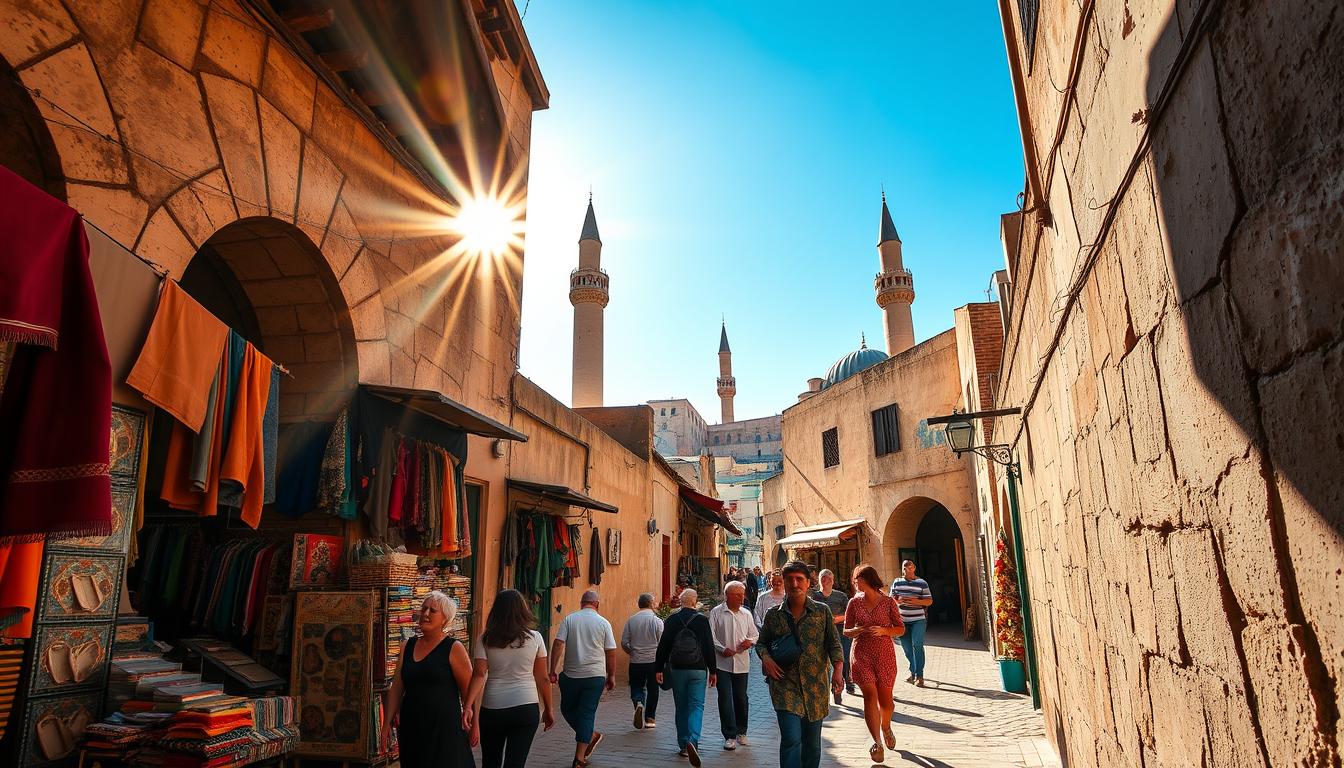
Discover the Tangier Medina: A Walking Tour
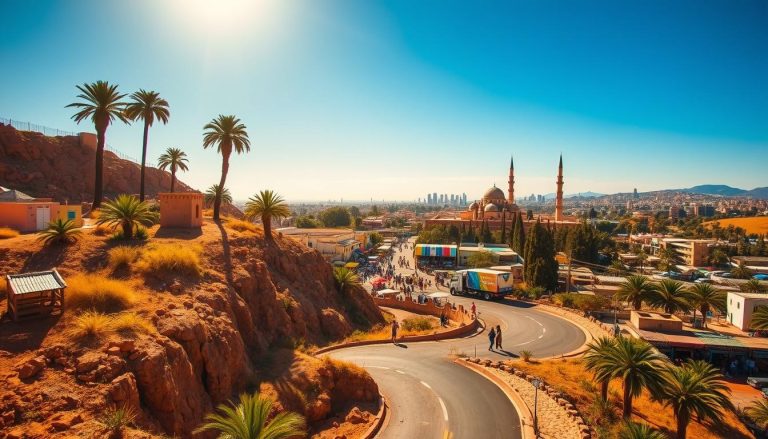
Ever wondered what secrets ancient cities hold? Picture walking through narrow alleys, finding colorful markets, and learning about the city’s rich past.
A Free Walking Tour in Tangier is your ticket to this adventure. Local guides will show you the city’s hidden treasures. As you wander the historic Medina, you’ll dive into the local culture and see the city’s unique charm.
This trip will reveal the old city’s importance and the fun you can have. It promises a memorable experience.
The Gateway to Africa: Understanding Tangier’s Significance
When you arrive in Tangier, you dive into a world of cultures. The city’s history is a mix of Phoenicians, Romans, and European colonizers. This makes Tangier a special place where cultures blend.
Tangier’s Strategic Location Between Continents
Tangier sits at Africa’s northwest tip, near Spain’s southernmost point. This strategic location has shaped its history. It has become a key spot for cultural and economic exchange between Europe and Africa.
The Cultural Melting Pot of Morocco
The city’s culture is a mix of Moroccan, Arab, and European traditions. A Tangier historical tour lets you see this firsthand. The Medina, or old city, shows this cultural mix.
Why the Medina Stands Out Among Moroccan Cities
Tangier’s Medina is unique compared to other Moroccan cities. A Tangier sightseeing tour highlights its architectural styles and cultural influences. Here are some key features:
- Blend of Moorish, European, and African architectural styles
- Historic landmarks reflecting its diverse past
- Vibrant markets and souks showcasing local crafts
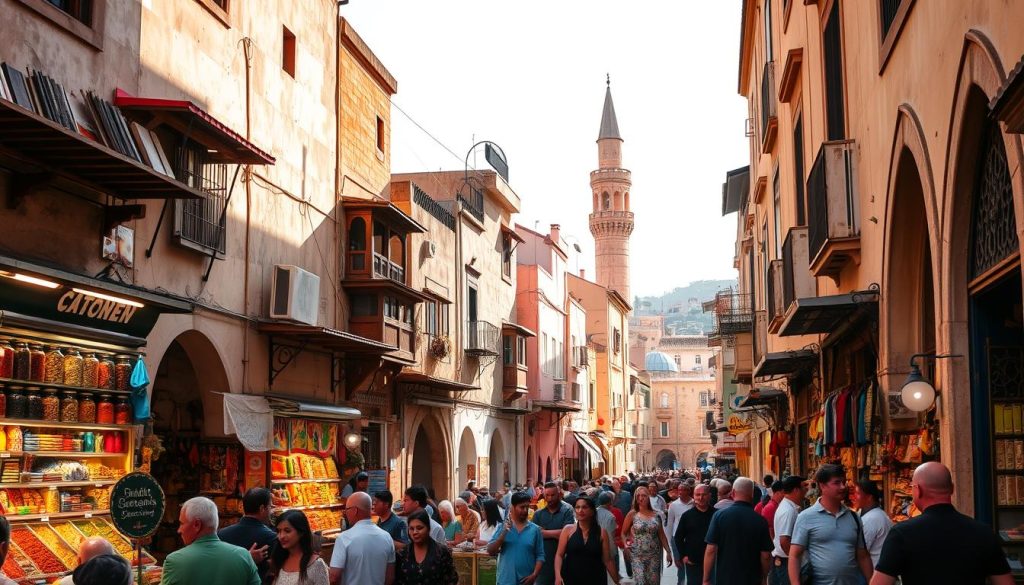
Historical Evolution of the Tangier Medina
Exploring the Tangier Medina reveals a deep history. It goes from Phoenician times to today. Tangier’s location made it key for trade between Europe and Africa.
From Phoenician Origins to Modern Day
The Medina started with the Phoenicians. Later, Romans, Arabs, and Europeans also left their mark. You can see this mix in its buildings, traditions, and food.
Over time, Tangier became a major trading spot. It became a place where many cultures blended together.
The International Zone Period (1923-1956)
The International Zone era was a big part of the Medina’s story. During this time, Tangier was ruled by European powers. This era mixed different architectural styles and cultures, shaping the Medina.
Today, you can still see this mix in the Medina’s buildings. They show Moorish, European, and American designs.
Architectural Influences Through the Centuries
The Medina’s buildings show many styles. Moorish elements are seen in the tile work, arches, and courtyards.
Moorish Elements
Moorish architecture is known for its patterns, calligraphy, and decoration. You can see these in the Medina’s mosques and palaces.
European Colonial Touches
European influence is also clear. Buildings have classical facades, balconies, and ironwork. This mix makes the Medina special.
| Period | Architectural Influence | Notable Features |
|---|---|---|
| Phoenician/Roman | Classical | Columns, Arches |
| Arab/Islamic | Moorish | Geometric Patterns, Calligraphy |
| European Colonial | Classical, Art Nouveau | Balconies, Ornate Ironwork |
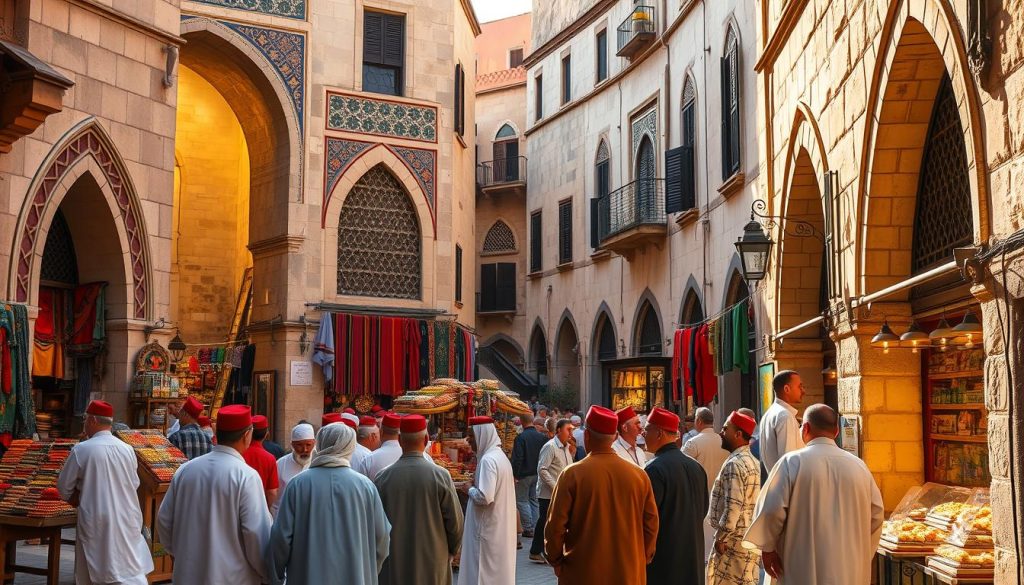
Walking through the Tangier Medina on a Tangier city tour or Tangier Medina tour is special. You’ll see the history and cultural mix that makes this place unique.
Preparing for Your Tangier Medina Walking Tour
Getting ready for your Tangier Medina tour? A few things can make your trip better. Knowing what to expect lets you enjoy the history and culture fully.
Best Seasons and Times to Visit
Spring or fall are the best times to visit Tangier. The weather is nice then. Try to avoid summer if you don’t like the heat.
What to Wear and Bring
Wear clothes that show respect for local customs. Comfortable shoes are a must because you’ll be walking a lot.
Appropriate Clothing for Cultural Respect
Make sure to cover your shoulders and knees. Lightweight, breathable clothes are best.
Essential Items for Comfort
Don’t forget sun protection, a water bottle, and a camera. You’ll want to capture the sights.
Cultural Etiquette to Observe
Remember to respect local customs, like when visiting mosques or homes. A Tangier tour guide can teach you about these customs and Tangier tourist attractions.
Starting Points: Where to Begin Your Medina Exploration
Getting ready to explore the Tangier Medina? Finding the right start is key for a smooth trip. The Medina has many entry points, each showing a different side of its history and culture.
Grand Socco (Place du 9 Avril 1947)
The Grand Socco is a favorite spot for many. It’s a lively square and a key historical site. It’s a great place to start your Tangier walking routes.
Bab el Fahs Entrance
The Bab el Fahs Entrance is another important spot. It leads straight to the Medina’s center. From here, you can explore the narrow streets and find local gems.
Port of Tangier Access
Arriving by sea? The Port of Tangier is your best entry point. From the port, you can easily enter the Medina and begin your adventure.
Transportation Options from Major Hotels
Staying in a major hotel? You have many ways to get to the Medina. Taxis and walking are options. Many hotels are close to the Medina’s main sights, making it simple to start your journey.
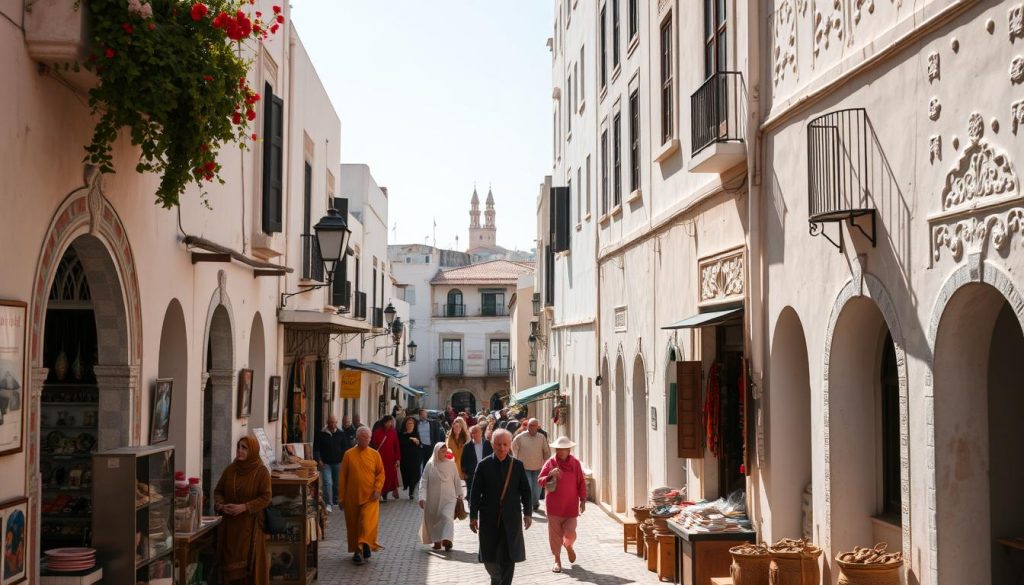
The Ultimate Tangier Medina Walking Tour Route
Start a journey through Tangier Medina’s historic heart with our walking tour. This route takes you to key historical sites and cultural spots. It promises a deep and engaging experience.
Morning Route: Historical Highlights
Start at the Grand Socco, a historic square at the Medina’s entrance. Then, head to the Kasbah Museum in the Sultan’s Palace. It showcases artifacts that tell Tangier’s history.
Walk through the narrow streets next. You’ll see the city’s architectural mix from different cultures.
Afternoon Path: Cultural Immersion
In the afternoon, dive into local culture at Petit Socco. Explore cafes, shops, and markets. Try traditional Moroccan food at a local eatery.
Time Requirements and Distances
A Tangier Medina walking tour lasts 1 to 3 hours. It covers 2-4 kilometers, depending on your pace and stops.
Navigation Tips for Not Getting Lost
To explore the Medina well, know key landmarks and use digital maps.
Landmark Recognition Strategies
- Notice important buildings and monuments.
- Use a map to find major intersections and public areas.
Using Digital Maps Effectively
Download a good map app on your phone for navigation. Make sure your device is charged. Carry a portable charger too.
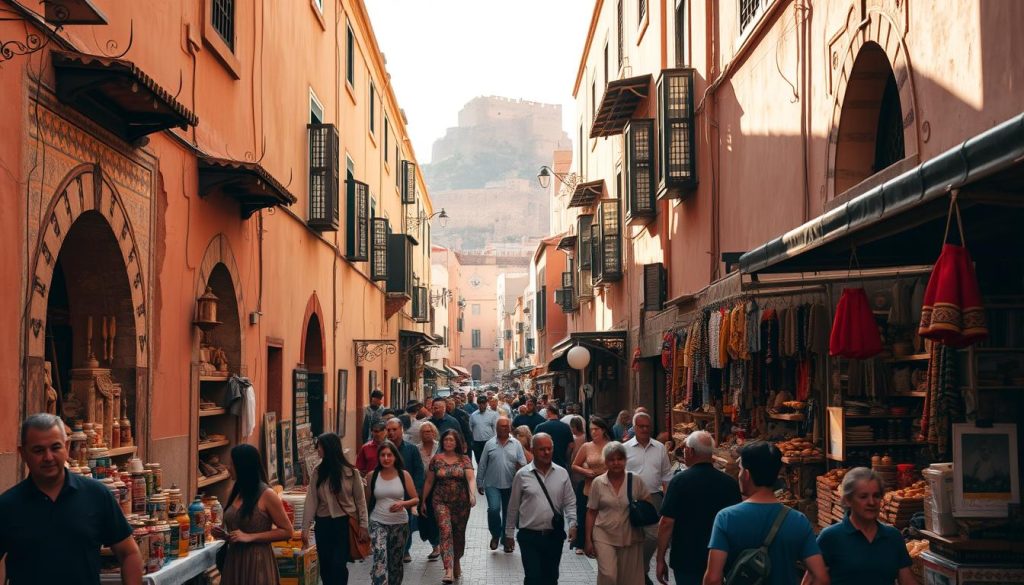
Must-See Historical Landmarks in the Medina
As you explore the Tangier Medina, you’ll find many historical landmarks. These sites show the city’s rich cultural heritage. The Medina is full of history, making Tangier a key cultural and trade center.
The Kasbah Museum and Sultan’s Palace
The Kasbah Museum is in the old sultan’s palace. It gives a peek into the region’s history and art. You’ll see artifacts from different times, showing Tangier’s cultural and historical importance.
The museum’s stunning palace architecture surrounds you. It reflects the city’s rich history.
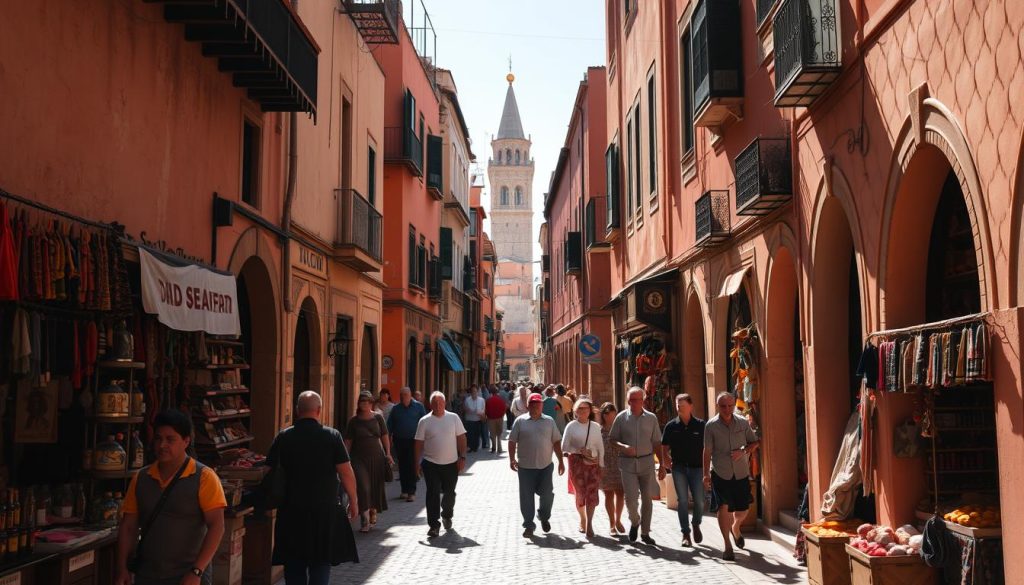
The American Legation Museum
The American Legation Museum is special. It shows the U.S.-Morocco diplomatic ties. You’ll see exhibits on the Legation’s history, along with artwork and cultural items.
U.S. Historical Connections
This museum is key in U.S.-Morocco relations. It was the first American property abroad. It offers a deep look into their diplomatic history.
Artwork and Exhibitions
The museum has a great collection of artwork and exhibitions. They show Tangier’s cultural heritage. You can also enjoy the beautiful gardens and architecture of the Legation.
The Grande Mosquée and Religious Sites
The Grande Mosquée is a major religious site in Tangier. It highlights the city’s Islamic heritage. Visitors can explore nearby religious sites to understand Tangier’s culture and spirituality.
Petit Socco (Place du Petit Socco)
Petit Socco, or Place du Petit Socco, is a historic square. It has been a center of activity in the Medina for centuries. Visitors can enjoy the atmosphere, exploring the streets and alleys, and experiencing local culture.
Hidden Gems Off the Tourist Path
Tangier’s Medina has more than just the usual tourist spots. It’s full of local bakeries, secret views, and old homes. Walking through the narrow alleys, you’ll find unique experiences that show Tangier’s true spirit.
Local Bakeries and Traditional Workshops
Exploring the Medina, you’ll find bakeries that have been making bread for ages. The smell of fresh bread will make you want to try their treats. You’ll also see workshops where artisans make beautiful tiles and woodwork, showing off skills passed down through generations.
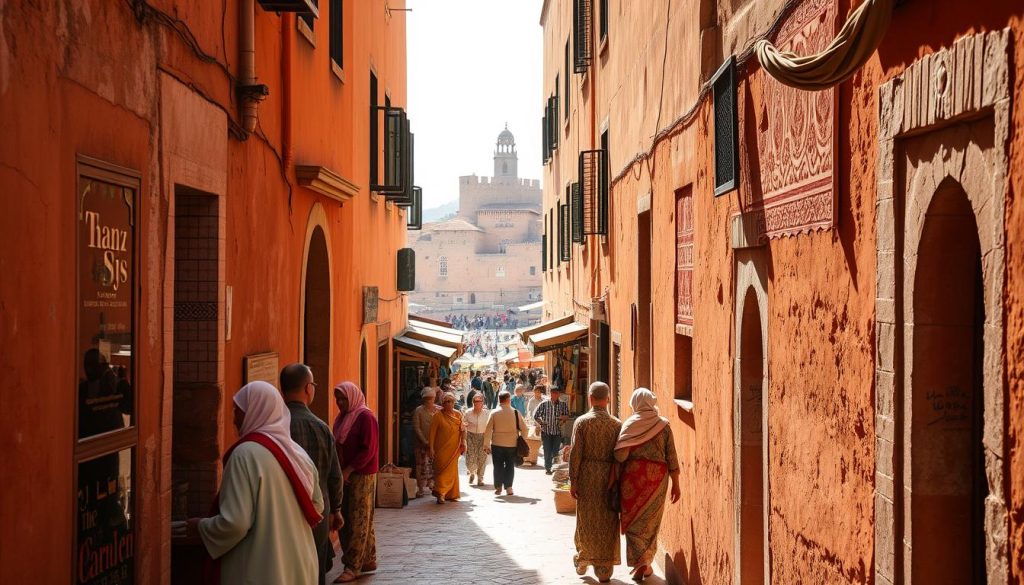
Secret Viewpoints and Terraces
The Medina has secret spots with amazing views of the city and sea. These hidden places are in quiet spots, giving you a peaceful break from the busy streets.
Historic Homes and Riads
Tangier’s old homes and riads show off the city’s rich history. Many have been fixed up and now offer guests a taste of Moroccan style. They’re either cozy hotels or cultural spots.
Artists’ Quarters and Studios
The Medina is a place where artists thrive. You can visit studios and galleries to see their work. It’s a chance to meet the artists and learn about their creativity.
| Hidden Gem | Description | Location |
|---|---|---|
| Local Bakeries | Traditional bread and pastries | Near Grand Socco |
| Secret Viewpoints | Breathtaking views of the city | Kasbah Area |
| Historic Riads | Beautifully restored traditional homes | Medina Alleys |
Shopping in the Tangier Medina: Souks and Artisans
As you explore the Tangier Medina, you’ll find vibrant souks and local artisans. The Medina is famous for its markets. Here, you can discover traditional crafts and unique souvenirs.
Navigating the Market Streets
Exploring the souks is an adventure. The narrow streets are filled with shops and stalls. Each one shows off traditional Moroccan craftsmanship. Start early to avoid the crowds.
Traditional Crafts and Souvenirs
The Tangier Medina is known for its skilled artisans. They create beautiful leather goods and textiles. These items showcase Morocco’s rich culture.
Leather Goods and Textiles
Moroccan leather goods, like handbags and belts, are highly valued. Textiles, including rugs and fabrics, are also great souvenirs.
Ceramics and Metalwork
The Medina is also a place to find ceramics and metalwork. Artisans here create stunning pieces. These can add Moroccan elegance to your home.
Bargaining Tips and Etiquette
Bargaining is key in the Medina. It’s about finding a fair price and connecting with vendors. As one vendor said,
“The art of bargaining is about respect and understanding.”
Be ready to negotiate. Don’t hesitate to walk away if the price isn’t right.
Shipping Options for American Travelers
Shipping back home can worry American travelers. Many shops in the Medina offer shipping services. Some specialize in international shipping. Always ask about these options when buying.
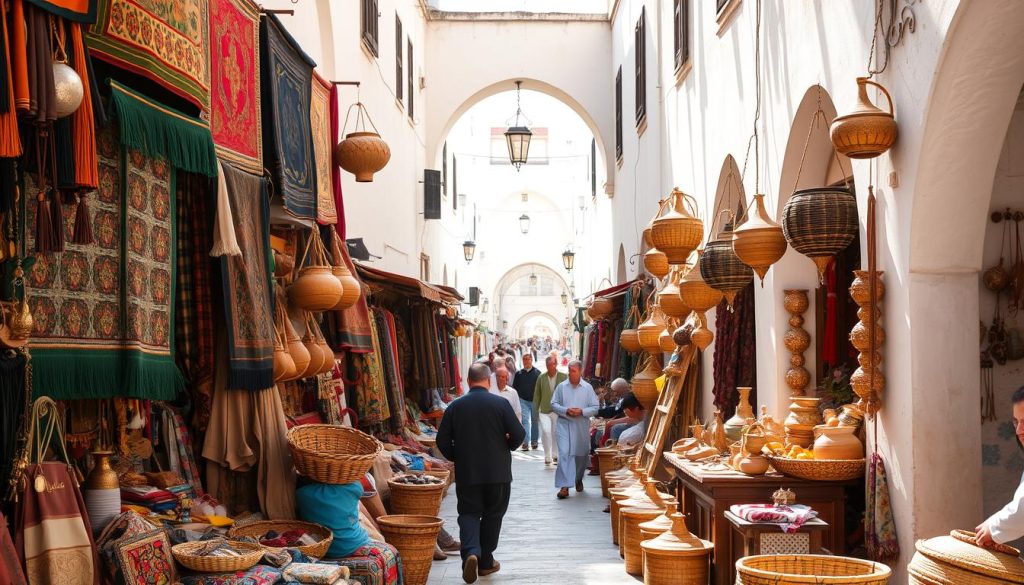
Culinary Delights: Food and Drink Stops
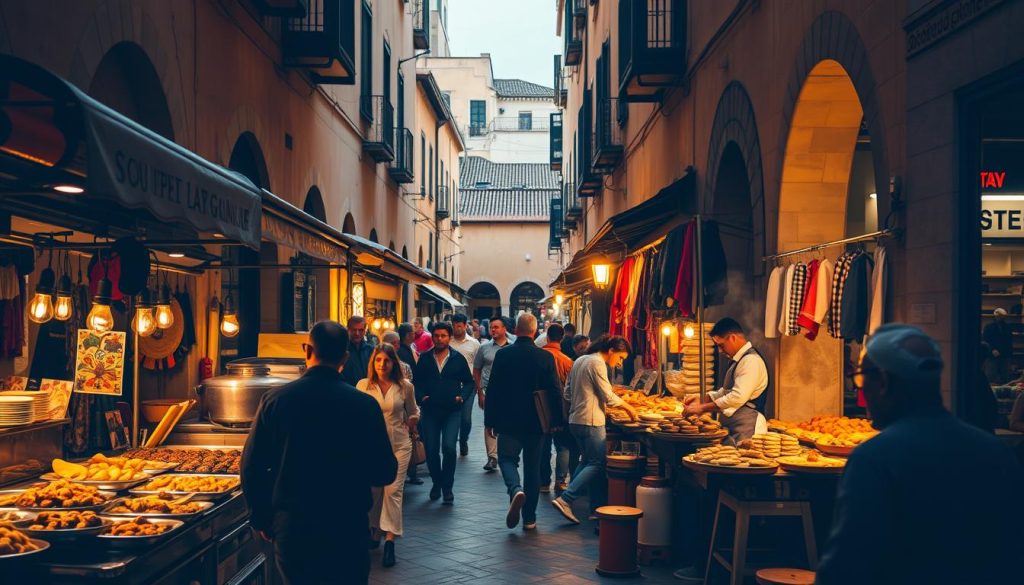
Your walking tour of Tangier Medina wouldn’t be complete without trying the local food. The Medina is a food lover’s paradise. It has traditional Moroccan cafés, street food stalls, and historic cafés with literary ties.
Traditional Moroccan Cafés and Restaurants
Moroccan cuisine mixes Arab, Mediterranean, and African flavors. You can taste this mix at traditional cafés and restaurants in the Medina. Some top places include:
- Cafés serving traditional Moroccan tea and pastries
- Restaurants offering local specialties like tagines and couscous
Street Food Worth Trying
Street food is a big part of Tangier Medina’s food scene. Make sure to try:
- Fresh seafood from local vendors
- Traditional snacks like msemen and mahsha
Historic Cafés with Literary Connections
Tangier has a rich literary history. Many cafés were favorite spots for famous writers. Two notable ones are:
Café Hafa and the Beat Generation
Café Hafa was a favorite of the Beat Generation, including William S. Burroughs and Allen Ginsberg.
Café Baba and Its Famous Visitors
Café Baba has welcomed many famous visitors, adding to its charm and history.
Dietary Considerations for American Travelers
For American travelers with dietary needs, Tangier has options. Many restaurants now offer vegetarian, vegan, and gluten-free choices. It’s helpful to know a few Arabic or French phrases to ask for what you need.
Guided vs. Self-Guided Tangier Medina Walking Tours
You can explore the Tangier Medina in two ways: with a local guide or by yourself. Each option has its benefits. Your choice depends on what you prefer and what you hope to learn.
Benefits of Hiring a Local Guide
A local guide can give you a deeper look into the Medina’s history and culture. They share details about the architecture, historical events, and cultural practices. These insights might be hard to notice on your own.
| Guide Benefits | Description |
|---|---|
| Historical Insights | Guides provide detailed information about historical landmarks and events. |
| Cultural Understanding | They help you understand local customs and cultural practices. |
| Navigation Assistance | Guides can navigate the Medina’s narrow streets, ensuring you don’t get lost. |
Recommended Tour Companies
Many tour companies offer guided tours of the Tangier Medina. Look for companies with experienced guides. They provide detailed tours.
Self-Guided Tour Resources and Apps
If you prefer to explore alone, there are many resources and apps to help. You can download maps and listen to audio guides.
English-Speaking Guide Options
Many guides in Tangier speak English. This makes it easier for American tourists to understand the Medina. Always check if the guide speaks your language when booking a tour.
Safety Tips and Cultural Awareness
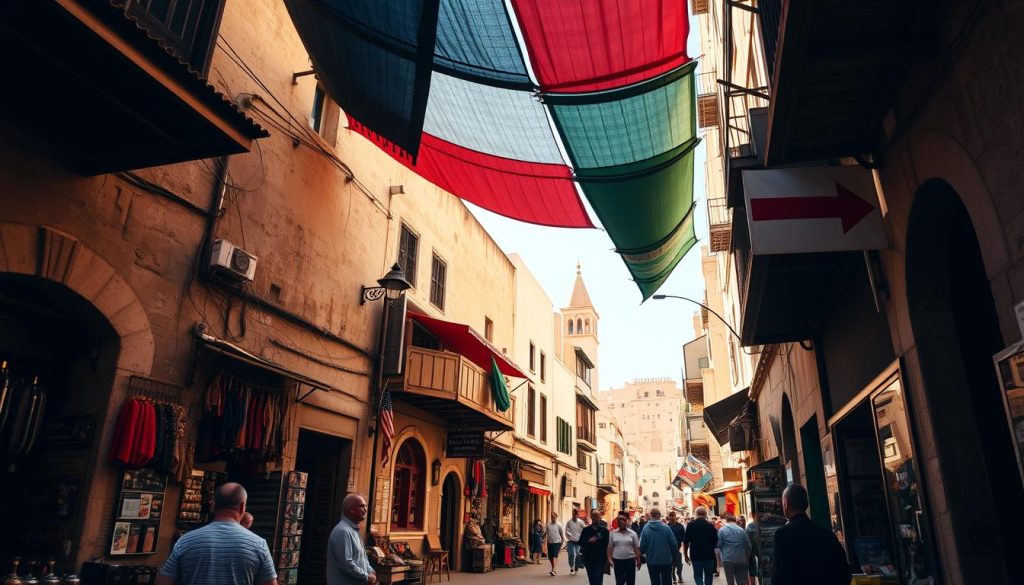
Exploring the Tangier Medina requires being mindful of your surroundings and local customs. This knowledge will boost your safety and make your experience richer.
Avoiding Common Tourist Pitfalls
Watch out for overly friendly locals who might scam you. Always keep your belongings close and be cautious of pickpockets in busy spots.
Dealing with Persistent Vendors and Guides
When vendors or guides won’t take no for an answer, a firm “no thank you” works. If they still bother you, don’t hesitate to ask for help from the authorities.
Emergency Information and Resources
Having the right emergency contacts is key. Here are some important ones:
| Resource | Contact Information |
|---|---|
| U.S. Consulate | +212 (0) 5393 77000 |
| Local Police | 19 |
| Emergency Services | 15 |
U.S. Consulate Information
The U.S. Consulate in Rabat can help in emergencies. Registering with the Smart Traveler Enrollment Program (STEP) is a smart move for safety updates.
Local Emergency Contacts
Keep a list of vital phone numbers. This includes your country’s embassy, local police, and emergency services.
Photography Etiquette in the Medina
Be respectful when taking photos, avoiding pictures of people or religious sites without permission. Always ask before snapping.
Conclusion: The Timeless Charm of Tangier’s Medina
Walking through Tangier’s Medina, you’ll find a city that never gets old. It’s a mix of history, culture, and architecture that’s truly captivating. This place is a gem, thanks to its location, cultural mix, and past events.
Every corner of the Medina shows something new. You’ll see the Kasbah Museum and the American Legation Museum. There are traditional souks and local bakeries too. Whether you’re on a guided tour or exploring alone, the Medina’s charm will stay with you.
The Medina is special because it keeps its traditions alive while embracing the new. It’s a place where old and new meet, creating a lively atmosphere. After your tour, you’ll likely want to come back and see more of Tangier’s rich culture.