

Discover Architectural Gems in Fort Wayne
Ever thought about how a city’s buildings tell its story? In Fort Wayne, Indiana, you’ll find a city full of architectural wonders. It’s a place where history and modern design come together beautifully. You’ll see everything from the grand Allen County Courthouse to the small but stunning works by Frank Lloyd Wright.
These landmarks are more than just buildings. They tell us about the city’s past and its people. You’ll learn about famous architects like Eero Saarinen and Louis Kahn. Their work shows how architecture shapes our culture and brings us together.
Introduction to Fort Wayne’s Architectural Diversity
Fort Wayne is known for its architectural diversity, showing its growth over time. The city has many styles that reflect different eras and cultures. You’ll find everything from grand buildings to cozy homes with their own tales.
Architecture shows what a society values and dreams of. Each time period adds its own touch to Fort Wayne’s look. Thanks to architectural preservation, groups and locals are saving these important pieces of the past. They know they matter for now and the future.
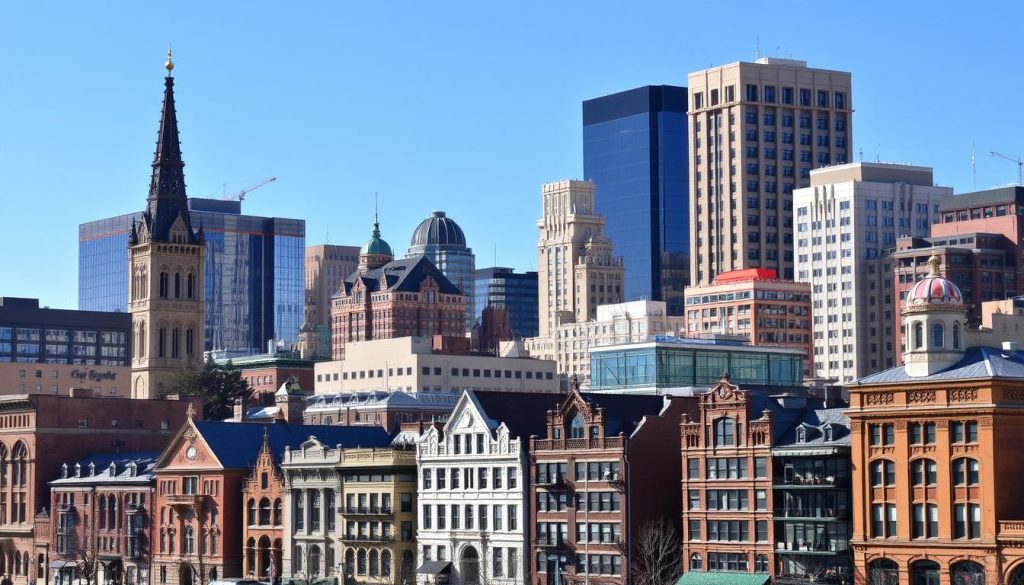
There are events and tours to help you see and value these landmarks. These activities bring people together and highlight the importance of Fort Wayne’s architecture.
In Fort Wayne, architecture is not just about looks. It tells the story of the city’s growth and dreams. By exploring more, you’ll learn about the special features and stories of these important buildings.
Exploring Architectural Gems in Fort Wayne
Fort Wayne is known for its rich architectural heritage. This heritage shapes the city’s identity and culture. The city’s history is full of stories of growth, change, and resilience.
Iconic buildings here symbolize beauty and the social and technological progress of their times. They tell us about the city’s evolution.
The Significance of Architectural Heritage
Understanding Fort Wayne’s architectural heritage shows how the past affects the present. Each iconic building tells us about different times. It reflects the city’s growth.
Preserving these buildings makes residents proud. It shows the uniqueness of their history. By engaging with this heritage, people can see the artistry and skill that shaped the city.
Notable Styles Found in the City
Fort Wayne has many architectural styles that make it diverse. Some notable styles include:
- Beaux-Arts: This style is known for its grandeur and detailed beauty.
- Art Deco: This style reflects the Roaring Twenties with its bold designs and bright decorations.
- Mid-Century Modernism: This style, from the mid-20th century, focuses on simplicity and blending with nature.
Taking a tour of these architectural gems in Fort Wayne lets us see the city’s history. It connects us to its community story.

The Allen County Courthouse: A National Treasure
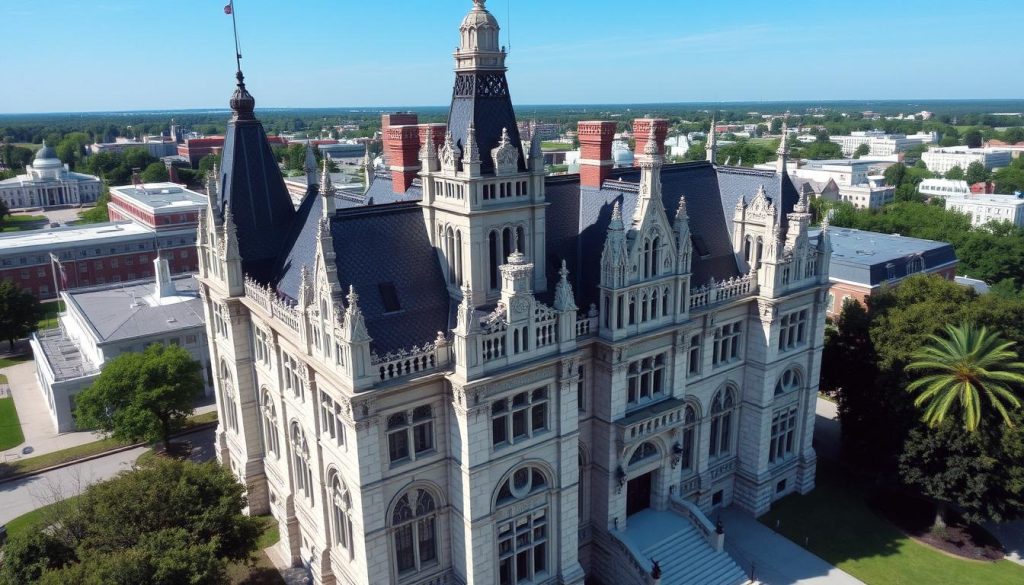
The Allen County Courthouse is a gem among Indiana’s historic buildings. It shows off the rich history and captivating design that make it key to Fort Wayne’s identity. The Beaux-Arts style of the courthouse tells stories of the past, inviting people to explore and appreciate it.
Beaux-Arts Design and History
Built in the early 1900s, the Allen County Courthouse is a prime example of Beaux-Arts design. It combines classic and modern styles. Designed by Brentwood S. Tolan, this landmark is not just a courthouse but also a symbol of the era’s hopes and cultural values.
Features You Can’t Miss
When you visit the courthouse, you’ll see many amazing features:
- Intricate marble work on the floors and walls.
- Whimsical pediments on the outside that show creativity and charm.
- Ornate friezes that tell stories from the past.
- Splendid stained glass windows that light up the space and create a magical feel.
Visiting the Allen County Courthouse lets you see a piece of Fort Wayne’s architectural history. It proves its worth among Indiana’s most notable historic buildings.
The Unique Arts United Center by Louis Kahn
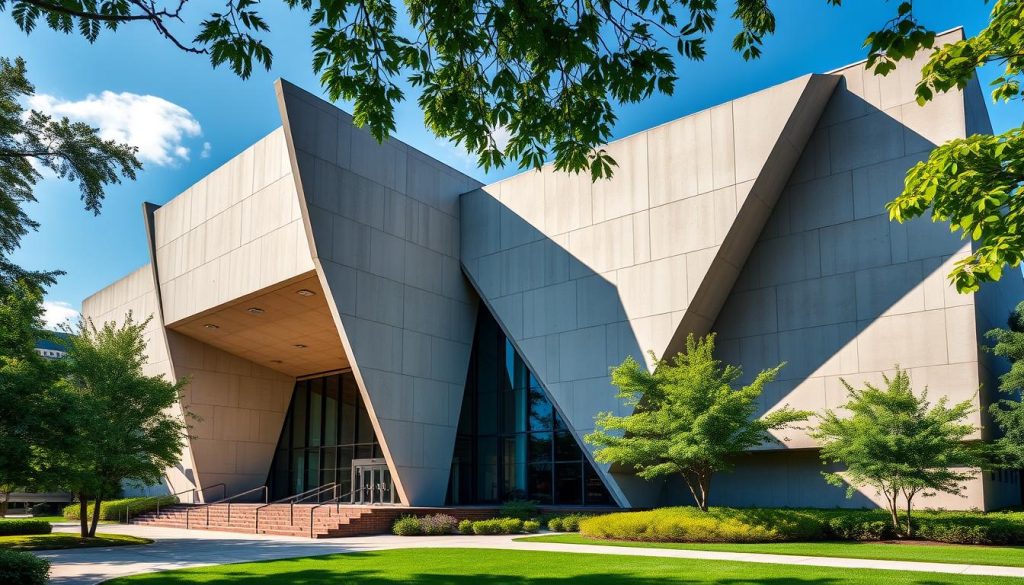
The Arts United Center is a standout in architecture, thanks to Louis Kahn’s design. It grabs your attention with its big forms and new way of using space. Finished in 1973, it shows Kahn’s deep knowledge of light and geometry. You can see this in its eye-catching entrance and the way the inside is laid out.
Design Elements That Define Kahn’s Work
Kahn’s design mixes simplicity with practicality, seen in the Arts United Center’s unique look. Key parts include:
- Natural Light: Kahn uses light smartly to make the place feel welcoming.
- Geometric Shapes: His love for clear, strong shapes makes the building stand out against the city.
- Spacial Planning: The way the public areas are set up encourages people to meet and talk.
Performing Arts Venue in Context
The Arts United Center is a key spot for arts in Fort Wayne. It hosts shows from the Fort Wayne Ballet and Civic Theatre, among others. This place not only brings Kahn’s artistic vision to life but also acts as a community spot. It adds to the cultural richness of the city.
| Feature | Description |
|---|---|
| Architect | Louis Kahn |
| Year Completed | 1973 |
| Main Use | Performing Arts |
| Notable Elements | Natural Light, Geometric Shapes, Spacial Planning |
Concordia Theological Seminary: Eero Saarinen’s Masterpiece
The Concordia Theological Seminary, designed by Eero Saarinen, is a key piece in architectural history. It sits on a peaceful 191-acre campus, showing off mid-century modern design. Saarinen mixed beauty with function, making it a great place for learning.
Some details in the design really catch your eye, like the roofs’ 23.5-degree pitch. This design not only looks good but also creates a peaceful space for studying and thinking. The seminary is a key landmark, showing off Saarinen’s creative take on architecture.
When you visit Fort Wayne, the Concordia Theological Seminary is a must-see. It shows how modern architecture can blend with its environment. It’s a key spot in the story of architecture, highlighting Saarinen’s influence.
Historic landmarks in Indiana: The Embassy Theatre
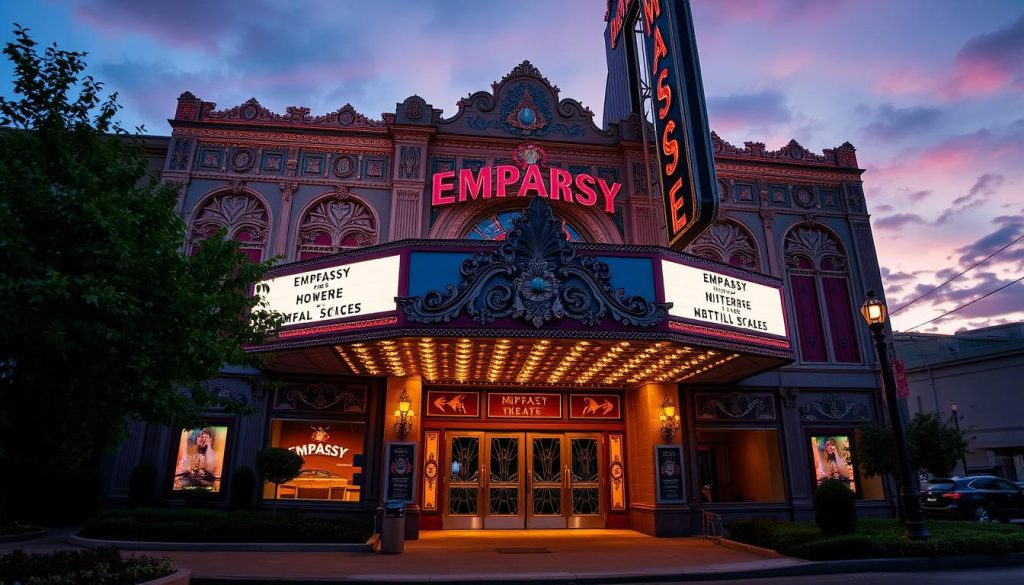
The Embassy Theatre is a key example of Indiana’s historic buildings. It was finished in 1928 and is known for its Spanish Eclectic style. This style shows off its beauty with detailed designs. Architects Alvin M. Strauss and John Eberson made it a place for shows and a cultural symbol in Fort Wayne.
Architectural Style and Features
When you see the Embassy Theatre, its beautiful outside catches your eye with its design and colors. Inside, you’ll find fancy lobbies with French marble and detailed plasterwork. The Grande Page organ is a big part of the theater’s story and look. This mix of design makes it a beloved historic spot in Indiana, blending beauty with community feeling.
Restoration and Cultural Importance
The 1990s restoration brought the Embassy Theatre back to life, keeping its old charm but making it modern. This careful work shows how important the theater is for culture. It’s now a key place for the arts, hosting events that attract people from everywhere. Visiting this historic spot lets you dive into Fort Wayne’s deep cultural past, making it a top spot for architecture and arts fans.
Lincoln Tower: Fort Wayne’s First Skyscraper
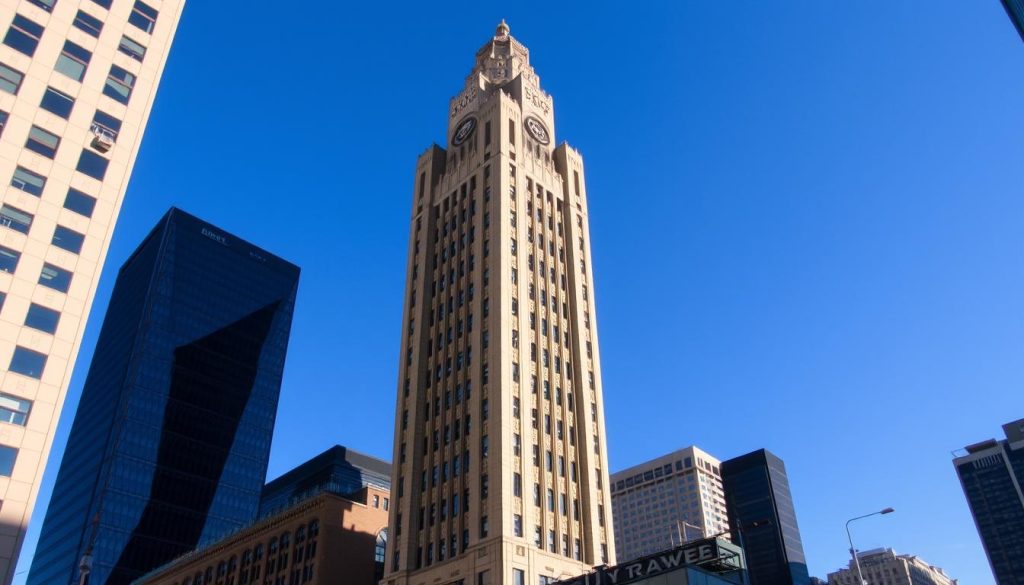
The Lincoln Tower is a key symbol of Fort Wayne’s growth in architecture. It was finished in 1930 and designed by Alvin M. Strauss. This iconic building is known for its unique look and historical importance. It’s a standout among Fort Wayne’s skyscrapers.
Art Deco Design Influence
The Lincoln Tower is known for its eye-catching Art Deco architecture. It stands tall at 312 feet. Its design is inspired by the Empire State Building, with a tiered look and detailed elements.
The tower’s outside has gilded terra cotta, making it stand out in Fort Wayne. Inside, you’ll see murals and bronze sculptures of Abraham Lincoln. These add to the tower’s historical feel.
This building shows off the beauty of Art Deco style. It also highlights the growth of modern architecture during the Great Depression era.
The John D. Haynes House: A Frank Lloyd Wright Creation
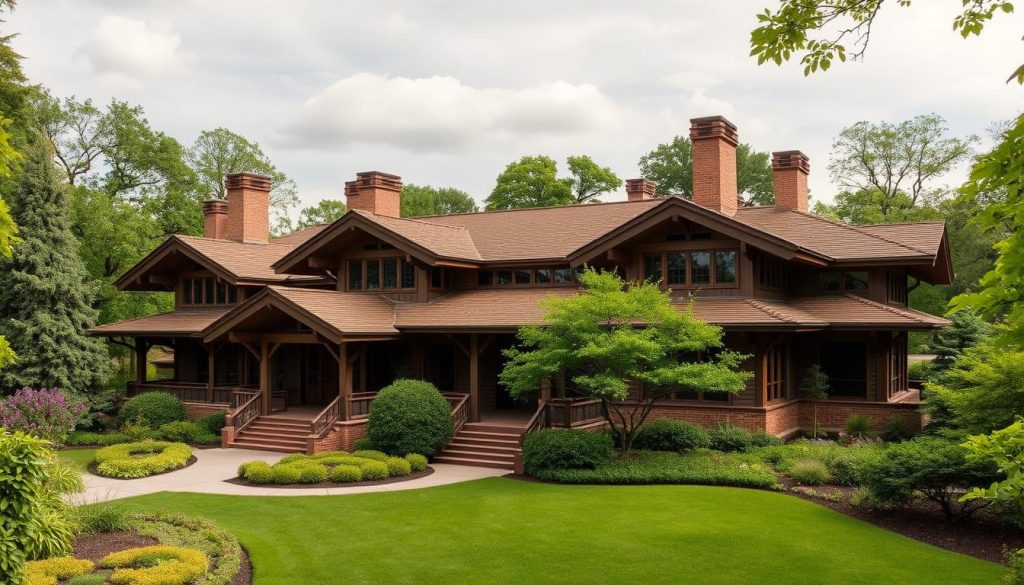
The John D. Haynes House is a standout in unique architecture, thanks to Frank Lloyd Wright’s vision. Built in 1952, it shows off the Usonian movement’s focus on living in harmony with nature. It’s in the Wildwood Park neighborhood, blending modern design with the outdoors beautifully.
Key features of the John D. Haynes House include:
- Flat roof design that enhances its streamlined appearance
- Large overhangs that provide both aesthetic appeal and practical shelter
- Open floor plan promoting fluid movement throughout the living spaces
This house is more than just a home; it’s a key piece of Fort Wayne’s architectural history. It shows Frank Lloyd Wright’s idea of affordable, yet beautiful homes for American families. It stands as a lasting example of his innovative impact on modern architecture.
| Feature | Description |
|---|---|
| Architect | Frank Lloyd Wright |
| Year Built | 1952 |
| Design Style | Usonian |
| Key Elements | Flat roof, large overhangs |
| Location | Wildwood Park, Fort Wayne |
Hidden Gems in Fort Wayne: The History Center
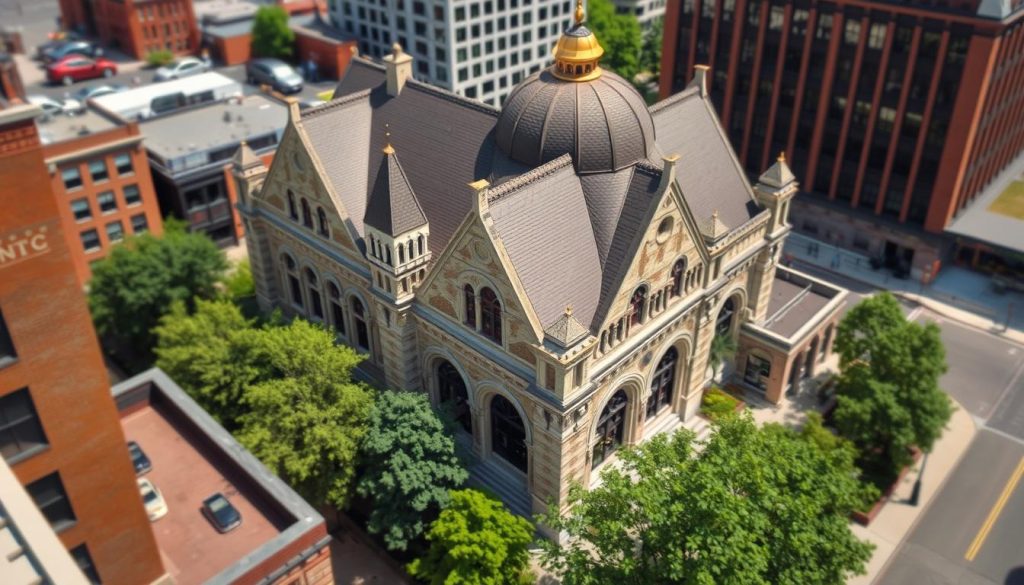
The History Center is a hidden gem in Fort Wayne, blending architecture with local history. It’s located in the old City Hall, inviting visitors to explore the city’s story. The building’s design shows off the Richardsonian Romanesque style, making it a must-see for architecture fans.
Architecture and Historical Context
The History Center is a key part of Fort Wayne’s architecture. It features beautiful stonework and unique arches, showing off the city’s 19th-century pride. Not just a museum, it’s a symbol of the city’s architectural past. Inside, you’ll find exhibits on Fort Wayne’s growth, linking its history to today.
Visitor Experience and Exhibits
At the History Center, you get more than just a museum visit. The exhibits are interactive, making history come alive. You’ll see local artifacts and photos that tell stories of Fort Wayne’s heritage. This center is crucial in teaching the community and visitors about the area’s architectural treasures.
Parkview Field: Modern Design Meets Functionality
Parkview Field, finished in 2009, is a modern marvel. It combines design and practicality perfectly. It’s the home of the Fort Wayne TinCaps and more than a sports venue. It’s a symbol of community spirit.
The park’s design takes inspiration from Fort Wayne’s historic brick buildings. It has many seating options and great views for fans. The retro-modern style adds a unique charm while keeping things modern.
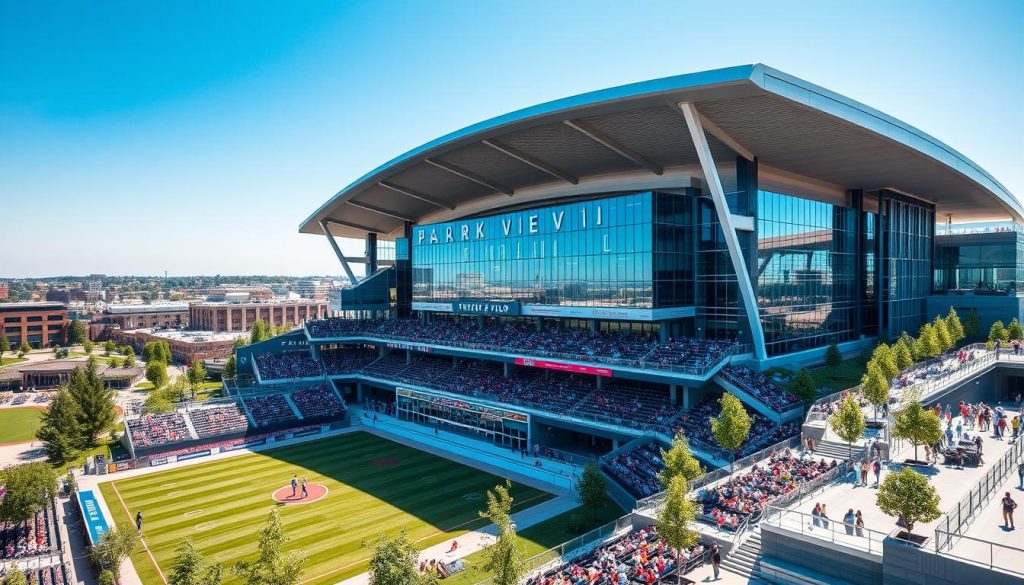
Parkview Field is also a spot for community events. It shows how architecture can bring people together. Taking an architectural tour can help you appreciate this place more. It shows how it improves the city and brings people together.
Conclusion
Exploring Fort Wayne’s architectural gems shows us a city full of culture and history. From the Allen County Courthouse to the Arts United Center, each building adds its own touch to the city. This mix of designs shows how architecture shapes our community’s identity.
Preserving these buildings is key to keeping their stories alive. Walking through the city, you see how these structures reflect Fort Wayne’s growth and heritage. They let us see the art and skill of the past.
Whether you’re at a show, looking at history, or just walking, you feel the city’s architectural spirit. This journey into Fort Wayne’s architecture deepens our understanding of its impact on our community. It shows how buildings bring us together and create a sense of place.





