

Captivate with Your Camera: Photograph Landscapes & Landmarks
Have you ever wondered how you can photograph landscapes and landmarks in a captivating way? Look no further! In this article, we will explore landscape photography tips and landmark photography techniques that will help you capture scenic views that leave a lasting impression.
Whether you’re a professional photographer or a hobbyist, these tips will help you take your landscape and landmark photos to the next level. From creating stunning compositions to utilizing natural light, there are many techniques for capturing iconic landmarks and breathtaking landscapes.
Understanding Composition in Landscape Photography
Creating stunning landscape photographs requires a good understanding of composition, which can make all the difference between an average shot and a captivating one. Composition refers to the placement and arrangement of elements within a photograph. By paying attention to composition, you can highlight the beauty of the landscape and create a visually interesting image that captures the viewer’s attention.
Rule of Thirds
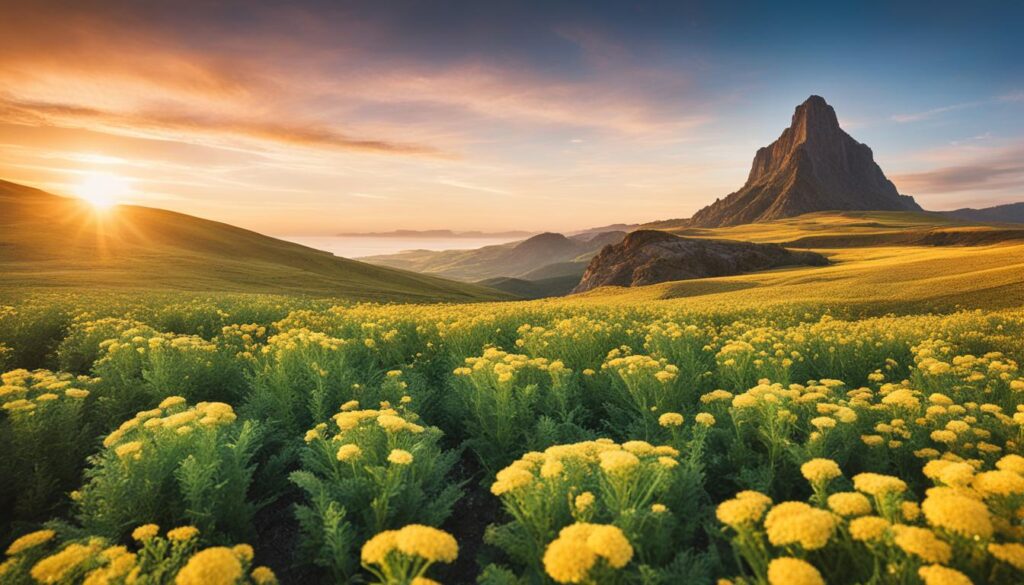
One popular rule in composition is the rule of thirds, where the frame is divided into three equal parts, both horizontally and vertically. The points where the lines intersect are considered to be strong visual focal points. By placing the main subject of your photograph at one of these intersections, you can create a more interesting composition. For example, if you are shooting a landscape with a breathtaking sky, placing the horizon on the lower or upper third line can create a more dynamic image.
Leading Lines
Leading lines are lines within an image that draw the viewer’s eye towards the main subject of the photograph. They can be natural lines within the landscape, such as a winding road, or man-made lines, such as a fence or bridge. Leading lines add depth and dimension to a photograph, creating a strong visual impact. For instance, a winding path leading towards a mountain can make for a striking image.
Foreground Interest
Adding foreground interest can also enhance the composition of a landscape photograph. Including an interesting object in the foreground, such as a tree, rock or flower, can create a sense of depth and scale in the image. It can also add context and character to the photograph, telling a story about the location. For example, adding a foreground of wildflowers to a landscape of mountains can create a stunning image.
Balance and Symmetry
Balance and symmetry are other elements to consider in photographic composition. Balancing the weight of the visual elements within the frame can create a harmonious and pleasing image. Symmetry refers to mirroring the elements within the frame along a vertical or horizontal axis, creating a sense of stability and order. For example, shooting a reflection of a mountain range on a calm lake can create a perfectly symmetrical composition.
By using these composition techniques, you can take your landscape photography to the next level and capture captivating landscapes that truly stand out. Remember to experiment with different angles, perspectives and compositions to find what works best for each unique landscape.
Finding the Perfect Location
When it comes to landscape photography, location is everything. Whether you want to capture a scenic view or an iconic landmark, finding the right spot is key. Below are some landscape photography tips to help you find the perfect location for capturing captivating landscapes and landmarks:
Research the Area
Before heading out to shoot, research the area where you plan to photograph. Look for popular landmarks or scenic spots in the area, and try to find lesser-known locations that can offer unique perspectives.
Use Apps and Websites
There are several apps and websites that can help you find great locations for landscape photography. Websites like TripAdvisor or Yelp offer user reviews and photos of popular tourist spots, providing inspiration for your own photos. Additionally, apps like PhotoPills or The Photographer’s Ephemeris can help you plan your shoot by providing information on the sun and moon’s position and other weather conditions.
Scout the Location
Before you start shooting, take some time to scout the location. Walk around and explore different angles and perspectives. Look for leading lines or points of interest that can add depth and interest to your photos.
Consider Time of Day and Weather
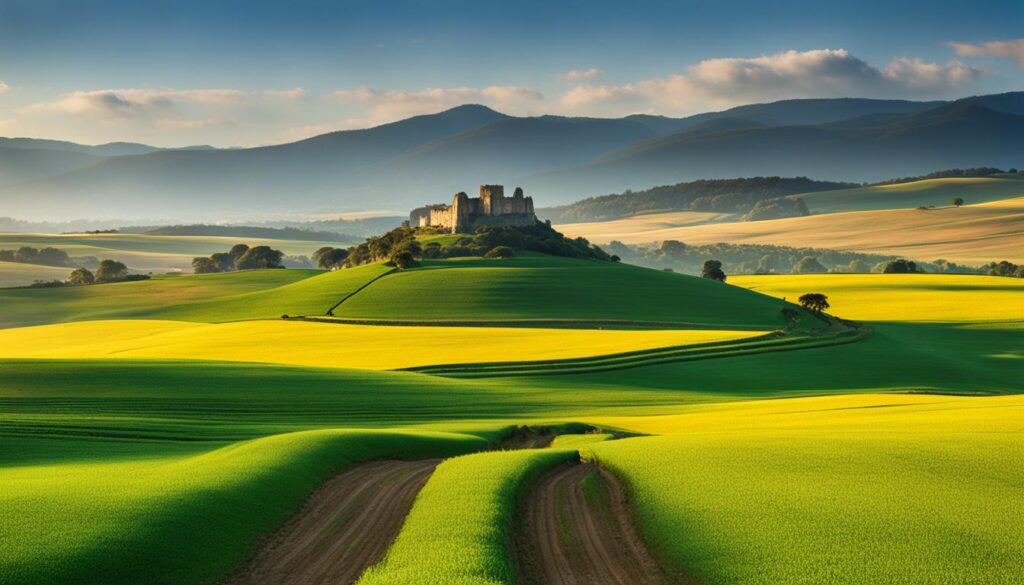
The time of day and weather conditions can greatly impact your landscape photography. Depending on the type of shot you’re going for, early morning or late afternoon light can provide a more dramatic effect. Additionally, cloudy or overcast days can produce softer lighting and more vibrant colors. Consider the weather and time of day when planning your shoot.
Tip: Don’t be afraid to return to a location at different times of day or during different weather conditions. You may be able to capture a completely different shot and add diversity to your portfolio.
Utilizing Natural Light
When it comes to landscape photography, natural light is your best friend. Proper utilization of natural light can enhance the beauty of your photographs and capture breathtaking scenic views.
One of the most crucial tips for capturing captivating landscapes is to shoot during the ‘golden hour,’ which is the hour after sunrise and the hour before sunset. During this time, natural light is softer, and the colors are more vibrant, resulting in stunning photographs.
Another technique for utilizing natural light is to use the shadows to your advantage. Shadows can add depth and contrast to your photographs, making them visually appealing. Taking photos against the light can create a striking silhouette effect.
It’s also important to understand how to balance the exposure in your photographs when using natural light. If you’re capturing a sunset, for example, the light can be quite intense and can make your photograph appear over-exposed. It’s crucial to balance the exposure by adjusting the aperture or shutter speed to ensure a properly exposed photo.
Capturing captivating landscapes requires a keen eye for natural light and its effect on your surroundings. With the right techniques, you can take advantage of natural light and create stunning photographs that capture the beauty of scenic views.
Mastering Exposure and Settings
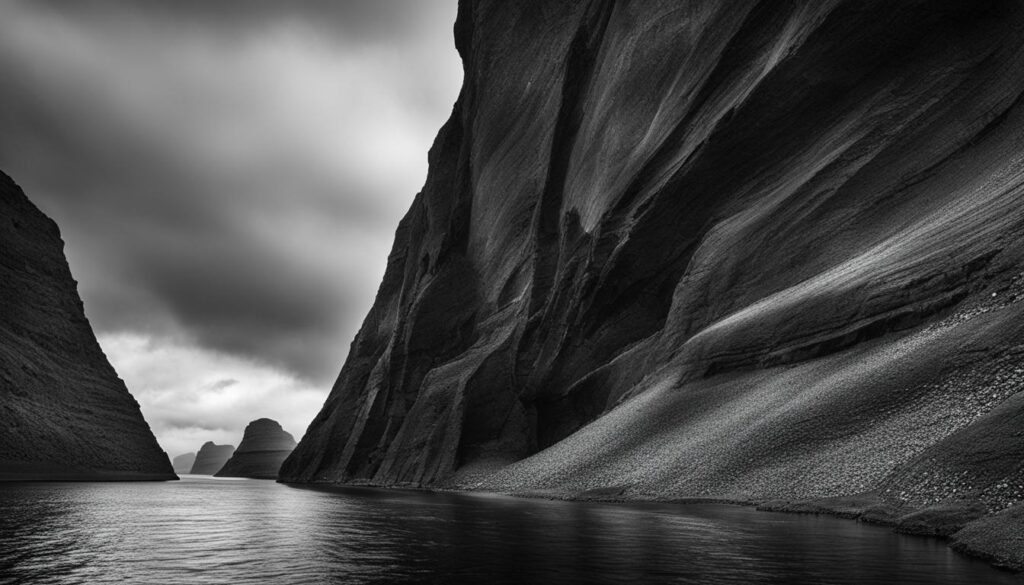
To create stunning landscape photos, mastering exposure and camera settings is a crucial skill. Proper exposure is the balance between the amount of light that enters the camera and the camera’s sensitivity to light.
One of the first things to consider is the aperture, which controls the amount of light that enters the camera. A wider aperture (lower f/number) creates a shallow depth of field, which can be ideal for isolating and highlighting a specific subject, while a smaller aperture (higher f/number) creates a deeper depth of field, bringing more of the scene into focus.
Shutter speed determines the amount of time the camera’s sensor is exposed to light. Slow shutter speeds (longer exposure times) can create stunning effects for capturing moving elements such as waterfalls or clouds. A faster shutter speed (shorter exposure time) can capture a sharp and crisp image.
ISO sensitivity is another crucial setting when capturing landscapes. A higher ISO can make the image brighter but can also lead to increased noise. Find the right balance between ISO sensitivity and other settings to capture the perfect shot.
Pro tip: When shooting landscapes, consider using a tripod to keep your camera steady, allowing you to use slower shutter speeds without risking camera shake.
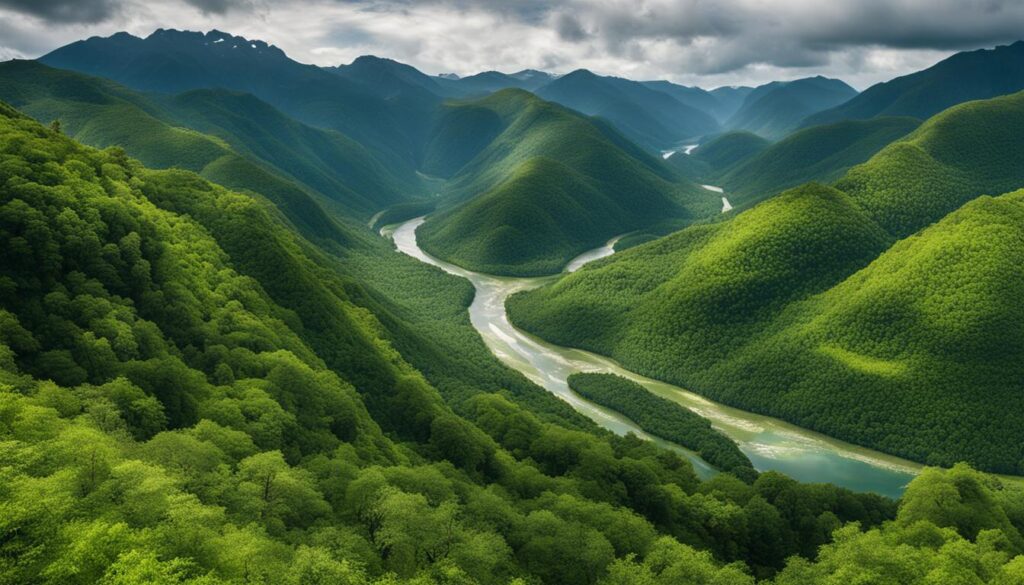
Experiment with different settings to see how they affect your images and don’t be afraid to take control of your camera’s manual mode to capture a truly captivating landscape.
Using Filters and Accessories
Filters and accessories are essential tools for capturing captivating landscapes and iconic landmarks. With the right filter or accessory, you can enhance the quality and beauty of your photos. Here are a few landscape photography tips on using filters and accessories:
Filters
Filters are a great way to enhance the natural colors and light in your landscape photos. There are various types of filters to choose from, including:
- Polarizing filter: reduces glare, enhances colors and contrasts in the sky.
- Neutral Density (ND) filter: reduces the amount of light that enters the camera, allowing you to use slower shutter speeds or wider apertures for blurred motion or more dramatic landscapes.
- Graduated Neutral Density (GND) filter: balances the exposure in scenes with high-contrast lighting. GND filters are essential for situations where the sky is brighter than the foreground.
When using filters, it’s important to remember that overusing them can result in an over-edited or unnatural-looking photograph.
Accessories
Accessories can also help you capture stunning landscapes.
| Accessory | Description |
|---|---|
| Tripod | Keeps your camera steady and prevents shaky photos in low light or long exposure situations. |
| Remote shutter release | Allows you to trigger the shutter without touching the camera, reducing the chance of camera shake. |
| Wide-angle lens | Allows you to capture a wider view of the landscape. |
Remember, filters and accessories can enhance your photos, but they cannot replace good composition and technique. Experiment with filters and accessories to find what works for you and your style of photography.
Creating Depth and Scale
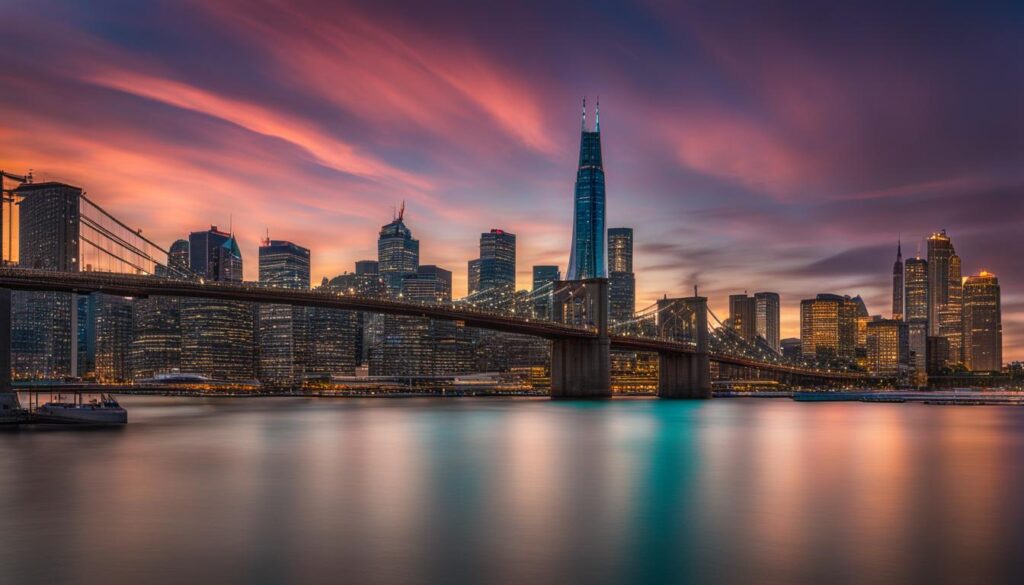
When taking landscape photographs, it’s important to create depth and scale to bring the scene to life. One technique to achieve this is using foreground elements to create a sense of depth and lead the viewer’s eye into the photograph. Another approach is to include objects of known size, such as people or buildings, to provide scale and a frame of reference for the viewer.
Additionally, playing with aperture settings can create different levels of depth in your photographs. Using a wider aperture, such as f/2.8 or f/4, will create a shallow depth of field, blurring the background and emphasizing the subject in the foreground. On the other hand, using a smaller aperture, such as f/16 or f/22, will create a deeper depth of field, resulting in a sharp image from foreground to background.
Experimenting with different depth and scale techniques can enhance the impact of your landscape photographs and capture the true essence of the scenery.
Tip: When using foreground elements, try different angles and distances from your subject to see how they affect the composition of your photograph.
Incorporating Leading Lines and Points of Interest
As we saw in the previous section, composition plays a critical role in landscape photography. One of the most effective ways to guide the viewer’s eye through your photograph is by incorporating leading lines and points of interest. Leading lines direct the viewer’s attention towards the focal point of the photograph, while points of interest add visual interest and a focal point for the viewer.
If you’re wondering how to incorporate leading lines and points of interest in your photographs, here are some tips to get you started:
- Look for natural leading lines in the landscape, such as a river or a road. Use these lines to create a sense of depth and guide the viewer’s eye towards the main subject of the photograph.
- Utilize man-made structures like bridges or fences to create leading lines that draw attention to your intended point of interest.
- Use points of interest, such as trees, rocks, or structures, to provide a focal point for the viewer. Be sure to place the point of interest in an area of the photograph where it will provide the most impact.
- Experiment with different angles and perspectives to find the best placement and composition.
By incorporating leading lines and points of interest in your landscape photography, you can create visually interesting and captivating photographs. Remember to keep these tips in mind and experiment to find the best composition for your photographs.
Timing and Weather Conditions
When it comes to landscape photography, capturing the perfect moment is crucial for capturing captivating landscapes and landmarks. Timing and weather conditions can greatly impact your photographs and it’s important to know what to look for to take advantage of the best lighting and atmosphere for your shots.
What’s the best time of day for landscape photography? The “golden hour,” which includes the hour after sunrise and the hour before sunset, is considered the ideal time for outdoor photography. During this time, the light is soft and warm, casting beautiful shadows and creating a stunning glow on the landscape.
However, don’t be afraid to experiment with different times of day, as well. Shooting during midday can create stunning contrast and shadow play, while shooting at night can capture the beauty of the stars and create a very dramatic atmosphere.
Weather conditions also play a significant role in landscape photography. Cloudy skies can create a sense of mood and drama, while clear blue skies can create a calming and serene atmosphere. Rain and fog can also add an interesting element to your shots, adding texture and depth.
Take some time to research the best times to visit your intended location and plan your shoot according to the weather forecast. Use these landscape photography tips to capture the beauty of landmarks and the captivating landscapes that surround them.
Post-Processing and Editing Techniques
Editing your landscape photographs is just as important as capturing the perfect shot. The right editing techniques can help you bring out the best in your photos, enhancing the colors, contrast, and sharpness to create stunning images. Here are some landscape photography tips for post-processing and editing:
1. Adjust the Exposure and Contrast
Adjusting the exposure and contrast can help you balance the light and dark areas of your photo, creating a more balanced and visually appealing image. Use the curves or levels tool in your editing software to adjust the exposure and contrast.
2. Enhance the Colors
Landscape photos often feature striking colors, and enhancing these colors can make your photos stand out. Use the saturation or vibrance adjustment tool to bring out the colors in your photo. But be careful not to overdo it, as the photo may look fake.
3. Crop and Straighten
Cropping and straightening can help you remove unwanted elements from your photo, as well as ensure that the horizon is level. Use the crop and straightening tool to make these adjustments.
4. Sharpen Your Image
Sharpening your image can enhance the details and textures in your landscape photo. Use the sharpening tool to add clarity to your photo, but again, be careful not to overdo it.
5. Remove Distractions
Unwanted elements in your photo can distract from the main subject. Use the clone stamp or healing tool to remove these distractions and keep the focus on the landscape or landmark.
By combining these landscape photography tips and techniques, you can take your post-processing and editing to the next level, producing captivating landscapes that truly showcase the beauty of the world around us.
Conclusion
In conclusion, capturing captivating landscapes and iconic landmarks is both an art and science. By implementing the techniques and tips discussed in this article, you can elevate your photography skills and create stunning masterpieces. Always remember to consider the composition, lighting, location, and timing when shooting landscapes and landmarks. Don’t be afraid to experiment with different approaches, and utilize filters and accessories to enhance the quality of your photographs. Post-processing and editing can also help you to refine your images and take your photography to the next level. With enough practice and patience, you can become a master at capturing beautiful landscapes and landmarks. Happy shooting!


