Bumthang Trekking Guide: Permit Requirements
Ever wondered why Bumthang trekking permits are key for your Bhutan adventure? As you get ready to explore this stunning area, you’ll see permits are more than just rules. They help protect Bhutan’s beautiful nature and culture.
This guide will show you why permits matter, what types you need, and how they make your trek unforgettable. With almost 12 days of trekking ahead, knowing about Bhutan’s trekking rules is crucial. Let’s dive into the world of Bumthang trekking permits.
Understanding Trekking in Bhutan
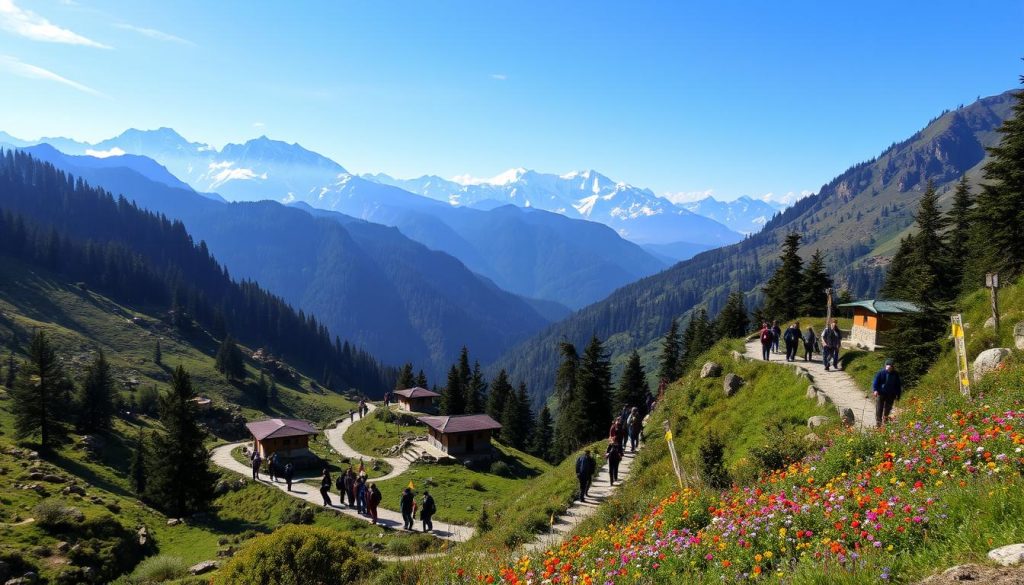
Trekking in Bhutan lets you see its beautiful landscapes and dive into rich cultural experiences. About 80% of the country is forests, offering untouched nature and stunning views. The best times to trek are from March to May and September to November, when the weather is perfect.
There are many trekking paths to choose from, for all skill levels. The Druk Path Trek is great for beginners, covering 30 miles in five days. For more experienced hikers, the Jomolhari Trek is a challenge, lasting 7–10 days and passing through incredible landscapes.
The Merak-Sakteng Trek is perfect for those wanting to meet the semi-nomadic Brokpa people. The Bumthang Owl Trek is about three days, ideal for novices. The Dagala Thousand Lakes Trek and Snowman Trek offer unique adventures, lasting 6–7 days and 20 days respectively.
It’s important to get used to high altitudes, as altitude sickness can happen. Having local guides makes your trek better and helps the local economy. This journey is not just about physical strength but also about respecting nature and culture.
Why Permits Are Necessary for Bumthang Trekking
Trekking permits in Bumthang are needed for many reasons. They help us get to amazing trekking spots. They also keep the environment and culture safe.
Permits are very important. They control how many people can go trekking. This protects the nature and lets plants and animals live well.
Permits also help keep the culture alive. Trekking paths in Bumthang go to important cultural sites. If too many people visit, these places can get damaged. Permits help keep these sites safe for the future.
In short, trekking permits are key to respecting Bumthang’s nature and culture. They are not just rules. They are important for sustainable trekking that benefits everyone.
Do I need special permits for trekking in Bumthang?
Trekking in Bumthang means you need special permits for a smooth trip. These permits protect the natural beauty and community. They also help make tourism more sustainable.
Overview of Permit Requirements
So, Do I need special permits for trekking in Bumthang? Yes, you do. For trekking in Bumthang, you must follow certain Bumthang trekking permit requirements. These permits let you explore amazing trails like the cultural trek. They also help the local economy and protect nature.
Trekking can be challenging, but the permits keep it responsible. This ensures everyone can enjoy the trails safely and sustainably.
The Importance of Environmental Protection
Permits are also about environmental protections in Bhutan. They help keep Bhutan’s landscapes untouched. With over 90% mountains, Bhutan is a treasure to preserve.
By following these rules, you help protect Bhutan’s beauty. You also respect local traditions and reduce your impact on the environment. Exploring Bumthang’s valleys shows how important these efforts are for nature and culture.
Types of Permits Required for Trekking in Bumthang
Getting the right permits is key for a great trek in Bumthang. These permits help follow local rules and support eco-friendly tourism. Here, we’ll cover the main permits you’ll need for your trip.
Bhutan Visa and Trekking Permits
First, you must get a Bhutan Visa to enter this special Himalayan country. If you’re from India, Bangladesh, or the Maldives, you can get a permit at the border. Just show your passport, which should be valid for at least six months.
Indian citizens can enter without a visa if they have a valid passport or Voter ID. To enter Bhutan, you need an Entry Permit. This is free and can be gotten at Paro Airport or Phuntsholing Immigration Office. This permit is for Thimphu and Paro only and requires some documents like passport photos and hotel bookings.
| Document | Requirement |
|---|---|
| Passport | Minimum validity of 6 months |
| Photos | Passport-sized |
| Itinerary | Printed short itinerary |
| Hotel Booking | Photocopies for the first night |
| ID Verification | Photocopies of passport or Voter’s ID |
| Solo Traveler Undertaking | Required for individuals |
Bumthang Trekking Permit Specifics
For trekking, you’ll also need trekking permits for Bumthang. The Route Permit lets you explore beyond Thimphu and Paro. You can get this in Thimphu. If you stay longer, you’ll need to extend your permit at the Immigration Office in Thimphu.
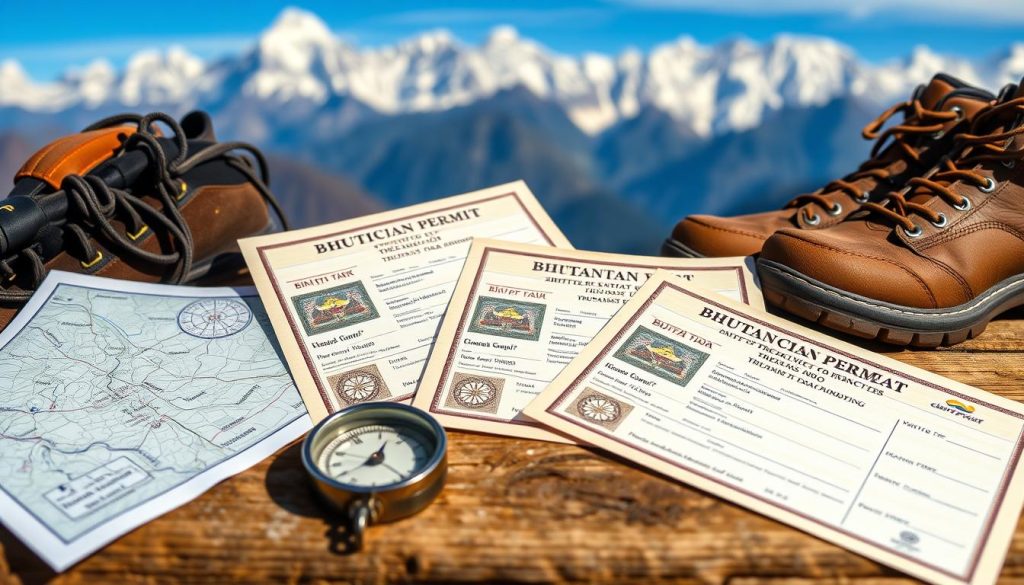
Remember, you can only have these permits for 15 days total. If you’re trekking to places like Ngang Lhakhang or Ugyen Choling, you’ll need these permits. They help you enjoy the views while respecting local rules.
How to Obtain Trekking Permits in Bhutan
To trek in Bhutan, you need to get trekking permits. This involves working with a registered Bhutanese tour operator. They help you follow local rules and make your trek smooth.
Work with a Registered Bhutanese Tour Operator
Choosing a registered Bhutanese tour operator is key. They know how to get trekking permits. They take care of the paperwork, so you can enjoy your trip.
Required Documentation and Process
To get trekking permits, you need certain documents. Here’s what you’ll need:
- Valid passport with a minimum of six months’ validity.
- Details of your planned trekking itinerary.
- Completed visa application, usually arranged by your tour operator.
Your tour operator will help with these documents. They make sure you have everything you need for your trek.
| Document | Description |
|---|---|
| Valid Passport | Must have at least six months’ validity from your planned entry date. |
| Trekking Itinerary | Detailed itinerary outlining your trekking plans and destinations. |
| Visa Application | Usually processed by your registered tour operator. |
By following this process, you get your permits and learn about Bhutan’s culture and nature. Have a great trekking adventure in this beautiful place!
Bumthang Trekking Regulations You Must Follow
When planning to explore Bumthang, Bhutan, it’s important to know the trekking rules. These rules keep you safe and protect the area’s unique environment.
Guided Treks Only
One key rule is that you must have a registered guide for your trek. Guides know the area well and can lead you safely. They help you avoid dangers of trekking alone.
Staying on Designated Trails
It’s also crucial to stick to the designated trails. These paths reduce harm to nature, letting plants and animals thrive. Walking these trails preserves the land and offers stunning views.
Potential Restrictions and Regulations in Bumthang
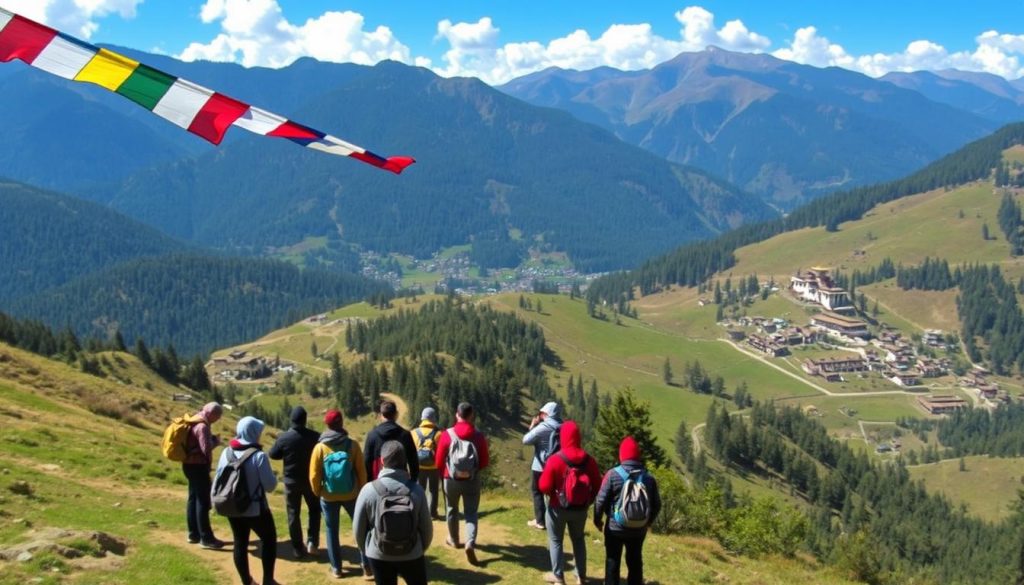
Bumthang is a favorite spot for trekkers, thanks to its natural beauty and cultural richness. But, there are rules to keep it this way. These Bumthang trekking restrictions help make sure everyone has a safe and enjoyable time. They also help protect the area’s unique heritage.
Impact on Local Communities and Cultures
The rules have a big impact on local people. They limit the number of visitors and where they can go. This keeps cultural sites from getting too crowded.
It also helps visitors and locals get along better. This way, everyone can learn more about Bumthang’s rich culture. It’s good for both the traditions and the local economy.
Allowing Authorities to Maintain Control and Safety
The main reason for these rules is safety and control. They make sure trekking is done safely. This includes watching over groups, keeping trails clear, and teaching visitors how to trek right.
These steps keep trekkers safe and protect the environment. It’s good for both the visitors and the people who live there.
Bumthang Trekking Guidelines for a Safe Journey
Getting ready for your adventure in Bumthang Valley is key. You need to know about trekking at high altitudes. The trek goes up to 4,000 meters, which can be tough. It’s also important to respect local traditions as you explore this beautiful area.
Preparing for High Altitude Conditions
Before you start, getting in shape is crucial for high altitudes. Cardio and strength training can help a lot. Also, acclimatizing is important to avoid altitude sickness. Make sure to take your time during the 11-day, 120-kilometer trek.
The weather can change a lot at high altitudes. Autumn is chilly and dry, while spring is warm with rain. Bring warm and waterproof clothes to stay comfortable. The best times to trek are from late September to mid-November and from March to May.
Respecting Local Customs and Traditions
Respecting local customs and traditions is very important. Bumthang is full of history, with old temples and monasteries. By engaging with locals and following their customs, you’ll have a better experience. This also helps build good relations with the people.
In summary, following these guidelines makes your trek safe and enriching. It lets you appreciate Bhutan’s culture and stunning landscapes. Every trekker helps keep these traditions alive while enjoying the journey.
Conclusion
The journey through Bumthang’s valleys is a call to adventure lovers. It’s important to know about trekking permits to trek responsibly. These permits let you explore Bhutan’s beauty while protecting the environment and local cultures.
Remember, following permit rules makes your trek better and keeps Bumthang’s beauty and culture alive. Planning well helps the local economy and environment. This way, future visitors can also see Bhutan’s stunning views and traditions.
Enjoy your adventure in Bumthang but think about its impact. With the right preparation and respect, your trek will be safe and rewarding. You’ll leave only footprints and take home unforgettable memories.