Punakha Trekking Permits: Do You Need One?
Ever thought about what it takes to explore Bhutan’s stunning treks, like in Punakha? Knowing about Punakha trekking permits is key for planning your trip. Many travelers think they can just start their journey without any paperwork. But, getting the right permits is crucial for a great trekking experience.
Let’s explore the details of Do I need special permits for trekking in Punakha? and find out what every trekker should know.
Understanding the Importance of Trekking Permits in Bhutan
Getting Bhutan trekking permits is key for exploring Bhutan’s amazing landscapes. These permits do more than just let you on the trails.
First, they protect Bhutan’s environment. With its tough terrain and untouched nature, keeping it safe is crucial. Permits control how many people trek in these areas, helping to keep the plants and animals safe. By following the rules, you help keep the beauty of Bhutan for others to see.
Permits also help respect Bhutan’s culture and traditions. Bhutan has a deep cultural heritage that visitors should honor. The permit process teaches trekkers to learn about and appreciate Bhutan’s unique way of life.
The government of Bhutan requires permits to make sure tourism is good for the economy. Your trek supports local businesses and cultural projects, making your trip more meaningful. Whether you’re on the tough Snowman Trek or the easier Druk Path Trek, knowing and following hiking in Bhutan requirements makes your journey better.
Overview of Punakha as a Trekking Destination
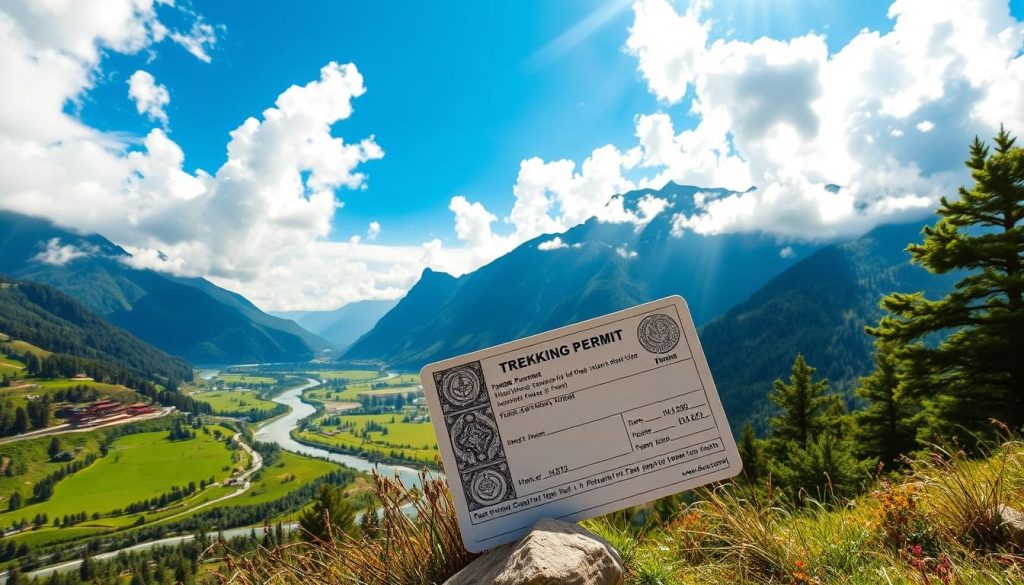
Punakha is a magical place for those who love nature and culture. It’s surrounded by green mountains and valleys. This makes it a favorite spot for trekkers worldwide.
The trip from Paro International Airport to Punakha is about 123 km. This makes it easy for visitors from abroad to get there.
The area is known for its stunning landscapes and historical sites. The Punakha Dzong is a highlight. You’ll also see the Mo Chuu and Pho Chuu rivers coming together, creating beautiful views.
There are many festivals in Punakha that show off Bhutan’s traditions. These festivals add to the special experiences for travelers.
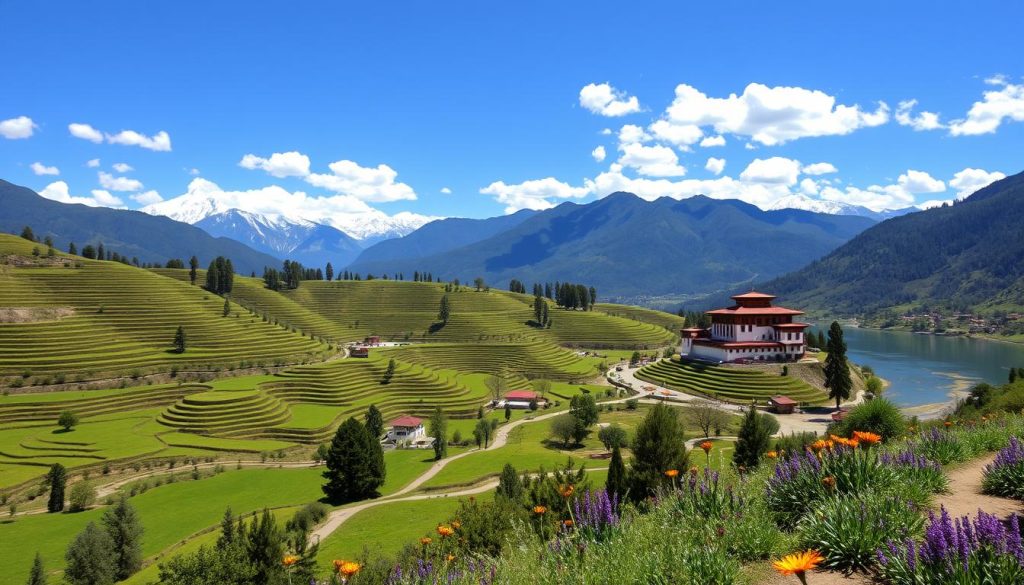
Exploring Punakha, you’ll find many outdoor activities. The trekking paths are for all levels. You can enjoy the views at your own pace.
The best times for trekking are from early March to June and late September to November. But, winter treks are also possible, with mild weather and sometimes snow.
- Spring (March-May): Warm weather with grand festivals.
- Summer (June-August): Hot temperatures with midday rains and cool nights.
- Autumn (September-November): Clear blue skies and cool weather.
- Winter (December-February): Mild, with occasional snowfall in late February.
Punakha is a unique trekking spot. It combines amazing natural beauty with rich culture. As you explore, get ready to dive into the many experiences waiting for you.
The Requirement of Permits for Treks in Bhutan
For those planning to explore Bhutan, knowing the Bhutan trekking requirements is key. In Bhutan, you need specific permits for trekking in Bhutan for each route. These permits must be arranged through registered tour operators, not directly by travelers. This is a crucial step in planning your trek in this unique place.
The best time for trekking in Bhutan is from September to November. This autumn season is perfect for trekking lovers. Winter, from mid-November to mid-March, is colder, with nights below zero. For warmer weather, May and June offer temperatures from +18°C to +7°C in Punakha.
Getting permits involves several steps. First, you must apply through a Bhutanese tour operator at least 30 days before. You’ll need to provide your name, nationality, passport number, and other personal details. If your application is incomplete, it may take up to two weeks for approval. The Ministry of Foreign Affairs in Thimphu reviews these applications, and once approved, the permits are sent to Druk Air for ticket processing.
| Aspect | Details |
|---|---|
| Trekking Season | September to November and mid-November to mid-March |
| Temperature (Punakha) | +18°C to +7°C in May/June |
| Permit Application Deadline | At least 30 days in advance |
| Approval Time | Up to two weeks |
| Visa Requirements | Stamped upon arrival (for all nationalities except Indians) |
In summary, getting the right permits for trekking in Bhutan is a clear process. By following the right steps, you can enjoy a smooth trek. This lets you focus on the stunning views and cultural experiences Bhutan has to offer.
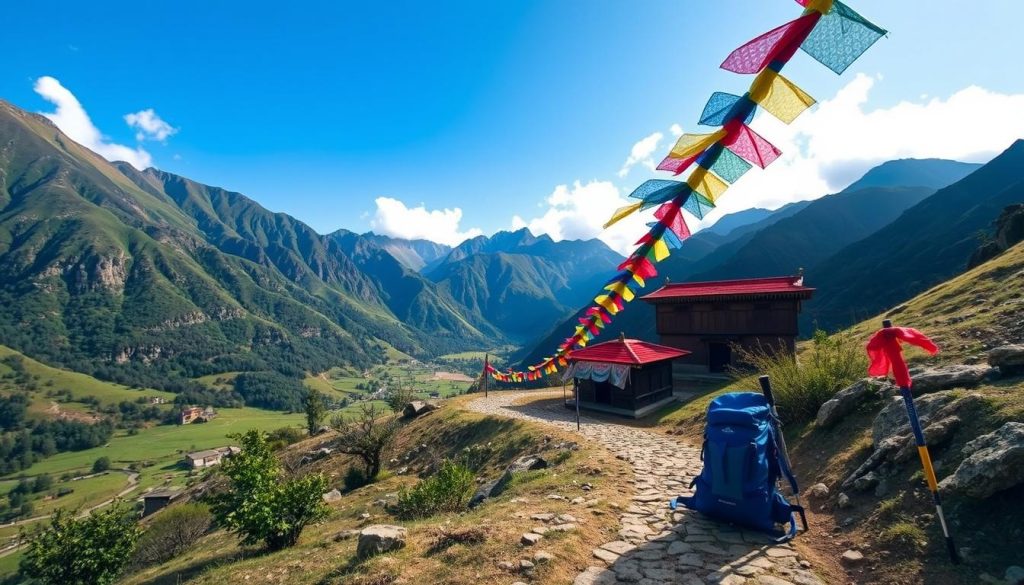
Do I need special permits for trekking in Punakha?
Planning your adventure in Punakha means knowing about permits. Many trekking spots in Bhutan need general permits. But, some areas require special ones. It’s important to follow local laws and tourism rules for a great trek.
Overview of Special Permits for Tourists
Many ask, “Do I need special permits for trekking in Punakha?” It depends on your trekking spot. A standard permit lets you into many places. But, some areas need special permission.
For example, trekking in the Nar Phu Valley needs a Restricted Area Permit (RAP). This permit is key for visiting certain areas. It helps protect the environment and culture.
Areas Requiring Special Permits
Some places in Punakha need special permits because of their limited access. These include:
- Nar Phu Valley: This area requires the Nar Phu Valley RAP, which costs US$ 75 for the first seven days from December to August and US$ 100 for September to November. An additional fee applies for extra days.
- Places beyond Dochula Pass: A route permit, needing two passport-sized photos, is necessary.
- Upper Mustang: This area mandates a US$ 500 permit for 10 days, with an additional daily fee thereafter.
Permits can only be processed at designated offices during working hours. Make sure to bring your documents, including photos, to the permit office. Following these Punakha hiking requirements makes your trek smooth and legal in this stunning area.
How to Obtain Trekking Permits in Punakha
To have a great trekking experience in Punakha, getting the right permits is key. Working with licensed tour operators makes getting permits easy. They help you fill out the Punakha trekking permit application and get all the necessary permits before you arrive.
Steps to Acquire the Necessary Permits
Here’s how to get your permits quickly:
- Choose a licensed tour operator who knows Bhutan trekking well.
- Give them your travel plans and any other needed info.
- Your operator will apply for the Punakha trekking permit application for you.
- Wait for approval, which usually takes 3 to 8 hours.
- Make sure you get all your trekking permits before going to Punakha.
Documents Required for Permit Application
Having the right documents is crucial for a smooth application. Here’s what you need for trekking permits in Punakha:
- A valid passport (minimum validity of 6 months)
- Passport-sized photos (2 pieces)
- A detailed travel itinerary
- Travel insurance documentation
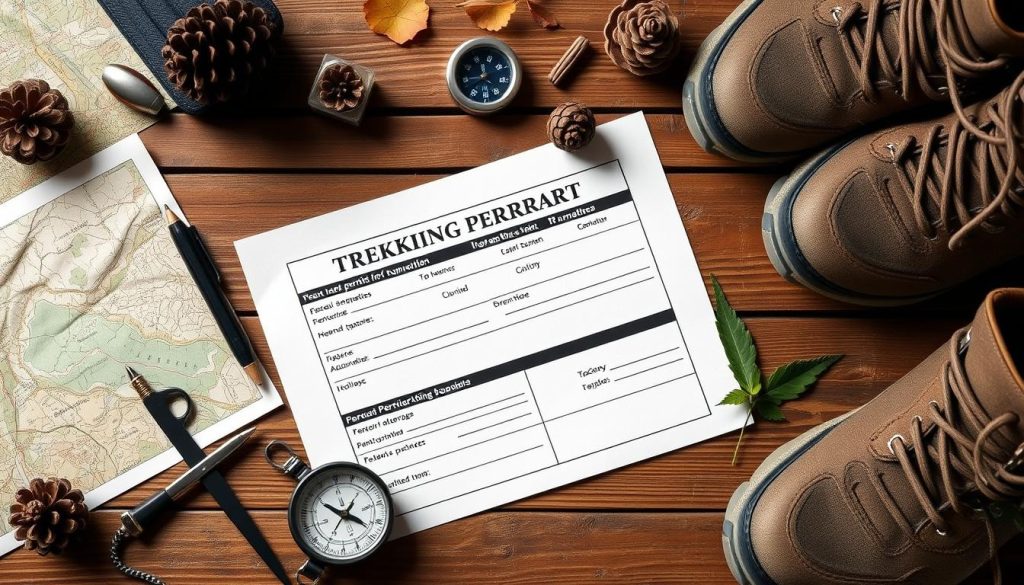
Make sure your documents are correct and complete to avoid delays. Being organized and clear with your operator is important for a successful trek.
| Document | Description |
|---|---|
| Passport | A valid passport with at least 6 months of remaining validity. |
| Photos | Two recent passport-sized photos required for the application. |
| Travel Itinerary | A detailed plan of your trip highlighting planned trekking routes. |
| Travel Insurance | Proof of travel insurance coverage, mandatory for trekking in Bhutan. |
Punakha Trekking Rules and Regulations
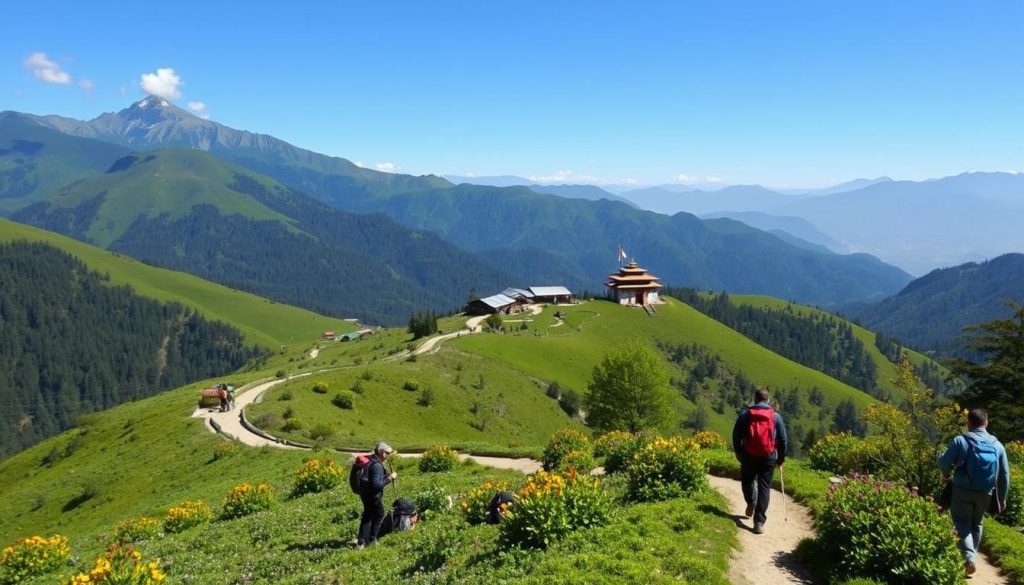
Exploring Punakha’s beautiful landscapes requires knowing the trekking rules. These rules keep you safe and protect the environment. Bhutan’s trekking laws also ask you to respect local traditions and use eco-friendly practices. It’s important to follow the *Leave No Trace* principles to reduce your impact on nature.
To keep Bhutan’s natural wonders intact, follow these important guidelines:
- Always travel with a licensed guide as required by Bhutan trekking regulations.
- Dispose of waste properly, ensuring that anything you bring with you is carried back out.
- Observe cultural norms and sensitivities in local villages.
- Stay on marked paths to protect native flora and fauna.
- Be prepared for high-altitude conditions, and watch out for acute mountain sickness (AMS) risks above 2500m (8202ft).
The trekking season in Punakha is from late February to June and September to December. You’ll find different trails with unique landscapes and challenges. Daily walks range from 5km to 11km, taking about 3 to 4 hours. Don’t forget to pack sunscreen, mosquito repellent, and altitude medication.
Punakha Hiking Requirements for Tourists
Before you start your trek in Punakha, you need to know the entry rules for Bhutan. You must get a Bhutan visa and permits before you arrive. This ensures you have a great time exploring this beautiful area while following the rules.
Visas and Entry Permits for Visiting Bhutan
Visitors from most countries need a Bhutan visa to enter. You can get one through a licensed tour operator in Bhutan. The visa costs USD 40 and takes up to five business days to process.
There’s also a Sustainable Development Fee (SDF) of USD 200 per night. This fee helps protect Bhutan’s environment, which is over 70% forest. The best times to visit are March to May and September to November, when it’s less crowded.
Getting to Bhutan is limited to two airlines. If you’re coming from India, you can’t drive yourself. You need a registered Bhutanese driver to take you around. Following these rules will make your trip to Punakha even better.
Other Outdoor Activities Permits in Punakha
Exploring Punakha means knowing about the permits needed for different activities. Trekking in Bhutan is just one example. Rafting, mountain biking, and cultural tours also need special permits. These are for safety and to protect the environment.
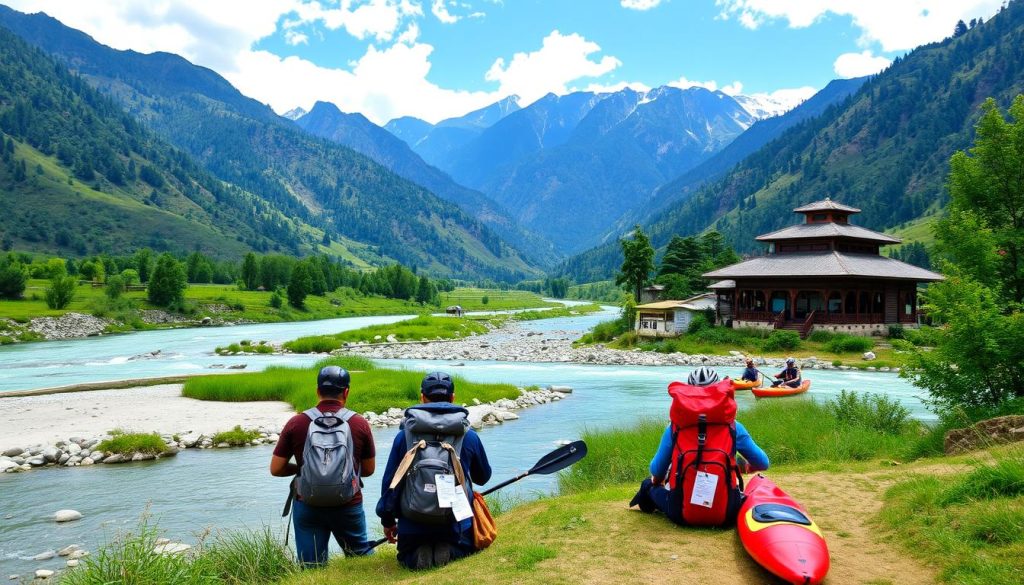
Rafting on the Pho Chhu and Mo Chhu rivers is exciting and requires a permit. Mountain biking on rough trails is thrilling too. You might need a permit for certain bike paths.
Cultural tours through historical sites are enriching. You need a permit to visit these places. It helps preserve Bhutan’s natural beauty and history.
Here are the main types of permits for outdoor activities in Punakha:
| Activity | Permit Requirement | Details |
|---|---|---|
| Rafting | Yes | Necessary for safety compliance on designated rafting routes. |
| Mountain Biking | Potentially | Special permits may be needed based on the biking trails selected. |
| Cultural Tours | Yes | Permits required for accessing specific cultural and historical sites. |
Make sure you have the right permits for Punakha activities. With the right permits, you can enjoy Bhutan’s stunning landscapes and culture. This will make your trip unforgettable.
Conclusion
Understanding trekking permits in Bhutan is key for a great outdoor adventure. Punakha’s stunning landscapes offer unforgettable experiences. Being prepared ensures you enjoy every moment without surprises.
Planning ahead and working with licensed tour operators helps get permits quickly. This way, you can focus on the beauty of Punakha, like the famous Punakha Dzong and river rafting. Make sure you have all your documents, including your visa and trekking permits, to fully enjoy Bhutan.
It’s time to plan your Punakha trekking adventure. Get ready for an unforgettable journey!