Best Time to Visit Multan: Your Ultimate Guide
Multan, the “City of Saints,” offers rich cultural and culinary experiences. This ancient Pakistani city captivates visitors with its spiritual allure and vibrant traditions. Timing your visit is crucial for an unforgettable Multan adventure.
Multan sits in southern Punjab province, boasting a heritage spanning thousands of years. It blends ancient roots, spiritual allure, and vibrant culture. The city’s attractions are diverse and fascinating.
Visitors can marvel at the Multan Fort’s towering minarets. The Tomb of Shah Rukn-e-Alam showcases intricate turquoise tiles. Lively bazaars like Lohari Gate and Ghanta Ghar Chowk offer unique shopping experiences.
Multan – A City Steeped in Legend
Multan, an ancient Pakistani city, boasts a rich 5,000-year history. It’s one of Asia’s oldest living cities. Various civilizations have shaped Multan’s unique character over time.
Multan’s Ancient Roots
Multan has been a hub of human settlement since ancient times. Its strategic location attracted many conquerors and seekers. Each group left a unique mark on the city’s cultural fabric.
Multan’s past is a tapestry of diverse influences. These elements combine to create a captivating destination for visitors.
Spiritual Allure and Architectural Marvels
Sufism has deeply shaped Multan’s character. Shrines of revered Sufi saints draw pilgrims from around the world. The Mausoleum of Shah Rukn-e-Alam showcases the unique Tughluq style.
These architectural wonders serve as beacons of peace and serenity. They attract spiritual seekers and architecture enthusiasts alike.
Vibrant Culture and Tradition
Multan’s culture offers a feast for the senses. The bustling Hussain Agahi Bazaar buzzes with activity. Traditional Multani cuisine tempts visitors with its mouthwatering aromas.
Ghanta Ghar Chowk, a historic marketplace, showcases the city’s enduring traditions. Visitors can immerse themselves in the rhythms of daily life here.
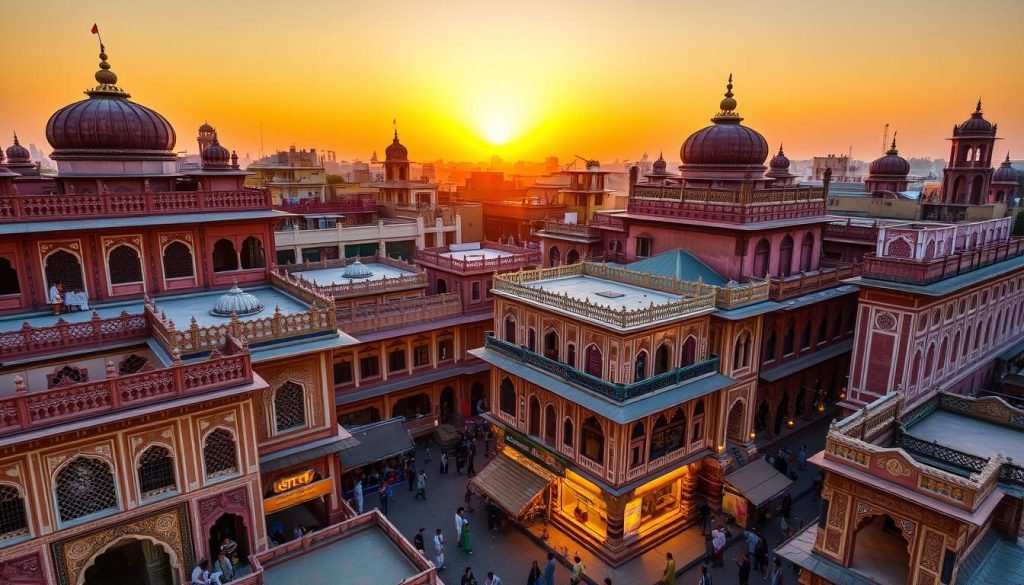
“Multan, a city that has seen the rise and fall of empires, remains a timeless beacon of history, spirituality, and cultural richness.”
The Culinary Journey
Multan’s food scene is a must-try for visitors. It reflects the city’s rich history and diverse culture. From sweet Multani Sohan Halwa to savory Multan BBQ, each dish offers a unique taste adventure.
The city’s cuisine blends local ingredients with age-old recipes. Multani Sohan Halwa, a famous sweet, showcases the city’s culinary heritage. Its delicate texture and subtle sweetness have made it popular beyond Multan.
Multan’s street food scene is a feast for the senses. Vendors offer a wide array of tasty treats. The smoky Multan BBQ and tangy chaats are sure to delight your taste buds.
Explore lively markets or dine at local eateries. Wander the streets in search of new flavors. Multan’s food will leave a lasting impression on your palate.
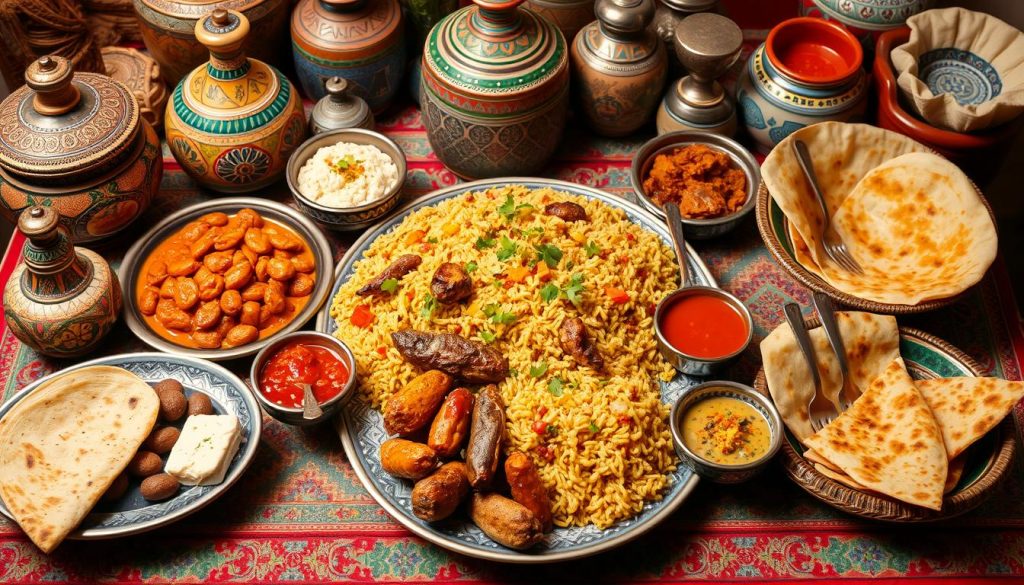
“Multan’s cuisine is a symphony of flavors, a tapestry of culinary traditions that have been woven together over centuries, creating a gastronomic experience that is truly one-of-a-kind.”
Warmth and Hospitality
Multan’s warmth captivates visitors with its people’s genuine kindness. The vibrant streets welcome you with open arms and heartfelt smiles. Here, strangers quickly become friends, creating cherished memories.
Multan locals are known for their hospitality. They eagerly share stories and introduce you to their customs. You might be invited to family gatherings or guided through bustling markets.
The city’s fabric is woven with threads of welcome. Intricate architecture whispers tales of the past. Vibrant cultural events celebrate the present. Every part of Multan invites you to explore its allure.
“Multan’s hospitality is a timeless tradition, where every visitor is treated like family and leaves with a piece of the city’s heart.”
Get ready to be charmed by Multan’s warmth. This city will capture your imagination and leave a lasting impression. Dive into the local culture and discover the true essence of this remarkable place.
What is the best time to visit Multan?
Multan’s climate greatly affects the ideal time to visit. The city experiences various seasonal conditions that impact travel experiences.
Weather Patterns and Peak Tourist Season
The best months to visit Multan are January, February, March, April, October, November, and December. These cooler months offer comfortable temperatures, making them the peak tourist season.
Visitors can explore Multan’s rich culture and landscapes without extreme heat. The warmest months are May, June, July, August, and September.
Average maximum temperatures range from 74°F in January to 115°F in June. Summer months can be challenging for travelers due to intense heat.
Avoiding Extreme Weather Conditions
Be aware of potential extreme weather events in Multan. The city has experienced record-breaking heat waves and heavy monsoon rains.
Research weather patterns and prepare accordingly to avoid travel disruptions. Consider avoiding summer months when heatwaves and severe storms are most likely.
Opt for cooler, drier periods like winter months. This will help maximize enjoyment and minimize weather-related challenges.
The best time to visit Multan is from October through April. The weather is pleasant and tourist activity peaks during these months.
Be mindful of potential extreme weather, especially in summer. Plan your visit for comfortable and enjoyable experiences in this fascinating city.
Cultural Events and Festivals
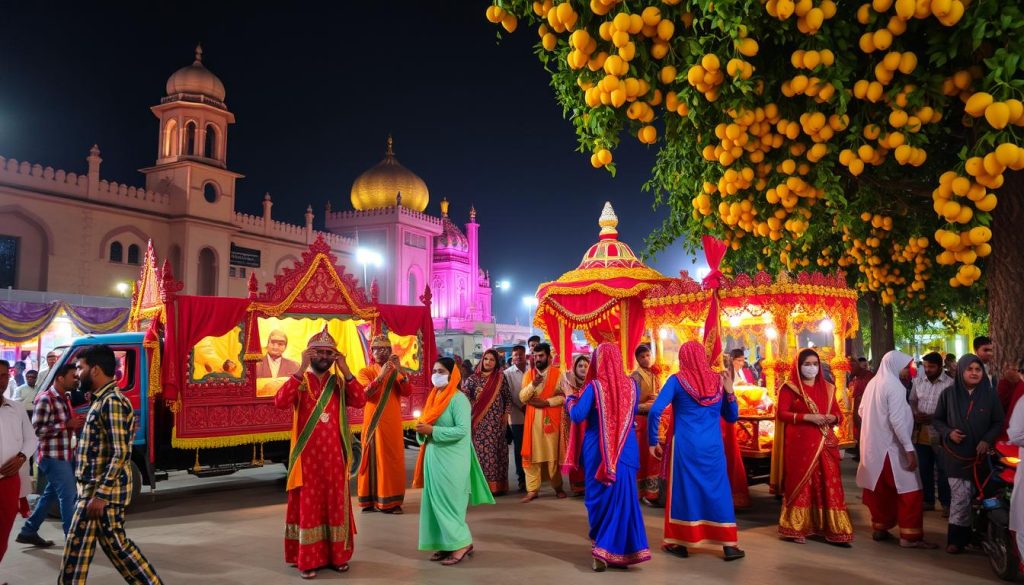
Multan’s rich cultural heritage shines through its many events and festivals. The Urs Festival and Basant Festival immerse visitors in age-old traditions. These celebrations showcase the city’s artistic expressions and vibrant culture.
The Urs Festival honors Sufi saints like Shah Rukn-e-Alam. This three-day event draws thousands of pilgrims to Multan’s shrines. The atmosphere is filled with devotion and spiritual reverence.
The Basant Festival celebrates spring with colorful kites filling the sky. Families enjoy traditional treats like samosas and jalebis. The festive spirit spreads throughout the city during this joyous occasion.
The annual Multan Literary Festival gathers writers, poets, and scholars. It celebrates the city’s rich literary heritage. The event promotes intellectual discussions and appreciation of Multan’s literary traditions.
The Mango Festival showcases Multan’s famous mango production. It attracts traders, tourists, and food lovers. The festival highlights various mango varieties and boosts the local economy.
Thrill-seekers flock to the Cholistan Desert Jeep Rally near Multan. This exciting off-road race takes place in rugged desert terrain. It draws locals, visitors, and adrenaline junkies to witness the competition.
| Event | Description | Significance |
|---|---|---|
| Urs Festival | Celebration of Sufi saints like Shah Rukn-e-Alam | Attracts over 100,000 pilgrims to Multan’s shrines |
| Basant Festival | Colorful spring celebration with kite flying and traditional food | Showcases Multan’s vibrant cultural heritage |
| Multan Literary Festival | Annual event celebrating the city’s rich literary traditions | Brings together writers, poets, and scholars |
| Mango Festival | Celebration of Multan’s renowned mango production | Attracts traders, tourists, and food enthusiasts |
| Cholistan Desert Jeep Rally | Off-road race through the rugged Cholistan Desert | Major event in Southern Punjab for thrill-seekers |
Multan’s cultural calendar reflects its vibrant heritage. Visitors can experience the traditions and celebrations that have shaped this ancient city. These events offer a unique glimpse into Multan’s rich history and culture.
Historical Significance
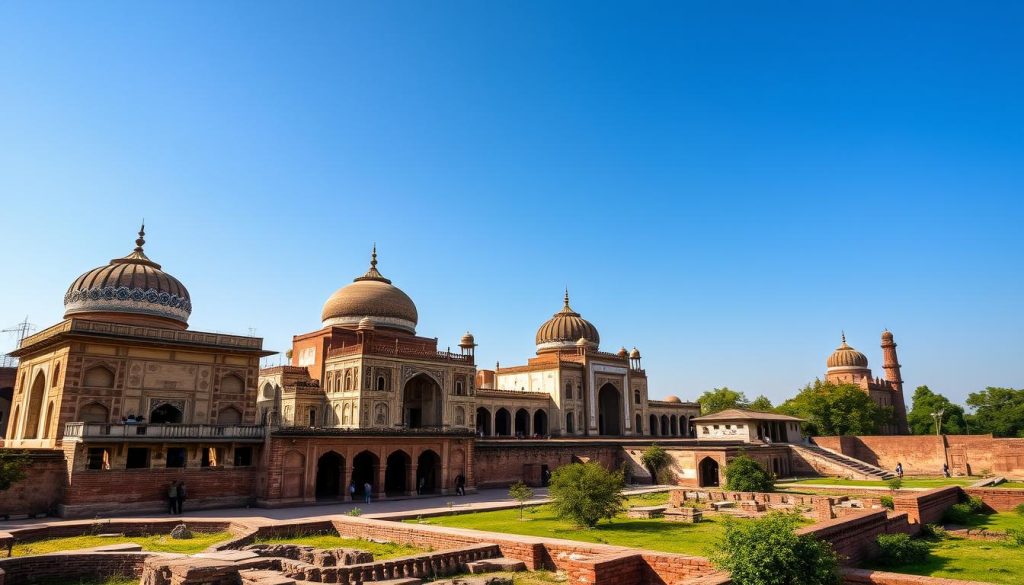
Multan’s rich history is woven into the city’s fabric. Ancient monuments offer a peek into the past. The impressive Fort Kohna and Tomb of Bahauddin Zakariya showcase Multan’s Multan historical significance.
Exploring Multan’s Ancient Monuments
Discover stories within Multan’s Multan ancient monuments. Fort Kohna, also called Multan Fort, has seen centuries of change. It stands as proof of the city’s strategic importance.
The Tomb of Bahauddin Zakariya honors a revered Sufi saint. This architectural marvel displays the region’s unique Mughal influences.
Tracing the Footsteps of Conquerors and Saints
Multan’s history intertwines with Multan conquerors and saints. Their legacies have shaped the city’s identity. Visitors can follow Alexander the Great’s path, who conquered the region in 4th century BCE.
Explore sites linked to Sufi saints like Bahauddin Zakariya. These figures molded Multan’s spiritual and cultural landscape.
Travelers can uncover Multan’s rich past by exploring these sites. They’ll gain insight into the city’s role in shaping regional history and culture.
| Key Historical Landmarks in Multan | Significance |
|---|---|
| Fort Kohna (Multan Fort) | One of the oldest and most prominent fortresses in the region, dating back over a millennium. |
| Tomb of Bahauddin Zakariya | A masterpiece of Sufi architecture, honoring the revered Sufi saint who played a crucial role in Multan’s history. |
| Shrine of Shah Rukn-e-Alam | An exquisite example of Tughluq-era architecture, this shrine is dedicated to the renowned Sufi saint. |
| Multan Museum | A repository of Multan’s rich cultural heritage, showcasing artifacts and exhibits that trace the city’s history. |
“Multan’s ancient monuments and the legacies of its conquerors and saints offer a captivating glimpse into the city’s storied past, inviting visitors to uncover the layers of history that have shaped this remarkable destination.”
Getting There and Around
Multan, Pakistan’s sixth largest city, is a historical and cultural hub. It offers diverse transportation options for visitors. You can reach and explore this vibrant destination easily.
Arriving in Multan
Multan International Airport is the main entry point. It has regular flights from Karachi and Islamabad. The airport is close to the city center.
You can also travel by land. Multan’s location near key border crossings makes it accessible by road.
Exploring Multan
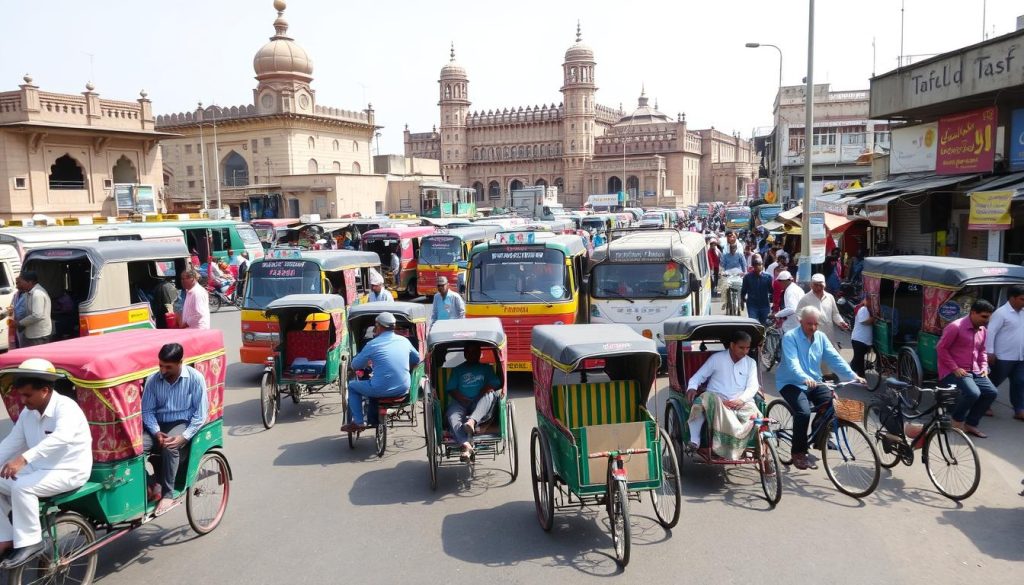
- Multan’s public transportation includes the modern Metro Bus and traditional rickshaws and taxis.
- Rickshaws are popular for city travel. Fares range from Rs20 to Rs100 based on distance.
- Taxis are available at the airport and bus stands. Ride-sharing apps like Uber and Careem are also options.
- For longer trips, use the Metro Bus or local buses. Fares range from Rs10 to Rs25.
Multan’s transport options let you explore its rich history and culture. You can visit architectural marvels and experience the city’s unique charm.
| Transportation Options | Details |
|---|---|
| Multan International Airport | Serves the city with flights from major hubs like Karachi and Islamabad |
| Multan Cantt Railway Station | Provides train connectivity to various cities across Pakistan |
| Daewoo Bus Service | Operates direct bus routes to Multan from other major cities |
| N-5 National Highway | Connects Multan to different parts of the country for road travel |
| Multan Metro Bus | A modern bus rapid transit system within the city |
| Rickshaws and Taxis | Popular and affordable local transportation options |
Multan’s transport network makes city exploration easy. You can fly, take a train, or travel by road.
Your journey to and around Multan will be memorable. The city’s wonders await your discovery.
Where to Stay
Multan offers a variety of accommodations for visitors. You can find luxurious heritage hotels or budget-friendly guesthouses. The city’s hospitality industry caters to different preferences and budgets.
Multan Accommodation: A Diverse Offering
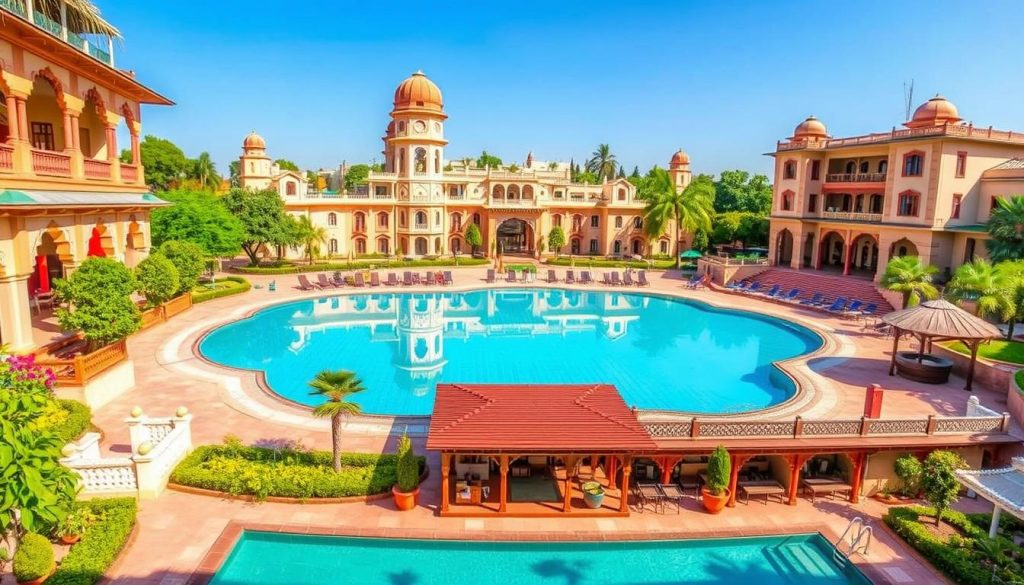
Multan boasts a mix of heritage hotels, guesthouses, and modern hotel chains. Heritage hotels showcase stunning architecture and provide a unique cultural experience. Budget-conscious travelers can enjoy comfortable and affordable guesthouses for an authentic local experience.
Modern hotel chains offer convenience and amenities in Multan. These hotels provide well-appointed rooms, dining options, and recreational activities. They’re often located centrally, making it easy to explore Multan’s attractions.
Choosing the Right Multan Accommodation
- Consider your budget and travel preferences to find the perfect Multan accommodation.
- Heritage hotels offer a unique cultural experience, while guesthouses provide a more local and affordable option.
- Modern hotel chains cater to those seeking convenience and a range of amenities.
- Research and compare options to find the best fit for your Multan visit.
| Hotel Category | Average Nightly Rate (USD) | Key Features |
|---|---|---|
| Heritage Hotels | $50 – $120 | Charming architecture, cultural experiences, on-site dining |
| Guesthouses | $20 – $50 | Affordable, local and authentic atmosphere, basic amenities |
| Modern Hotel Chains | $80 – $200 | Comfortable rooms, range of amenities, centrally located |
Multan’s diverse accommodations ensure you’ll find the perfect place to stay. You’ll feel at home while exploring this captivating city.
Conclusion
Multan, Pakistan’s “City of Saints and Shrines,” invites travelers to explore its wonders. This ancient city boasts a rich history from the Indus Valley civilization. Its vibrant culture, Sufi shrines, and delicious cuisine make it unforgettable.
Multan’s history spans millennia, serving as a hub for mystics, conquerors, and traders. The Hazrat Shah Rukn-e-Alam shrine showcases intricate blue and white mosaics. The impressive Multan Fort stands as a testament to the city’s enduring legacy.
The government is working to preserve and promote Multan’s historical sites. This effort has created more opportunities for visitors to explore the city’s rich heritage. Multan’s blend of past and present makes it a truly inspiring destination.
Multan offers something for everyone, from cultural events to captivating history. The city’s unique charm leaves a lasting impression on all who visit. Plan your Multan adventure and discover the wonders that await in this remarkable place.