Traveling to Multan: Your Guide to Getting There
Multan, Pakistan’s “City of Saints,” offers a unique adventure. This guide explores transportation options to help you reach Multan smoothly. Get ready for an unforgettable journey to this historic city.
Multan is Pakistan’s sixth-largest city, located in southern Punjab. It’s known for its diverse population and Saraiki-speaking majority. The city’s rich history spans from ancient Indus Valley to Mughal Empire times.
Multan’s strategic location has made it a cultural melting pot. Centuries of different civilizations have left behind fascinating historical treasures. These make Multan a captivating destination for travelers.
Getting to Multan is easy with various transportation options. You can choose to travel by air, train, or road. The city’s well-connected infrastructure ensures a smooth journey to your destination.
Each mode of transport offers unique advantages. Consider your preferences and travel needs when choosing. Soon, you’ll be exploring the wonders of this enchanting city.
Introduction
Multan, a vibrant Pakistani city, has a rich history dating back to ancient times. This metropolis has been a crucial center for trade, spirituality, and culture for centuries. Known as the “City of Saints,” Multan continues to captivate visitors with its unique charm.
Multan’s Historical Significance
Multan’s story begins in the 6th century BC as part of the Achaemenid Empire. Many dynasties have ruled the city, including the Mauryas, Guptas, and Mughals. Each left their mark on Multan’s architecture and cultural heritage.
The city’s connection to Sufism, a mystical Islamic sect, is particularly noteworthy. Multan’s numerous Sufi shrines, like the Mausoleum of Shah Ali Akbar, attract pilgrims from far and wide. This spiritual importance has solidified Multan’s reputation as a center for religious and cultural exploration.
Why Visit Multan?
Multan offers a unique blend of history, architecture, and vibrant cultural traditions. Visitors can explore ancient landmarks like Fort Kohna, which is nearly 2,500 years old. The Clock Tower, a remnant of British colonial rule, is another popular attraction.
The city is famous for its local specialties and crafts. Blue-tiled pottery, Multani Mitti clay, and Multani Sohan Halwa dessert are must-try experiences. Multan’s thriving industries, including metalworking and textiles, add to its economic importance.
Multan’s captivating history and spiritual significance make it a true gem. Its vibrant culture and unique offerings create an unforgettable experience for all who visit. Exploring this ancient city firsthand is sure to leave a lasting impression.
Getting to Multan by Air
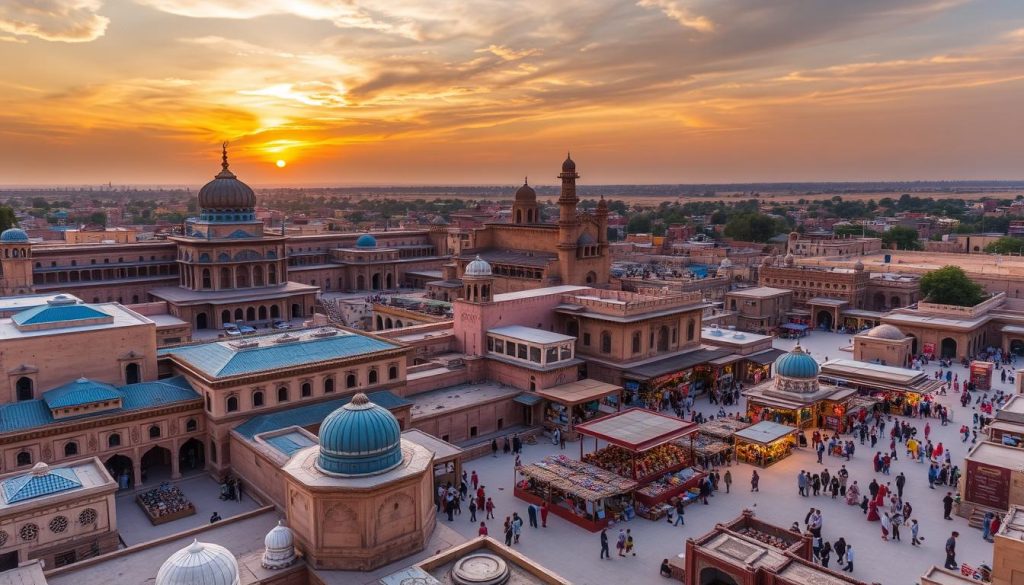
Multan’s international airport is the main gateway for travelers. It’s in the Cantonment area and offers flights from various places. The airport serves both domestic and international destinations.
Multan International Airport
Multan International Airport is the city’s main air travel hub. It handles domestic and international flights for diverse traveler needs. Though it may lack some modern amenities, it remains an important connection point.
Airlines and Flight Options
Major airlines like Pakistan International Airlines (PIA) and Shaheen Airlines operate flights to Multan. Budget airline flydubai offers direct flights from Dubai several times a week.
Other cities with direct flights to Multan include Faisalabad, Karachi, Lahore, Islamabad, and Quetta. These options provide affordable and convenient travel choices.
| Airline | Destination | Frequency |
|---|---|---|
| Pakistan International Airlines (PIA) | Karachi, Lahore, Islamabad | Daily |
| Shaheen Air | Karachi, Lahore, Faisalabad | Multiple times per week |
| flydubai | Dubai | Several times per week |
Multan’s airport offers many flight options for travelers. You can find direct flights or convenient connections to suit your needs.
Reaching Multan by Train
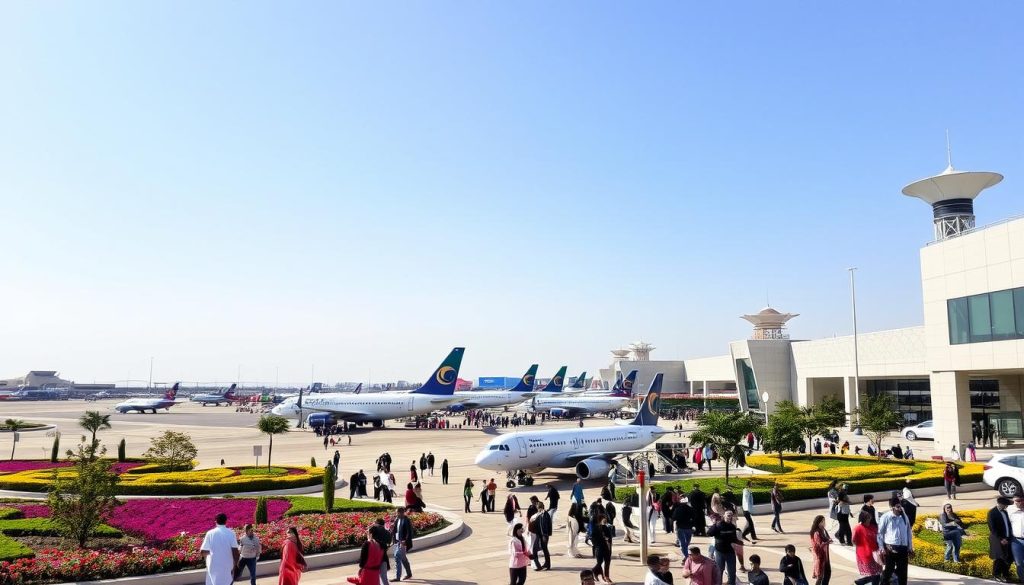
Multan, Pakistan’s sixth largest city, is easily accessible by rail. Two major railway stations serve the city: Multan Cantt and Multan City. Multan Cantt is the primary station for most train lines.
Major Railway Stations in Multan
Multan Cantt is the main railway station in the city. It’s a hub for several major train lines, including the Shah Shamas Express and Khyber Mail.
Other trains like Tezgam, Awam Express, Jaffar Express, and Quetta Express also stop here. Passengers can easily access these Multan trains for their Multan train travel needs.
| Train Name | Departure Time from Multan Cantt | Arrival Time in Lahore | Ticket Price Range |
|---|---|---|---|
| Musa Pak Express | 04:00 AM | 09:15 AM | Rs. 1,000 – Rs. 1,950 |
| Awam Express | 08:20 AM | 02:30 PM | Rs. 1,100 – Rs. 2,050 |
| Tezgam | 12:40 PM | 06:50 PM | Rs. 1,200 – Rs. 2,150 |
Booking Multan train tickets is easy. Just visit the official Pakistan Railways website. You’ll find a simple process to secure your journey to this vibrant city.
How do I get to Multan?
Multan, Pakistan’s historical hub, offers various transportation options. You can fly, take a train, or drive to this vibrant city. Each method provides a unique way to experience Multan’s rich culture.
By Air
Multan International Airport (MUX) is the main gateway to the city. It offers flights from major Pakistani cities and international destinations. Pakistan International Airlines (PIA), Saudia, Royal Jordanian, and Kuwait Airways provide regular services to Multan.
By Train
Multan’s railway network makes it easy to reach by train. Major stations like Multan Junction and Multan Cantonment offer direct services. Trains connect Multan to cities like Lahore, Karachi, and Rawalpindi.
A train journey can be a scenic way to explore Multan’s heritage. It’s comfortable and allows you to see Pakistan’s diverse landscapes.
By Bus
Multan’s New Bus Stand is the main hub for intercity bus services. Many companies offer direct connections from various parts of Pakistan. You can choose between luxury buses for comfort or standard buses for affordability when getting to Multan.
By Road
For a self-drive journey, use the N-5 National Highway to reach Multan. This scenic route connects the city to other major Pakistani destinations. It’s a popular Multan travel route for those who enjoy road trips.
Multan offers many Multan transportation options for a smooth trip. Choose the method that best fits your style and budget.
Traveling to Multan by Bus
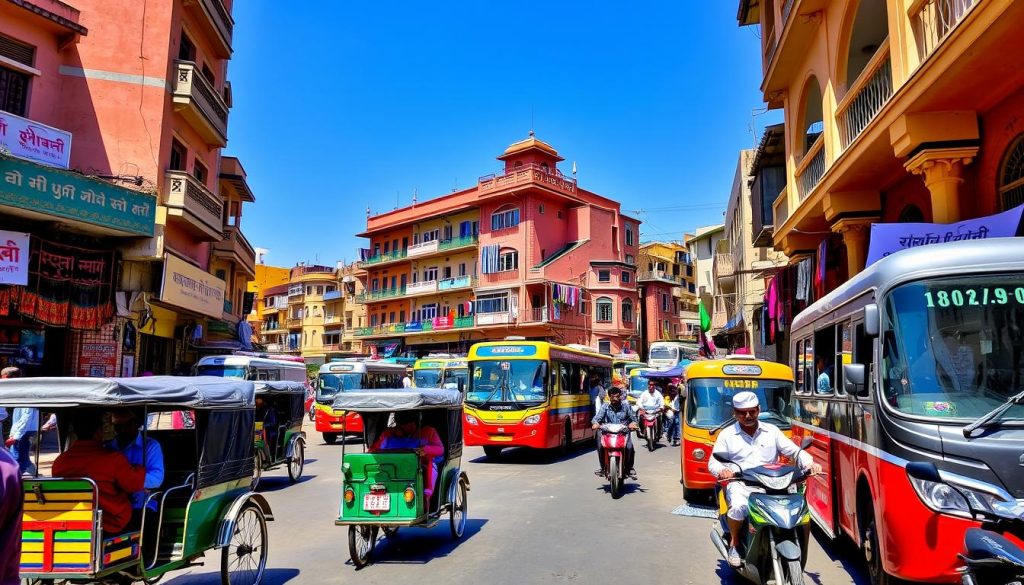
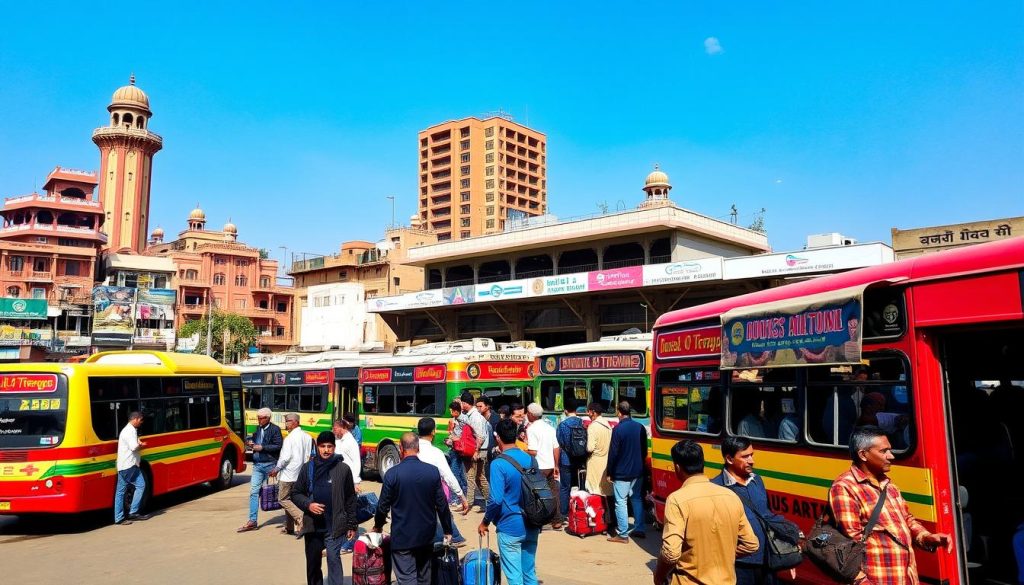
Multan is well-connected to major Pakistani cities through an extensive bus network. The city’s main bus terminal, New Bus Stand, is in northern Multan. It serves as the primary arrival and departure point for travelers.
Popular bus operators like Daewoo and Faisal Movers offer luxury services to Multan. They run frequent buses from Karachi, Lahore, Faisalabad, Peshawar, Dera Ismail Khan, Islamabad, and Bahawalpur.
Bus Terminals and Services
The New Bus Stand is Multan’s central hub for bus travel. It offers a wide range of services, including luxury and standard buses. Another notable terminal is the Niazi Bus Terminal on Abdali Road.
The Niazi Bus Terminal provides amenities like restrooms, prayer areas, and food stalls. Companies such as Daewoo, Faisal Movers, Silk Line, Bilal Travels, and Niazi Express operate frequent services to Multan.
A bus trip from Lahore to Multan typically takes 3.5 to 5 hours. Ticket prices range from PKR 600 for standard buses to PKR 2,000 for executive services.
| Bus Company | Route | Journey Time | Ticket Price |
|---|---|---|---|
| Daewoo | Lahore to Multan | 3.5 hours | PKR 1,200 |
| Faisal Movers | Karachi to Multan | 5 hours | PKR 3,800 |
| Silk Line | Lahore to Multan | 4 hours | PKR 800 |
| Niazi Express | Islamabad to Multan | 4.5 hours | PKR 1,500 |
For a smooth Multan bus journey, book tickets online through Sastaticket.pk or the Skyways mobile app. These platforms offer various options and easy payment methods for your convenience.
Driving to Multan
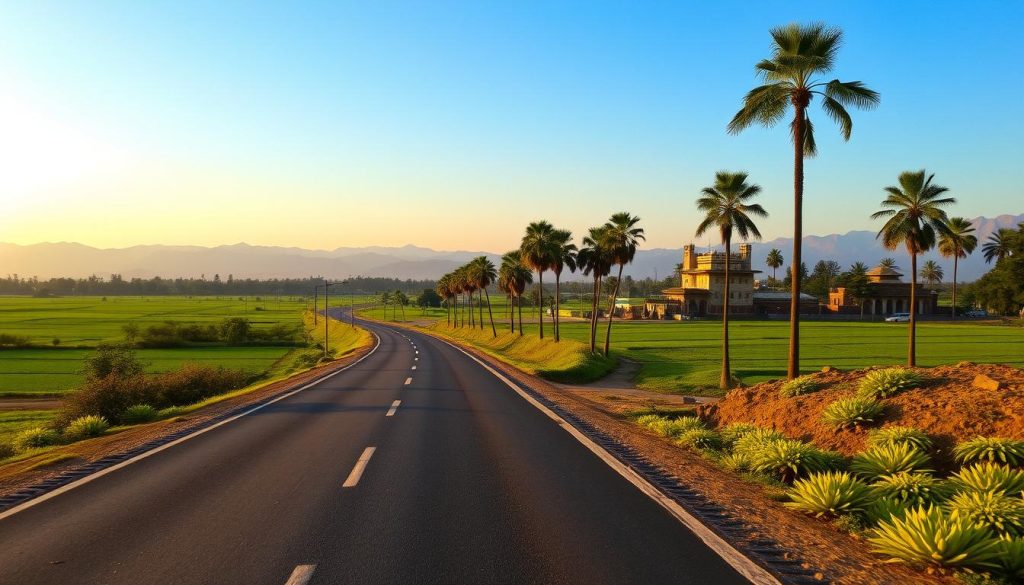
Multan’s vibrant city is easily accessible through a well-connected road network. The drive to Multan offers stunning views of Pakistan’s diverse landscapes. You can enjoy a scenic journey whether coming from Karachi or Lahore.
Road Connections and Routes
The N-5 National Highway, or GT Road, is the main route to Multan. It connects the city to other major Pakistani cities. Karachi is about 900 km away, while Lahore is around 400 km from Multan.
The motorway between Kallar Kahar and Multan has cut travel time. Now, the drive from Lahore to Multan takes about 9 hours. For southern travelers, the Super Highway starts at Sohrab Goth in Karachi.
It becomes a motorway and then joins the N-5 highway. The roads along this route are mostly excellent. You’ll find smooth, well-maintained highways throughout your journey.
- Estimated travel time from Multan to Fort Monro: 4-5 hours
- Road conditions: Smooth from Multan to Chowk Qureshi, normal Pakistani roads to Sakhi Sarwar, normal roads with high altitude from Sakhi Sarwar onwards
- Safety measures advised while driving in uphill areas: Maintain lane, avoid overtaking at turns, and drive carefully without rushing
- Recommended tire pressure for a smooth ride and improved road grip is around 28 psi
The journey to Multan showcases Pakistan’s beautiful countryside. Well-maintained roads and plenty of amenities make the drive comfortable. Travelers can expect an enjoyable experience on their way to Multan.
Getting Around Multan
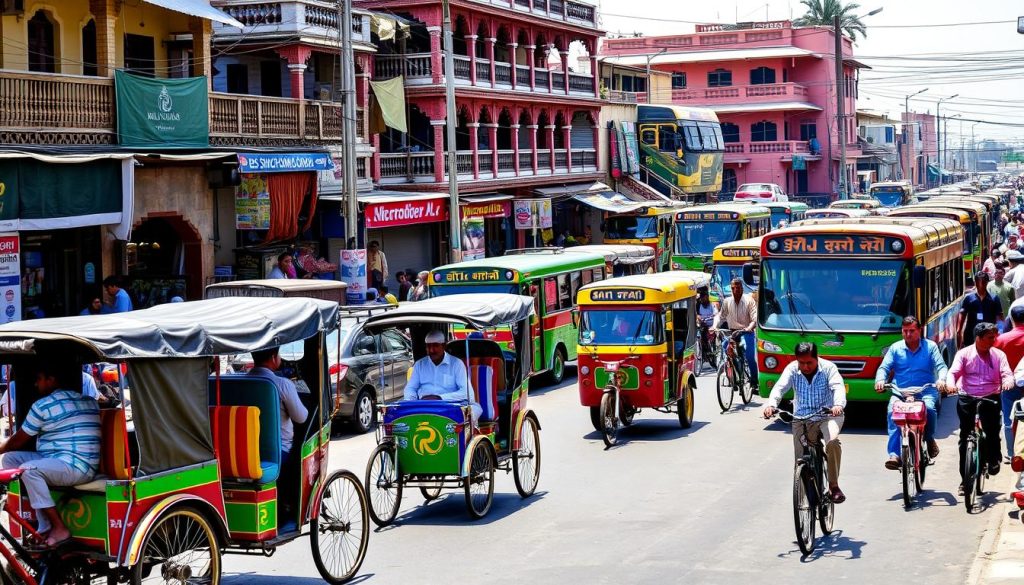
Multan offers several local transportation options for visitors. The public bus system is affordable, with fares from Rs10 to Rs25. Mini-vans provide quicker, but more crowded travel.
Rickshaws or tuk-tuks are the most popular choice in Multan. These three-wheeled vehicles are easily hailed on streets. Fares typically range from Rs20 to Rs100, depending on the distance.
Taxis and Ride-sharing Services
Taxis are available at the airport and major bus stands. They’re less common than rickshaws in Multan. Ride-sharing services like Uber and Careem offer a modern, comfortable alternative.
| Transportation Option | Fare Range |
|---|---|
| Public Buses | Rs10 – Rs25 |
| Mini-vans | Varies |
| Rickshaws/Tuk-tuks | Rs20 – Rs100 |
| Taxis | Varies |
| Ride-sharing (Uber, Careem) | Varies |
These diverse Multan public transportation options make city exploration easy. Visitors can discover rich history, cultural landmarks, and vibrant local markets. The famous Hussain Agahi Bazaar is a must-see attraction.
Choose from Multan taxis or Multan ride-sharing for convenience. Experience authentic travel with rickshaws or buses. Multan’s getting around choices suit various needs and preferences.
Top Attractions in Multan
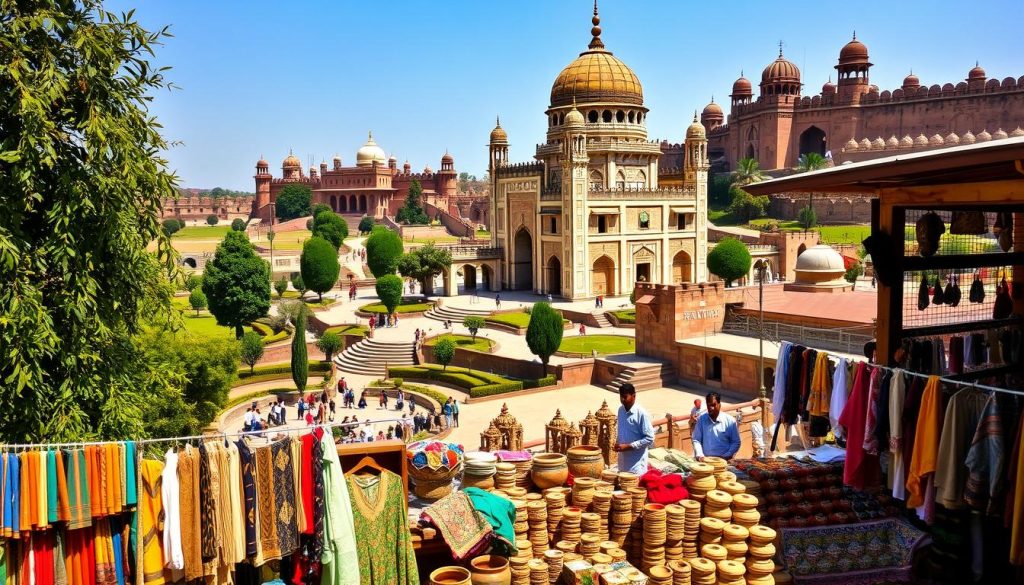
Multan, in southern Punjab, Pakistan, is a city rich in history and culture. It offers captivating attractions that draw visitors worldwide. Ancient fortifications and iconic Sufi shrines showcase Multan’s vibrant past and present.
Historical Sites and Monuments
The Multan Fort, a UNESCO World Heritage Site, dates back to the 12th century. Its imposing walls and intricate design are striking examples of ancient architecture. Visitors can marvel at the craftsmanship that has endured for centuries.
Multan’s historic gates offer glimpses into the city’s past. The Delhi Gate, Pak Gate, and Haram Gate showcase Multan’s architectural heritage.
Sufi Shrines and Spiritual Landmarks
Multan’s deep connection to Sufism is evident in its spiritual landmarks. The Mausoleum of Shah Rukn-e-Alam is a stunning example of Tughluq architecture. The Tomb of Bahauddin Zakariya, a revered Sufi saint, is another iconic site.
Visitors can attend traditional Qawwali sessions for a truly immersive experience. The soulful sounds of Sufi music create a profound spiritual atmosphere.
| Multan Attractions | Highlights |
|---|---|
| Multan Fort | 12th-century UNESCO World Heritage Site, renowned for its ancient architecture |
| Sufi Shrines | Mausoleum of Shah Rukn-e-Alam, Tomb of Bahauddin Zakariya, and traditional Qawwali performances |
| Historic Gates | Delhi Gate, Pak Gate, and Haram Gate, offering glimpses into Multan’s past |
| Multan Museum | Showcasing artifacts and treasures that span thousands of years of the city’s history |
| Bosan Road Park | A serene green space with recreational facilities, offering a peaceful respite |
Multan’s landmarks and monuments reveal a rich tapestry of history and spirituality. The majestic Multan Fort and revered Sufi shrines promise an unforgettable experience for all visitors.
Multan’s Cuisine and Food Culture
Multan, southern Punjab’s cultural hub, boasts mouthwatering Multan cuisine. The city’s culinary landscape blends diverse flavors, reflecting its rich history. Visitors can explore bustling markets and sample local delicacies to experience Multan food culture.
A standout Multan local dish is the tangy Multani Sohan Halwa, a signature dessert. Multan culinary offerings also include sizzling BBQ specialties, showcasing the city’s love for grilled meats and spices.
Multan’s warm hospitality extends to its food culture. Locals often invite travelers to share meals, enhancing the dining experience. This gesture provides insight into Multani culinary traditions and food’s importance in social interactions.
| Restaurant | Cuisine | Average Cost |
|---|---|---|
| Spice Bazaar | Pakistani, Biryani | $10-$20 |
| Café Dela | Café, Desserts | $5-$15 |
| Haji Ghulam Haider | BBQ, Grilled Meats | $15-$25 |
| Paaye Wala | Pakistani, Local Dishes | $8-$18 |
Multan’s culinary scene offers unforgettable experiences for food lovers. From sweet Multani Sohan Halwa to vibrant Multan food markets, there’s something for everyone. The city’s flavors will delight your senses and create lasting memories.
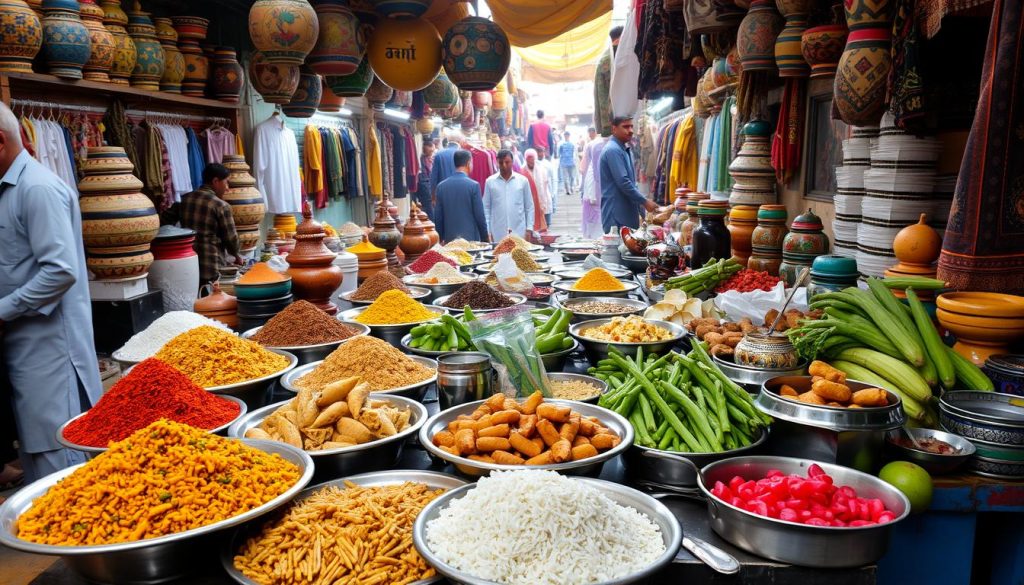
“Multan’s food culture is a harmonious blend of tradition and innovation, offering a delightful journey for the senses.”
Best Time to Visit Multan
Multan’s climate is arid and desert-like. Summers are extremely hot, while winters are mild. Your ideal visit time depends on your weather preferences.
Weather and Climate Considerations
May through September are Multan’s hottest months. Average temperatures reach 97°F, with highs up to 115°F. January is the coldest month, averaging 74°F with lows around 63°F.
Dry periods occur in January, October, November, and December. These months are perfect for avoiding extreme heat. Multan receives about 7.2 inches of annual rainfall.
The monsoon season peaks in July with 1.5 inches of rain. May to July is the least favorable time, with temperatures averaging 108°F.
| Month | Average Temperature (°F) | Rainfall (inches) |
|---|---|---|
| January | 74 | 0.4 |
| May | 108 | 0.3 |
| July | 108 | 1.4 |
| November | 87 | 0.1 |
For milder weather, visit Multan during winter months. Summer is ideal for those who enjoy warmer temperatures. The best months for pleasant weather are January through April and October through December.
November is Multan’s high tourist season. December sees the most visitors and offers the lowest hotel prices. It’s a great time for budget-friendly travel.
Accommodation Options in Multan
Multan, a historic city in Punjab, Pakistan, offers various places to stay. You can find Multan hotels, Multan lodging, and Multan accommodation for every budget. The city has options for all types of travelers.
Budget-friendly choices include guest houses and hostels. These places provide basic comforts at low prices. They’re great for solo travelers or backpackers.
Luxury seekers can choose upscale hotels and resorts. These offer fancy rooms, great service, and many amenities.
KAYAK reports October as the cheapest month to stay in Multan. Prices drop by 46% on average. June is the most expensive month, with a 19% price increase.
A double room in Multan costs about $51 per night. Recently, the cheapest 3-star hotel room on KAYAK was just $11.
| Hotel | Rating | Price Range |
|---|---|---|
| Hotel Avalon Suites | 8.2/10 | $35 – $70 per night |
| Hotel One Lalazar Multan | 7.8/10 | $40 – $80 per night |
| Fiesta Inn Hotel & Resorts Multan | 8.5/10 | $60 – $120 per night |
Multan’s lodgings suit both business and leisure travelers. They offer amenities for a comfortable stay. You’ll find the perfect place whether you’re exploring history or seeking peace.
Conclusion
Multan, the “City of Saints,” has enchanted visitors for centuries. Its rich history spans over 5,000 years. The city offers a unique mix of spiritual, historical, and culinary experiences.
Multan’s awe-inspiring Sufi shrines draw many travelers. The bustling local markets and mouthwatering cuisine are equally appealing. These elements combine to create an unforgettable journey of discovery.
Multan’s strategic location has made it a major invasion route. The city’s resilience and cultural heritage shine through its thriving textile industry. Its renowned agricultural products also contribute to its remarkable character.
This ancient city seamlessly blends the past and present. Visitors can immerse themselves in Multan’s timeless allure. The city’s rich traditions create a tapestry of experiences for all.
Multan caters to history buffs, spiritual seekers, and curious explorers alike. The city’s Multan travel guide, Multan tourism, and Multan experience offer captivating adventures. Prepare for an unforgettable journey where past and present converge.