Top Things to See and Do in Multan, Pakistan
Multan, a 5,000-year-old city in Pakistan’s Punjab province, is a hidden gem. This ancient city blends history, spirituality, and tradition. Visitors worldwide are drawn to its fortifications, bazaars, and spiritual sites.
The “City of Saints” offers many attractions and cultural experiences. These include ancient shrines, historical landmarks, and vibrant markets. Multan’s rich heritage will leave you enchanted.
Multan’s Sufi heritage is evident in its numerous shrines and mausoleums. These spiritual sites honor revered Sufi saints. They showcase the city’s deep religious significance.
Historical sites in Multan tell tales of empires past. Each ruler left a unique mark on the city’s landscape. Explore these sites to uncover Multan’s fascinating history.
Outdoor enthusiasts can enjoy boat rides on the Chenab River. The city’s parks and gardens offer lush green spaces. These activities provide a refreshing break from sightseeing.
Don’t miss Multan’s food scene. Savor traditional Punjabi cuisine and local delicacies. The city’s flavors will delight your taste buds.
A City Steeped in Legend
Multan’s history spans over 5,000 years, with ancient roots shrouded in mystery. The city has attracted conquerors and seekers throughout time. Sufism’s arrival deeply shaped Multan, earning it the title “City of Saints.”
Various dynasties have left their mark on Multan’s cultural identity. From Alexander the Great to Sufi saints, the city’s character has been molded by diverse influences.
Multan’s Roots Delve Deep into History
Multan played a crucial role in ancient civilizations, including the Indus Valley. The city has been ruled by various empires over time. These influences have shaped Multan’s architectural heritage and spiritual landscape.
Walking Through a Mystical Manuscript
Multan is adorned with shrines and mausoleums of revered Sufi saints. These structures are marvels of architectural beauty and spiritual solace. Exploring the city feels like walking through a mystical manuscript.
The air in Multan is filled with tales of conquests and Sufi legacies. This Sufi heritage has given the city a sense of tranquility and spirituality. Visitors from around the world come seeking enlightenment and inner peace.
“Multan is a city where the past and present coexist harmoniously, where the echoes of ancient civilizations mingle with the whispers of Sufi saints, creating a tapestry of history and spirituality that captivates the soul.”
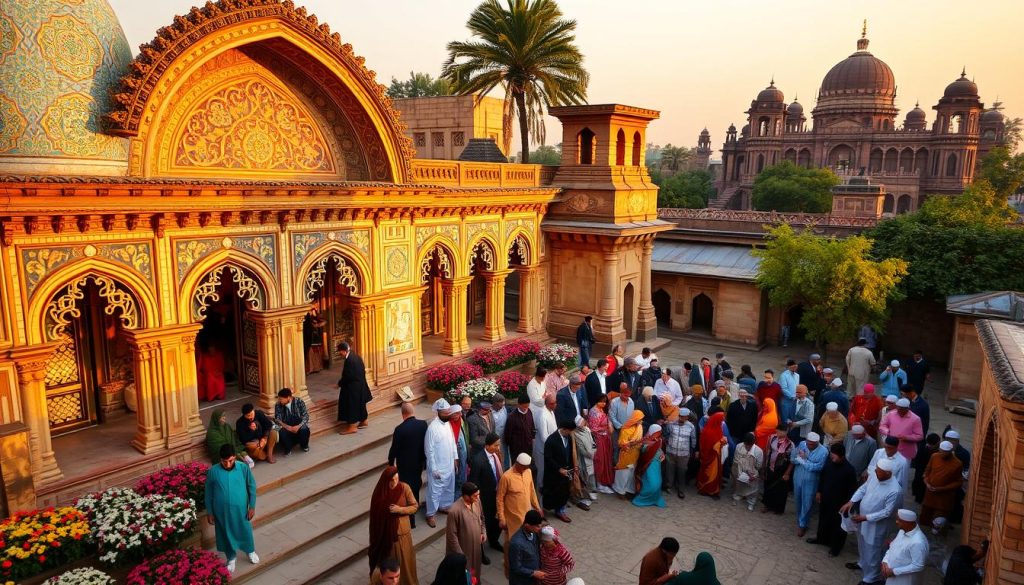
Mausoleums and Shrines of Multan
Multan’s spiritual heritage shines through its Sufi shrines and mausoleums. These sacred sites reveal Multan’s captivating past. They also offer peace and devotion to visitors today.
For centuries, pilgrims have flocked to these holy places. The city’s rich tapestry of spiritual landmarks continues to inspire and attract people.
Mausoleum of Shah Rukn-e-Alam
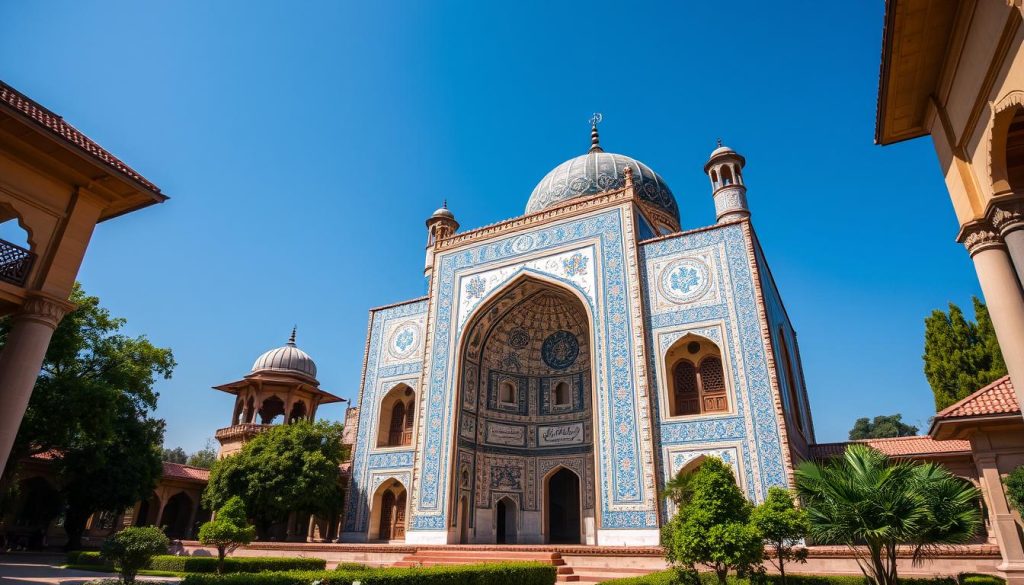
The Mausoleum of Shah Rukn-e-Alam showcases stunning Tughluq-era architecture. Its blue tiles and octagonal design create an awe-inspiring atmosphere. This 14th-century monument draws both spiritual seekers and architecture lovers.
The mausoleum’s towering presence invites visitors to explore Multan’s heritage. It highlights the city’s rich Multan mausoleums and Multan Sufi saints traditions.
Tomb of Bahauddin Zakariya
The Tomb of Bahauddin Zakariya is another iconic Multan shrine. This revered Sufi saint established the Multan Sultanate in the 13th century. The tomb’s gleaming red brick exemplifies a unique architectural style.
This design influenced many Multan religious sites in the region. Visitors seeking spiritual solace are drawn to the tomb’s serene atmosphere. It offers an immersive experience into Multan’s storied past.
“Multan is a city filled with historical and religious monuments, making it a hub for spiritual seekers and architectural enthusiasts alike.”
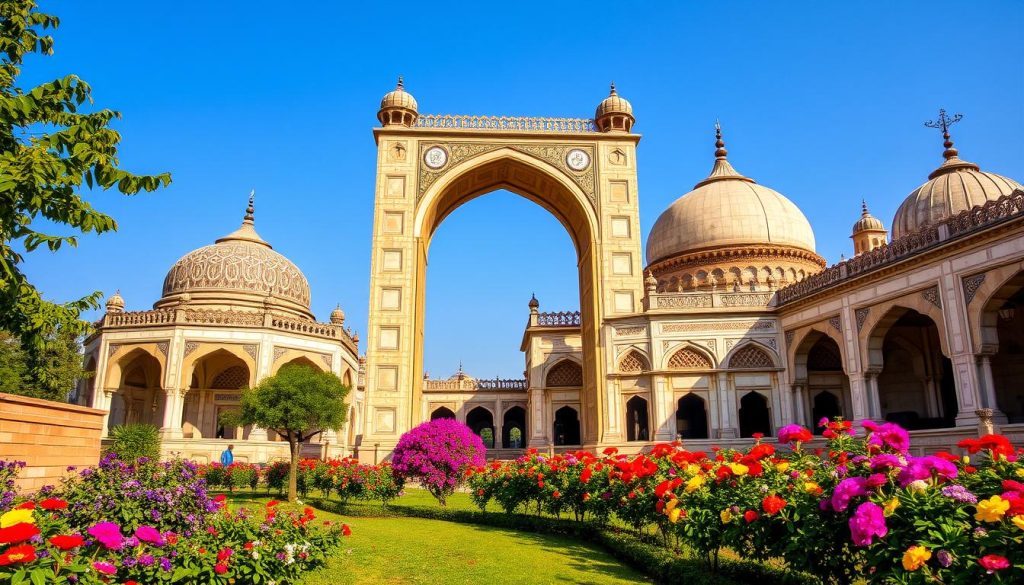
Shrine of Shah Yusuf Gardezi
In Multan, Pakistan, the Shrine of Shah Yusuf Gardezi honors a revered Sufi saint. This 11th-century figure is known for “saving” Multan and converting many to Islam. The shrine showcases Multan’s rich Sufi heritage.
The shrine’s architecture features Multan’s famous blue tile work. It also boasts intricate Ayina Kari mirror decorations. Visitors can observe unique Sufi rituals and practices that are still alive in Multan.
This shrine is a must-see for those interested in Multan Sufi shrines. It offers a deep dive into Multan religious architecture. Here, past and present blend, connecting visitors to the Multan Shah Yusuf Gardezi shrine‘s spiritual legacy.
“The Shrine of Shah Yusuf Gardezi stands as a testament to Multan’s enduring Sufi legacy, offering visitors a glimpse into the city’s rich cultural and spiritual tapestry.”
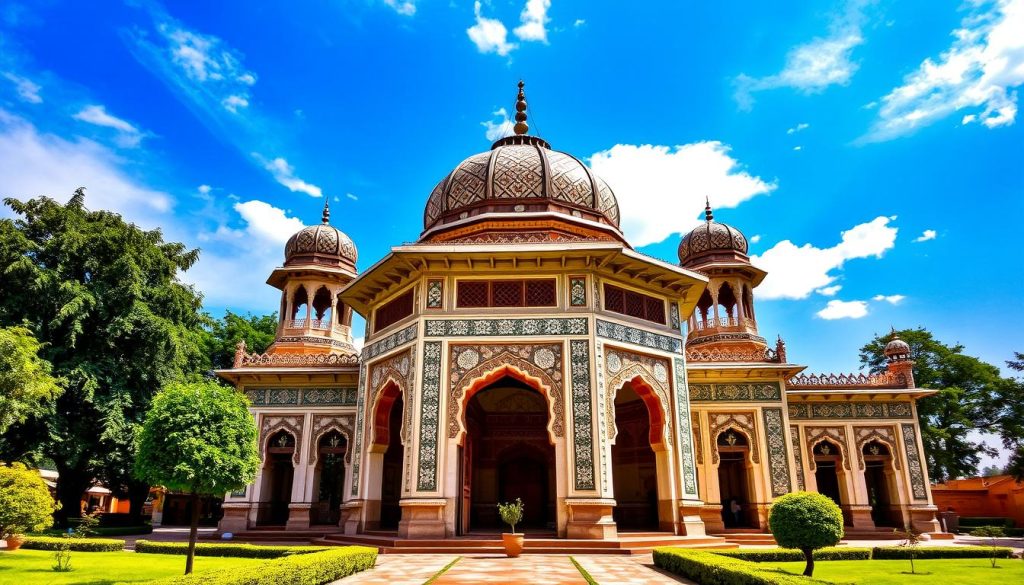
| Shrine Details | Significance |
|---|---|
| Constructed in the 11th century | Honors the Sufi saint Shah Yusuf Gardezi, who played a pivotal role in Multan’s history |
| Architectural features include blue tile work and Ayina Kari mirror decorations | Reflects Multan’s rich Multan religious architecture and artistic heritage |
| Continues to host unique Sufi rituals and practices | Showcases the enduring Multan Sufi shrines and spiritual traditions of the city |
Fort Kohna – Multan’s Ancient Defender
Multan’s historic Fort Kohna is a symbol of the city’s strategic importance. Its origins date back to 1000 BC. This mighty fortification protected Multan for centuries, resisting invaders and time.
Remnants of a Mighty Fortification
Much of Multan Fort Kohna lies in ruins today. Yet, visitors can still explore its captivating remains. The imposing brick walls showcase the engineering skills of ancient builders.
Delhi Gate – Historic Entrance
The Delhi Gate is a key feature of the Multan ancient fortifications. This grand brick entrance was the main access point during British rule. It highlights Multan’s strategic importance and the ingenuity of its past defenders.
These historic structures continue to fascinate visitors despite their state of disrepair. They offer a glimpse into Multan’s rich past. The Multan Fort Kohna and its Multan historic gates symbolize the city’s resilience.

What are the top things to see and do in Multan?
Multan, a 5,000-year-old city, is full of history and culture. It offers many captivating experiences for visitors. The city boasts architectural and spiritual wonders that are sure to impress.
The Mausoleums of Shah Rukn-e-Alam and Bahauddin Zakariya showcase Multan’s Sufi heritage. The ancient Fort Kohna and its impressive Delhi Gate are must-see attractions for history lovers.
The Shrine of Shah Yusuf Gardezi, with its blue tile work, is a spiritual marvel. Visitors should watch out for pickpockets at the shrine and protect their belongings.
Multan’s local markets offer a taste of the city’s rich culinary traditions. Try the sweet Multani Sohan Halwa or savor traditional Punjabi BBQ. The city’s warm people make the experience even better.
Multan caters to history buffs, spiritual seekers, and culture explorers alike. The city blends old and new, from Fort Kohna to the modern United Mall.
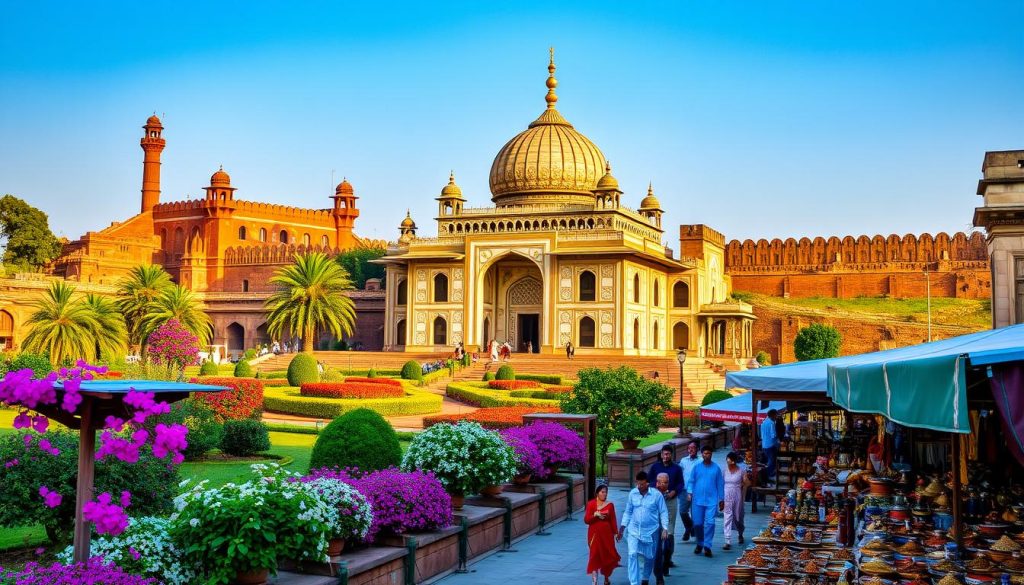
- Mausoleum of Shah Rukn-e-Alam
- Tomb of Bahauddin Zakariya
- Shrine of Shah Yusuf Gardezi
- Fort Kohna and Delhi Gate
- Tomb of Shah Shams Sabzwari Tabrez
- Yadgar e Shuhada Park
- United Mall
Multan’s rich history, vibrant culture, and warm hospitality make it unforgettable. Visitors will be captivated by the city’s unique charm and beauty.
Tomb of Shah Shams Sabzwari Tabrez
Multan, Pakistan houses the Tomb of Shah Shams Sabzwari Tabrez, a 14th-century marvel. This structure highlights the city’s Sufi heritage and spiritual leaders’ lasting impact. It’s a must-see for history buffs and culture enthusiasts alike.
The tomb sits 1.5 kilometers east of Multan’s old fort. Shah Shams Sabzwari Tabrez, a Persian Sufi missionary, reportedly lived for 111 years. He was a contemporary of Multan’s famous holy figure, Bahauddin Zakariya.
Records about Shams Sabzwari’s life are limited. However, his writings, Isma’ili ginans, and local legends preserve his regional influence. One tale recounts his meeting with Bahauddin Zakariya, showing their complex relationship.
The tomb showcases Multan’s signature ornamental tiles. These create a visually stunning and peaceful atmosphere for visitors. It offers a unique peek into Multan’s spiritual and cultural legacy.
“The Tomb of Shah Shams Sabzwari Tabrez stands as a testament to the enduring influence of Sufism in Multan, a city that has long been a hub of spiritual and cultural exploration.”
This shrine may be less famous than others in Multan. Yet, it’s a key stop for those seeking spiritual reflection or architectural beauty. The tomb captures centuries of Multan’s rich history and traditions.
Yadgar e Shuhada Park
Multan’s Yadgar e Shuhada Park offers a peaceful escape from the city’s busy streets. This park honors martyrs who died for Pakistan. Families can enjoy picnics and relaxation in this tranquil setting.
The park showcases Multan’s modern side. It provides a contrast to the city’s historical and spiritual attractions. Visitors can experience a different aspect of Multan here.
Multan spans 721 square kilometers and has 1.87 million residents. The city boasts a 5,000-year history. Among its 43 historical sites, Yadgar e Shuhada Park stands out as a popular spot.
This park serves as a memorial to independence martyrs. Its tranquil atmosphere offers a break from urban life. Well-manicured grounds provide a refreshing environment for all.
Visitors can enjoy serene pathways and shaded picnic spots. The park’s peaceful surroundings invite relaxation and reflection. Its family-friendly amenities make it a favorite for locals and tourists alike.
“The Yadgar e Shuhada Park in Multan offers a serene and reflective space, a true oasis amidst the vibrant city.”
The park provides a meaningful experience for all visitors. It offers space for quiet contemplation and lively family gatherings. Here, you’ll reflect on Pakistan’s heroes and Multan’s enduring spirit.
United Mall – Modern Shopping Oasis
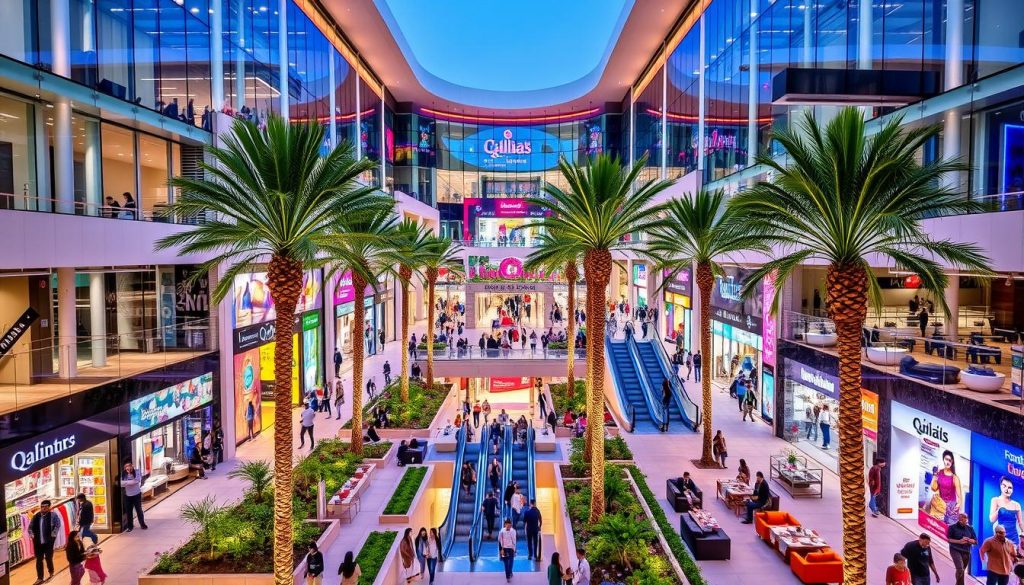
United Mall offers a contemporary shopping experience in Multan. This modern retail destination features international brands and stores. It’s perfect for visitors who want to indulge in retail therapy.
Shoppers can explore fashion, accessories, electronics, and home furnishings. The mall’s selection provides a refreshing contrast to the city’s traditional sights. Visitors can immerse themselves in a cosmopolitan ambiance here.
United Mall also has various dining options. You can find casual eateries and upscale restaurants. It’s ideal for taking a break from sightseeing and recharging.
A visit to United Mall is a must for Multan’s contemporary attractions. This vibrant shopping oasis showcases the city’s evolving urban landscape. It complements Multan’s historical and cultural heritage uniquely.
Culinary Delights of Multan
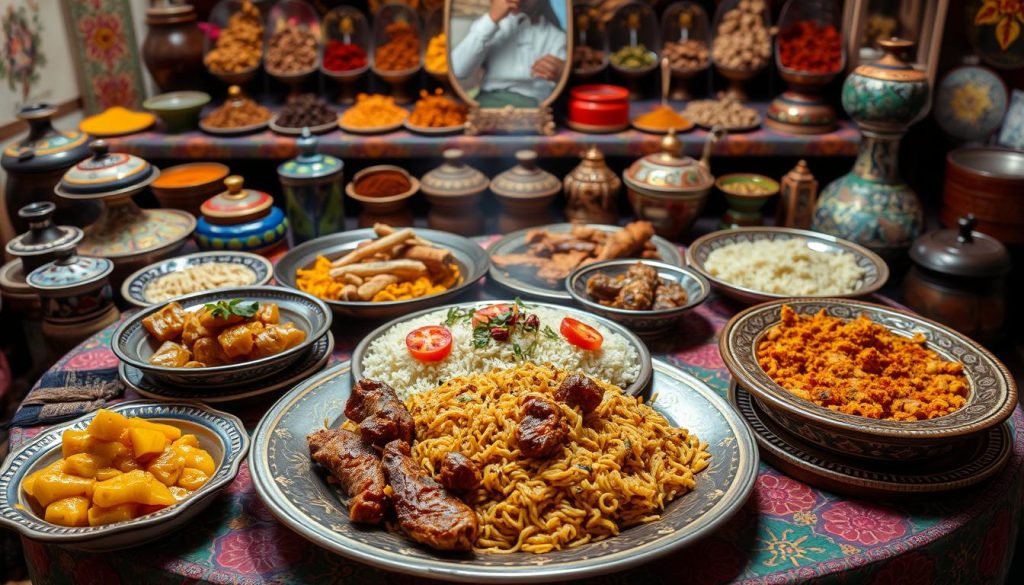
Multan’s culinary scene blends rich history with diverse cultural influences. It showcases a deep love for local ingredients. The city’s Multan cuisine and Multan food offerings create a tasty journey for visitors.
Multani Sohan Halwa – Sweet Indulgence
Multani Sohan Halwa is a signature treat that’s put Multan on the map. This sweet delight mixes flour, sugar, and ghee. Its melt-in-your-mouth texture and lasting flavor make it a must-try.
Enjoy it as a midday snack or to end a meal. Either way, Multani Sohan Halwa is a delicious part of any Multan visit.
Traditional Punjabi BBQ
Multan BBQ brings traditional Punjabi flavors to life. Juicy Malai Boti, succulent Sutar Murgh, and fiery Peshawari Chapli Kebab are local favorites. These dishes show off the region’s grilling and spice-blending skills.
Try these Multan cuisine treats in busy food streets or cozy local eateries. They’re sure to leave a lasting impression on your taste buds.
| Dish | Price Range (USD) | Price Range (EUR) |
|---|---|---|
| Sohan Halwa | $5 – $20 | €4 – €16 |
| Multani Chaat | $2 – $8 | €1.5 – €6 |
| Malai Boti | $10 – $30 | €8 – €25 |
| Sutar Murgh | $8 – $25 | €6 – €20 |
| Peshawari Chapli Kebab | $8 – $20 | €6 – €16 |
Multan’s food scene celebrates the city’s rich heritage and deep-rooted traditions. From sweet Multani Sohan Halwa to sizzling Multan BBQ, your taste buds are in for a treat.
Warmth of Multan’s People
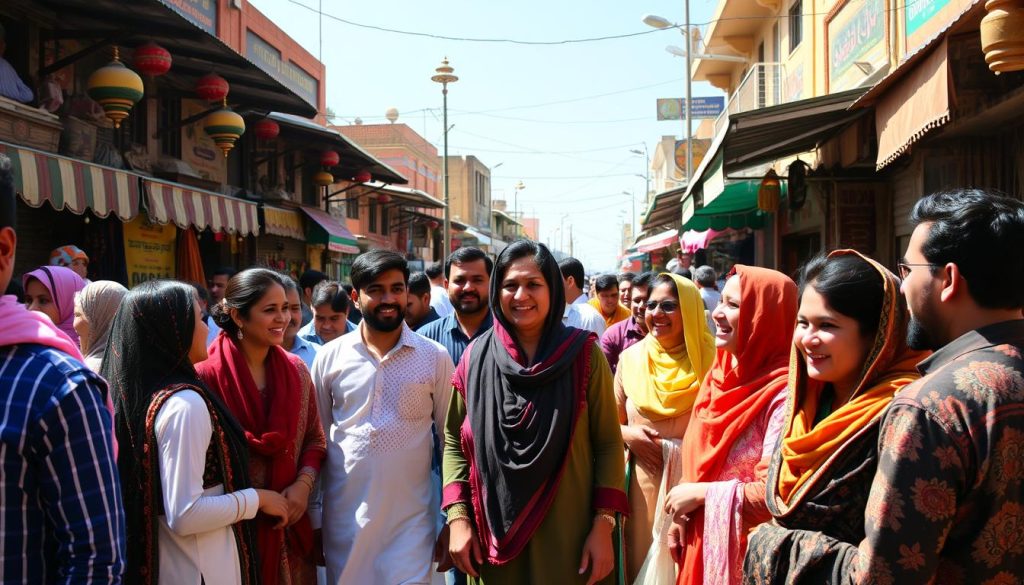
Multan, Pakistan, is known for its people’s genuine warmth and hospitality. Visitors are welcomed with open arms and often invited to share meals. This heartfelt reception creates an immersive cultural experience, allowing travelers to connect deeply with the city’s spirit.
The Multan people are friendly and eager to share their traditions. You’ll be greeted with genuine smiles and help wherever you go. Locals often invite visitors into their homes, offering delicious meals and glimpses into daily life.
The Multan cultural experience captivates travelers with its rich heritage and vibrant festivals. From intricate Multani pottery-making to Sufi music performances, opportunities to immerse in Multan’s culture abound.
“Multan is not just a destination, it’s a chance to connect with a people and a way of life that is truly unique. The hospitality and warmth of the locals make every visit an unforgettable experience.”
Multan’s historical significance, architecture, and cuisine are all enhanced by its welcoming people. The genuine Multan people and their Multan hospitality will leave a lasting impression. Prepare for a unique Multan cultural experience that you’ll cherish forever.
Conclusion
Multan, the “City of Saints,” captivates visitors with its rich history and spiritual legacy. From Sufi shrines to ancient fortifications, Multan offers a multifaceted experience. The city’s architectural wonders, culinary delights, and warm people leave a lasting impression.
Multan’s cultural heritage and tourism opportunities shine through. The UNESCO-recognized Multan Fort and serene Chenab River cater to diverse interests. History buffs and nature lovers alike will find plenty to explore.
Multan’s allure is undeniable, with its legacy as a Sufism hub. The city’s architectural marvels and vibrant culture make it a must-visit destination. Multan truly stands out in Pakistan’s cultural landscape.