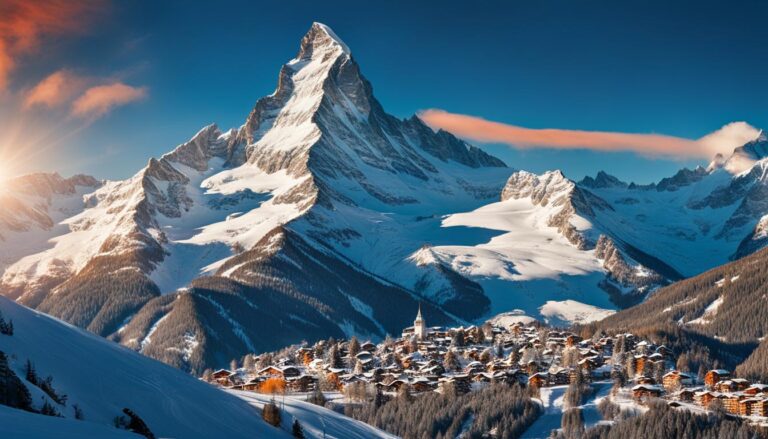
Discover Hunza Valley’s Unique Charm | Travel Guide
Hunza Valley is a captivating destination in northern Pakistan’s Karakoram Mountain range. It’s known for crisp air, majestic mountains, and residents with remarkably long lives. This guide explores the valley’s natural beauty, cultural heritage, and the fascinating Burusho people.
Hunza Valley sits at an elevation of over 2,400 meters. This high-altitude oasis boasts lush apricot orchards and ancient forts. The stunning Karakoram Highway winds through its rugged terrain.
Natural wonders abound in Hunza Valley. The majestic Ultar Sar peak towers over the landscape. Crystal-clear streams and glistening glaciers add to the valley’s breathtaking scenery.
Introduction to Hunza Valley’s Wonders
The Hunza Valley is a hidden gem in Northern Pakistan. It captivates visitors with its breathtaking beauty and rich culture. Surrounded by the Karakoram Mountains, this remote region offers a unique travel experience.
A Hidden Gem in Northern Pakistan
The Hunza Valley covers 7,900 square kilometers at 2,438 meters above sea level. It boasts diverse natural wonders, from snow-capped peaks to crystal-clear streams. The valley’s temperate climate adds to its charm.
Summers range from 20 to 30 degrees Celsius. Winters bring heavy snowfall, creating a stunning landscape.
Surrounded by Majestic Karakoram Mountains
The Karakoram Mountain range dominates the Hunza Valley’s landscape. Its towering peaks and rugged terrain have captivated adventurers worldwide.
The valley’s location on ancient trade routes has shaped its cultural heritage. This is evident in the Burusho people’s traditional architecture, art, and customs.
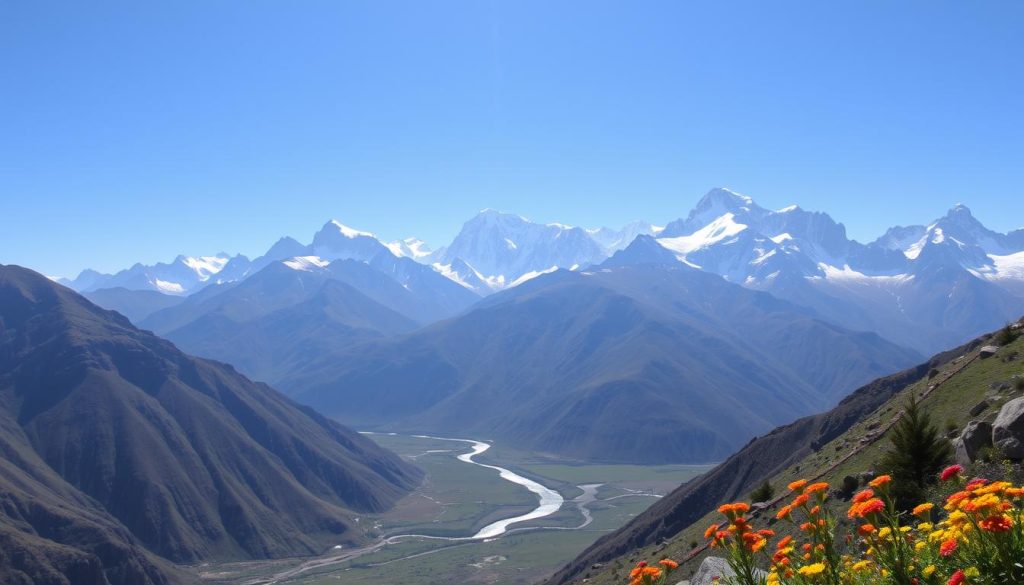
“The Hunza Valley is a true hidden gem, offering a captivating blend of natural beauty and cultural wonders that sets it apart from other destinations in Pakistan.”
Getting to Hunza Valley
Reaching Hunza Valley is an exciting adventure. The closest airport is Gilgit, about 95 km away. Alternatively, fly to Islamabad Airport, 684 km from the valley.
From Islamabad, enjoy a scenic 15-hour drive on the Karakoram Highway. This journey offers breathtaking views of the valley and mountains.
Navigating the Karakoram Highway
The Karakoram Highway is known for its stunning scenery. It winds through the majestic Karakoram Mountains, offering incredible vistas.
This challenging drive rewards visitors with unforgettable experiences. Many consider it a highlight of their trip to the region.
Closest Airports and Driving Routes
- The Gilgit Airport is the nearest airport, located approximately 95 km from the Hunza Valley.
- Travelers can also fly into the Islamabad Airport, which is about 684 km away, and then embark on a scenic 15-hour drive through the Karakoram Highway.
- The drive from Islamabad to the Hunza Valley is considered one of the most breathtaking driving routes in the world, offering stunning vistas of the surrounding Karakoram Mountains.
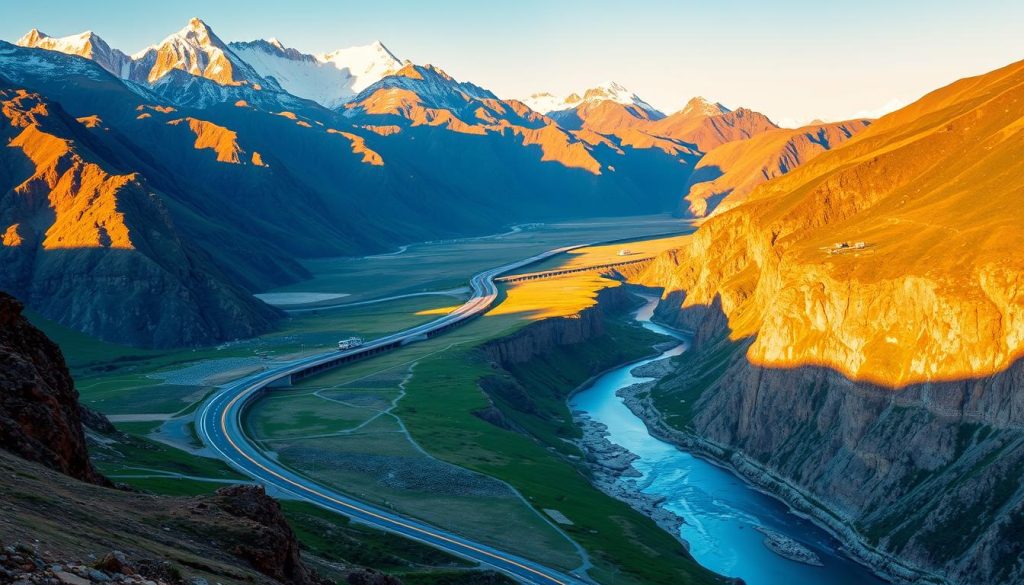
“The Karakoram Highway is one of the most remarkable road journeys I’ve ever experienced. The sheer scale and beauty of the mountain landscapes left me in awe.”
Your journey to Hunza Valley will be unforgettable. The scenic route offers amazing views and exciting experiences.
Best Time to Visit Hunza Valley
The Hunza Valley in northern Pakistan offers diverse experiences year-round. Your ideal visit time depends on your interests and the weather. This stunning region caters to adventurers, culture enthusiasts, and those seeking tranquility.
Spring (March-April) is perfect for nature lovers and photographers. The valley bursts with colorful blooms. Fewer tourists mean a peaceful atmosphere for exploring beautiful landscapes.
Summer (May-September) attracts adventure seekers and families. It’s prime time for hiking, trekking, and exploring the Karakoram mountains. The weather is generally more favorable for outdoor activities.
| Season | Ideal Traveler Profile | Highlights |
|---|---|---|
| Spring | Nature lovers, photographers, those seeking a peaceful visit | Blossom Festival, fewer tourists, mild weather |
| Summer | Adventure seekers, families, outdoor enthusiasts | Hiking, trekking, Karakoram mountain range exploration |
| Autumn | Couples, honeymooners, travelers seeking a romantic, scenic getaway | Vibrant fall foliage, fewer crowds, comfortable temperatures |
| Winter | Adventure seekers, Winter sports enthusiasts, those seeking a quiet retreat | Skiing, snowboarding, lower accommodation costs |
Autumn (October-November) is ideal for couples and honeymooners. The valley showcases vibrant fall foliage. Visitors enjoy fewer crowds and comfortable temperatures during this romantic season.
Snow lovers should visit during winter (November-February). It’s perfect for skiing, snowboarding, and enjoying serene snowy landscapes. Winter also offers lower accommodation costs for budget-conscious travelers.
Hunza Valley’s high elevation ensures pleasant weather year-round. At 2,438 meters, it offers unforgettable experiences in every season. Plan your visit based on your preferences for an amazing trip.

Exploring Karimabad: The Capital of Hunza
Karimabad, a charming town in the Hunza Valley, boasts a rich history and vibrant culture. Once called Baltit, it served as the seat of Hunza royals. Now, it’s a popular tourist spot in northern Pakistan.
Historic Baltit Fort and Malikamu Shikari
Baltit Fort, Karimabad’s crown jewel, is an 8th-century marvel showcasing the region’s architectural skill. Visitors can admire its wooden carvings, watchtowers, and stunning mountain views.
Nearby, the Malikamu Shikari monument honors Queen Victoria’s legacy. It offers a glimpse into Hunza’s ties with British colonial history.
Local Eateries and Hunza Food Pavilion
Karimabad’s culinary scene is a treat for food lovers. Family-owned eateries and the Hunza Food Pavilion serve delicious regional specialties.
Visitors can enjoy Hunza’s famous apricots and hearty traditional dishes. The local food scene reflects the community’s vibrant spirit.
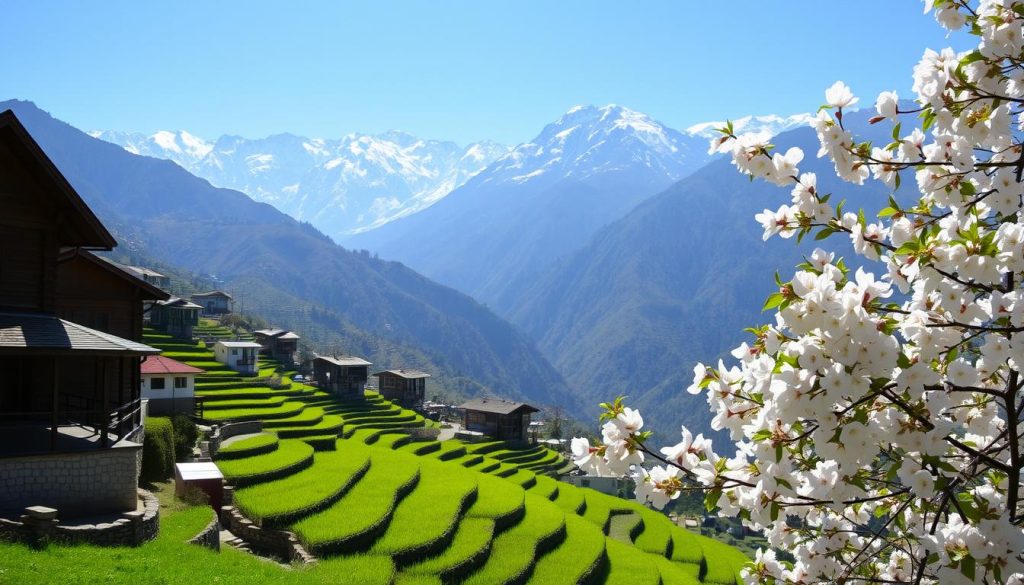
“Karimabad is a captivating blend of history, culture, and natural beauty – a true gem in the heart of the Hunza Valley.”
Attabad Lake: A Serene Turquoise Wonder
Attabad Lake is a captivating natural wonder in the Karakoram mountains. Formed in 2010 after a landslide, its turquoise waters stretch for 13 miles. The lake is surrounded by towering peaks, creating a breathtaking sight.
Activities Around the Lake
Visitors can explore nearby trails for stunning mountain views. The lake offers many fun activities for everyone to enjoy.
- Fishing in the well-stocked lake, home to a variety of freshwater fish species
- Thrilling jet skiing adventures, allowing you to skim across the turquoise surface
- Peaceful boating trips to admire the majestic mountains from the water
Attabad Lake’s formation displaced thousands and flooded part of the Karakoram Highway. Yet, it brought tourism and new businesses to the area.
Hotels, guesthouses, and campsites now welcome visitors eager to see this natural wonder. The lake has become a popular spot for those exploring the region.
| Key Facts about Attabad Lake | Value |
|---|---|
| Length of the lake | 13 miles |
| Depth of the lake | 300 feet |
| Number of people displaced | Over 6,000 |
| Potential peril to downstream population | 50,000 people |
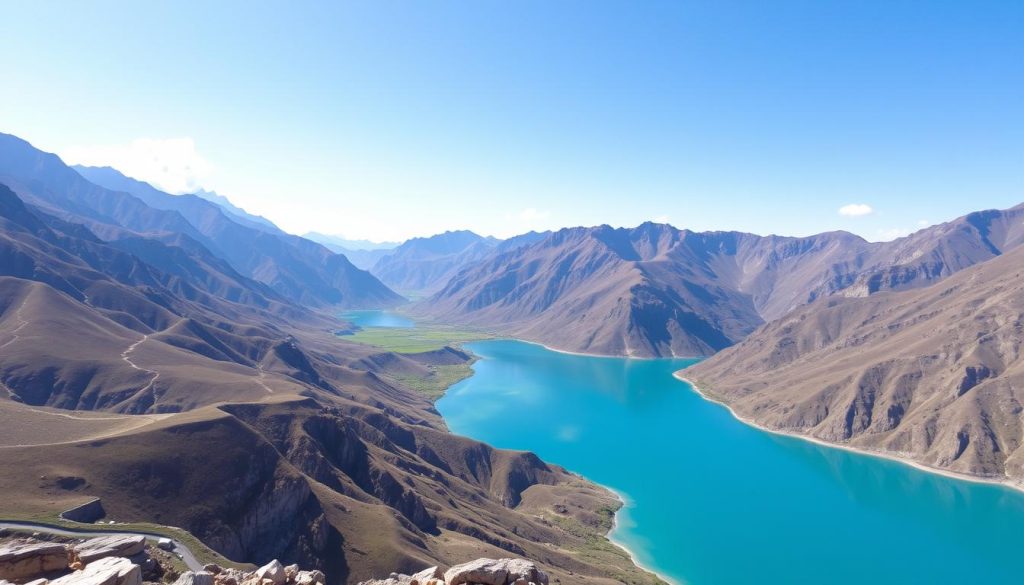
“Attabad Lake is a true natural wonder, with its serene turquoise waters and majestic mountain backdrop. It’s a must-visit destination for anyone exploring the Hunza Valley.”
What makes Hunza Valley unique compared to other destinations?
The Hunza Valley in Northern Pakistan is a one-of-a-kind destination. Its charm comes from stunning natural beauty and the Hunza people’s long lives. Their vibrant cultural traditions also add to its appeal.
Longevity of the Hunza People
Hunza people are famous for living into their 90s and 100s. This long life has fascinated researchers and travelers alike. Their active lifestyle, healthy diet, and stress-free environment contribute to their longevity.
People once thought Hunzas lived to 120 years old. Recent studies show one in three have high blood pressure. Still, Hunzas resist common health issues like obesity and smoking.
Burusho Culture and Traditions
The Hunza people, also called Burusho, have a unique cultural heritage. Their language and customs have stayed the same for centuries. Visitors can see a lifestyle that has stood the test of time.
Burusho are known for their strong community bonds. Their social connections and plant-based diet contribute to their well-being. They respect nature and thrive in the tough Karakoram mountain environment.
Hunza Valley’s appeal lies in its people’s longevity and rich culture. It’s a place that will inspire and captivate all who visit.
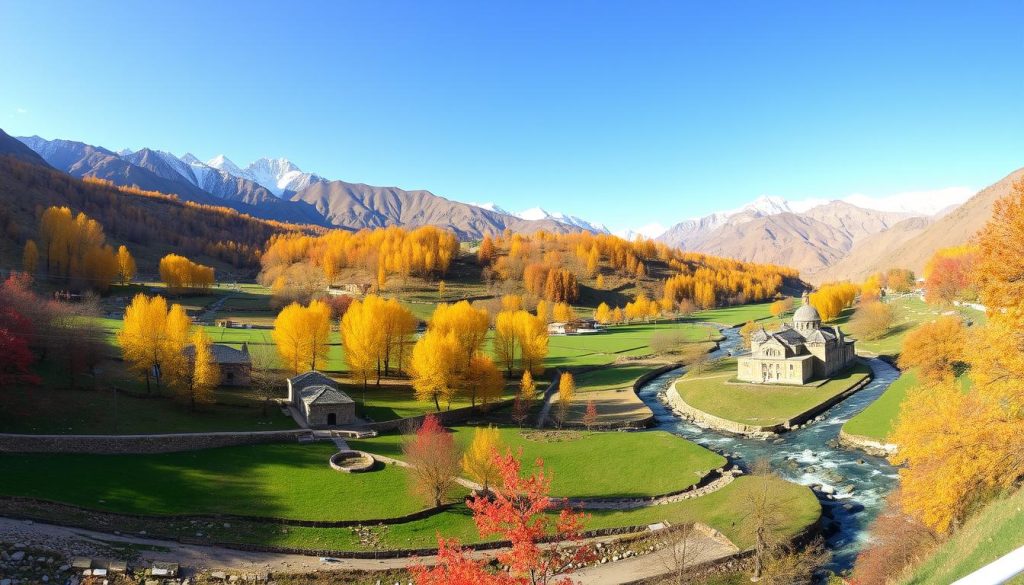
Hiking and Trekking Adventures
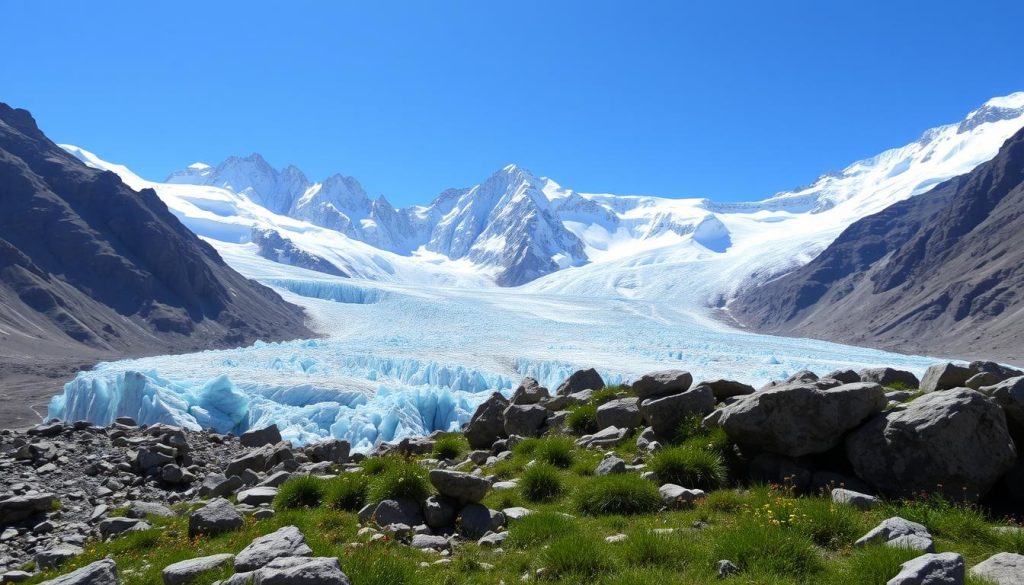
Hunza Valley is a paradise for adventure lovers. It offers many hiking and trekking chances to enjoy its rugged beauty. The Passu Glacier is a must-visit spot for experienced trekkers.
The Rainbow Bridge is another popular destination in Hunza Valley. This natural wonder amazes visitors with its stunning views. It shows off the valley’s unique geological features.
Hunza Valley has trails for all skill levels. Its diverse terrain includes lush meadows and tall peaks. Outdoor fans can explore hidden gems and make lasting memories here.
| Adventure Activity | Difficulty Level | Estimated Duration |
|---|---|---|
| Hiking to Passu Glacier | Moderate to Challenging | 4-6 hours (round trip) |
| Trekking to Rainbow Bridge | Moderate | 3-5 hours (round trip) |
| Mountaineering Expeditions | Strenuous | 7-14 days |
Get ready for an amazing adventure in Hunza Valley. The stunning Passu Glacier and Rainbow Bridge are waiting for you. Your trip will inspire you and leave you in awe of nature’s wonders.
Historic Sites and Cultural Attractions
Hunza Valley boasts a rich cultural heritage alongside its natural wonders. The region offers numerous historic sites and attractions to explore. Chapursan Valley, bordering the Wakhan Corridor, is home to the renowned Baba Ghundi Shrine.
Chapursan Valley and Baba Ghundi Shrine
The Baba Ghundi Shrine provides a unique spiritual experience for visitors. Every July, the Baba Ghundi Festival celebrates Hunza’s deep-rooted traditions. Travelers can enjoy vibrant music, dance, and rituals passed down through generations.
Chapursan Valley is a treasure trove of historic sites. Visitors can explore the region’s ancient Silk Road heritage. They’ll discover remnants of caravanserais that once served as crucial rest stops for traders.
“The Chapursan Valley and the Baba Ghundi Shrine offer a truly unique and spiritual experience for visitors to Hunza Valley. It’s a chance to connect with the region’s rich cultural history and the deep-rooted beliefs of the Hunza people.”
The Chapursan Valley and Baba Ghundi Shrine are must-visit stops in Hunza Valley. They offer a fascinating glimpse into the region’s past and present. Travelers can expect an enriching and unforgettable experience at these cultural attractions.
Local Cuisine and Specialties
The Hunza Valley in northern Pakistan offers a rich culinary heritage. Nestled in the Karakoram Mountains, it showcases diverse local specialties. These dishes reflect the region’s traditions and agricultural resources.
Chapshuro is a signature dish of the valley. It’s a savory meat-filled pie with a flaky crust and juicy filling. You’ll find the most authentic versions at modest street stalls.
Another Hunza staple is Buroshapik/Ghilmindi. It’s a wheat chapati filled with yogurt-cheese mixture. Often, it’s drizzled with apricot oil and sprinkled with nuts.
For a hearty meal, try Buttering Doudo. It’s a comforting soup made with dried apricots. This local specialty offers a blend of sweet and savory flavors.
| Hunza Specialty | Description | Typical Price Range |
|---|---|---|
| Chapshuro | Savory meat-filled pie | $4-$8 USD | €3-€7 EUR |
| Buroshapik/Ghilmindi | Wheat chapati filled with yogurt-cheese mixture | $3-$6 USD | €2.50-€5 EUR |
| Buttering Doudo | Hearty soup made with dried apricots | $5-$10 USD | €4-€8 EUR |
| Harissa | One-pot meal with wheat, rice, lentils, and sometimes meat | $8-$15 USD | €7-€12 EUR |
| Molida | Dish made from wheat shapik, milk, butter, and apricot oil | $6-$12 USD | €5-€10 EUR |
| Shopan | Dish made from the stomach of sheep/goat or minced meat | $10-$20 USD | €8-€17 EUR |
Hunza Valley offers more than just these signature dishes. Try Tumoro Tea, made from a local plant with health benefits. Or taste Hoilo Garma, featuring organic flour, spinach, and apricot seeds.
Hunza’s streets and markets showcase its rich culinary heritage. Traditional cooking methods and local ingredients are key. Every bite celebrates the valley’s natural bounty and local ingenuity.
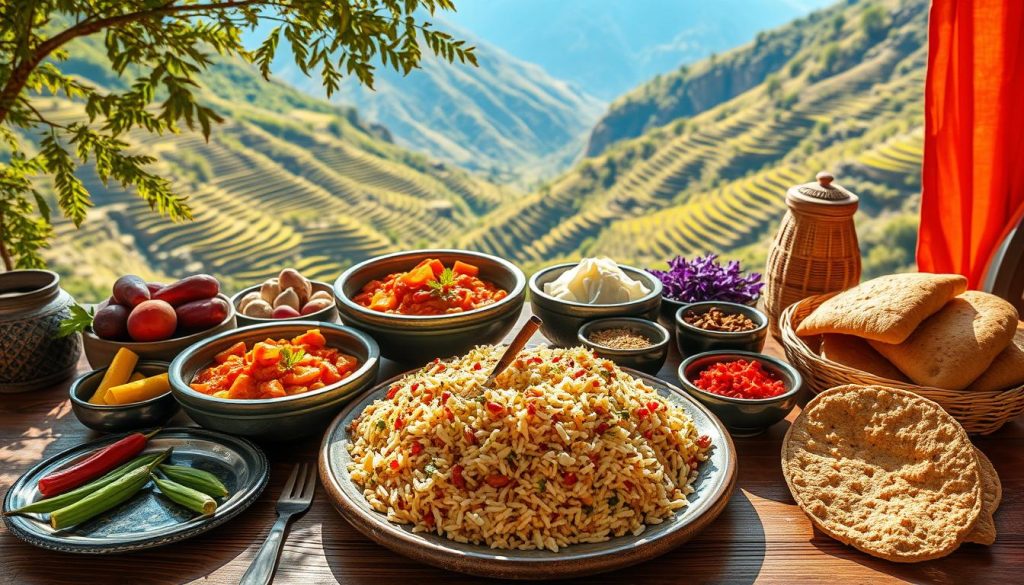
“The unique flavors and traditional preparation methods of Hunza’s local cuisine are a testament to the region’s deep-rooted culinary traditions and the harmony between its people and the land.”
Where to Stay in Hunza Valley
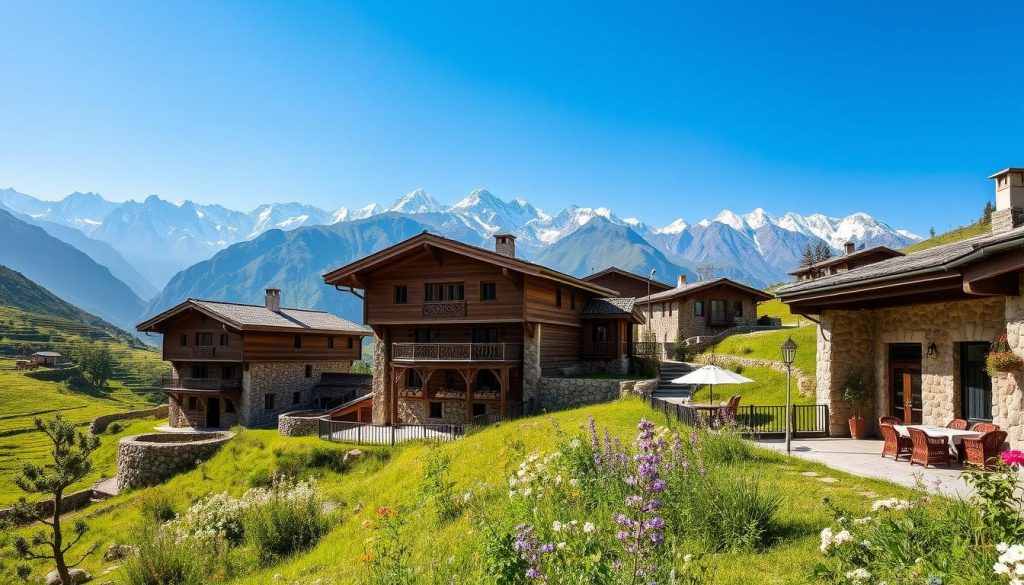
Hunza Valley offers various accommodations for all budgets. You’ll find luxurious resorts and charming homestays in this beautiful region of northern Pakistan. There’s something for everyone in this picturesque area.
Luxury Resorts
Hunza Valley boasts high-end resorts with stunning views and top-notch amenities. Luxus Hunza Attabad Lake Resort, Offto Resort Hunza, and Famree Resort Hunza provide indulgent experiences.
These luxury properties feature spacious rooms and gourmet dining. They also offer easy access to the valley’s natural wonders.
Budget Homestays
Budget-conscious travelers can enjoy cozy and authentic Hunza homestays. Old Hunza Inn and Hunza Lodge offer comfortable accommodations at affordable rates.
These homestays allow visitors to immerse themselves in local culture. You’ll have the chance to interact with friendly Hunzakuts and learn about their lifestyle.
| Accommodation | Type | Amenities | Approx. Cost per Night |
|---|---|---|---|
| Luxus Hunza Attabad Lake Resort | Luxury Resort | Stunning lake views, fine dining, spa, outdoor activities | $150 – $300 |
| Offto Resort Hunza | Luxury Resort | Mountain panoramas, modern facilities, adventure tours | $120 – $250 |
| Famree Resort Hunza | Luxury Resort | Spacious rooms, wellness center, hiking trails | $100 – $200 |
| Old Hunza Inn | Budget Homestay | Authentic local experience, simple amenities, shared facilities | $20 – $50 |
| Hunza Lodge | Budget Homestay | Cozy accommodations, home-cooked meals, scenic views | $25 – $60 |
Hunza Valley’s accommodations promise a memorable stay. You’ll enjoy breathtaking landscapes and rich cultural heritage, no matter where you choose to rest.
Conclusion
Hunza Valley offers a unique blend of natural beauty, cultural heritage, and adventure. The majestic Karakoram Mountains and serene Attabad Lake captivate visitors. This hidden gem caters to those seeking peace, cultural experiences, or thrilling adventures.
This guide equips you with essential information for an unforgettable journey to Northern Pakistan. The Karakoram Highway has boosted tourism in the region. Eco-tourism and adventure activities have further enhanced Hunza Valley’s appeal.
Hunza Valley’s rich culture, local cuisine, and stunning scenery make it truly special. The welcoming locals and breathtaking landscapes will leave a lasting impression. You’ll likely find yourself planning a return trip to this enchanting destination.