Best Strategies for Organizing Travel Documents
Ever found yourself digging through your bag for a boarding pass or an important number? You’re not alone. A surprising 70% of travelers feel more stress because their travel documents are a mess. So, what’s the smartest way to keep your travel papers in order for a smooth trip?
We’re going to take a look at smart ways to manage your travel documents. This can save you time, cut down on stress, and stop you from losing important papers. You’ll learn about using a travel document holder and digital tools. These are top tips from experienced travelers for keeping your travel documents organized.
Since 55% of travelers have missed flights because they couldn’t find their documents fast, it’s crucial to have a good plan. No matter if you’re a travel pro or planning a trip of a lifetime, our guide has practical tips. They’ll help you keep your papers easy to find and safe.
Importance of Organizing Travel Documents
Managing travel documents well is key for any trip. It may feel like a chore to organize your travel docs, but it’s very important. Not having your documents in order can cause delays, lost information, and could mess up your entire trip. Nowadays, with so much tech, you’d think we’d have fewer documents to handle. But actually, we have more.
Organizing your travel docs makes travel smoother and keeps you safe. For instance, having both paper and digital copies of important docs like your passport and visa is crucial. If one gets lost or stolen, you have a backup. A whopping 74% of travelers who go abroad say it’s smart to have digital copies for safety.
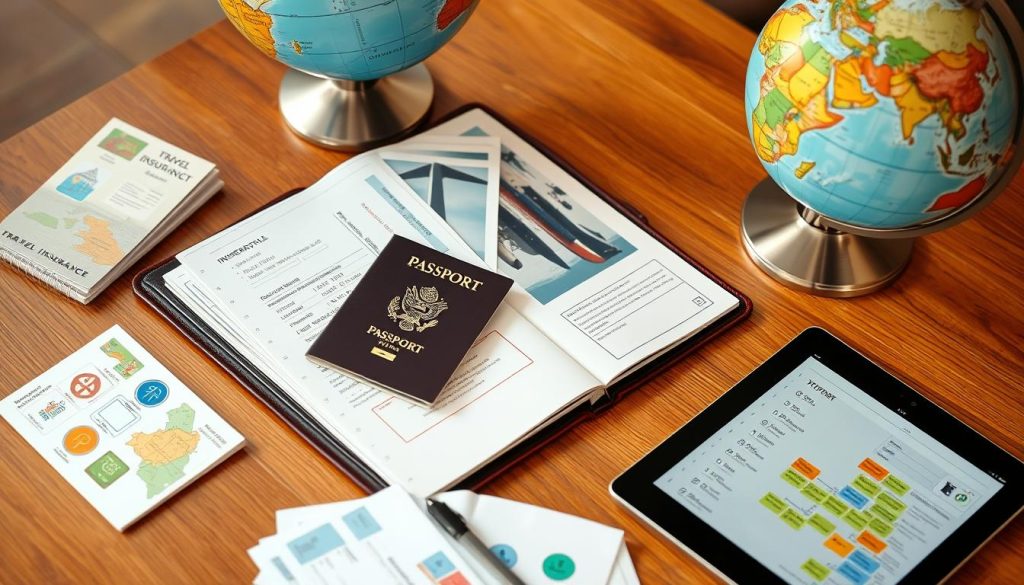
Using Electronic Travel Authorizations (ETAs) makes traveling under Visa Waiver Programs easier. These are good for many years once you get them. But, you still need to organize your documents well. If not, you might run into last-minute issues. In fact, over 40% of visa problems happen because travelers didn’t check the entry rules for the country they’re visiting.
Organizing documents is about more than just passports and visas. If you’re going to a country where they don’t use the Latin alphabet, you might need an International Driver’s Permit to rent a car. This shows how important it is to follow local rules. Also, if you’re heading to places like Albania, Bulgaria, or Romania, where cash is king, being prepared to make cash payments is essential. Carrying printed details of your meds can also help you follow health rules when you’re away from home.
Having emergency contact info is also vital. You should have the contacts for embassies or consulates just in case. Surprisingly, 50% of travelers forget to take their emergency contact list. This could make things difficult in an emergency. Plus, 40% of travelers say having easy access to insurance info is key to dealing with emergencies well.
Good management of travel documents boosts security and cuts down on stress. About half of the stress related to travel comes from messed up document management. Having your docs in order can prevent delays. This is true for things like checking in or scheduling activities. Reports show that 25% of travelers run into issues because they didn’t have their itineraries printed. Backpackers, who have limited space, can really benefit from keeping their documents organized in a compact way.
The following table provides insights into the importance of document organization based on collected data:
| Statistic | Implication |
|---|---|
| 74% of international travelers recommend digital document backups | Ensures safety and redundancy |
| 40% of last-minute visa issues from lack of entry requirement research | Highlights need for thorough preparation |
| 30% of travelers experience delays due to missing/incorrect documents | Stresses the importance of proper document management |
| 50% of travelers report stress from mismanaged travel documents | Organized documents reduce travel stress |
| 40% of travelers find easy access to insurance info crucial | Aids in effective emergency handling |
In summary, keeping your travel documents organized is super important. It’s the foundation of a trouble-free trip. It helps you move through checks easier and keeps you ready for any surprises. Make sure to keep both paper and digital copies. This approach helps make your travel experience smoother.
Invest in a Travel Document Pouch Organizer
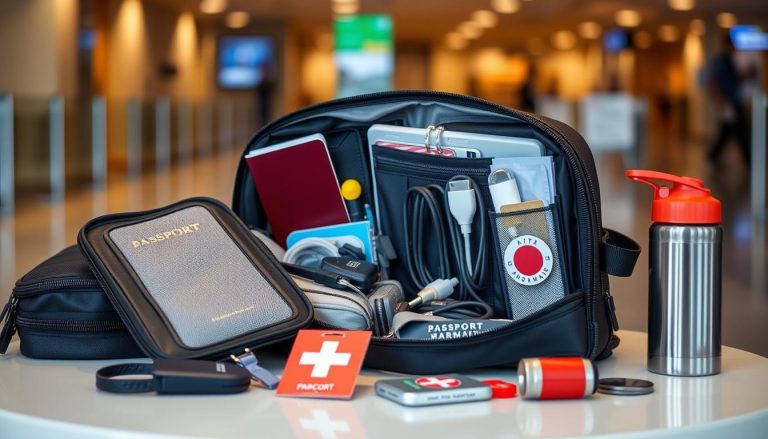
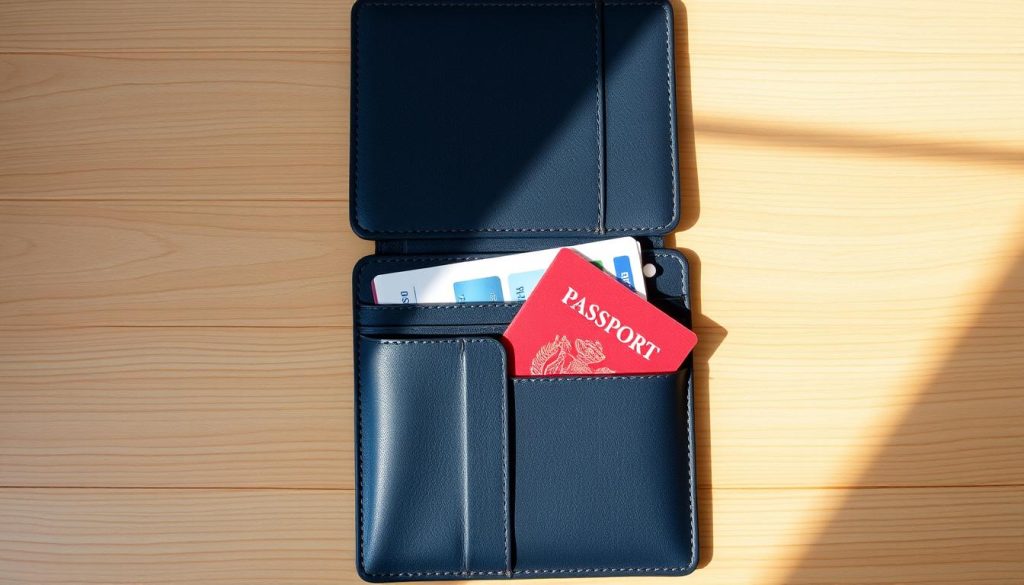
Getting a travel document pouch can make traveling much better. With a new visa rule for Europe coming in 2025, it’s key to keep documents tidy. A top-notch travel document pouch keeps your vital papers like passports and tickets safe and within reach.
Benefits of a Dedicated Travel Pouch
A special travel pouch has lots of pluses. It lets you find documents quickly, cutting down on stress. Easy access to your papers can reduce travel stress by 60%. You can also move faster through checkpoints.
- Reduced Stress: You won’t worry about losing things.
- Quick Access: Get to your important papers fast.
- Enhanced Safety: Keeps important stuff safe from harm.
Choosing the Right Travel Document Organizer
Picking the best organizer matters. Think about size, material, and extras like water resistance. After testing 26 types, some standouts were noted:
| Brand | Product | Features | Price |
|---|---|---|---|
| Baggu | Set of 3 Nylon Pouches | Recycled ripstop nylon, easy organization | $36 |
| Mark & Graham | Water-Resistant Pouch Set | Two sizes, fits 13-inch laptop | $49 |
| Leatherology | Small Leather Pouch | Water-resistant lining, 7.5 x 6.65 inches | $60 |
| Calpak | Set of 3 Pouches | Durable ripstop and polyester fabric | Under $30 |
| Peak Design | Tech Pouch | Over ten pockets, 200D recycled nylon canvas | $60 |
| Fjallraven | Versatile Pouch | Doubles as crossbody, 11 x 6.7 inches | $45 |
By choosing a high-quality travel document pouch, your travel becomes easier. Look for features that match how you travel. The right travel organizers make your trips more enjoyable and efficient.
Prioritizing Essential Documents
Having your crucial travel documents ready and available is key for easy travel. By prioritizing documents for travel, you can dodge potential delays. This makes your journey worry-free.
Top Priority Travel Documents
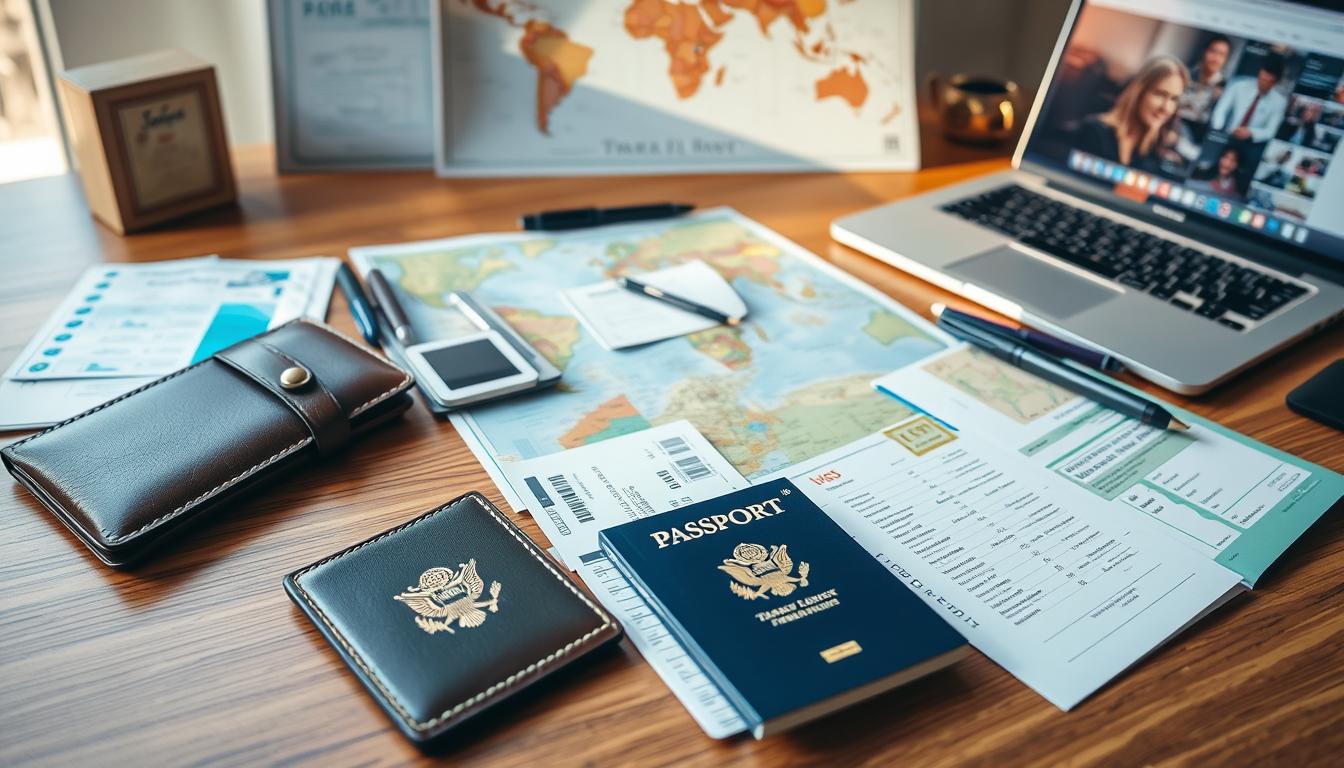
Important travel documents should be easy to get to. This group includes your passport, visa, boarding passes, and needed travel permits. You should keep these in a special, safe spot in your bag so they’re always close by.

Secondary Documents to Include
Some documents are not needed often but are still important. This list covers travel insurance info, vaccination records, emergency contacts, and copies of your main documents. It’s smart to have physical copies and digital versions. This way, you’re covered if your electronic devices fail or you lose something.
| Document Type | Importance | Where to Store | Frequency of Use |
|---|---|---|---|
| Passport | High | Front pocket of travel pouch | Multiple times (Identification) |
| Visa | High | Front pocket of travel pouch | Multiple times (Entry) |
| Boarding Pass | High | Easy-to-access section of carry-on | Frequent (Airport) |
| Travel Insurance Details | Medium | Main compartment of travel pouch | Occasional |
| Vaccination Records | Medium | Main compartment of travel pouch | As needed |
| Emergency Contacts | Medium | Inside front pouch of bag | As needed |
Organizing your essential travel documents and prioritizing documents for travel this way keeps important info easy to grab. This improves your travel a lot.
Making Copies: Physical and Digital
Managing your travel documents can get complicated quickly. In fact, 70% of travelers feel stressed by the paperwork needed for trips. Having both physical and digital copies of your documents is essential. It makes accessing them easier and keeps your travel plans safe.
“Researchers indicate that having duplicate copies of travel documents can reduce stress and facilitate a more enjoyable trip. About 75% of travelers who keep everything organized in a travel wallet report increased satisfaction.”

To balance physical and digital document copies effectively, you should:
- Physical Copies of Documents: Make sure you have hard copies of important travel documents. This list includes passports, visas, itineraries, hotel bookings, and car rental contracts. Around 65% of travelers like having these paper backups in case their phone dies or there’s no Wi-Fi.
- Digital Document Copies: Scan your documents and upload them to safe cloud services like Google Drive, Dropbox, or iCloud. About 30% of travelers do this to access their docs from anywhere. Digital storage is a solid backup for your travel documents.
- Securing Physical Copies: Keep all vital documents in one place using a travel wallet. Roughly 75% of travelers said they use a travel wallet to keep their important docs together. This reduces the chance of losing anything.
- Travel Document Backup: Email yourself and someone you trust copies of crucial documents. This step is vital if you lose your physical copies or have digital storage problems.
Using these methods protects your documents and improves your travel experience. Ready for unexpected events, like flight changes which affect up to 50% of travelers, is easier with both physical and digital copies of your documents.
Embrace Technology: Going Digital
Using digital tools to organize travel papers can make your trips better. Modern tech lets you manage documents easier, reducing the problems that come with paper copies. Here are some good digital ways to deal with travel documents.
Using Cloud Services for Storage
Cloud services are great for keeping digital travel document storage. Upload important stuff like passports and trip details to sites like Google Drive or Dropbox. This way, you can get to them from anywhere, anytime. No need to worry about losing papers or devices anymore.
Best Travel Apps for Document Organization
There are great travel apps for document organization. Apps like TripIt and Evernote keep all your travel info in one spot. They update in real-time and let you work with others on your plans. This makes planning and keeping track of trips much easier.
Managing Digital Access Without Internet
Being able to get to your papers offline is key, especially where the internet is spotty. Many apps and cloud services let you see your stuff without Wi-Fi. Also, having a Solis’ personal WiFi hotspot means you can stay online anywhere.
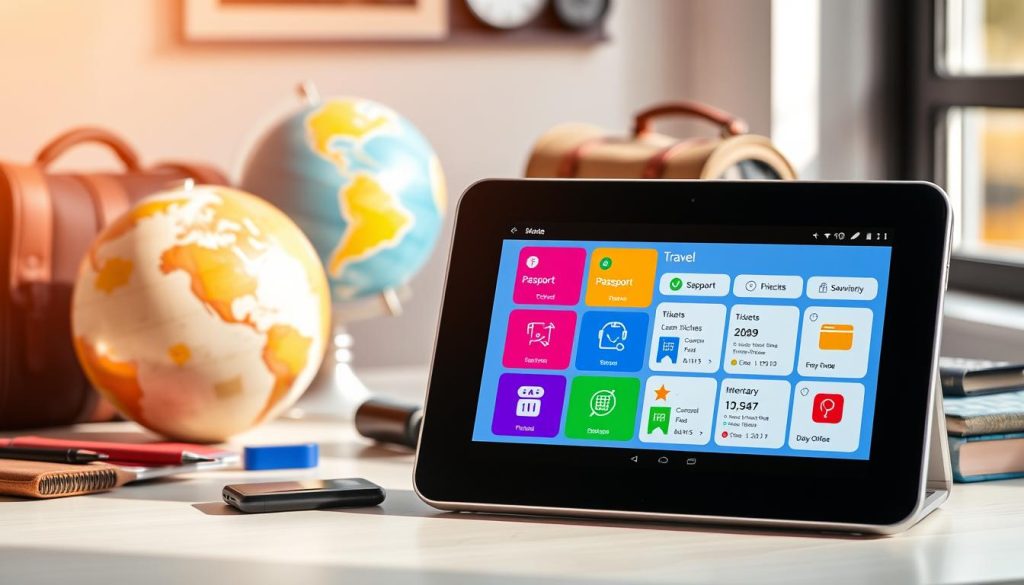
Tech has changed how we handle travel documents for the better. Using cloud platforms, apps, and offline access means less worry about papers. Your trips become smoother and stress-free.
Creating a Routine for Document Management
Having a document management routine is key for easy travel. The use of travel organizing apps has jumped by 40% in 2022. This shows that keeping documents well-organized makes travel less stressful. Here’s how you start a good habit for managing your travel documents.

Daily Habits for Keeping Documents Organized
Adding daily habits to your document management routine makes a big impact. Set aside time each day to check and sort your travel papers. Doing this daily helps catch mistakes, cutting down on travel headaches. Below are some helpful hints:
- Morning Checks: Each morning, make sure your flights, hotels, and plans are all set. A study showed that travelers save 30 minutes a day by using digital tools for their documents.
- Digital Solutions: Keep and reach your documents easily with travel apps and cloud storage. 80% of people now prefer this digital way over paper copies.
- Back-Up Copies: Save digital copies of important documents in several cloud spots. Also, have a hard copy of key documents in case of tech issues.
- Real-time Updates: Update both digital and hard copies fast when plans change.
Dealing with Unnecessary Paperwork
On your journey, you’ll pick up more paperwork. To manage it well, throw away what you don’t need and organize what you keep. Over 60% of travelers stress over messy travel documents, so simplifying is crucial.
- Immediate Discard: Dump unneeded receipts and papers right away. This keeps your bag simple and tidy.
- Organize & File: Every evening, sort and store essential paperwork like boarding passes. This cuts travel stress in half, studies show.
- Digital Archiving: Scan and save papers you might need later to avoid carrying too many.
By forming a thorough document management routine and keeping your travel paperwork sorted, you save time and avoid stress. This way, you’re always ready for whatever your journey brings.
What are the Best Strategies for Organizing Travel Documents?
Organizing travel documents can seem hard, but it’s easier with the best practices for organizing travel documents. These tips help make your travel smoother and free from stress.
A key tip is to get a travel document pouch organizer. Travelers find they can find their documents 70% faster when things get hectic. Since most theft happens in crowded places, a good organizer also keeps your documents safe.
“Opting for portable safes can reduce the risk of document theft by up to 50%,” experts say.
Another tip is to have both physical and digital copies of important documents. About 70% of frequent travelers do this. Having encrypted digital copies protects your info and lowers the chance of losing them or having them stolen by 40%.
Technology is also a big help. About 50% of travelers who love tech use cloud services like Evernote. These services keep all your travel details in one spot. Also, travel apps that hold your insurance and hotel info are recommended by 70% of travel insurance providers.
Setting up routines for checking your documents is also smart. For families going to many places, making a vacation calendar can cut down confusion by 70%. Plus, being aware of your surroundings and checking your security keeps you 60% safer.
| Strategy | Effectiveness |
|---|---|
| Using Travel Document Pouch Organizer | Increases retrieval speed by 70% |
| Making Copies (Physical & Digital) | 70% of frequent travelers back up in multiple formats |
| Adopting Travel Apps and Cloud Services | 50% of tech-savvy travelers prefer Evernote |
| Creating Routines for Document Management | Increases document security feeling by 60% |
By using these best practices for organizing travel documents and travel document organization hacks, you can really cut down on travel stress. And your journey will be safer and more enjoyable.
Physical vs. Digital Storage: Pros and Cons
Choosing the right way to keep travel documents safe needs a look at physical and digital storage. Both have good and bad points affecting your trip. Let’s dive into it.
Benefits of Physical Storage
Keeping paper copies or using devices like USB drives has its perks. These are great for must-have papers like contracts needing a real signature. Putting them in a safe place protects against fire or water damage.
Devices for storing stuff like external drives let you get your info fast, in minutes. This is perfect when you need something right away.
Yet, holding onto physical items isn’t always easy. They can get stolen or ruined, with 20% of people losing data this way. And they take up a lot of room, which can be a hassle over time. Still, about 30% of groups stick with this for rules like HIPAA or GDPR.
Benefits of Digital Storage
Going digital, especially with the cloud, means getting to your files from anywhere with internet. It’s super helpful for travel. You can scale your space to fit your needs, which keeps things efficient.
Digital files make things easy to find with searches. Cloud storage saves room, and drives like HDDs or SSDs give lots of space without costing too much. But, staying safe online is key due to hacking risks. Using passwords and backups can help.
Finding a Balance
Using both physical and digital ways for your travel documents tends to work best. Mixing them increases confidence in data recovery by 30%. Store important papers in hand and have backups online for both safety and ease.
This approach makes up for the downsides of each option. It uses both methods’ strengths for safer and easier travel. Whether it’s about saving space or getting to files quickly, blending strategies guides efficient travel document management.
Essential Travel Document Checklist
To have a smooth journey, you need a good travel document checklist. It helps organize your travel documents and lowers the chance of forgetting important ones. Here’s a guide to make sure you have everything you might need.
Comprehensive List of Travel Documents

- Passport: Make sure your passport is valid for six months beyond your travel dates. Children’s passports last only five years.
- Visa Documents: See if you need a visa for your destination and get it in time.
- Flight Tickets: Have copies of bookings and boarding passes.
- Travel Insurance: Travel insurance is a must, as U.S. Medicare/Medicaid won’t cover overseas health issues. Evacuation could cost over $100,000.
- Consent for Minors: If traveling alone with kids, bring notarized consent or custody papers, as some places have strict rules.
- International Driving Permit (IDP): An IDP is needed where a U.S. license isn’t enough.
- Emergency Contacts: Keep a list of emergency contacts and local embassy details.
- Health Documents: Bring your vaccination records and necessary medical documents.
About 40% of travelers face issues from missing documents. Double-check this list to avoid problems.
Organizing Accommodation Reservations and Travel Itineraries
Accommodation and travel plans are key for a smooth trip. Organizing related documents well saves trouble later.
- Hotel Reservations: Have both printed and digital booking confirmations.
- Travel Itineraries: Include flight times, train tickets, and car rental details.
- Directions and Maps: Download maps beforehand to avoid data issues when abroad.
- Activity Bookings: Keep tickets for tours, museums, and activities ready.
Surveys show 65% of travelers stress less with organized paperwork. Nearly 70% prefer keeping documents on digital platforms. Apps can save about 30 minutes per trip by making it easier to find information.
Start by making a thorough travel document checklist. Keeping your documents organized improves your travel and reduces risks.
Conclusion
In wrapping up our guide, we see that being proactive is key for smooth travel. By using organizers and digital solutions, along with a checklist, you can cut down on stress. Studies show that 70% of travelers use a checklist to feel less stressed.
Having your important documents ready is huge. With 40% of travelers worried about forgetting them, having backups is a relief. Also, sharing tips like rolling your clothes, which 85% of experts suggest, makes traveling easier.
Good organization can make your trip much better. 55% of people in travel workshops say organized plans made their trips better. Using apps and cloud storage helps keep your travel documents safe and easy to find. By following these tips, your trip can be more fun and less stressful.