Skip Airport Markup on Travel Necessities
Have you ever noticed how pricey a bottle of water at the airport is? Airport stores are known for high prices. These markups can be 200% to 400% on travel items. Learning how to dodge these costs can save you money and lessen travel stress.
Before you pay 400% more for headphones or almost 200% for water, remember, there are better options. This piece will show you key tips on avoiding airport overcharges.
Introduction to Airport Markups
Learning how to avoid airport price markups on essentials is key when you travel. At the airport, things like snacks cost more, hiking up your travel costs.
What Are Airport Markups?
Airport markups mean the higher prices at airport shops versus regular stores. They usually apply to things you might need quickly like water, snacks, and toiletries. In city stores, these items are about 40% cheaper. Research points out that airport stores’ sales grow by 5% each year.
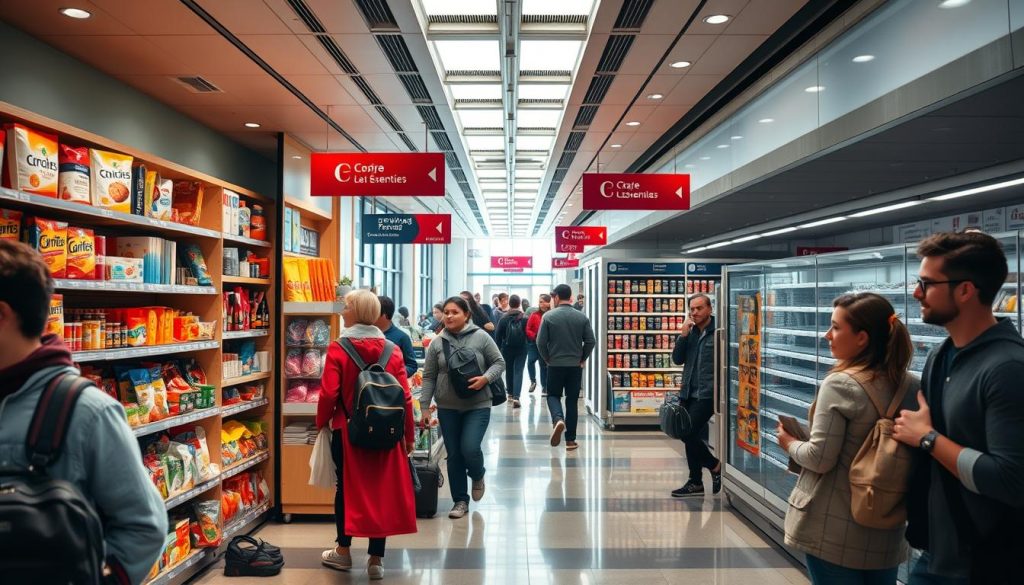
Why Airport Prices Are Higher
Several reasons make airport items pricier:
- Rental Costs: Stores pay more to be in the airport and charge you extra.
- Convenience: There aren’t many choices, so you might buy costly items for the sake of ease.
- Limited Competition: Few stores mean higher prices due to less price fighting.
The Federal Aviation Administration (FAA) keeps an eye on airport fees with certain rules. These rules, set since 1996, ensure the fees are fair. But, shops inside airports don’t follow these rules and often add about 15% to prices.
About 40% of travelers are upset by high airport prices. Complaints have grown by 20% lately. More competition can lower prices by 25%. Still, travelers spend about $12 each at airports, instead of $8 outside. Knowing about these markups can help you save during travel.
Packing Smart: Essentials to Bring From Home
Getting ready for a trip means smart packing, especially if you want to save money. Making a packing list before you go helps avoid buying overpriced items at airports. Whether you’re at Dallas Fort Worth International Airport (DFW) or somewhere else, packing right makes travel easier.
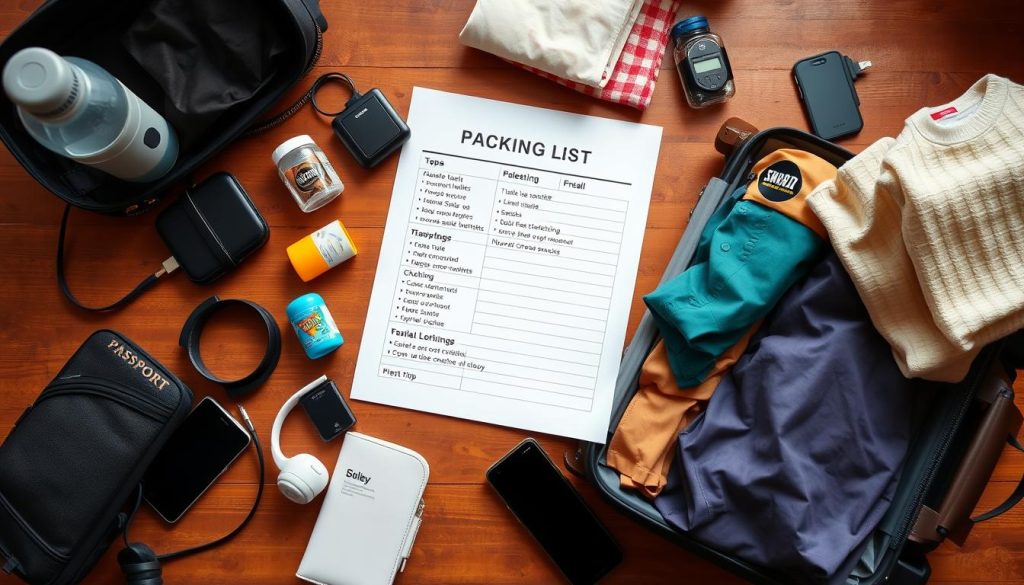
The Ultimate Packing List
Having a good packing list means you bring just what you need. This makes traveling easier and cheaper. Here’s what you should consider packing:
- Travel-sized toiletries: They meet TSA rules for liquids and prevent spending too much at airports.
- Reusable water bottle: Fill it up after security checks to avoid buying costly bottled water.
- Comfort items: Neck pillows, earplugs, and sleep masks can make long flights better.
- Basic first aid kit: Having band-aids, antiseptic wipes, and pain relief can save you visiting an airport pharmacy.
- Portable chargers: They’re key for keeping gadgets charged, especially during long waits.
Money-Saving Hacks for Travelers
Along with smart packing, using these tips can save money on trips:
- Book transportation early: Texas Shuttle says booking two days before can avoid stress and high prices.
- Use travel reward cards: Some cards give you free access to premium airport lounges with food and drinks.
- Track your bags in real-time: Airline apps can keep you updated on your luggage, saving worry and lost bag costs.
- Get TSA PreCheck®: For about $80 for five years, TSA PreCheck® speeds up security. You won’t need to remove shoes, belts, and can keep electronics and liquids in bags.
With smart packing and these tips, you can skip airport problems and extra costs. This makes for a smoother, cheaper trip.
Buying Before You Fly: Where to Shop
Travelers can save a lot by buying essentials before reaching the airport. Preparing a list and shopping locally or online helps dodge high airport prices. Local stores and online shopping are great for buying things without spending too much.
Local Stores and Supermarkets
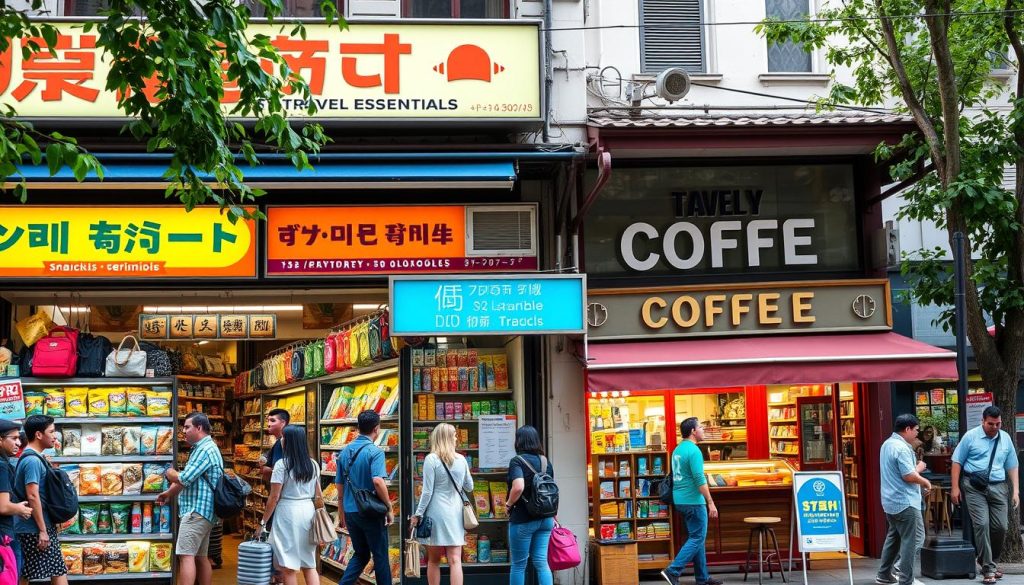
Local stores and supermarkets offer good deals on travel must-haves. Items like water, snacks, and toiletries are way cheaper than at the airport. A bottle of water costs up to $5 at the airport but only $1-2 at a local store.
Look for travel size items like hand sanitizers and lip balms at these stores. They cost less compared to airport shops. For example, a neck pillow is about $22 at the airport but only around $9 at Walmart or Target.
Toiletries at airports can be marked up by approximately 25% to 50%, making it more economical to purchase before traveling.
Shopping Online for Travel Essentials
Online shopping is another smart way to get travel stuff without high airport markups. Sites like Amazon have a wide range of gear at good prices. For example, charging cables are over $70 at airports but as low as $8 online.
This method also allows access to customer reviews to find the best products. Buying items like a first-aid kit or neck pillow online prevents overspending at the airport. Tourists often spend about $30 on travel items at airports, but online shopping can reduce this to around $10.
| Item | Average Airport Price | Average Local Store or Online Price |
|---|---|---|
| Bottled Water | $5 | $1-2 |
| Neck Pillow | $22 | $9 |
| Charging Cable | $70 | $8 |
| Luggage Tags | $9 | $3-5 |
| First-Aid Kit | $30 | $10 |
By following these tips, you can fill your packing list and buy necessary items before your trip. This way, you avoid extra costs and make your travel budget-friendly.
Avoiding Airport Price Markups on Essentials
Airports charge a lot more for travel needs. To save money, making plans before you go is crucial. Here, you’ll find tips to keep travel costs low.
Pack smart to spend less. Bring your own snacks and water bottles to avoid high airport prices. For instance, water costs more at the airport, up to five times its regular price.
Surveys indicate that 84% of travelers purchase food at the airport, averaging $38 spent per trip.
Also, get travel-sized toiletries to meet security rules and avoid overpriced airport buys. Pack things like hand sanitizer, toothpaste, and shampoo in small bottles. Remember, you can’t bring more than 3.4 ounces of perfume on a plane.
Next, consider parking off-site to save on high airport parking fees. Airport lots cost much more than those nearby. For example, some parking spots around Los Angeles International Airport (LAX) charge as low as $5 per day.
Airlines often charge a lot for bags. Keep your luggage small to avoid extra fees. Plus, some cheaper airlines make money from added charges like bags and seat choices. Plan well to skip these costs.
Don’t use airport currency exchange. They charge much more than banks. It’s better to exchange money ahead or use ATMs at your destination.
Look at these savings:
| Item | Airport Price | Regular Price | Potential Savings |
|---|---|---|---|
| Water Bottle | $5 | $1 | 400% |
| Sausage, Cheddar, and Egg Sandwich | $6.25 | $5.45 | 15% |
| Parking per Day (LAX) | $10 | $5 | 50% |
| Currency Exchange | 10% | 3% | 7% |
| Checked Bag (JetBlue) | $35 | N/A | N/A |
With these tips, you can dodge high costs and enjoy your trip more. Make smart choices to avoid spending too much.
Use Travel-Sized Containers
Getting ready for a trip means carefully choosing what to bring. Packing list items like travel-sized containers are key. They help follow TSA rules and save space in your bag.
Benefits of Travel-Sized Products
Travel-sized items have many benefits. They meet TSA standards, making airport security easier. These small containers can make your luggage 40% lighter compared to full-sized items. Lighter bags mean a more comfortable trip.
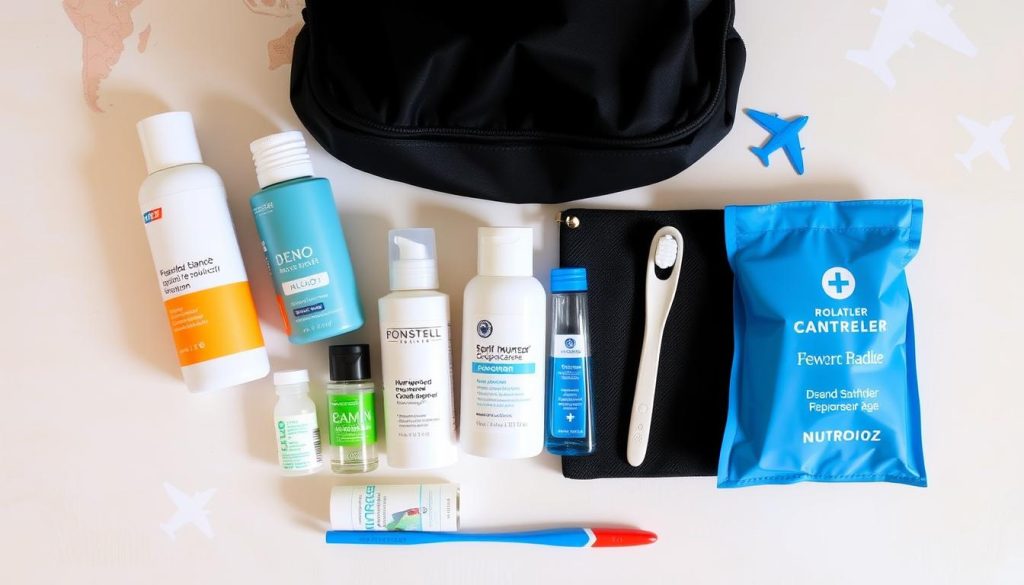
Using a packing list with travel-sized items adds convenience. You can bring your favorite products in leak-proof bottles. Many brands sell pre-made kits. Some even include TSA-approved locks, keeping your stuff safe.
Where to Find Travel-Sized Items
Stores like Target, Walmart, and CVS sell travel-sized toiletries. Amazon offers a wide selection, from individual items to complete kits. Muji and REI are great for quality travel gear.
It’s smart to compare options before buying. Here’s a table to help you:
| Retailer | Product Range | Special Features |
|---|---|---|
| Target | Basic toiletries, sunscreens | Affordable and easily accessible |
| CVS | Travel kits, medication | Includes health and wellness items |
| Amazon | Extensive range | Bulk discounts, variety of brands |
| Muji | Minimalist containers, skincare | Quality, aesthetic appeal |
| REI | Outdoor essentials | Durable, eco-friendly options |
Picking the right travel essentials makes your trip better. The right travel-sized containers make traveling smoother and more efficient.
Bringing Your Own Snacks
One smart way to save money while traveling on a budget is to bring your own snacks. Travelers often spend up to $140 at airports, where snack prices are way higher than normal. For example, the cost of snacks and meals at airports can be more than double what you’d pay at a grocery store.
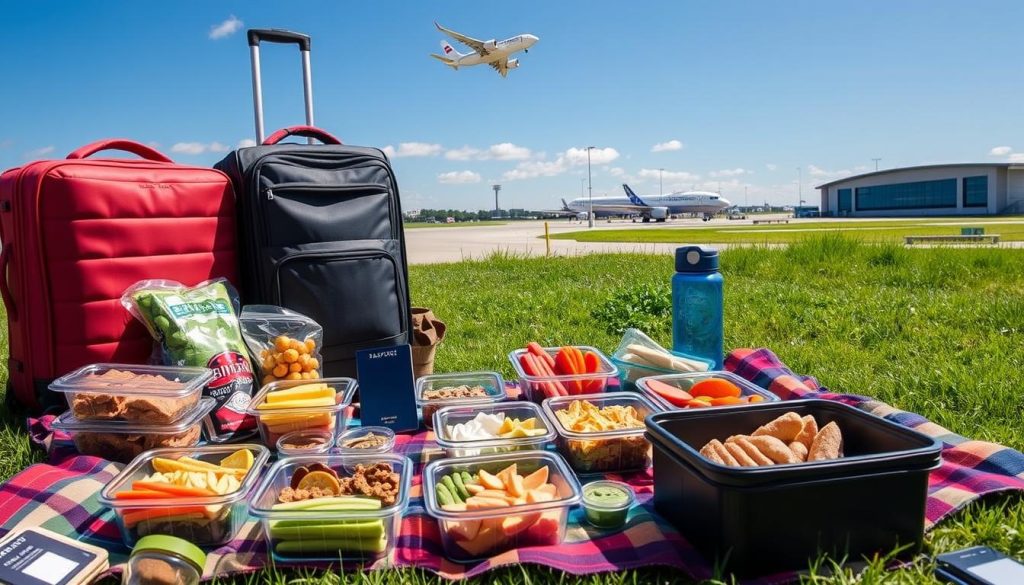
Healthy and Budget-Friendly Snack Options
Airport snacks cost a lot. A Frappuccino that’s $3.69 at the store can hit $6.75 at the airport, which is about 83 percent more. And a $5 bag of pistachios might cost you $20 there, marking it up 300 percent!
Choosing healthy, budget-friendly snacks can save you lots of money and boost your health. Here are some good snack ideas:
- Fresh fruit and vegetables: Like carrot sticks, apple slices, and grapes.
- Nuts and seeds: Such as almonds, walnuts, and sunflower seeds.
- Whole grain snacks: Granola bars and crackers are good choices.
- Dried fruits: Raisins, apricots, and dates are tasty and healthy.
- Homemade snacks: Make your own trail mix, fruit leather, or popcorn.
Bringing your snacks helps avoid overpriced water and sandwiches at the airport. It also means you eat healthier. Most airport snacks have too much sugar and bad fats, which are not good for you, especially when traveling.
Food Restrictions and Regulations
Remember the TSA rules if you bring your own snacks. Most of the snacks mentioned are okay to go through security. But there are some things you can’t take:
- You can’t bring liquids or gels over 3.4 ounces. This means yogurt, pudding, and hummus should be in your checked bag or small travel-sized containers.
- While you can usually take fresh fruits and veg on domestic flights, international rules might not allow them. It’s best to eat these before you get to your destination.
- Be careful with perishable items like meat or dairy. Make sure they’re well insulated if they’re coming with you on the plane.
Knowing these tips will help you get through security smoothly and stick to your budget while traveling. Packing your own snacks means you can dodge airport price hikes and enjoy healthier food on your trip.
The Benefits of TSA PreCheck®
TSA PreCheck® makes travel easier, especially for those watching their budget and time. It lets you save both, making every trip smoother and quicker.
How to Register for TSA PreCheck®
It’s easy to sign up for TSA PreCheck®. Just follow these steps:
- Fill out an online form on the TSA’s official site.
- Pick a time to visit one of the 380+ enrollment centers in the U.S.
- Show up for your appointment with your ID and fingerprints.
- Wait a few weeks, then get a Known Traveler Number (KTN). This number gets you into the fast TSA PreCheck® lanes at airports.
By registering, you get faster screening at airports. It’s a smart travel tip for those wanting to move quickly.
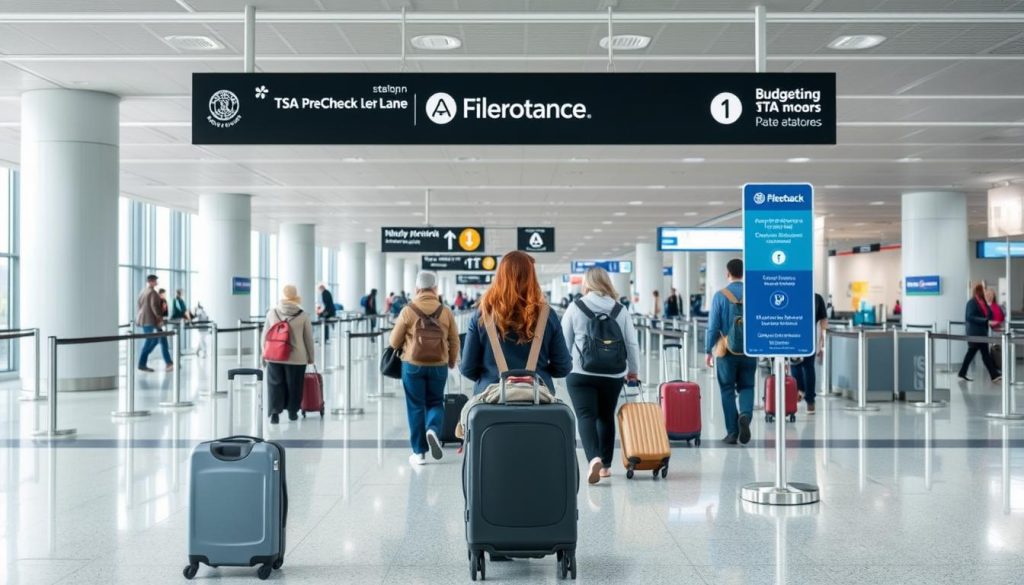
Saving Time and Money with TSA PreCheck®
TSA PreCheck® is great for saving time and money on trips. Here’s what you get:
- Quick Screening: Use special lanes for a faster security check.
- Keep your shoes, belts, and jackets on. You won’t need to take out liquids or laptops either.
- Enjoy special rewards and credit card benefits that cover your sign-up cost.
The American Express Platinum Card gives you an $85 credit for the TSA PreCheck® fee every 4.5 years. This helps lower your costs. The Chase Sapphire Reserve card also adds luxury with a Priority PassTM Select membership. This gives you entry to 1,300+ VIP lounges worldwide.
Many travel cards offer benefits that are perfect for budget travelers. For example, the Chase Sapphire Preferred card gives you 60,000 bonus points if you spend $4,000 in the first three months. This can help you save a lot on travel. The Capital One Venture X Rewards card lets you earn 10X miles on hotels and car rentals booked through Capital One Travel.
Here’s a table showing some travel cards and their TSA PreCheck® perks:
| Credit Card | Annual Fee | Benefits |
|---|---|---|
| Chase Sapphire Reserve | $550 | Priority PassTM Select membership, 60,000 bonus points |
| American Express Platinum | $695 | $85 TSA PreCheck® application fee credit, 5X points on flights |
| Capital One Venture X Rewards | $395 | 10X miles on hotels & rental cars, 5X miles on flights |
TSA PreCheck® does more than just save you money. It gives you peace of mind by making travel hassle-free. For those wanting to travel smartly, it’s a must-have.
Ship Luggage Ahead
Shipping your luggage ahead is a smart way to dodge airport price markups. It saves you money and cuts down on stress and hassle. You won’t have to deal with airport luggage fees or the long check-in lines.
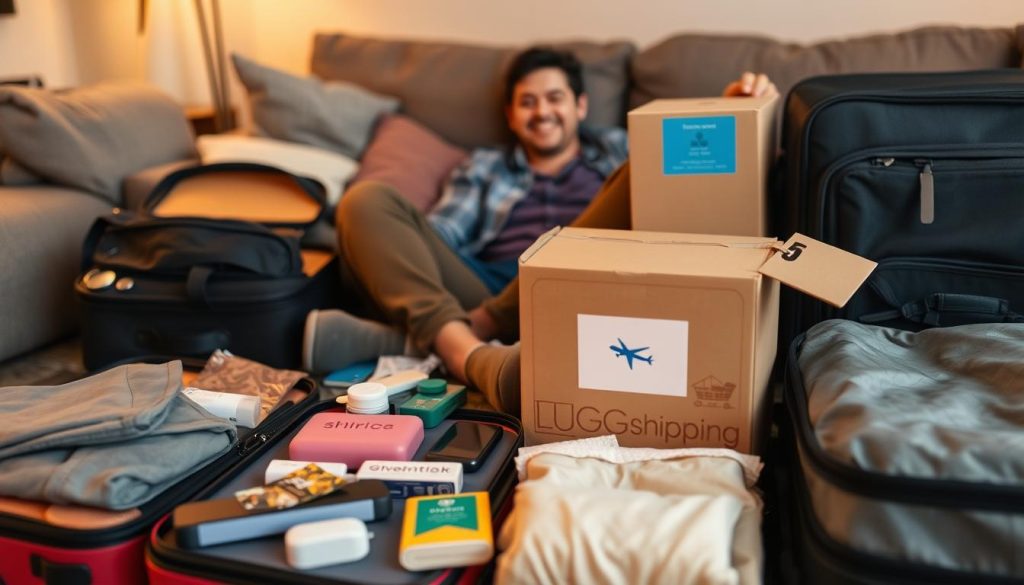
By sending your bags early, you avoid extra costs that catch many travelers off guard. Baggage fees, often excluded from your ticket price, can make travel more expensive.
Overweight bags can also add unexpected fees. Each airline’s policies and charges for extra weight differ. Shipping your luggage ensures it fits the airline’s weight limits and avoids last-minute worries about overweight fees.
Sending bags ahead lets you pack without rushing. It also avoids the need to buy expensive travel items at the airport. For example, travel-sized items are up to 50% more at airports than at drugstores or online.
Research shows booking early brings big savings on both flights and hotels. By shipping your bags early, you dodge high airport prices.
Let’s look at how shipping your bags can save you money:
| Expense | At the Airport | By Shipping |
|---|---|---|
| Baggage Fee (per bag) | $25 – $200 | $20 – $50 |
| Overweight Luggage (50+ lbs) | $50 – $200 | $0 – $50 (if managed well) |
| Travel-sized Toiletries | Up to $50+ | 10% – 50% Less |
Families can especially benefit from shipping luggage ahead. Dealing with many bags can make travel pricey. Planning and shipping ahead helps keep costs down.
Shipping your luggage is clever for avoiding airport markups. It helps your budget and makes travel smoother. Getting ready early and checking shipping options can significantly help your travel costs.
Apps and Tools for Budget Travel
Using tech can make your travel cheaper and better. Here are tips and hacks for a budget-friendly trip using popular apps and tools.
Top Travel Apps to Save Money
Many apps help you find great deals on flights and hotels, saving you money. These tools can lower your travel costs:
- Hopper: It tracks flight prices and notifies you of decreases. It can save you a lot on flights.
- Skyscanner: This app compares prices across different airlines and sites.
- Expedia: Not just for flights, Expedia also has deals for hotels and rentals, saving more.
- HotelTonight: Great for last-minute hotel deals, offering big discounts.
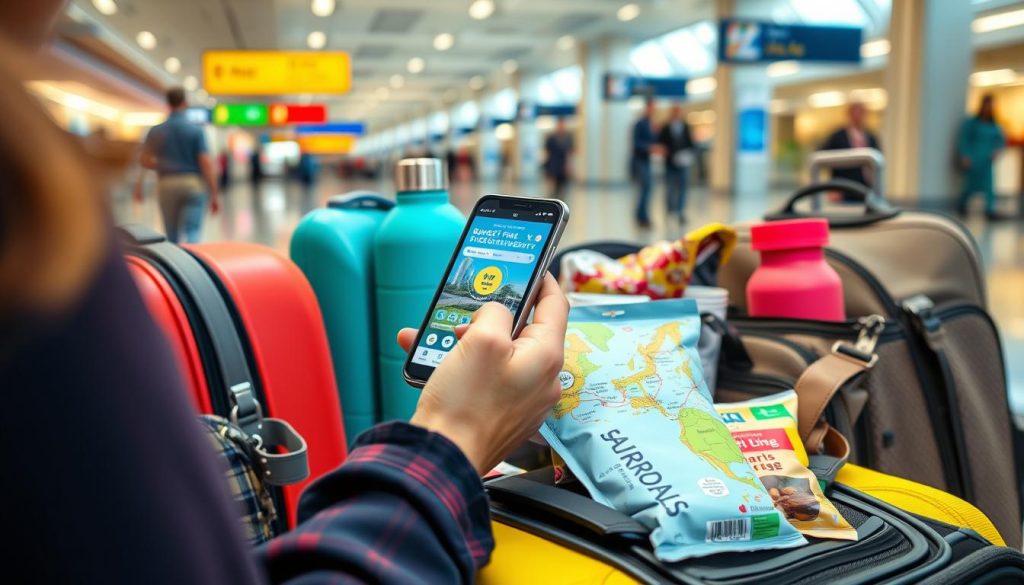
How Technology Can Help You Avoid Extra Costs
Tech isn’t just about finding the best prices. It also helps manage money and avoid hidden costs:
- Mobile Banking: Bank apps let you watch your spending and keep you within budget.
- Fare Alerts: With Google Flights alerts, you can book flights when they’re cheapest.
- Real-Time Currency Exchange: Apps like XE Currency get you the best currency rates while traveling.
- Public Transport Apps: Citymapper shows you how to save by using public transport over taxis.
Money-Saving Hacks: Using apps and tech helps you spend wisely. For example, booking flights early, especially 2-3 months before, usually costs less. This is especially true for domestic trips around holidays. Choosing to fly on less busy days, like Tuesday or Wednesday, saves money compared to weekend trips. Apps like Hopper simplify finding the best time to book.
Using mobile payment apps and notifying your bank can prevent fraud charges. This makes your trip smoother by avoiding unwanted surprises and costs.
| App | Feature | Potential Savings |
|---|---|---|
| Hopper | Flight price tracking and alerts | Saves on average 10-15% per flight |
| Skyscanner | Comprehensive price comparison across airlines | Finds the lowest available fares |
| HotelTonight | Last-minute hotel booking discounts | Up to 50% off same-day bookings |
| Expedia | Package deals on flights, hotels, and rentals | Average savings of 20% when bundled |
Price Comparing: Duty-Free vs. Regular Stores
When you shop at the airport, it’s smart to check if duty-free is cheaper than regular stores. Duty-free shops let you buy without paying some local taxes. This can make things like alcohol and tobacco cheaper.
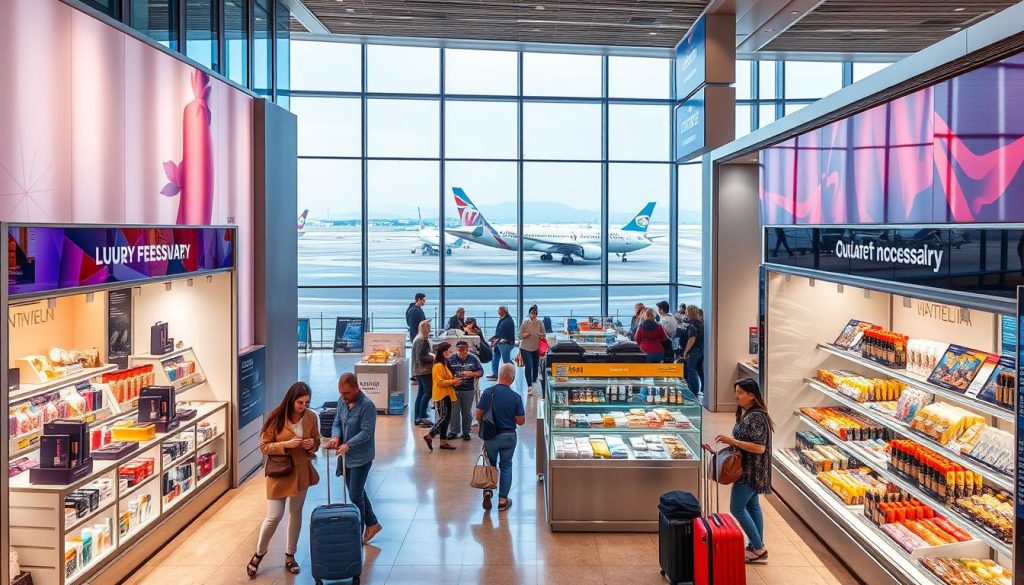
Knowing how much you can save is key to smart shopping. Let’s compare duty-free and regular store prices for different items:
| Product Category | Duty-Free Prices | Regular Store Prices |
|---|---|---|
| Liquor | 20-30% lower | Subject to local taxes |
| Tobacco (200 cigarettes or 100 cigars) | Significant savings | High local taxes |
| Cosmetics and Fragrances | Mixed savings | Varies, often competitive |
| Electronics | Minimal differences | Comparable prices |
| Clothing | Moderate savings | Seasonal discounts available |
| Souvenirs | Varied prices | Local availability impacts cost |
Even without taxes, duty-free might not always be cheaper. They pay a lot for airport space. And their return policies can be strict. Remember to keep your receipts for returns or customs checks. Pay attention to how much you can bring back to the U.S. without paying extra.
To really save money, look for big price differences, like with liquor and tobacco. Things like cosmetics and electronics might not be cheaper, so regular stores could be better for these.
Conclusion
We looked at how to manage the high costs of air travel in this article. We talked about avoiding big airport markups and making a smart packing list. These strategies can help save a lot of money. It’s also good to buy travel things early and use small containers to cut costs.
Bringing snacks and joining TSA PreCheck® are great too. They make traveling easier and cheaper by skipping expensive airport food and long lines. It’s vital to plan ahead and use tools and apps that help control travel cost.
In short, preparing and learning about these money-saving tips can make your trip better and cheaper. Being smart about what you need for your trip and finding ways to avoid high costs is key. The work you put into planning and packing can greatly reduce your travel expenses. This means every trip can be fun and easy on your wallet.