Explore Austrian History and Culture for Beginners
Are you curious about Austrian history and culture but don’t know where to start? Look no further – this beginner’s guide will provide you with an overview of Austrian history and culture, perfect for those who are new to this fascinating subject.
Austria is a country with a rich and diverse cultural heritage that spans over centuries. From its majestic architecture to its celebrated composers, Austria is a country that has so much to offer. In this article, we will take you on a journey through Austrian history and culture, exploring its early beginnings, its imperial past, and its present-day landscape.
Whether you’re planning a trip to Austria or simply interested in learning more about this beautiful country, this guide will give you the basics of Austrian history and culture for beginners. So, get ready to discover the vibrant traditions and rich cultural heritage that make Austria such a unique and fascinating place.
A Brief Introduction to Austria
Welcome to Austria, a country nestled in the heart of Europe, known for its stunning alpine landscapes, rich cultural heritage, and historic landmarks. Located in central Europe, Austria shares borders with Germany, Czech Republic, Slovakia, Hungary, Slovenia, Italy, Switzerland, and Liechtenstein, making it a hub for international trade and travel. Its unique geographic location has played a significant role in shaping its history and culture, influencing everything from cuisine to art.
The roots of Austrian culture can be traced back to the Celts and the Romans, who inhabited the region in ancient times. Throughout the medieval period, Austria was ruled by various kingdoms, including the Babenbergs and the Habsburgs. The latter established a long-lasting dynasty that influenced the country’s development for centuries to come.
Did you know? The Habsburgs ruled over Austria for over 600 years, from the late 13th century until the end of World War I. Their reign saw great expansion and modernization, as well as the introduction of numerous cultural and artistic advancements.
Austria was also a prominent player in European politics, particularly during the early modern period, when it was one of the leading powers of the Holy Roman Empire. It was during this time that Vienna became an important city, attracting artists, scholars, and nobles from all over Europe.

Today, Austria is a modern country with a thriving economy and a rich cultural landscape. Its architecture and art are world-renowned, from the stunning Baroque palaces of Vienna to the innovative works of contemporary artists. Its cuisine is equally impressive, with specialties like Wiener Schnitzel and Sachertorte drawing foodies from all over the world. And throughout the year, Austria hosts a range of festivals, from the famous Vienna Opera Ball to the colorful Viennese Christmas markets.
Tip: If you’re new to Austrian history and culture, it’s worth taking some time to explore the country’s many museums and galleries. The Kunsthistorisches Museum in Vienna is a great place to start, with collections spanning from ancient Egyptian art to priceless European paintings.
The Early History of Austria
To understand the modern history and culture of Austria, it is important to look back at its beginnings. Austria has a rich and diverse history, dating back to the Roman and Celtic periods.
During the Celtic period, Austria was divided into two regions, Noricum and Pannonia. These regions were inhabited by Celtic tribes, who were known for their vast knowledge of metallurgy and weapon-making. The Romans gradually conquered these regions during their expansion, incorporating them into their empire.
The Roman Era was a defining period in Austria’s history, leaving a lasting impact on the country’s culture and traditions. The Romans built cities, roads, and military fortifications, many of which can still be seen today.

After the fall of the Roman Empire, Austria was invaded by a variety of different tribes, including the Goths, Huns, and Bavarians. This volatile period was followed by the rise of the powerful Babenberg family, who ruled over Austria until the early 13th century.
| Key Points: |
|---|
| • The Celtic and Roman periods are some of the earliest eras of Austria’s history. |
| • The Romans conquered and incorporated Austria into their empire. |
| • The Roman Era had a lasting impact on Austria’s culture and traditions. |
| • After the fall of the Roman Empire, Austria was invaded by a variety of tribes. |
| • The Babenberg family ruled Austria until the early 13th century. |
The early history of Austria is a fascinating glimpse into the country’s rich heritage. The foundations of the nation were laid during this time, shaping its culture, traditions, and even its political identity. Understanding this period will help you appreciate the modern era of Austria even more.
The Habsburg Dynasty
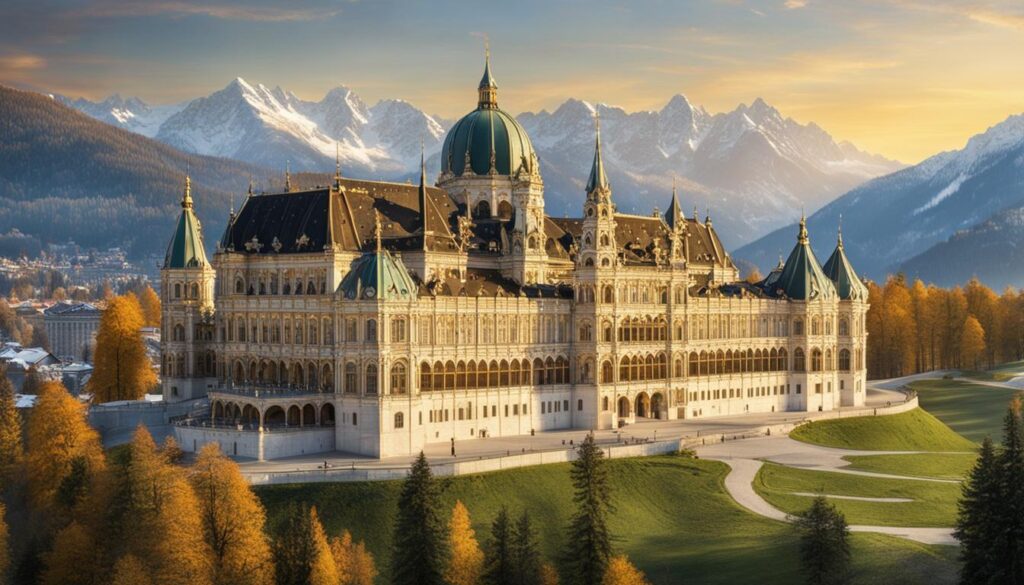
During the Middle Ages, the rise of the Habsburg family marked the beginning of their long-lasting rule over Austria. The dynasty played a significant role in shaping not only the country’s history and politics but also its culture, resulting in the establishment of Vienna as a center for art and education.
The most memorable Habsburg ruler was Maria Theresa, who reigned for over 40 years, became the Empress of Austria, and initiated significant governmental and educational reforms. Under her rule, Vienna’s Baroque architecture flourished, and the city became a cultural hub, attracting renowned artists such as Mozart and Beethoven.
The Habsburg dynasty’s rule came to an end after World War I when they no longer held power in Austria. However, their legacy continues to impact Austrian culture and society today, particularly in Vienna, where the famous Schönbrunn Palace, their former residence, is considered a significant tourist attraction.
The Austrian Empire
The Austrian Empire, officially known as the Austro-Hungarian Empire, was a major power in Europe from 1867 to 1918. At its height, it spanned over 680,000 square kilometers and included territories in present-day Austria, Hungary, Czech Republic, Slovakia, Slovenia, Croatia, Bosnia and Herzegovina, and parts of Italy, Poland, Romania, and Ukraine.
The Empire was formed after the Austro-Hungarian Compromise of 1867, which created a dual monarchy, allowing Austria and Hungary to have separate governments, but still under a single ruler, Emperor Franz Joseph I. The Empire was a melting pot of different cultures and languages, with German, Hungarian, and Czech being the most widely spoken.
The Austrian Empire played a significant role in European history, particularly during the Napoleonic Wars. It was one of the main opponents of Napoleon and helped to defeat him at the Battle of Leipzig in 1813.
One of the Empire’s most significant political events was the Congress of Vienna in 1815. This meeting of European powers aimed to re-establish the balance of power on the continent after the chaos of the Napoleonic Wars. Austrian statesman, Klemens von Metternich, played a leading role in the Congress, which helped to establish a new European order that lasted for decades.
Notable figures from the Austrian Empire include composer Johann Strauss II, psychoanalyst Sigmund Freud, and the Empress Elisabeth, also known as “Sisi”.
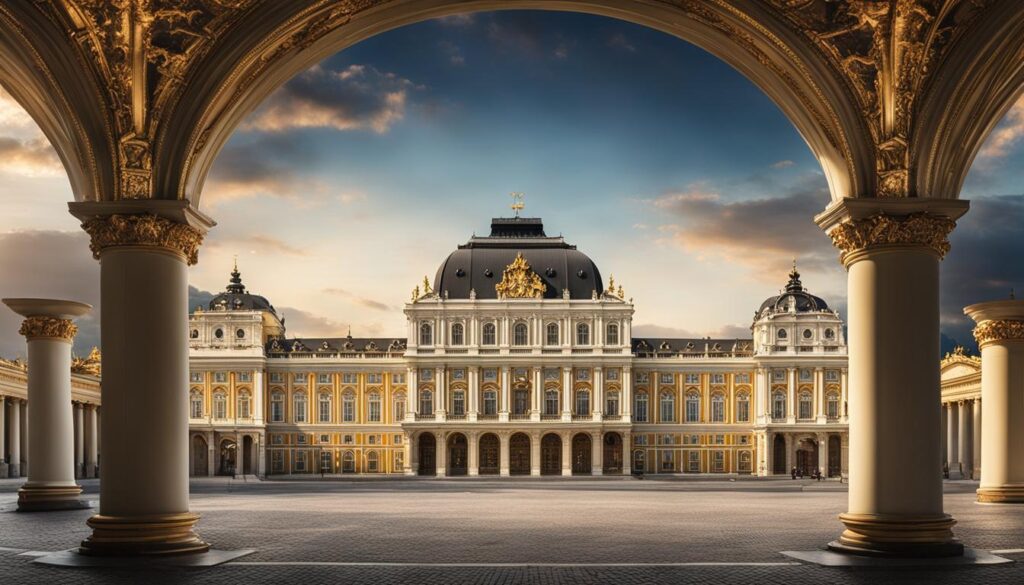
The impact of the Austrian Empire can still be felt throughout modern-day Austria and Europe. Its legacy can be seen in the grand palaces, churches, and museums that dot the landscape, as well as the diverse cultures and languages that continue to thrive.
The Birth of Modern Austria
After the end of World War I, Austria lost its empire and became a republic. The country faced various challenges during the 20th century, including economic depression, political instability, and territorial disputes.
During the 1930s, Austria was annexed by Nazi Germany under Adolf Hitler, leading to World War II and immense devastation to the country. In 1945, Austria was occupied by the Allied Powers and emerged as an independent country once again. The nation began reconstruction efforts and established a new political system that has endured to this day.
The reconstruction of Austria’s infrastructure and economy after the war was an immense task. The country received assistance from the Marshall Plan and implemented various social democratic policies that aimed to improve the living standards of Austrians. The most successful of these was the construction of social housing, which has helped reduce poverty and improve living conditions for thousands of people.
Did you know? The famous movie The Sound of Music is based on the true story of Maria von Trapp, an Austrian woman who fled the country with her family during World War II.
Today, Austria is a prosperous country with a high standard of living and a diverse economy. The country is known for its stunning vistas, rich cultural heritage, and excellent quality of life.
Austrian Culture and Traditions
When it comes to cultural heritage, Austria has a rich tapestry of music, art, cuisine, and festivals that have captured the world’s attention. Austrian culture is a fusion of different cultures, such as Slavic, Germanic, and Hungarian, which makes it unique and vibrant.
Austrian classical music has long been regarded as some of the finest in the world, with gifted composers such as Mozart, Beethoven, and Haydn taking center stage. Their works continue to be acclaimed and studied all over the US and the world, making a significant contribution to the world of classical music.
One of the most famous cultural experiences in Austria is the Viennese coffeehouse culture. These elegant and charming spaces offer a relaxing ambiance for locals and tourists, where they indulge in Austrian specialties, including apple strudel, Sacher Torte, and of course, coffee. These places are social hubs where people gather to enjoy a cup of coffee, read the newspapers or engage in lively conversations with friends and family.
“Viennese coffeehouse culture is not just about coffee; it’s a way of life – unhurried, relaxed, and full of history.” – anonymous
One thing that fascinates visitors to Austria is the diversity of festivals that are on offer throughout the year. From the Vienna Opera Ball, which is held annually in Vienna’s State Opera House, to the Salzburg Music Festival, which attracts music enthusiasts from around the world.
| Festival | Location | Date |
|---|---|---|
| Vienna Mozart Week | Vienna | End of January |
| Vienna Opera Ball | Vienna State Opera House | February |
| Salzburg Music Festival | Salzburg | July – August |
| Tyrolean Festival Erl | Erl, Tyrol | July – August |
Austrian culture is not just limited to music and festivals. The country is also known for some of its mouth-watering cuisines, including the famous Wiener Schnitzel, Apfelstrudel, and Sachertorte, to name a few.
The blend of history, culture, and gastronomy makes Austria a precious gem to explore. Get lost in the streets of Vienna or Salzburg, stop by a Viennese coffeehouse, immerse yourself in the world of classical music, or try savoring some of its delicious cuisines. There is something for everyone in this beautiful country.
Austrian Cuisine and Festivals
When it comes to Austrian culture, food is a significant part of it. Austrian cuisine is famous for its hearty and savory dishes that combine influences from its neighboring countries, including Hungary, Italy, and the Czech Republic.
The most famous Austrian dish is undoubtedly Wiener Schnitzel, which is a breaded and fried veal cutlet. Another must-try dish is Tafelspitz, which is boiled beef with root vegetables and horseradish cream sauce. But the true star of Austrian desserts is the Sachertorte, a chocolate cake with apricot jam.
Throughout the year, Austria hosts a variety of festivals that showcase its culture, traditions, and cuisine. One of the most famous is the Salzburg Festival, which celebrates classical music and opera performances in the birthplace of Mozart. Another is the Wiener Wiesn Festival, which celebrates Austrian beer, music, and cuisine.
During the Christmas season, Austria transforms into a winter wonderland, with festive markets in every city that offer traditional holiday treats such as Lebkuchen (gingerbread) and Glühwein (mulled wine). One of the most famous markets is the Christkindlmarkt in Vienna, where visitors can also enjoy ice skating and Christmas concerts.
“Austrian cuisine is famous for its hearty and savory dishes that combine influences from its neighboring countries, including Hungary, Italy, and the Czech Republic.”
Top Austrian Culinary Festivals
| Festival Name | Date | Description |
|---|---|---|
| Salzburger Festspiele | July-August | World-renowned music and opera festival held in Salzburg. |
| Berliner Philharmoniker | September-October | Annual classical music festival held in Berlin, featuring world-famous orchestras and conductors such as Sir Simon Rattle and Daniel Barenboim. |
| Wiener Wiesn-Fest | September-October | Austrian beer festival, with traditional live music and cuisine. |
| Vienna Coffee Festival | January | Celebration of Viennese coffeehouse culture with tastings and demonstrations. |
Join the festivities on your trip to Austria and experience the flavors of this fantastic country.
Austrian Art and Architecture
When it comes to art and architecture, Austria boasts a rich heritage that is steeped in tradition and innovation. Vienna, the nation’s capital, is renowned for its ornate Baroque buildings, including the famous Schönbrunn Palace, which was once the summer residence of Austria’s rulers. The palace also features stunning gardens that are perfect for a leisurely stroll on a sunny day.
However, the country’s artistic legacy includes more than just Baroque architecture. Austria was also home to some of the most innovative artists of the early 20th century, such as Gustav Klimt and Egon Schiele, whose works are celebrated around the world. Take a trip to the Leopold Museum in Vienna, which showcases the works of these and other Austrian artists.
In addition, Austria’s contemporary art scene is thriving, with exhibitions held throughout the year in major cities such as Vienna, Salzburg, and Innsbruck. The MuseumsQuartier in Vienna is an excellent starting point for art lovers, hosting a range of events and exhibits throughout the year.
“The art and architecture of Austria offer a unique glimpse into the country’s history and culture, showcasing both the traditional and the innovative elements that make it such a special place.”
Exploring Austria Today
As a newbie to Austrian history and culture, it’s important to understand the country’s current political and economic landscape. Austria is a federal parliamentary republic with a president as the head of state. The country has nine provinces, each with its own unique history, culture, and traditions.
When it comes to the Austrian economy, the country has a highly developed social market economy with a strong focus on exports. Austria is known for its high standard of living and is consistently ranked as one of the wealthiest countries in the world.
But perhaps what Austria is best known for, is its rich cultural heritage. Today, Austria is a cultural hub in Europe and boasts some of the world’s most famous cultural attractions such as Salzburg’s music festival and Vienna’s opera houses. The country is also home to many museums and galleries showcasing everything from modern art to ancient artifacts.
Visitors will also have the opportunity to experience traditional Austrian culture firsthand, such as the beloved ball season where attendees dress in elegant attire and dance to classical music. And for those looking for a taste of authentic Austrian cuisine, be sure to try some of the country’s staples such as Schnitzel, Apfelstrudel, and Kaiserschmarrn.
“Austria is more than a country; it’s a mentality.”
Austria’s Role in the European Union
One of the most significant aspects of Austria’s current political landscape is its role in the European Union (EU). Austria joined the EU in 1995 and has been a member of the Schengen Area since 1997, allowing for border-free movement within the EU. Austria has also been a member of the Eurozone since 1999, adopting the Euro currency in 2002.
While Austria is a small country in size, its contributions to the EU cannot be understated. The country is a significant exporter of goods and services and is involved in many EU initiatives focused on sustainability and innovation.
Quick Facts About Austria Today
| Capital | Vienna |
|---|---|
| Population | 8.9 million |
| Official Language | German |
| Currency | Euro (EUR) |
| Current President | Alexander Van der Bellen |
| Membership | European Union, United Nations, Council of Europe |
Now that you have a basic understanding of Austria today, it’s time to explore the country for yourself! Whether you’re interested in history, culture, or natural beauty, Austria has something to offer everyone.
Must-Visit Sites in Austria
As you explore Austrian culture and history, make sure to visit these top attractions:
| Name of Attraction | Description |
|---|---|
| Salzburg | Known as the birthplace of Mozart and the setting for “The Sound of Music,” this ancient city boasts stunning Baroque architecture and historic sites, such as Hohensalzburg Fortress and Salzburg Cathedral. |
| Alpine Landscapes | Explore the breathtaking natural beauty of Austria’s stunning Alpine mountains, which offer abundant opportunities for skiing, hiking, and other outdoor activities. |
| Graz | This charming medieval city is a UNESCO World Heritage Site and home to numerous historic landmarks, including the Schloss Eggenberg palace and the Graz Clock Tower. |
| Schönbrunn Palace | A masterpiece of Baroque architecture, this magnificent palace was the former summer residence of the Habsburgs and features sprawling gardens, fountains, and a world-renowned zoo. |
These attractions offer a glimpse into the rich history and culture of Austria, guaranteeing an unforgettable experience for anyone exploring this fascinating country.
Conclusion
Congratulations on completing this beginner’s guide to Austrian history and culture! You now have a basic understanding of Austria’s geographical location, early history, the Habsburg dynasty, the Austrian Empire, and its transition to a modern republic. You also learned about the rich cultural heritage of Austria, including its classical music, cuisine, art, and architecture.
As you continue your journey of discovery, be sure to explore contemporary Austria and its position as a cultural hub in Europe. Don’t forget to visit the must-see sites such as the stunning Alpine landscapes, historic cities like Salzburg and Graz, and the iconic Schönbrunn Palace.
By expanding your knowledge of Austrian history and culture basics, you’ll gain a deeper appreciation for this fascinating country and its impact on Europe and the world.