Elevate Your Training: Iten High-Altitude Secrets
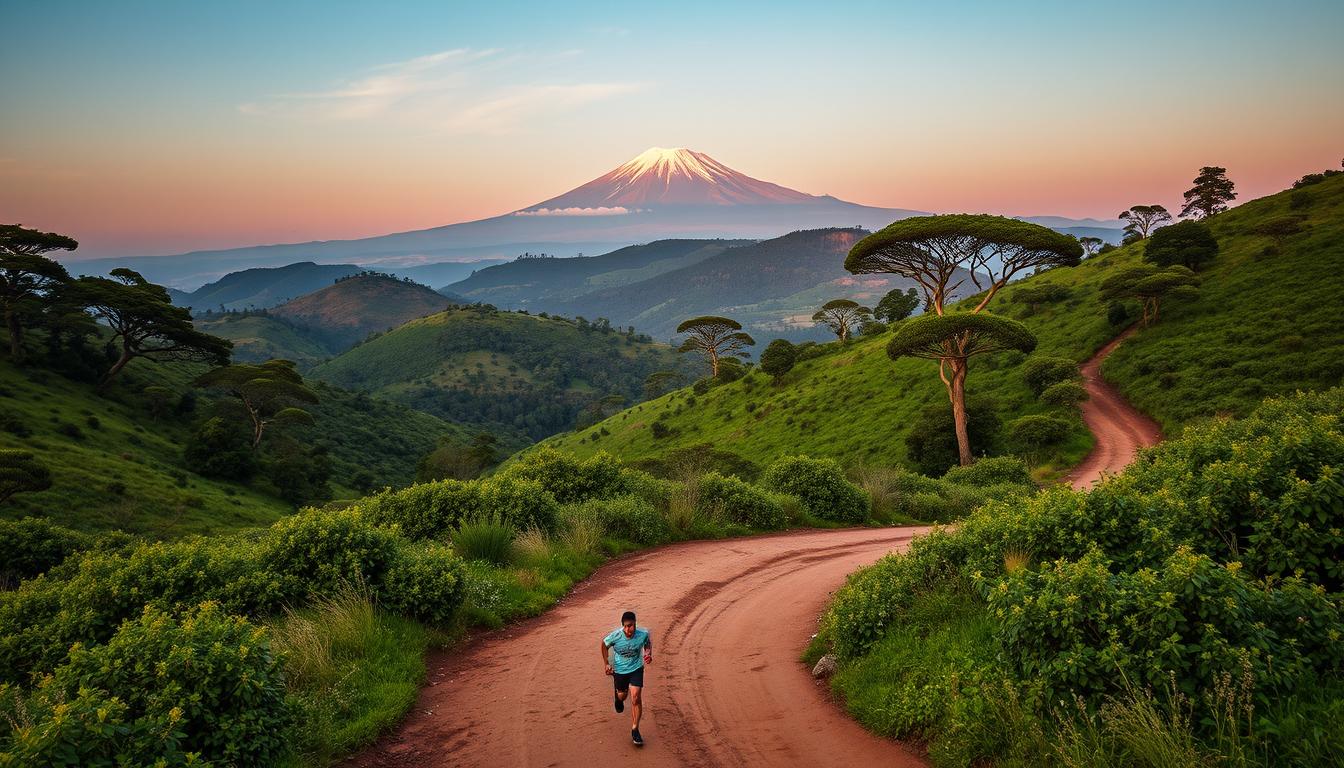
Are you looking to boost your athletic performance? High-altitude training is a secret to success for many top athletes. But what makes Iten a top spot for athletes wanting to improve their training?
Iten’s unique location and climate are perfect for athletes to get used to high-altitude conditions. This helps them improve their endurance and overall performance. Training in Iten can lead to better aerobic capacity, more red blood cells, and mental toughness.
This introduction prepares you to learn about Iten’s success in altitude training. You’ll get tips to enhance your own training.
The Rise of Iten: Kenya’s Running Capital
Iten in Kenya is known for its top-notch distance running. It draws athletes from all over the world. Located at 7,875 feet on the Great Rift Valley’s western escarpment, Iten is perfect for high-altitude training.
Geographic and Demographic Profile of Iten
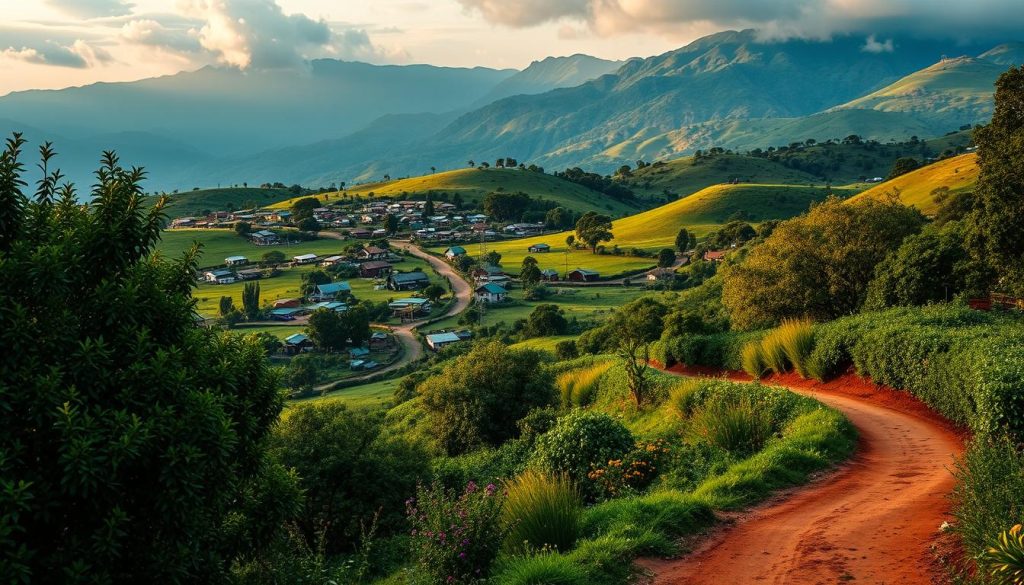
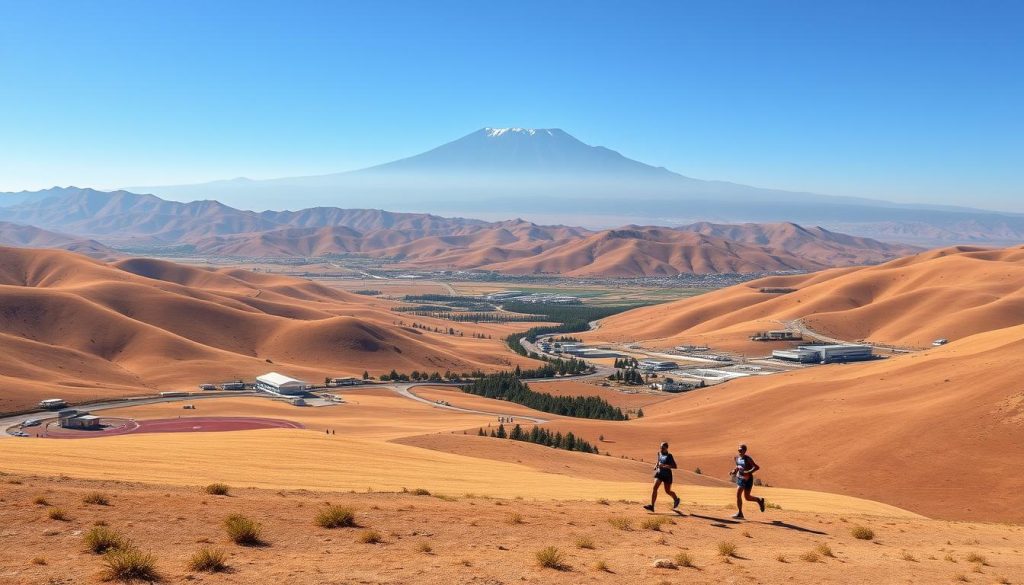
Iten’s location is key to its fame. It sits in a valley, surrounded by hills and mountains. This natural setting makes it a tough but beautiful place to train.
The town has a population of locals and athletes. It mixes traditional Kenyan culture with modern sports facilities.
Historical Development as a Training Hub
Iten’s journey to becoming a running hotspot started decades ago. Its stunning beauty and tough terrain first drew local runners. As Kenyan athletes won international races, Iten’s fame grew.
“Iten is a place where champions are made,” many say.
Why Elite Athletes Flock to Iten
Elite athletes come to Iten for its high-altitude training. This boosts their endurance and performance. The town offers great facilities, coaches, and a supportive community.
- High-altitude training
- Experienced coaches
- Supportive community
So, Iten remains a top choice for athletes wanting to improve and succeed in distance running.
The Science Behind Iten High-Altitude Training
High-altitude training in Iten is key for athletes wanting to get better. At high altitudes, the body changes in ways that help it carry more oxygen. This makes athletes stronger and more enduring.
Understanding Altitude Physiology
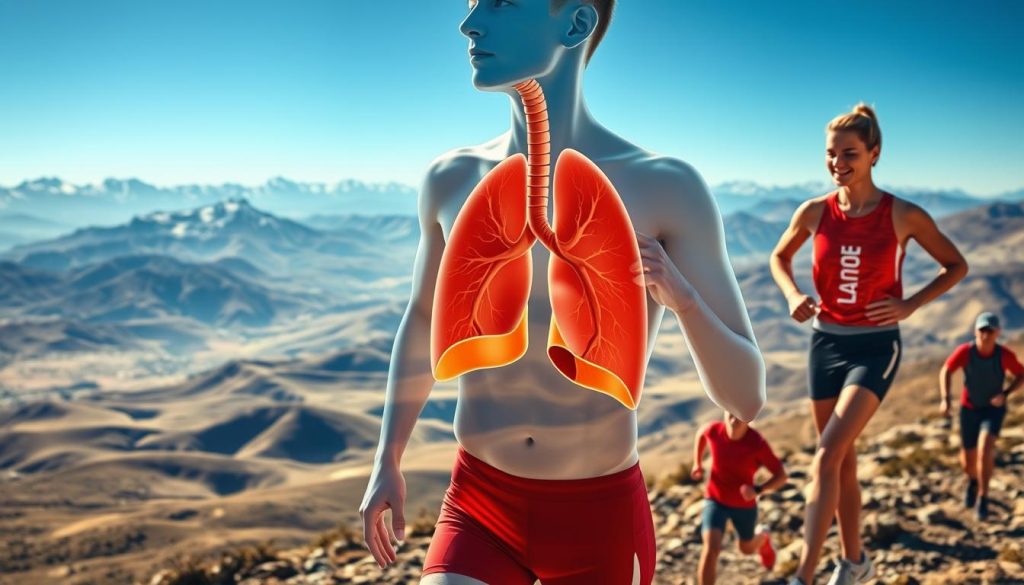
Training at high altitudes makes your body adapt to less oxygen. It starts making more red blood cells. This helps your muscles get the oxygen they need.
Key physiological changes include:
- Increased red blood cell production
- Enhanced oxygen delivery to muscles
- Improved mitochondrial density and function
Oxygen Availability and Hemoglobin Production
At high altitudes, the air has less oxygen. Your body works harder to get oxygen to your muscles. It makes more hemoglobin to carry oxygen, helping your muscles perform better.
“The increase in hemoglobin is a critical adaptation that allows athletes to perform at higher intensities even when they return to lower altitudes.” – Dr. John Smith, Sports Physiologist
Adaptations at Cellular and Systemic Levels
High-altitude training also changes your body at a cellular and systemic level. Your body gets better at using oxygen, and your muscles last longer. These changes help even after you return to sea level.
The combination of these adaptations makes high-altitude training an effective strategy for athletes looking to improve their performance.
Measurable Benefits of Training at Altitude
Training at altitude offers many benefits. These include better endurance, improved oxygen transport, and increased mental toughness. Your body adapts in many ways to perform better at high altitudes.
Improved Oxygen Transport Capacity
One key benefit is better oxygen transport. At high altitudes, there’s less oxygen in the air. Your body makes more hemoglobin to carry oxygen to your muscles.
This helps your body use oxygen more efficiently, even at lower altitudes.
- Increased red blood cell count
- Enhanced oxygen delivery to muscles
- Improved aerobic capacity
Enhanced Endurance Performance
Altitude training boosts endurance. Your body gets better at using oxygen at high altitudes. This means you can work harder for longer when you’re back at sea level.
Key benefits include:
- Improved cardiovascular efficiency
- Increased lactate threshold
- Enhanced overall endurance
Mental Toughness Development
Training at altitude also builds mental toughness. The tough conditions at high altitudes teach athletes to push through challenges. This mental strength is crucial in competitions.
Adding altitude training to your routine helps you become mentally and physically tough. This is key for success in your sport.
A Day in the Life of Iten Athletes
In Iten, Kenya, elite athletes follow strict routines. This makes the town a key spot for high-altitude training camps. Their daily lives show their hard work and structured approach.
Training Schedules and Routines
Athletes in Iten start their day early. They mix endurance runs and strength training. For example, a day might begin with a 6-mile run at elevation of 7,800 feet. Then, they do hill sprints or weight training.
- Morning runs: 6-10 miles at moderate intensity
- Afternoon sessions: Strength training or interval workouts
- Evening routines: Active recovery or light stretching
Nutrition and Recovery Practices
Nutrition is key for athletes in Iten. They eat a diet full of complex carbohydrates, lean proteins, and healthy fats. They also focus on hydration, rest, and physical therapy for recovery.
“Nutrition is key to performance. We emphasize whole foods and balanced meals to fuel our athletes for optimal performance,” says a coach at a local training camp.
Community and Support Systems
The community in Iten is crucial for athletes. They support each other through training and share knowledge. This bond is built through group training sessions and social events.
Iten’s Unique Training Environment
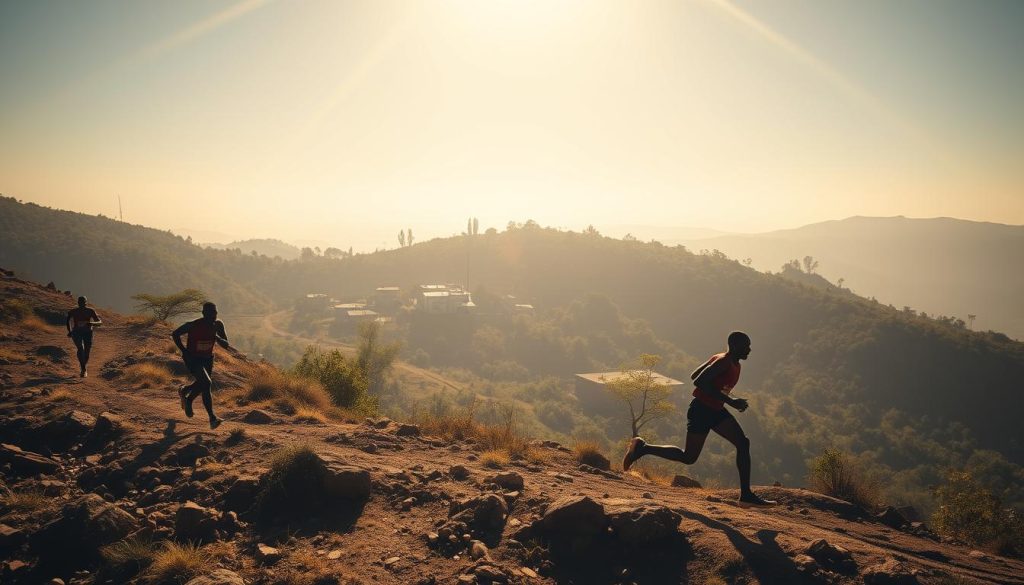
The town of Iten is perfect for high-altitude training. It sits at about 8,000 feet above sea level. This elevation helps athletes adapt to the high altitude.
Optimal Elevation Profile
Iten’s elevation is optimal for high-altitude training. Athletes can improve their oxygen transport and endurance here. At 8,000 feet, they get better at handling high altitudes.
Climate and Weather Patterns
Iten’s climate is mild and has moderate humidity. This makes it great for training. The weather is mostly stable, with little extreme weather. This lets athletes train consistently.
Training Facilities and Resources
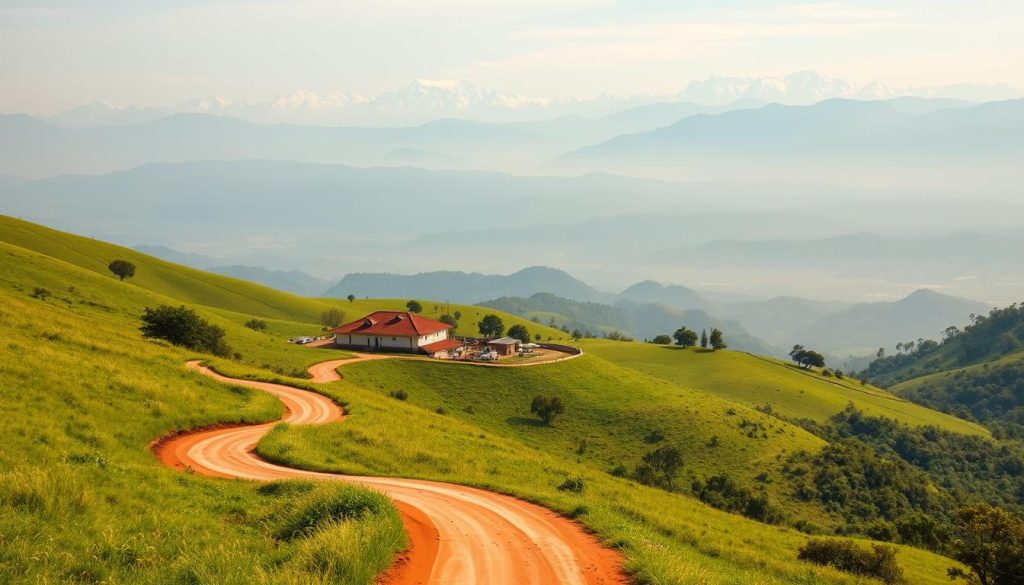
Iten has many training facilities and resources. It has natural routes and specialized centers. Athletes have everything they need to improve their training.
Natural Training Routes and Terrain
Iten’s terrain is varied, with hills and mountain trails. Athletes can pick routes that fit their training needs. This makes their training both effective and fun.
How Elite Champions Utilize Iten’s Advantages
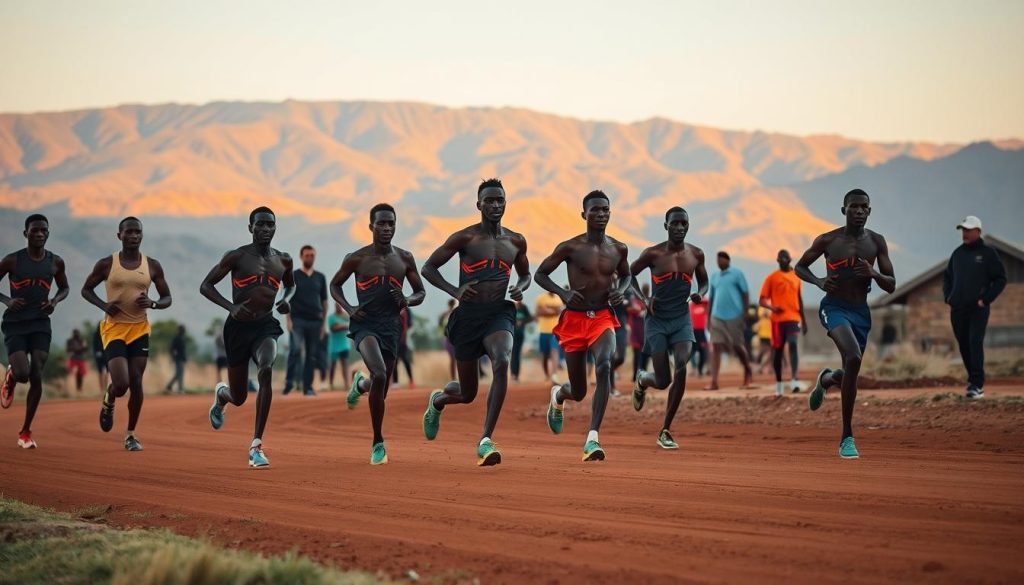
Top athletes are using Iten’s high-altitude training to get ahead. Olympic champions are among those who train here to boost their performance.
Case Studies of Olympic Medalists
Olympic medalists say Iten’s high-altitude training helped them win. They train at Iten’s High Performance Training Centre. They get top-notch facilities and expert coaching.
- Improved cardiovascular endurance: High-altitude training boosts red blood cells. This means more oxygen for the muscles.
- Enhanced mental toughness: Iten’s tough environment builds mental strength. Athletes learn to perform well under pressure.
- Optimized training methodologies: Iten’s coaches create special training plans. These plans are made for high-altitude training.
Training Methodologies of World Record Holders
World record holders use Iten to break new ground. They mix high-intensity interval training with endurance exercises. This mix is carefully planned to get the most from altitude training.
- High-intensity interval training to improve anaerobic capacity
- Endurance exercises to enhance cardiovascular fitness
- Periodization to balance intensity and recovery
Periodization and Altitude Integration
It’s key to plan well when adding altitude training to your routine. Coaches must balance hard training with rest. This avoids overtraining and helps the body adapt.
Learning how elite champions use Iten’s benefits can help you improve your training too.
Comparing Iten to Other High-Altitude Training Destinations
For athletes looking to boost their performance, Iten is just one of many high-altitude training spots worldwide. Other places offer special features that can improve an athlete’s training. Here, we’ll look at how Iten stacks up against other top high-altitude training sites.
Flagstaff, Arizona (USA)
Flagstaff, Arizona, sits at about 6,900 feet above sea level. It’s a key spot for studying altitude training and has welcomed many elite athletes. The Altitude Training Research done here has greatly helped us understand how altitude affects the human body.
Boulder, Colorado (USA)
Boulder, Colorado, is at 5,430 feet and is a favorite among athletes. It’s not as high as Iten but has great trails and facilities. Boulder offers altitude training programs for all levels of athletes.
St. Moritz (Switzerland)
St. Moritz, in the Swiss Alps, is a unique high-altitude training spot. At about 6,100 feet, it offers tough conditions and stunning views. It’s hosted many international competitions and has top-notch training facilities.
Font-Romeu (France)
Font-Romeu, in the Pyrenees, is another European high-altitude training site. At around 6,400 feet, it’s a top choice for athletes wanting to up their game. The training programs here are tough and designed to test athletes.
As
“The right training environment can make all the difference in an athlete’s performance.”
Each place has its own benefits, and athletes should think about what they need when picking a high-altitude training spot.
Professional Training Camps and Programs in Iten
Iten is a top spot for athletes wanting to improve their training. It has many world-class facilities. Each offers special programs and coaching for elite athletes.
High Performance Training Centre
The High Performance Training Centre is famous in Iten. It has state-of-the-art training equipment and expert coaches. The center’s programs aim to boost athletes’ performance and help them adapt to high altitudes.
Lornah Kiplagat’s Training Camp
Lornah Kiplagat’s Training Camp is well-known in Iten. It offers programs for all athletes. The camp focuses on holistic training, including nutrition and recovery. Athletes get to learn from Lornah Kiplagat, a top athlete and coach.
Kerio View Training Facilities
The Kerio View Training Facilities offer a unique experience. They have stunning views and various training programs. The facilities are modern and staffed by experienced coaches who help athletes personally.
Coaching and Support Services Available
The training camps in Iten provide many services. These include personalized coaching, nutrition planning, and recovery support. Athletes get tailored guidance from experienced coaches and staff to reach their goals.
Planning Your Own Iten Training Experience
Thinking about taking your training to the next level? Iten’s high-altitude setting is perfect for that. To get the most out of your trip, planning is key.
Logistical Considerations and Travel Requirements
Planning your trip to Iten means looking at travel needs. Make sure your passport is current and check visa requirements for Kenya. Flying into Eldoret or Kitale is a smart move, as they’re close to Iten.
Accommodation Options and Costs
Iten has various places to stay, fitting all budgets. From simple lodgings to fancy hotels, there’s something for everyone. Book early to avoid missing out, mainly during busy training times.
| Accommodation Type | Cost per Night | Amenities |
|---|---|---|
| Basic | $20-$50 | Shared rooms, basic meals |
| Mid-range | $50-$100 | Private rooms, meals, gym access |
| Luxury | $100-$200 | Private rooms, personalized meals, gym, spa |
Recommended Training Duration and Timing
The best time to train in Iten varies, but 2-4 weeks is common. Visit during the dry season for better training conditions.
Safety and Health Precautions
High-altitude training requires health care. Stay hydrated and listen to your body. Always talk to a doctor before heading out.

Potential Risks and Considerations of Altitude Training
Altitude training is great for improving performance but comes with challenges. Athletes training in high places like Iten, Kenya, need to know the risks.
Altitude Sickness: Symptoms and Prevention
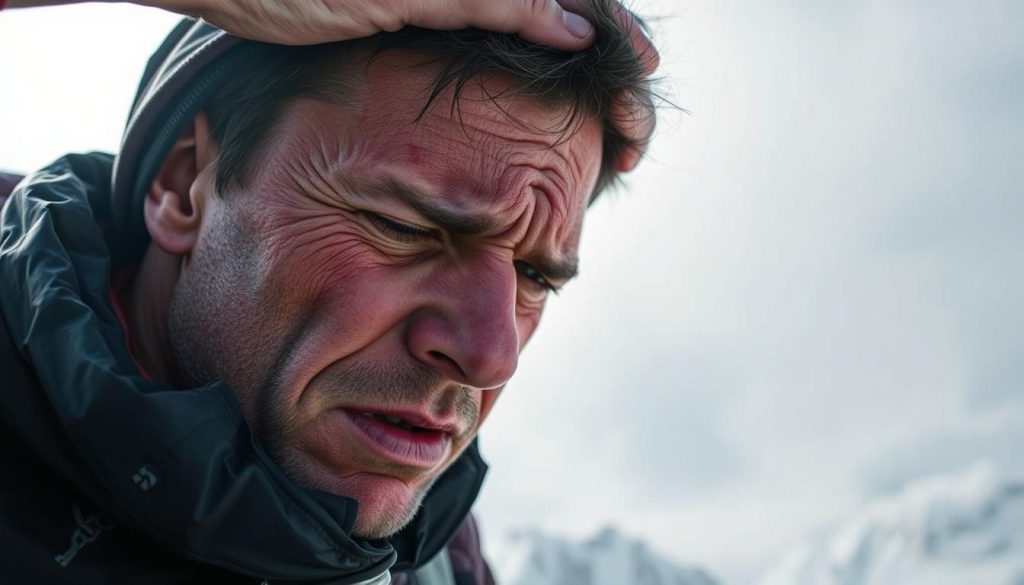
Altitude sickness, or acute mountain sickness (AMS), is a big worry. Symptoms can be mild headaches or severe nausea and fatigue. Prevention is key. This means going up slowly, staying hydrated, and watching how your body reacts.
Appropriate Acclimatization Protocols
Getting used to high altitudes is crucial. Slowly increasing elevation helps your body adjust, lowering AMS risk. Monitoring your body’s response and adjusting your training is vital.
Who Should Avoid High-Altitude Training
Not everyone should train at high altitudes. People with heart problems or severe breathing issues should talk to a doctor first. It’s also crucial for athletes to understand their own health limitations.
Monitoring Your Body’s Response
It’s important to watch how your body reacts to high altitudes. Look out for unusual symptoms and take regular health checks. As one elite athlete said, “
Listening to your body is crucial when training at altitude; it’s the difference between success and a trip to the hospital.
“
Conclusion: Incorporating Iten’s Lessons Into Your Training
You now know the secrets behind Iten’s success in training top athletes. By using Iten’s high-altitude training methods, you can boost your performance in endurance events at high altitudes.
Studies have proven that altitude training boosts oxygen transport, leading to better endurance. Iten’s special environment and training facilities are perfect for athletes to adapt to high altitudes. This adaptation brings many benefits from altitude training research.
To apply Iten’s lessons, create a detailed training plan. Include nutrition and recovery practices. Also, use the community and support systems available. This way, you can improve your high-altitude endurance training and reach your goals.