Your Guide to the Fort Jesus Historical Tour
Have you ever wondered what secrets lie behind the ancient walls of a centuries-old monument in Mombasa, Kenya?
As you plan your visit to this significant landmark, you’re likely curious about the rich history and architectural marvels that await you. The Swahili architecture on display is a testament to the cultural exchange and influences that have shaped the region over time.
During your Fort Jesus historical tour, you’ll uncover the stories and legends surrounding this iconic site. You’ll explore its significance as a Mombasa historical site. This tour promises to be an unforgettable experience with its unique blend of cultures and influences.
The Rich History of Fort Jesus
The story of Fort Jesus is filled with colonial legacy, conflict, and cultural exchange. It’s a key historical landmark in Kenya. It has greatly influenced the region’s identity.
Portuguese Colonial Legacy
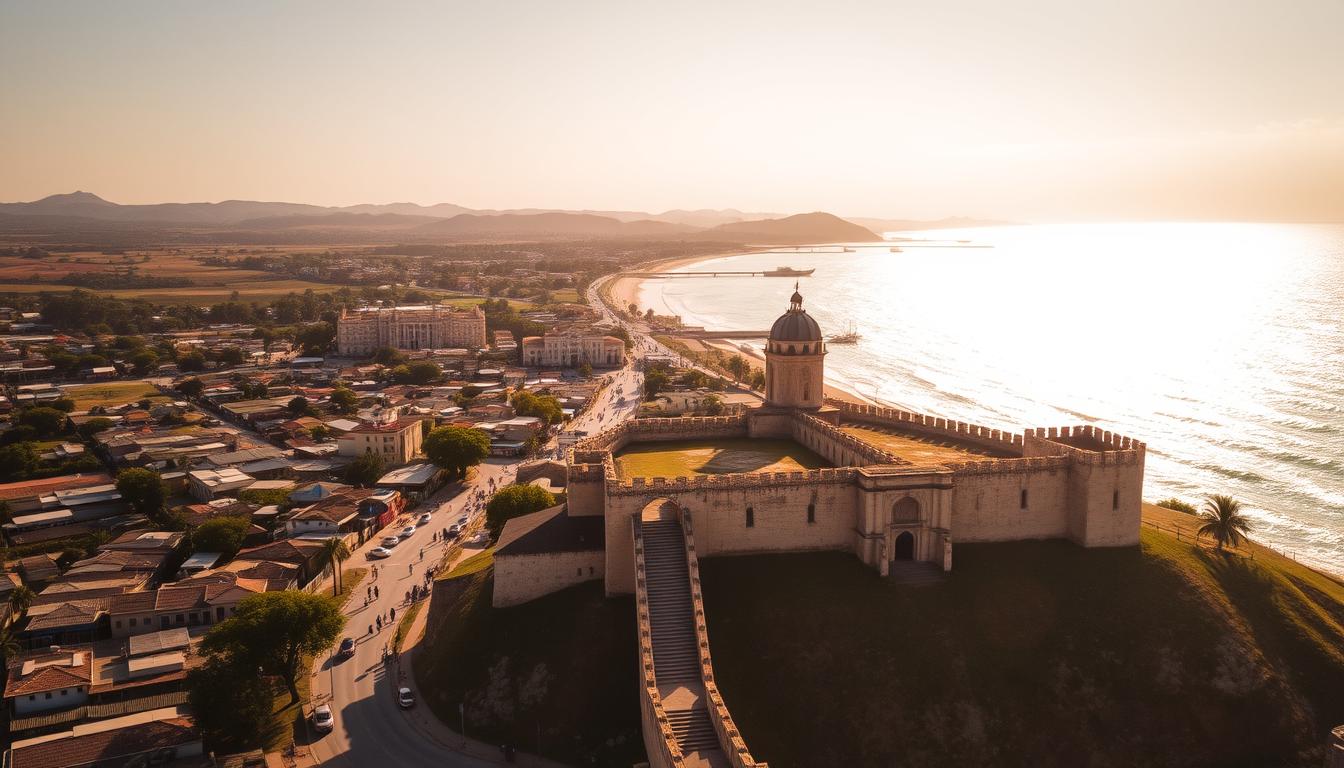
Fort Jesus was built by the Portuguese in the 16th century. This started European influence in East Africa. The Portuguese fort in Kenya was built to protect Portuguese interests and control trade routes.
The fort’s design shows a mix of Portuguese and local styles. It highlights early interactions between Europeans and the local population.
“The fort’s design, with its distinctive bastions and walls, is a testament to the military architecture of the time, influenced by both European and local building techniques.”
Centuries of Conflict and Change
Fort Jesus has seen many conflicts and changes in power. It has been ruled by the Portuguese, Omani, and British. Each period has left its mark, adding to its East Africa heritage.
Today, it symbolizes the complex history and cultural diversity of the region.
| Period | Ruling Power | Significant Events |
|---|---|---|
| 16th-17th Century | Portuguese | Construction of Fort Jesus |
| 17th-19th Century | Omani | Capture of the fort from the Portuguese |
| 19th-20th Century | British | Colonial administration and eventual decline |
Visiting Fort Jesus is more than seeing a historical site. It’s a journey through the history that has shaped Kenya’s historical landmarks and its culture.
Architectural Marvels of Fort Jesus
Exploring Fort Jesus reveals a mix of architectural styles. This shows the complex history of Mombasa. It’s a sign of cultural exchange and conflict over the years.
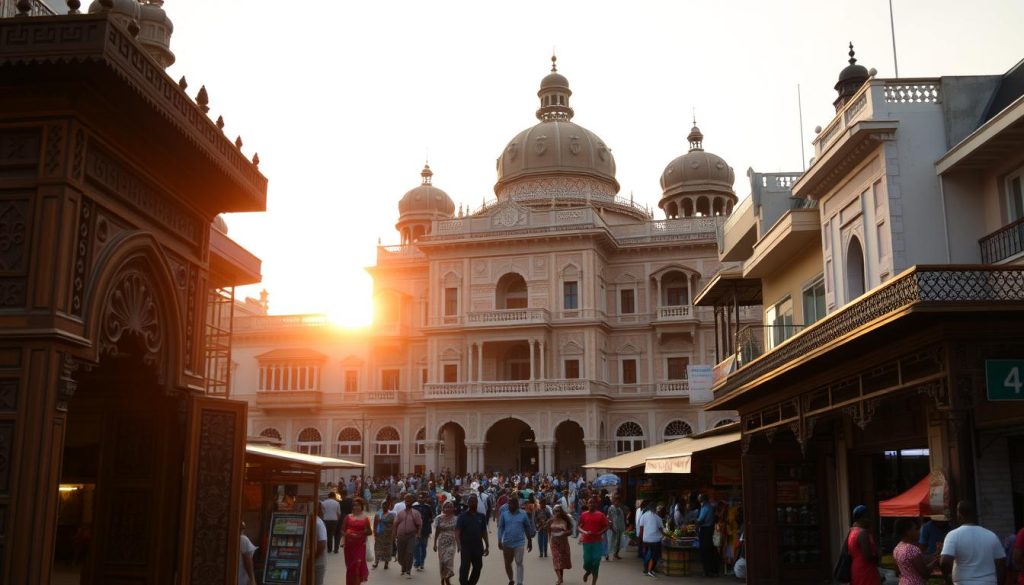
Unique Swahili-Portuguese Design Elements
Fort Jesus combines Swahili and Portuguese architectural styles. Its design shows the cultural impact of its builders. You can see Swahili architecture in its detailed stone carvings and Portuguese in its strong bastions.
This mix is not just beautiful. It also shows the history of cultural interactions in the area. On guided tours in Mombasa, visitors can see this architectural blend up close.
| Design Element | Swahili Influence | Portuguese Influence |
|---|---|---|
| Stone Carvings | Intricate patterns and motifs | Minimal, with focus on fortification |
| Bastions | Rounded structures for defense | Robust, angular designs for military strength |
Strategic Military Features
Fort Jesus’s design includes key military features. Its impregnable walls and strategically placed bastions were made to withstand attacks. This makes it a strong historical landmark in Kenya.
These features show the military skill of the fort’s builders. They also give a glimpse into the conflicts that shaped the region. As you walk through the fort, you’ll see how defense and strategy influenced its design.
What to Expect on Your Fort Jesus Historical Tour
Planning your visit to Fort Jesus? Knowing what to expect is key for a great time. The tour is made for all kinds of visitors. It shows the fort’s rich history in a way everyone can enjoy.
Tour Duration and Routes
The length of your Fort Jesus tour depends on your interests and the path you take. It can last from 1 to 3 hours. You might explore the fort’s design, visit the museum, or take in the Indian Ocean views.
There are many paths to follow in the fort. You can see the whole place, including the Omani House and museum, or focus on the military side or the spice trade.
Guided vs. Self-Guided Options
At Fort Jesus, you can choose between guided tours and exploring on your own. Guided tours give deep insights into the fort’s history and culture. They cover its role in Mombasa and its architecture.
Self-guided tours let you move at your pace. You can linger at exhibits or spots that catch your eye. There are signs around the fort with helpful information for self-guided visitors.
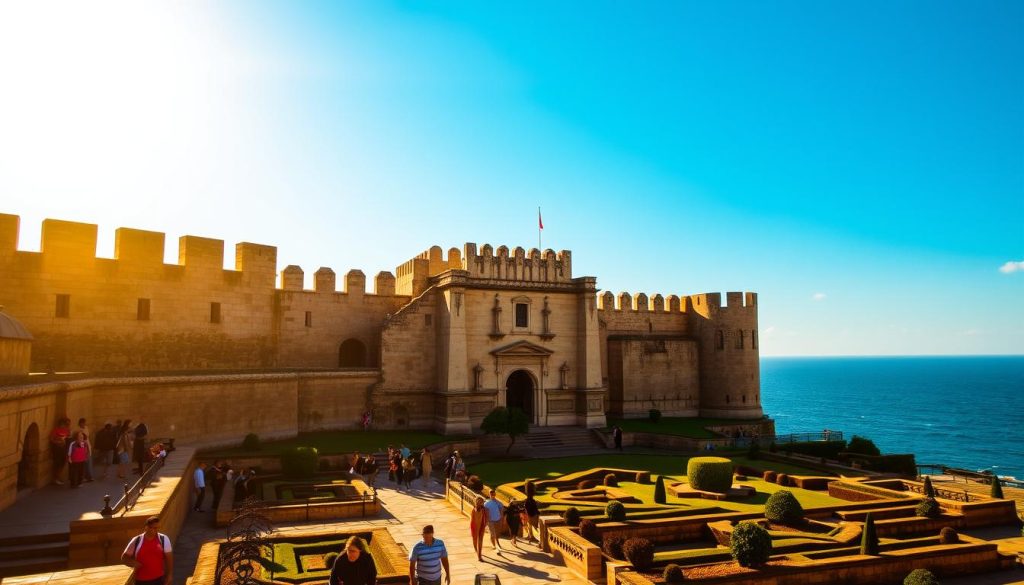
“Fort Jesus is more than a monument,” says a local historian. “It’s a key to understanding Mombasa’s complex history and culture.” This captures the essence of visiting Fort Jesus, whether you love history, culture, or just exploring.
Planning Your Visit to Fort Jesus
Planning a visit to Fort Jesus in Kenya is key for a great experience. Before you go on your Fort Jesus historical tour, here’s some useful info. It will help you enjoy your trip fully.
Best Times to Visit
The dry seasons are the best times to see Fort Jesus. This is from July to October or December to March. The weather is nice, with little rain, perfect for exploring.
Try to avoid the rainy seasons. Some paths might be hard to get to then.
- Early morning visits can help you avoid the crowds and heat.
- Consider visiting during the week instead of on weekends.
- Bring sunscreen and a hat to protect yourself from the sun.
Ticket Information and Costs
Tickets to Fort Jesus are pretty cheap. This makes it easy for people to visit. As of the latest update, adult tickets cost about $10 and kids’ tickets are $5. Guided tours cost extra but give you deeper insights into the fort’s history.
Ticket purchasing tips:
- Buy tickets at the official ticket counter to avoid any scams.
- Consider purchasing a guided tour for a more in-depth experience.
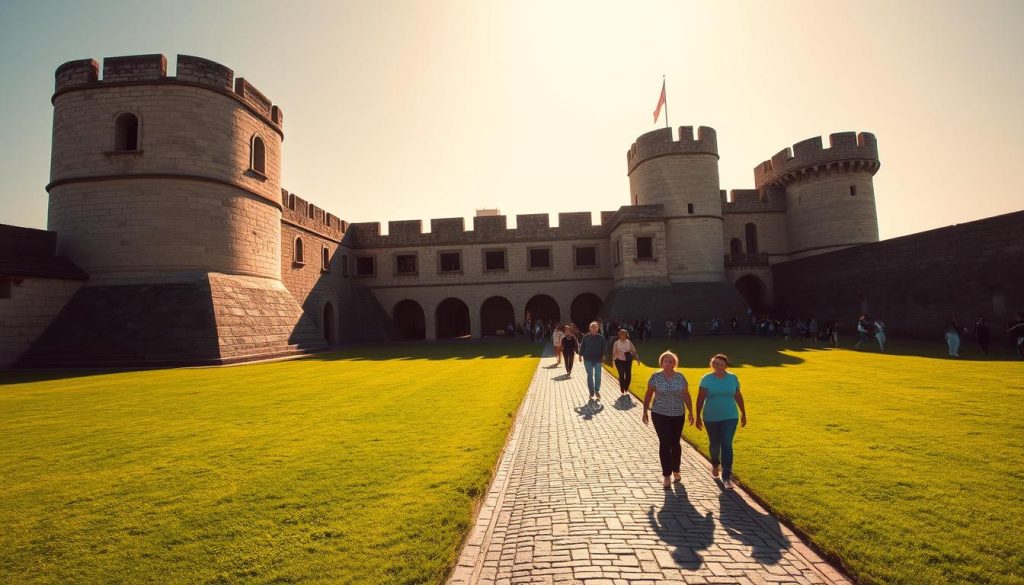
Highlights of the Fort Jesus Museum
Walking into the Fort Jesus Museum feels like a journey back in time. It’s filled with relics from the Swahili coast’s rich history. The museum showcases a variety of artifacts that tell the fort’s story, from its Portuguese beginnings to its role in the slave trade.
Notable Artifacts and Exhibitions
The museum’s exhibits include ancient coins, ceramics, and tools for navigation. A key exhibit is the collection from the São João Baptista galleon, which sank off Kenya’s coast in 1622.
Some of the most interesting items on display are:
- Ancient Swahili pottery and ceramics
- Portuguese cannons and military equipment
- Coins and other currency used during various periods of the fort’s history
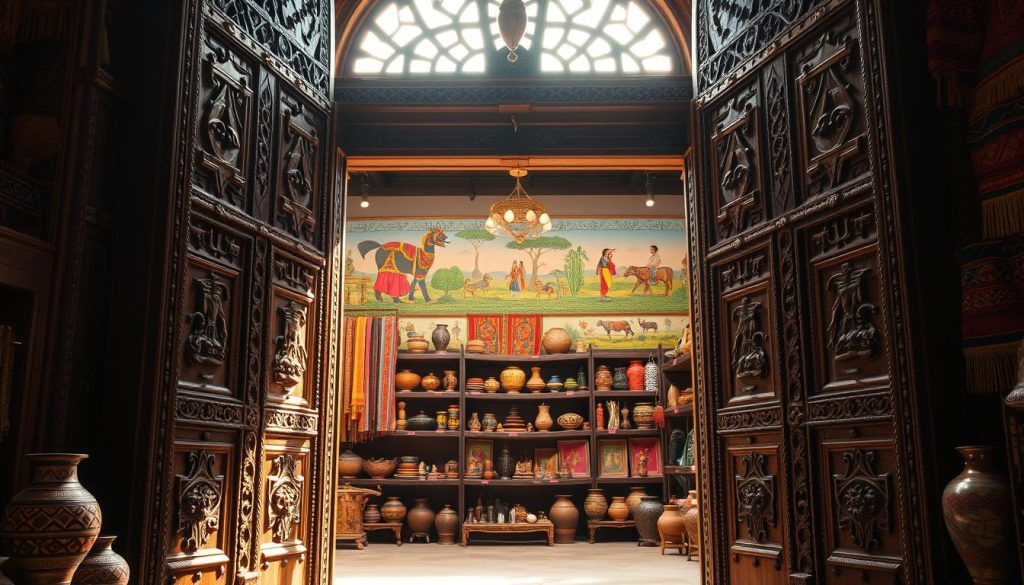
The Omani House Display
The Omani House display is a must-see. It gives a glimpse into the lives of the Omani aristocracy who lived in the fort from the 18th to the 19th century. You’ll see beautifully carved doors, traditional furniture, and other items that show the cultural exchange of the time.
| Artifact | Description | Historical Significance |
|---|---|---|
| Swahili Pottery | Ancient ceramics showcasing Swahili craftsmanship | Highlights trade and cultural exchange |
| Portuguese Cannons | Military equipment used by the Portuguese during conflicts | Demonstrates the fort’s military history |
| Omani Doors | Intricately carved doors from the Omani House | Exemplifies Omani architectural influence |
Visiting the Fort Jesus Museum helps you understand the historical and cultural importance of this East African site.
Fort Jesus’s Role in East African Trade
Fort Jesus was more than a fort; it was a key spot for trade and cultural exchange in East Africa. Its location on the island of Mombasa made it vital for controlling trade routes. These routes connected the region to the rest of the world.
The Spice and Slave Trade Connection
Fort Jesus was important in the spice and slave trades. These trades were very profitable in the region’s history. The fort stored spices like cloves and pepper, which were very valuable. The spice trade was a major driver of the economy in East Africa during the period of Portuguese rule.
Unfortunately, the fort was also involved in the slave trade. Enslaved people were kept there before being sent to other parts of the world.
“The history of Fort Jesus is deeply intertwined with the history of the slave trade in East Africa, a painful reminder of the region’s complex past.”
Maritime History and Influence
The maritime history of Fort Jesus is crucial to its role in East African trade. The fort’s design and location were shaped by its need to control sea routes. 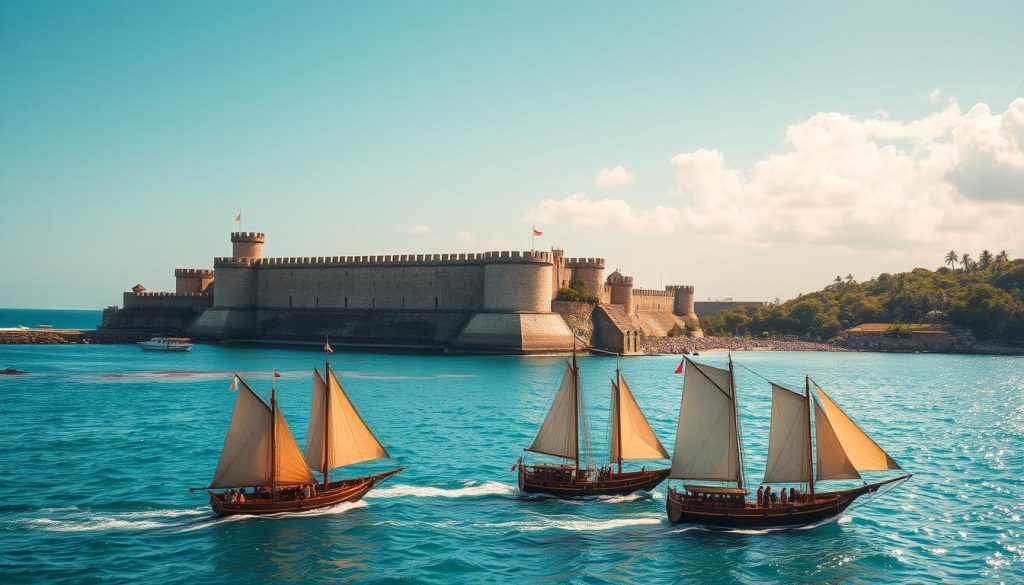
| Aspect | Description | Impact |
|---|---|---|
| Strategic Location | Controlled access to Mombasa harbor | Enabled dominance over regional trade |
| Maritime Defense | Fort’s design included bastions and walls to protect against naval attacks | Provided security for trade operations |
| Trade Facilitation | Stored goods for trade, including spices and textiles | Facilitated exchange between local and international traders |
Cultural Significance to Kenya Today
Visiting Fort Jesus is more than seeing a historical site. It’s diving into Kenya’s coastal identity. This 16th-century fort is a key part of Kenya’s cultural heritage. It shows the country’s complex history and the many influences it has had.
UNESCO World Heritage Status
Fort Jesus was named a UNESCO World Heritage Site in 2011. This honor highlights its cultural and historical value. The fort’s unique architecture, mixing Swahili and Portuguese styles, is celebrated. It’s a national treasure and a global cultural gem, drawing visitors and scholars to historical landmarks in Kenya and Swahili architecture.
Symbol of Coastal Heritage
Fort Jesus is a strong symbol of Kenya’s coastal heritage. It shows the region’s rich history and cultural diversity. The fort’s Swahili-Portuguese design reflects the cultural exchange and conflict of centuries past. Today, it’s a source of pride for Kenyans, linking them to the Indian Ocean and the world.
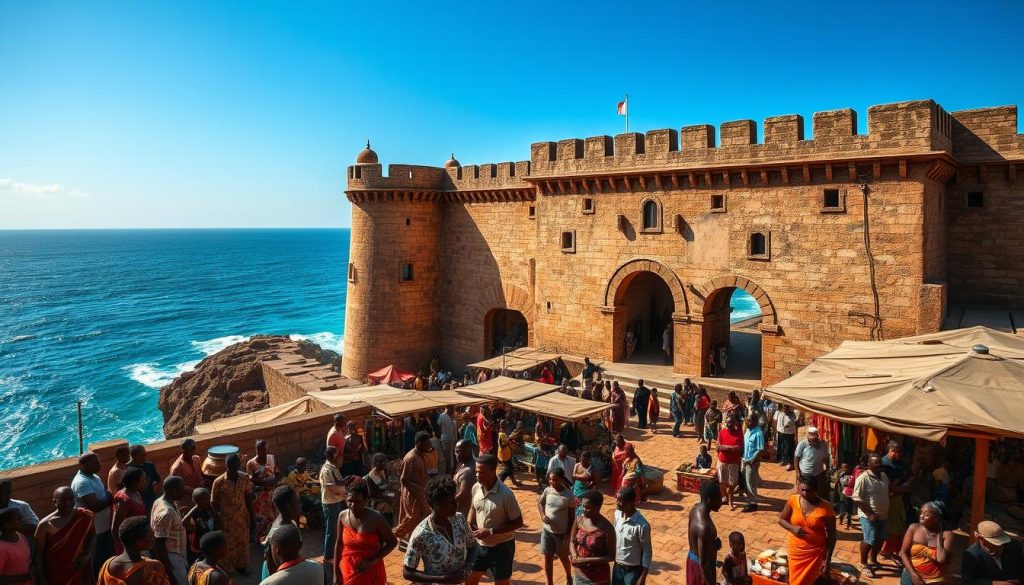
The fort’s importance goes beyond its history. It remains a key part of Kenya’s cultural identity. Visitors can see this by exploring its walls and bastions. They’ll discover the rich history and cultural heritage it holds.
Photography Tips for Your Fort Jesus Visit
Exploring Fort Jesus can be unforgettable. To capture the best moments, follow these tips for your Fort Jesus historical tour.
Best Vantage Points
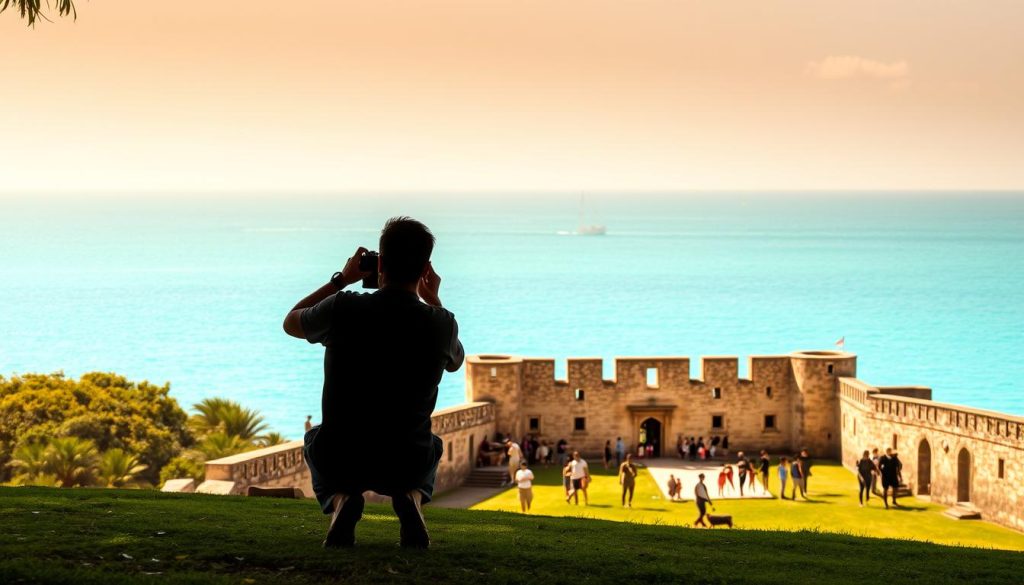
Fort Jesus has many great spots for photos. Go up to the top for amazing views of Mombasa’s coast. The fort’s design offers unique views of its architecture and the area around it.
Make sure to take pictures of the fort’s walls and bastions. They look incredible during the golden hour.
Lighting Considerations
Lighting is key for great photos. The best times are early morning or late afternoon. The light is soft and warm then.
Avoid the harsh sun of midday. It can make shadows and highlights look bad. Visit during the golden hour for the best photos. This way, you’ll capture the beauty of this Mombasa historical site and remember your visit.
Combining Fort Jesus with Other Mombasa Attractions
Mombasa is full of history and culture. You can make your visit to Fort Jesus even better by seeing other places. This will make your trip unforgettable.
Old Town Mombasa Exploration
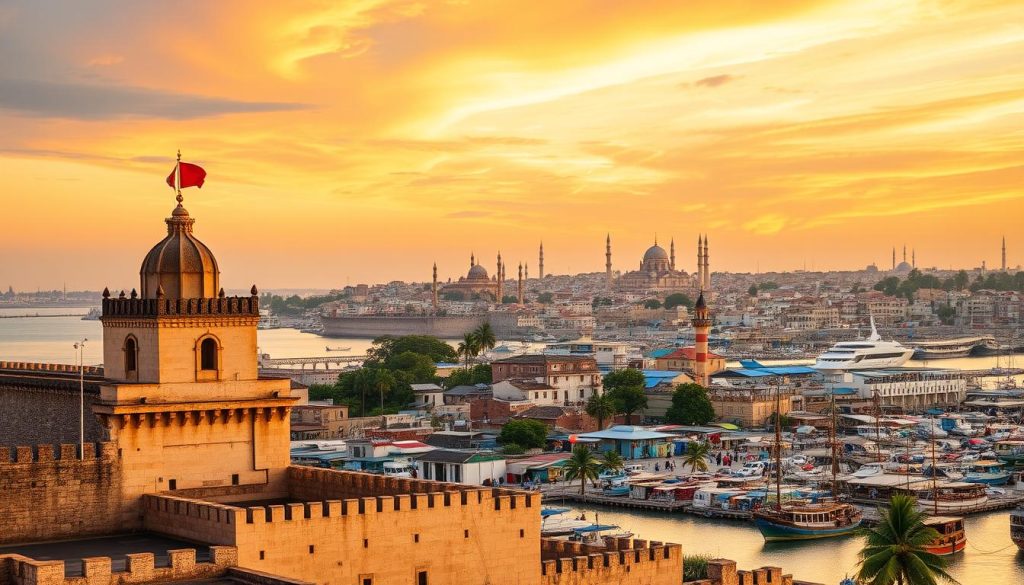
Old Town Mombasa is a place you must see. It has narrow streets, old buildings, and lively markets. You can walk around, enjoy the culture and architecture, and see the Mandhry Mosque and Old Town Hall.
Guided tours are available. They give you a deeper understanding of the area’s history. Don’t forget to try local foods like mandazi and ugali. They show the Swahili food traditions.
Nearby Beaches and Sites
Mombasa is also known for its beautiful beaches. You can relax at Nyali Beach, Bamburi Beach, or Shanzu Beach. They offer calm vibes and amazing views of the Indian Ocean.
If you’re looking for more excitement, try water sports like snorkeling and kayaking. You can also visit Haller Park. It’s a nature reserve with crocodiles and hippos.
Visiting Fort Jesus and other attractions in Mombasa lets you see everything the city has to offer. You’ll experience history, culture, relaxation, and adventure all in one trip.
Practical Travel Tips for American Visitors
Before you travel to Fort Jesus from the United States, consider these practical tips. They will help you have a comfortable and enjoyable trip. As an American visitor, you’ll want to make the most of your historical tour experience in Mombasa.
Getting to Fort Jesus from Major Hotels
Fort Jesus is in the heart of Mombasa, making it easy to get to from most hotels. You can take a taxi or use a ride-hailing service. It’s convenient and affordable, taking about 10-15 minutes, depending on traffic.
If you’re in the Old Town area, you might walk to Fort Jesus. This way, you can enjoy the historic surroundings along the way.
| Hotel Location | Taxi Fare (approx.) | Walking Distance (approx.) |
|---|---|---|
| Old Town Mombasa | $5-$7 | 10-15 minutes |
| Nyali Beach | $10-$15 | Not recommended |
| Bamburi Beach | $15-$20 | Not recommended |
Safety and Comfort Considerations
When visiting Fort Jesus, prioritize your safety and comfort. Be careful with your belongings, as crowded areas can be risky. Wear comfortable shoes for walking on uneven surfaces.
Stay hydrated by bringing water. Consider packing a hat and sunscreen to protect against the sun.
Cultural Etiquette
Respecting local customs is key when visiting Fort Jesus. Dress modestly, covering your shoulders and knees. Be polite and courteous when interacting with locals.
Learning basic Swahili phrases, like “Jambo” (hello), can improve your experience.
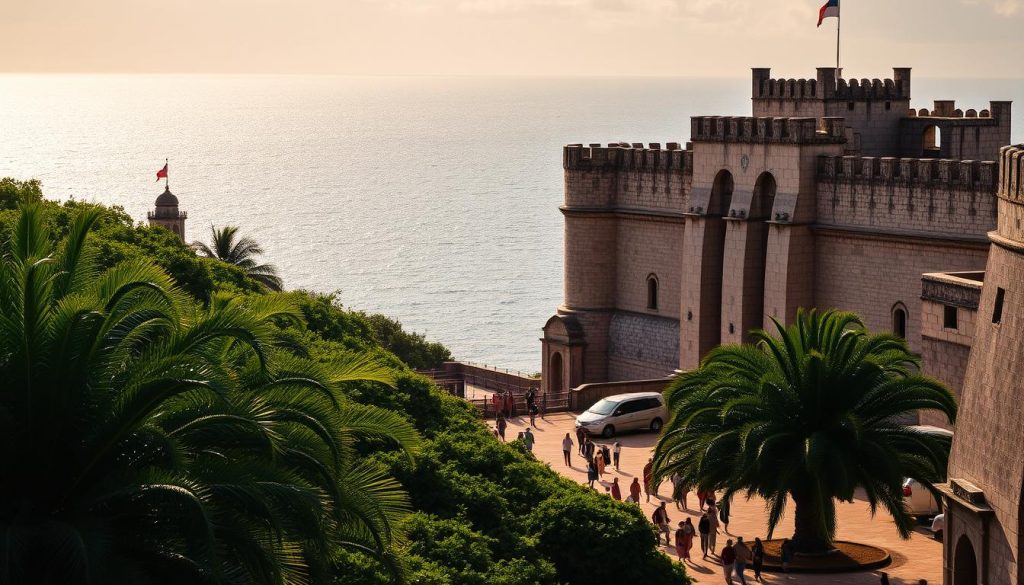
By following these practical travel tips, you’ll be ready for your visit to Fort Jesus. You’ll have a memorable and enriching experience.
Conclusion: The Enduring Legacy of Fort Jesus
When you visit the historical landmarks in Kenya, Fort Jesus is a standout. It’s a 16th-century fort that shows off Swahili architecture. This style is a mix of Portuguese and local designs.
Fort Jesus is more than just a beautiful building. It’s a key part of East Africa’s history. Over the years, it has seen wars, trade, and cultural sharing. It’s a must-see for anyone who loves history.
After visiting Fort Jesus, you’ll know more about Kenya’s history. You’ll see how different cultures have influenced the area. The fort’s lasting impact reminds us of the need to protect our historical sites. It also shows the value of our cultural heritage in Kenya.