Carthage Ancient Site: Your Ultimate Visitor’s Guide
Ever wondered what secrets lie beneath the ruins of a civilization that once rivaled the great empires of the Mediterranean?
The fallen city of Carthage, now lying part-excavated among the exclusive whitewashed villas in one of Tunis’ swankiest suburbs, is legendary. As you plan your visit to this historical site, you are about to uncover the remnants of a city that was once a powerful force in the ancient world.
Exploring the Carthage ruins, you’ll find a wealth of historical attractions. These show the city’s rich history and cultural significance. This guide will help you navigate the site and make the most of your visit.
The Rich History of Ancient Carthage
Carthage was founded in the 9th century BC. It started as a small Phoenician trading post. Over time, it grew into a powerful empire in the Mediterranean.
It became a key center for trade and cultural exchange. This made it a major player in the ancient world.
From Phoenician Trading Post to Mediterranean Power
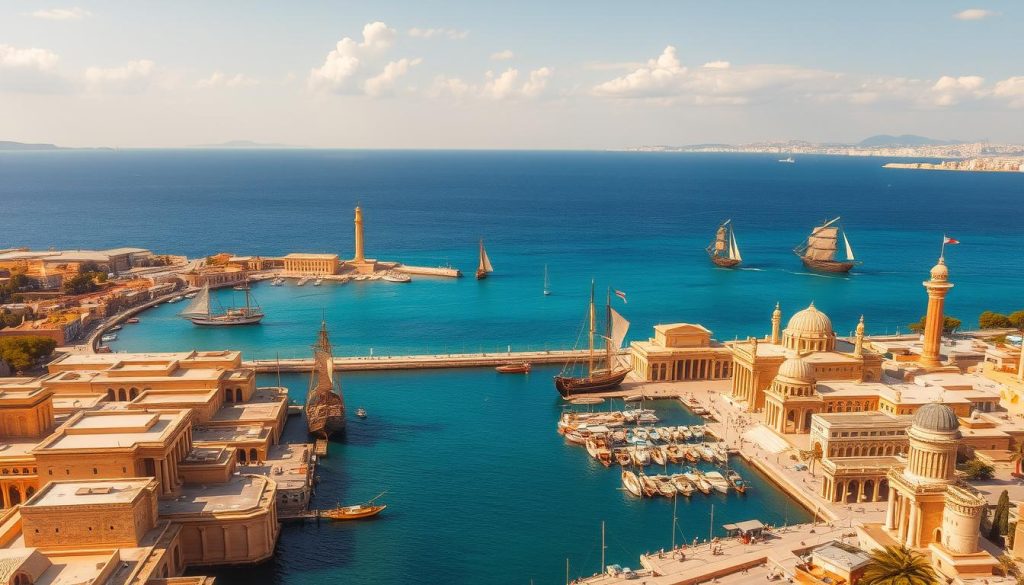
Carthage’s location helped it become a sea power. Its innovative harbor designs and wide trade networks made it a leader in the Mediterranean.
As it grew, Carthage set up colonies and trading posts. This strengthened its hold on the sea.
- Established as a Phoenician settlement
- Developed into a major commercial center
- Expanded through maritime trade and colonization
The Punic Wars and Roman Conquest
The Punic Wars were a key moment in Carthage’s history. The Second Punic War showed Carthage’s military strength, thanks to leaders like Hannibal. But, the wars ultimately led to Carthage’s defeat.
The Romans destroyed Carthage in 146 BC.
“Carthage was a city of great wealth and opulence, with a complex system of government and a rich cultural heritage.”
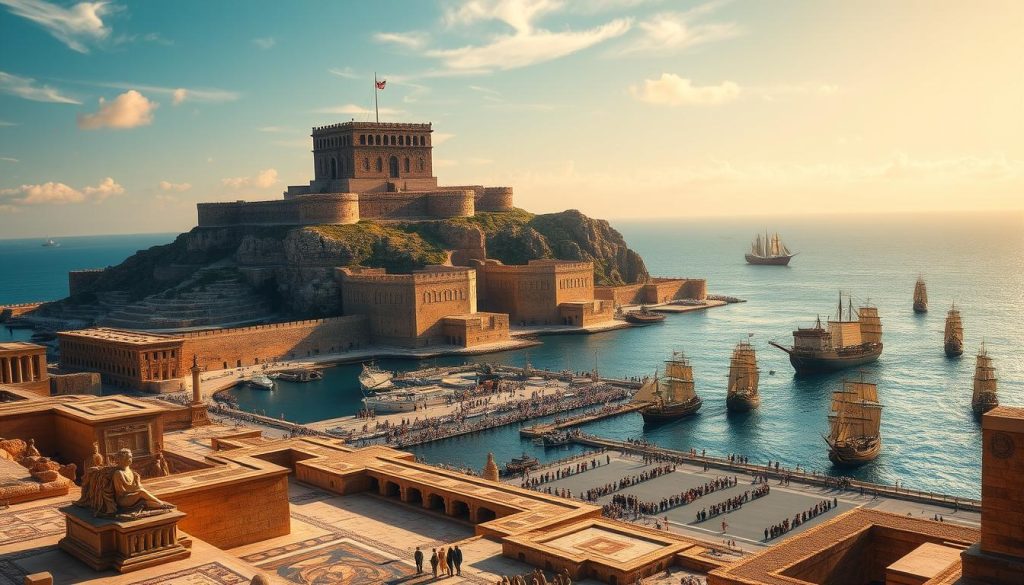
Today, Carthage is remembered as a UNESCO World Heritage site. Its history is fascinating to historians and tourists. It offers a glimpse into the rise of Western civilization.
Understanding Carthage’s Historical Significance
To truly appreciate Carthage, you must first grasp its historical significance and enduring legacy. Carthage was once a cosmopolitan trading hub. It was a key Mediterranean maritime power and one of the wealthiest cities in the ancient world. Its historical significance is multifaceted, influencing various aspects of modern society.
Carthage’s Role in Mediterranean Trade
Carthage played a pivotal role in Mediterranean trade. It leveraged its strategic location to control maritime routes. The city’s merchants traded goods such as metals, textiles, and spices across the region.
This extensive trade network not only enriched Carthage. It also facilitated cultural exchange between different civilizations.
Cultural and Political Legacy
Carthage’s cultural and political legacy extends far beyond its economic achievements. The city’s influence on Western civilization is evident in its architectural styles, political systems, and cultural practices. For instance, the concept of a republican form of government was partly inspired by Carthage’s political structures.
Today, visitors can explore these historical attractions in Carthage. They gain insights into the city’s rich past.
| Aspect | Description | Legacy |
|---|---|---|
| Maritime Trade | Control of Mediterranean maritime routes | Influenced global trade practices |
| Cultural Exchange | Exchange of goods, ideas, and cultures | Shaped Western cultural practices |
| Political Systems | Republican form of government | Inspired modern political structures |
Planning Your Carthage Ancient Site Visit
Before you head to Carthage, think about a few important things. Good planning will help you dive deep into the site’s history.
Best Time of Year to Visit
The spring or fall is the best time to see Carthage. The weather is nice and not too hot or cold. It’s perfect for exploring the site.
Recommended Duration for Your Visit
Plan to spend at least half a day at the Carthage Ancient Site. This time lets you see everything and understand the history well.
What to Bring and Wear
Wear comfy shoes because you’ll be walking a lot. Don’t forget sun protection like a hat, sunglasses, and sunscreen. Also, choose light, easy-to-breathe clothes.
Essential Attractions at Carthage Archaeological Site
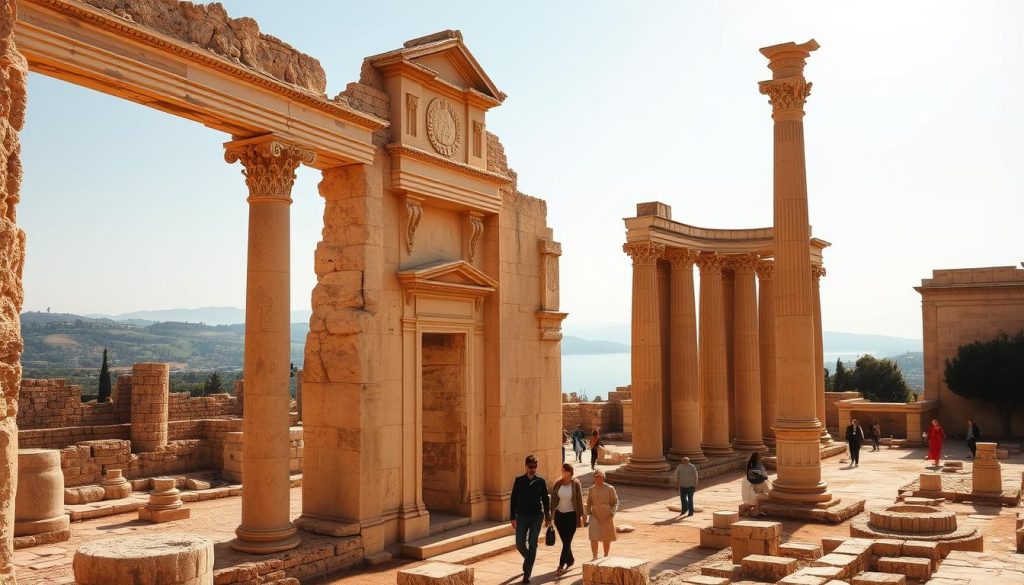
Exploring the Carthage Archaeological Site reveals a wealth of historical treasures. It’s a place where ancient history comes alive. You’ll find iconic landmarks that are a must-see for history buffs. Here are the top attractions you can’t miss:
The Antonine Baths
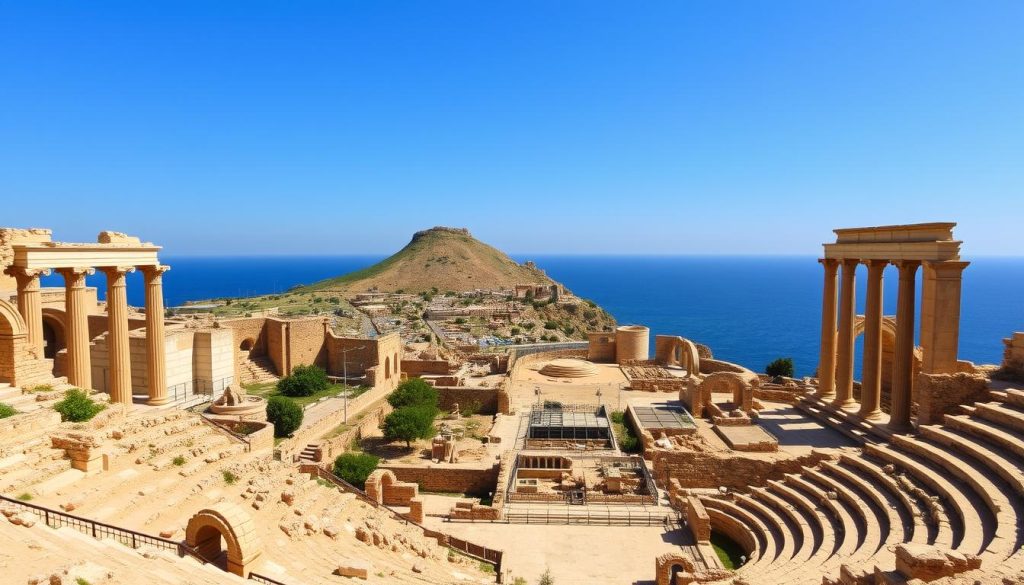
The Antonine Baths are a standout at the Carthage Archaeological Site. Built in the Roman era, they show the ancient Romans’ engineering skills. You can see the caldarium, tepidarium, and frigidarium remains. These baths reflect the Romans’ love for luxury and their ability to create complex structures.
Byrsa Hill and the Carthage National Museum
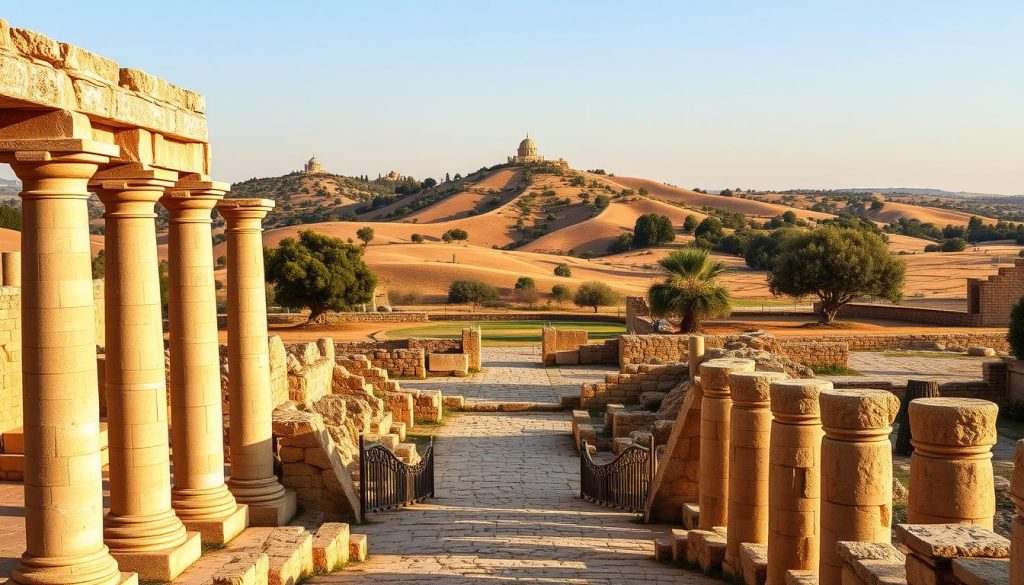
Byrsa Hill is a key archaeological site with breathtaking views. It’s where you’ll find the Carthage National Museum. The museum showcases a vast collection of Punic and Roman artifacts, like coins, jewelry, and sculptures. It offers insights into ancient Carthage’s history and culture.
The Punic Ports and Tophet
The Punic Ports highlight ancient Carthage’s maritime skills. These ports were for trade and naval activities. You can still see the ancient harbor remains. The Tophet, a sacred site, was used for religious rituals. Exploring the Tophet gives you a glimpse into ancient Carthage’s religious practices.
Roman Amphitheater and Villas
The Roman Amphitheater is a landmark at the Carthage Archaeological Site. Built for gladiatorial contests, public events, and performances, it’s a testament to Roman culture. The nearby Roman Villas, with their intricate mosaics and decorations, are also worth seeing.
In conclusion, the Carthage Archaeological Site is a treasure trove of historical attractions. Visiting these sights gives you a deeper understanding of ancient Carthage’s culture, politics, and daily life.
Practical Information for Visitors
Planning your visit to the Carthage Ancient Site? Having the right info is key. It helps you move around easily and enjoy your time there.
Entrance Fees and Opening Hours
Get a combined ticket for 12 DT to see many sites in the Carthage Archaeological Park. The site opens from 8:00 AM to 6:00 PM. But, always check the latest hours before you go.
| Ticket Type | Price (DT) |
|---|---|
| Combined Ticket | 12 |
| Reduced Ticket | 6 |
Guided Tours vs. Self-Guided Exploration
Carthage has guided tours and self-guided options. Tours give deep history insights, while self-guided lets you set your pace. Think about what you prefer.
- Guided Tours: Offer in-depth historical context and insights.
- Self-Guided: Allow for flexibility and personal pacing.
Accessibility Information
The Carthage Archaeological Site is partially accessible. Some areas have uneven terrain. If you have mobility issues, plan carefully. Contact the site ahead of time for accessibility info.
How to Get to Carthage from Tunis
Getting to Carthage from Tunis is easy. You have many ways to travel. You can use public transport, taxis, or private transfers. Each option has its own benefits, depending on what you prefer.
Public Transportation Options
The metro (line 1 TMG) is a great way to get to Carthage. It takes about 40 minutes. It’s cheap and a good choice for those watching their budget.
Mark Twain once said, “Travel is fatal to prejudice, bigotry, and narrow-mindedness.” Taking the metro lets you see the local culture up close.
Taxis and Private Transfers
Taxis and private transfers are also good choices. They offer more flexibility and are handy if you have a lot of bags. The trip takes 30-40 minutes, depending on traffic.
“The world is a book, and those who do not travel read only one page,” Saint Augustine said. Taxis or private transfers let you enjoy the views on the way.
Both public transport and private transfers have their perks. The best choice depends on what you need and like.
Exploring Carthage Ruins: A Suggested Itinerary
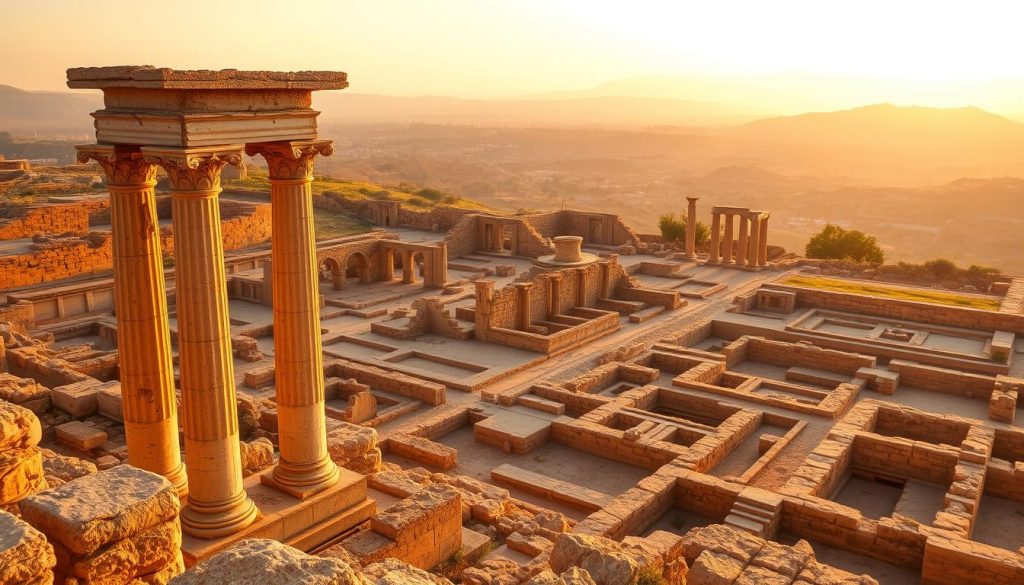
Plan your visit to Carthage with a detailed itinerary. This will help you see the best sights. The ancient ruins are full of history and culture. A good plan makes your visit more enjoyable.
One-Day Itinerary
If you have just one day, you can still see a lot. Start at the Antonine Baths early. Then, head to Byrsa Hill and the Carthage National Museum.
After lunch, check out the Punic Ports and Tophet. Don’t miss the Roman Amphitheater. This plan covers the main spots but it’s a bit fast.
Two-Day Comprehensive Tour
For a deeper dive, try a two-day tour. Day one focuses on big landmarks like the Antonine Baths and Byrsa Hill. Day two explores the Punic Ports, Tophet, and Roman villas.
This slower pace lets you enjoy the ruins more. You’ll understand their history better.
| Day | Morning | Afternoon |
|---|---|---|
| 1 | Antonine Baths, Byrsa Hill | Punic Ports, Tophet |
| 2 | Roman Amphitheater | Roman Villas, Carthage National Museum |
Historian Charles-Picard said,
“Carthage is a city of paradoxes, where the grandeur of the past meets the tranquility of the present.”
Your trip to Carthage will be unforgettable. You’ll learn a lot and see amazing views.
Top Sights in Carthage Tunisia Beyond the Main Ruins
Carthage, Tunisia, has more to offer than just ancient ruins. There are many other attractions that make your visit special. These sights add depth to your experience in this amazing place.
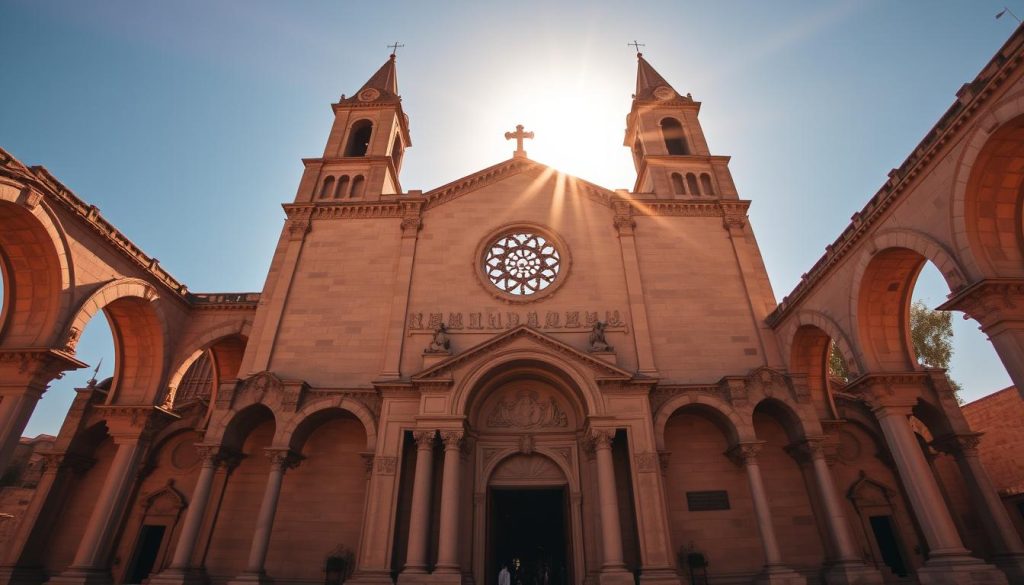
Carthage Cathedral (St. Louis Cathedral)
The Carthage Cathedral, or St. Louis Cathedral, is a key historical spot. Built in the 19th century, it showcases French colonial architecture. Its stunning design and rich history make it a highlight in Carthage, Tunisia.
Carthage Oceanographic Museum
The Carthage Oceanographic Museum is perfect for marine life enthusiasts. It’s near the coast and features a variety of sea creatures. The museum teaches about the Mediterranean’s ecosystem and marine conservation.
Exploring these sites lets you see all that Carthage offers. From ancient history to modern attractions, there’s something for everyone.
Where to Stay When Visiting Carthage
Choosing the right place to stay in Carthage is key for a great trip. You have many options, based on what you like and how much you want to spend.
Accommodation in Carthage
Carthage has everything from fancy hotels to places that are easy on the wallet. Staying here means you’re close to the ancient site and other sights. Some hotels even have views of the Mediterranean Sea, making your stay even better. Luxury hotels also have extras like spas, pools, and fancy restaurants.
Staying in Nearby Tunis or Sidi Bou Said
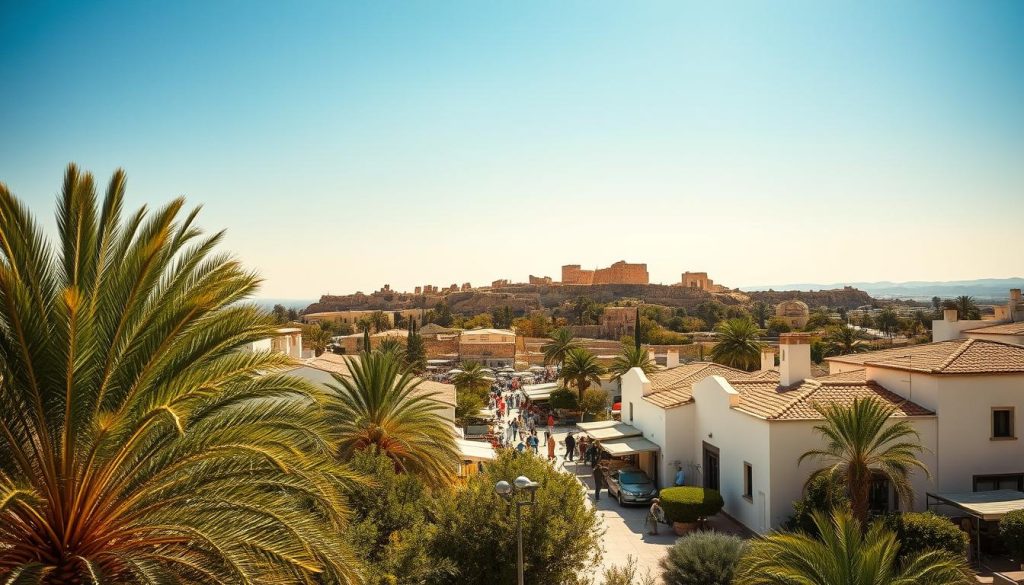
Or, you could stay in Tunis or Sidi Bou Said. Tunis has more places to stay, including cheap hotels and hostels. Sidi Bou Said is a pretty town with white houses and blue shutters. It’s a bit more laid-back. Both places are easy to get to Carthage by bus or taxi.
| Location | Pros | Cons |
|---|---|---|
| Carthage | Close to archaeological site, luxury hotels | Limited budget options |
| Tunis | Wide range of accommodation, budget-friendly | Further from Carthage, more urban noise |
| Sidi Bou Said | Charming atmosphere, easy access to Carthage | Limited accommodation options, more expensive |
Dining Options Near the Carthage UNESCO World Heritage Site
Visitors to Carthage can enjoy a range of local restaurants and cafes. They serve traditional Tunisian cuisine near the UNESCO World Heritage Site.
Local Restaurants and Cafes
Near the Carthage archaeological site, you’ll find many eateries. They offer delicious meals. Local restaurants serve traditional Tunisian dishes in a cozy atmosphere.
Some popular spots have outdoor seating. Here, you can enjoy a leisurely meal while taking in the views.
Traditional Tunisian Cuisine to Try
When dining in Carthage, be sure to try some local specialties. Harissa, a spicy chili pepper paste, is a staple in Tunisian cuisine. Other dishes to try include Couscous with vegetables and meat, Brik (a fried pastry filled with egg and tuna), and Mlawi (a thin, flaky pancake often served with honey or meat).
| Dish | Description |
|---|---|
| Couscous | A traditional North African dish made from semolina flour, often served with vegetables and meat. |
| Brik | A fried pastry filled with egg, tuna, and sometimes meat or capers. |
| Mlawi | A thin, flaky pancake that can be served with a variety of fillings, including honey, meat, or vegetables. |
Carthage Travel Tips for American Visitors
To enjoy your trip to Carthage, learn about the local language, currency, and customs. Knowing these will improve your visit and interactions with locals.
Language and Communication
Many Tunisians speak English, but learning Arabic phrases shows respect. Use translation apps or carry a phrasebook. Key phrases include “hello” (Marhaba), “thank you” (Shukraan), and “goodbye” (Ma’as salaama).
Currency and Payment Methods
The Tunisian Dinar (TND) is the local currency. Use it for most transactions. Credit cards are accepted in big towns, but cash is better in small places. You can exchange money or get cash from ATMs in Tunis.
Cultural Etiquette and Photography Guidelines
Dress modestly, covering your shoulders and knees, in Carthage. Always ask before taking photos of people. Tunisia is a Muslim country, so respect local customs.
Conclusion: Making the Most of Your Carthage Experience
When you plan to visit the Carthage ancient site, remember its deep cultural and archaeological value. Carthage is a key spot for anyone wanting to dive into the Mediterranean’s history.
To fully enjoy Carthage, respect its cultural and historical importance. Spend time exploring its attractions, like the Antonine Baths and Roman Amphitheater. These sites offer a glimpse into the past.
A trip to Carthage is more than seeing old ruins. It’s about diving into the history and culture that shaped the Mediterranean. This way, you’ll understand the site’s significance better.
Visiting Carthage means walking in the footsteps of a once-great civilization. Take a moment to appreciate the site’s history. Let it leave a lasting impression on you.