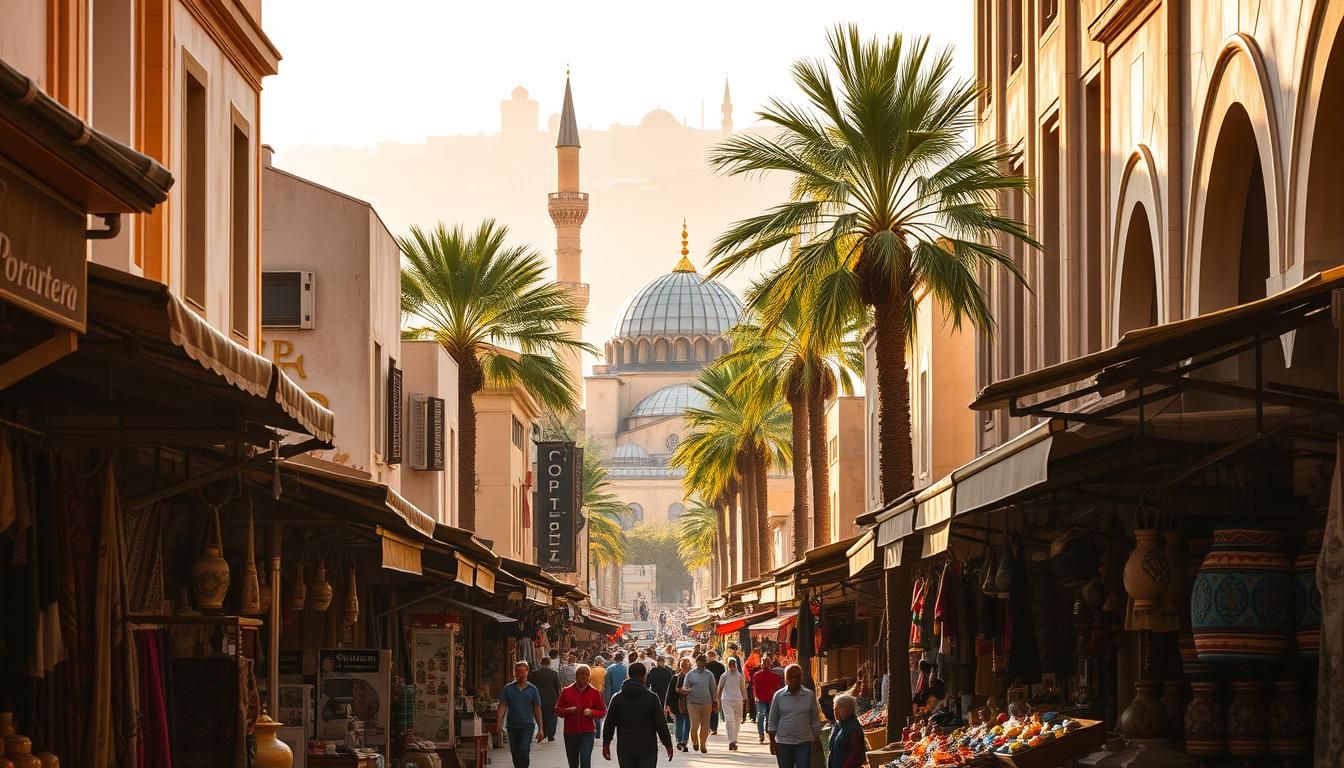
Your Guide to the Best Time to Visit Tunis
Are you ready to uncover the secrets of Tunis, a city where Mediterranean and African cultures blend in harmony? As you plan your trip, you might wonder: When is the ideal moment to experience the rich history and vibrant culture of this captivating city?
Tunis, the capital of Tunisia, is a treasure trove of historical sites, including the ancient Medina and the renowned Bardo Museum. With its mild winters and hot summers, Tunis is a year-round destination. Knowing the climate and cultural events can make your trip better.
To make the most of your visit, consider the weather and tourist season. This way, you can enjoy the city’s offerings without the crowds and make unforgettable memories.
Discovering Tunis: Tunisia’s Captivating Capital
Tunis, the capital of Tunisia, is a city where ancient history meets modern culture. As you explore, you’ll find a rich mix of experiences. It’s a place where history and today’s world come together.
Geographic Location and Climate Overview
Tunis sits in Tunisia’s northeastern corner, by the Mediterranean Sea. It has a Mediterranean climate with mild winters and hot summers. This climate makes Tunis a great place to visit any time of year.
For the best Tunis travel advice, visit in spring or fall. The weather is perfect then.
Why Tunis Deserves a Spot on Your Travel List
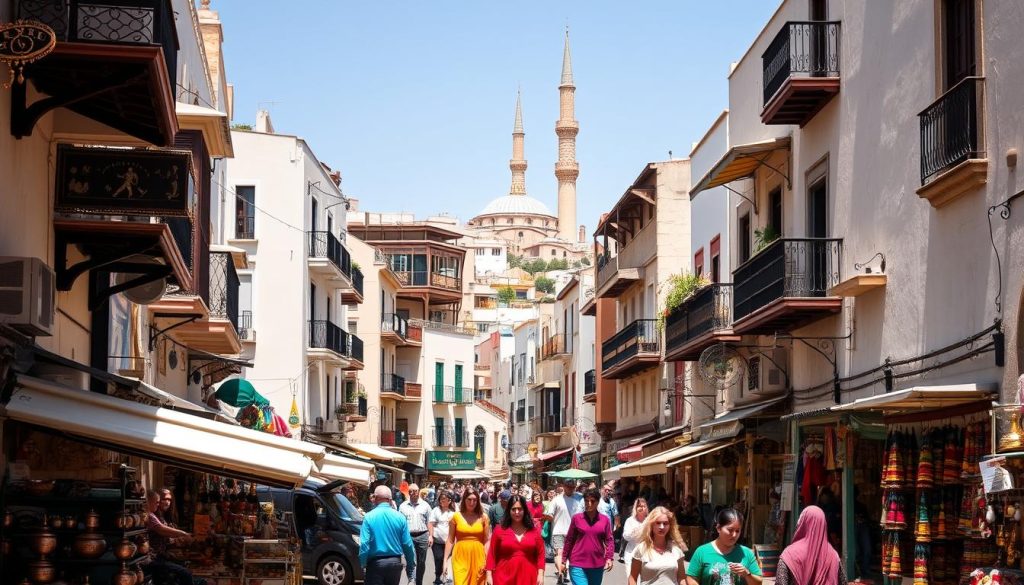
Tunis is a top spot for history, culture, and food lovers. The city’s historical significance shines through its ancient sites like the Medina and the Bardo Museum. Plus, Tunis has a lively cultural scene with many festivals and events.
When planning your trip, think about the Tunis sightseeing seasons. Here are a few reasons Tunis should be on your list:
- Explore the ancient Medina and its narrow streets
- Visit the Bardo Museum, home to an extensive collection of mosaics
- Enjoy the local cuisine, a delicious blend of Mediterranean flavors
Tunis offers a unique mix of history, culture, and beauty. It’s a city that will capture your heart and inspire you.
What is the Best Time of Year to Visit Tunis?
Planning a trip to Tunis? Knowing the best time to visit can make your trip better. Tunis, at the heart of Tunisia, is rich in culture and history. Its climate changes throughout the year, affecting the best times to see its sights.
The Ideal Months for Most Travelers
The best times to visit Tunis are spring (April-May) and autumn (September-October). The weather is nice during these months. You can enjoy sightseeing and outdoor fun without the summer crowds.
In spring, Tunis is stunning with blooming landscapes. Autumn offers a warm comfort perfect for visiting historical sites.
Factors That Influence the Best Timing
Several things affect the best time to visit Tunis, like weather patterns and tourist seasons. Knowing these can help plan a better trip. Tunis’s weather is Mediterranean, with hot summers and mild winters.
Tourist seasons also matter. Summer is peak season, but spring and autumn are preferred for their comfortable weather.
Tunis Through the Seasons: Weather Patterns and What to Expect
Tunis, the capital of Tunisia, has a Mediterranean climate. This makes it a great place to visit all year round. Each season brings its own special charm. Knowing what to expect can help you plan your trip better.
Spring (March-May): Mild Temperatures and Blooming Landscapes
Spring in Tunis is lovely, with temperatures between 60°F and 75°F. The landscapes are stunning as flowers start to bloom. It’s perfect for sightseeing and outdoor fun.
You can take pleasant strolls through the Medina. And explore historical sites without the summer heat.
Summer (June-August): Hot Days and Mediterranean Vibes
Summer in Tunis is hot, with temperatures often over 90°F. But the Mediterranean Sea breeze helps cool things down. The evenings are quite nice.
This is the busiest tourist season. You’ll find vibrant nightlife and lots of cultural events. Summer is the best time for beach activities.
Fall (September-November): Pleasant Weather and Fewer Crowds
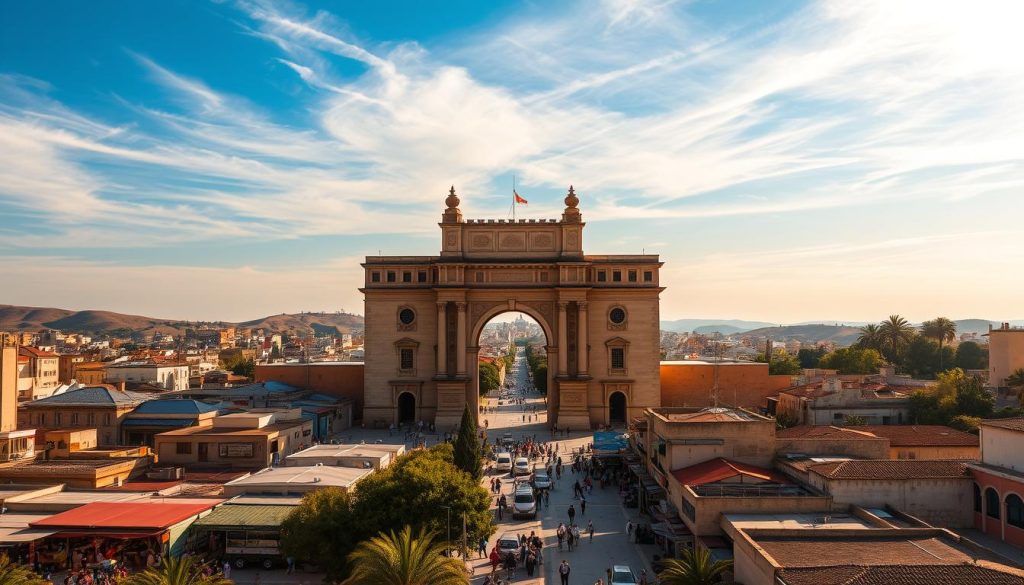
Autumn in Tunis is great, with temperatures between 65°F and 80°F. It’s another excellent time for sightseeing. The crowds are smaller, making it more relaxed.
You can enjoy wine tastings and try local cuisine. It’s a wonderful season.
Winter (December-February): Mild Winters and Occasional Rain
Winters in Tunis are mild, with temperatures from 45°F to 60°F. There might be some rain, but the city stays pleasant. It’s a good time to see indoor attractions like museums.
And you might catch local festivals happening in winter.
Peak vs. Off-Season: Navigating Crowds and Prices
Planning your trip to Tunis? Knowing the peak and off-seasons is key. It helps you avoid crowds and high prices. This way, you can pick the best time to visit based on your preferences.
High Season: When Tunis Gets Busy
The summer months, June to August, are Tunis’s peak tourist season. Expect big crowds and higher prices for places to stay and tourist services. If you’re visiting then, book early to save money.
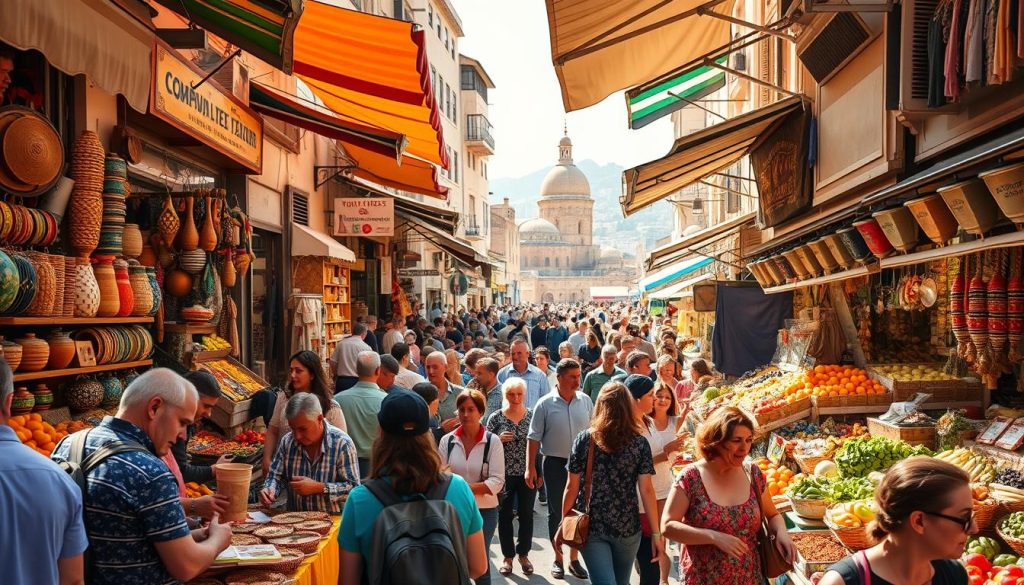
Low Season: Benefits of Visiting During Quieter Periods
Visiting Tunis in the low season, October to May, has its perks. You’ll find fewer tourists and lower prices for places to stay and services. The weather might be cooler, but Tunis’s mild climate is perfect for exploring. You can enjoy the city’s sites and culture without the crowds.
Cultural Calendar: Festivals and Events Worth Planning Around
Discover the rich culture of Tunis by planning your trip around its key festivals. Tunis, the lively capital of Tunisia, offers a wide range of events all year. From religious holidays to cultural festivals, there’s always something exciting happening in this vibrant city.
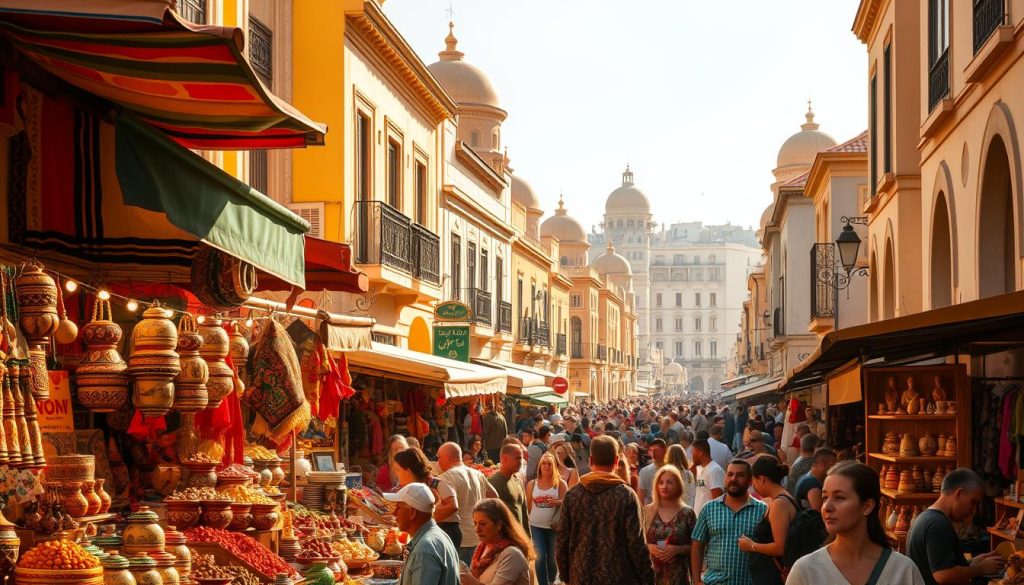
Ramadan: How It Affects Your Travel Experience
Ramadan is a holy month of fasting, where many businesses change their hours or close during the day. Yet, it also brings a special atmosphere. Families come together in the evenings to break their fast.
You can feel the Tunisian people’s warm hospitality and try traditional foods. It’s important to respect local customs. Dress modestly and avoid eating and drinking in public during the day.
Religious Celebrations Throughout the Year
Tunis celebrates many religious events, like Eid al-Fitr and Eid al-Adha. These celebrations include traditional music, food, and festivities. Visiting during these times lets you dive deeper into Tunisian culture and values.
Be ready for bigger crowds and possible changes in business hours.
Arts, Music, and Cultural Festivals in Tunis
Tunis has a booming arts scene, with festivals for music, film, and theater. The Carthage International Festival is a must-see, featuring both local and international acts. These events are a great way to see the city’s cultural side and meet others.
Best Times for Specific Activities in Tunis
Exploring Tunis can be amazing, whether you’re checking out historical sites, enjoying the beach, or trying local food. Knowing the best times for these activities can make your trip even better. Tunis is great all year, but some activities shine in certain seasons.
Exploring the Medina and Historical Sites
The best time to see the Medina and historical sites is in spring (March to May) and autumn (September to November). The weather is mild, making walking tours easy. You’ll miss the summer heat and winter rain, making your visit more fun.
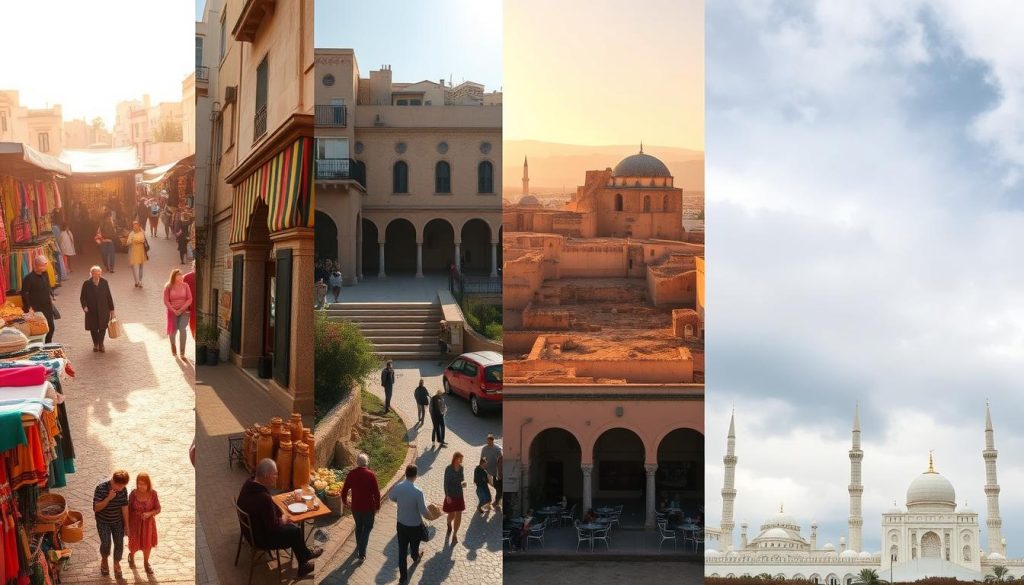
Beach Activities and Coastal Experiences
Summer (June to August) is the best time for beach fun in Tunis. The weather is warm, and the sea is calm, perfect for swimming and water sports. But, if you want fewer people, go in early June or late August.
Culinary Adventures and Food Experiences
Tunis is a food lover’s dream all year, but spring and summer are the best for food. Fresh produce and seafood are at their best then. Don’t miss the local festivals and markets, which happen more often in these seasons.
Shopping and Artisan Crafts
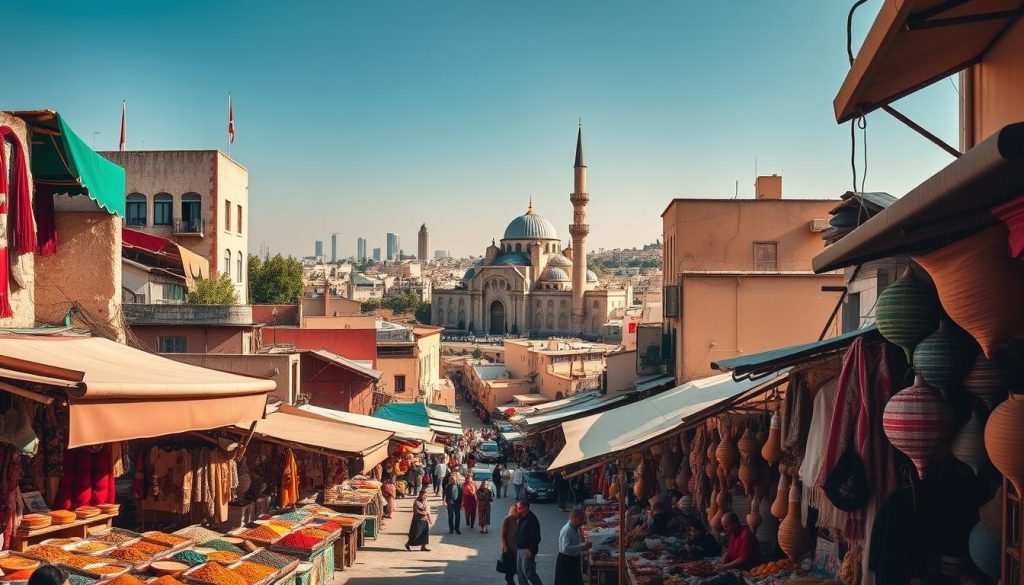
For shopping and crafts, the cooler months (October to February) are better. The souks and markets are easier to explore when it’s not too hot. You’ll find unique items, jewelry, and local goods, making your shopping trip more fun.
Month-by-Month Breakdown of Visiting Tunis
Planning your trip to Tunis? Knowing the weather and events by month is key. This guide helps you pick the best time for your visit. Whether you want nice weather, cultural events, or to avoid the crowds, we’ve got you covered.
January to March: Winter into Early Spring
January to March in Tunis is mild, with temperatures from 45°F to 60°F. It’s a great time to see historical sites without the summer rush. You can also enjoy cultural events and festivals, perfect for those who love local traditions.
April to June: Spring into Early Summer
April to June brings pleasant weather and blooming landscapes. Temperatures are between 65°F and 80°F. It’s perfect for outdoor fun, like visiting the Medina, beach days, and exploring nearby areas.
July to September: Summer into Early Fall
Summer in Tunis is hot, with temperatures over 90°F. July to September is the busiest time, with long days for beach fun. But, expect big crowds at popular spots.
October to December: Fall into Winter
October to December offers mild autumn weather, cooling down to winter. It’s a good time for sightseeing, with fewer tourists. Temperatures range from 50°F to 75°F, ideal for various activities.
| Month | Average Temperature (°F) | Events/Activities |
|---|---|---|
| January | 50 | Cultural festivals |
| April | 65 | Outdoor activities |
| July | 85 | Beach activities |
| October | 70 | Sightseeing |
Budget Considerations Throughout the Year
Knowing how to budget for a trip to Tunis can make your journey better. It’s key to think about how the time of year changes your costs.
High vs. Low Season Pricing for Accommodations
Prices for places to stay in Tunis change with the seasons. In the busy months (June to August), hotels and riads cost more because more people travel. But, from April to May and September to October, you might find better prices. Booking early can get you a good deal, no matter the season.
Flight Costs from the United States by Season
Flights from the U.S. to Tunis also have different prices based on the season. Summer months usually mean higher prices because more people travel. But, off-peak seasons might be cheaper. Using tools to compare flights and being flexible with your travel dates can help you save.
Saving Money on Activities and Dining
To cut costs on things to do and eat, try local markets and small restaurants. They’re cheap and give you a real taste of the place. Many historical sites have good prices, and some are free on certain days. Looking ahead can help you find these deals and plan your trip well.
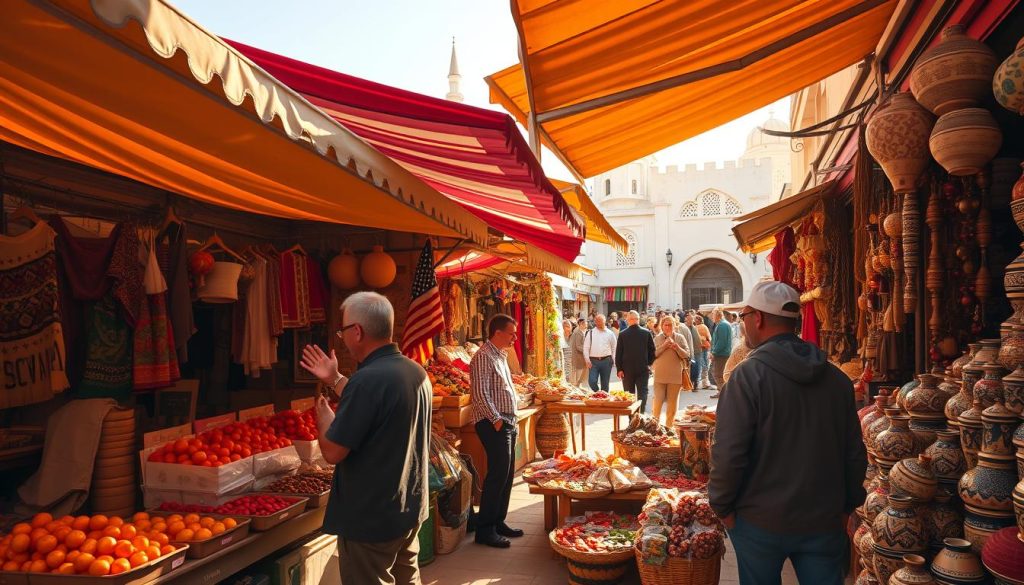
Practical Considerations for Your Tunis Trip
Getting ready for your trip to Tunis? Knowing the basics can make your trip better. Find out what to pack, how to move around, and where to stay. This will help you enjoy your journey more.
Packing Tips for Different Seasons
What to pack in Tunis changes with the season.
- In spring and fall, wear layers like light jackets and comfy clothes.
- For summer, choose light, airy clothes to stay cool.
- Winter is mild but can rain, so bring waterproof stuff.
Transportation Considerations Throughout the Year
Traveling around Tunis is easy. You can take taxis, buses, or rent a car.
| Mode of Transport | Availability | Cost |
|---|---|---|
| Taxis | Widely available | Moderate |
| Buses | Frequent | Low |
| Rental Cars | Available at airports and cities | High |
Accommodation Availability and Booking Strategies
Tunis has many places to stay, from cheap hotels to fancy resorts.
“Tunis offers a wide range of accommodations to suit every traveler’s needs, from cozy riads to modern hotels.” – Traveler’s Guide
Day Trips from Tunis: Seasonal Recommendations
Tunis is a great starting point for day trips. You can see ancient sites and natural wonders all year. Whether you want to see old ruins, enjoy the coast, or dive into local culture, there’s something for everyone.
Coastal Excursions: Carthage, Sidi Bou Said, and La Marsa
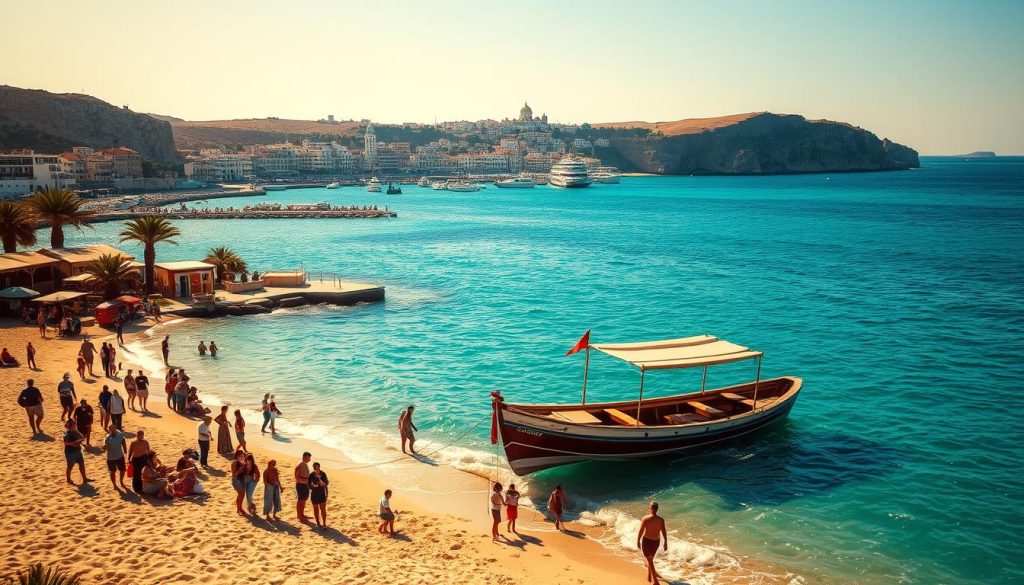
The coastal areas around Tunis are perfect for day trips in spring and summer. You can explore Carthage and its history, including the Punic Ports and Roman Amphitheater. Sidi Bou Said has white houses and blue doors, offering a lovely view of the Mediterranean. La Marsa is great for relaxing on its beaches and trying water sports.
Inland Adventures: Dougga, El Jem, and Bulla Regia
If you love history, inland trips are for you. Dougga is a UNESCO site with Roman ruins like theaters and temples. El Jem is known for its huge Roman amphitheater. Bulla Regia shows off underground Roman villas, giving a peek into ancient life. These places are open all year, but visiting in cooler months is more comfortable.
Conclusion: Planning Your Perfect Tunis Getaway
Now you know all about visiting Tunis. You’ve figured out the best time to go, based on what you like. Tunis is great all year, whether you want nice weather, cultural events, or to save money.
Good Tunis vacation planning means thinking about the weather, crowds, and prices. This helps you make a trip plan that fits you. You can see the old Medina or enjoy the city’s lively culture. Tunis is sure to give you memories you’ll always treasure.
Think about what you want to do most in Tunis. With its history, food, and friendly people, it’s a place you’ll remember. Start planning your trip to Tunis now. Get ready to explore the beauty and charm of this amazing city.