
How to Visit the Bardo Museum in Tunis
Are you ready to uncover the rich history of Tunisia? The Bardo Museum in Tunis is a treasure trove of archaeological findings. It features an extensive collection of Roman mosaics and Punic jewels.
Located in a 15th-century royal palace, this museum is a key cultural institution in the Mediterranean. As you plan your visit, you’ll want to know more about its significance and what to expect.
Discover the secrets of Tunisia’s past and get ready for an unforgettable experience at the Bardo Museum.
The Bardo Museum: Tunisia’s Cultural Treasure
The Bardo Museum in Tunis brings Tunisia’s history to life. It’s a key spot to visit. Here, you’ll find a wide range of artifacts that show Tunisia’s past from ancient times to today.
Historical Background of the Museum
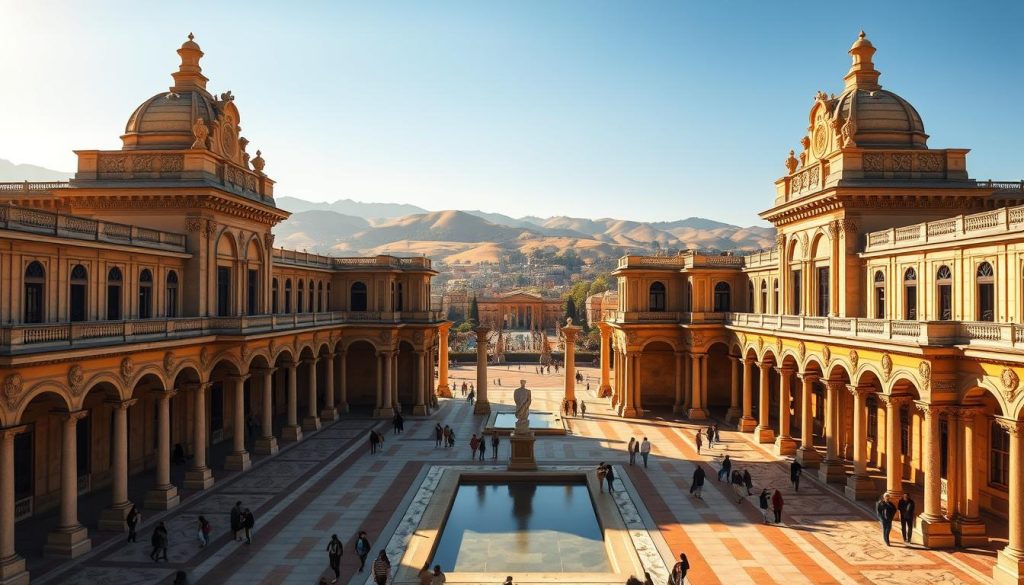
The Bardo Museum is in an old Beylic palace from the 19th century. This building itself tells a lot about Tunisia’s history. It was once home to the Beys of Tunis.
The museum’s origins are deeply connected to Tunisia’s history. It was set up to protect the country’s cultural treasures. Today, it’s a major cultural hub in North Africa.
Significance in North African Art and History
The Bardo Museum is famous for its mosaics, like the one of Virgil, the poet. It also has a large collection of Punic jewels. These jewels give us a peek into the lives of ancient Carthaginians.
| Collection | Description | Significance |
|---|---|---|
| Roman Mosaics | Extensive collection of mosaics from Roman villas | Showcases Roman artistry and daily life |
| Punic Jewels | Collection of jewels from the Punic era | Provides insight into Carthaginian culture |
| Islamic Art | Various artifacts from the Islamic period | Highlights the influence of Islam on Tunisian culture |
Visiting the Bardo Museum is like taking a trip through Tunisia’s history. It’s a must-see for anyone interested in North African art and history. The museum’s rich collections and historical importance make it a unique part of your Tunis trip.
Planning Your Visit to the Bardo Museum
Planning your visit to the Bardo Museum in advance is key for a smooth and enjoyable trip. This museum in Tunis is a major cultural spot. It showcases a wide range of historical artifacts, like Roman mosaics and Carthaginian relics.
Opening Hours and Best Times to Visit
The Bardo Museum welcomes visitors from 9:00 AM to 5:00 PM, Wednesday through Monday. To beat the crowds, consider visiting in the morning or late afternoon. This way, you can fully enjoy your Tunis sightseeing itinerary.
- Mornings are perfect for a calm visit.
- Late afternoons are great for seeing the highlights without the crowds.
Ticket Prices and Admission Information
Ticket costs for the Bardo Museum depend on your visit type and status. Here are some important details:
| Category | Price |
|---|---|
| Adults | 12 TND |
| Students | 6 TND (with valid ID) |
| Guided Tours | Variable prices; check with the museum for Bardo Museum tours |
Always check the museum’s official website for the latest on ticket prices and special exhibitions. Some may cost extra.
Photography and Museum Rules
Photography is okay for personal use, but tripods and flash are usually not allowed. Remember to be considerate of others and follow the museum’s rules. This way, everyone can have a great time.
How to Visit the Bardo Museum in Tunis: Location and Transportation
To enjoy your visit to Tunis, knowing how to get to the Bardo Museum is key. It’s in the Bardo neighborhood, just outside Tunis. You can get there by different ways of transport.
Finding the Museum’s Exact Location
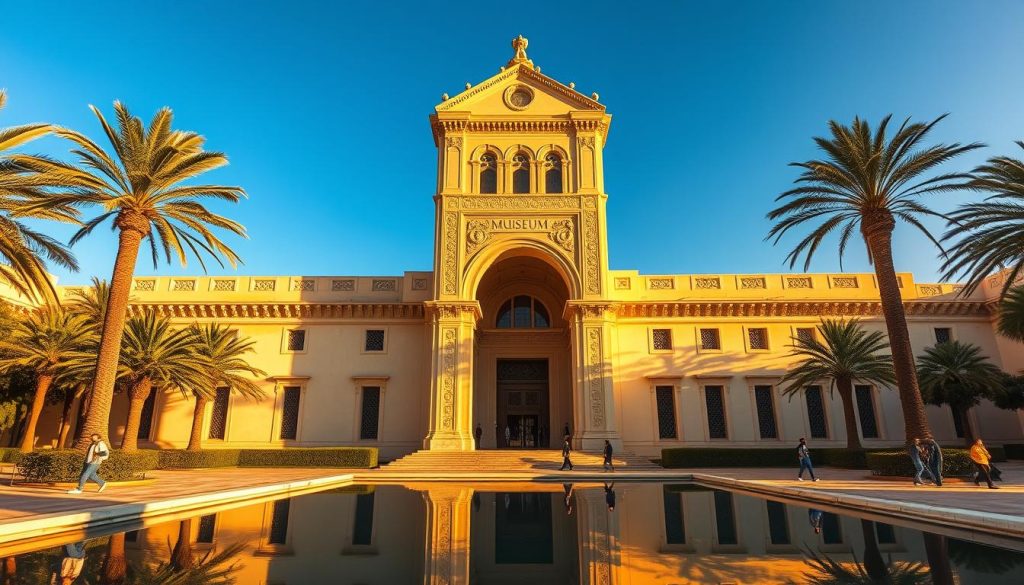
The Bardo Museum is at Le Bardo, Tunis, with an address of 2000 Le Bardo. It’s easy to find on maps and GPS. Just type “Bardo Museum Tunis” on Google Maps to find it.
Or, ask locals or your hotel for directions. The museum is well-known in Tunis. Most taxi drivers know where it is.
Public Transportation Options
Tunis has a good public transport system. It includes buses and metro lines. The closest metro station is “Le Bardo,” near the city center.
Buying a ticket at any metro station is easy. The trip from the city center to Le Bardo takes 20-30 minutes. It depends on the time and line.
Bus number 3 or 4 also stops near the museum. Buses might take longer because of traffic. But they’re cheaper and let you see the city.
Taxi and Rideshare Services
Taxis are easy to find in Tunis. They’re a convenient but pricier way to get to the museum. You can hail one, book through your hotel, or use a taxi app.
Rideshare services are another good choice. They’re often cheaper than taxis. Just type “Bardo Museum” in your app to find a driver.
Always agree on the fare or check the meter in taxis or rideshares. This avoids any confusion.
Must-See Collections and Exhibits
The Bardo Museum in Tunis is a treasure trove of history and culture. It houses Roman mosaics, Islamic art, and Carthaginian artifacts. These treasures offer a deep dive into Tunisia’s rich past.
The Roman Mosaics Collection
The Bardo Museum is famous for its Roman mosaics. These mosaics are some of the best-preserved and most stunning in the world. They date back to the 2nd and 3rd centuries AD, giving us a peek into the lives of ancient Romans in Tunisia.
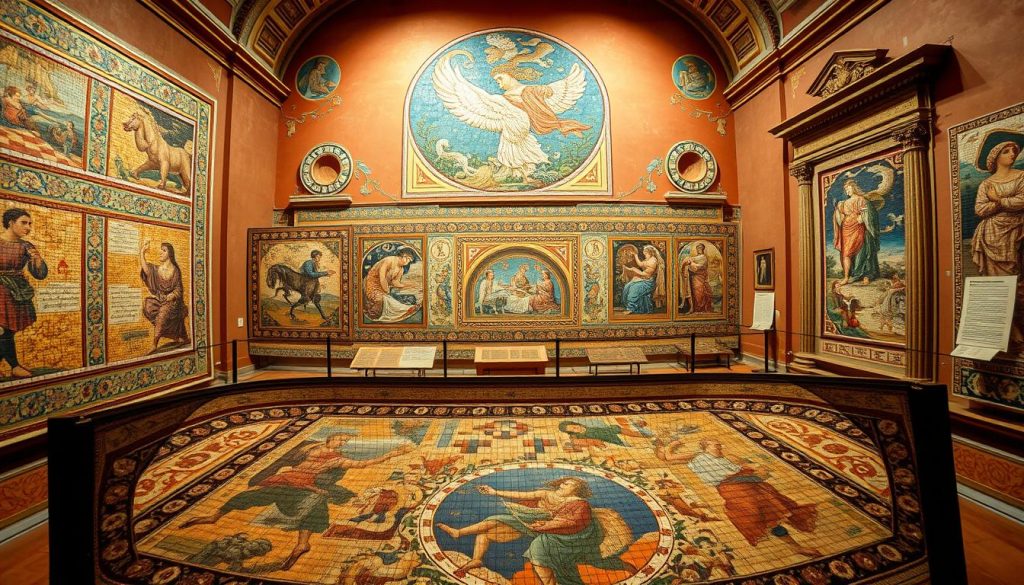
- The Triumph of Neptune: A breathtaking mosaic of Neptune surrounded by sea creatures and mythological figures.
- The Virgil Mosaic: A rare mosaic of Virgil, showing his importance in ancient Roman culture.
The Triumph of Neptune
This mosaic is a highlight of the museum. It showcases the skill of ancient Roman mosaicists. The colors and designs are vibrant and intricate, making it a must-see.
“The Roman mosaics at the Bardo Museum are a testament to the rich cultural heritage of Tunisia, offering a unique window into the country’s ancient past.”
The Virgil Mosaic
The Virgil Mosaic is another gem in the collection. It offers insights into ancient Roman culture and literature. This mosaic is not just art but also a historical treasure.
Islamic Art Exhibits
The Bardo Museum also features an impressive Islamic art collection. It includes intricate calligraphy, ornate ceramics, and textiles. These pieces showcase the artistic achievements of Islamic civilizations in North Africa.
- Intricate Calligraphy: Beautiful calligraphy that adorned mosques and important buildings.
- Ornate Ceramics: Ceramics that demonstrate the skill of Islamic artisans.
Carthaginian Artifacts
The museum’s Carthaginian artifacts give us a glimpse into ancient Carthage. This civilization once thrived in North Africa. The artifacts include jewelry, coins, and other finds that highlight Carthage’s importance.
Some key Carthaginian artifacts include:
- Jewelry: Jewelry that shows the craftsmanship of Carthaginian artisans.
- Coins: Ancient coins that reveal Carthage’s economy and trade networks.
Navigating the Museum’s Layout
To get the most out of your Bardo Museum visit, knowing the layout is key. The museum’s vast collections are on several floors. Each floor has galleries and spaces that show off Tunisia’s history and culture.
Ground Floor Highlights
When you enter, you’ll see the grand halls of the ground floor. Here, some of the best exhibits are found. The Roman Mosaics Collection is a must-see, with detailed mosaics of ancient Roman life.
You can also check out the Carthaginian Artifacts. They give a peek into the ancient past of the region.

Upper Floors and Special Exhibits
Going up to the upper floors, you’ll find special exhibits. These shows dive deeper into Tunisia’s history and culture. Some highlights include:
- Islamic Art Exhibits, with beautiful calligraphy and ceramics
- Temporary exhibitions on specific Tunisian history and culture topics
- A collection of Ottoman era artifacts, showing the region’s rich heritage
Recommended Routes Through the Museum
For a better visit, follow a suggested route. Start on the ground floor with the Roman Mosaics and Carthaginian Artifacts. Then, head up to see the Islamic Art Exhibits and other special exhibits.
Planning your route helps you not miss any key exhibits. It makes your visit more enjoyable and efficient.
Guided Tours and Educational Resources
Exploring the Bardo Museum with a guided tour can make your Tunis trip better. The museum has many educational resources and tour options. These are for all kinds of interests and learning styles. Whether you love history, art, or just want to learn, these tours offer great insights into the museum’s vast collections.
Official Museum Tours
The Bardo Museum has official guided tours led by experts. These tours focus on the museum’s key exhibits, like the famous Roman mosaics and Carthaginian artifacts. By taking an official tour, you’ll learn more about the history and cultural importance of the artifacts.
Private Guide Options
For a more personal experience, choose a private guide. Private guides can customize the tour to fit your interests. This is great for those who want a flexible schedule or have specific questions.
Audio Guides and Mobile Apps
The Bardo Museum also has audio guides and mobile apps. These help you explore the museum at your own pace. They offer detailed commentary in many languages, making the museum welcoming to visitors from around the world.
| Tour Type | Description | Language | Duration |
|---|---|---|---|
| Official Museum Tour | Guided tour of major exhibits | English, French, Arabic | 1 hour |
| Private Guide | Personalized tour tailored to your interests | Negotiable | Variable |
| Audio Guide | Self-paced tour with detailed commentary | English, French, Arabic, Spanish | Self-paced |
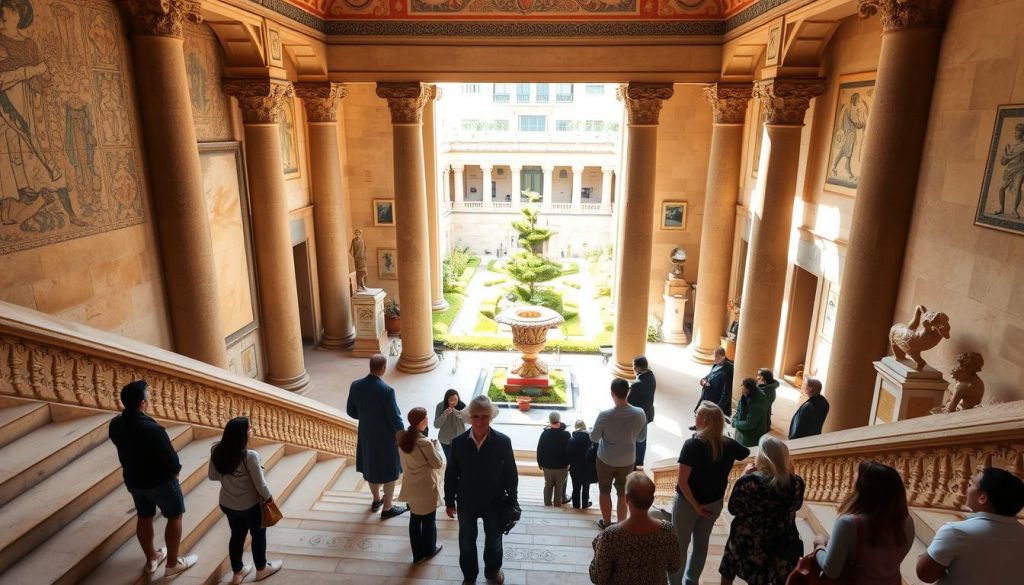
Cultural Context and Visitor Tips
Planning your visit to the Bardo Museum in Tunis? Knowing the local culture can make your trip better. The museum is filled with historical treasures and offers a chance to dive into Tunisian culture.
Understanding Tunisian Cultural Etiquette
Respect Tunisian customs at the Bardo Museum. Tunisia is conservative, so dress modestly. Avoid revealing clothing for a respectful visit. Also, public affection is not common.
Learning basic Arabic phrases like “hello” (مرحبا – Marhaba) and “thank you” (شكرا – Shukraan) shows respect for the culture.
Language Considerations
Many Tunisians speak French and some English, but Arabic is official. At the Bardo Museum, exhibits might have English descriptions. Still, knowing French or Arabic helps you enjoy the museum more.
Download a translation app on your phone to overcome language barriers.
Safety Tips for American Visitors
Safety is key when traveling. American visitors should watch their belongings and stay alert. Keep up with local news through government advisories.
Be cautious with your belongings and avoid carrying too much cash. Safe travel to and from the museum includes using reputable taxis or ride-sharing apps.
Accessibility Information
The Bardo Museum is wheelchair accessible. Ramps and elevators connect different levels. But, some areas might be tricky. Ask about accessibility when buying tickets or upon arrival.
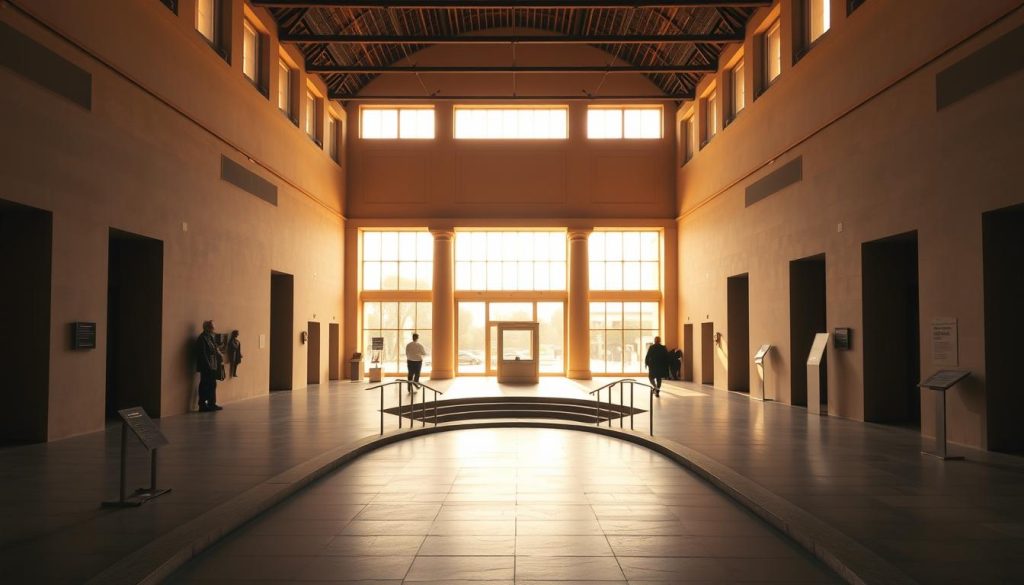
Being informed and prepared makes your Bardo Museum visit better. Whether you’re into history, mosaics, or Tunisian culture, the museum has something for you.
Combining Your Visit with Other Tunis Attractions
To fully experience Tunis, visit the Bardo Museum and other key sites. The city is rich in history and culture. These attractions will make your trip unforgettable.
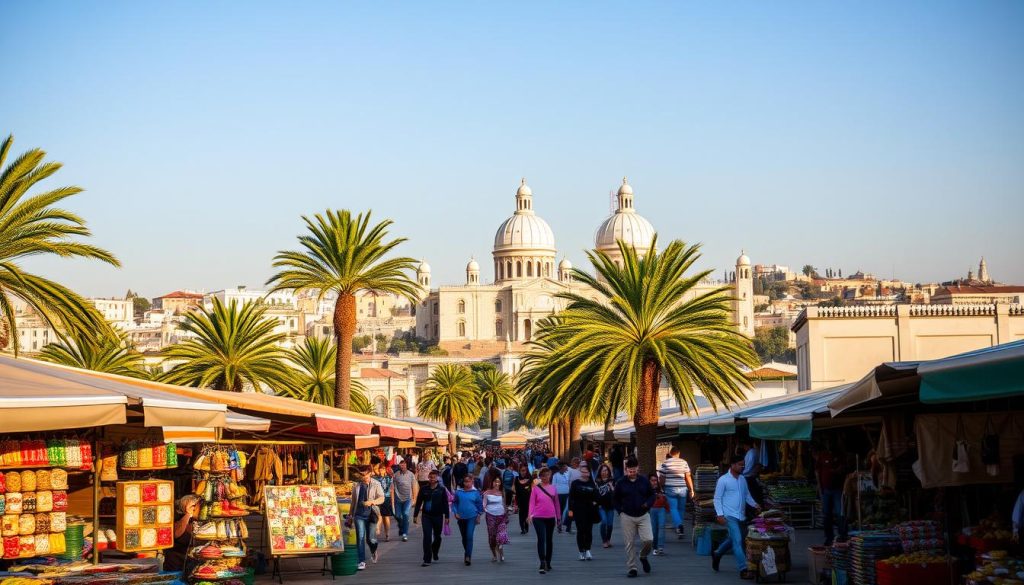
Medina of Tunis UNESCO World Heritage Site
The Medina of Tunis is a UNESCO World Heritage Site. It’s a historic area with narrow streets, shops, and landmarks. Spend hours here to soak in the local culture and find souvenirs.
Don’t miss the Great Mosque and Dar Ben Abdallah museum in the Medina. They show Tunis’s rich history and culture.
Local Dining Options Near the Museum
After exploring, try local food near the Bardo Museum. You’ll find traditional Tunisian dishes and international cuisine. There’s something for everyone’s taste.
Try couscous, brik, and harissa. Also, visit local cafes for a traditional coffee or tea.
Creating a Full-Day Tunis Itinerary
Plan a full-day in Tunis to see the Bardo Museum and more. Start at the Bardo Museum, then explore the Medina of Tunis.
After lunch, visit the Tunis Cathedral or Government Palace. A well-planned day ensures you see all Tunis has to offer.
Visiting the Bardo Museum and other attractions makes your trip memorable. Tunis offers history, culture, and exploration for everyone.
Conclusion
When planning your trip to Tunis, don’t miss the Bardo Museum. It’s a cultural gem that shows Tunisia’s history from ancient times to the Islamic era. You’ll see amazing Roman mosaics, Islamic art, and artifacts from Carthage.
Think about visiting the Bardo Museum along with other places in Tunis. For example, the Medina of Tunis is a UNESCO World Heritage Site. This advice will help you plan a trip that highlights Tunis’s culture and history.
By using the tips from this article, you’ll be ready to explore the museum and all Tunis has to offer. Whether you love history or just want to experience local culture, the Bardo Museum is a must-see. It will give you memories that last a lifetime.