
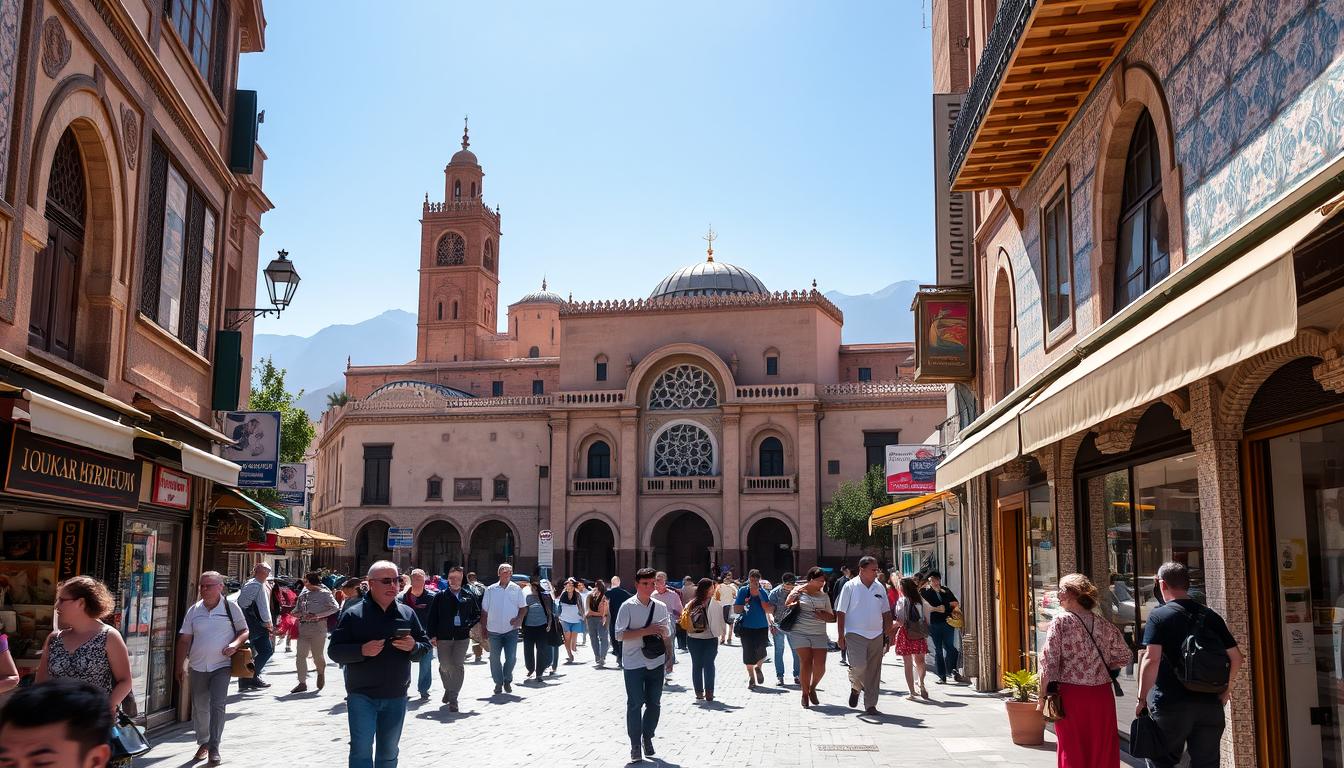
Plan Your Moroccan Jewish Museum Visits Today
Are you curious about Morocco’s Jewish community? The Museum of Moroccan Judaism in Casablanca is a key place to learn about it. It offers a unique look into the history and traditions of the Jewish people.
When you plan your Jewish heritage tours, don’t miss this museum. It highlights the Jewish community’s history and contributions in Morocco. You’ll get a full picture of their cultural and religious life.
Visiting this museum will help you understand Morocco’s rich cultural tapestry better. Start planning your trip today. Explore the fascinating history and cultural importance of this vital institution.
The Rich Heritage of Moroccan Jewish Culture
Morocco’s Jewish heritage is a rich tapestry woven over centuries. The country’s unique cultural landscape has been shaped by the historical presence of Jews. They have contributed significantly to Moroccan society.
Historical Presence of Jews in Morocco
The history of Jews in Morocco dates back to the Roman era. Evidence of Jewish communities in cities like Fez and Marrakech exists. Jewish settlers brought their traditions, language, and customs, blending with Berber and Arab cultures.
The Jewish community thrived under various dynasties. These included the Idrisid and the Alaouite, who ruled Morocco from the 8th century onwards.
- Establishment of Jewish quarters (Mellahs) in cities like Fez and Marrakech.
- Contributions to trade, commerce, and craftsmanship.
- Development of a distinct Jewish-Moroccan culture.
Cultural Significance and Contributions
The Jewish community in Morocco has made significant cultural contributions. They have created literary works, music, and art. Moroccan Jewish literature is known for its poetry and liturgical writings, showing the community’s spiritual and cultural life.
The cultural exchange between Jews and Muslims in Morocco has enriched the country’s heritage. Both communities have influenced each other’s customs and traditions.
Understanding the Importance of Moroccan Jewish Museum Visits
Moroccan Jewish museums are more than just places to see old things. They open doors to a rich cultural world. By visiting, you learn about the history and culture of the Jewish community in Morocco.
Preserving a Unique Cultural Legacy
These museums are key in keeping Jewish art and artifacts alive. They protect the heritage of Moroccan Jews for the future. This way, the history and traditions of the Jewish community are kept safe.
Some important things these museums keep include:
- Historical artifacts from synagogues and Jewish quarters
- Traditional clothing and ceremonial objects
- Documents and records of the Jewish community’s history
| Museum | Location | Notable Exhibits |
|---|---|---|
| Museum of Moroccan Judaism | Casablanca | Historical artifacts, traditional clothing |
| Mellah Museum | Fez | Jewish ceremonial objects, community records |
Educational Value for International Visitors
For visitors from other countries, these museums are a special learning experience. They offer a deep dive into the history and culture of Moroccan Jews. By visiting, you can understand the complex relationship between Jewish and Moroccan cultures.
Key educational benefits include:
- Understanding the historical presence of Jews in Morocco
- Learning about the cultural significance and contributions of the Jewish community
The Museum of Moroccan Judaism in Casablanca
When you’re planning your Moroccan Jewish Museum visits, don’t miss the Museum of Moroccan Judaism in Casablanca. It’s a key cultural spot that highlights Morocco’s Jewish heritage.
History and Establishment
The Museum of Moroccan Judaism opened in 1997. Its goal is to keep and share the history and culture of Moroccan Jews. It’s a crucial place for learning about the Jewish history in Morocco.
Notable Collections and Exhibits
The museum has many exhibits that show different parts of Jewish culture and history in Morocco. Some of the main collections include:
Religious Artifacts and Ceremonial Objects
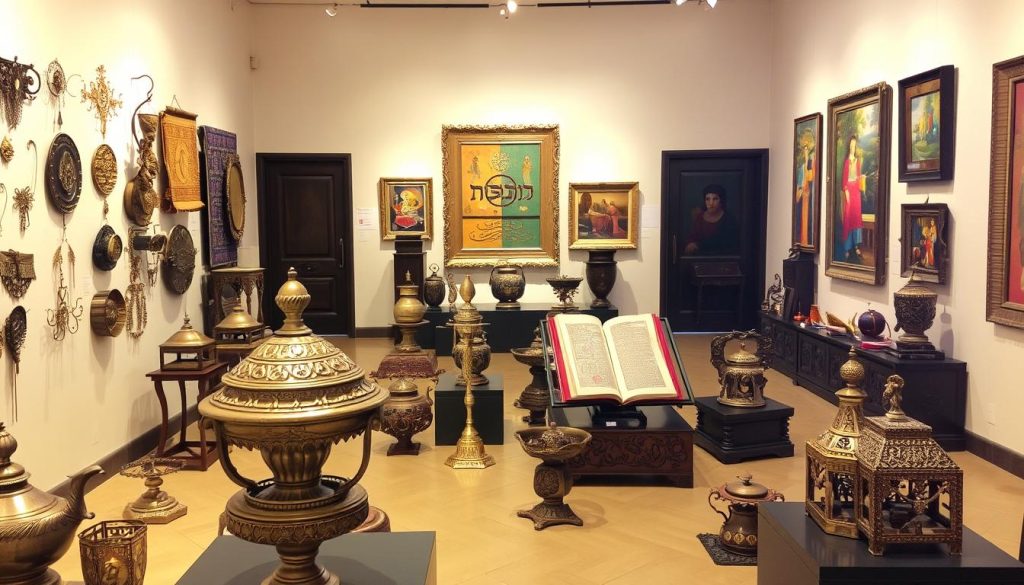
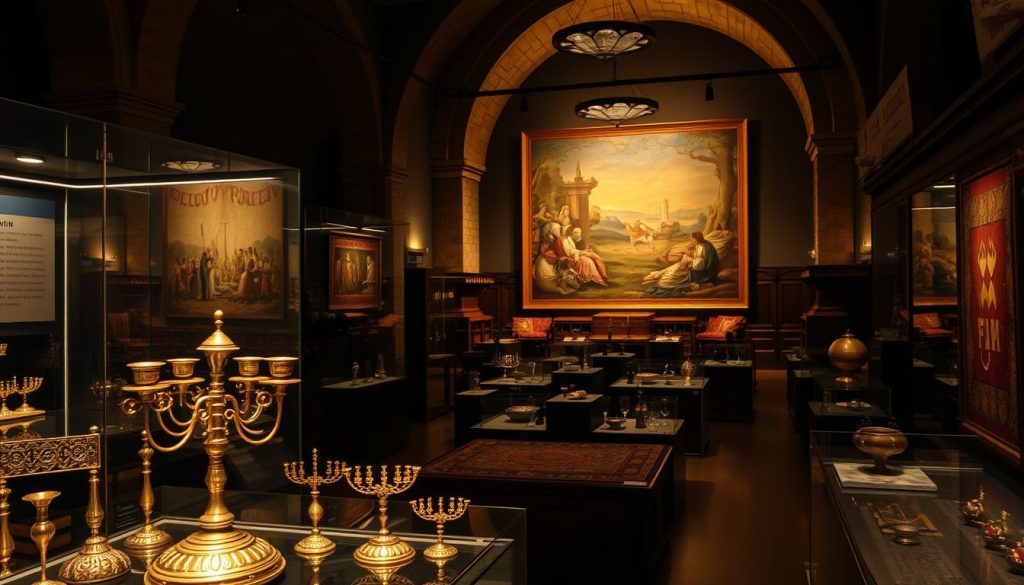
The museum has a large collection of religious items. You can see Torah scrolls, menorahs, and other important objects. These items show how Moroccan Jews practiced their faith.
Historical Documents and Photographs
The museum also has a big collection of historical documents and photos. These items give a glimpse into the lives of Moroccan Jews over time. They offer a special look at the community’s history and contributions.
Visitor Information and Practical Details
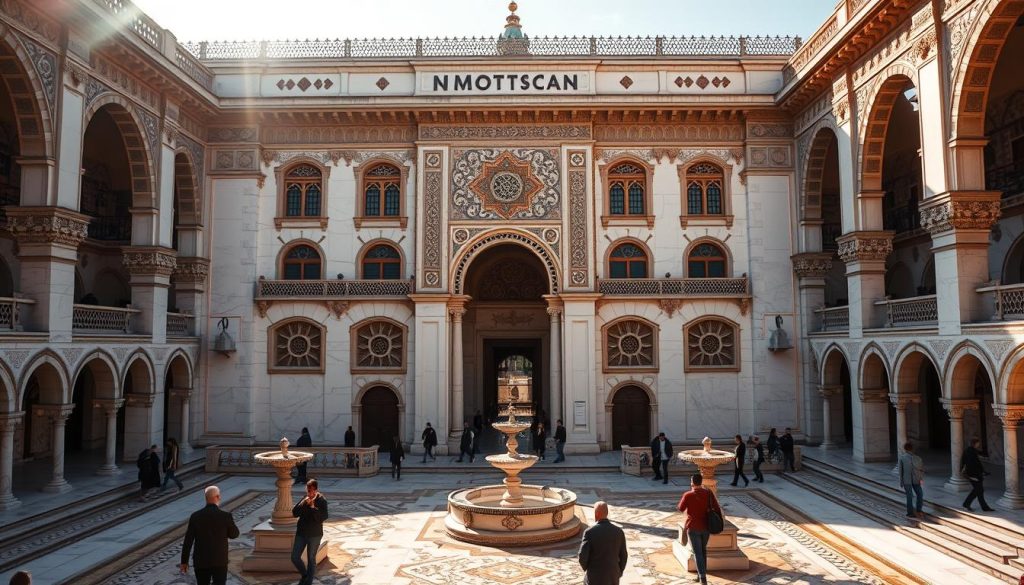
Before you visit the Museum of Moroccan Judaism, remember it’s open all week except Saturdays and Jewish holidays. It’s a good idea to check the museum’s hours and tour availability ahead of time. This way, you can fully enjoy your Synagogue tours in Morocco.
Exploring the Mellah Museum in Fez
The Mellah Museum in Fez gives a peek into Morocco’s Jewish community’s rich culture. As you wander through, you’ll learn about the Mellah’s importance to Fez’s Jewish people.
Historical Context of the Jewish Quarter
The Mellah in Fez dates back to the 15th century. It was a refuge for Jews fleeing Spain and Europe. It became a lively spot for Jewish culture, commerce, and life.
Key Historical Facts:
- Established in the 15th century
- Refuge for Jewish migrants from Europe
- Cultural and commercial hub
Exhibits and Cultural Artifacts
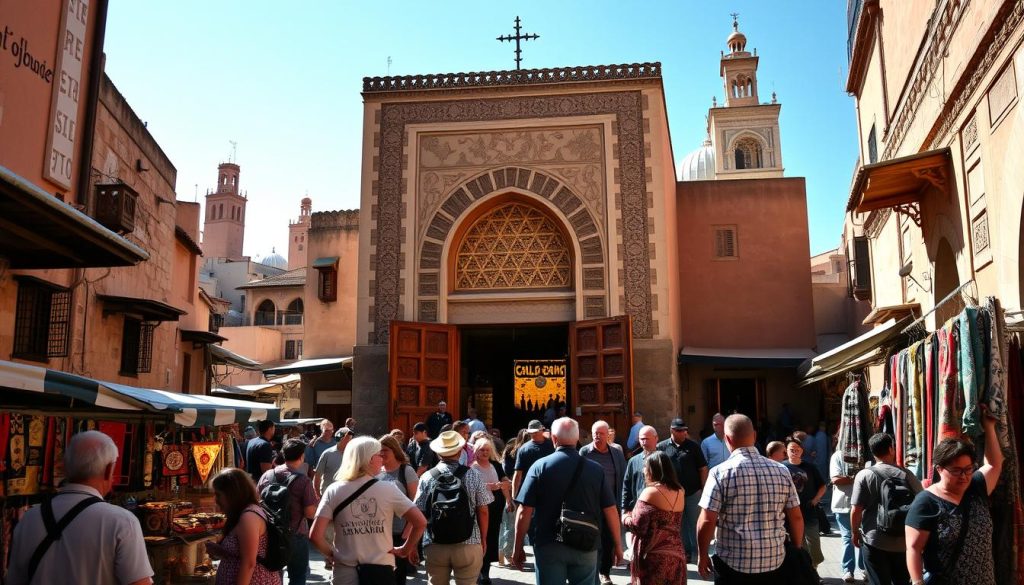
The Mellah Museum has a wide range of exhibits and artifacts. They show the lives, traditions, and achievements of Fez’s Jewish community. You can see everything from traditional crafts to daily life scenes.
Traditional Crafts and Artisanal Works
The museum displays many traditional crafts and works. You’ll see beautiful silverwork, textiles, and ceremonial items. These pieces showcase the talent of Fez’s Jewish craftsmen.
Daily Life Representations
There are also exhibits that show what life was like in the Mellah. They give a glimpse into the community’s customs, traditions, and social life. These scenes help you understand the Mellah’s history.
| Exhibit | Description |
|---|---|
| Silverwork | Intricate silver artifacts used in Jewish ceremonies |
| Textiles | Traditional clothing and fabrics used by the Jewish community |
| Ceremonial Objects | Objects used in religious ceremonies and rituals |
Marrakech Jewish Heritage Sites and Museums
As you explore Marrakech, you’ll find a rich tapestry of Jewish heritage sites. These sites offer a glimpse into the city’s historical and cultural diversity. Marrakech is home to several significant Jewish heritage sites, including the Lazama Synagogue and the Slat Al Azama Synagogue.
The Lazama Synagogue and Museum
The Lazama Synagogue, now a museum, is a testament to Marrakech’s Jewish heritage. This site is notable for its unique blend of architectural styles.
Architectural Features and Significance
The synagogue’s architecture is characterized by its intricate designs and historical significance. It reflects the cultural exchange between Jewish and Islamic communities.
Collection Highlights
The museum houses a collection of artifacts. These artifacts highlight the history and culture of Marrakech’s Jewish community. You’ll see ritual objects and historical documents.
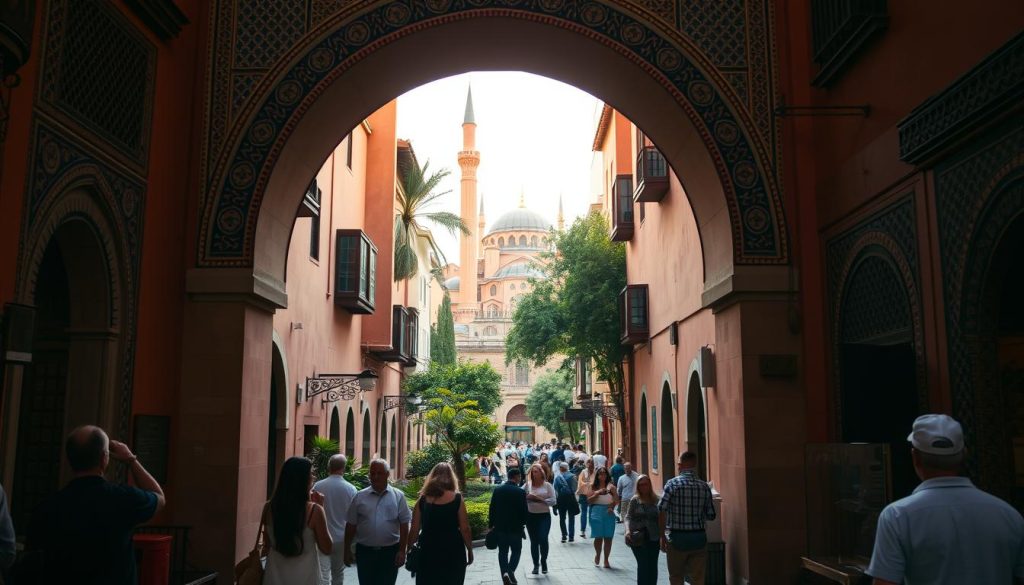
The Slat Al Azama Synagogue
The Slat Al Azama Synagogue is another significant Jewish heritage site in Marrakech. It’s known for its historical importance and visitor experience.
Historical Importance
This synagogue has played a crucial role in the Jewish community of Marrakech. It served as a center for religious and cultural activities.
Visitor Experience
Visitors to the Slat Al Azama Synagogue can experience the rich history and cultural significance of the site. Guided tours are available to enhance understanding.
Exploring these Jewish heritage sites in Marrakech provides a unique opportunity for cultural exploration. It helps us understand the city’s diverse history.
Jewish Heritage Tours in Essaouira
As you explore Essaouira, you’ll find a rich Jewish heritage. This coastal town has a long history with the Jewish community. You’ll see sites that show their traditions and beliefs.
The Simon Attias Synagogue and Museum
The Simon Attias Synagogue, now a museum, highlights Essaouira’s Jewish past. Built in the 19th century, it has stunning architecture. It gives a peek into the lives of the Jewish people who lived here.
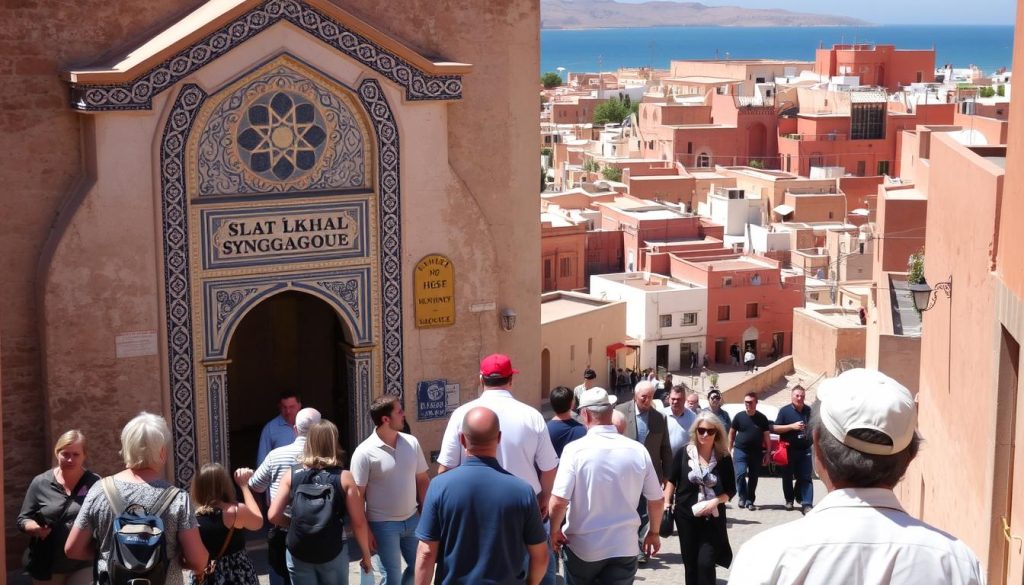
Jewish Cemetery and Historical Sites
Essaouira also has a historic Jewish cemetery. It’s a place where many Jewish people were buried. The cemetery shows the town’s diverse history and offers a look into Jewish life in Morocco.
| Site | Description | Significance |
|---|---|---|
| Simon Attias Synagogue | 19th-century synagogue turned museum | Showcases Jewish history and culture |
| Jewish Cemetery | Historic burial ground for the Jewish community | Reflects the multicultural past of Essaouira |
Planning Your Moroccan Jewish Museum Visits
Planning a trip to explore Morocco’s Jewish history is exciting. To get the most out of your visit, think about the best times to go. Also, make a detailed plan and figure out how to get around.
Best Times to Visit
The spring (March to May) and autumn (September to November) are the best times to see Morocco’s Jewish museums. The weather is nice and perfect for exploring. Avoid the summer months when it gets very hot. A travel expert says, “Spring is great for seeing Morocco’s cultural festivals, including those celebrating Jewish heritage.”
Creating an Itinerary
When planning your Jewish heritage tours, think about the places you want to see. Morocco has many museums and synagogues that show its rich Jewish history.
Sample 3-Day Jewish Heritage Tour
- Day 1: Explore the Jewish Museum in Casablanca
- Day 2: Visit the Mellah Museum in Fez
- Day 3: Discover the Lazama Synagogue in Marrakech
Sample 7-Day Comprehensive Tour
- Day 1-2: Casablanca Jewish Museum and nearby historical sites
- Day 3-4: Fez Mellah Museum and Jewish Quarter
- Day 5: Marrakech Jewish Heritage Sites, including the Lazama Synagogue
- Day 6-7: Essaouira Jewish Heritage Tour, including the Simon Attias Synagogue
Transportation Options
Morocco has trains, buses, and taxis for getting around. For Synagogue tours in Morocco, renting a car or a private driver is best. This way, you can change your plans easily. A traveler notes, “Local transport adds authenticity, letting you meet locals and experience the culture.”
Practical Information for American Travelers
Planning to explore Morocco’s rich Jewish heritage? You’ll need to know a few things. Morocco is a mix of cultures. Knowing the local customs can make your trip better.
Visa Requirements and Travel Documentation
American travelers don’t need a visa for up to 90 days in Morocco. But, your passport must be good for six months after you plan to leave. Make sure you have a valid passport and check for any extra documents you might need.
Currency and Payment Considerations
The local money is the Moroccan dirham (MAD). Credit cards work in big cities, but cash is better in small towns. You can get dirhams at the airport or from ATMs.
Health and Safety Tips
Morocco is mostly safe, but it’s smart to be careful. Keep up with local health advice, drink bottled water, and watch your stuff, mainly in busy places.
| Travel Tip | Description |
|---|---|
| Visa Requirements | No visa needed for American citizens for stays up to 90 days |
| Currency | Moroccan dirham (MAD); credit cards widely accepted in major cities |
| Health Precautions | Drink bottled water; be aware of local health guidelines |
Cultural Etiquette and Respectful Visitation
Understanding cultural etiquette is key when exploring Morocco’s Jewish heritage. Visitors need to know the cultural and historical value of the sites they visit.
Dress Code and Behavior Guidelines
When you visit Jewish heritage sites, dress modestly. Cover your shoulders and knees as a sign of respect. Also, be quiet and don’t take inappropriate photos.
- Dress modestly
- Cover shoulders and knees
- Avoid loud conversations
Photography and Interaction Protocols
Always ask for permission before taking photos, especialy in areas with religious artifacts or during ceremonies. Be respectful to local guides and community members. They can share important insights into the history and significance of the sites.
By following these guidelines, you can have a more meaningful and respectful visit to Morocco’s Jewish heritage sites.
Guided Tours vs. Independent Exploration
When planning your Moroccan Jewish Museum visits, you have two main choices: guided tours or exploring on your own. Each option has its own advantages, depending on what you want to get out of your visit.
Benefits of Expert-Led Jewish Heritage Tours
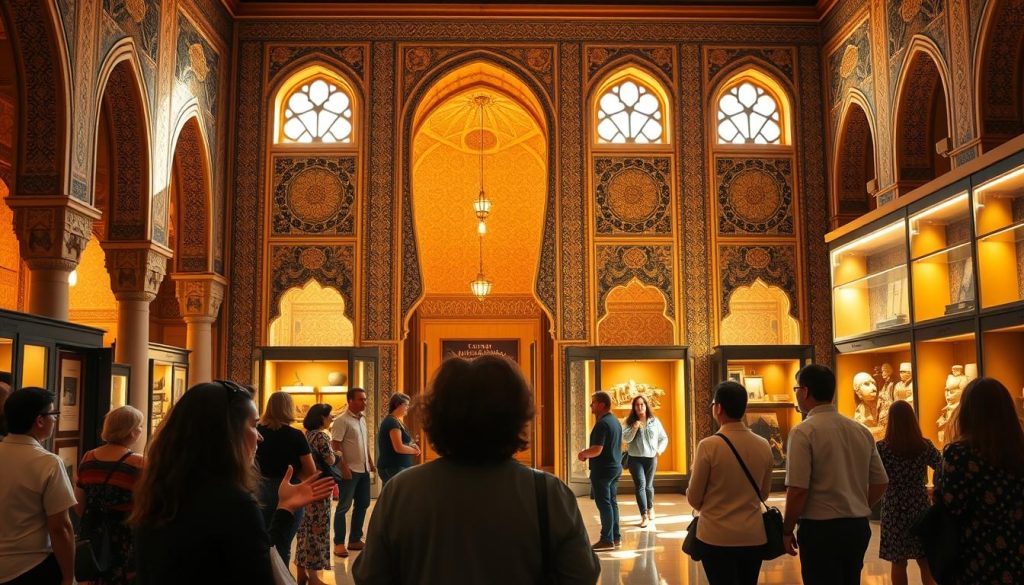
Guided tours, led by experts, offer a deeper look into Jewish heritage sites in Morocco. These tours give unique insights into the importance of artifacts and exhibits. This makes your visit more meaningful.
With a guided tour, you learn more about the history and culture of Moroccan Jewish communities. It’s a chance to understand their complex past and traditions.
Resources for Self-Guided Museum Visits
If you like exploring on your own, there are many resources to help. Museums often have audio guides or mobile apps with detailed info about exhibits. You can also find online resources and guidebooks to help you navigate and understand the artifacts.
Connecting with North African Jewish History
Exploring North African Jewish history reveals a rich tapestry of Sephardic traditions. These traditions have deeply influenced the region’s culture. The history of Jewish communities in North Africa is complex, shaped by various cultures and empires.
Understanding the Sephardic Diaspora
The Sephardic Diaspora has been crucial in North African Jewish history. Sephardic Jews, migrating to different parts of the world, brought their unique culture, language, and traditions. This migration has greatly enriched the cultural heritage of their new homes.
Modern Moroccan Jewish Communities
Despite historical migrations and challenges, modern Moroccan Jewish communities are thriving. They preserve their cultural heritage while blending into Moroccan society. These communities hold onto their traditions, including language, cuisine, and religious practices.
| Community | Location | Cultural Practices |
|---|---|---|
| Moroccan Jewish Community | Casablanca | Preservation of Sephardic traditions, unique cuisine |
| Jewish Community of Fez | Fez | Maintenance of historical synagogues, traditional crafts |
| Marrakech Jewish Community | Marrakech | Celebration of Jewish festivals, traditional music |
Conclusion: Embracing Morocco’s Jewish Heritage
Exploring Morocco’s culture reveals a mix of traditions and histories. The Jewish heritage is a key part of this, showing a community that has lasted for centuries. By diving into cultural exploration in Morocco, you learn more about the history and importance of Jewish sites.
Seeing synagogues and museums on synagogue tours in Morocco lets you feel the lively culture and history of Moroccan Jewry. These places show the community’s strength and contributions. They also stress the need to keep this heritage alive for the future.
By embracing Morocco’s Jewish heritage, you join a story that values cultural diversity and understanding. When planning your trip, you help keep this rich legacy alive. This way, the stories and traditions of Moroccan Jewry can continue to inspire and teach visitors worldwide.





