

Suva Fiji Museum Tours: Uncover the Island’s Rich History
Planning a trip to the Pacific’s cultural heart raises a question: What secrets lie hidden in the island’s past? The answer is found in the rich cultural heritage kept in a historic place.
This key cultural spot opened in 1904. It’s the oldest in the South Pacific. It takes you on a journey through the island’s varied communities with its artifacts. Guided tours let you dive into the history and meaning of the exhibits. It’s a must-see for those who love cultural experiences.
Discovering the island’s history lets you see how it has shaped local culture. Your visit will be both enriching and memorable.
The Cultural Significance of Fiji’s National Museum
The Fiji Museum is key in keeping Fiji’s culture alive. It’s a top cultural spot in the Pacific. It gives visitors a special look into Fiji’s past and traditions.

The Museum’s Role in Preserving Fijian Heritage
The Fiji Museum is dedicated to saving Fiji’s cultural heritage. It focuses on Fiji’s Indigenous people and other communities that have come to the islands. The museum shows Fiji’s history through its collections and exhibits.
This makes it a must-see for those on Suva Fiji history tours and best Suva Fiji tours.
What Makes This Museum a Cultural Treasure
The museum is more than its collections; it’s a cultural gem. It helps the wider heritage sector in Fiji. By visiting, people can learn more about Fijian culture and history.
This makes it a key spot for Suva Fiji museum sightseeing. The museum’s work in saving and sharing culture is priceless for both locals and tourists.
The Rich History of Suva Fiji Museum
The Suva Fiji Museum has a history of over a century. It is a key attraction in Suva, Fiji. It gives visitors a peek into Fiji’s rich culture and history.
Establishment and Evolution Since 1904
The Fiji Museum started in 1904 with a collection from William Allardyce. Over time, it moved to different places before settling in its current home. This change allowed the museum to grow and protect Fijian history better.
Visiting Suva Fiji museums, you’ll see the Fiji Museum’s ability to evolve. It keeps its focus on preserving Fijian heritage while meeting new visitor needs.
The Museum’s Architectural Significance
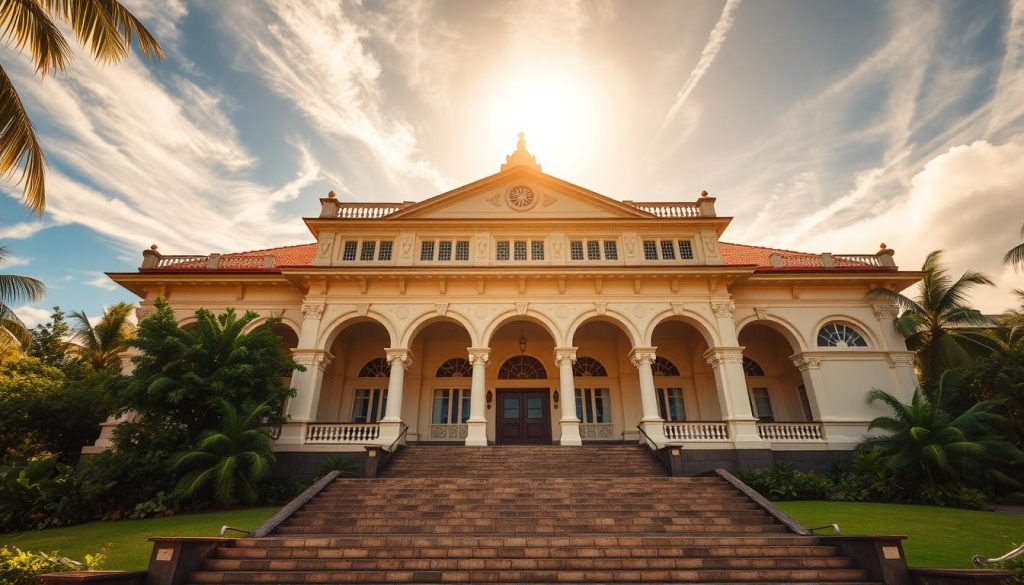
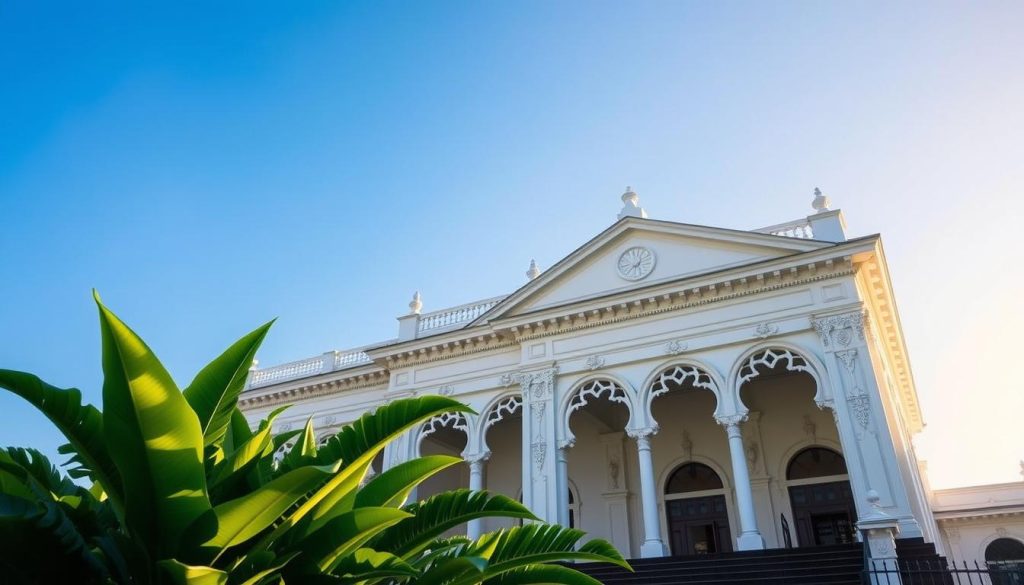
The Suva Fiji Museum’s building is a historical treasure and an architectural marvel. It combines colonial and Fijian styles, showcasing Fiji’s architectural heritage.
When you visit, you’ll learn about the building’s architectural importance. It’s part of the Suva Fiji museum tour packages. This helps visitors understand the cultural background of the building.
Exploring the Museum’s Fascinating Collections
The Suva Fiji Museum takes you on a journey through time. You’ll see the island’s history, culture, and traditions. The museum’s diverse artifacts give insights into Fiji’s rich heritage.
Archaeological Treasures and Ancient Artifacts
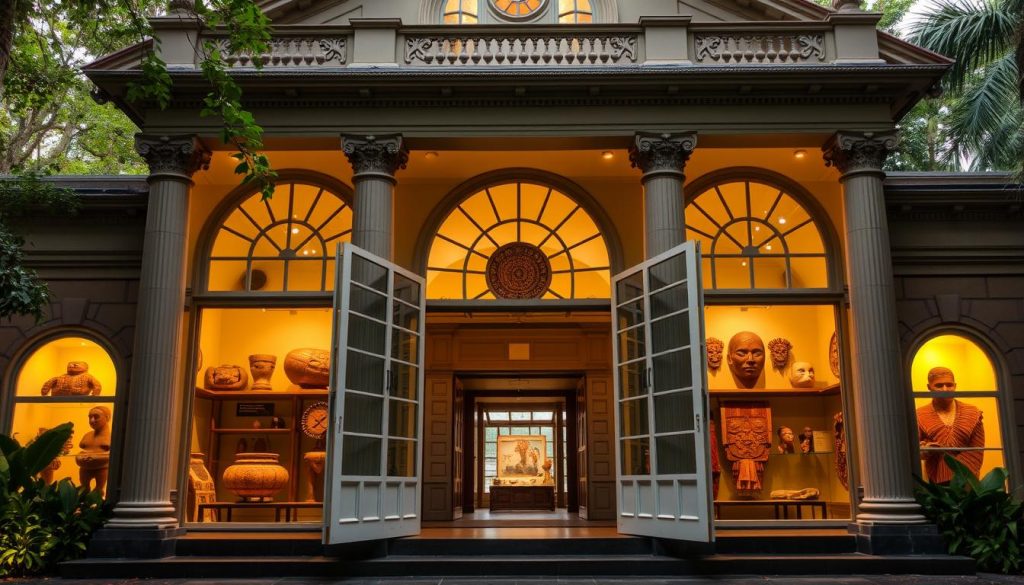
The museum has an impressive collection of archaeological treasures. You’ll see ancient pottery, tools, and jewelry. These artifacts show the lives of Fiji’s early inhabitants and their cultural practices.
By looking at these relics, you can understand Fiji’s history better. You’ll see how important these artifacts are.
Maritime History and the Bounty Artifacts
The Suva Fiji Museum also has a big collection of maritime artifacts. You’ll find relics from the famous Bounty ship. This exhibit shows Fiji’s maritime history and how European exploration changed the island.
Exploring these artifacts, you’ll learn about their stories. You’ll see how they are important in Fijian history.
Traditional Fijian Cultural Displays
The museum also shows traditional Fijian cultural displays. You’ll see ceremonial clothing, tribal masks, and traditional tools. These exhibits give a fascinating look at Fijian culture and traditions.
By seeing these displays, you can understand Fijian customs and way of life better. It’s a great way to appreciate Fiji’s rich cultural heritage.
To learn more about these artifacts, consider joining a guided museum tour in Suva Fiji. These tours offer valuable insights into the exhibits. They tell stories about Fijian culture and history.
Comprehensive Guide to Suva Fiji Museum Tours
The Suva Fiji Museum has many tour options for everyone. You can choose from self-guided tours or expert-led ones. This way, you can make your visit even better.
Self-Guided vs. Expert-Led Tour Options
At the Suva Fiji Museum, you can pick between self-guided and expert-led tours. Self-guided tours let you see what you want, when you want. Expert-led tours give you deep insights into Fijian culture and history.
Expert-led tours are great for a more personal experience. They offer details you might miss on your own.
Specialized Thematic Tours Available
The museum also has themed tours on Fijian heritage. These tours dive deep into topics like archaeology, maritime history, or traditional culture. They help you understand what interests you most.
| Tour Type | Description | Benefits |
|---|---|---|
| Self-Guided | Explore the museum at your own pace | Flexibility, personal interest focus |
| Expert-Led | Guided tour with in-depth information | Rich insights, knowledgeable guides |
| Thematic Tours | Specialized tours on specific topics | In-depth knowledge, focused learning |
Booking Your Suva Fiji Museum Tour Experience
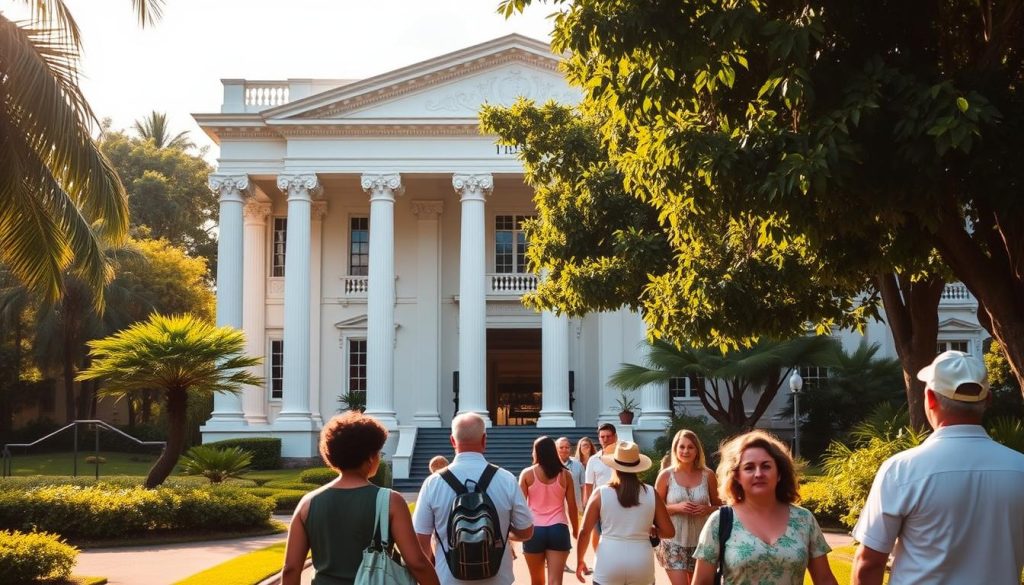
Your journey through Fiji’s past starts with booking a tour at the Suva Fiji Museum. It’s important to know the tour options and how to book them.
Tour Pricing and Reservation Information
The Suva Fiji Museum has different Suva Fiji museum tour packages for everyone. Prices vary for adults, kids, and those with concessions. There’s an extra charge for guided museum tours Suva Fiji.
To have a smooth visit, book your tour early. You can reserve by calling the museum or visiting their website. This helps you plan your day and avoid delays.
Group Tours and Special Arrangements
For groups or those with special interests, the museum has group tours and custom plans. Whether it’s a school group, club, or big family, the museum can create a tour just for you.
It’s best to contact the museum early to talk about your needs and book. This way, your group will have a memorable and educational experience.
Must-See Exhibits and Cultural Highlights
The Suva Fiji Museum offers a unique look into Fiji’s past. You’ll see many important artifacts that show Fijian culture and history.
The Cannibal Fork Collection: Understanding Context
The Cannibal Fork Collection is fascinating. These forks were used in ancient Fijian rituals. Knowing their history helps us understand Fiji’s past.
Traditional Canoes and Maritime Heritage
The museum has a great collection of traditional Fijian canoes. They show Fiji’s rich maritime history. These canoes are beautifully made, showing Fijian boat builders’ skill.
Colonial Era Artifacts and Their Significance
The museum also has artifacts from Fiji’s colonial past. Old photos, documents, and household items give us a peek into life back then.
| Exhibit | Description | Significance |
|---|---|---|
| Cannibal Fork Collection | Forks used in traditional Fijian cannibalistic rituals | Provides insight into ancient Fijian cultural practices |
| Traditional Canoes | Elaborately carved canoes showcasing Fijian maritime heritage | Demonstrates advanced Fijian craftsmanship and maritime importance |
| Colonial Era Artifacts | Old photographs, documents, and household items from the colonial era | Offers insights into daily life during European colonization |
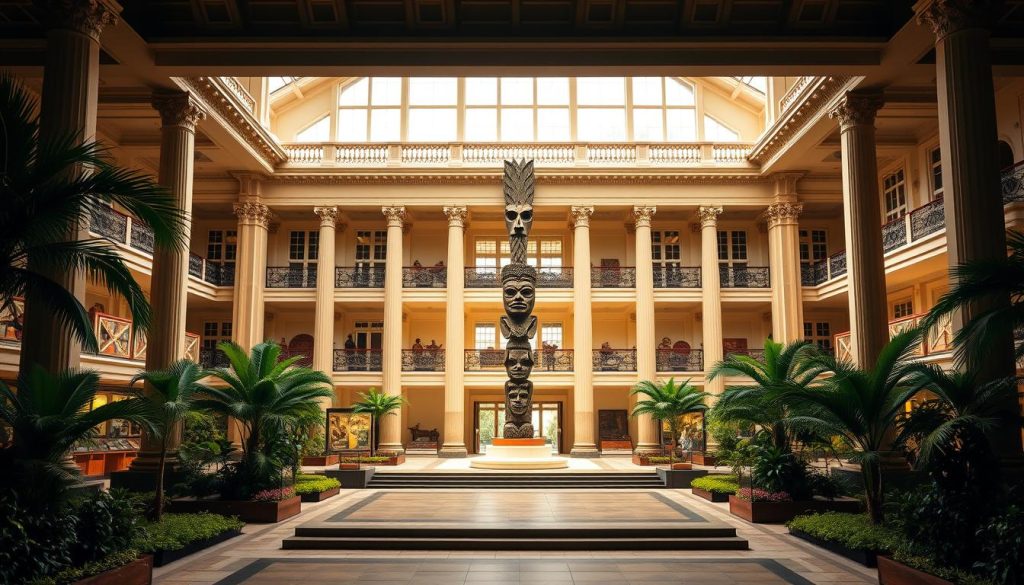
Keep exploring with your Suva Fiji cultural tours and Suva Fiji history tours. The museum’s exhibits will deepen your understanding of Fiji’s history and culture. Your Suva Fiji museum sightseeing will be unforgettable.
Preparing for Your Visit to the Museum
Planning your visit to the Suva Fiji Museum is key for a great experience. It’s a place filled with Fiji’s history and culture. Knowing more will make your visit to top Suva Fiji attractions even better.
Recommended Attire and Items to Bring
Wear modest clothes, covering your shoulders and knees, to show respect. Wear comfy shoes for walking around the museum. Bring a water bottle, sun hat, and sunscreen for outdoor visits.
Cultural Etiquette and Respectful Behavior
It’s important to respect local customs at the Suva Fiji Museum. Be quiet and gentle around the artifacts. You can take photos, but ask first. Being respectful makes your visit better for everyone at Suva Fiji museums.
Combining Your Museum Visit with Suva’s Cultural Attractions
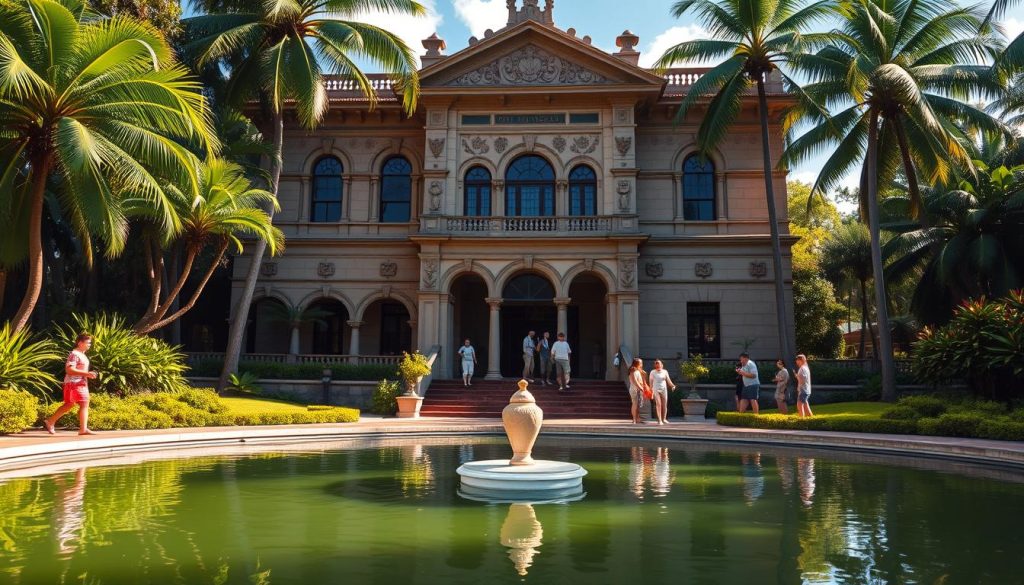
The Suva Fiji Museum is in Thurston Gardens, a place full of culture and history. While you’re there, you can also check out other attractions nearby. This makes for a great cultural trip.
Nearby Historical Sites and Landmarks
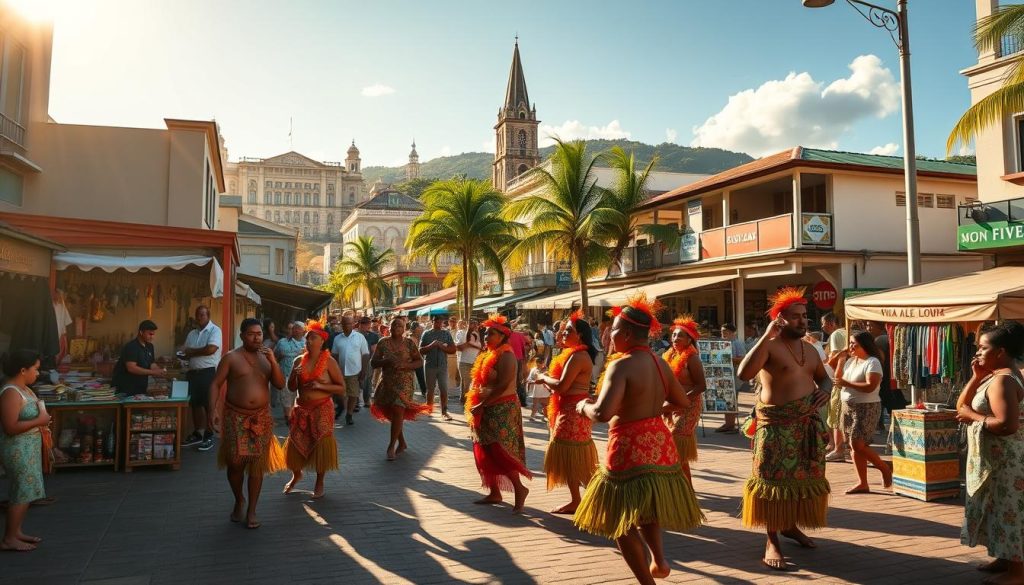
Thurston Gardens itself is a historical site. You can walk through and enjoy the plants and calm vibe. Close by, the Suva City Library and the Fiji Government Buildings show Suva’s past and how it’s run today. These spots are perfect for those who want to learn more about Suva’s history.
| Attraction | Location | Description |
|---|---|---|
| Thurston Gardens | Suva City | A historic garden area with tropical flora |
| Suva City Library | Near Thurston Gardens | A hub for local literature and historical archives |
| Fiji Government Buildings | Suva City | Significant governmental buildings with historical importance |
Creating a Complete Cultural Itinerary
To get the most out of Suva, mix your museum visit with other cultural activities. Visit the Suva Flea Market for unique crafts and gifts. Or, join a tour of the city’s historical spots. For a deep dive, look into the best Suva Fiji tours that cover local villages and traditional events.
Practical Visitor Information
To enjoy your guided museum tours Suva Fiji, knowing the basics is key. The Suva Fiji Museum is a major cultural spot. Being ready will make your visit better.
Opening Hours and Admission Fees
The Suva Fiji Museum welcomes visitors every day. It’s open from 9:30 AM to 4:30 PM. Here’s what you’ll pay: FJD $10 for adults, FJD $5 for kids and those with concessions. Some special shows might cost extra.
Transportation Options to the Museum
Reaching the Suva Fiji Museum is easy. You can take a taxi or use a ride-sharing service. Public buses also stop close by. If you drive, there’s parking near the museum.
Accessibility Information and Facilities
The museum aims to be welcoming to all. It has wheelchair ramps and accessible bathrooms. Most areas are open to visitors with disabilities. It’s a good idea to call ahead to arrange for any special needs.
Best Times to Experience the Suva Fiji Museum
Planning your visit to the Suva Fiji museum tour packages is key. The best times to go are when the weather is good and special events are happening. This makes your visit more enjoyable.
Seasonal Considerations and Weather Factors
Suva’s weather is warm all year. But, the wet season from November to April might not be the best for outdoor activities. The dry season, from May to October, is better for seeing the city and its top Suva Fiji attractions.
Special Events and Cultural Demonstrations
The Suva Fiji Museum has special events and cultural demonstrations. These are great ways to learn about Fijian culture. Check the museum’s calendar to catch one of these events and make your tour unforgettable.
| Season | Weather | Events |
|---|---|---|
| Dry Season (May-Oct) | Comfortable temperatures, less rain | Various cultural events |
| Wet Season (Nov-Apr) | Warmer, more rainfall | Fewer events, but unique experiences |
Photography, Dining, and Shopping Opportunities
Your visit to the Suva Fiji Museum is more than just learning. It’s about capturing moments, tasting local flavors, and bringing home Fijian culture. The museum offers many experiences beyond its exhibits.
Photography Guidelines and Best Spots
The museum lets you take photos for personal use. This way, you can capture the rich cultural heritage on display. The best spots include the traditional Fijian canoe exhibits and the cannibal fork collection.
These spots give a glimpse into Fiji’s fascinating history. Remember to respect other visitors and follow any guidelines from the museum staff.
Museum Café and Nearby Dining Options
After seeing the exhibits, relax at the museum’s café. It offers local dishes and refreshments. Suva also has many dining options, from traditional Fijian to international flavors.
Some popular restaurants serve kokoda, a Fijian delicacy. You can try it and enjoy the local tastes.
The Museum Gift Shop: Authentic Souvenirs
The museum gift shop has authentic Fijian souvenirs. You can find handmade crafts, local artwork, and traditional clothing. Shopping here supports local artisans and reminds you of your visit.
Popular items include hand-carved wooden figurines and woven Fijian mats. They make great keepsakes.
| Activity | Description | Tips |
|---|---|---|
| Photography | Capture the rich cultural heritage | Respect other visitors and follow guidelines |
| Dining | Enjoy local cuisine at the café or nearby | Try traditional Fijian dishes like kokoda |
| Shopping | Find authentic souvenirs at the gift shop | Look for handmade crafts and local artwork |
Conclusion: Embracing Fiji’s Living Cultural Heritage
After visiting the Suva Fiji Museum, you’ll appreciate Fiji’s cultural heritage more. The museum works hard to keep this heritage alive. It makes sure future generations can learn from and be inspired by Fiji’s rich history and culture.
Your time at the museum is a key part of your cultural journey in Suva, Fiji. By taking Suva Fiji Museum tours, you’ve discovered the island’s deep history and cultural importance. This makes your trip to Fiji even more rewarding. Whether you’re into history, culture, or just want to see top Suva Fiji attractions, the Suva Fiji Museum is a must-see.
As you keep exploring Suva, the museum’s collections and exhibits will help you understand the city’s culture better. Don’t forget to check out other historical sites and landmarks nearby. Together with your museum visit, they’ll give you a full picture of Suva’s cultural heritage.





