Explore Authentic Fijian Villages Near Nadi
Ever wondered about the traditional Fijian way of life? Imagine being surrounded by natural beauty and rich culture. It’s a world of hospitality and customs.
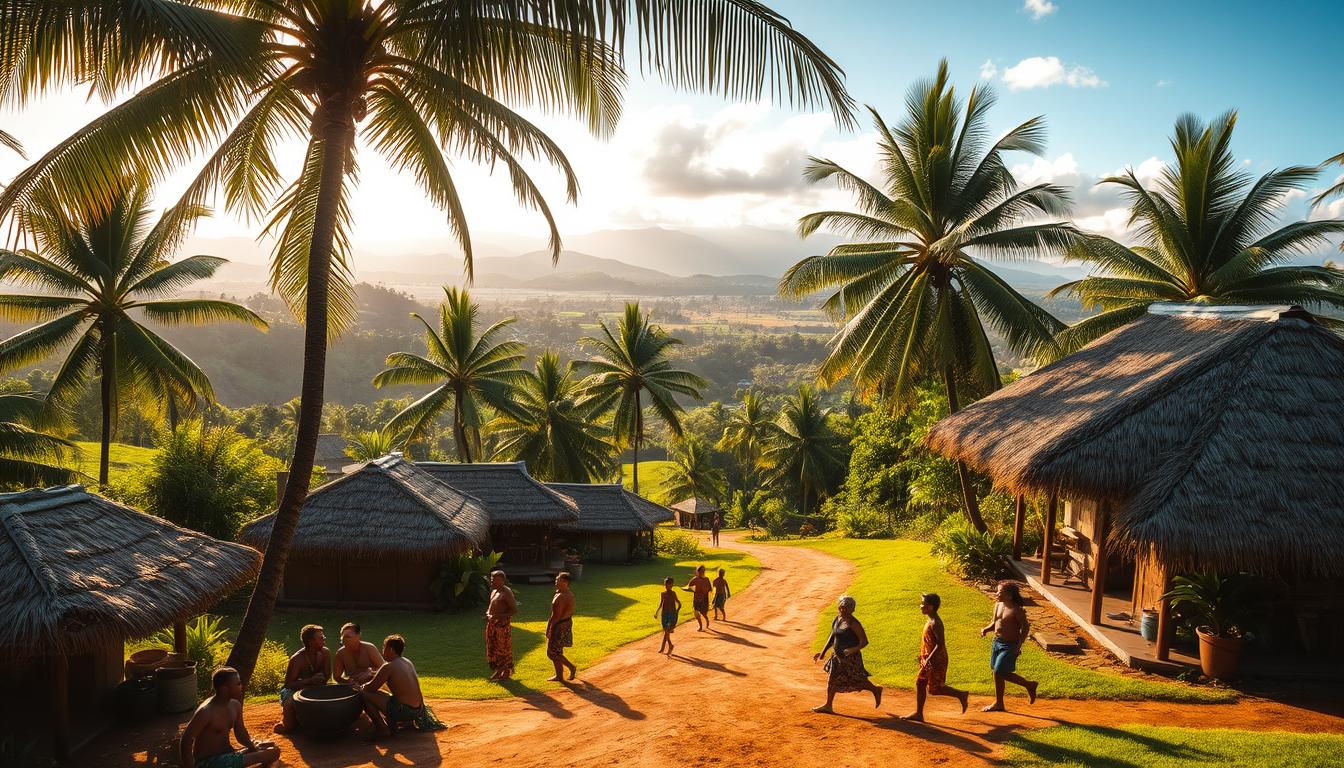
The Fiji Culture Village in Nadi lets you dive into this world. Here, you see the local people’s simple, traditional life. You’ll experience Fiji’s famous hospitality and customs.
This article will show you the authentic experiences around Nadi. You’ll learn what to expect and how to enjoy your visit.
The Rich Heritage of Fiji’s Indigenous Communities
Exploring the authentic Fijian villages near Nadi reveals Fiji’s rich heritage. These villages are a living museum of Fijian culture experiences. They show how traditions and customs are kept alive through generations.
The Significance of Village Life in Fijian Culture
Village life is key to Fijian culture, offering a sense of community and belonging. Villages have a central meeting area for decisions and ceremonies.
Traditional Social Structure and Leadership
Traditional Fijian villages follow a social hierarchy with chiefs and elders at the top. This hierarchy is crucial for understanding Fijian communities.
The Role of Chiefs and Elders
Chiefs and elders are revered for their wisdom and leadership. They manage the village’s social and cultural activities, keeping traditions alive.
Community Bonds and Family Units
Community bonds are strong in Fijian villages, with family units at the core. These bonds grow through shared activities and mutual support.
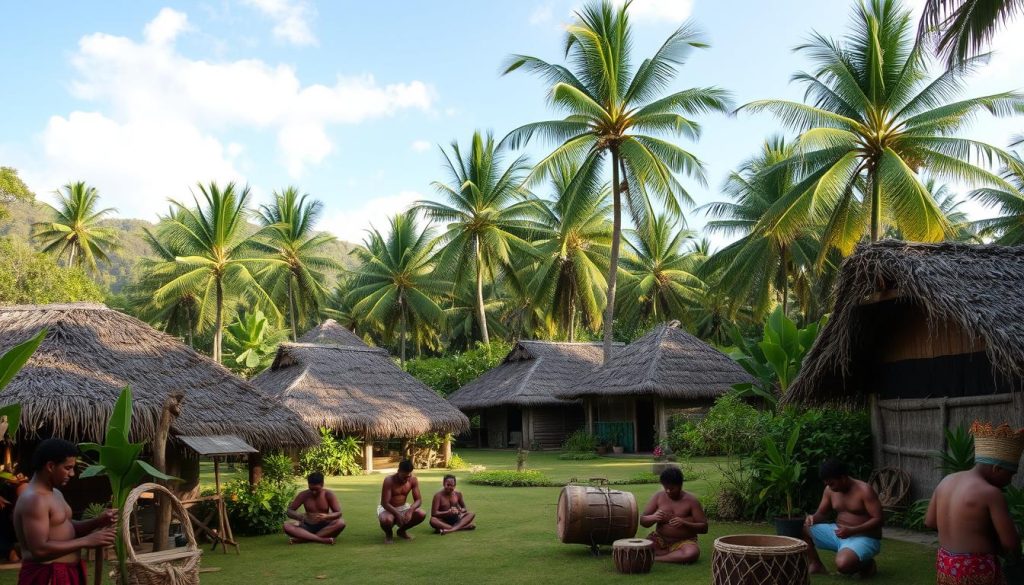
By understanding and respecting Fijian village life, your visit will be more meaningful and enriching.
Essential Etiquette for Visiting Authentic Fijian Villages Near Nadi
Visiting Fijian villages near Nadi requires understanding and respecting local customs. The Fijian culture is rich and full of tradition. Visitors must follow certain etiquette guidelines to have a meaningful and respectful visit.
The Sevusevu Ceremony: Presenting Kava to the Chief
The sevusevu ceremony is a key tradition in Fijian villages. When you arrive, you must present a gift of Kava (Yaqona) to the chief. This is a sign of respect and a way to get permission to enter the village.
Protocol and Participation Guidelines
To join in the sevusevu ceremony, follow these steps:
- Buy Kava from a local market or shop. A typical gift is about 100 grams, costing around $10 FJD.
- Give the Kava to the chief or village elder with both hands as a sign of respect.
- Be ready to take part in the ceremony, which may include drinking Kava from a communal bowl.
The Significance of This Traditional Welcome
The sevusevu ceremony is a symbol of peace and friendship. By taking part in this tradition, visitors show their respect for Fijian customs and their desire to connect with the local culture.
Appropriate Dress and Behavior
Visitors should dress modestly and behave respectfully in Fijian villages. This means wearing clothes that cover shoulders and knees, avoiding public displays of affection, and being mindful of local customs and traditions.
Modest Clothing Requirements
Modest clothing is key when visiting Fijian villages. Make sure your clothes cover your shoulders and knees as a sign of respect for the local culture.
Respectful Interaction with Villagers
Interacting with villagers requires respect and sensitivity. Be open-minded, polite, and eager to learn from your hosts. This includes being ready to join in local activities and ceremonies, and showing gratitude for the hospitality you receive.
Sabeto Village: Experience Traditional Fiji at the Foot of the Sleeping Giant
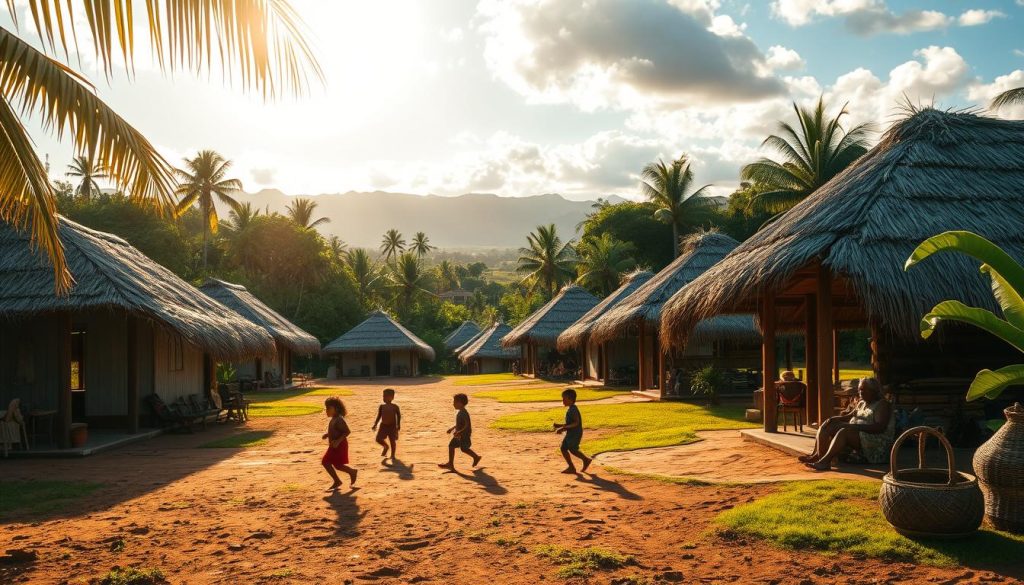
Looking to explore local villages near Nadi? Sabeto Village is a top choice. It’s at the foot of the Sleeping Giant mountain, offering a unique cultural experience.
Location and Transportation Options
Sabeto Village is close to Nadi, perfect for a day trip or homestay. You can get there by car or shuttle. Drivers like Vere are friendly and know the area well.
Cultural Activities and Demonstrations
The village is famous for its cultural activities. You can see traditional dance performances and craft workshops. These activities help you understand Fijian culture better.
Traditional Dance Performances
See amazing traditional Fijian dances. The local villagers perform with grace and precision.
Craft Workshops and Demonstrations
Join hands-on craft workshops. Learn traditional Fijian crafts like weaving and carving.
Connecting with Local Families
Visiting Sabeto Village lets you connect with local families. You can stay with a host family or just visit for the day. Enjoy local food and share stories.
Navala Village: Step Back in Time at Fiji’s Traditional Bure Settlement
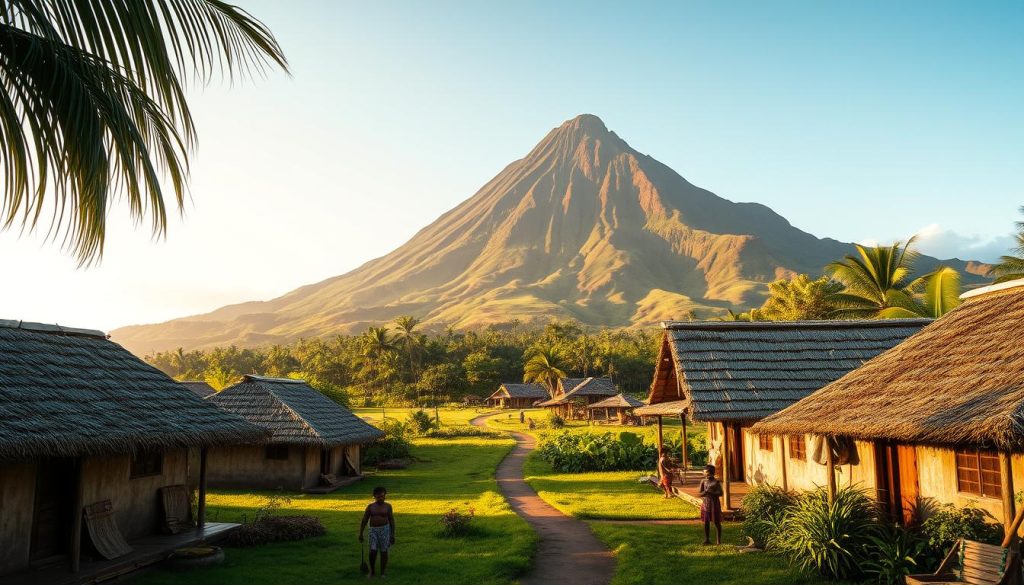
Experience the real Fijian culture at Navala Village, a must-visit village near Nadi. It’s famous for its unique thatched bures and rich history.
Unique Thatched Architecture and Village Layout
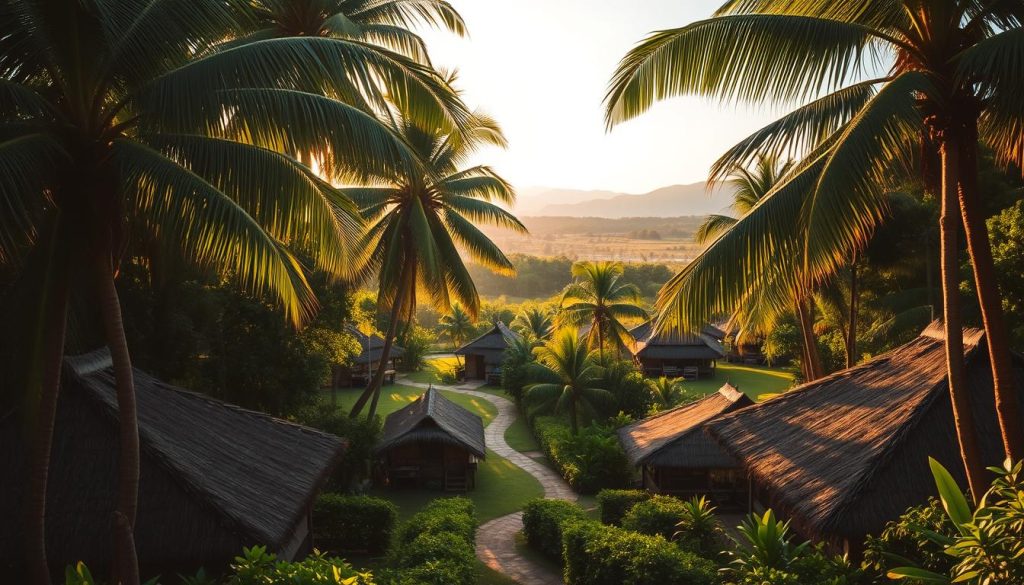
Navala Village is home to many traditional Fijian bures. These have thatched roofs and wooden frames. The village is laid out to foster community, with bures around a central spot.
Historical Significance and Preservation Efforts
The village keeps its traditional look and ways of life. It’s a key place for learning about Fijian history and culture.
| Aspect | Description |
|---|---|
| Architecture | Traditional thatched bures |
| Cultural Practices | Preserved traditional practices |
| Historical Significance | Important for Fijian history |
Guided Tours and Cultural Immersion Opportunities
Day Trip Options from Nadi
Take a day trip from Nadi to explore the village’s cultural offerings.
Photography Guidelines and Expectations
Be respectful when taking photos. Follow any rules given by your guide.
Viseisei Village: Discover the Birthplace of Fijian Civilization
Stepping into Viseisei Village is like stepping into Fiji’s heart. Here, stories of the past come alive. This historic village, near Nadi, is where Fijian civilization began. It offers a chance to explore Fiji’s rich cultural heritage.
Historical Importance in Fiji’s Settlement Story
Viseisei Village is a key part of Fiji’s history. It’s one of the oldest settlements in the Pacific. The village shows the history and traditions of the Fijian people. You can see the cultural practices and stories that have lasted through generations.
Cultural Performances and Heritage Displays
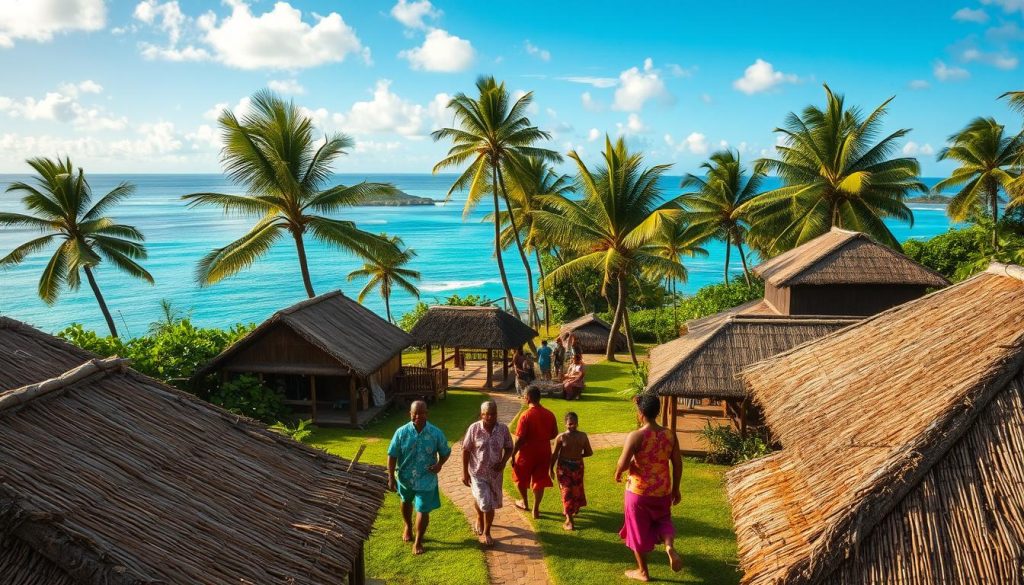
Visiting Viseisei Village, you’ll see the Kava Ceremony and Meke Performance. These shows give a glimpse into Fijian society. The Kava Ceremony, for example, shows peace, unity, and respect in the community.
Meeting with Village Elders and Knowledge Keepers
At Viseisei Village, you can meet village elders. They share stories and insights into Fijian traditions. You’ll learn about the oral traditions passed down through generations.
Learning About Oral History Traditions
The village elders are key in keeping Viseisei’s oral history alive. They tell stories of ancestral migrations and cultural practices. By listening to these stories, you understand Fiji’s history better.
Understanding Fiji’s Origin Stories
Fiji’s stories are full of legends and myths. Through storytelling with the elders, you can learn about these tales. You’ll get a glimpse into Fijian society’s spiritual beliefs and values.
Visiting Viseisei Village is more than seeing a historical site. It’s about joining a living culture. Through Fijian village homestays and cultural programs, you can connect with the community. You’ll leave with unforgettable memories.
Koroiyanitu Village and National Heritage Park Experience
When you enter Koroiyanitu Village, you step into a world where tradition and nature meet. This place near Nadi offers a real Fijian experience. It combines cultural heritage with beautiful landscapes.
Natural Beauty and Cultural Landscapes
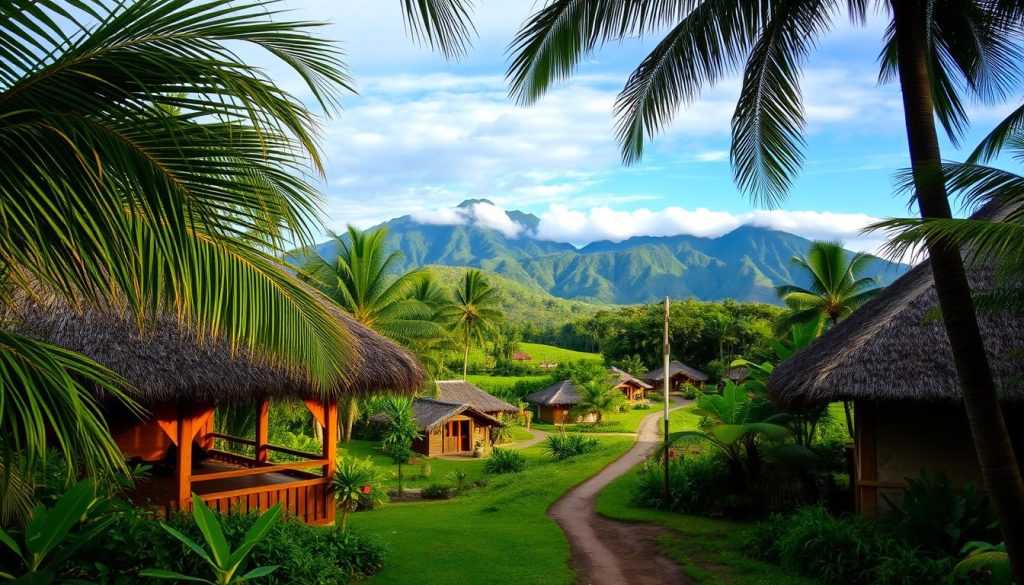
Koroiyanitu Village is surrounded by lush forests and hills. It’s a beautiful setting for your cultural journey. The village is part of the Koroiyanitu National Heritage Park. It keeps the area’s natural beauty and cultural importance alive.
You’ll be in a peaceful environment. It’s perfect for connecting with nature and Fijian traditions.
Hiking Trails and Waterfall Excursions
Discover Koroiyanitu’s natural wonders on its hiking trails. These paths take you through green forests and to stunning waterfalls. It’s an adventure you won’t forget.
Observing Traditional Subsistence Practices
The village lets you see and join in traditional Fijian ways. You’ll learn about their local life, from farming to living sustainably.
Agricultural Methods and Food Production
Find out about the traditional farming methods passed down through generations. The villagers will teach you how they farm and grow food. It shows a sustainable and self-sufficient lifestyle.
Sustainable Living Techniques
See the villagers’ creative ways to live sustainably. They use natural resources and reduce waste. This experience will make you appreciate the Fijian way of life and its connection to nature.
You’ll be picked up from your hotel and dropped back in a modern, air-conditioned van. It makes exploring the authentic Fijian villages near Nadi easy and comfortable.
Best Times to Visit Authentic Fijian Villages Near Nadi
The best times to visit authentic Fijian villages near Nadi depend on the weather and cultural events. Knowing these can make your Nadi village tours better.
Seasonal Considerations and Weather Patterns
Fiji’s weather is usually warm and sunny. But, it’s key to think about the wet and dry seasons when you plan your trip. The dry season, from May to October, is the best time to see Fijian villages. This is because the weather is better for outdoor fun and cultural events.
Cultural Festivals and Special Events Calendar
Fijian villages near Nadi have many cultural festivals and special events all year. These events give you a special look into Fijian culture and traditions.
Annual Village Celebrations
Many villages have annual events, like the Sevusevu ceremony, a traditional welcome. Taking part in these celebrations can be a big highlight of your Nadi village tours.
Harvest Festivals and Seasonal Ceremonies
Harvest festivals are a big part of Fijian culture. They include traditional dances, music, and feasting. These events are a great way to see the local culture.
Weekday vs. Weekend Visits: What to Expect
Visiting Fijian villages on weekdays or weekends can give you different experiences. Weekdays are usually less busy, letting you have closer talks with locals. Weekends might have more cultural events and activities.
Village Homestay Experiences: Living with Fijian Families
Living with a local family in a traditional village homestay lets you truly experience Fiji. It’s a deep dive into Fijian culture and daily life. This experience is unforgettable and highly recommended for an authentic Fiji stay.
What Daily Life Entails During Your Stay
Daily life in a Fijian village homestay mixes traditional activities with modern comforts. You’ll feel like part of the family, helping with chores and enjoying local food.
Sleeping Arrangements and Accommodations
Homestays offer accommodations from traditional thatched bures to modern guesthouses. Expect simple, clean, and comfy places to rest and get ready for the day.
Participating in Family Activities
As a guest, you’ll join in on family activities like cooking, fishing, and crafts. This hands-on approach helps you understand Fijian culture and values better.
Top Homestay Programs Near Nadi
Near Nadi, there are many homestay programs. They offer cultural immersion and adventure activities. Some popular ones include:
- Traditional village homestays with local families
- Cultural tours and demonstrations
- Outdoor activities like hiking and fishing
Preparing for Cultural Immersion
To fully enjoy your homestay, prepare for cultural immersion.
Essential Items to Pack
When packing, remember to bring:
- Modest clothing that covers shoulders and knees
- Comfortable walking shoes
- Insect repellent and sunscreen
- A gift for your host family, like kava or local handicrafts
Language Basics to Learn
Even though many Fijians speak English, learning basic Fijian phrases helps. Essential phrases include:
| English | Fijian |
|---|---|
| Hello | Bula |
| Thank you | Vinaka |
| Goodbye | Moce |

Traditional Crafts and Authentic Souvenirs
Authentic Fijian villages near Nadi offer more than just culture. They let you take home traditional crafts and souvenirs. You’ll find unique, handmade items that show Fiji’s rich heritage.
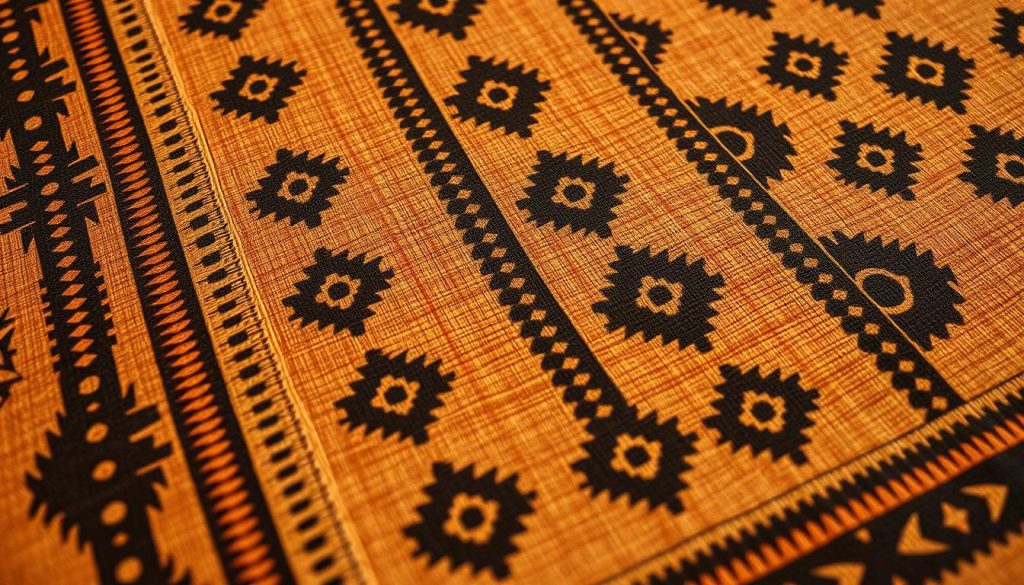
Tapa Cloth: Creation and Cultural Significance
Tapa cloth is a key craft in Fijian culture. It’s made from paper mulberry tree bark. The making process is hard, beating the bark to make a soft material.
This cloth is used in ceremonies and makes great souvenirs. You can find items like sarongs for about $10 FJD. This supports the local community.
Wood Carvings, Pottery, and Woven Items
Fijian villages are known for their skilled artisans. They make beautiful wood carvings, pottery, and woven items. These items are not just pretty but also carry cultural value.
Buying these items helps local artisans and keeps traditional crafts alive.
Supporting Local Artisans and Fair Trade Practices
It’s important to support local artisans and fair trade when buying crafts. Be aware of prices and how to bargain. This ensures a fair deal for both you and the seller.
Price Expectations and Bargaining Etiquette
Knowing local prices and bargaining well is key. Prices can change, but knowing the local currency and negotiating can make it fun. For example, a handmade sarong might cost about $10 FJD.
Shipping and Customs Considerations
Think about shipping and customs when buying souvenirs. Some items might have duties or restrictions. It’s good to check before buying.
| Item | Average Price (FJD) | Average Price (AUD) |
|---|---|---|
| Tapa Cloth Sarong | $10 | $6 |
| Wood Carving | $20-$50 | $12-$30 |
| Woven Basket | $15-$30 | $9-$18 |
Being informed and respectful makes shopping for Fijian crafts rewarding. You support the local community while taking home unique items.
Fijian Village Cuisine and Food Experiences
Exploring Fijian village cuisine is a journey for your senses. It combines local ingredients, traditional cooking, and Fijian hospitality. When you visit villages near Nadi, you’ll taste the real flavors of Fiji.
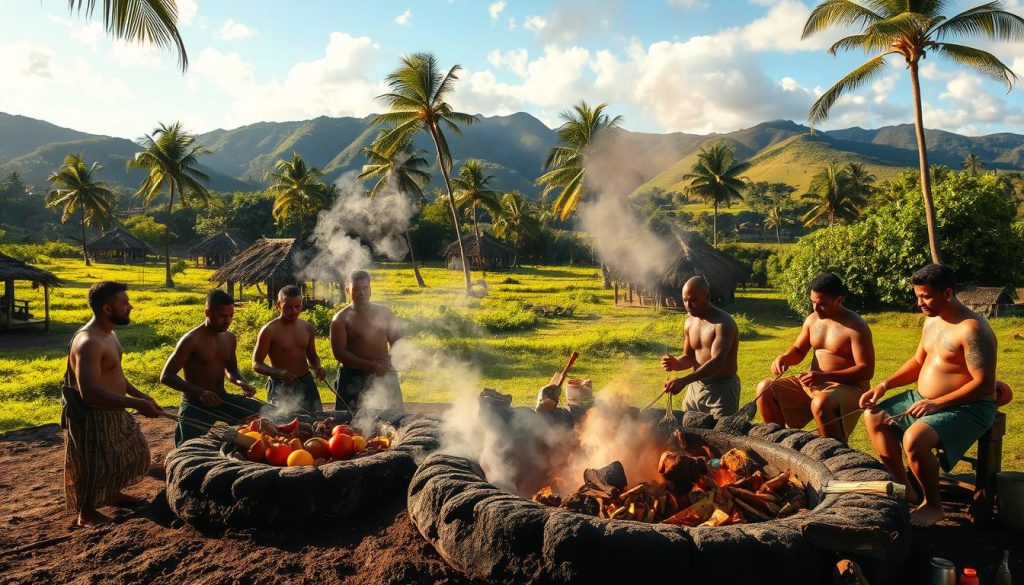
Traditional Lovo Earth Oven Cooking Demonstrations
Seeing a traditional lovo cooking demonstration is a highlight. This ancient method cooks meat and veggies in an earth oven. You’ll be amazed by the preparation, where food is wrapped in banana leaves and steamed over hot stones.
Essential Fijian Dishes and Ingredients
Fijian cuisine uses fresh seafood, root crops, and coconut products. Two must-try dishes are:
Kokoda (Raw Fish in Coconut Cream)
Kokoda is raw fish marinated in coconut milk with onions, chilies, and tomatoes. It’s a refreshing dish that shows Fiji’s love for seafood.
Root Crops and Traditional Preparations
Root crops like taro, cassava, and yams are key in Fijian food. They’re often boiled, mashed, or used in dishes like duruka, a steamed Fijian asparagus in coconut milk.
Cooking Classes and Food Preparation Participation
Many villages near Nadi offer cooking classes. Participating in these classes teaches you new skills and deepens your understanding of Fijian culture. You’ll enjoy making and eating traditional dishes, from salad to fresh fruits.
Responsible Tourism and Cultural Preservation
Traveling to Fijian villages lets you support local communities and keep cultural heritage alive. As you visit villages near Nadi, remember your actions matter.
Environmental Impact of Village Tourism
Tourism can be good or bad for the environment. It can help protect nature or strain local resources. Mick’s, a local Indigenous Fijian-owned tour company, shows how to do it right.
Supporting Authentic Cultural Experiences
Real cultural experiences are key to keeping Fijian traditions alive. Joining in traditional ceremonies and buying from local artists helps. Mick’s ensures your visit is both fun and respectful.
How Tourism Benefits Local Communities
Tourism helps local communities in many ways.
- It creates jobs and boosts local spending.
- It makes people proud of their culture and helps keep traditions alive.
Economic Opportunities
Supporting local businesses helps the local economy. This can improve people’s lives and make the community more stable.
Cultural Pride and Heritage Preservation
Meeting tourists can make locals proud of their culture. It encourages them to keep their heritage alive. This also helps people understand and appreciate different cultures.
Conclusion: Embracing the Spirit of Fiji Through Village Experiences
Visiting authentic Fijian villages near Nadi is a unique chance to dive into local culture. Staying in Fijian village homestays lets you feel the warmth of the Fijian people.
Places like Sabeto, Navala, and Viseisei show you traditional Fijian life. You’ll see thatched bures, enjoy cultural shows, and learn about history. The Althia team made our visit unforgettable.
Experiencing Fiji’s villages helps you understand local customs and values. This appreciation grows as you explore these areas. You can join in on traditional ceremonies, learn crafts, and see the beautiful landscapes.
Choosing responsible tourism helps preserve Fijian culture and supports local communities. So, visit these villages near Nadi and feel the Fijian hospitality for yourself.