Explore Bumthang’s Hidden Trekking Trails
Ever wondered what’s beyond Bhutan’s busy tourist spots? In Bumthang, ancient traditions meet stunning landscapes. Here, you’ll find hidden trails that offer unique hiking experiences.
This place is full of culture and beauty. It’s perfect for those who love adventure and history. You’ll find trails that tell stories of the past.
Let’s explore Bumthang’s amazing trekking routes together. Every step will take you closer to understanding this magical land and its people.
Introduction to Bumthang’s Unique Treks
Bumthang is known as the cultural heart of Bhutan. It’s a perfect place for those who love trekking. Here, you can find hidden trails that show off untouched landscapes and Bhutan’s rich history.
As you walk, you’ll see ancient temples and monasteries. The quiet of nature surrounds you. Bumthang’s paths are truly special.
The Bumthang Cultural Trek lasts thirteen days. It lets you dive into local culture and life. You’ll see lively villages and cultural sites along the way.
One day, you’ll climb and descend Phephe La. It’s a bit challenging but worth it. The trek stays below 3,100 meters for your comfort.
Exploring Bumthang’s trails brings you closer to Bhutanese life. You’ll connect with nature and traditions. Trekking is available all year, but the best times are March to May and September to November.
Get ready for an adventure with stunning views and a deep dive into local culture. It’s an experience unlike any other tourist spot.

Off-the-beaten-path trekking routes in Bumthang mountains
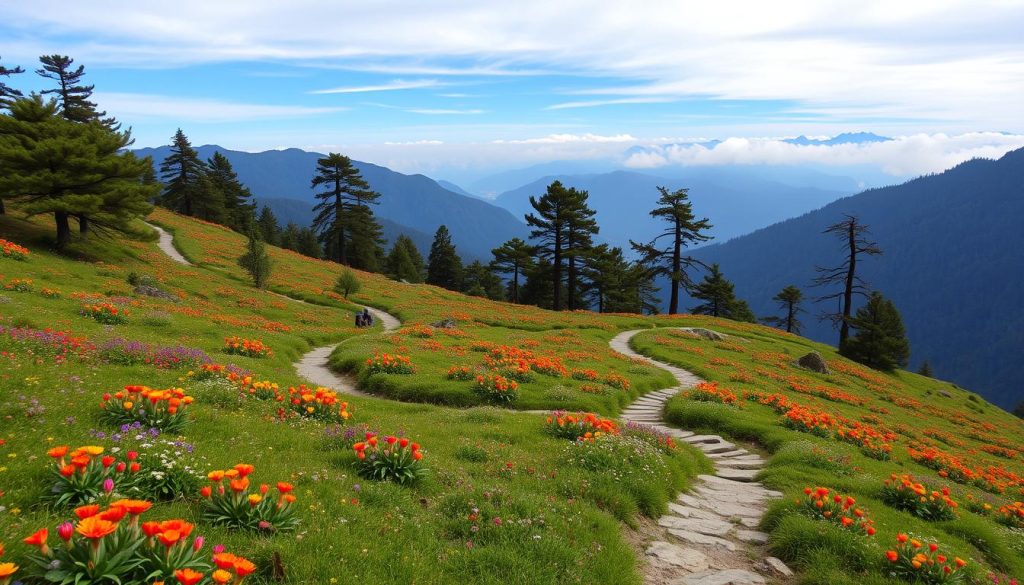
The Bumthang mountains have some of the most exciting trekking routes. These paths take you away from crowded areas. You’ll walk through lush forests, beautiful valleys, and villages full of local culture.
Let’s explore the geography and culture of Bumthang. This will help you prepare for an unforgettable trek.
Understanding Bumthang’s Geography and Culture
Bumthang’s landscape is varied, with valleys, forests, and calm rivers. This mix makes it perfect for quiet hikes. You can choose from several routes, like the trek from Bumthang to Nganglhakhang.
This 20-kilometer trek takes about 5-6 hours. Next, you’ll head to Ugyenchholing on a 23-kilometer path, which takes 7-8 hours. The last leg is from Ugyenchholing to Jakar, a 10-kilometer journey that takes 2-3 hours.
As you hike, you’ll see traditional villages. Talking to locals gives you a peek into their ancient ways of life. Many travelers, 62%, love these paths for their authenticity.
The Treasures of the Bumthang Region
The Bumthang region boasts cultural sites and natural beauty. Treks offer views at high altitudes, like 9,500 ft at Nganglhakhang. You’ll also visit thriving villages.
These villages are where 78% of trekkers meet locals. It’s a chance to exchange cultures and learn about Bhutan’s heritage. The region’s beauty is matched by its historical sites, like dzongs.
For a full experience, plan your trek during festivals. Bookings increase by 35% during events like the Domkar Festival.
| Trekking Route | Distance | Average Journey Time | Altitude (ft) |
|---|---|---|---|
| Bumthang to Nganglhakhang | 20 km | 5-6 hours | 9,500 |
| Nganglhakhang to Ugyenchholing | 23 km | 7-8 hours | 9,300 |
| Ugyenchholing to Jakar | 10 km | 2-3 hours | – |
Highlights of the Bumthang Cultural Trek
The Bumthang Cultural Trek is a mix of culture and nature. You’ll see many historical sites and enjoy the beauty of the mountains. It’s an adventure that combines history, spirituality, and nature.
Historical Sites and Temples to Discover
On this trek, you’ll visit ancient temples and historical sites. These places are special because they house revered Buddhas. Some key places to see are:
- Thangbi Lhakhang: An old temple known for its beautiful murals.
- Tang Rimochen Lhakhang: Known for its history and peaceful atmosphere.
- Trongsa Dzong: The biggest fortress in Bhutan, located at 2200m. It shows off the country’s architecture.
Stunning Natural Landscapes Along the Route
The trek also takes you through Bhutan’s most beautiful landscapes. You’ll see:
- Phephe La Pass: A tough climb of 500m with amazing views of the mountains.
- Dochula Pass: Outside Thimphu, it offers a 180-degree view of the Himalayas.
- Yotongla Pass: At 3460m, it divides Trongsa and Bumthang districts, with incredible views.
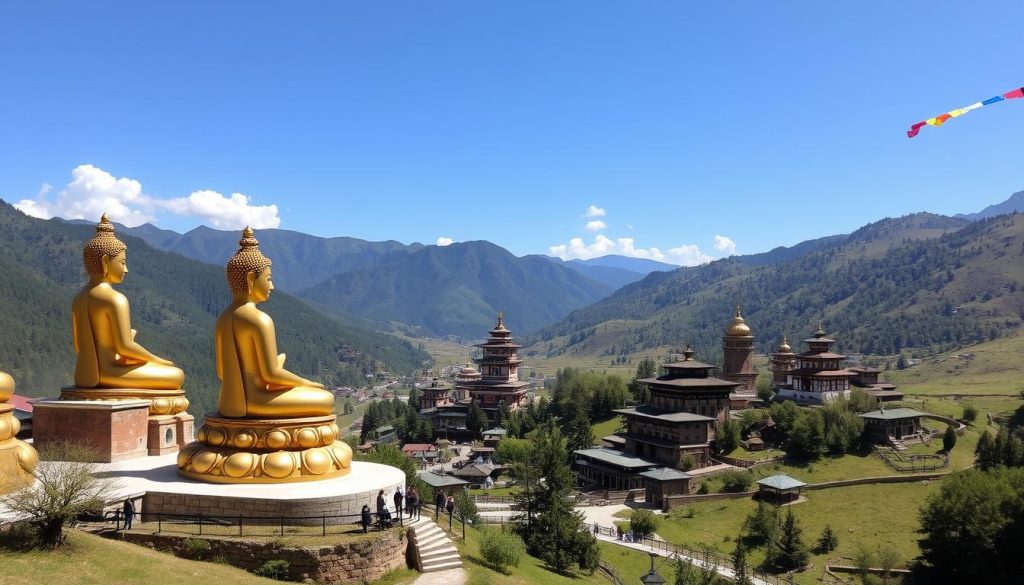
This trek is not just about history. It also lets you see Bhutan’s beautiful landscapes. It’s a unique adventure that combines hiking, culture, and spirituality.
Secluded Hiking Spots: Why Choose Them
Choosing secluded hiking spots lets you escape the busy world and find peace. Bumthang’s uncrowded trails offer deep experiences that refresh your mind and body. Here are the main benefits of exploring these areas.
The Benefits of Trekking in Less Traveled Areas
Trekking in Bumthang’s off-grid trails boosts your spirit and mind. Here are some key points:
- Improved Mental Health: Nature calms anxiety and lifts your mood. Secluded spots let you relax and enjoy stunning views.
- Physical Benefits: Less crowded trails keep you active, improving heart health. You also get to see amazing sights.
- Unique Experiences: Unseen paths offer richer stories and deeper connections with culture and nature.
Connection with Nature and Local Communities
Exploring Bumthang’s off-grid trails lets you meet local people. These interactions enrich your journey. Here’s what you can expect:
- Cultural Insight: You see local traditions up close, learning about Bhutan’s culture.
- Community Support: Choosing quiet trails helps local families by supporting their economy through tourism.
- Personal Connections: Making friends with guides and locals adds warmth to your trip, making it unforgettable.
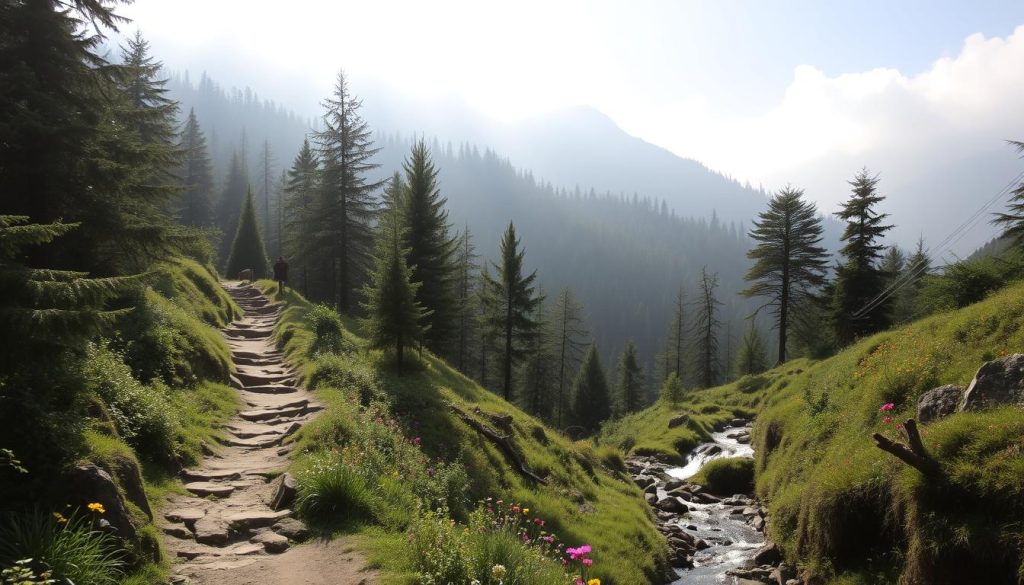
Unique Mountain Hiking Experiences in Bumthang
Embarking on trekking adventures in Bumthang opens doors to unique mountain hiking experiences. It’s more than just walking. You get to dive into the local culture, meet people, and make memories. This part talks about the enriching experiences waiting for you, focusing on cultural engagement.
Meeting Local Cultures through Trekking
Trekking in Bumthang’s hidden hiking trails lets you meet locals. You can join traditional cooking classes and learn about Bhutanese food. These moments help you understand the locals’ lives, beliefs, and values, making your trek special. Here are ways to dive into the culture:
- Join local festivals and celebrations.
- Visit monasteries and engage in Buddhist practices.
- Participate in artisan workshops to learn traditional crafts.
- Stay in community guesthouses for a more personal experience.
Trekking Activities: Beyond Hiking
Bumthang has more than tough trails. You can try activities that show off the area’s culture and beauty. This mix of challenge and culture makes your trek a full adventure. Here are some activities to consider:
| Activity | Description | Culture Aspect |
|---|---|---|
| Local Cooking Class | Learn to prepare traditional Bhutanese dishes. | Culinary Heritage |
| Monastery Visit | Experience Buddhist rituals and meditation. | Spiritual Engagement |
| Artisan Workshops | Try your hand at weaving or pottery. | Traditional Crafts |
| Cultural Festivals | Participate in local songs and dances. | Cultural Celebration |
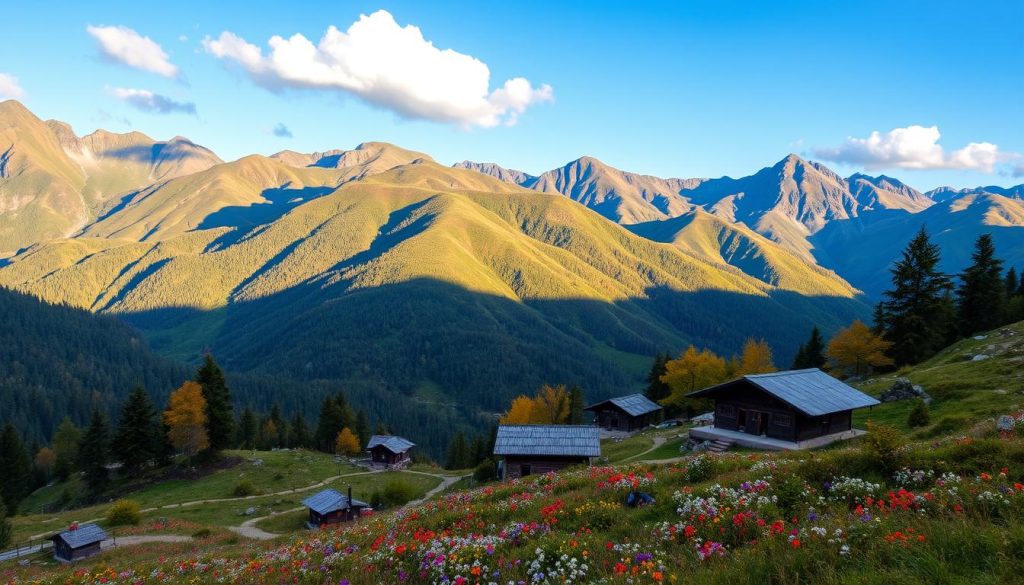
This mix of culture during your trek makes exploring Bumthang special. It turns your hike into a journey that respects and values local traditions.
Planning Your Trek: What to Expect
Getting ready for a trek in Bumthang means knowing the physical effort needed and the best times to go. We’ll cover the physical needs for trekking and the best seasons for these trails.
Physical Requirements for Trekking
Your physical shape is key for trekking success in Bumthang. Trails vary, from the tough 25-day Snowman Trek to the easier Druk Path. Here are important physical tips:
- Being fit is crucial; regular cardio and strength training help with different terrains.
- Altitude sickness is a big worry due to high passes over 4,000 meters. Getting used to the altitude is vital.
- Be ready for long hikes, carrying your own stuff, and mentally strong for hard physical work.
Ideal Seasons for Trekking in Bumthang
The weather greatly affects your trek. The best months for trekking in Bhutan are:
| Month | Conditions |
|---|---|
| October | Clear views, perfect for photos and sightseeing. |
| November | Still clear and cooler, ideal for experienced trekkers. |
| April | Spring flowers, stunning views, and nice weather. |
| May | Great for exploring trails and seeing colorful plants. |
Planning your trek in these best months makes your off-the-grid hikes unforgettable and visually stunning.
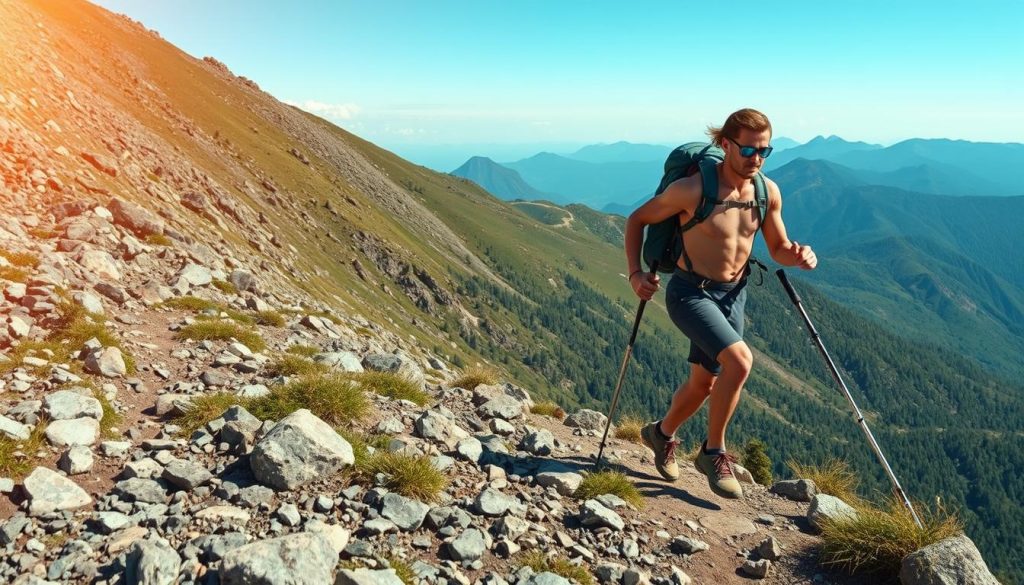
Essential Packing List for Your Trek
Getting ready for a trek in Bumthang means thinking carefully about what to pack. You’ll need everything from clothing gear to food and ways to stay hydrated. This guide will help you pack right for a safe and comfy trip.
Clothing and Gear Recommendations
Choosing the right clothes is key to feeling good on your trek. Here’s a list to help you pack well:
- Waterproof jacket: A must for changing weather.
- Trekking shoes: Pick shoes that are comfy and tough for rough paths.
- Capilene shirts and bottoms: Pack two of each for staying dry and comfy.
- Fleece jacket: Pick one for *-5 to 5 degrees Celsius*.
- Down parka: For really cold days, choose one for *-10 degrees Celsius*.
- Trekking socks: Bring 3 pairs to keep your feet warm and dry.
- Sunglasses: Have at least two pairs to shield your eyes from the sun.
Food and Hydration Tips for the Trail
Staying hydrated is important for your health on the trail. Here’s what to do for food and water:
- Hydration for hiking: Drink at least 2 liters of water a day.
- High-calorie snacks: Bring enough for 7 days to keep your energy up; think energy bars and nuts.
- Lightweight meals: Choose dehydrated meals that are easy to make on the go.
- Daypack weight: Keep it under 5 kg for easier trekking.
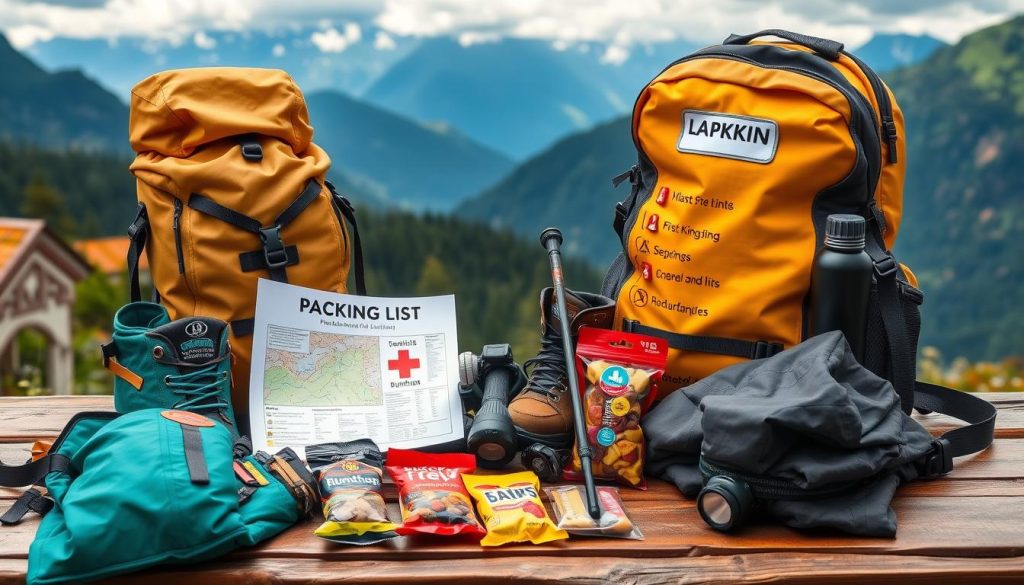
The right packing list makes your trek in Bumthang better. Get ready well and enjoy the stunning views and culture of this amazing place.
Exploring the Bumthang Cultural Trek Itinerary
The Bumthang cultural trek lasts 12 days. It combines amazing views with rich cultural experiences. You’ll see Bhutan’s heart through its history, landscapes, and local communities.
Day-by-Day Overview of the Trek
Your adventure starts with a deep dive into Bumthang’s history and culture. Each day brings unique experiences, stunning views, and meaningful interactions. Here’s what each day offers:
| Day | Activity | Distance (km) | Highlights |
|---|---|---|---|
| 1 | Arrival in Bumthang | 0 | Orientation and local sightseeing |
| 2 | Thangbi Lhakhang to Ugyen Choling | 20 | Dairy farm and apple juice factory visits |
| 3 | Ugyen Choling to Ngang Lhakhang | 20 | Scenic views and cultural insights |
| 4 | Ngang Lhakhang exploration | 10 | Historical tours including Kurje Lhakhang |
| 5 | Head towards Phepela Pass | 15 | Panoramic views of Bumthang valley |
| 6 | Return to Jakar Dzong | 10 | Visit to Drugyal Dzong and Memorial Chorten |
| 7-12 | Additional Cultural Experiences | Local festivals and village interactions |
Must-See Stops Along the Route
Several stops make the trek unforgettable:
- Ngang Lhakhang: Stunning architecture and ambient surroundings.
- Kurje Lhakhang: Rich historical significance dating back to the 8th century.
- Ugyen Choling Palace: An architectural gem from the 19th century.
- Drugyal Dzong: A fortress overflowing with history.
- Memorial Chorten: A peaceful site for reflection.
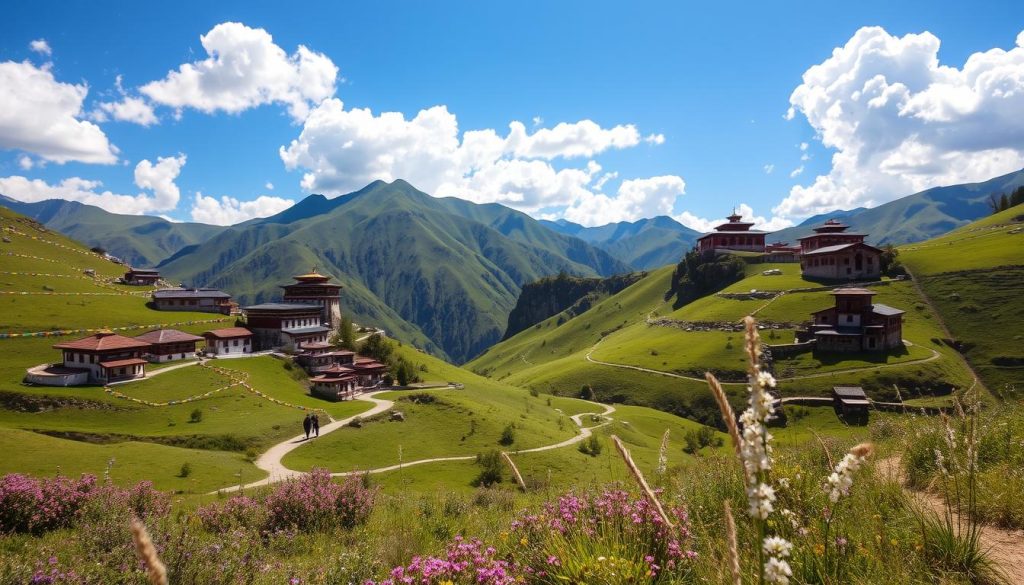
The trek covers 20 kilometers to Ngang Lhakhang alone. You’ll see elevations from 9,300 to 9,500 feet. This trek offers breathtaking views and deepens your connection with Bhutanese rural life.
Traveling Responsibly: Leave No Trace
Traveling responsibly is key to keeping Bhutan’s stunning landscapes and rich culture safe. With over 70% of the country in forests, trekkers get to see untouched nature. By following the Leave No Trace principles, you help keep trekking in Bhutan sustainable.
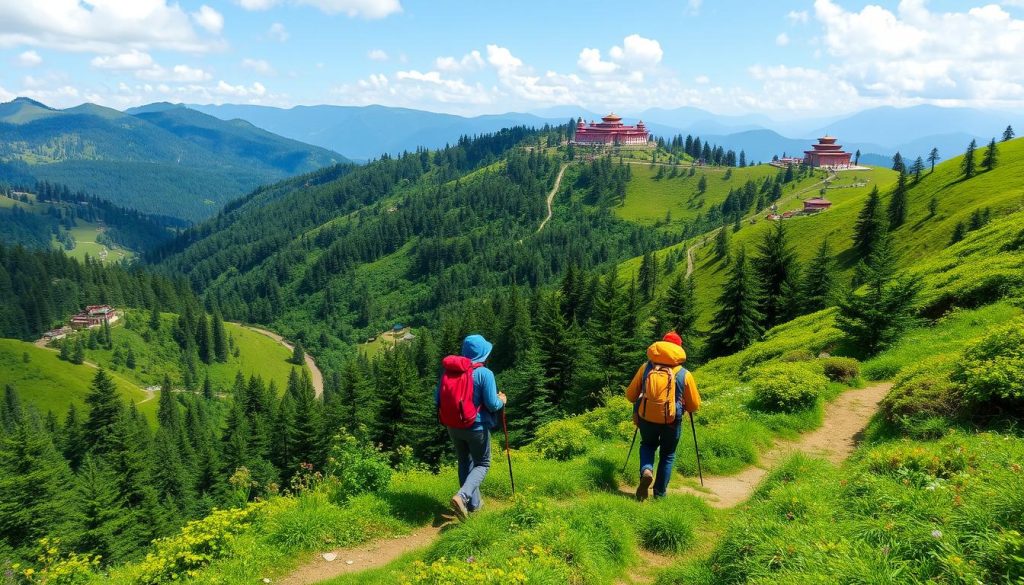
It’s important to know and use the Leave No Trace principles. Here are some steps to reduce your impact:
- Plan ahead: Pick a trek that fits your fitness and interests for a safe, fun trip.
- Stick to trails: Walking on paths protects plants and animals.
- Pack it in, pack it out: Take all trash with you to keep nature clean.
- Respect wildlife: Keep a safe distance from animals and don’t disturb their homes.
- Leave natural and cultural features as you found them: Don’t take rocks, plants, or historical items as souvenirs.
When you travel in Bhutan, think about sustainable trekking. These practices not only save the scenery for others but also respect local people and traditions. With strict tourism rules, your efforts make your trek unique and special.
Conclusion
Reflecting on Bumthang’s trekking, it’s clear it’s more than physical exercise. It’s a deep dive into Bhutan’s cultural heartland. The trails show off untouched nature and local traditions. Each path tells a story, waiting for you to find it.
There are treks for all skill levels, from challenging to easy. Packages include travel and meals, making your trip worry-free. Trekking here offers breathtaking views and meaningful interactions with locals.
By trekking in Bumthang, you help protect Bhutan’s environment and heritage. Get ready for an adventure that will inspire and transform you. It’s a chance to truly experience trekking in Bhutan’s cultural heartland.