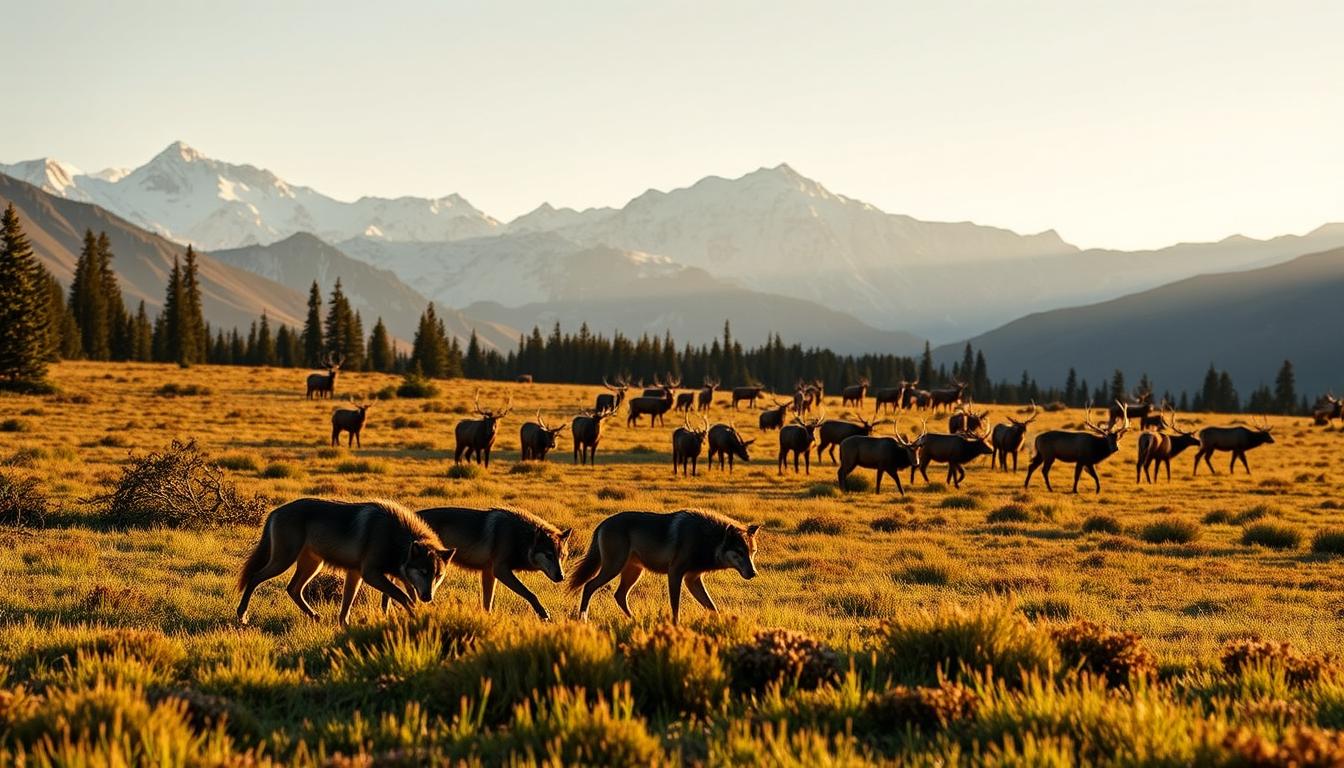
Best Places for Wildlife Watching in February 2026
Are you ready for an unforgettable wildlife adventure this February? As winter hits the US, many wildlife destinations are perfect for seeing amazing animal migrations and behaviors. From polar bears in Churchill, Canada, to Antarctica’s calm landscapes, February is great for eco-tourism.
In the US, there are many wildlife viewing spots to check out. You can see majestic elk in the Rocky Mountains or diverse marine life by the coast. February 2026 is set to be thrilling for nature lovers. With lots of eco-tourism choices, you can find an experience that matches your interests and connect with nature.
Why February is an Exceptional Month for Wildlife Watching
February might not seem like the best time for wildlife watching. But, it’s actually a great month. You’ll see many species showing interesting behaviors as you explore nature.
Seasonal Wildlife Behaviors and Migrations
In February, animals are up to special things that make them easier to see. For example, the gray whale migration is happening along the California coast. This offers amazing views.
Also, the sandhill crane spectacle at Bosque del Apache National Wildlife Refuge in New Mexico is a must-see. It’s a highlight of the month.
Weather Conditions Across Different US Regions
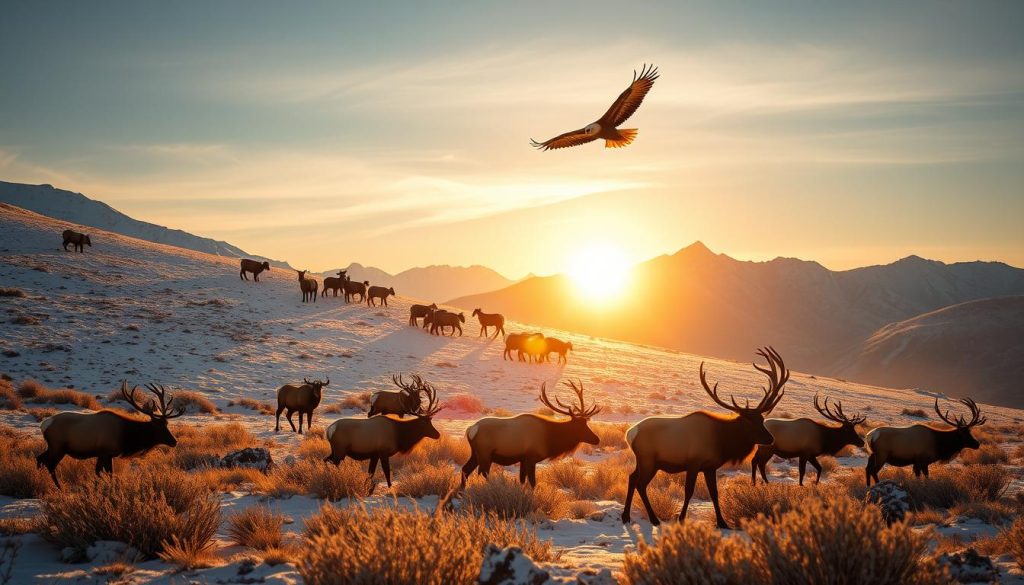
The weather in February varies across the US, affecting wildlife watching. In the north, cold weather brings animals to water sources, making them easier to spot. In the south, like Florida, mild weather is perfect for seeing migratory birds and other species.
Planning Considerations for Winter Wildlife Viewing
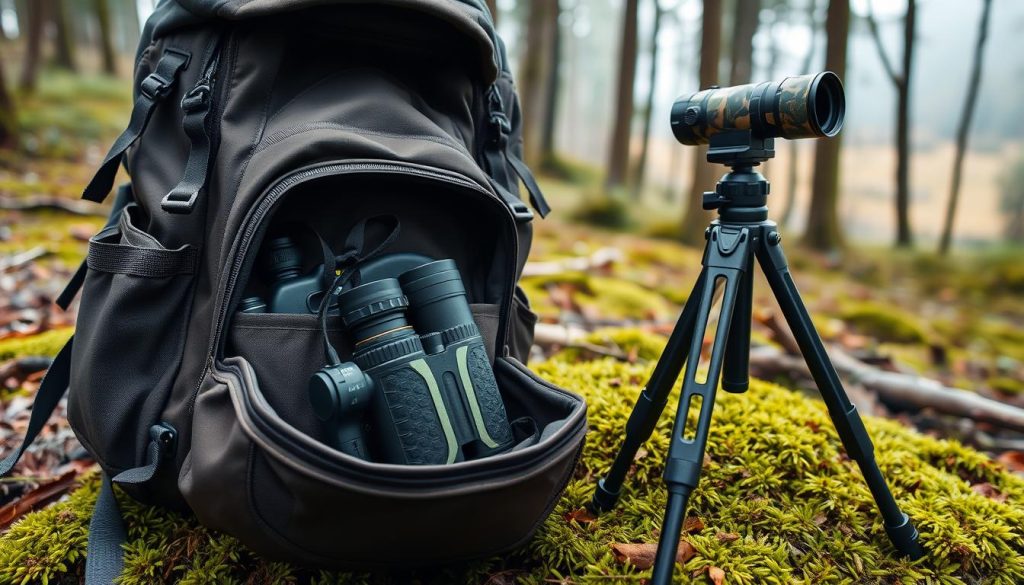
When planning your wildlife tours in February, think about the weather and any nature reserve closures. Wear warm clothes and bring good binoculars and spotting scopes. This will help you see more animals.
Knowing these tips will help you enjoy February’s wildlife watching. You’ll get to see unique sights this month.
Yellowstone National Park: Winter Wildlife Spectacle
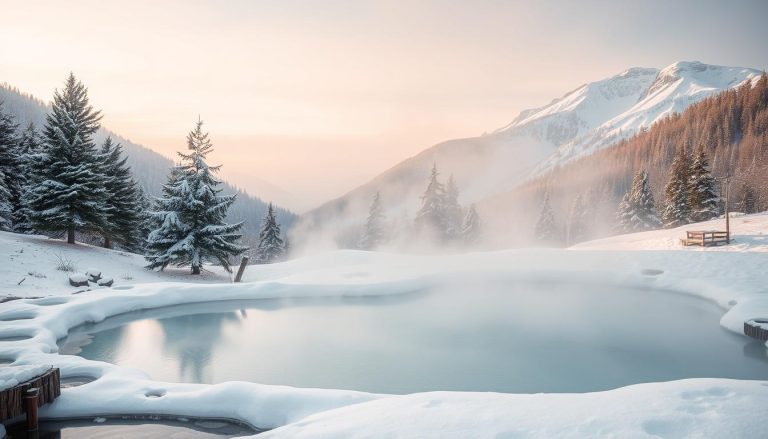
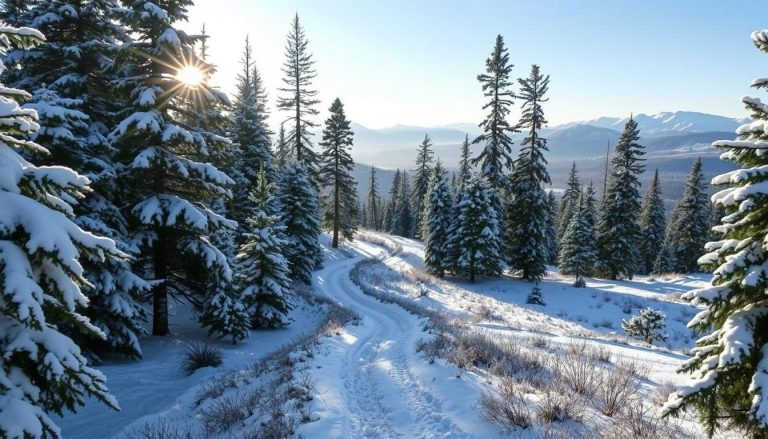
Yellowstone in winter is truly amazing. It offers great chances to see wildlife in their natural home. The park’s landscapes, from snowy forests to hot springs, are perfect for wildlife photography.
Bison, Elk, and Wolf Watching Opportunities
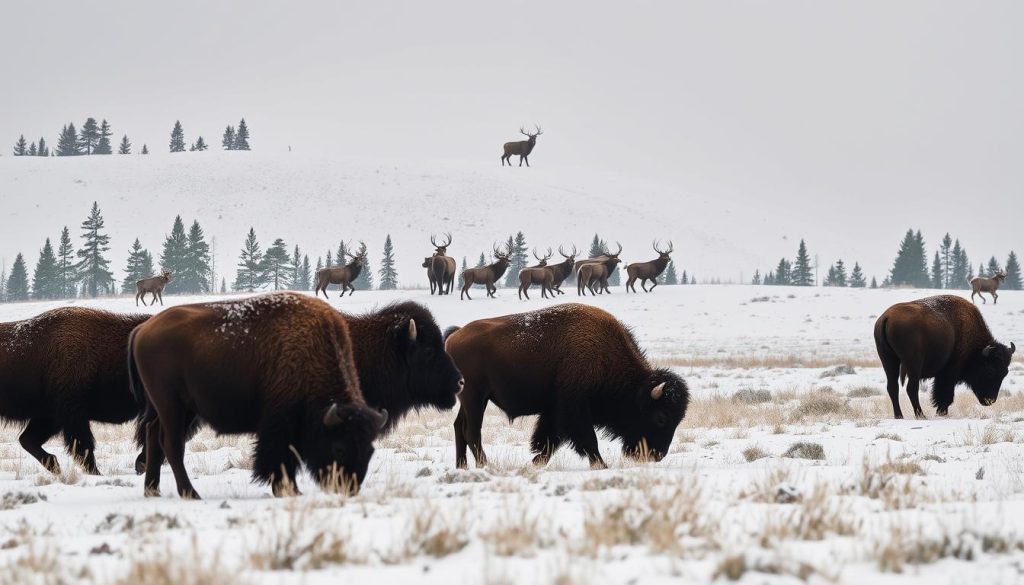
Winter is the best time to see Yellowstone’s famous animals like bison, elk, and wolves. They move more in the cold, making them easier to see. Guided tours can make your visit even better, teaching you about these animals and their homes.
Guided Snowcoach and Snowmobile Tours
Take a guided tour on a snowcoach or snowmobile to see Yellowstone’s winter beauty. These tours are exciting and let you get close to wildlife. Guides share important info on wildlife conservation and the park’s ecosystems.
Geyser Basin Wildlife Viewing
The Geyser Basins are a must-see, even in winter. The cold air and hot geysers make for a unique scene. The warm spots around the geysers attract different wildlife.
Recommended Viewing Times and Locations
For the best wildlife views, go early morning or late afternoon. The Lamar Valley is great for wolf watching, and the Madison River for elk. Always keep a safe distance and respect their space, helping wildlife conservation and eco-friendly tourism.
Everglades National Park: Peak Bird Watching Season
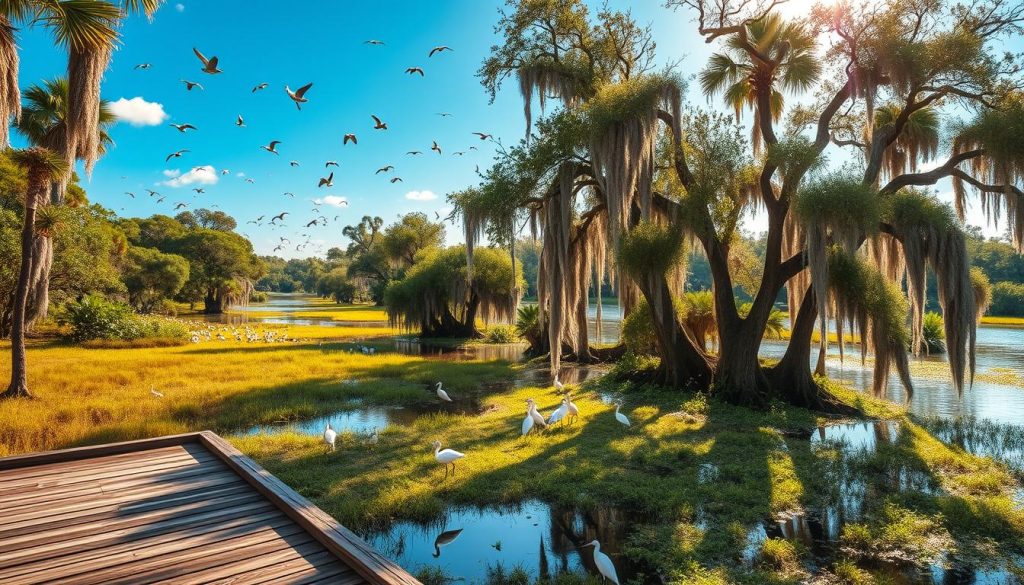
In February, the Everglades is buzzing with migratory birds. It’s the perfect time for bird watching. The Everglades National Park is famous for its wide variety of birds, drawing bird watchers from all over.
Rare Migratory Birds to Spot in February
February is great for seeing rare migratory birds in the Everglades. You might spot the Wood Stork, Roseate Spoonbill, and different warblers and plovers. The park’s mix of freshwater and saltwater habitats is perfect for these birds.
Alligator and Manatee Viewing Areas
The Everglades is also home to other amazing wildlife. You can see American alligators and West Indian manatees in the park’s waters. There are special viewing areas where you can see these creatures up close.
“The Everglades is a unique and irreplaceable treasure for our nation, and we must work together to preserve it for future generations.” –
Best Trails and Waterways for Wildlife Encounters
The Everglades has many trails and waterways for wildlife spotting. Popular spots include the Gumbo Limbo Trail and the Shark River Slough. You can also explore by kayak or canoe for a peaceful experience.
Accessibility Options for All Visitors
The Everglades National Park makes sure everyone can enjoy it. There are accessible trails and viewing areas, like the Shark Valley Tram Road and the Gumbo Limbo Trail. There are also guided tours for different needs.
| Trail/Viewing Area | Accessibility Features |
|---|---|
| Shark Valley Tram Road | Paved road, wheelchair accessible |
| Gumbo Limbo Trail | Boardwalk, wheelchair accessible |
| Guided Tours | Various accessibility options available |
Monterey Bay, California: Marine Wildlife Haven
February 2026 is a great time to visit Monterey Bay, California. It’s a top spot for seeing marine wildlife. The area is full of life, perfect for those who love animals and photography.
Gray Whale Migration Viewing
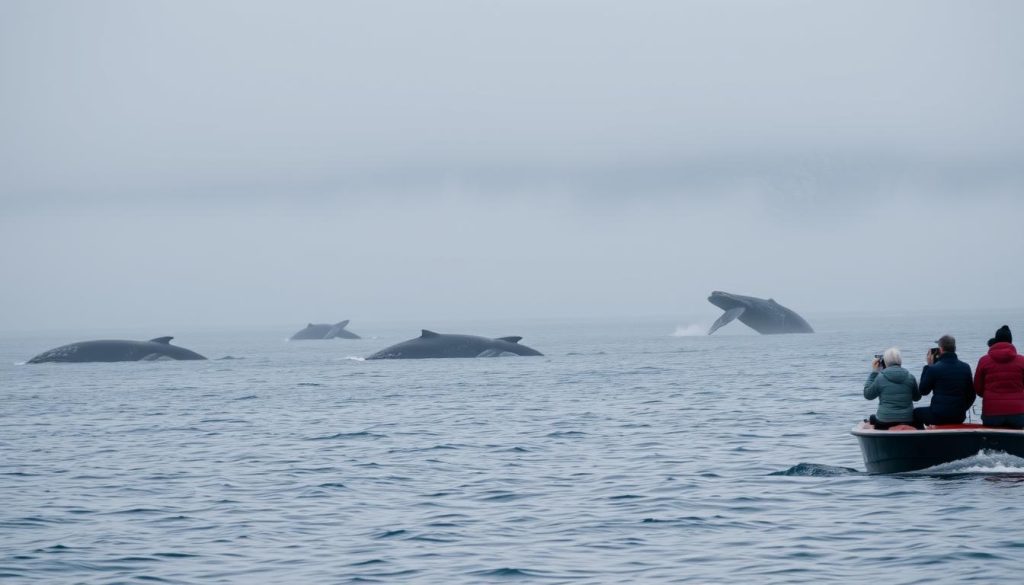
In February, Monterey Bay is a key spot for watching gray whales migrate. These huge whales travel from Alaska to Mexico, right through the bay. Guided tours are available to learn more about these amazing creatures.
Sea Otter and Sea Lion Colonies
Monterey Bay is also home to sea otters and sea lions. You can see these animals up close, watching how they live together. For the best views, go in the early morning or late afternoon.
Boat Tours and Shore-Based Observation Points
For a better wildlife watching experience, try a boat tour or visit shore-based spots. Places like Cannery Row and the Monterey Bay Aquarium offer great views of marine life.
Family-Friendly Wildlife Experiences
Monterey Bay is great for families. There are lots of activities for kids and adults. The Monterey Bay Aquarium, for example, has interactive exhibits and live feeds, making it fun for everyone.
- Guided whale watching tours
- Sea otter and sea lion viewing areas
- Interactive exhibits at the Monterey Bay Aquarium
Visiting Monterey Bay in February 2026 is a treat. You’ll see amazing marine wildlife and help support local conservation through eco-tourism.
Why February is an Exceptional Month for Wildlife Watching
In February, many places in the US are great for seeing wildlife. This is because of seasonal migrations and behaviors. It’s a special time to see animals in their natural homes, with fewer people around than in summer.
Seasonal Wildlife Behaviors and Migrations
February is key for many animals, as it’s a turning point in their yearly cycles. Some birds start moving north, while others stay in certain areas. Gray whales, for example, migrate along the Pacific coast, giving great views.
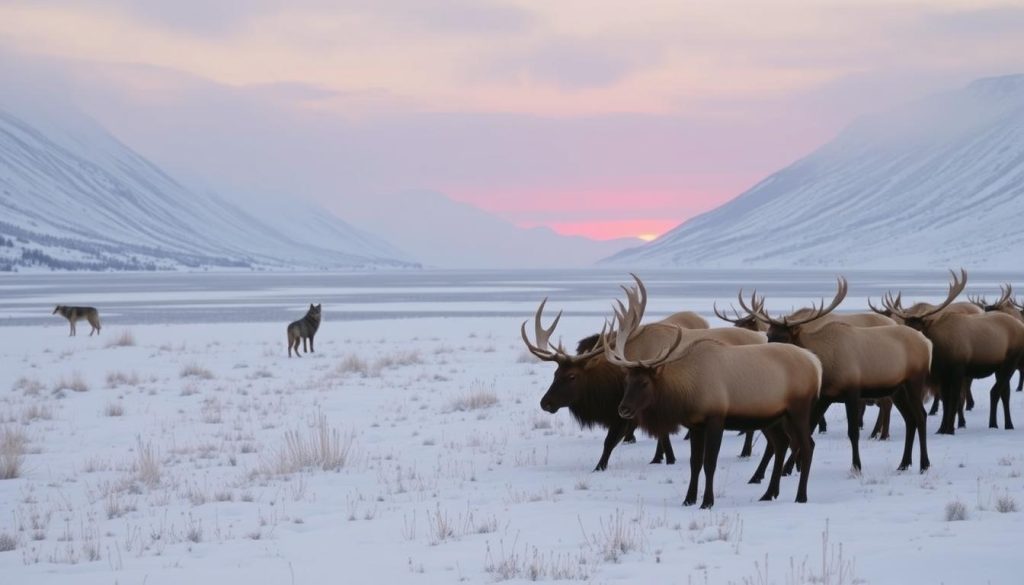
During this time, animals act differently. Elk and deer are more active, and their homes are easier to see because of less foliage. This makes February a great time to see them in places like Yellowstone National Park.
Weather Conditions Across Different US Regions
The weather in February affects wildlife watching. In the north, cold and snow make animals easier to spot as they gather food. In the south, like Florida’s Everglades, mild weather draws many birds and other animals.
“The diversity of weather conditions across the US in February creates a wide range of wildlife watching opportunities, from snow-covered landscapes to subtropical wetlands.”
Planning Considerations for Winter Wildlife Viewing
When planning a wildlife trip in February, think about the weather and access. Many parks and refuges offer guided tours. These can be very helpful in winter when some places are closed or need special permits.
- Check the weather forecast before heading out.
- Dress appropriately for cold conditions.
- Consider guided tours for expert insights.
By knowing these things, you can have a great wildlife watching experience in February. You’ll see animal sightings that are unforgettable and special for this time of year.
Bosque del Apache National Wildlife Refuge, New Mexico
Bosque del Apache National Wildlife Refuge is famous for its sandhill crane and snow goose populations. It’s a top spot for bird watching and nature exploration in February 2026. Located in New Mexico, it’s a paradise for bird lovers and nature enthusiasts.
Sandhill Crane and Snow Goose Spectacles
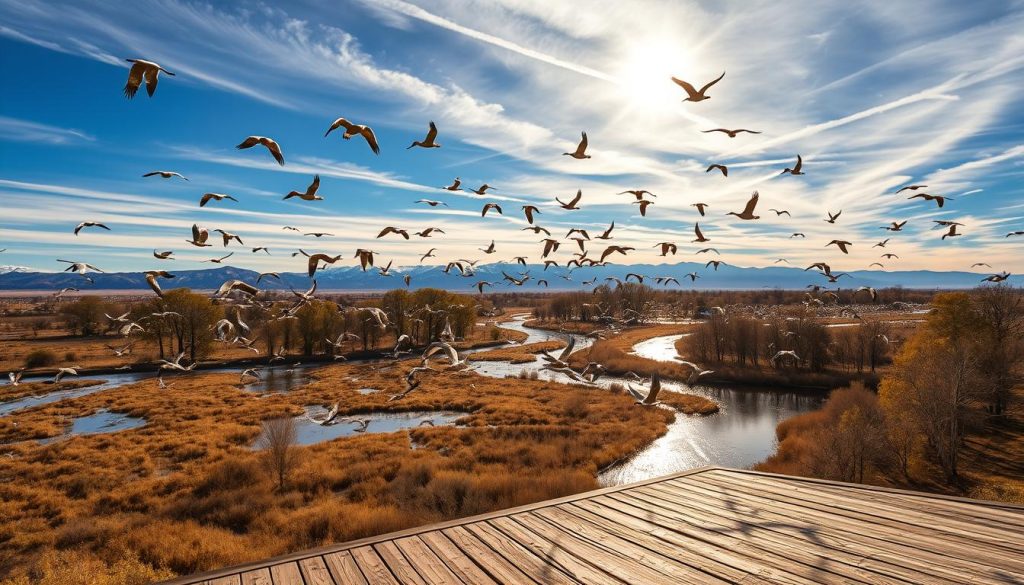
The refuge is known for its sandhill crane and snow goose migrations. Thousands of these birds stop here every year. It’s a sight to behold as they take flight at dawn and dusk.
For the best experience, visit early morning or late afternoon. This is when the birds are most active. It’s perfect for wildlife photography and enjoying the peaceful atmosphere.
Dawn and Dusk Viewing Strategies
Visit during dawn and dusk for the best bird watching. These times offer great light for photos and exciting bird behavior.
- Arrive early to get a good spot.
- Bring binoculars and a camera with a good lens.
- Be patient and ready for changing light.
Photography Blinds and Viewing Platforms
Bosque del Apache has photography blinds and viewing platforms. They let you get close to the birds without disturbing them. These spots are designed to improve your wildlife viewing.
The refuge also hosts the Festival of the Cranes in November. But for 2026, there will be special events to make your visit unforgettable.
Festival of the Cranes 2026 Special Events
The 2026 events will include guided tours, photography workshops, and educational programs. They focus on eco-tourism and wildlife conservation.
For the latest on the 2026 events, check the Bosque del Apache website. Plan your visit to enjoy the best bird watching experience.
Best Places for Wildlife Watching in February 2026: Emerging Destinations
February 2026 brings new places for wildlife watching. These spots offer unique wildlife encounters and adventures. They are perfect for nature lovers.
Cumberland Island, Georgia: Wild Horses and Shore Birds
Cumberland Island, Georgia, is a top spot for wildlife fans. It’s known for its wild horses and many shore birds. Bird watchers will love it in February 2026.
The island’s beaches and marshes are great for birds. Visitors can see wildlife on trails.
Klamath Basin, Oregon: Bald Eagle Congregation
Klamath Basin in Oregon is becoming more popular. In February 2026, it will be home to many bald eagles. This is a rare chance to see these birds up close.
The area’s wetlands and refuges are perfect for eagles. Guided tours let visitors see the eagles in their home.
“The Klamath Basin is a critical stopover for migratory birds and a vital habitat for bald eagles. Its rich biodiversity makes it a fascinating destination for wildlife enthusiasts.”
Newly Designated Conservation Areas
February 2026 highlights new conservation areas in the US. These places are protected for wildlife’s future.
Off-the-Beaten-Path Wildlife Encounters
Visiting these areas offers unique wildlife experiences. You’ll see many species in their homes, from birds to mammals.
| Location | Wildlife Highlights | Best Time to Visit |
|---|---|---|
| Cumberland Island, Georgia | Wild horses, shore birds | February 2026 |
| Klamath Basin, Oregon | Bald eagles, migratory birds | February 2026 |
| Newly Designated Conservation Areas | Varied species including migratory birds and large mammals | February 2026 |
These new spots offer fresh wildlife watching experiences in the US. They promise unique and memorable moments in February 2026.
Alaska’s Winter Wildlife Opportunities
Alaska is famous for its vast wilderness and diverse wildlife. In winter, the snow makes animals easier to see. This gives visitors a chance to watch them in their natural homes.
Northern Lights and Arctic Wildlife Viewing
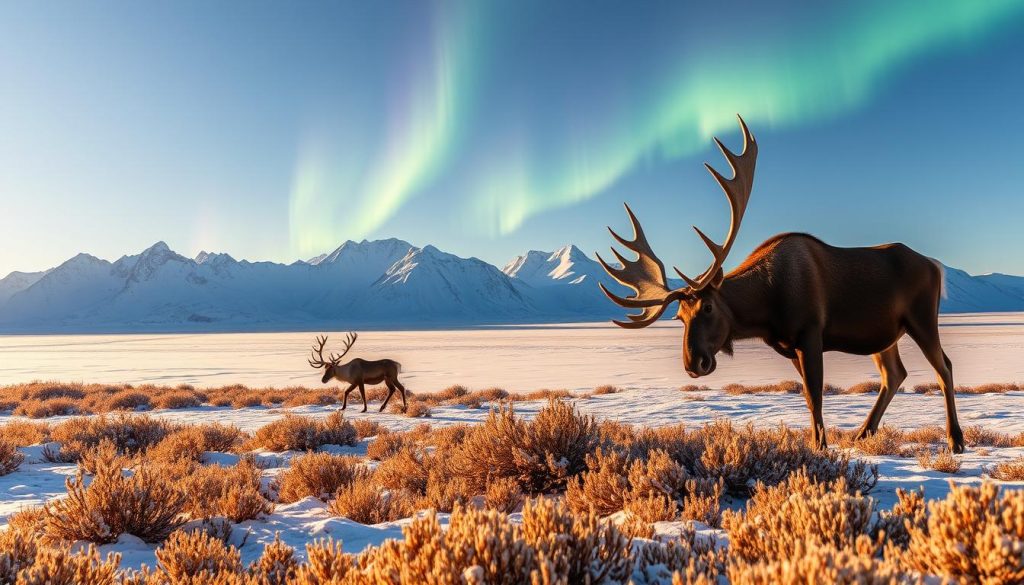
The winter months show off the Northern Lights, adding magic to wildlife watching. In Alaska’s Arctic, you can see polar bears, arctic foxes, and reindeer. Seeing the Northern Lights with Arctic wildlife is an experience you won’t forget.
Denali National Park Winter Experiences
Denali National Park has many winter activities, like dog sledding and wildlife watching. Guided tours let you see moose, caribou, and Dall sheep in their snowy home. The park’s winter beauty, with snow-covered peaks and frozen lakes, is perfect for wildlife photography.
Specialized Arctic Wildlife Tours
Specialized Arctic wildlife tours let you explore remote areas and see many animals. These tours have expert guides who share interesting facts about the animals and their homes. It’s a deep dive into the Arctic’s wildlife.
Safety Considerations for Arctic Wildlife Watching
When watching Arctic wildlife, safety is key. You need to be ready for extreme cold and dangerous conditions. Always listen to your guide, wear the right clothes, and stay in safe areas for a fun and safe trip.
By respecting wildlife and their homes, you can have a safe and rewarding time in Alaska’s winter wonderland.
Essential Gear for February Wildlife Watching
Choosing the right equipment is key for wildlife watching in February. You’ll need the right gear for a fun and successful trip.
Weather-Appropriate Clothing and Footwear
February’s weather can be tough, with cold and possibly snowy or rainy days. To stay warm and dry, you’ll need:
- Insulated, waterproof boots to keep your feet warm and dry.
- Layered clothing for adjustable warmth, including a base layer, insulating mid-layer, and waterproof outer layer.
- Warm accessories like hats, gloves, and scarves to prevent heat loss.
Optics: Binoculars and Spotting Scopes
For a closer look at wildlife without disturbing them, you’ll need:
- High-quality binoculars (7x or 8x magnification) for a clear view.
- Spotting scopes for detailed observations, useful for distant wildlife.
Photography Equipment Recommendations
Capturing the moment is a big part of wildlife watching. Consider:
- DSLR or mirrorless cameras for high-quality images.
- Telephoto lenses (at least 200mm) to capture wildlife from a distance.
- Tripods for stabilizing your camera, useful in low light.
Packing Lists for Different Ecosystems
Different places need different gear. Here are some tips for packing:
| Ecosystem | Essential Gear |
|---|---|
| Forest | Waterproof boots, layered clothing, binoculars |
| Wetlands | Waders or waterproof boots, spotting scope, camera with telephoto lens |
| Tundra | Insulated, waterproof boots, warm clothing, binoculars |
With the right gear, you’ll be ready for a great February wildlife watching adventure. Enjoy and capture the beauty of nature in its winter glory.
Wildlife Photography Tips for Winter Conditions
Winter landscapes are perfect for stunning wildlife photos. To capture these moments, you need the right techniques and gear.
Camera Settings for Snow and Low Light
Photographing in snow requires adjusting your camera settings. Use a low ISO (like ISO 100 or 200) to reduce noise. Also, adjust your white balance to show the scene’s true colors. For low light, a wide-aperture lens lets in more light.
Protecting Your Equipment in Cold Weather
Cold weather can damage your photography gear. Use insulated camera bags to keep it safe. Store batteries near your body to keep them warm. Also, use silica gel packets to stop moisture from forming on lenses.
Ethical Wildlife Photography Practices
It’s important to be ethical when taking wildlife photos. Keep a safe distance from animals to not scare them. Never bait or lure animals for a photo. Always respect their space and natural behavior.
Post-Processing Techniques for Wildlife Images
After taking your photos, you can improve them with post-processing. Adjust the exposure and contrast to highlight details. Use noise reduction tools to remove grain, mainly in low-light shots.
By using these tips, you can take amazing winter wildlife photos. You’ll also help in wildlife conservation.
Conservation Efforts and Sustainable Wildlife Tourism
Sustainable wildlife tourism is great for both you and the environment. It makes your wildlife watching better and helps conservation. This is good news for travelers in February 2026.
Supporting Conservation through Tourism
Wildlife tourism helps fund conservation. National parks and wildlife refuges use money from visitors to protect habitats and fight poaching. By going on guided tours and visiting protected areas, you help a lot.
Citizen Science Opportunities for Visitors
Many places let visitors join in on citizen science projects. You can help with bird counts or habitat work. This way, you learn more and help scientists too.
Minimizing Your Environmental Impact
It’s important to leave a small footprint while enjoying wildlife. Stay on trails, don’t feed animals, and choose eco-friendly items. These actions help keep the places you visit beautiful.
Conservation Success Stories Across the US
Many US conservation efforts are doing well, thanks to tourism. Here are some examples:
| Location | Conservation Effort | Impact |
|---|---|---|
| Yellowstone National Park | Bison conservation program | Increase in bison population by 20% over 5 years |
| Everglades National Park | Habitat restoration for endangered species | Improved water quality and increased nesting sites for rare birds |
| Monterey Bay, California | Marine protected areas | Significant increase in marine biodiversity |
By choosing eco-friendly tourism and being careful, you help protect our world. This is a big deal for conservation.
Conclusion: Embracing the Wild in February 2026
When planning your wildlife watching trips in February 2026, think about visiting the best places. Yellowstone National Park, the Everglades, and Monterey Bay are great spots. They offer amazing chances to see incredible wildlife.
Choosing eco-tourism helps protect these special places. You’ll get to see amazing animals like gray whales in California or sandhill cranes in New Mexico. This can make you love nature even more.
Remember to care for the land and follow rules when you go wildlife watching. This way, you’ll make great memories and help keep these places beautiful for others to enjoy in the future.