Your Guide to Exploring Cusco’s Artisan Markets
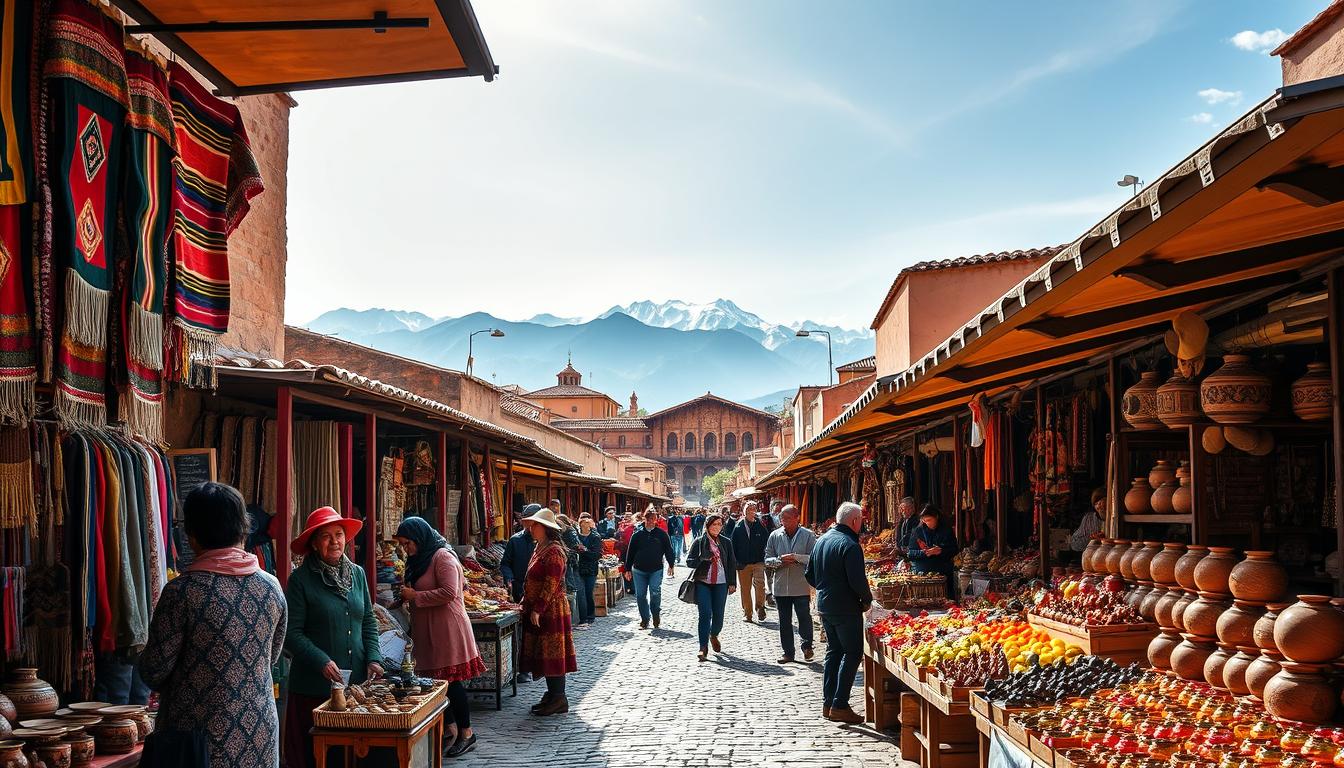
As you explore Cusco’s lively streets, you might wonder about the city’s artisan markets. They are where traditional crafts and handmade souvenirs come together. These markets are full of unique finds, just waiting for you to discover.
In Cusco’s markets, you’ll find everything from colorful textiles to detailed ceramics. These items show off the city’s deep cultural roots. You’ll see a mix of old traditions and new styles in every handmade souvenir, making each one a special piece of Peruvian art.
Understanding Cusco’s Rich Artisan Heritage
Cusco is a city filled with history and culture. It’s home to many local artisans who keep old traditions alive. You can find everything from beautiful textiles to ceramics here. The Andean art markets in Cusco are full of unique items, showing off the artisans’ skills.
The city’s artisan heritage is deeply rooted in its cultural history. The Inca Empire’s influence is still seen in the city’s crafts. The vibrant colors and patterns in textiles and the fine details in ceramics all reflect Cusco’s rich cultural identity.
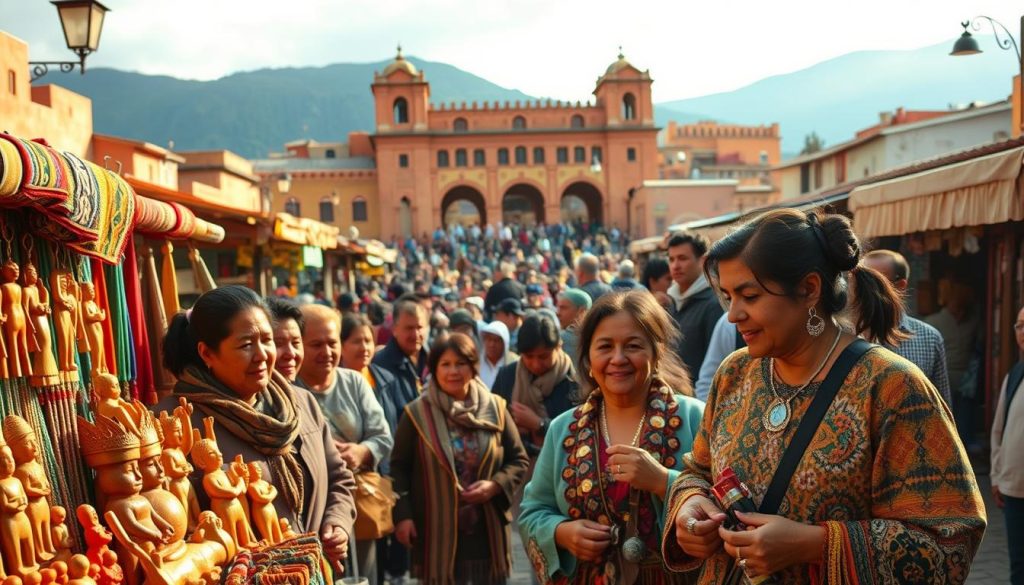
In Cusco, you can find many traditional products. There are authentic textiles and weaving, ceramics, and silver jewelry. The artisans work hard to keep old techniques alive while also making new things. By buying from them, you help keep Cusco’s culture alive for the future.
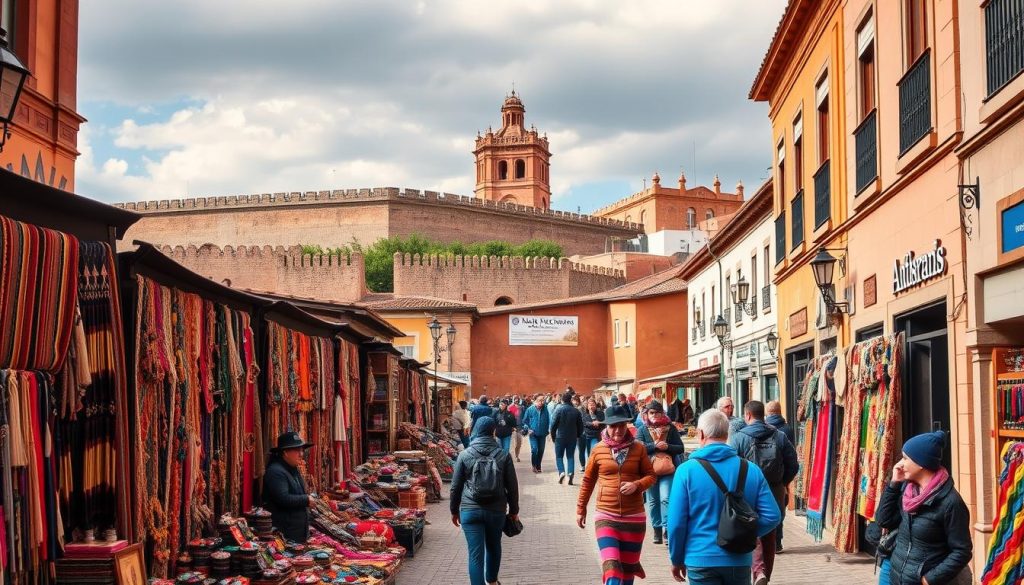
Artisan markets play a big role in Cusco today. They let local artisans show and sell their work. You can visit places like San Pedro market or San Blas to see the city’s vibrant culture. These markets are perfect for finding unique souvenirs or just to experience Cusco’s artisan scene.
Best Cusco Artisan Markets to Visit
When shopping in Cusco, you’ll find many vibrant markets. These markets offer a unique cultural shopping experience. The San Pedro Market and Centro Artesanal Cusco are two of the most notable.
The San Pedro Market, opened in 1925, is the largest in Cusco. It has a wide range of products like fresh produce, textiles, and jewelry.
Another market to visit is the Mercado de San Blas. It hosts an open-air craft fair every Saturday. Here, you can see unique textiles Cusco and other local crafts.
The Mercado de Pisac is also famous for its traditional crafts and lively atmosphere. It’s best to visit on Sundays when local Quechua communities gather for barter and trade.
These markets let you dive into the local culture and meet the artisans. You can find clothing, tapestry, jewelry, and ornaments related to Inca history. Some popular markets in Cusco include:
- San Pedro Market
- Centro Artesanal Cusco
- Mercado de San Blas
- Mercado de Pisac
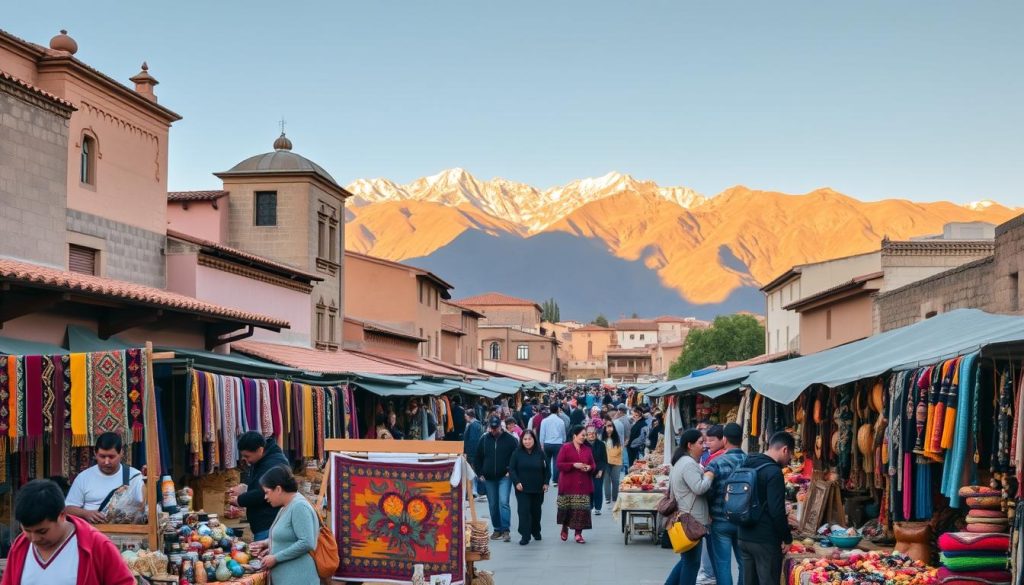
By visiting these markets, you’ll experience Cusco’s rich cultural heritage. You can take home unique and authentic handicrafts. This makes your shopping in Cusco experience unforgettable.
| Market | Location | Products |
|---|---|---|
| San Pedro Market | Downtown Cusco | Fresh produce, textiles, jewelry |
| Centro Artesanal Cusco | Tullumayo avenue | Alpaca clothing, silverware, jewelry |
| Mercado de San Blas | San Blas neighborhood | Textiles, clothing, art |
| Mercado de Pisac | Pisac town | Traditional crafts, textiles, pottery |
Centro Artesanal Cusco: The Heart of Local Crafts
In Cusco, you’ll find a wealth of artisanal products and handmade souvenirs. The Centro Artesanal Cusco is a key spot, showcasing local artisans’ work. It’s just five blocks from the Plaza de Armas and offers a variety of traditional crafts.
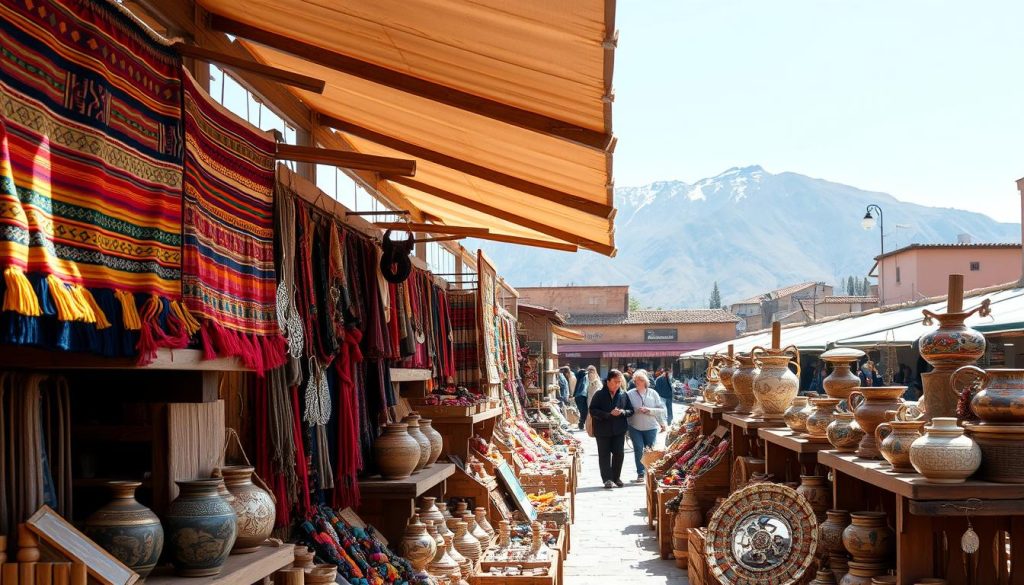
When you enter, you’ll see a world of colors and textures. You’ll find textiles, ceramics, jewelry, and musical instruments. The market is open from 9 AM to 8 PM, giving you plenty of time to shop. You can also meet the artisans and learn about their crafts.
- Negotiate prices, as it’s a common practice in the market
- Visit in the morning or late afternoon to avoid the crowds
- Take your time to explore the various stalls and discover unique, handmade souvenirs Peru has to offer
By supporting local artisans, you’ll get a beautiful souvenir and help preserve traditional crafts. So, dive into the world of artisanal products in Cusco and experience the city’s rich culture.
| Market | Location | Operating Hours |
|---|---|---|
| Centro Artesanal Cusco | Five blocks from Plaza de Armas | 9 AM – 8 PM |
San Pedro Market: A Blend of Crafts and Culture
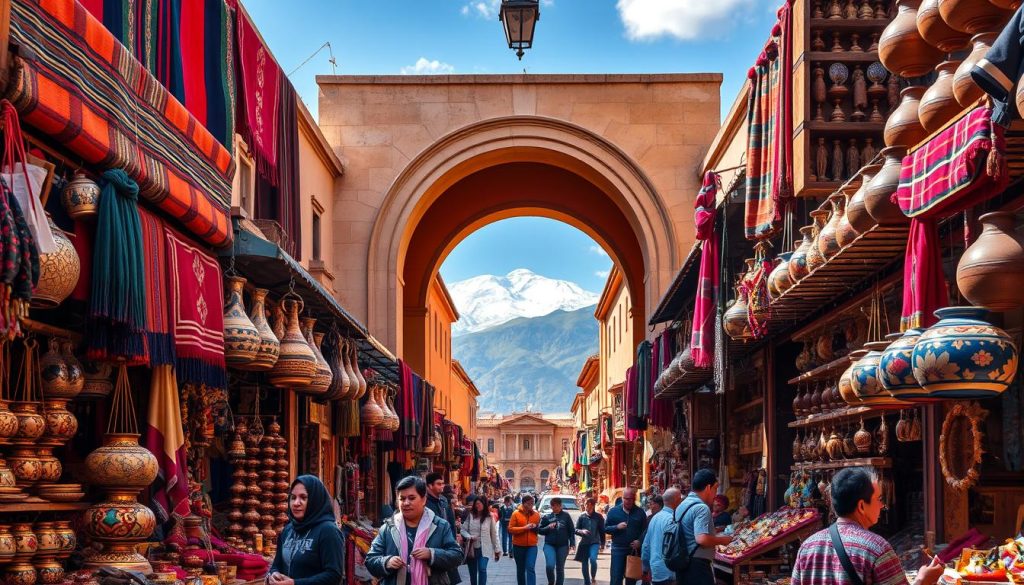
Exploring Cusco’s artisan markets leads you to the lively San Pedro Market. Here, you’ll find traditional crafts like textiles, ceramics, and jewelry. It’s a place where tradition meets modernity, attracting both locals and tourists.
The market is filled with local products, including fresh produce and handmade goods. With over 1,180 stalls, it’s a major commercial spot in Cusco. You can buy souvenirs made from alpaca, llama, sheep wool, ceramics, and leather.
Highlights at the San Pedro Market include:
* A variety of local fruits, such as chirimoya, lucuma, and granadilla
* Traditional dishes, including Aji de Gallina and Lomo Saltado
* A jugueria (juice section) with exotic fruit juices
* Sections for herbal tinctures, ointments, and traditional remedies like coca tea
Shopping at the San Pedro Market supports small businesses and sustainable tourism. It helps local families and preserves traditions. Every purchase here helps the community thrive.
Traditional Products You’ll Discover
Exploring unique textiles Cusco offers, you’ll see a variety of traditional items. These items show the city’s deep cultural roots. You’ll find everything from authentic Peruvian handicrafts to stunning ceramics, fitting all tastes and budgets.
The Andean art markets in Cusco are full of treasures. You’ll see handmade textiles, jewelry, and pottery. Each piece highlights the talent and hard work of local artists.
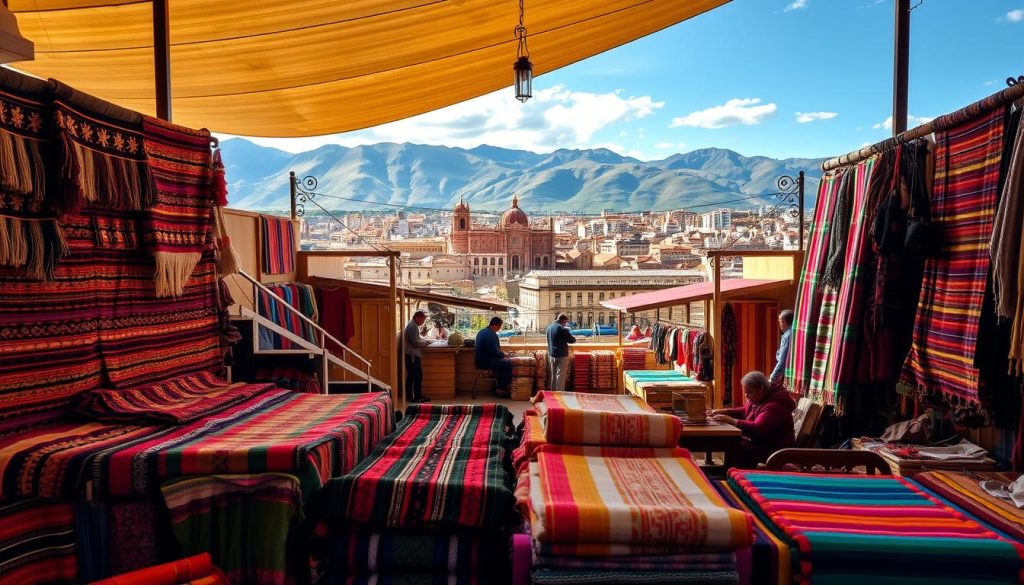
- Handwoven textiles from natural fibers like alpaca and vicuña
- Intricate silver jewelry and metalwork
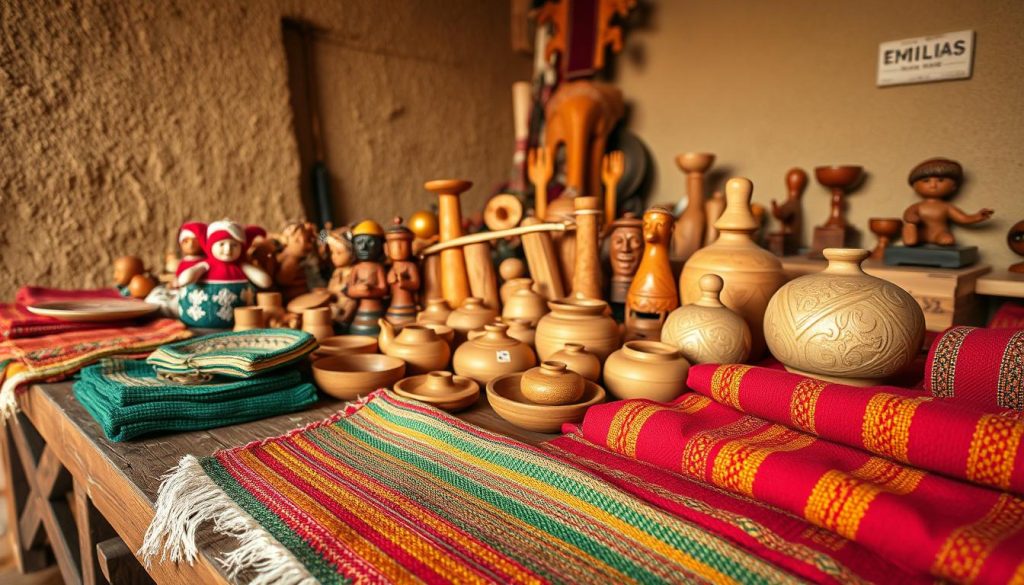
- Beautifully painted ceramics and pottery
- Traditional musical instruments like the siku and quena
Looking for a special souvenir or gift? Cusco’s traditional items will not disappoint. These authentic Peruvian handicrafts are a must-see for anyone visiting.
Shopping Tips and Cultural Etiquette
When shopping in Cusco, knowing the local culture is key. It makes your cultural shopping experience better. Be kind to the local artisans Cusco and their work. Also, be ready to talk about prices.
Bargaining is common in Cusco’s markets. It’s important to bargain with respect.
To enjoy your shopping in Cusco trip, here are some tips:
- Look around different markets and shops for the best deals.
- Be ready to negotiate prices, but always be polite.
- Buying from local artisans Cusco helps the local economy and ensures real items.
By following these tips, you’ll have a great cultural shopping experience in Cusco. You’ll also get unique and meaningful souvenirs.
How to Identify Authentic Handicrafts
When you’re looking for authentic Peruvian handicrafts, knowing what to look for is key. You want to find handmade souvenirs from Peru, and Cusco is a top spot. Look for textiles, ceramics, and silver jewelry, all made with care.
Authentic handicrafts show quality in materials, detail, and craftsmanship. Avoid mass-produced items that lack the real charm of handmade goods. Fair trade certifications help prove that the items are genuine and made by local artisans.
Here are some important things to check for:
- Traditional materials and techniques used in the crafting process
- Attention to detail and uniqueness of the product
- Fair trade certifications that ensure the product is made by local artisans
By focusing on these, you’ll find authentic Peruvian handicrafts that showcase Cusco’s culture and skill. Buying these items supports local artisans and their communities.
When shopping for Cusco’s artisanal products, remember prices can differ a lot. Compare prices and look for fair trade certifications. This way, you’ll support local artisans and get a unique, authentic souvenir from Peru.
Preserving and Caring for Your Artisan Purchases
When you bring home handmade souvenirs Peru has to offer, it’s key to know how to care for them. Authentic Peruvian handicrafts are not just beautiful. They also hold cultural value, making them special additions to your home.
To keep your artisanal products Cusco looking great, learn about their materials and making methods. Textiles should be hand-washed, and ceramics should not face extreme heat.
Here are some tips to care for your artisan buys:
- Handle with care: Avoid touching or handling handmade souvenirs Peru too much. The oils from your skin can harm the materials.
- Store properly: Keep your authentic Peruvian handicrafts away from direct sunlight and moisture. This prevents damage or color changes.
- Clean gently: Use a soft brush or a damp cloth to clean your artisanal products Cusco. Stay away from harsh chemicals or rough materials.
By following these tips, you can enjoy your handmade souvenirs Peru for many years. You’ll appreciate the skill and cultural value behind each piece.
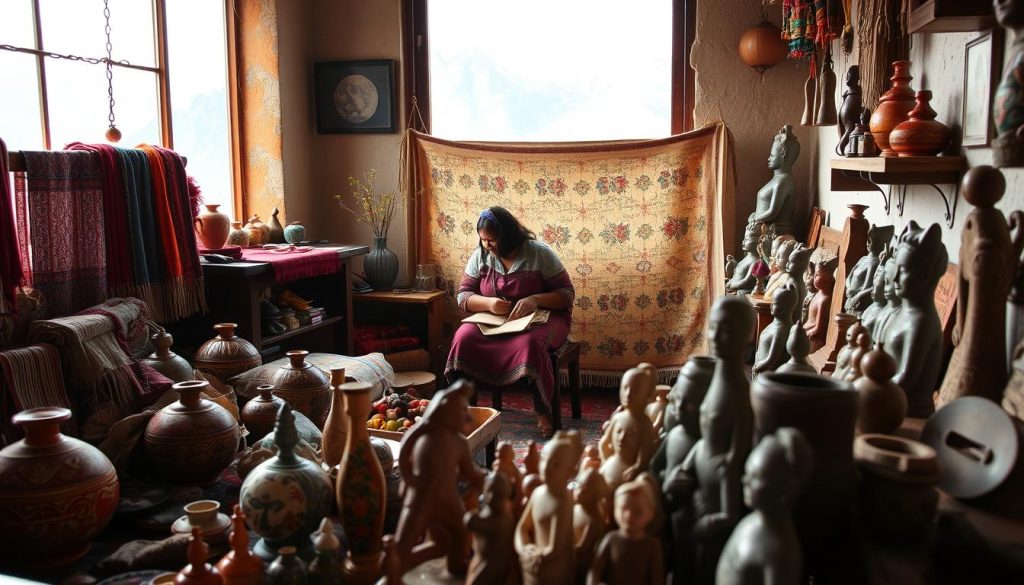
Conclusion: Supporting Local Artisans While Creating Lasting Memories
As you leave the colorful markets of Cusco, you take with you special items and a newfound respect for the city’s culture. By supporting local artisans, you’ve helped keep alive the traditional crafts and skills of the past. Each Cusco artisan piece you bought reminds you of the amazing cultural shopping experience you had.
The artisans of Cusco protect a long-standing heritage with their hard work. Your support gives them a steady income and helps keep their traditions alive. When you get back home, remember your purchases as a symbol of Andean craftsmanship and your special bond with this incredible place.