Explore Rio’s Vibrant Cultural Scene: Your Guide
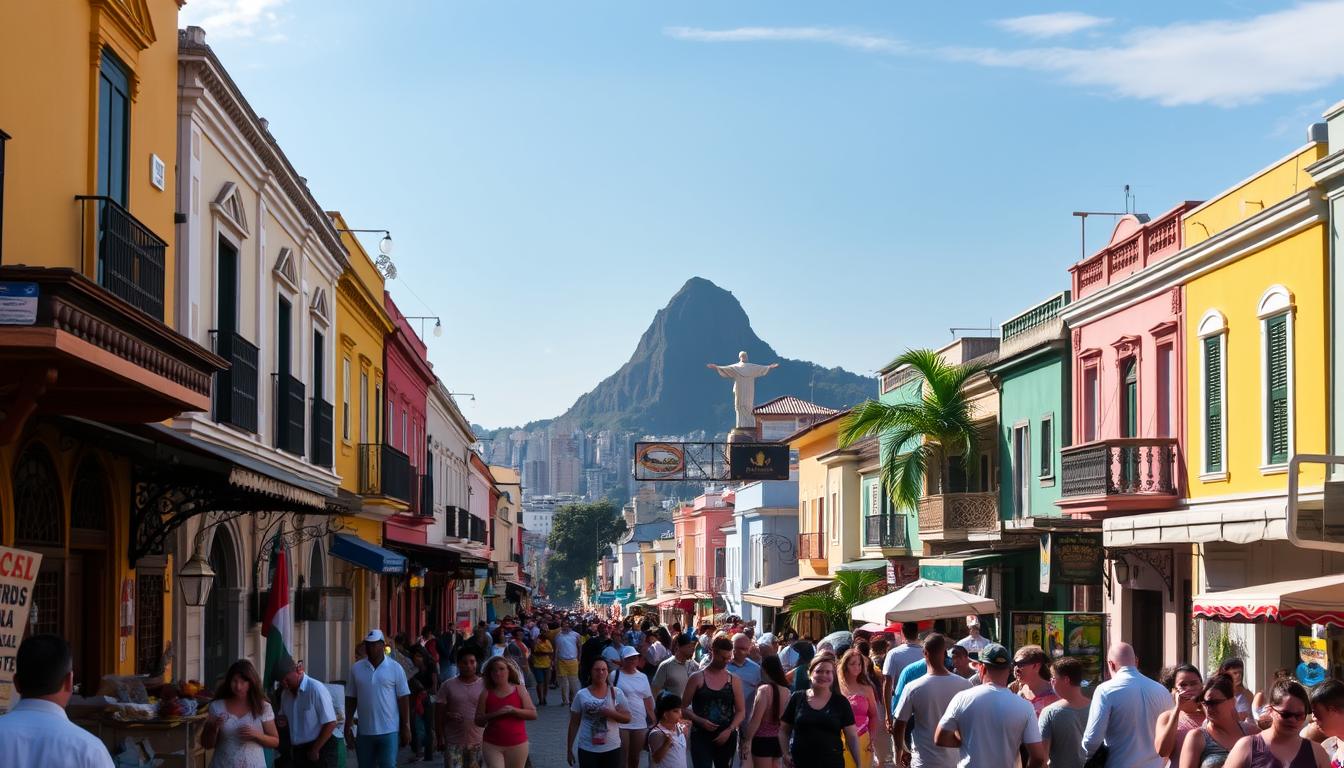
What makes Rio de Janeiro so special? It’s where culture meets stunning landscapes. As you explore this vibrant city, you’ll find a rich mix of history, music, and art. This blend captures the true spirit of Rio de Janeiro.
With its beautiful beaches, top museums, and historic sites, Rio is perfect for cultural seekers. You’ll find yourself enchanted by the cultural experiences here.
From the start, you’ll be surrounded by Rio’s sights, sounds, and rhythms. It’s a city that loves to share its culture. You’ll see the city’s best spots, from famous landmarks to hidden treasures. All these places add to Rio’s unique culture.
Understanding Rio’s Cultural Heritage
Rio de Janeiro is a city rich in culture. It offers many things to do, showing its mix of indigenous, Portuguese, and African influences. The city’s history is complex, with landmarks and institutions that reflect its diverse heritage.
Key cultural spots include the National Library of Brazil, the National Museum of Fine Arts, and the Royal Portuguese Reading Room. These places have art, literature, and historical artifacts. The city’s historic center also has colonial architecture, like the Candelária Church and the Municipal Theatre.
There are many ways to experience Rio’s culture. You can:
- Visit the National Museum of Fine Arts to see Brazilian and European art
- Explore the historic center and its colonial buildings
- Attend a cultural event, like the Carnival in Rio
- See the Royal Portuguese Reading Room’s Portuguese literature and rare books

Rio’s cultural heritage is unique and interesting. By exploring its cultural sites, you’ll learn about the city’s history and significance.
Must-Visit Museums and Art Galleries
When exploring Rio de Janeiro, you’ll find a lively cultural scene. It shows the city’s rich history, art, and culture. Visit the many museums and art galleries to see Rio de Janeiro cultural activities up close. From the Museum of Modern Art to the National Museum of Fine Arts, there’s something for everyone.
The Museu de Arte do Rio has over 20,000 items. The Museu de Arte Moderna has 16,000 items. Don’t miss the Museu do Amanhã, with 40 interactive experiences that mix science, art, and technology.
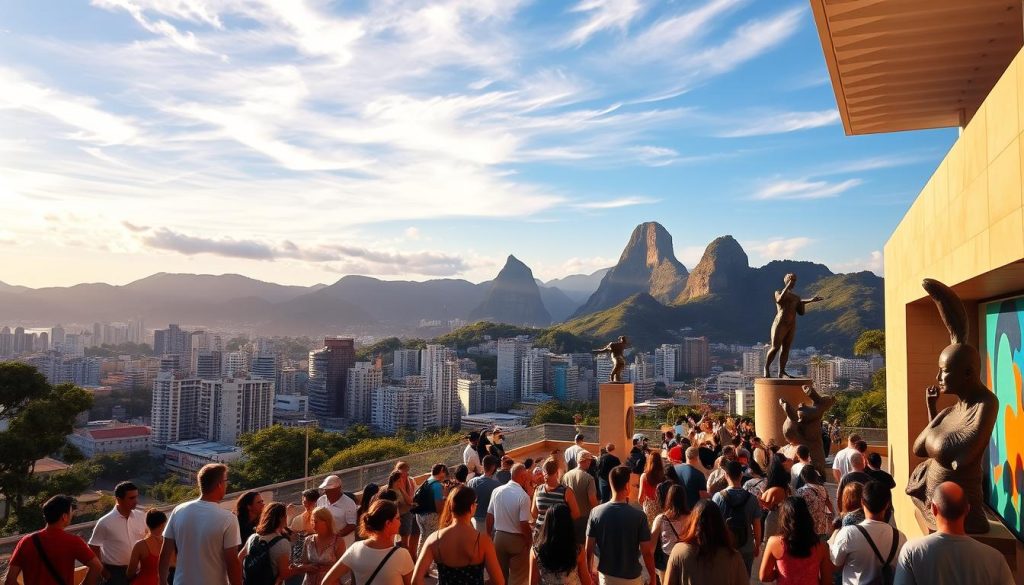
For a deeper dive, check out the Museu do Samba. It offers a four-hour Samba Experience package. You’ll enjoy traditional feijoada and learn about samba music’s history and culture.
Whether you love art, history, or science, exploring Rio de Janeiro has it all. With its lively cultural scene and many museums and galleries, you’ll have plenty of choices. So, start planning your trip today and see what this amazing city has to offer!
The Rhythm of Rio: Music and Dance Scene
Rio de Janeiro is famous for its lively music and dance. The city’s culture and creativity shine through in its music and dance. You’ll find many musical experiences here, from samba schools to live venues.
The city’s music and dance are key attractions. Samba, with its deep history, shows Brazil’s spirit and heritage. You can see samba at live shows and samba schools, where dancers move to the beat of drums.

Places like Mangueira, founded in 1928, are hubs for samba. These schools bring together dancers, musicians, and artists. They help keep samba alive and show the city’s cultural heart.
Rio’s music and dance scene offers more than just samba. You can find traditional and modern sounds here. The city’s mix of cultures makes its music unique. So, dive into Rio’s rhythm and see its music and dance for yourself.
Cultural Experiences in Rio de Janeiro: From Festivals to Daily Life
Rio de Janeiro is full of immersive cultural experiences for all interests. You can dive into its lively festivals or everyday life. The city lets you explore its rich culture through various activities.
Some top cultural experiences Rio de Janeiro offers include the Carnival and the Feast of Iemanjá. The Carnival draws about 2 million people each day, showing off the city’s vibrant culture. The Feast of Iemanjá honors the sea goddess in February. The Feira Hippie de Ipanema market is famous for its local crafts and jewelry.
Here are some of the immersive cultural experiences Rio de Janeiro offers:
- Carnival: a vibrant cultural festival that showcases the city’s rich cultural heritage
- Feast of Iemanjá: a celebration that honors the goddess of the sea with offerings
- Feira Hippie de Ipanema: a popular market featuring unique handicrafts, jewelry, and artwork created by local artisans
- Cooking classes: a great way to learn about the city’s culinary heritage and immerse oneself in its cultural experiences
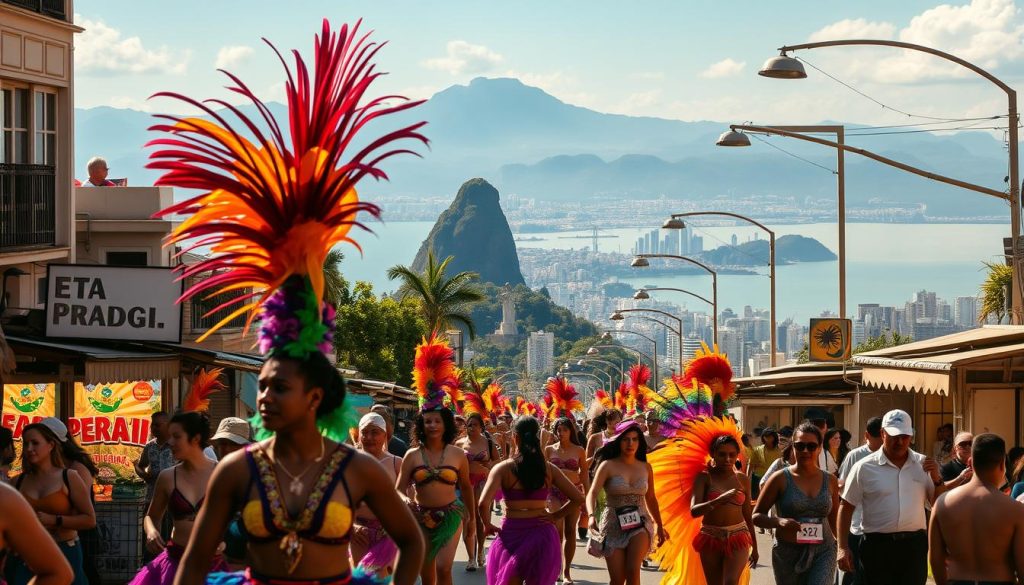
In conclusion, Rio de Janeiro’s cultural experiences showcase its rich heritage. There’s something for everyone, from festivals to cooking classes. These experiences will surely make a lasting impression.
Rio’s Architectural Marvels
Exploring Rio de Janeiro, you’ll find a city rich in history and architecture. The city’s buildings show a mix of old colonial styles, Art Deco, and modern designs. Historic churches and monasteries, like the Imperial Palace, have beautiful facades and neoclassical looks.
Rio’s architecture has changed over time. You can see this in its buildings, from the colonial-era ones around XV November Square to the modern Niterói Contemporary Art Museum. The famous Copacabana promenade, designed by Burle Marx, is a key part of global urban design.
Historic Landmarks
- The Carioca Aqueduct, built in the 18th century, serves as a vital water supply for the city.
- The Selarón Steps feature tiles from around the world, representing a fusion of cultural diversity.
- The Imperial Palace, also known as the Paço Imperial, is a neoclassical masterpiece that once served as the residence of Brazilian emperors.
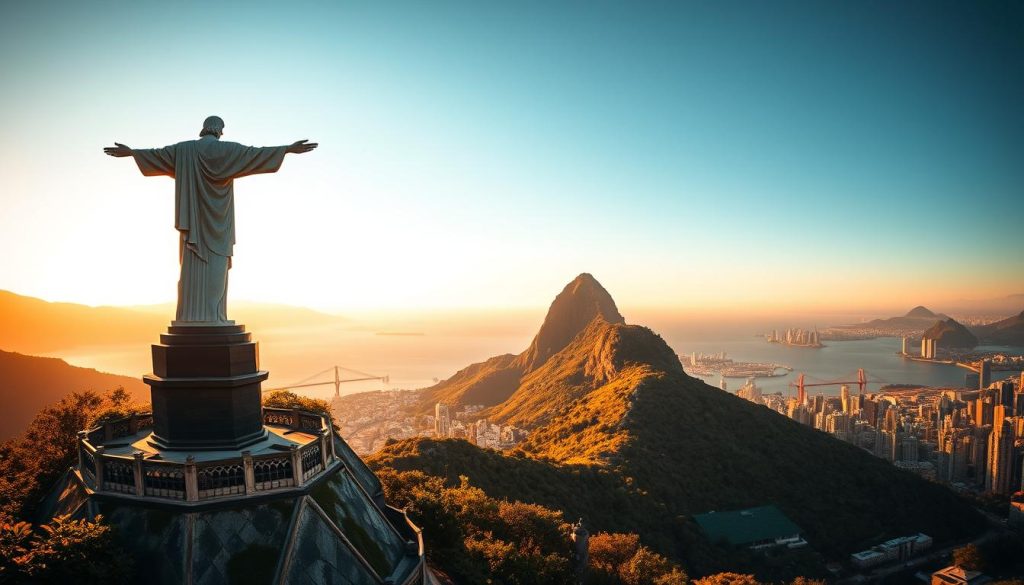
But Rio’s cultural sites are more than just old buildings. The city also boasts modern architectural wonders, like the Museum of Tomorrow by Santiago Calatrava. Exploring Rio, you’ll see a city that beautifully combines old and new, making it a unique place to visit.
Exploring Rio’s Artistic Neighborhoods
As you explore Rio de Janeiro, you’ll find many artistic neighborhoods. Each one shows off the city’s lively culture. From Lapa’s colorful streets to Santa Teresa’s historic charm, you’ll see Rio’s rich heritage.
Rio is known for its cultural activities and attractions. You’ll find museums, galleries, street art, and live music venues. These places make Rio’s cultural scene vibrant.
Some top spots to check out include:
- Confeitaria Colombo, a historic café with stunning Belle Époque architecture
- Real Gabinete Português de Leitura, a 19th-century public library with an impressive collection of literature
- Rio Scenarium, a three-floor venue that combines a dance hall, restaurant, and bar, offering a unique blend of music, dance, and cuisine that reflects the city’s cultural heritage and is a must-visit cultural attraction Rio de Janeiro.
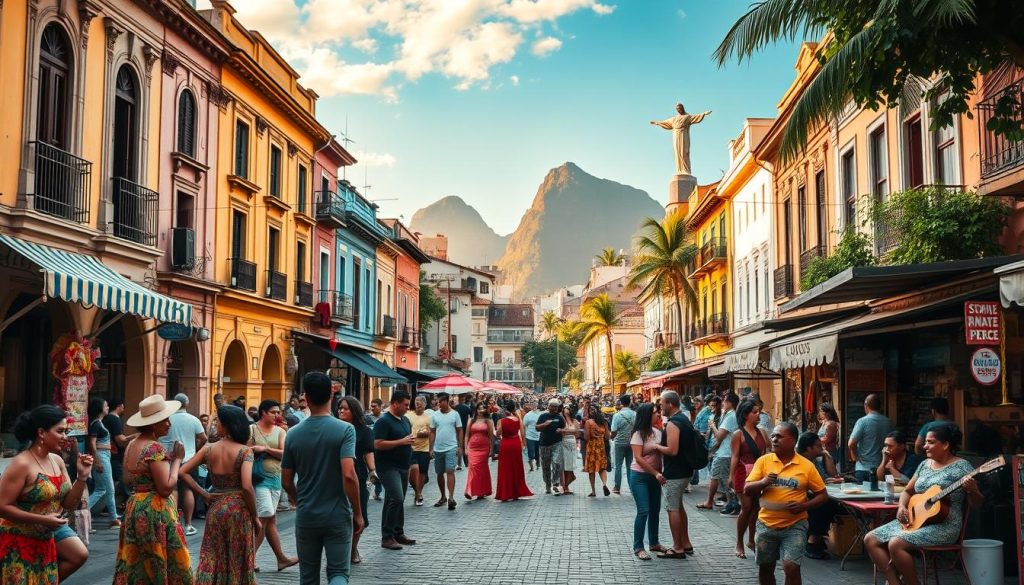
Walking through these neighborhoods, you’ll see old and new together. Historic buildings meet modern street art and trendy bars. This mix creates a lively, unique atmosphere that’s all about Rio.
Traditional Brazilian Cuisine in Rio
Rio de Janeiro is a treasure trove of cultural experiences. Its traditional Brazilian cuisine is a must-try. With over 30 traditional Brazilian main dishes, visitors can explore a variety of flavors and ingredients.
From Arroz de Pato, served with red wine, to Arroz com Camarão, which includes farofa and hot sauce, each dish highlights the city’s cultural heritage.
Some popular dishes in Rio include Picadinho, a beef stew served with rice, farofa, and beans. Cozido, a hearty stew served with rice, farofa, and hot sauce, is also a favorite. Estrogonofe de Frango, served with white wine, and Peixe à Belle Meunière, featuring a creamy sauce and served with white wine, show the mix of international influences in Brazilian cuisine.
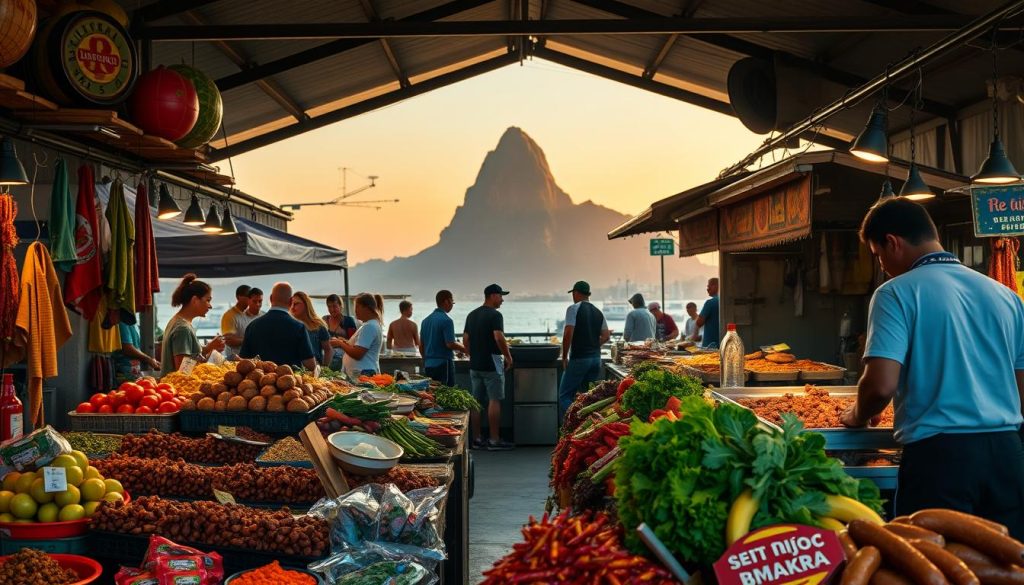
Visitors can explore the city’s food markets, like Feira Hippie, to experience local cultural experiences Rio de Janeiro. Try traditional street food like Acarajé, a deep-fried bean fritter. Cooking classes and culinary tours offer a hands-on way to learn about Brazilian culinary traditions and techniques.
Street Art and Urban Culture
Exploring Rio de Janeiro’s vibrant culture, you’ll find that immersive cultural experiences Rio de Janeiro go beyond museums and galleries. The city’s street art scene is alive with diversity and creativity. It offers a unique look into its cultural heritage through murals and graffiti.
The massive mural “Etnias” by Eduardo Kobra is a standout. It spans over 2,500 square meters and shows 5 indigenous faces from different continents. The Escadaria Selarón is also iconic, with thousands of tiles from around the world. Together, they reflect Rio’s rich cultural diversity.
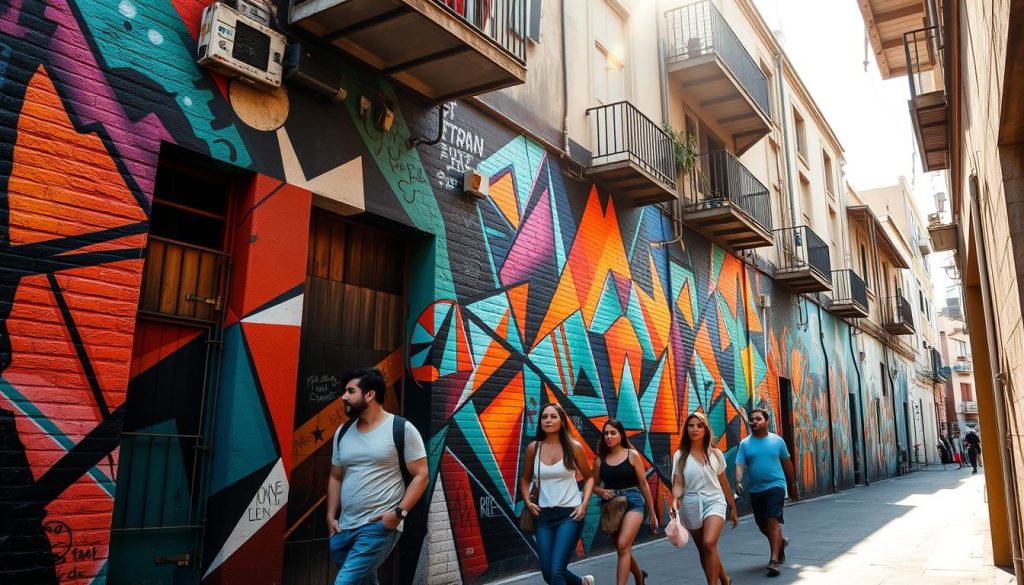
For the best street art experience, consider a guided tour. These tours, lasting up to 5 hours and costing around USD 250 per group, take you to key spots. You’ll see the Selarón Steps, the Etnias mural, and Pedra do Sal, a center for Afro-Brazilian culture and street art.
These tours focus on graffiti’s cultural significance. They help you understand Rio’s street art scene and its role in social movements and identity.
Some tour highlights include:
- Exploring vibrant neighborhoods like Santa Teresa and Gamboa, filled with murals and graffiti
- Seeing the work of local and international artists, each with their own style
- Learning about Pedra do Sal’s historical significance in Afro-Brazilian culture
By diving into cultural experiences Rio de Janeiro, you’ll understand the city’s rich heritage and thriving street art. Whether you love art or just want to feel Rio’s unique vibe, its street art will surely impress you.
Conclusion: Embracing the Spirit of Rio’s Cultural Scene
As you explore Rio de Janeiro, you’ll find a city full of life and culture. The famous Carnival and artistic neighborhoods offer a unique experience. You can enjoy samba music, see amazing architecture, and try delicious Brazilian food.
Rio’s culture is everywhere, from colorful murals to lively festivals. By joining in local traditions and events, you’ll feel the city’s warmth. Say goodbye to Rio with memories and a desire to come back and explore more of Rio de Janeiro.