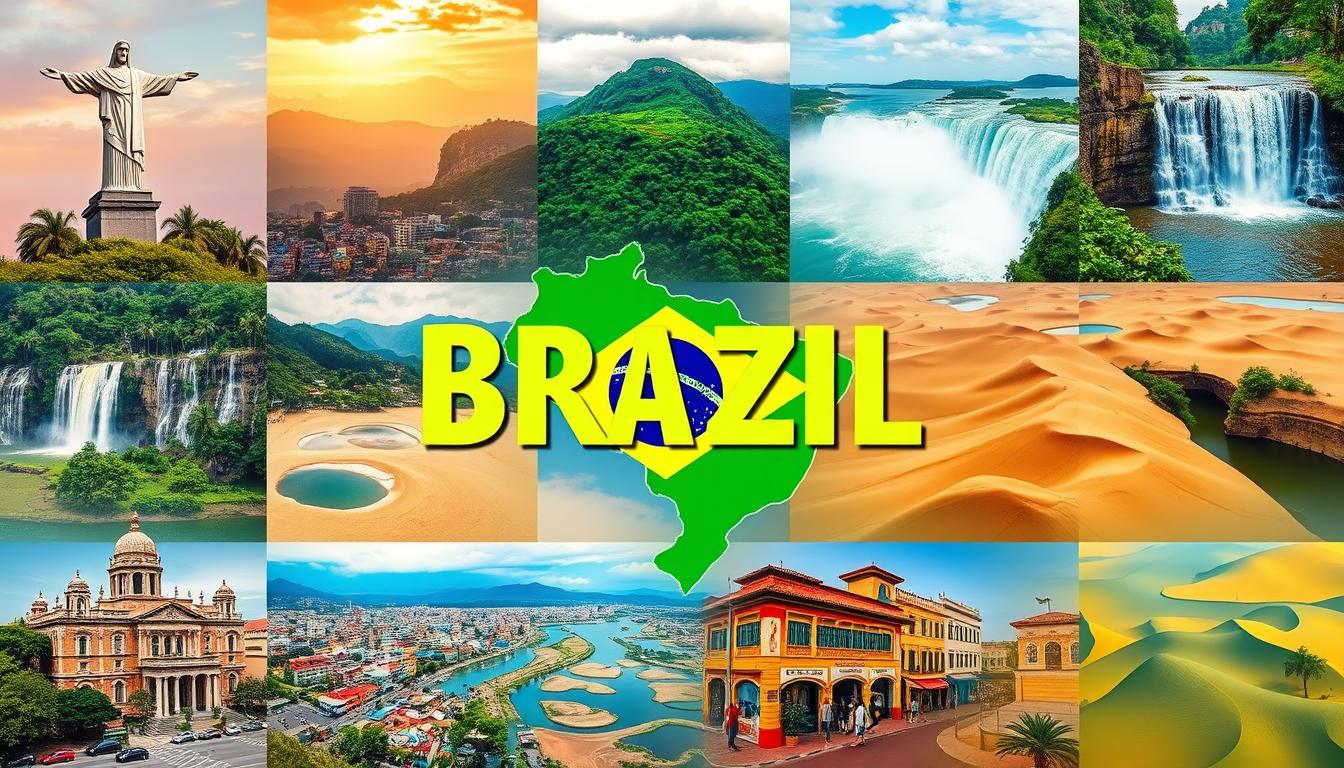
10 Best Places to Visit in Brazil: Top Picks
Ever wondered about the best spots in Brazil? This country shines with its colorful culture, stunning landscapes, and wide range of animals. It invites travelers with both natural beauty and lively cities. Brazil boasts 2,095 beaches and the vast Amazon rainforest, which makes up 42% of the nation.
Interested in history, nature, or beaches? Whether it’s the historic city of Ouro Preto, the rich Amazon rainforest, or Rio’s famous Copacabana Beach, we’ve got you covered. Our guide to the 10 Best Places in Brazil highlights the top spots for both excitement and relaxation. Keep reading to find places you must visit.
Ouro Preto and the towns of Minas Gerais
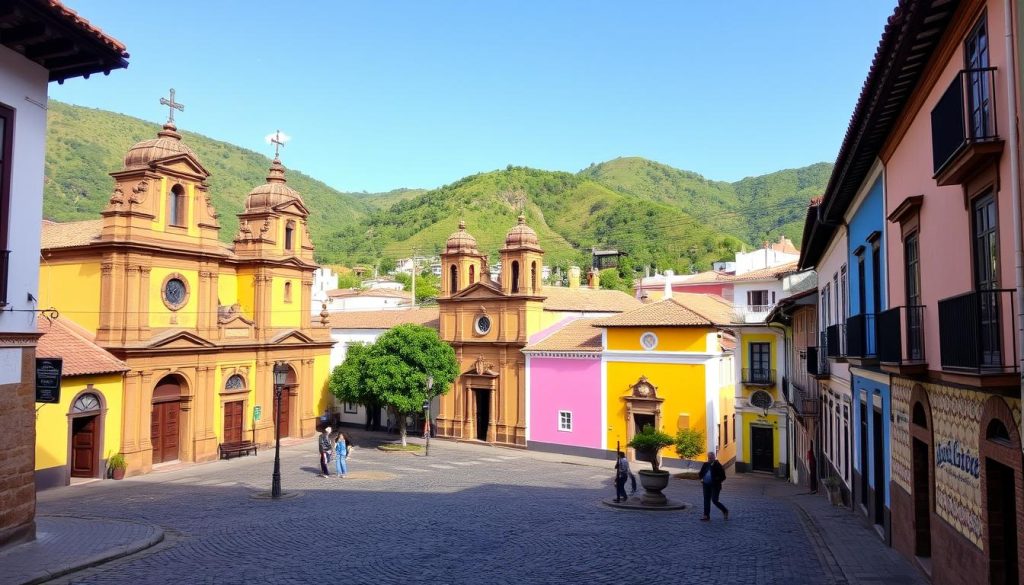
Ouro Preto lies at the heart of Minas Gerais. It shows the true image of historical towns in Brazil. Back in the 18th century, during the gold rush, it played a major role. Its history is tightly bound with Brazil’s colonial past.
Historical Significance
The rich Brazilian cultural heritage of Ouro Preto is evident. You can see it in its many churches decorated with gold, showing its rich past. The town was founded at the end of the 17th century. It gained fame quickly after gold was found in the 1690s.
By 1730, about 40,000 people lived there, showing the town’s importance. It happened during the gold rush era.
Famous Residents and Art
Visiting Ouro Preto, you’ll see the art legacy of Antônio Francisco Lisboa, known as Aleijadinho. His famous works are all over the town. They showcase the rich Brazilian cultural heritage.
Nearby Attractions
Around Ouro Preto, there’s a lot more to see. Towns like Congonhas and São João del Rei connect through the Royal Road. Close by, in Brumadinho, there’s Inhotim. It’s a unique outdoor art gallery set in a beautiful botanical garden.
Other spots include Monte Verde, high at 1,500 meters, known for its chilly winters. Then, there’s Poço de Caldas, famous for its warming hot springs. These springs draw in couples and older visitors.
| Town | Attractions |
|---|---|
| Ouro Preto | Churches adorned with gold, Praça Tiradentes, Museum of the Inconfidência |
| Monte Verde | Cold winters, scenic views |
| Brumadinho | Inhotim outdoor art gallery |
| Poço de Caldas | Hot springs and spa treatments |
Paraty and the Saco de Mamanguá
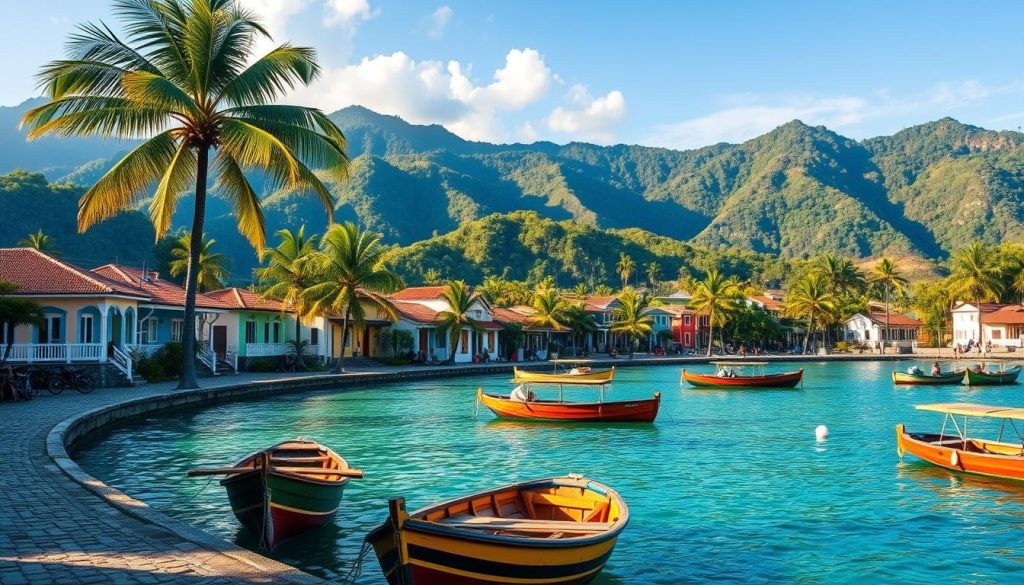
Paraty, Brazil, is a must-see for lovers of history and nature. It sits between lush mountains and the Atlantic Ocean. This town is known for its Brazilian architecture and vibrant local culture.
Architectural Beauty
Walking through Paraty’s cobblestone streets, you’ll see well-preserved colonial Brazilian buildings. The town has historical roots in the gold rush era. You will find notable sites like the Capela de Santa Rita and the Casa da Cultura here.
Water Activities
Saco de Mamanguá is a tropical fjord paradise for those who love the water. With over 33 beaches, it’s perfect for engaging in Paraty’s aquatic activities. Kayaking and exploring marine life here are popular.
Boat tours offer amazing views and swimming stops. These tours last about 5-6 hours.
- Kayaking Tours: Approximately £35 (200 Reais), 2-3 hours of kayaking time.
- Boat Tours: Roughly £10 (60 Reais) for the Mamanguá hike and boat tour.
Events and Festivals
Paraty is also known for its cultural events. The famous FLIP literary festival happens here every year. It draws authors and readers globally. In August, the Festival da Pinga celebrates local cachaça. For music fans, the jazz festivals are a treat.
| Activity | Cost (Reais) | Duration |
|---|---|---|
| Mamangua Hike | 60 R | 5-6 Hours |
| Kayaking Tour | 200 R | 4 Hours |
| Boat Tour | 60 R | 5-6 Hours |
| Trindade Bus Fare | 10 R | All Day |
| Waterfall Entry | 8 R | Varies |
| Bike Hire | 60 R | Hourly/Daily |
Amazon Rainforest
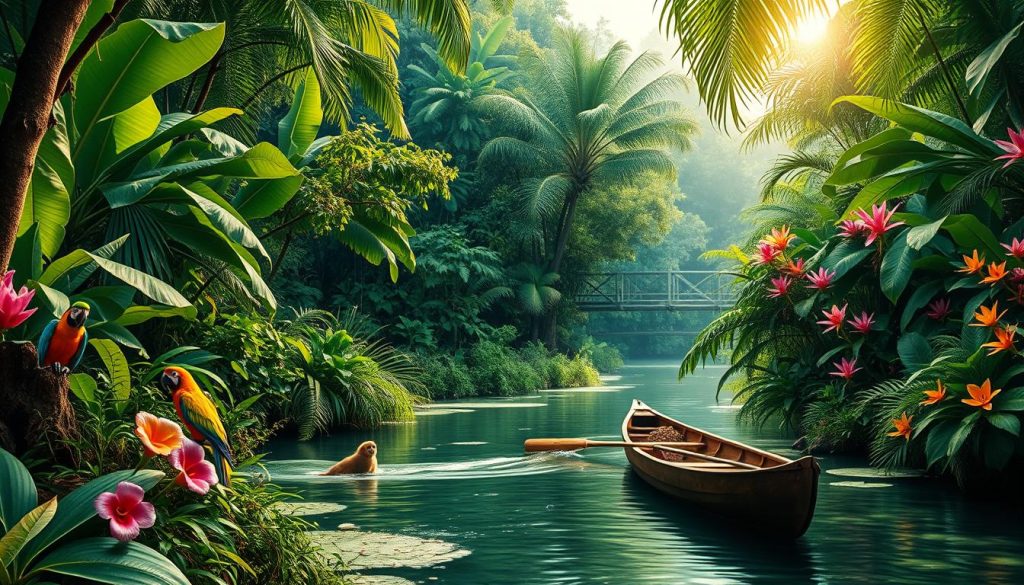
The Amazon Rainforest, a gem of Brazil, covers a staggering 6.7 million km². That’s 40% of South America. It’s a paradise for nature lovers and adventurers with its unmatched biodiversity and ecological value.
Ecological Diversity
About 10% of the world’s species call the Amazon Rainforest home. Its biodiversity is unparalleled. From howler monkeys to caimans and the unique freshwater dolphins, the rainforest is alive with fauna. Protected areas like Pacaya-Samiria National Reserve and Manu National Park keep these species safe.
Tourist Activities
Touring the Amazon Rainforest is an adventure filled with activities. Spotting wildlife, like the pink river dolphins in Mamirauá, is a thrill. Canoeing through Anavilhanas National Park lets you explore the largest river archipelago. Guided tours take you deep into the forest safely, making every moment an educational delight.
Best Time to Visit
To best experience Amazon Brazil, visit during the dry season from August to December. Rivers are easier to navigate, improving wildlife spotting. The temperature stays around 27°C to 30°C (80°F to 86°F) all year. Spend seven to ten days to fully immerse in the Amazon experience.
| Location | Activities | Notable Species |
|---|---|---|
| Pacaya-Samiria National Reserve | Wildlife Spotting, Canoeing | Howler Monkeys, Freshwater Dolphins |
| Anavilhanas National Park | Canoeing, Guided Tours | Pink River Dolphins, Harpy Eagles |
| Mamirauá Reserve | Wildlife Spotting | Harpy Eagles, Various Monkeys |
Brasília
Brasília was dreamed up by Oscar Niemeyer and city planner Lúcio Costa. It’s a top spot for fans of Modernist buildings in Brazil. Since the 1960s, its designs amaze with smooth lines and wide, free spaces.
The Catedral Metropolitana Nossa Senhora Aparecida stands out, finished in May 1970. Its design uses 16 bent concrete columns and a glass ceiling. This creates bright insides, showing Niemeyer’s unique style in architecture. The National Congress Building also catches the eye with its unique dishes for the Deputies and Senate. These designs mix purpose with art.
The Palácio dos Arcos, or Palácio Itamaraty, is yet another mark of Oscar Niemeyer‘s genius. Home to the Foreign Ministry, it has orderly arches that show his skill in blending beauty with use. Near it is the Monumento JK, remembering President Juscelino Kubitschek. It holds his grave and stories of the city’s birth.
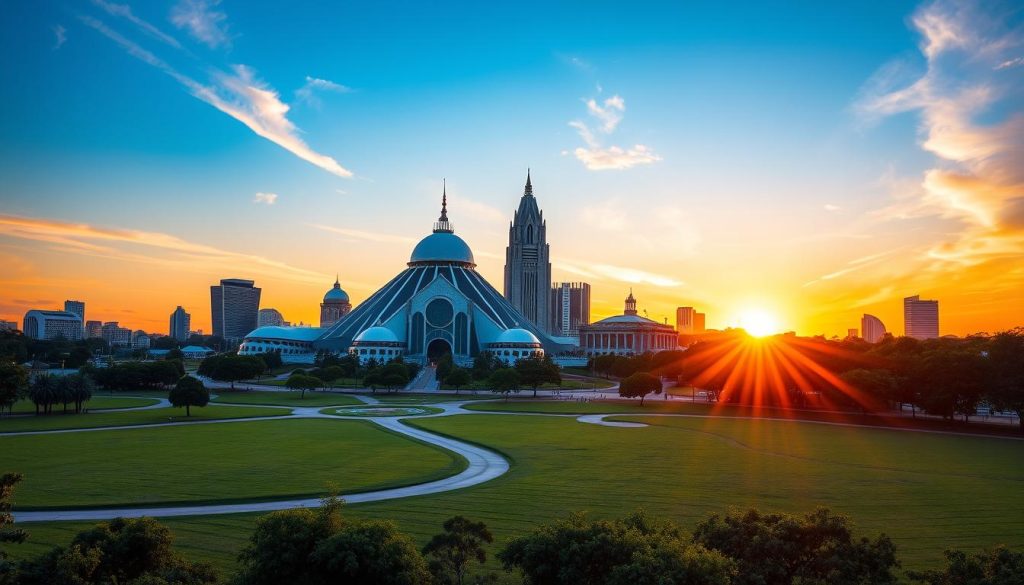
The handmade Paranoá Lake began in the late 19th century and was finished in the 1950s. It can be 30 meters deep and is perfect for fun activities. Above it, the Ponte Juscelino Kubitschek impresses with its breathtaking design, reaching heights of over 60 meters.
The National Theater Cláudio Santoro has space for 1,800 people in three sections. The Memorial dos Povos Indígenas puts on display items from before Columbus to current indigenous ways of life. The Brasília TV Tower raises high at 224 meters. Its lookout at 74 meters offers sweeping views of the city.
| Landmark | Description |
|---|---|
| Itiquira Waterfall | 168 meters tall, tallest in Brazil |
| Santuário Dom Bosco | Opened in 1963, features Murano glass |
| National Congress Building | Federal senate and parliament, designed by Niemeyer |
| Paranoá Lake | Artificial lake, max depth 30 meters |
| Ponte JK | Architecturally significant, peaks over 60 meters |
Jalapão
Jalapão is in eastern Tocantins, Brazil, and it’s a perfect escape into the Brazilian savanna. It’s about a six-hour drive from Palmas to Jalapão State Park. Here, you’ll find awesome natural wonders and fun adventure activities.
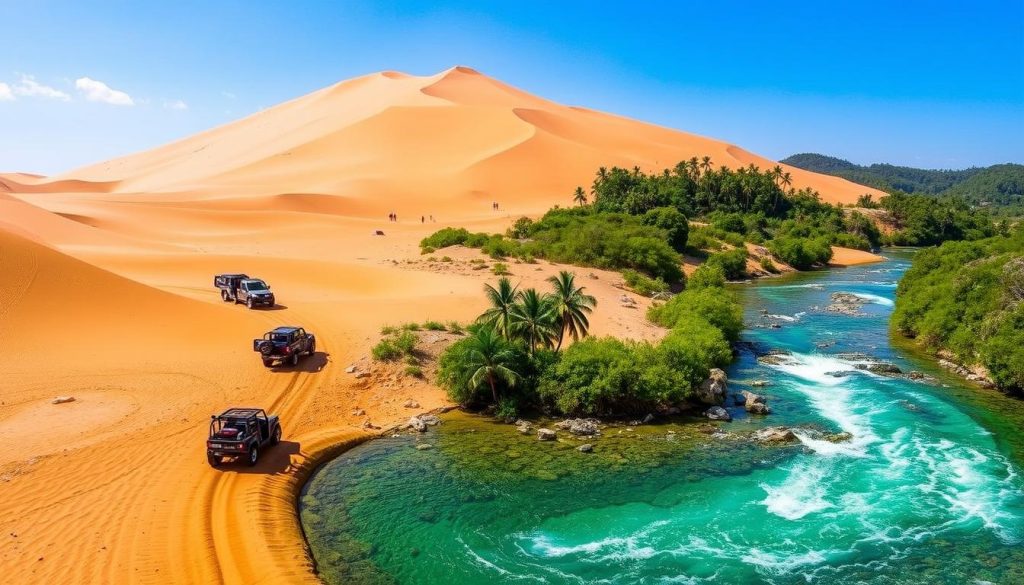
Unique Landscape
Jalapão has a mix of dry savanna and lush oases. One highlight is the beautiful Cacheira da Velha waterfall, the region’s largest. Another wonder are the Fervedouros—natural springs where you float due to the springs’ pressure.
The best time to visit the park is from May to September. During this dry season, the roads are better, and Jalapão tours are easier. This season also has hot days and cold nights, perfect for adventure.
Adventure Activities
Jalapão is great for those who love adventure. You can kayak, swim in natural pools, and hike through sand dunes. Rafting is a hit in the dry season, offering everything from short trips to four-day journeys.
Guided tours, like Jalapão100limites, last three to five days. You’ll have time to see waterfalls and hidden spots. Whether on rough roads or in clear waters, Jalapão’s adventures are amazing.
| Attraction | Best Time to Visit |
|---|---|
| Cacheira da Velha | May – September |
| Fervedouros | Year-Round |
| Rafting | May – September |
Pantanal
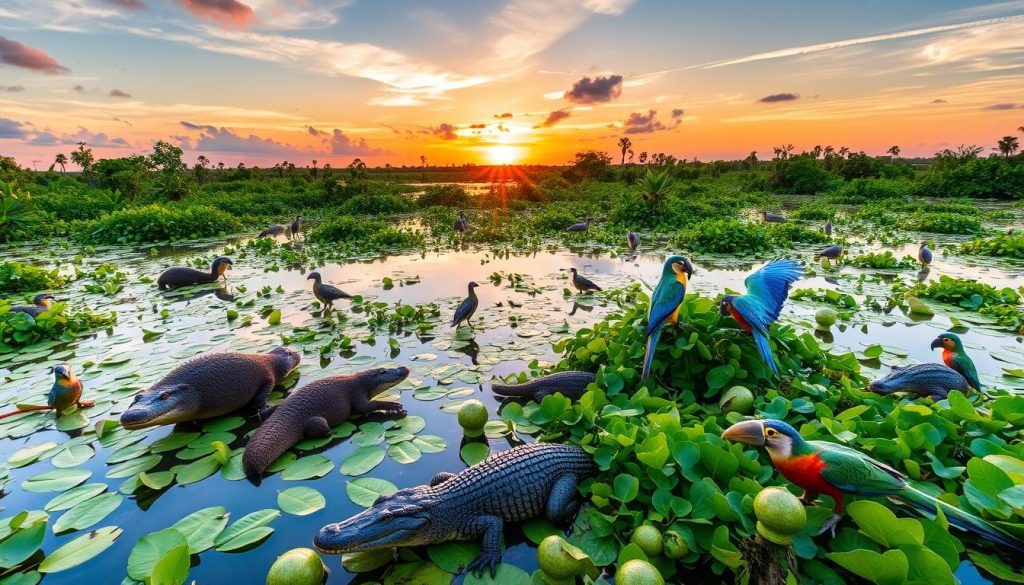
The Pantanal is the biggest tropical wetland in the world. It covers between 54,000 and 81,000 square miles. This area is a top spot for wildlife viewing, boasting a vast range of animals.
Here, you can go on wildlife tours and see jaguars and giant anteaters up close. The biodiversity is incredible.
Wildlife Spotting
The Pantanal is home to an array of creatures. It hosts 159 mammal species, 656 bird types, and various reptiles and amphibians. If you want to see jaguars, visit Matto Grosso, especially near Porto Jofre on the Cuiabá River.
During the dry season, animals flock to the water, making it the best time for jaguar sightings. The southern Pantanal, lush and green, is where you might see pumas and South American tapirs.
Best Times to Visit
The dry season, from May to September, is ideal for visiting the Pantanal. This is when you can best see wildlife gathering at water spots. Bird lovers should check out the Pantanal Conservation Area and Taiama Ecological Reserve.
These places are home to over 200 bird species. Whether going on a guided or independent tour, the best wildlife viewing runs from June to October.
Accommodation Options
There is a variety of lodges in the Pantanal, from simple to extravagant. For jaguar enthusiasts, the Caiman eco-lodge features the Onçafari jaguar project. Fazenda San Francisco offers excellent ocelot sightings.
Barranco Alto eco-lodge is the place for puma spotting. Hotel Pantanal Norte offers charm and modern comforts. Whether by scenic flight or road, reaching these places is part of the adventure.
Here’s a quick look at some top accommodations:
| Lodge | Main Attraction | Notes |
|---|---|---|
| Caiman Eco-lodge | Jaguar re-introduction | Home of the Onçafari Project |
| Barranco Alto | Puma sightings | Best spot to see pumas |
| Fazenda San Francisco | Ocelot sightings | Great for ocelot watching |
| Pouso Alegre Lodge | South American tapirs | Tapirs are seen at dusk |
Fernando de Noronha
The archipelago of Fernando de Noronha sits off Brazil’s northeastern coast. It’s a marine paradise known for its stunning beauty and rich wildlife. The Fernando de Noronha beaches, like Baía do Sancho and Praia do Leão, rank as some of the best in the world.
It’s one of Brazil’s largest marine parks. The area has amazing underwater scenes that attract snorkelers and divers from everywhere.
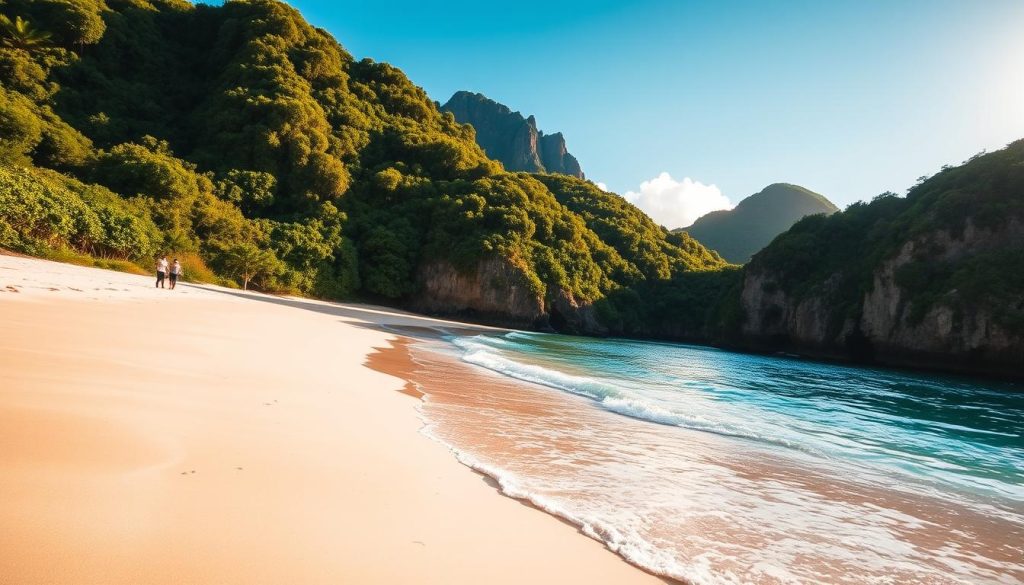
Tropical islands Brazil, specifically Fernando de Noronha, is unique. It has both lush landscapes and rich marine ecosystems. The island limits visitors and charges fees for environment protection.
To visit, August to September is perfect for snorkeling due to calm waters. If you love surfing, the best waves come from December to March. The New Year’s brings crowds and high prices. For a quieter visit at lower costs, come between April and June.
Getting around the island, taxi fares range from R$ 20 to R$ 40. Buses are cheaper at R$ 5, running every 30 minutes. For more freedom, you can rent a buggy. Flights from Recife to Fernando de Noronha are quicker and often cheaper than from Natal.
The island has a great visitor center open from 8 AM to 10 PM. Plan for possible poor internet. The Ilha Tour is a must. It shows you 80% of the main spots in one day. It includes Projeto Tamar and beautiful beaches.
The boat tour is another highlight. It usually lets you see dolphins and lasts 3 to 4 hours, starting in the morning. For snorkeling, head to Sudeste Beach to spot turtles and sharks. Atalaia Beach is great for tide pools. Ending the day, enjoy sunsets from the forts for unforgettable views.
| Activity | Best Time | Approximate Cost |
|---|---|---|
| Snorkeling | August – September | Various |
| Surfing | December – March | Various |
| New Year’s Eve | December – January | Significantly Higher |
| April – June | Rainy Season | Cheaper Rates |
| Ilha Tour | Year-round | Various |
| Boat Tour | Year-round | Various |
| Renting a Buggy | Year-round | R$ 250/day + fuel |
Rio de Janeiro
Rio de Janeiro, Brazil’s iconic seaside city, offers breathtaking landscapes and lively beaches. It’s also known for vibrant cultural events. This combination makes it a must-see destination.
Famous Sites
When you visit Rio de Janeiro, don’t miss the famous Christ the Redeemer statue. It stands at 706 meters high and is one of the Seven Wonders of the Modern World. Nearby, Sugarloaf Mountain gives panoramic city and ocean views, with gondola rides available at $35 USD.
The Museu Histórico Nacional, dating back to 1764, showcases centuries-old artifacts. Cais do Valongo tells the history of the arrival point for 900,000 enslaved people. The legendary Maracanã Stadium holds up to 78,838 fans, making it a historical football venue.
Beaches
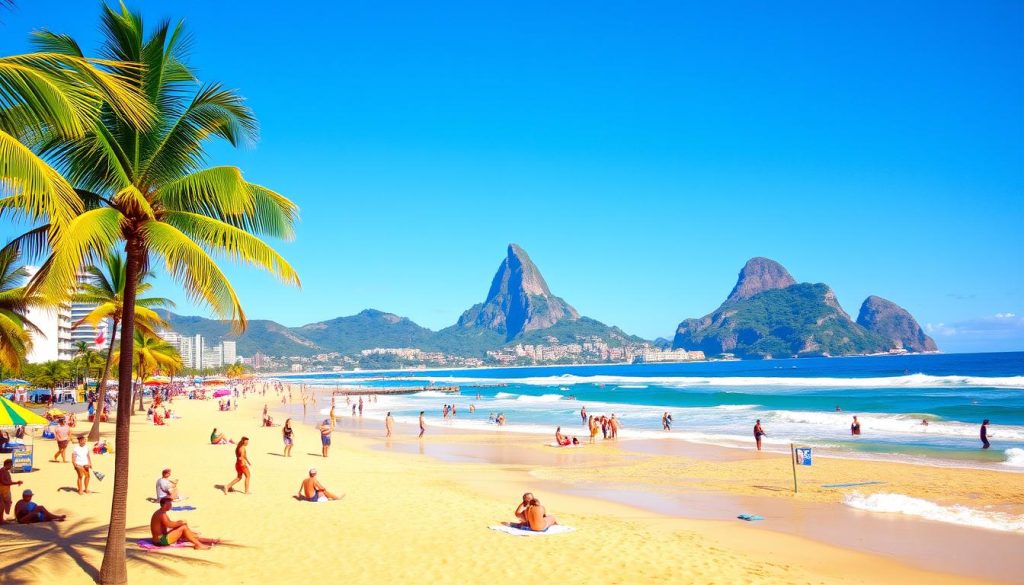
Rio de Janeiro’s beach scene is unparalleled, led by the famous Copacabana Beach. Spanning about 4 kilometers, it’s known for sunbathing, beach volleyball, and water activities. Praia da Barra da Tijuca is less crowded, stretching 18 kilometers. For a serene experience, visit car-free Ilha de Paquetá.
Cultural Events
In Rio, cultural events abound. The annual Carnival in Rio draws nearly 2 million visitors daily with its samba celebration. The Feira Nordestina showcases Brazil’s Northeast culture over 32,000 square meters with more than 600 stalls.
The Selarón Steps feature tiles from over 60 countries, adding artistic flair. Don’t miss AquaRio, South America’s largest aquarium, with 350 marine species.
| Attraction | Description | Cost |
|---|---|---|
| Christ the Redeemer | One of the Seven Wonders of the Modern World | $25 USD (entrance) |
| Sugarloaf Mountain | Panoramic views accessible via gondola ride | $35 USD |
| Maracanã Stadium | Historical football venue accommodating 78,838 spectators | $20 USD (tour) |
| Museu Histórico Nacional | Artifacts spanning centuries of Brazilian history | $8 USD |
| AquaRio | Largest aquarium in South America | $19 USD |
| Selarón Steps | Artistic steps with tiles from over 60 countries | $5 USD (donation) |
Ribeira Valley and the Atlantic Forest
The Ribeira Valley opens doors to the Atlantic Forest in Brazil, a place teeming with unique plants and animals. This area has a lot of conservation spots. It’s becoming famous for eco-tourism, letting people dive into a diverse ecosystem.

Exploring the Forest
Visiting the Ribeira Valley and the Atlantic Forest can change you. The Caverna do Diabo State Park is a key area. It has over 400 caves. But only some caves are open to keep them safe.
The biggest cave is amazing with high stalactites and stalagmites. It’s a journey down 131 feet into the cave. If you like hiking, the PETAR area offers trails. They can last up to three days. Yet, many pick shorter hikes.
Key Flora and Fauna
The Atlantic Forest in Brazil is known for its diverse life. The Legado das Águas reserve is the largest private one in Brazil. It covers 31,000 hectares. In 2020, they planted over 17,000 rare juçara palms.
Places like Lagamar de Cananéia are key for marine life. They part of the UNESCO Atlantic Forest Biosphere Reserve. The forest is home to 140 native species. Groups make over 200,000 seedlings a year to replant the forest.
Local communities like the Quilombola, Caicara, and Guarani help save the area. They help keep the Ribeira Valley’s natural beauty. Less known than the Amazon or Iguazu Falls, the Ribeira Valley has a big future in eco-tourism.
When you visit, you see amazing biodiversity. But you also help save it. Your trip supports important conservation projects. It helps keep the Atlantic Forest in Brazil safe for the future.
Iguazu Falls
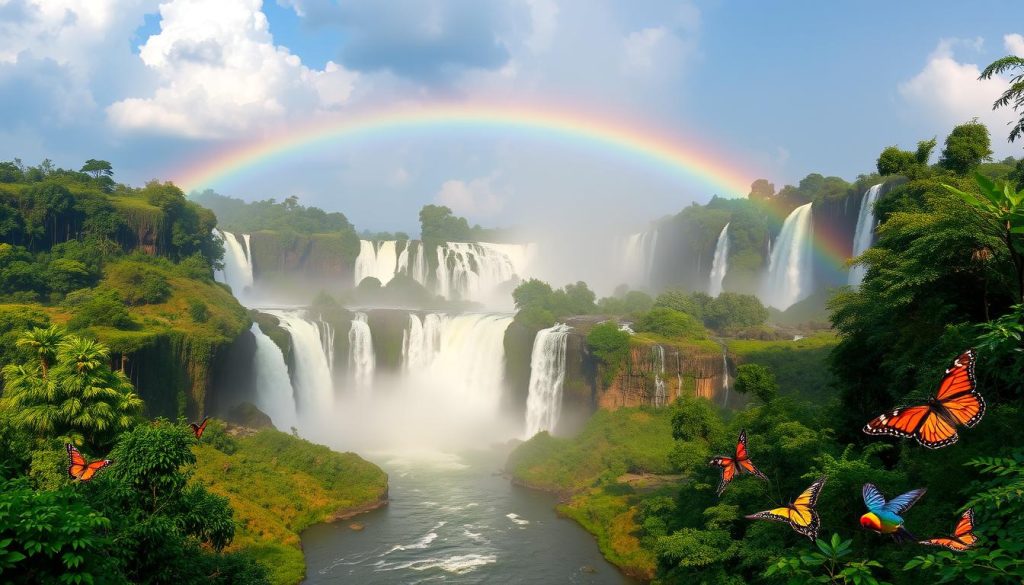
Iguazu Falls stretches over 2.7 kilometers (1.7 miles) with 275 waterfalls. It’s a sight of pure wonder. You can enjoy amazing views from both Brazil and Argentina. Each side offers a different but equally spectacular experience.
Best Views
The Brazilian side provides broad, panoramic views. From here, you can grasp the vastness of the falls. On the Argentinian side, you get to be up-close. This is thanks to the trails totaling over 8 kilometers (5 miles).
The main trail leads you to the Devil’s Throat Fall. Here, you stand in awe as the water thunders down right before your eyes.
Argentina vs. Brazil Side
The debate between the Brazilian and Argentinian sides is ongoing. Both offer distinct experiences. Brazil boasts wide views and the Parque das Aves, a haven for bird lovers. Meanwhile, Argentina invites you on hikes and direct interactions.
For a full experience, visiting both sides is best. You can go on full-day tours for about $105 USD or two-day tours for around $175 USD.
Must-Do Activities
There are varied activities at Iguazu Falls for every visitor.
- Boat Rides: Go on thrilling boatrides close to the falls for about $199 USD.
- Helicopter Tours: See the falls from above on helicopter tours, starting at $145 USD.
- Hiking Trails: Walk through stunning trails, including the challenging Macuco Trail.
- Bird Watching: Spot toucans and macaws on guided tours at the Parque das Aves, lasting 1-2 hours.
| Activity | Estimated Cost | Description |
|---|---|---|
| Boat Ride Tour | $199 USD | Experience the waterfalls from a close and thrilling perspective in Brazil. |
| Helicopter Tour | $145 USD | Get sweeping views of Iguazu Falls from the sky, with rides from 10 to 35 minutes. |
| Guided Two-Day Tour | $175 USD | Thorough exploration of both the Brazilian and Argentinian sides, spread over two exciting days. |
| Hiking Trails | Varies | From easy walks to the challenging Macuco Trail, there’s a trail for everyone. |
Chapada Diamantina National Park
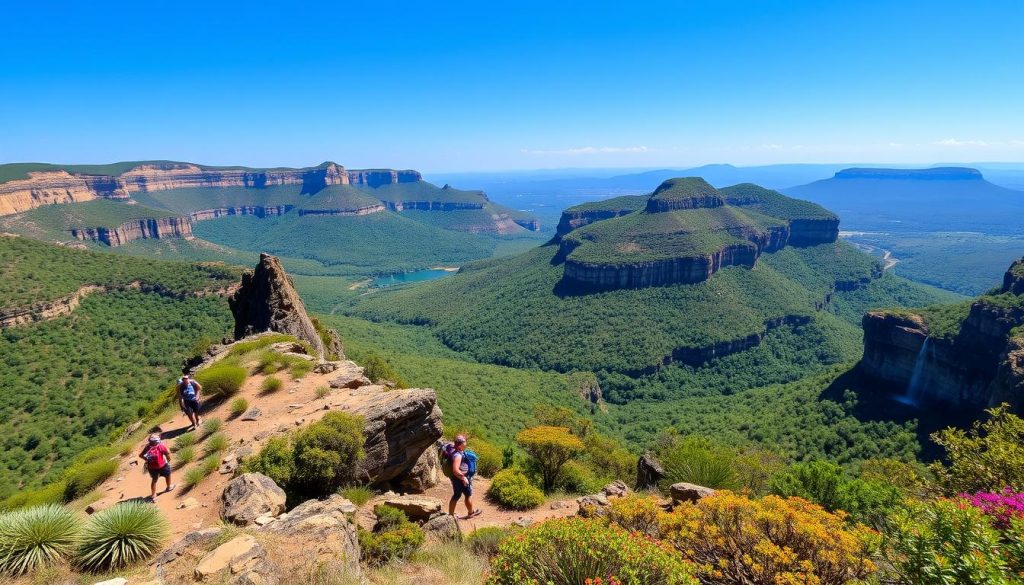
Chapada Diamantina National Park spans over 152,000 hectares. It is a paradise for those who love nature and seek adventure. Located in the heart of Bahia, it offers a wide range of attractions. It’s a top destination for anyone visiting natural parks in Brazil.
Top Hiking Trails
Hiking in Brazil is best experienced at Chapada Diamantina. It has trails for all hiking levels. The hike to Cachoeira da Fumacinha is especially popular. It’s about 18 km long and takes roughly 8.5 hours to finish, breaks included. Hikers get to see one of Brazil’s tallest waterfalls.
The two-day hike to Cachoeira do Mixila, found in 2004, is also thrilling. It includes swimming stretches of 50 meters. Each hiker pays about 600 Reais. This journey showcases the park’s incredible scenery.
Natural Wonders
Chapada Diamantina is famous for its unique geological formations and clear natural pools. These features are a must-see on any tour of the area. Poco Azul, a crystal-clear pool, is 27 meters deep. A 20-minute swim there, snorkel gear included, is just $40 BRL ($7.50 USD).
For those wanting more, consider a day tour to both Poco Azul and Poco Encantado for $69 USD. There’s also a two-day tour option for $91 USD. It’s a great deal for exploring these natural beauties in-depth.
The Caves Full Day Tour is another option. For $68.56 USD, it’s a 10-hour trip through stunning caves. The Gruta da Lapa Doce entry fee is $40 BRL ($7.50 USD) for two. For groups of three, it’s $30 BRL ($5.50 USD) each. It’s a budget-friendly way to see breathtaking underground worlds in Brazil’s natural parks.
Chapada Diamantina National Park is near Lençóis, easily reached by bus from Salvador. Whether you go for a long hike or explore the caves, Chapada Diamantina offers unforgettable adventures. It’s perfect for a weekend getaway or a longer holiday in Brazil’s stunning natural landscapes.
Salvador and Its Vibrant Culture
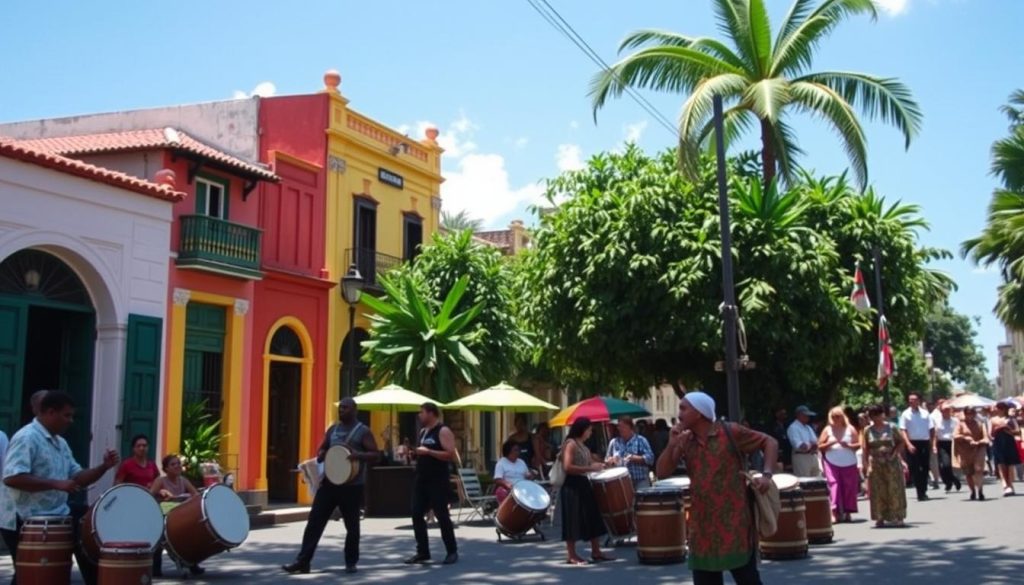
Salvador, Brazil, draws people in with its mix of history, culture, and celebrations. It’s on Brazil’s Atlantic coast and is Bahia’s capital. Famous for its colonial architecture and Afro-Brazilian culture, Salvador is a top spot to visit. Over 2.9 million people live here, making it Brazil’s fourth largest city. Founded in 1549, its historical sites, exciting festivals, and rich culture are not to be missed.
Historic Significance
Salvador played a key role as Brazil’s former colonial capital. The city’s past shines through in its Baroque architecture and old streets. Must-see places include the Elevador Lacerda and Mercado Modelo warehouse. Another gem is the Solar do Unhão museum, open Tuesday to Saturday, 1 PM to 6 PM. These spots showcase Salvador’s historical charm.
Festivals and Events
Salvador springs to life with Brazilian festivals, with the Salvador Carnival at the forefront. This event draws around 1 million people, highlighting the city’s lively culture. The Yemanjá Festival and Festa de Iemanjá are key cultural events too. They feature music, dance, and street parades that attract worldwide visitors. Throughout the year, performances by Balé Folclórico da Bahia and Capoeira groups enrich the city’s atmosphere.
Salvador’s culture blends its past and present beautifully. Walking its streets, trying local food, or joining in festivals makes for a unique experience. It offers a cultural richness found nowhere else in Brazil.
Ilha Grande and Its Secluded Beaches
Ilha Grande in Brazil is your go-to for a tropical paradise. Famous for its hidden beaches, this island shines with natural beauty and peace. Cars are not allowed, making it perfect for peaceful getaways.
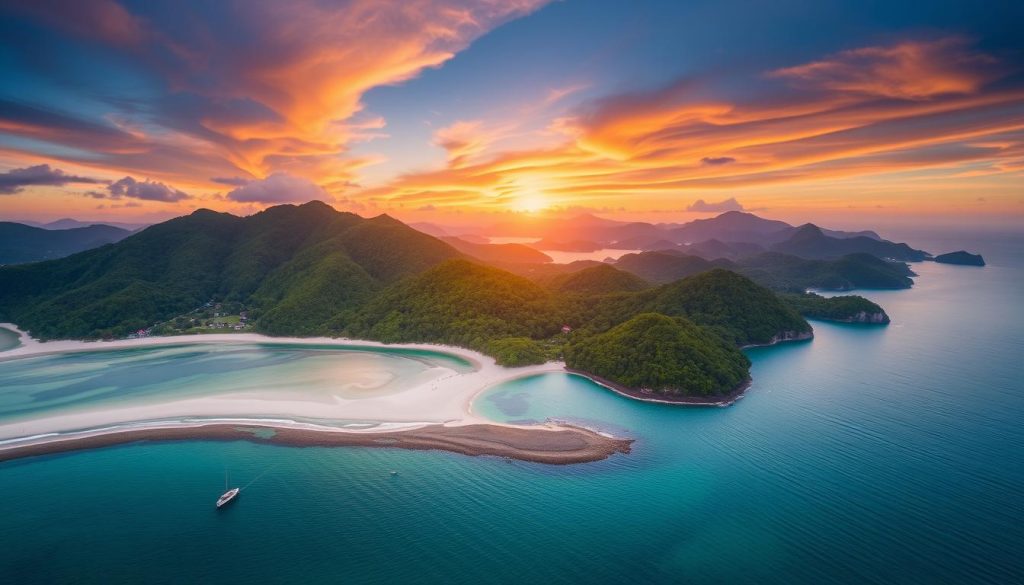
Ilha Grande is home to some of the most beautiful beaches, all set against lush rainforests. The best visiting months are September and October, with a comfy average temperature of 20 degrees Celsius. A daily ferry service makes it easy to reach this stunning place.
For those who love adventure, Ilha Grande is a dream. There are 16 main trails to explore, including a scenic five-hour hike to Lopes Mendes beach. The Abraao loop is worth trying with its five or six cool stops. Snorkeling, diving, hiking, and kayaking/SUP are other fun options.
Here’s a detailed comparison of activities and amenities you can enjoy on Ilha Grande Brazil:
| Activity | Description |
|---|---|
| Snorkeling & Diving | Encounter turtles and diverse marine life around the island. |
| Hiking | Numerous trails, including the challenging hike to Pico do Papagaio. |
| Secluded Beaches | Discover peaceful spots like Lopes Mendes beach and other secret coves. |
| Local Delicacies | Try the island’s tasty Sacolé, with flavors like mango, passion fruit, and peanut butter. |
Plan to stay 3-4 days to fully enjoy the island’s beauty and culture. Ilha Grande promises an amazing tropical experience, whether you’re trekking through the rainforest or chilling on secret beaches.
10 Best Places to Visit in Brazil
Brazil is filled with different landscapes, from buzzing cities to peaceful nature spots. Here are the top places in Brazil to check out:

The Amazon Rainforest is a lush area around Manaus. It’s your main entry to this green wonder. The colonial towns in Minas Gerais, like Ouro Preto, are recognized by UNESCO.
Fernando de Noronha is an untouched island chain off Brazil’s coast. It’s home to Baia do Sancho, voted the top beach in the world. Rio de Janeiro boasts famous beaches like Copacabana and Ipanema. Nearby, Buzios offers fun water activities.
Salvador, Bahia’s capital, mixes African culture in its music and food. Its old center, Pelourinho, is a UNESCO site. Cities like Recife and Olinda shine with their vibrant carnivals. Olinda’s Holy Week is a sight to see.
Florianópolis is ideal for beach lovers and party-goers. Joaquina Beach is perfect for surfing. The Lençóis Maranhenses National Park is known for its huge sand dunes and blue lagoons.
Bonito is great for eco-tourists wanting to preserve nature. It’s in the Pantanal, the planet’s largest wetland, which is perfect for watching wildlife. Jericoacoara has transformed from a fishing village into a popular tourist spot. Its sunsets are breathtaking.
The Iguazu Falls is a wonder with 275 falls spread over 1.7 miles. It beats Niagara Falls in size and beauty. Natal, or “City of the Sun,” captivates with its beaches and dune adventures.
| Destination | Highlight |
|---|---|
| Fernando de Noronha | Baia do Sancho – Most beautiful beach globally |
| Manaus | Gateway to the Amazon Rainforest |
| Salvador | Rich African heritage and historic Pelourinho |
| Minas Gerais | UNESCO World Heritage colonial towns |
| Bonito | Ecotourism in the Pantanal biome |
| Jericoacoara | Stunning sunsets at Duna do Pôr do Sol |
| Florianópolis | Beaches and vibrant nightlife |
| Lençóis Maranhenses | 7,500 blue lagoons among sand dunes |
| Iguazu Falls | Largest waterfall system in the world |
| Natal | Beaches and dune exploration |
Conclusion
Brazil offers a world of adventures and cultural wonders. You can explore serene beaches or the vast Amazon Rainforest. Every place in Brazil has its own charm. This makes it perfect for any traveler.
Are you into nature or history? Brazil has it all. From the Amazon’s diverse wildlife to Pelourinho’s historic sites. Not to forget, Rio de Janeiro’s lively city vibes. Nature lovers can marvel at the Atlantic Forest and Iguaçu Falls.
Beach fans will love Praia de Pipa and Ilha Grande’s Lopes Mendes Beach. These spots have stunning shores and clear waters. They’re ideal for relaxing.
Brazil is also rich in culture and history. Discover ancient human settlements in Chapada Diamantina or Serra da Capivara. Salvador and Brasília offer historical sites and vibrant festivals. They add depth to any travel adventure.
Traveling to Brazil is packed with unique experiences. Whether it’s eco-tourism in Pantanal or luxury at Jurere Beach. There’s something for everyone. Brazil lets you discover a rich mix of cultures and breathtaking sceneries. It promises memories that last a lifetime.