Salvador Carnival vs. Rio Carnival: Which is the Best?
Thinking about going to a Carnival in Brazil? You might wonder if Salvador Carnival or Rio Carnival is better. Both offer unique experiences. Your choice depends on what you want from a carnival.
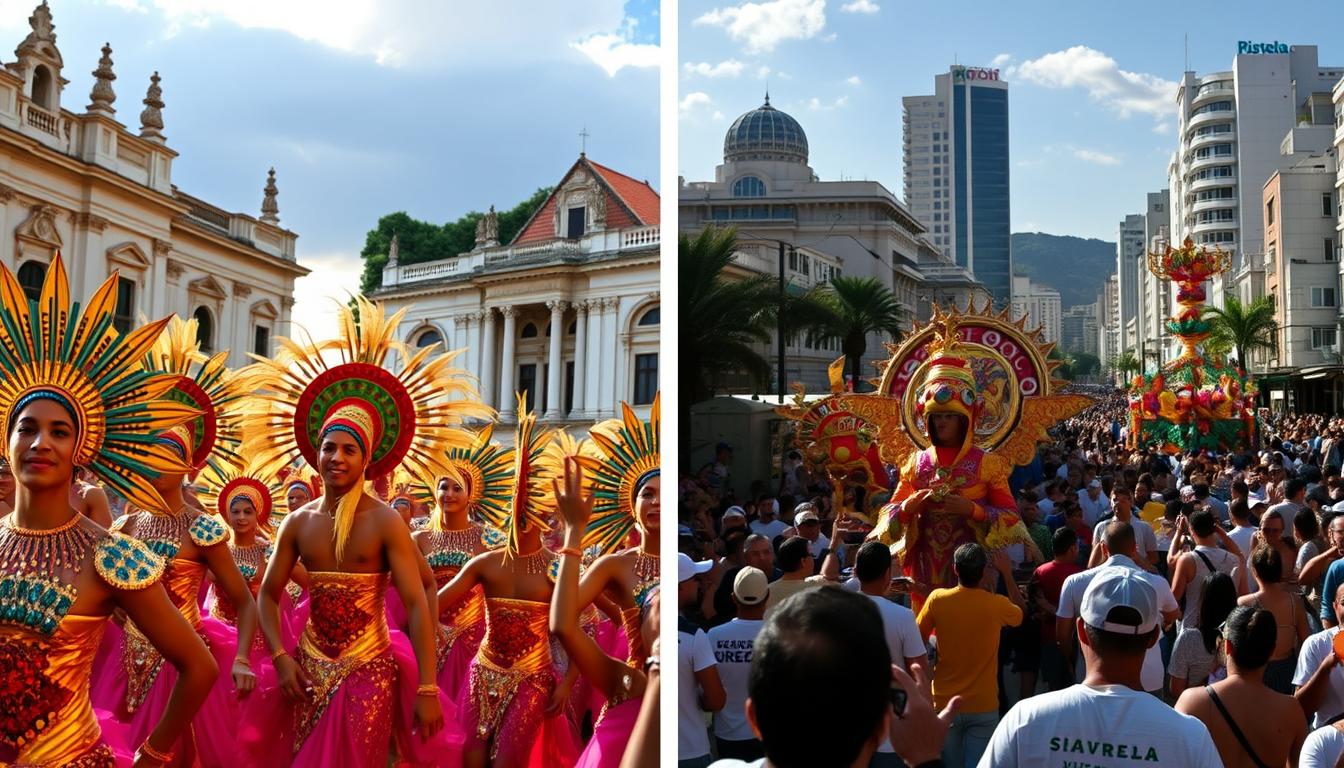
Salvador Carnival draws about 2 million people each year. It’s known as the world’s biggest street party. Rio Carnival, on the other hand, is famous for its Samba Parade and fancy costumes.
Deciding between Salvador and Rio Carnival means thinking about what each offers. Salvador Carnival is all about street parties and Afro-Brazilian culture. Rio Carnival, with its free street parades and Samba Parade, is a different vibe.
In this article, we’ll dive into both carnivals. You’ll learn what to expect. This will help you choose the best one for you.
The Grand History of Brazilian Carnival Celebrations
Brazilian carnival traditions mix cultures in a unique way. This makes the best carnival in Brazil a topic of interest for many. The history of these celebrations is fascinating, with roots in the 18th century.
African, Portuguese, and indigenous cultures have shaped the carnivals. This is seen in the music, dance, and costumes of each celebration.
Exploring the history of both carnivals shows their differences. Salvador’s Carnival is known for its authenticity and local participation. About 2 million people attend each year.
Rio’s Carnival, on the other hand, draws around 5 million visitors. It has a more commercialized feel. The cultural significance of Carnival in Brazil is clear in its traditions and customs.
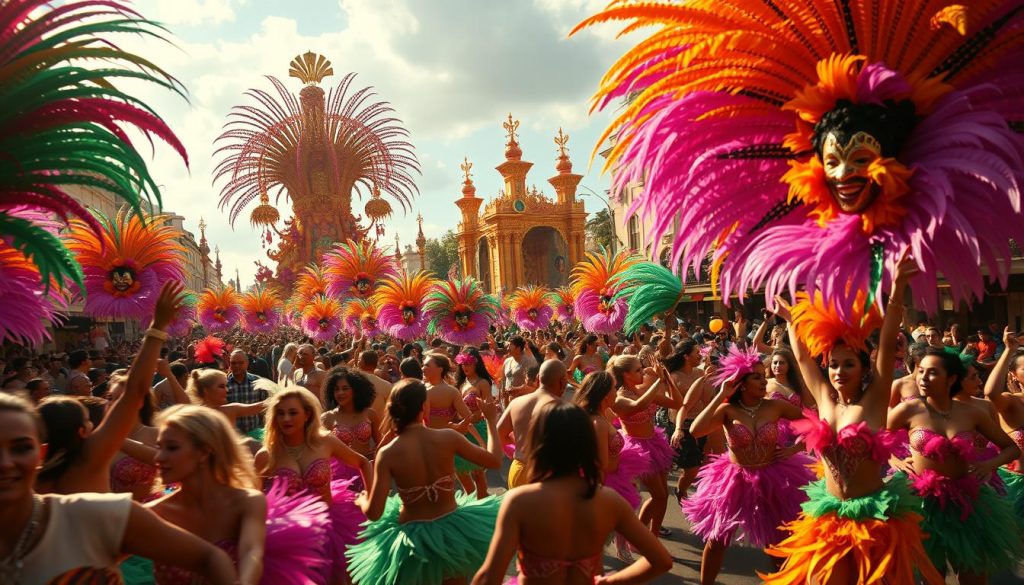
- African influences in the music and dance, such as Axé and samba-reggae
- Portuguese and indigenous influences in the costumes and decorations
- Local participation and community involvement in the celebrations
Understanding the history and cultural significance of Brazilian carnival traditions is key. It helps us appreciate the unique aspects of each celebration. Whether it’s the best carnival in Brazil or a smaller event, the comparison of Salvador and Rio Carnivals showcases the diversity and richness of Brazilian culture.
Understanding Rio Carnival’s Unique Appeal
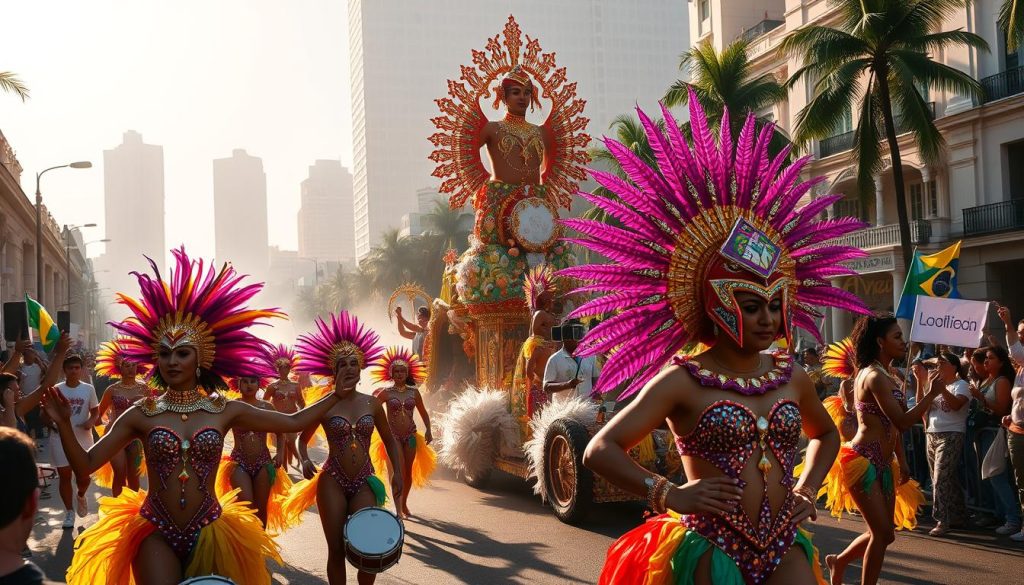
Rio Carnival is a spectacle that showcases the city’s vibrant culture and creativity. It’s one of the most famous Carnival celebrations in Brazil. The Rio Carnival experience is all about the Samba Parade, where samba schools compete with elaborate floats and costumes. This highlights Brazilian carnival traditions.
The Sambadrome is the main venue for Rio’s Carnival. It’s where samba schools are judged on theme development, costumes, float design, and samba song quality. This makes Rio Carnival stand out from other Carnival celebrations in Brazil.
Some of the key features of the Rio Carnival include:
- Samba parades with elaborate floats and costumes
- Competitions between samba schools at the Sambadrome
- A showcase of Brazilian culture and creativity
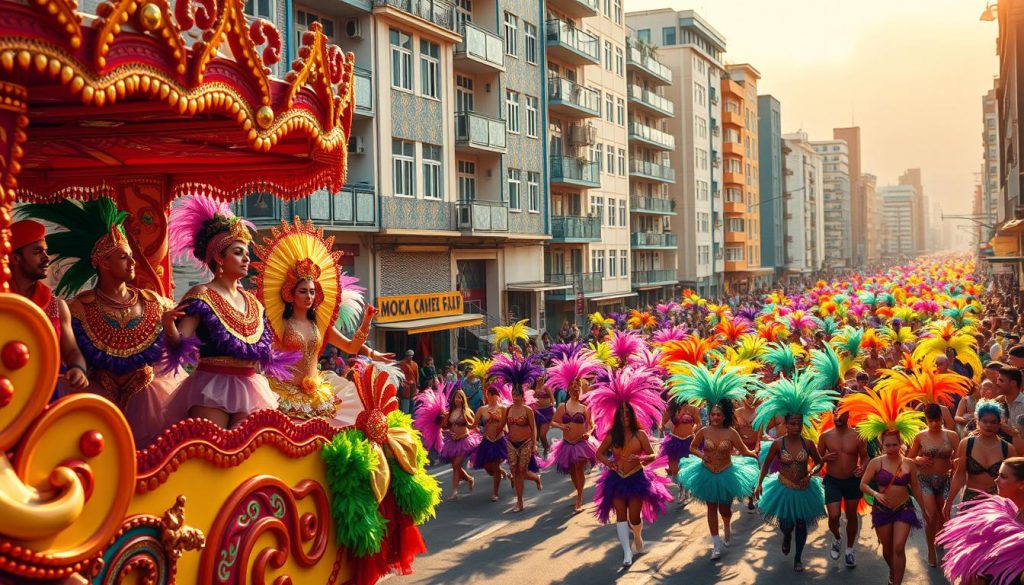
The Rio Carnival experience is a must-see for anyone interested in Brazilian carnival traditions and Carnival celebrations in Brazil. With its unique blend of music, dance, and culture, it’s an event that will leave you with unforgettable memories.
What Makes Salvador Carnival Special
Thinking about going to the Salvador Carnival? It’s different from other celebrations, like Rio Carnival. The city’s deep cultural roots, influenced by Africa, make it special. The Carnival here is full of energy, with music and dance at its heart.
For tips on Salvador Carnival, knowing about street parties is key. The city’s streets buzz with music and dance. Iconic trio elétrico music trucks, starting in the 1950s, add to the fun. Don’t miss historic sites like the Basilica of São Salvador and Igreja de São Francisco to see the city’s unique architecture.
Salvador’s Carnival has its own style, blending traditional samba with modern axé music. Whether you like big Bloco events or street parties, there’s something for you. The Salvador Carnival is a vibrant experience you won’t forget.
Salvador Carnival vs. Rio Carnival: Which is Better?
Choosing between Salvador and Rio Carnivals depends on what you want. Rio Carnival is the biggest, with over two million people daily. Salvador Carnival has three main areas and lasts six days.
Both carnivals offer great entertainment. Rio has over 500 street parties. Salvador is famous for its Afro-blocos, like “Ilê Aiyê,” started in 1974. The best carnival in Brazil is a personal choice, as both are unique and fun.
Size and Scale Comparison
- Rio Carnival: attracts over two million people per day
- Salvador Carnival: features three main circuits and lasts for six full days
Entertainment Options
- Rio Carnival: features over 500 blocos, or street parties
- Salvador Carnival: known for its Afro-blocos, such as “Ilê Aiyê”
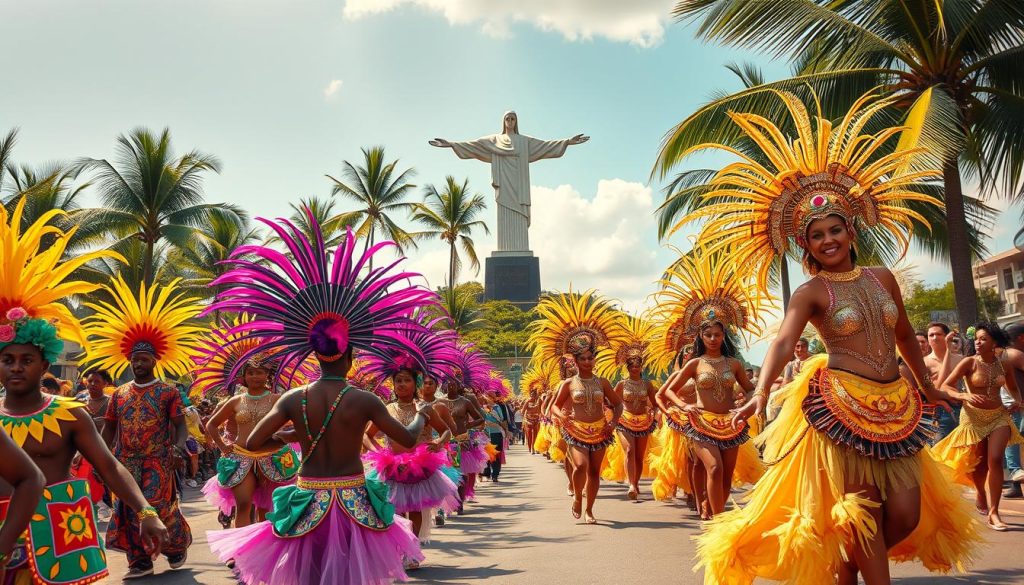
Deciding between Salvador and Rio Carnivals depends on your preferences. Rio is bigger and more lively. Salvador offers a closer, culturally rich experience. So, which is better? It’s your choice, based on what you seek in a carnival, whether it’s the best carnival in Brazil or a special event.
Traditional Carnival Performances in Rio
When you join in the Carnival celebrations in Brazil, you’ll see how important traditional performances are. The samba schools in Brazil are famous for their big parades in the Sambadrome. This special place is made just for these events.
Each samba school shows off thousands of dancers and fancy floats. Their performances go all night, filling you with the beats and energy of Brazilian carnival.
The Carnival in Brazil is all about fun and showing who you are. The samba schools are the best example of this. You’ll see over 80 minutes of non-stop music and dance from each school. They compete to be the most creative and spectacular.
The Sambadrome has different areas for watching the shows. This means everyone can enjoy the Carnival celebrations in Brazil.
At the center of these shows are the samba schools in Brazil. They work all year for their big moment. With 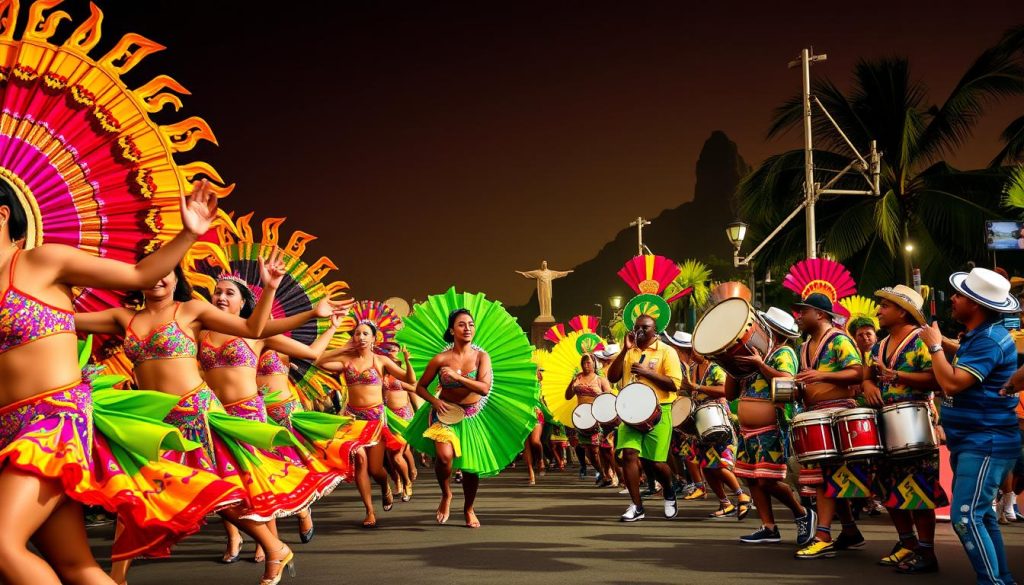 thousands of people and amazing costumes, the parades show off Brazilian traditions and culture.
As you watch, you’ll feel the dancers’ energy and the music’s beat. It makes Carnival celebrations in Brazil unforgettable.
Some key things to see in traditional Carnival performances in Rio include:
- Elaborate parades with thousands of dancers and floats
- Competitions between samba schools, lasting about 80 minutes
- Tickets for all budgets and preferences
- Music, dance, and energy filling the Sambadrome
Music and Dance Styles at Salvador Carnival
At the Salvador Carnival, you’ll find music and dance that’s full of energy. To enjoy it fully, learn about the mix of music styles, like axé music from the 1980s. The Carnival features Trio Electricos, motorized floats with musicians and singers, playing non-stop for up to 8 hours.
Here are some tips for the Salvador Carnival: join a bloco for a fee, which includes music, bars, and washrooms. Camarotes offer a premium view for spectators. You’ll see famous percussion groups like Olodum and afoxés, showing off Brazilian carnival traditions.
Some key facts about the Salvador Carnival include:
- Approximately 2 million attendees gather over 25 km of streets during the Salvador Carnival.
- 11 km of streets are strictly reserved for parades.
- Officially, the carnival lasts for 5 days, with around 17 million liters of beer and 10 million liters of mineral water consumed during this period.
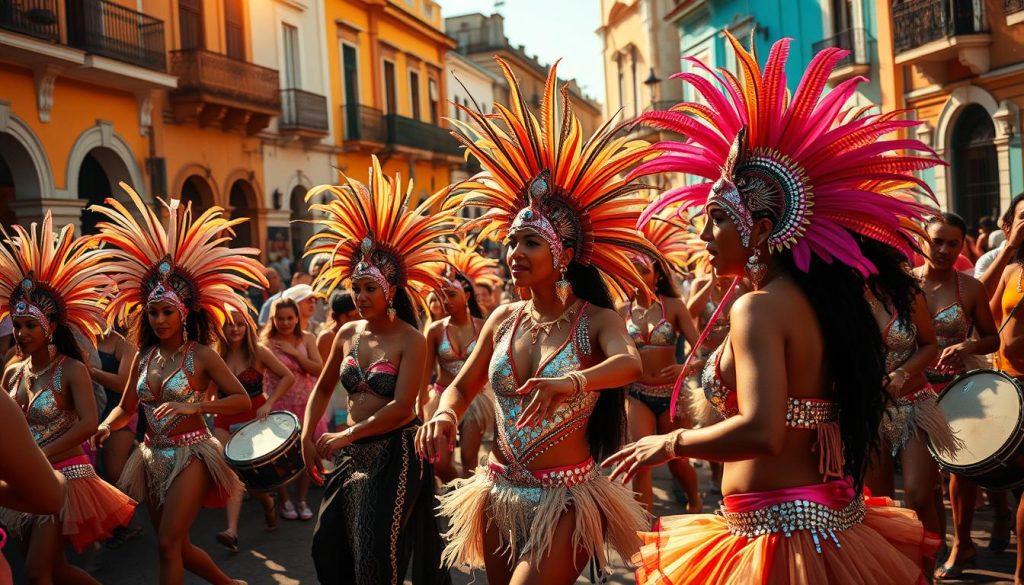
The Salvador Carnival is different from the Rio Carnival. It offers a unique mix of music and traditional Bahian rhythms. By following these tips and understanding the traditions, you’ll have an unforgettable time at the Salvador Carnival.
Cost Comparison Between Both Carnivals
Planning to attend the best carnival in Brazil means looking at costs. Salvador and Rio Carnivals have different prices. The vibrant culture and entertainment in both cities vary in cost.
Think about accommodation, event tickets, and food and entertainment. In Salvador, party shirts can cost from $50 to over $500. Rio’s street parties are free, making it cheaper for first-timers.
Here are some key cost comparisons to keep in mind:
- Hotel infrastructure: Salvador’s hotels are basic compared to Rio’s.
- Event ticket prices: Rio Carnival is more affordable, great for first-timers.
- Food and entertainment costs: Salvador is pricier, mainly due to party costs.
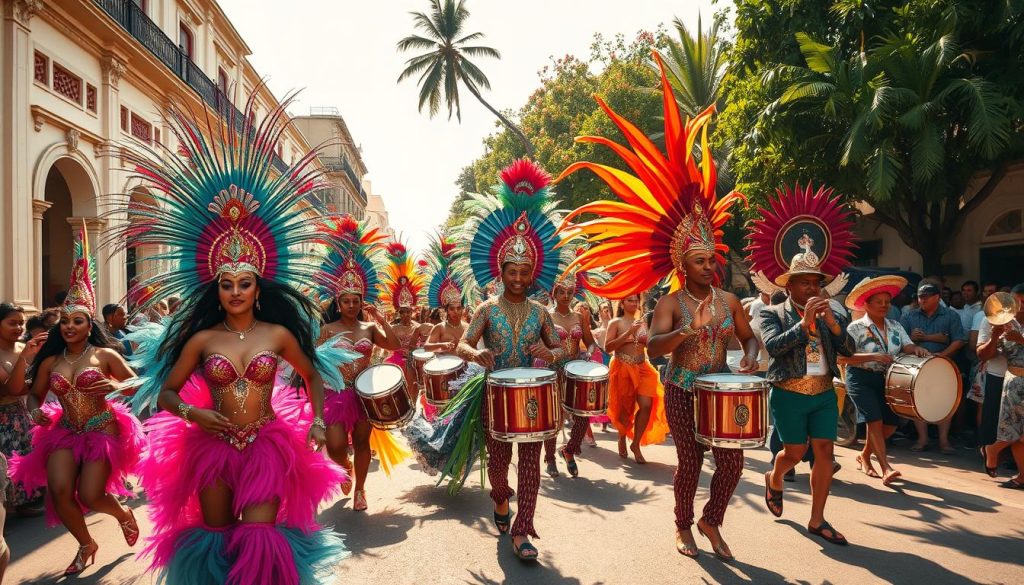
Choosing between Salvador and Rio Carnivals depends on your budget and preferences. Knowing the cost difference helps plan your trip and enjoy Brazil fully.
Safety and Travel Tips for Both Destinations
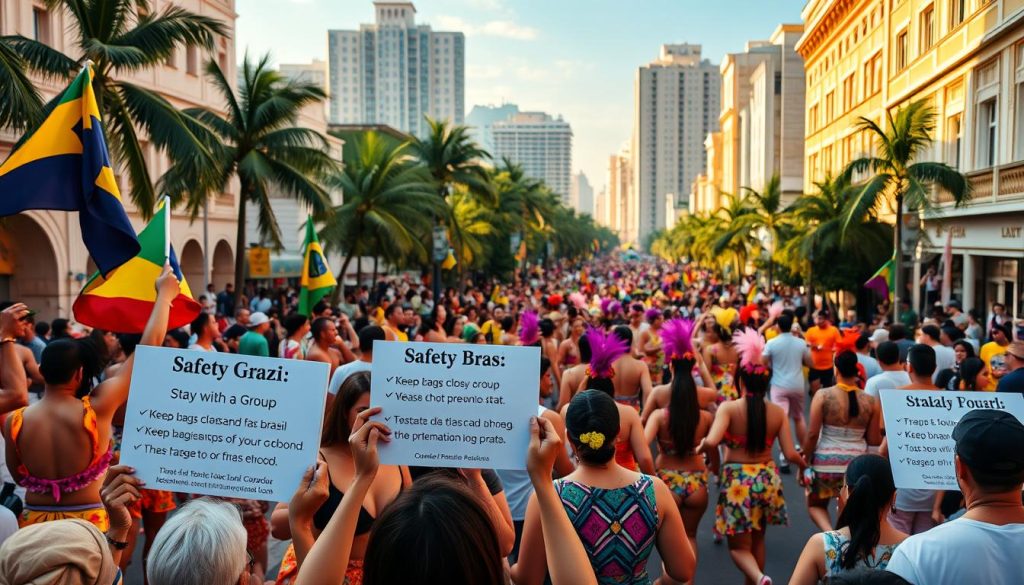
When you go to Brazilian carnival traditions, safety is key. Big crowds and fun celebrations mean you need to watch out. Carnival celebrations in Brazil can be a lot, but with the right steps, you can stay safe and have fun.
Here are some Salvador Carnival tips for a smooth trip: know what’s happening locally, don’t carry too much cash, and keep your stuff safe. Stay in bright, busy places at night. Also, be careful with your things, more so in crowded spots or on buses.
Here are more safety tips to remember:
- Avoid showing off wealth, like fancy jewelry or watches
- Lock your hotel room door and keep it safe
- Use safe transport, like official taxis or apps
- Don’t walk alone in quiet spots, mainly at night
By following these tips and staying alert, you can avoid trouble. This way, you can enjoy the Brazilian carnival traditions safely. Always stay informed, plan well, and keep your safety first for a great trip.
Best Time to Plan Your Carnival Experience
When choosing between Salvador Carnival and Rio Carnival, think about the best time to go. Both Carnivals are big events in Brazil, drawing millions of people. It’s key to plan early, considering the weather, peak days, and when to book.
The Carnival officially starts the Friday before Ash Wednesday, 46 days before Easter. If you want the best Carnival in Brazil, plan your visit for then. Weather considerations are important since Carnival happens in Brazil’s summer.
Peak Days and Events
Days like the Samba school parades in Rio are big attractions. These parades happen over four nights, with different schools competing each night. If you want to see these, book your tickets and places to stay early. Prices go up a lot during these times.
Booking Windows
Booking for Carnival events and places to stay opens months before. Tickets for the Sambadrome, for example, sell out fast. To get what you want, plan and book early. Whether you choose Rio or Salvador, early planning makes your Carnival better.
Local Food and Drink Experiences
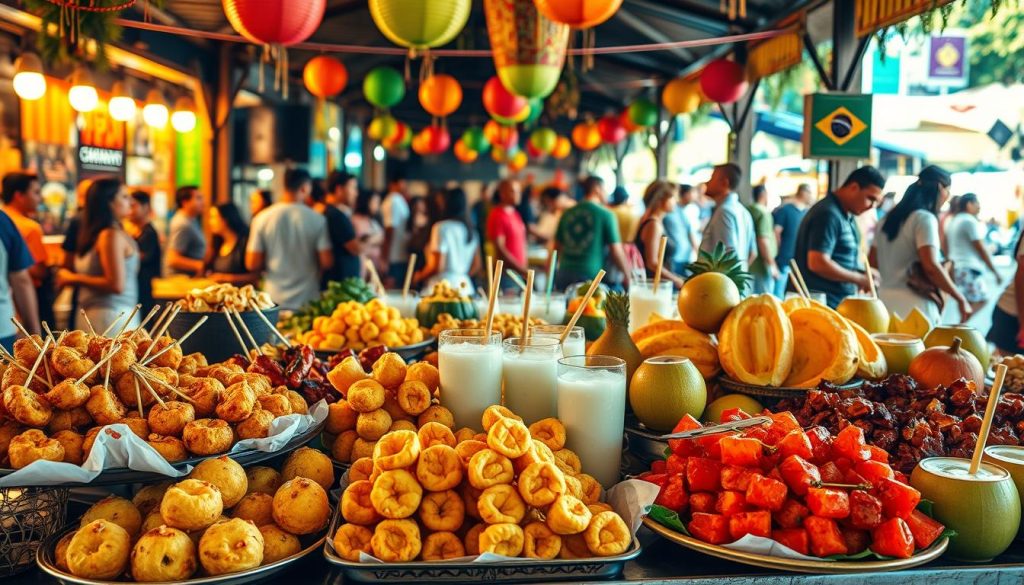
At the Salvador Carnival or Rio Carnival, you’ll find lots of tasty local food and drinks. These are key parts of Brazilian carnival traditions. To enjoy your time, try the traditional Brazilian dishes like feijoada, churrasco, and açaí. These are easy to find at both Carnivals.
The Rio Carnival offers a wide variety of food, from street food to fancy restaurants. This lets you taste the local flavors.
Don’t miss out on trying the caipirinha, Brazil’s favorite cocktail. It’s made with cachaça, lime juice, sugar, and ice. You should also try coconut water, fresh juices, and local beers. For a real taste of the Carnival, try the street food like acarajé, abará, and esfiha. These are favorites at both Carnivals.
By following these tips, you can enjoy the local food and drinks like a local. This will make your Brazilian carnival traditions experience even better.
Here are some local food and drink options to consider:
- Feijoada: a hearty stew made with black beans and pork
- Churrasco: grilled meats, typically served with rice, beans, and farofa
- Açaí: a fruit native to the Amazon region, often eaten as a sweet treat
- Caipirinha: Brazil’s national cocktail, made with cachaça, lime juice, and sugar
Trying these local foods and drinks will let you fully experience Brazilian carnival traditions. It will make your Salvador Carnival or Rio Carnival unforgettable.
Where to Stay During Carnival Season
Planning your trip to Brazil’s best carnival means picking the right place to stay. Salvador and Rio Carnivals offer different choices. In Rio, you’ll find hotels for all budgets near Copacabana and Ipanema beaches.
In Salvador, options are fewer but still good. You can find hotels and hostels in the historic center. Remember, book early as prices go up during carnival. Hotels often require a 4 to 5 night stay.
Rio’s Copacabana, Ipanema, and Leblon are great for beach access and carnival fun. Salvador’s historic center and Barra are top picks. Think about location, safety, and amenities when choosing your stay. The right spot ensures a fun carnival experience in Brazil.
Here are some tips to keep in mind:
- Book your accommodation well in advance to avoid high prices and availability issues.
- Consider staying in a hotel or hostel that offers carnival packages or discounts.
- Research the neighborhood and ensure it’s safe and convenient for your needs.
Conclusion
Attending the Salvador Carnival or the famous Rio Carnival promises an unforgettable time. The Salvador Carnival is one of the biggest street parties, with 1 million people every year. On the other hand, the Rio Carnival is the biggest, attracting millions, including hundreds of thousands from abroad.
Choosing between the two carnivals depends on what you like. If you want a lively street party, Salvador might be for you. But if you love the big samba school parades, Rio is the place to be.
Whether you pick the Carnival in Brazil you want, plan ahead. Book your stay and learn about each carnival’s traditions. With good planning, you’ll make memories and enjoy the world’s greatest party.