

Beware of Travel Scams Related to Transportation
When travelling to new destinations, transportation is an essential aspect of your journey. Whether you’re taking a taxi, renting a car, or using public transportation, it’s important to be aware of common travel scams related to transportation. Scammers can be creative and convincing, leaving unaware travelers with a significant financial loss. In this article, we’ll provide you with tips and strategies to avoid falling victim to transportation scams, ensuring your travels are stress-free and enjoyable. Read on to learn more about common travel scams, preventing transportation fraud, and protecting your personal information.
Common Transportation Scams to Watch Out For
When traveling, it’s essential to be aware of common travel scams, particularly those related to transportation. Being vigilant and informed can protect you from being a victim of transportation scams. Below are some of the most frequent transportation scams you need to watch out for:
| Scams | Descriptions |
|---|---|
| Overpriced rides | In some instances, cab drivers can take a longer route at your expense or inflate the fare to hike their earnings. |
| Broken taxi meters | Some deceitful taxi drivers can tamper with meters to overcharge their passengers. |
| Fake transportation providers | In major cities, bogus transportation providers wearing fake uniforms can lure in unaware tourists without proper documentation and a license to operate. |
| Baggage theft | Baggage thefts are a common travel scam in public transportation areas such as bus or train terminals, where thieves can quickly snatch a bag and blend in the crowd. |
| Fake bus and train tickets | In popular tourist destinations, scammers often sell fake tickets for the bus or train at significantly inflated prices. |
| Fake fees | Some transportation companies add fake fees to a passenger’s fare despite the additional costs not being applicable. |
Remember, being aware of these common scams and staying alert can save you from the headache of losing money or essential travel documents. Be sure to take precautions to avoid these scams, no matter where you are headed.

Protecting Yourself from Transportation Fraud
Traveling can be exciting, but it can also expose you to transportation fraud. Scammers use various tactics to take advantage of travelers, from fake transportation providers to identity theft. You can protect yourself by following these travel safety tips:
- Research Transportation Providers: Look for reputable transportation providers and read reviews from other travelers. Avoid booking with unlicensed or unfamiliar companies.
- Secure Belongings: Keep your belongings, such as luggage and wallets, secured at all times while traveling. Use locks or other security measures to deter theft.
- Be Aware of Common Tactics: Scammers may use tactics such as overcharging, distracting you with conversation, or creating a sense of urgency to pressure you into making decisions. Stay alert and don’t let your guard down.
- Use Credit Cards: Use credit cards to pay for transportation whenever possible. Credit cards offer better fraud protection and make it easier to dispute fraudulent charges.
- Monitor Accounts: Monitor your bank and credit card accounts regularly for any suspicious activity. Report any unauthorized charges or suspicious activity immediately.
To avoid falling victim to transportation fraud, it’s essential to be aware of potential scams and take necessary precautions. By following these travel safety tips, you can protect yourself and enjoy a safe and stress-free trip.
Secure Booking Practices for Transportation
Booking transportation for your travels can be a stressful process, especially with the possibility of falling victim to transportation scams. To ensure a safe and enjoyable journey, it is crucial to use secure booking practices. Here are some tips to help you book your transportation securely:
- Verify the legitimacy of online travel agencies: When booking online, it is essential to use reputable travel agencies. Look for verified customer reviews, and check if the website has a secure connection with a padlock icon or “https” in the URL. Be wary of websites that ask for personal information or payment upfront without providing a booking confirmation.
- Use secure payment methods: Always use secure payment methods, such as credit cards or e-wallets, when booking your transport. Do not provide personal information or send money through wire transfers or other unsecured methods.
- Check for hidden fees: Make sure to read the terms and conditions carefully before booking. Check for hidden fees or charges, such as cancellation fees or mandatory insurance, that may not be obvious at first glance.
By following these tips, you can avoid transportation scams and enjoy a stress-free journey. Remember to always stay alert and vigilant, and be cautious of any offers or deals that seem too good to be true.

Public Transportation Safety Tips
Using public transportation is an affordable and convenient way to get around during your travels. However, it’s important to take precautions to ensure your safety while using these services. Here are some travel safety tips for using public transportation:
- Plan ahead: Research the transit options available in the area you’ll be visiting, and plan your route in advance. This will allow you to navigate the transportation system with increased confidence and avoid delays.
- Stay aware of your surroundings: Pay attention to the people and activities around you at all times. Be on the lookout for suspicious behavior or individuals who may be targeting tourists.
- Use official or licensed transportation services: Stick to reputable and licensed transportation providers, such as taxis, buses, and trains. Avoid unlicensed transportation services, such as unmarked cabs or bike taxis.
- Secure personal belongings: Keep your personal belongings, such as your passport, wallet, and electronics, with you at all times. Use a secure bag or backpack that can be zipped or locked to deter pickpockets.
- Know when to exit: Be aware of the location of your stop or station. To avoid confusion, use a map or ask for directions in advance. If you feel lost or uncomfortable, exit at the next stop and reassess your route.

“Public transportation is a great way to explore new places, but it’s important to stay alert and vigilant. By following these travel safety tips, you can minimize the risk of falling victim to scams or theft while using public transportation.”
Avoiding Taxi Scams
While taxis remain a convenient mode of transportation for many travelers, they can also be a breeding ground for scam artists looking to take advantage of unsuspecting passengers. However, by taking a few simple precautions, you can reduce your risk of falling victim to taxi scams and enjoy a safe and stress-free ride to your destination.
Use Licensed Taxis
One of the most effective ways to protect yourself from taxi scams is to only use licensed taxis. These vehicles have undergone thorough inspections and have proper documentation, which greatly reduces the chance of being scammed by unscrupulous drivers. Look for official taxi stands or taxi company logos before entering a vehicle, and always ask the driver for their license and identification before starting your journey.
Negotiate Fares in Advance
Another common type of taxi scam involves drivers who refuse to use the meter and instead insist on negotiating a flat rate that is often much higher than the regular fare. To avoid falling victim to this scam, always confirm the fare with the driver in advance, and if possible, research the typical pricing for your intended route beforehand.
Be Cautious of Common Scamming Techniques
It’s also essential to be aware of the most common taxi scams to avoid being taken advantage of. Some of the most popular techniques include:
- Fabricated taxi meters that run at an inflated rate
- Drivers who take unnecessarily long routes to increase the fare
- Fake bills or change given to unsuspecting passengers
To protect yourself, always keep an eye on the meter during your ride, ensure the driver is sticking to the expected route, and double-check any change you receive before leaving the taxi. If you feel uncomfortable or suspicious about a driver or vehicle, don’t hesitate to end the ride and find another taxi.
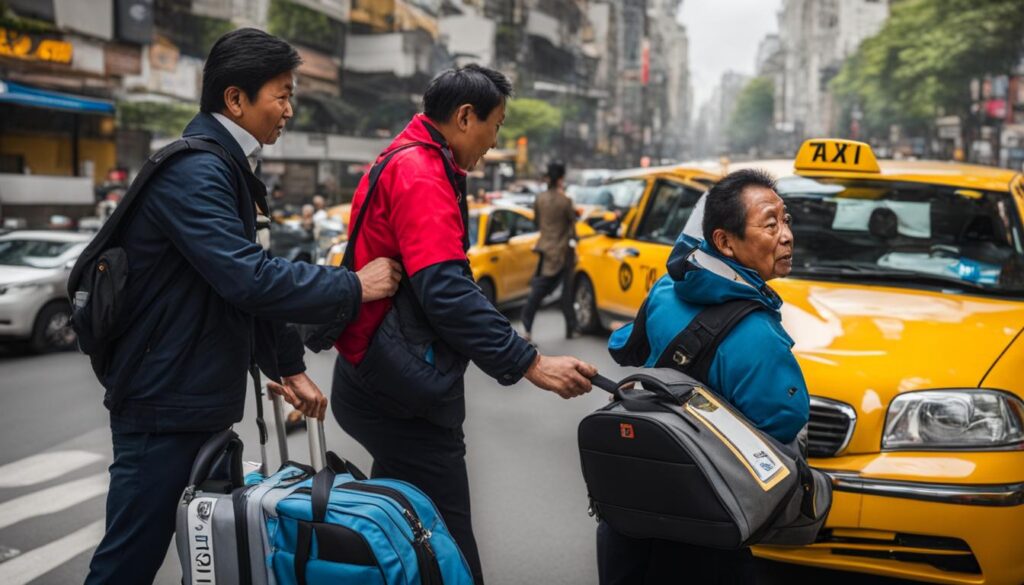
Don’t let taxi scams ruin your trip and always be on the lookout for suspicious behavior from drivers. By taking the necessary precautions, you can ensure a smooth and safe ride to your destination without the worry of being scammed.
Rental Car Scam Awareness
Renting a car allows you to explore new destinations with flexibility and convenience. However, it’s important to be aware of potential scams associated with renting cars to avoid getting ripped off and ruining your trip. Take a look at these useful tips to stay safe:
Research Rental Companies
Before you choose a rental car company, do your homework to ensure their legitimacy. Look for reviews and ratings from past customers on reputable websites, such as TripAdvisor or Yelp. Also, visit the rental company’s official website to verify their services and rates.
Inspect the Vehicle
Don’t forget to carefully inspect the rental car before you sign anything. Walk around the vehicle and check for any damages or scratches (take pictures or video if necessary). Confirm with the rental company representative that these damages are already on file and won’t be charged to you upon return.
Understand Rental Agreements
Read the rental agreement thoroughly to avoid any surprises. Understand the costs, fees, and restrictions associated with the rental car. Pay attention to policies regarding fuel, mileage, insurance, and late returns. If you have any questions, ask the rental company representative to clarify.
“Researching rental companies and understanding rental agreements can help prevent rental car scams. Be thorough and pay attention to details to ensure a safer and more enjoyable trip.”
Protecting Personal Information during Travel
Traveling can expose you to various transportation scams and increase the risk of identity theft and fraud. To protect your personal information and prevent these unfortunate incidents, it’s essential to follow some crucial travel safety tips.
Firstly, you should use only secure Wi-Fi networks when accessing sensitive information online, such as banking or email accounts. Avoid connecting to public Wi-Fi, as these networks are often unsecured and vulnerable to cyberattacks.
Additionally, make sure to safeguard your travel documents, such as passports and boarding passes. Keep them in a secure location, like a hotel safe, and carry only the ones you need for your daily activities.
Lastly, be cautious when sharing personal details, such as your name, address, or credit card information. Scammers may try to lure you into providing personal information and use it for fraudulent activities.
“Protecting your personal information during travel is essential to prevent identity theft and fraud.”
By following these travel safety tips, you can reduce the risk of transportation scams and protect your personal information throughout your journey. Keep in mind that prevention is the best way to avoid falling prey to fraudsters and have a safe and enjoyable trip.
Identifying and Reporting Transportation Fraud
Transportation fraud is a serious issue that can result in financial losses and disruption to travel plans. Knowing how to identify fraudulent activity and report it to the appropriate authorities is essential for protecting yourself and others from similar scams in the future.
Signs of transportation fraud:
- Requests for payment in advance or with non-traceable methods such as gift cards or wire transfers.
- Offers that seem too good to be true, such as significantly reduced fares or exclusive deals.
- Unlicensed transportation providers or drivers who refuse to show identification.
- Unexpected charges or fees that were not disclosed beforehand.
If you suspect that you have been a victim of transportation fraud, it is important to report it as soon as possible. This can be done by contacting the local police department, transportation authority, or consumer protection agency. Providing as much detail as possible, such as the date, time, location, and description of the incident can assist in the investigation and prosecution of the scammer.
Reporting transportation fraud:
- Contact the local police department or transportation authority to report the incident.
- Provide as much detail as possible, such as the date, time, location, and description of the incident.
- If the incident involved a licensed transportation provider, notify the appropriate licensing agency.
- Consider contacting consumer protection agencies or fraud hotlines to report the incident and seek advice on recovering any losses.
Remember, reporting scams not only helps protect yourself, but it also assists in preventing others from falling victim to similar schemes. Stay informed and vigilant to ensure safe and enjoyable travels.
Resources for Travel Scam Prevention
Continuing the discussion on travel safety, you can never be too prepared when it comes to transportation scams. That’s why we’ve compiled a list of helpful resources to assist you in avoiding transportation scams and staying safe while traveling.
Government Websites
The US Department of State provides up-to-date safety and security information for US citizens traveling abroad. This resource gives you access to information on local laws and customs, visa requirements, and travel warnings specific to your destination. Additionally, the Better Business Bureau offers a Scam Tracker tool where you can report and view reports on transportation scams across the US.
Travel Safety Apps
Several travel safety apps can help you stay informed and alert during your travels. Two noteworthy apps include:
- Sitata: This app provides real-time safety information for your specific location and offers immediate assistance with medical or security emergencies.
- TravelSafe: With a focus specifically on transportation safety, this app provides guidance on how to avoid scams, as well as emergency contact information for local law enforcement agencies.
Relevant Articles and Publications
Staying informed is key to avoiding transportation scams. Travel publications such as Conde Nast Traveler, Travel and Leisure, and National Geographic Travel provide useful articles on how to steer clear of transportation scams and stay safe while traveling.
Pro Tip: Before embarking on your travels, research local transportation providers and take note of emergency contact information. Having this information on hand can come in handy in the event of an emergency or scam attempt.
Conclusion
Now that you are aware of the common travel scams related to transportation, it is essential to stay vigilant during your travels. Always research reputable transportation providers and use secure booking practices to avoid falling victim to scams. Be aware of your surroundings and your belongings, especially when using public transportation or taxis. Remember to protect your personal information and report any transportation fraud to the appropriate authorities.
By following the travel safety tips outlined in this article, you can enjoy a safer and more enjoyable journey. For additional resources and tools on preventing transportation scams, be sure to check out the links provided. Have a safe and happy trip!


