

Responsible Travel for Cultural Preservation
As a responsible traveler, you have the power to make a positive impact on cultural preservation through sustainable travel and ethical tourism practices. By traveling responsibly, you can support efforts to protect and conserve local heritage, while also promoting the well-being of host communities and protecting natural resources. This section explores the connection between responsible travel and cultural preservation, highlighting the importance of sustainable travel in safeguarding cultural heritage. Let’s explore how your travel choices can contribute to cultural preservation and create a lasting impact.
Understanding Responsible Travel
Responsible travel is a concept that emphasizes the importance of sustainable and ethical tourism practices. It involves minimizing the negative impact of tourism on the environment and local communities while promoting cultural preservation. One of the key principles of responsible travel is eco-friendly tourism, which aims to reduce the carbon footprint of travelers and conserve natural resources.
Sustainable travel is also a crucial aspect of responsible tourism. It involves supporting responsible tourism practices, such as staying in locally owned accommodations and engaging in cultural activities that respect local traditions. By practicing sustainable travel, you can help contribute to the preservation of heritage sites and local cultural heritage.
Did you know? According to a study by the World Tourism Organization, international tourist arrivals reached 1.4 billion in 2018, and the tourism industry accounted for 10.4% of global GDP. The study also highlighted the importance of responsible travel in promoting sustainable development and reducing poverty.

“Travel makes the world a smaller place, and responsible travel can help make it a better place.” – Ethical Traveller
Cultural Preservation and Local Community
Preserving the world’s cultural heritage requires a partnership between local communities and tourists. Community-based initiatives play an essential role in the conservation of local cultural heritage, allowing residents to take ownership of their cultural identity and ensuring its long-term survival.
Local communities have taken the lead in implementing initiatives that promote cultural preservation while engaging visitors in responsible tourism practices. For example, in Bali, Indonesia, the Taman Ayu Ecotourism Cooperative provides tourists with an immersive experience into the daily life of farmers and artisans while supporting the preservation of traditional Balinese culture. The cooperative, run by local farmers, offers cultural tours, cooking classes, and handicraft workshops that empower locals to share their cultural heritage with others.
Another example of community-based initiatives is the Community-Based Tourism (CBT) Program in Nepal, which supports local villages in preserving their environmental and cultural heritage while providing economic opportunities through tourism. The program includes homestays, cultural tours, and trekking activities that benefit both visitors and local communities, promoting cultural preservation and sustainable tourism practices.
Community-based initiatives allow local residents to benefit from tourism activities in a more equitable manner while preserving their local cultural heritage. Visitors can support these initiatives by engaging in responsible tourism practices, such as respecting local customs and traditions, purchasing locally made handicrafts, and supporting heritage conservation efforts. By fostering a symbiotic relationship between tourists and local communities, cultural preservation can be achieved in a sustainable and ethical manner.

Environmental Conservation and Responsible Travel
Responsible travel goes hand in hand with environmental conservation. By being mindful of your impact on natural resources, you can contribute to preserving ecosystems while supporting cultural preservation. Sustainable travel practices such as reducing your carbon footprint, conserving water, and reducing waste, can minimize your impact on the environment.
Choose eco-friendly accommodations, such as those with green certifications or that use renewable energy sources to minimize the use of harmful chemicals and pollutants. Plan your itinerary to incorporate sustainable transportation options such as public transport, cycling or walking.
When visiting areas of natural beauty, be mindful of your impact and stick to designated trails and paths. Support conservation initiatives and avoid activities that exploit animals or cause harm to local flora and fauna.
To truly make a difference to the environment and cultural preservation, consider participating in responsible tourism projects that focus on sustainable travel and environmental conservation. By supporting responsible travel, you can help preserve our planet, enhance cultural preservation, and contribute to the global community’s sustainable future.

The Importance of Sustainable Travel for Environmental Conservation
| Sustainable Travel Practices | Benefits for Environmental Conservation |
|---|---|
| Reduce carbon footprint | Minimize greenhouse gas emissions, lower air pollution and help preserve the ozone layer |
| Conserve water | Save water resources, reduce water pollution and protect aquatic ecosystems |
| Reduce waste | Minimize plastic, contribute to recycling, and prevent pollution and harm to wildlife |
| Choose eco-friendly accommodations | Support environmental conservation and reduce energy consumption and pollution |
| Use sustainable transportation | Reduce air pollution and dependence on fossil fuels, support local economies, and promote cultural preservation |
| Participate in conservation initiatives | Support environmental protection and rehabilitation efforts and contribute to cultural preservation |
“The Earth does not belong to us. We belong to the Earth.” – Chief Seattle
Social Impact of Responsible Tourism
Traveling responsibly not only benefits the environment and cultural preservation efforts but also has a positive social impact on local communities. Responsible tourism practices help support the livelihoods of local people and promote sustainable economic growth, creating job opportunities and improving living standards.
By engaging in responsible tourism practices, you contribute to the conservation of cultural heritage and support community-based initiatives. This fosters cultural exchange and enhances mutual understanding, creating an atmosphere of respect and appreciation for local customs and traditions. It also promotes social development by empowering local communities and improving access to education and healthcare.
Moreover, responsible tourism fosters a sense of pride and ownership among local communities, encouraging them to take charge of their cultural heritage and protect it from external threats. This enhances the sense of cultural identity and promotes a deeper understanding of the value of cultural diversity.
“Responsible tourism practices help support the livelihoods of local people and promote sustainable economic growth.”
Examples of Social Impact of Responsible Tourism
| Responsible Tourism Practice | Social Impact |
|---|---|
| Supporting community-based tourism projects | Empowering local residents and creating new job opportunities in areas of cultural significance |
| Engaging in cultural exchange activities | Promoting mutual understanding and respect for cultural diversity |
| Choosing sustainable tourism accommodations | Reducing environmental impact and supporting local businesses |
| Participating in conservation projects | Encouraging local ownership of cultural heritage and contributing to the preservation of cultural resources |
Overall, responsible tourism practices have far-reaching social impacts that go beyond mere environmental or cultural preservation. By prioritizing responsible travel, you can contribute to positive social change, support community-based initiatives, and promote sustainable economic growth.

Preserving Cultural Heritage through Responsible Travel
Responsible travel plays a vital role in preserving cultural heritage by promoting sustainable and ethical tourism practices. To effectively preserve cultural heritage, it is crucial to engage with local traditions and support heritage conservation initiatives.
Engaging with Local Traditions
Engaging with local traditions is a crucial aspect of preserving cultural heritage. This involves learning about the local customs and practices and respecting them when visiting the destination. By engaging with local traditions, you not only gain a better understanding of the local culture but also contribute to preserving and promoting it for future generations.
Supporting Heritage Conservation Initiatives
Supporting heritage conservation initiatives is another critical aspect of preserving cultural heritage. Donating to heritage projects or participating in volunteer programs that contribute to the conservation of historical sites and artifacts can go a long way in preserving cultural heritage. Such initiatives not only benefit the local community but also promote responsible tourism practices.
By embracing responsible travel and supporting the preservation of cultural heritage, you help protect local cultures and traditions while also fostering sustainable development.
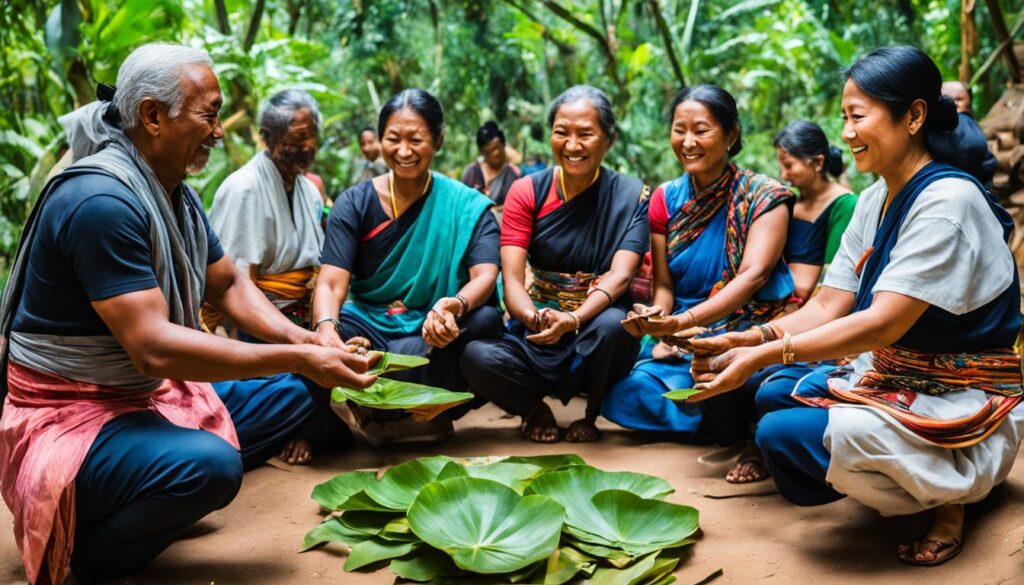
Supporting Community-Based Tourism Projects
One of the most impactful ways to promote responsible travel and cultural preservation is by supporting community-based initiatives. These projects involve the local community in the tourism industry and empower them to conserve their cultural heritage while benefiting from the economic opportunities tourism can bring.
There are numerous examples of successful community-based tourism projects worldwide that support responsible travel and cultural preservation. One such initiative is the Masaai Mara Wildlife Conservancies Association in Kenya. This organization works to protect natural habitats and wildlife while providing economic development opportunities for the local Masaai community through sustainable tourism ventures.
In Mexico, the Yucatan Caste War Route is another community-based initiative that engages travelers in the history and culture of the indigenous Maya communities. The project promotes ethical tourism practices and helps preserve the local cultural heritage while supporting sustainable economic development in the region.
By supporting community-based tourism projects, travelers can experience authentic cultural immersion while positively impacting the local community. This approach to responsible travel contributes to cultural preservation and creates long-term economic sustainability for the communities involved.
Responsible Travel Tips for Cultural Preservation
As a responsible traveler, you play a pivotal role in preserving cultural heritage. Here are some practical tips and guidelines to help you minimize your environmental impact and promote cultural preservation:
Choose Eco-Friendly Accommodations
Look for hotels and lodges that prioritize sustainable travel practices. Opt for accommodations that implement eco-friendly measures such as water conservation, renewable energy, waste reduction, and responsible sourcing.
Respect Local Customs and Traditions
When traveling, respect the local customs and traditions of the host community. Dress conservatively, be mindful of the local taboos, and seek permission before taking photographs. Engage in meaningful interactions with the locals and learn about their cultural heritage.
Support Community-Based Tourism Initiatives
Empower local communities by supporting community-based tourism initiatives. Seek out tours, restaurants, and experiences that are led by local residents. This initiative will not only help in promoting responsible tourism practices but also preserving the local cultural heritage.
Reduce Waste and Use Resources Wisely
Minimize your environmental impact by reducing waste and using resources wisely. Carry water bottles that can be refilled, avoid single-use plastics, and turn off the lights and air conditioning when leaving your hotel room.
Travel Responsibly
Choose your transportation wisely. Consider walking or cycling instead of taking taxis or hire a responsible travel service provider that prioritizes sustainable and ethical tourism practices.
By following these responsible travel tips, you can help preserve cultural heritage and protect the planet while creating meaningful and sustainable travel experiences for yourself and the local community.
Conclusion
Congratulations on reaching the end of this article on responsible travel for cultural preservation. Throughout this piece, you have gained insights on the significance of responsible travel in promoting cultural preservation and supporting sustainable tourism practices.
It is crucial to understand that your actions as a traveler can contribute to preserving cultural heritage and supporting local communities. By choosing responsible travel options, you can minimize your environmental impact, respect local traditions, and engage in meaningful interactions with the host community.
Remember that responsible travel is not only about preserving cultural heritage but also about leaving a positive impact on the world. Embracing sustainable and ethical tourism practices can help us create a world where travel supports global heritage. So, go out there, explore responsibly, and make a difference!


