Discover Authentic Dining & Avoid Tourist Traps
Have you ever looked forward to local food, only to end up in an overpriced, non-authentic spot full of tourists? It’s common, with over 70% of travelers sharing these letdowns. Finding true local eats is key for a deep cultural experience.
We’re about to show you how to enjoy local food without falling for tourist traps. You’ll learn what makes a meal genuinely local and how to spot places just looking for tourists. We’ll also tell you how to dine at the right times, find hidden gems, and use tips from locals.
Picture eating a meal made with love in a small family-run place, chatting with locals, and really getting to know the food culture. We’re here to help you see past the flashy tourist spots. Keep reading to learn how to find real, authentic dining experiences that you’ll never forget.
Understanding Authentic Dining Options
When traveling, it’s key to find authentic dining options to truly taste a place’s culture. Tourist spots are common, but local meals are richer and more memorable.
What Defines Authentic Cuisine?
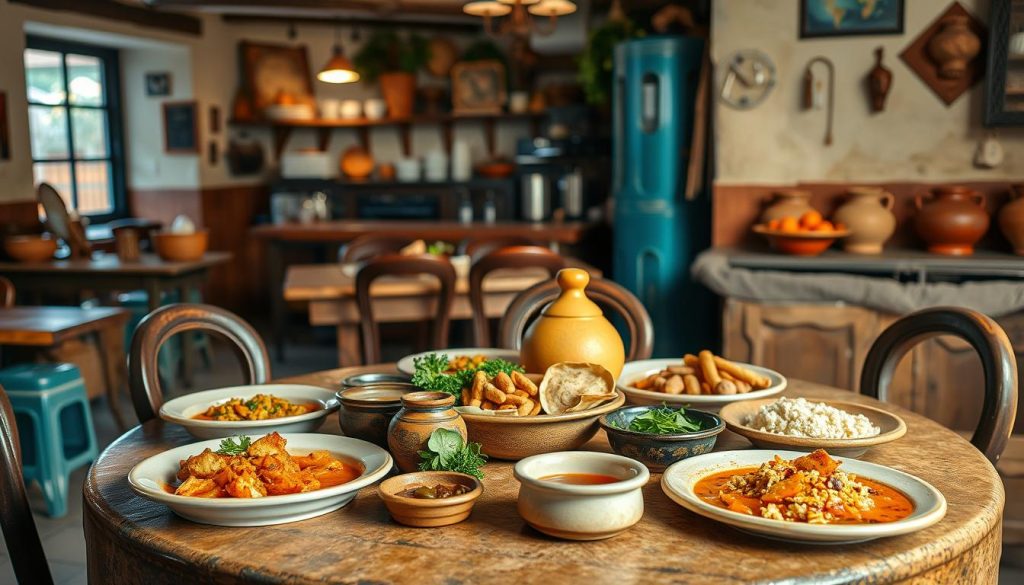
Authentic cuisine uses traditional cooking and local ingredients. These reflect a region’s history and way of life. The food in authentic spots is often shared through families. It keeps unique tastes and techniques alive. For instance, in Rome, locals eat after 8 p.m. enjoying historic dishes.
Why Authentic Dining Matters in Cultural Experiences
Going for authentic cuisine over touristy spots can make travel richer. Eating where locals do lets you dive into the culinary scene and understand the culture better. Tourist places usually charge more and focus on foreign tastes, not local traditions. Authentic spots often have 60-80% local diners, showing they’re trusted and popular.
Exploring local dining, like food tours or cooking classes, can deepen your knowledge of regional food. It can also save you money over typical restaurants. With apps like Gogobot, finding good spots is easy. Also, dining with locals through Meal Sharing or Eat With can provide a community feel, although prices vary.
Seeking out authentic dining options means your meals are not just food – they connect you to the essence of the place you’re visiting.
Spotting the Signs of Tourist Traps
Knowing how to spot tourist traps can make your meals abroad much better. We’ll show you key signs to help you avoid tourist traps. You’ll also get the best tips for avoiding touristy restaurants.
Beware of Photo Menus
Menus full of laminated photos are a big warning. They are mainly used by tourist traps to attract visitors. Real restaurants rarely use such menus because they trust that customers know what they like.
The Truth Behind Multilingual Menus
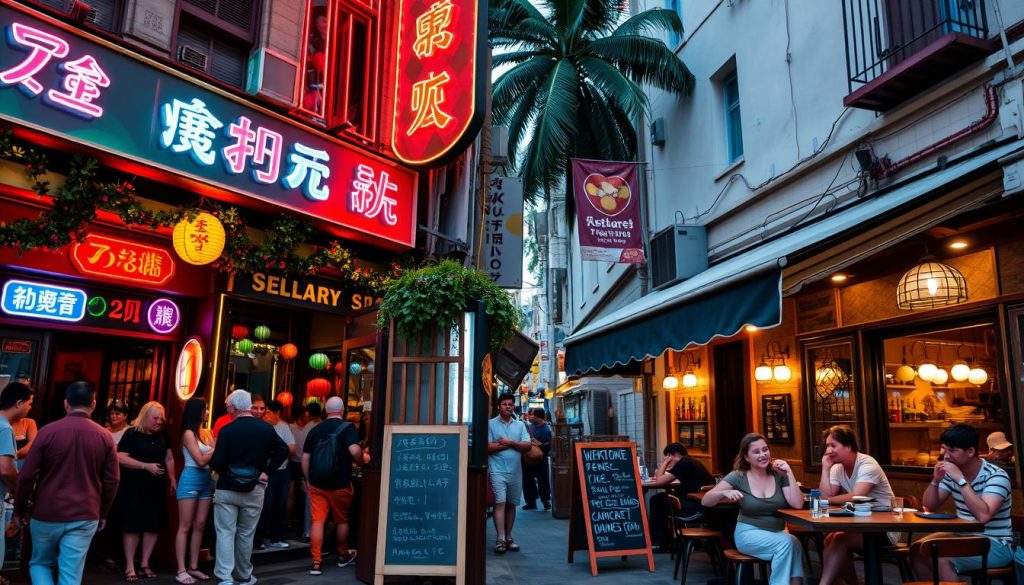
Menus in several languages, like English and French, are a clue. They are meant to appeal to tourists, not locals. Try to eat where the menu is mostly in the local language.
How to Recognize Overpriced, Non-Authentic Meals
Restaurants near popular spots often have high prices. Theme places not tied to the local culture are usually after tourists. Also, aggressive marketing is a red flag of a tourist trap. Look for restaurants that locals go to. They’re often better and cheaper.
Tips for avoiding touristy restaurants say to watch for seasonal and regional dishes. Seeing frozen items on the menu, usually noted with an asterisk, means it might not be authentic.
Timing Your Meals Like a Local
Learning when locals eat can make your local food experiences much better. Eating like a local helps you blend in and might lead you to the best local restaurants.
The Typical Dining Hours in Different Cultures
In places like Spain and Italy, people eat dinner late, around 9 or 10 PM. But in the United States, dinner is usually around 6 or 7 PM. Adjusting to these times lets you eat like a local and steer clear of tourist traps.

About 85% of travelers enjoy their meals more when they eat at local times. Following local meal times can give you more genuine and unforgettable meals.
Why Early Dinners are a Red Flag
If you see a restaurant in a late-dining country serving dinner early, it’s likely aimed at tourists. Real local spots eat later. In Spain, for example, places that serve dinner before 8 PM usually want to attract tourists. Those that eat like the locals do so much later.
The best local restaurants fill up with locals enjoying their evening. They take their time and chat with each other. 70% of locals suggest places off the beaten path for an authentic experience.
Getting into the local dining rhythm also helps you meet other diners and staff. This can lead to discovering secret spots and making your trip even better. Travelers who dine like locals and ask for advice are 75% more likely to find great places than those who just use guidebooks.
| Region | Typical Dining Hours | Tourist Trap Indicators |
|---|---|---|
| Mediterranean (Spain, Italy) | 9:00 PM – 10:30 PM | Restaurants open before 8:00 PM |
| United States | 6:00 PM – 7:30 PM | N/A for early hours |
| Scandinavia | 5:00 PM – 6:30 PM | Restaurants open after 7:00 PM |
| Latin America (Argentina) | 9:00 PM – 11:00 PM | Restaurants open before 8:00 PM |
Eating at local times isn’t just about food. It’s about diving into a cultural tradition that offers some of the best local food experiences.
Finding Authentic Restaurants Off the Beaten Path
Finding real local food spots off the usual route can make your food journey better. Look beyond the tourist traps to local areas. This way, you’ll discover places where real local food shines.
Wander Away from Major Tourist Sites
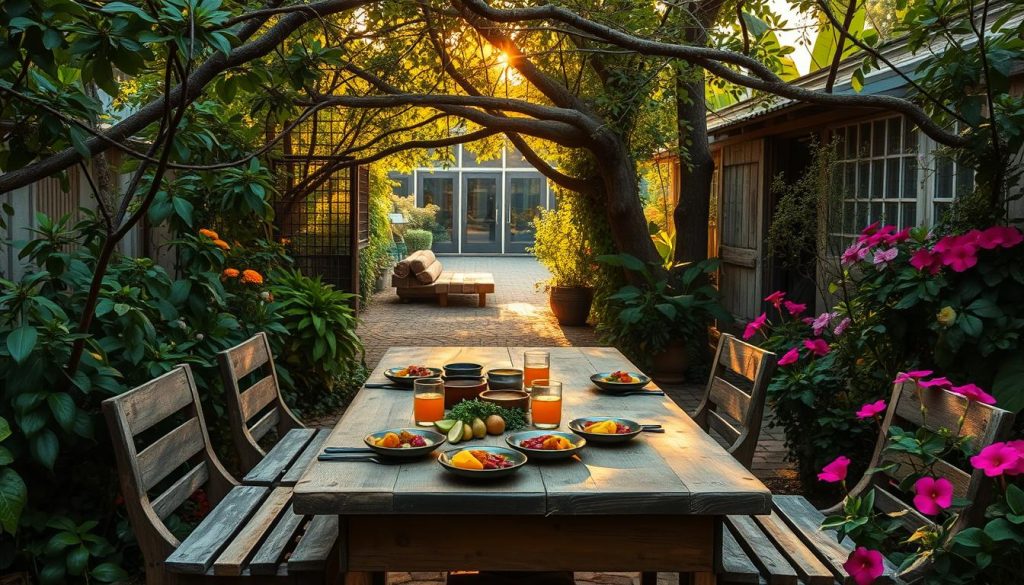
Restaurants not close to tourist spots usually focus more on quality. Moving away from tourist centers means finding where the locals go. For instance, in Europe, locals often eat after 8 PM, unlike tourists who eat around 6 PM.
If you see a crowded restaurant after 8 PM with people speaking the local language, it’s likely authentic.
Exploring Local Neighborhoods
Local areas are full of undiscovered food places. Eateries near offices are good for lunch, showing they serve local food. Look for places with menus in the local language and fair prices.
By dining in these spots, you not only eat well but also connect with the culture. Eating at non-peak times might also help you get a table at popular places.
How to Identify the Best Local Restaurants
Looking for amazing local eateries while traveling can make your trip unforgettable. To dive into local cuisines, follow these tips and tricks. They’ll guide you to the real food treasures of any area.
Spot the Locals
Seeing locals dine somewhere is a good sign of a great restaurant. Places with locals mean the food is authentic and tastes great. Greg Freitas and Natalie Compagno, world travelers, say restaurants with locals lined up are usually the best. They found this true everywhere, from Egypt to Auckland.
Think about where the restaurant is too. Spots in pricey areas mostly attract tourists. According to Rick Steves, locals prefer dining in less busy streets. Here, the food reflects local flavors and traditions. 
Avoid Restaurants with Inviting Hosts Outside
Stay away from places where staff try to draw you in. This usually means they’re looking for tourists. Big signs saying “We speak English” or “No frozen food” are red flags, Rick Steves notes. Such places may not offer the real local dining experience.
Choose family-owned spots instead for a memorable meal. These places have a special touch, passing down recipes through generations. The result? A richer taste adventure.
To wrap it up, find real local dining by looking where locals go, skipping tourist spots, and picking family-owned restaurants. Follow these steps to enjoy amazing local foods during your travels.
Research and Preparation
Planning your culinary adventures improves your experience. You get to enjoy the best local flavors and culture. Learn to research and prepare so you don’t end up in touristy spots. Find those hidden dining treasures.
Using Online Reviews and Social Media
Use sites like TripAdvisor, Yelp, and Google Reviews. They’re trusted by 80% of travelers for finding top dining spots. On Instagram and TikTok, you can see great food pictures. But remember, 70% of people find some pictures misleading. Pinterest is a favorite for 60% of travel writers to find reliable food guides.
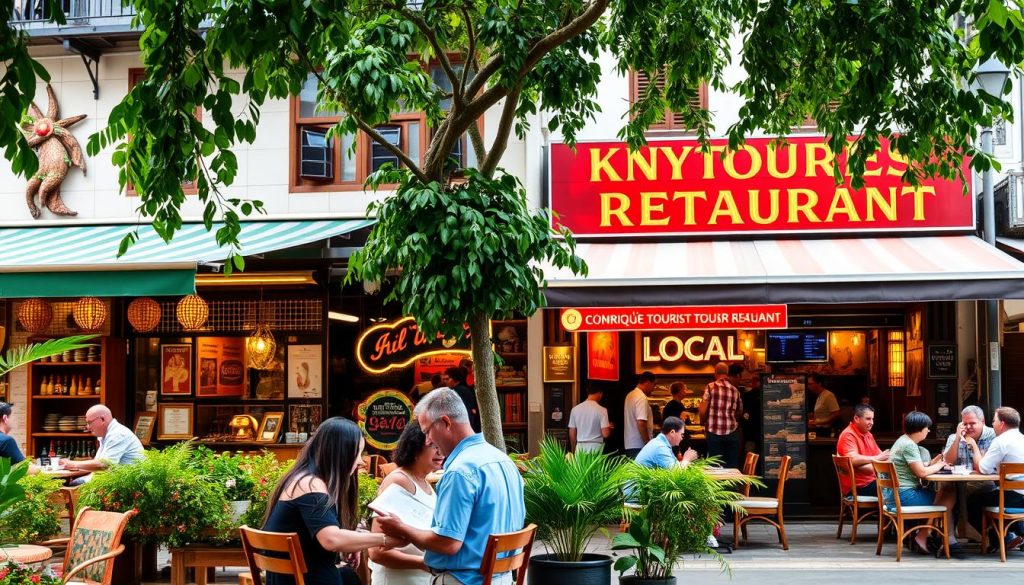
Seeking Recommendations from Locals
Talking to locals helps you discover amazing food places. Nearly 65% of travelers get tips from them. People such as Uber drivers or tourism staff know the best spots. And 48% of tourists would miss out without this advice. Food tour fans, 90% of them, prefer local recommendations. It’s especially great for students and those watching their budget.
Books and Guides by Trusted Food Critics
Books and guides by famed food critics are helpful too. Look for works by Anthony Bourdain, David Chang, and Andrew Zimmern. They share reviews and guide you to unique places. These resources uncover hidden eateries and festivals. Travelers say visiting local markets and food festivals teaches them about regional diets.
So, doing your homework can make eating out special. Steer clear of tourist traps. Use reliable guides to make your meals memorable and genuine.
How do I find authentic dining options and avoid tourist traps?
Looking for true culinary experiences is key to enjoying local food cultures. It’s important to find places where the meals truly reflect regional flavors. This makes your dining experience both richer and more authentic.
Key Questions to Ask
Start by asking about seasonal dishes and local favorites to spot authentic places. A genuine restaurant often changes its menu with the seasons. But a place with a big, multi-language menu might be catering more to tourists than to locals.
Visual and Menu Cues
Look for signs to find real dining spots. A good sign is if a lot of locals eat there. Places with local crowds usually offer an authentic taste of the area. Also, steer clear of restaurants where someone is always trying to bring you inside. These are often just tourist spots.
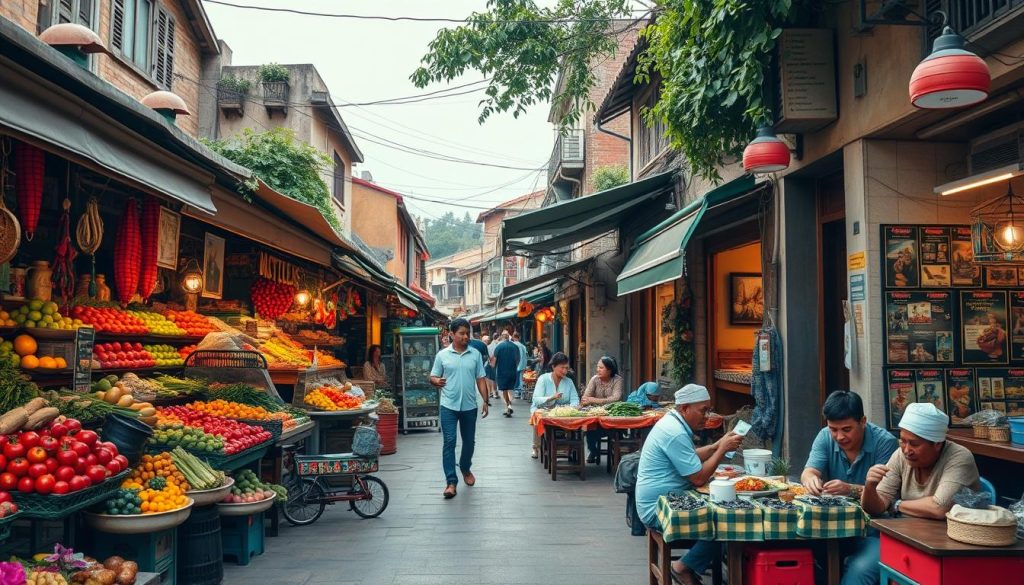
Menus in many languages often mean the food won’t be great. Also, a menu that tries to offer dishes from all over might not do any of them well. This lack of focus can make the food quality suffer.
Understanding Regional Specialties
Learning about local dishes can help you pick the right places to eat. Talk to people who live there, visit local markets, and ask about favorite dishes. This approach not only improves your dining but helps you avoid places aimed at tourists.
| Indicator | Authentic Restaurant | Tourist Trap |
|---|---|---|
| Menu Languages | Primarily local language | Multiple languages |
| Seasonal Dishes | Menu rotates with the season | Fixed year-round menu |
| Clientele | Mostly locals | Predominantly tourists |
| Ambiance | Authentic, subtle decor | Kitschy, touristy decor |
| Host Presence | No host outside | Pushy host outside |
By using these tips and paying attention to the details, you’ll have a better shot at finding real, delicious dining spots while traveling. This way, figuring out how do I find authentic dining options and avoid tourist traps? won’t be so hard.
Tips for an Authentic Dining Experience
To really dive into the local culture, enjoying authentic dining is key. By embracing local dining habits, you can get closer to understanding the area’s food traditions.
Engaging with the Server for Recommendations
Talking to the server is a great way to find real local dishes. They can suggest the best meals, which might include secret specialties. In Italian restaurants, they often recommend dishes that use fresh, seasonal ingredients.
This practice is common where the menu changes to showcase what’s fresh. It’s a part of the local dining experience.
- Build a rapport with your server.
- Inquire about local specialties and seasonal dishes.
- Respect their expertise and recommendations.
Embracing Local Dining Customs
Truly authentic meals come with understanding the area’s dining habits. This can mean eating at certain times or following specific etiquette. For example, in Italy, people eat dinner late, enjoying their time without hurrying.
Observing these customs not only improves your meal but also shows respect for the culture.
| Country | Typical Dining Hours | Customary Practices |
|---|---|---|
| Italy | 8 PM – 10 PM | Leisurely meals, wine pairings |
| Spain | 9 PM – 11 PM | Tapas culture, late-night meals |
| Japan | 6 PM – 9 PM | Respect for the chef, seasonal ingredients |
| France | 7 PM – 9 PM | Multiple courses, wine with each course |
Talking with servers and getting into local dining habits can make your trip much better. These easy steps lead to real and tasty dining experiences you’ll remember.
Personal Stories and Experiences
Personal stories and dining adventures capture the heart of true cuisine. Travelers point out the value of where locals eat. For example, in cities like Cairo, Singapore, and Bangkok, waiting lines of locals often mean great food.
“Whenever I travel, I ensure to follow the locals, especially during meal times. This approach has never failed me, whether in New Zealand’s bustling Auckland markets or the serene beaches of Saint Lucia,” shares an experienced traveler.
Some say to avoid guidebooks. These guides can lead you to crowded spots full of tourists. This may lessen the authenticity of your experience. Relying only on locals might also mislead, as their suggestions could favor family-owned places.
Food blogs have changed the game in discovering dining spots. Bloggers often reveal hidden favorites not found in popular guides. An example:
- These blogs might spotlight local delicacies missed by big review sites like Yelp or OpenTable.
- Regulars on OpenTable share unique insights, different from the tourist-heavy Google reviews.
There’s advice on avoiding Americanized places for a truer culinary experience. Many agree that trying Mexican food outside North or Central America often disappoints.
There are clear signs that show if a place is a tourist trap. Some common indicators include:
| Indicator | Meaning |
|---|---|
| English-dominant Menus | Likely targeting tourists |
| Pushy English-speaking Hosts | Potentially less authentic |
| Sparse Wine List | Poor choice in wine-producing regions |
| Multiple Menu Languages | Aimed at an international audience |
| Over 200+ Seats | Large-scale, often tourist-focused |
A traveler shared a tip: choose restaurants from niche reviews. They suggest places where locals go, like small spots in strip malls. This way often leads to amazing food finds.
These dining stories and tips help avoid tourist traps. They guide you to real, delicious meals, whether in a quiet Bangkok alley or a busy street market in Egypt.
Conclusion
This guide has offered insights on finding true local cuisine and dodging tourist traps. About 75% of travelers seek out local food when they visit new places. It’s a big reason why people love to travel. Knowing how to spot tourist traps, like photo menus, helps a lot. It’s key to eat like a local.
Stepping off the beaten path can lead you to real foodie treasures. Studies show that places packed with locals are 70% likely to be authentic. Relying on online reviews and social media boosts your chances by 60%. Also, asking locals for tips can make your meal 47% better. This approach is very effective.
Ready for an adventure? Start with some prep and an open mind. Visiting local markets and getting to know the food scene is thrilling. Learning a few phrases in the local language helps too. These steps make your food journey unique and memorable. After all, the essence of travel is connecting with the local life and tastes.